"Marvel at stunning architecture and historical significance."
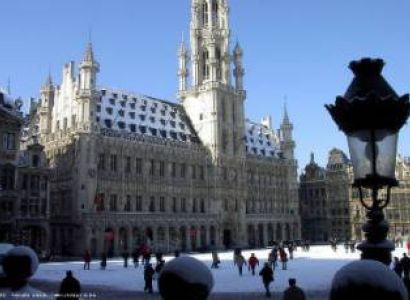
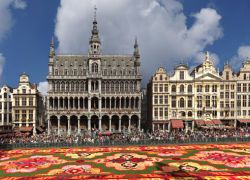
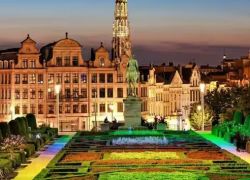
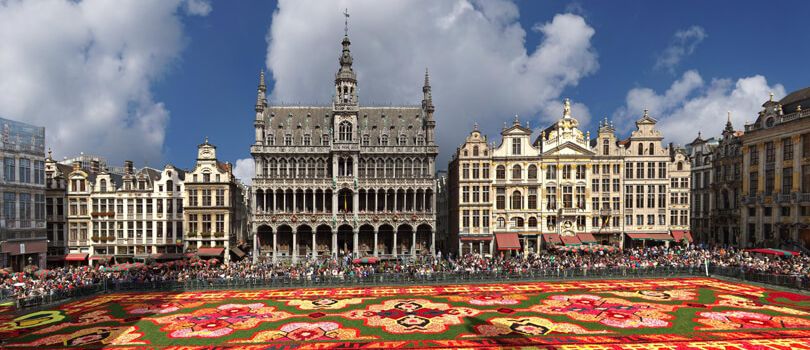
The Grand Place, also known as **Grote Markt**, is the central square of Brussels and is considered one of the most beautiful squares in Europe. Recognized as a UNESCO World Heritage site, it is the heart of Brussels and is surrounded by magnificent buildings, including the City Hall, the King's House, and the beautiful guildhalls. The square is famous for its stunning architecture, vibrant history, and as a hub of activity. Whether you’re visiting for its history, architecture, or the lively atmosphere, the Grand Place is undoubtedly one of the most iconic landmarks in Brussels.
How to Reach Grand Place, Brussels
The Grand Place is conveniently located in the heart of Brussels and is easily accessible by public transportation. The nearest metro station is **Bourse** (Metro Line 3 and 4), just a short walk from the square. You can also reach the Grand Place via **Brussels Central Station**, which is around 5-10 minutes on foot. The square is well connected to buses, trams, and taxis, making it easy to get there from almost anywhere in the city. If you're staying in the city center, many attractions are within walking distance, including the famous Manneken Pis statue, which is just a few minutes away from the Grand Place.
Weather in Brussels
Brussels experiences a temperate maritime climate, meaning it has mild winters and cool summers. The best time to visit the Grand Place is in spring (April to June) and autumn (September to October) when the weather is pleasant, with average temperatures ranging from 10°C (50°F) to 20°C (68°F). The summer months (June to August) are warmer, but they can also be crowded, especially during the Brussels Flower Carpet event or the Grand Place's annual events. Winter (November to March) can be cold, with temperatures often below 5°C (41°F), but it is also a wonderful time to visit if you enjoy festive Christmas markets and fewer crowds.
Why Grand Place is Famous
The Grand Place is famous for its architectural splendor, historic significance, and vibrant atmosphere. The square dates back to the 12th century and has always been the center of Brussels’ political, social, and commercial life. The buildings surrounding the square represent various architectural styles, including Gothic, Baroque, and Louis XIV. The **Brussels Town Hall**, with its tall spire, is one of the most iconic buildings in the square, and it is an excellent example of Gothic architecture. The **King's House (Maison du Roi)**, another prominent building, is now home to the **Brussels City Museum** and is an architectural marvel in its own right. The Grand Place also hosts several important cultural events throughout the year, including the **Brussels Flower Carpet** every two years, which decorates the square with thousands of begonias, and **Ommegang**, a medieval pageant that recreates historical events.
Entry and Visit Details for Grand Place, Brussels
The Grand Place is an open public square and is free to visit. There are no entry fees to explore the square itself, and it is open year-round, 24 hours a day. However, the surrounding buildings, such as the **Brussels City Museum** in the King's House, do have an entrance fee. The museum showcases Brussels’ history and the evolution of the Grand Place. The **Town Hall** also offers guided tours and is typically open from 9:00 AM to 5:00 PM, except on Mondays when it may be closed. If you want to explore the square and the surrounding area in greater detail, consider taking a guided walking tour, which is available in several languages and provides a deeper understanding of the history and architecture of the Grand Place and its surroundings.
History and Architecture of Grand Place, Brussels
The Grand Place has a fascinating history that stretches back to the Middle Ages. Originally, the square was a marketplace, but it became the center of political, economic, and cultural life in Brussels over the centuries. The square has witnessed many key historical events, including royal ceremonies, public executions, and celebrations. In 1695, much of the Grand Place was destroyed by French bombardment, but it was meticulously rebuilt by the citizens of Brussels, restoring its former glory. Today, it stands as a testament to the city’s resilience and dedication to preserving its heritage.
The architectural styles surrounding the Grand Place reflect the wealth and power of the guilds and the nobility. The **Brussels Town Hall**, built in the late 15th century, is an exceptional example of Gothic architecture, with its soaring spire and ornate details. The **King's House**, a fine example of late Gothic and Renaissance architecture, was originally used as the home of the city’s rulers and now houses the Brussels City Museum. Surrounding the Town Hall are the guildhalls, which were once the headquarters of the city's different trade guilds. These guildhalls showcase Baroque and Louis XIV architectural styles and are adorned with golden decorations and intricate carvings, adding to the square's grandeur.
Things to Do Around Grand Place, Brussels
There are plenty of things to see and do around the Grand Place. Whether you’re looking to explore more historical landmarks or enjoy a delicious meal, the area has something for everyone. Here are some ideas:
Facts and Tips About Grand Place, Brussels
Conclusion
The Grand Place in Brussels is undoubtedly one of Europe’s most magnificent public squares, filled with history, culture, and architectural beauty. Whether you’re admiring the intricate facades of the guildhalls, exploring the Brussels City Museum, or simply enjoying the lively atmosphere of the square, the Grand Place is a must-visit destination for any traveler in Brussels. Its beauty, charm, and cultural significance make it the heart of the city, and a visit here will undoubtedly be a highlight of your time in Belgium.
``