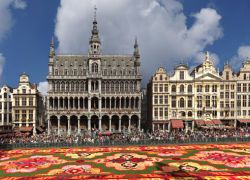
"Experience Brussels' artistic treasures and gardens."
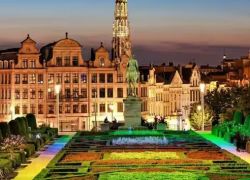
Mont des Arts is one of the most beautiful and historic areas in Brussels, offering stunning views of the city and housing several of the city's most prominent cultural landmarks. Located between the Grand Place and the Royal Palace, Mont des Arts is an elevated area that is home to a wide range of museums, art galleries, and gardens. The area is well-known for its magnificent architecture and offers both locals and tourists a chance to enjoy the cultural richness and beauty of Brussels.
How to Reach Mont des Arts
Getting to Mont des Arts is quite easy, as it is centrally located in Brussels. If you’re traveling by train, the nearest station is Brussels Central (Bruxelles-Central), which is just a 10-minute walk away. The area is also easily accessible by metro, with the "Mont des Arts" stop on the Brussels Metro Line 1 and 5. From there, it’s just a short walk up to the viewpoint and surrounding museums. Many popular attractions, such as the Royal Palace and the Belgian Comic Strip Center, are within walking distance of Mont des Arts, making it an ideal starting point for your exploration of the city.
Weather in Brussels
The weather in Brussels is temperate, with mild winters and relatively cool summers. Winter temperatures usually range between 0°C to 5°C (32°F to 41°F), while summer temperatures hover between 15°C and 25°C (59°F-77°F). Rain is frequent throughout the year, so it’s always advisable to carry an umbrella when visiting. For the best weather conditions, try visiting during spring or early autumn, when the temperatures are more pleasant for exploring outdoor sites like Mont des Arts.
Why Mont des Arts is Famous
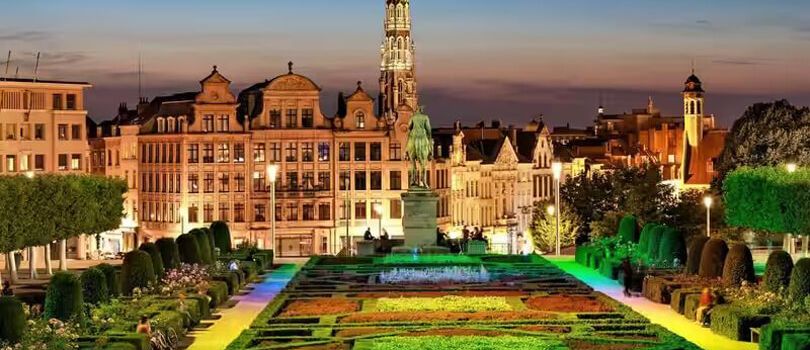
Mont des Arts is famous for being the cultural heart of Brussels. The area is home to some of the city’s most important museums, including the Royal Museums of Fine Arts of Belgium, the Magritte Museum, and the Musical Instruments Museum. Its elevated position provides breathtaking panoramic views of the lower parts of Brussels, making it an excellent spot for photography. The gardens of Mont des Arts are also a highlight, with their carefully designed landscaping, fountains, and sculptures adding to the area’s charm. It is also a place where visitors can enjoy both cultural experiences and natural beauty, making it a must-see in Brussels.
Things to Do at Mont des Arts
When visiting Mont des Arts, there are plenty of activities to enjoy. You can explore the numerous museums and art galleries that line the area, including the Royal Museums of Fine Arts, which showcase both classical and modern works. The Magritte Museum, dedicated to the works of surrealist artist René Magritte, is another must-visit for art lovers. The area is also perfect for a leisurely walk through its beautifully landscaped gardens, where you can sit and enjoy the peaceful atmosphere. If you love photography, be sure to capture the panoramic views of Brussels from the elevated platform of Mont des Arts.
Facts and Tips About Mont des Arts
Church of Our Lady, Bruges
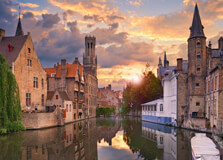
The Church of Our Lady (Onze-Lieve-Vrouwekerk) in Bruges is one of the most important landmarks in the city. Located in the heart of Bruges, this Gothic church is famous for its towering spire, which reaches 122 meters (400 feet) in height, making it one of the tallest brick structures in the world. The church is also renowned for its art collection, including the famous Madonna and Child sculpture by Michelangelo.
How to Reach Church of Our Lady from Brussels
To visit the Church of Our Lady from Brussels, take a direct train from Brussels Central Station to Bruges. The journey typically takes around 1 hour. Once in Bruges, the church is just a 10-minute walk from the train station. The city’s medieval streets are charming and easy to navigate, and you’ll enjoy the beautiful sights as you make your way to the church.
Weather in Bruges
Bruges, like Brussels, experiences a temperate climate. Winters are cold with temperatures ranging between 0°C to 5°C (32°F to 41°F), while summers are mild, with temperatures averaging between 15°C and 25°C (59°F-77°F). The best time to visit Bruges is between May and September when the weather is generally pleasant for walking around the city and exploring the historical sites, including the Church of Our Lady.
Why Church of Our Lady is Famous
The Church of Our Lady is famous for its architectural grandeur and its remarkable collection of art. The church is most known for housing the Madonna and Child, a marble sculpture by Michelangelo, which was created around 1504. This masterpiece is one of the few works by Michelangelo that is located outside of Italy. The church is also significant for its towering spire, which can be seen from much of Bruges, and for its historical importance as a place of worship and burial for prominent figures from the city’s past.
Entry and Visit Details About Church of Our Lady
The Church of Our Lady is open to visitors daily, with an entrance fee of approximately €6. The church is also a functioning place of worship, so visitors are encouraged to be respectful of ongoing services. There are discounts available for students and groups, and visitors can also buy a combined ticket that grants access to the church as well as other nearby attractions in Bruges. If you’re planning to visit, it’s a good idea to check the opening hours in advance, as the church may close for religious events or special occasions.
History and Architecture of Church of Our Lady
The Church of Our Lady was built between the 13th and 15th centuries and is a prime example of Gothic architecture. The church is constructed of brick, a characteristic material of the medieval buildings in Bruges. The towering spire, one of the tallest brick towers in the world, is a prominent feature of the church. Inside, the church is filled with beautiful stained glass windows, intricate sculptures, and a remarkable collection of religious artwork. Its historical and architectural significance makes it one of the most visited sites in Bruges.
Things to Do at Church of Our Lady
During your visit to the Church of Our Lady, be sure to admire Michelangelo’s Madonna and Child, one of the most famous sculptures in the world. You can also explore the church’s crypt, which contains the tombs of prominent individuals from Bruges' medieval history. Additionally, take time to enjoy the church’s beautiful architecture and its peaceful atmosphere, which provides a perfect escape from the bustling city.
Facts and Tips About Church of Our Lady