
Kaziranga Orchid, located in the vicinity of Kaziranga National Park in Assam, India, is a hidden gem that showcases the beauty of Assam’s diverse flora. Famous for its vibrant collection of orchids, the garden is a peaceful retreat for nature lovers, photographers, and anyone looking to enjoy the natural beauty of the region. With a wide variety of orchids in full bloom, the Kaziranga Orchid Garden offers an unforgettable experience for those who appreciate the delicate beauty of flowers. How to Reach Kaziranga Orchid Kaziranga Orchid is easily accessible from Kaziranga National Park. Here’s how you can reach the location: By Air: The nearest airport is Jorhat Airport, about 70 km away. You can hire a taxi from Jorhat to reach Kaziranga Orchid. Alternatively, you can fly into Guwahati International Airport, which is around 193 km from the garden, and take a cab or bus from there. By Train: The nearest railway station is Furkating Junction, approximately 50 km away. From Furkating, you can hire a taxi or take a local bus to the orchid garden. By Road: Kaziranga Orchid is located about 10-15 km from the main Kaziranga National Park area, making it easily accessible by road. If you’re coming from Kaziranga, it’s a short drive through the rural roads that are well-connected to the park’s surrounding areas. Weather and Best Time to Visit Kaziranga Orchid The climate in Kaziranga Orchid is typical of the region, with humid conditions and monsoon rains during specific months. Here’s what you should expect: Summer (March to May): The temperatures range from 25°C to 35°C, making it warm but not excessively hot. The summer months are great for visiting the orchid garden as the flowers bloom vibrantly during this time. Monsoon (June to September): The region receives heavy rainfall during the monsoon season, which is not ideal for visiting the garden as the roads can get muddy and difficult to navigate. However, the orchids thrive in the wet season, and some visitors come to see the lush greenery and blossoming flowers. Winter (November to February): This is the best time to visit the garden. The weather is pleasant, with temperatures ranging from 10°C to 25°C. The orchids are in full bloom, and the cool weather makes it perfect for outdoor activities like photography and nature walks. Why Kaziranga Orchid is Famous Kaziranga Orchid is famous for its stunning collection of orchids, which includes both native and exotic species. Orchids are an important part of Assam’s biodiversity, and Kaziranga Orchid showcases the region’s rich floral heritage. The garden is home to numerous varieties, some of which are rare and endangered. The colorful blooms, vibrant colors, and intoxicating scents make it a popular attraction for nature lovers, botanical enthusiasts, and photographers. Entry and Visit Details Visiting Kaziranga Orchid is easy, with flexible hours and entry arrangements. Here’s what you should know: Entry Fees: The entry fee to the Kaziranga Orchid is modest and typically varies for domestic and international tourists. It is advisable to check the fees in advance before planning your visit. Visiting Hours: The garden is usually open from 9:00 AM to 5:00 PM, making it a great spot for a half-day trip. It's recommended to visit during the morning or late afternoon when the lighting is perfect for photography. Guided Tours: You can take a guided tour to learn about the different species of orchids and the conservation efforts being made to protect these flowers. The guides are knowledgeable and can explain the significance of each species in the local ecosystem. Facilities: The garden has basic facilities for visitors, including a small café, toilets, and benches for relaxation. Be sure to carry your own water and snacks, as the facilities are limited. Things to Do at Kaziranga Orchid Aside from admiring the orchids, there are several activities you can enjoy during your visit: Photography: Kaziranga Orchid offers countless opportunities for nature photography. Capture the vibrant colors and intricate details of the blooming orchids, as well as the surrounding flora and fauna. Botanical Education: If you’re a botanical enthusiast, you’ll enjoy learning about the different species of orchids. The garden’s staff can give you in-depth information about the plants, their growth, and their significance to Assam’s environment. Nature Walks: The area surrounding Kaziranga Orchid is lush and green, providing a perfect setting for nature walks. Explore the natural beauty of the region while enjoying the peaceful environment. Relaxation: Take time to relax in the garden’s serene atmosphere. The soothing sounds of nature and the sight of colorful flowers provide the perfect environment for stress relief and peaceful reflection. Facts and Tips About Kaziranga Orchid Kaziranga Orchid is home to several species of rare and endangered orchids, some of which are only found in this part of India. The garden is located near Kaziranga National Park, which is a UNESCO World Heritage Site, making it an excellent addition to your itinerary when visiting the park. It’s recommended to carry insect repellent and wear light, breathable clothing, especially during the summer months, as the region is humid and lush with vegetation. For photographers, the best time to visit is early morning or late afternoon when the light is soft, making it perfect for capturing the flowers in full bloom. Ensure you respect the plants and their surroundings during your visit. Avoid picking the flowers or damaging any of the plants in the garden. Church of Our Lady, Bruges The Church of Our Lady in Bruges, Belgium, is a renowned Gothic church that is famous for housing the statue of Madonna and Child by Michelangelo. While not related to Kaziranga Orchid or Kaziranga, it is an important historical and architectural site in Europe. The church is one of the most beautiful examples of medieval architecture and a must-visit for those traveling to Bruges for its cultural and artistic significance. Conclusion Kaziranga Orchid offers a unique experience for anyone interested in Assam's natural beauty and floral diversity. The lush greenery, vibrant orchids, and peaceful environment make it a perfect spot to relax and enjoy nature. Whether you are a photographer, nature lover, or botanical enthusiast, a visit to Kaziranga Orchid is sure to leave you with lasting memories of the beauty of Assam’s flora.
Explore More
The Assam State Zoo cum Botanical Garden, commonly known as the Guwahati Zoo, is located in Guwahati, Assam. Established in 1957, the zoo is spread over 432 acres and is home to a wide variety of flora and fauna native to the region. It is one of the largest and oldest zoos in India, attracting visitors from all over the country. Location and Geographical Overview The Assam State Zoo is located in the Hengrabari Reserve Forest in Guwahati, Assam. Situated in the heart of the city, the zoo is easily accessible by road and is a popular tourist destination in the region. The lush greenery and picturesque surroundings make it a perfect place for nature lovers to visit. Open and Closing Time The Assam State Zoo is open to visitors from 8:00 AM to 4:30 PM every day, except on Fridays. The zoo remains closed on Fridays for maintenance and upkeep. Visitors are advised to plan their trip accordingly to avoid disappointment. Entry Fee The entry fee for the Assam State Zoo is Rs. 50 for adults and Rs. 25 for children below the age of 12. Senior citizens and students are eligible for a discounted entry fee of Rs. 20. Visitors can also opt for a group entry ticket for Rs. 30 per person (minimum group size of 20 people). Species-Flora/Fauna Availability The Assam State Zoo is home to a diverse range of species, both flora and fauna. Visitors can see animals like the Indian rhinoceros, tigers, leopards, elephants, and various species of birds and reptiles. The botanical garden within the zoo boasts a wide variety of plant species, including rare orchids and medicinal plants. Activities Performed Visitors to the Assam State Zoo can enjoy a range of activities, including guided tours, animal feeding sessions, and nature walks. The zoo also conducts educational programs for school children and organizes wildlife conservation workshops to raise awareness about the importance of wildlife conservation. Jeep Safari Charges The Assam State Zoo offers jeep safari rides for visitors to get a closer look at the animals in their natural habitat. The charges for a jeep safari ride are Rs. 200 per person, with a minimum group size of four people. The safari rides are conducted by trained guides who provide valuable insights about the animals and their behavior. Age Criterion and Entry Fee The entry fee for the Assam State Zoo is Rs. 50 for adults, Rs. 25 for children below the age of 12, and Rs. 20 for senior citizens and students. Children below the age of 5 are allowed entry free of cost. Visitors are required to provide valid identification proof to avail of the discounted entry fee. Senior Citizen Facilities The Assam State Zoo offers special facilities for senior citizens, including wheelchair access, seating arrangements, and rest areas. The zoo staff is trained to assist elderly visitors and ensure their comfort and safety during their visit to the zoo. Best Time to Visit The best time to visit the Assam State Zoo is during the winter months, from November to February, when the weather is pleasant and conducive for outdoor activities. Visitors are advised to avoid visiting during the monsoon season, as heavy rainfall can disrupt the zoo's operations. Nearby Places to Visit Guwahati, being a popular tourist destination, offers a range of attractions for visitors to explore. Some nearby places to visit include the Kamakhya Temple, Umananda Island, Assam State Museum, and Pobitora Wildlife Sanctuary. Visitors can also indulge in local cuisine and shop for souvenirs at the bustling markets in the city. Vehicle Parking Facility The Assam State Zoo provides ample parking space for visitors' vehicles, ensuring a hassle-free experience. Visitors can avail of the parking facility at a nominal charge and park their vehicles securely while they explore the zoo and its attractions. Rules and Regulations Visitors to the Assam State Zoo are required to follow certain rules and regulations to ensure the safety of the animals and maintain cleanliness within the premises. Some of the key rules include refraining from littering, feeding the animals, and making loud noises that may disturb the animals. Photography is allowed but flash photography is prohibited to avoid distressing the animals. How to Reach and Other Related Information The Assam State Zoo is easily accessible by road, with regular bus and taxi services available from Guwahati city center. The nearest railway station is Guwahati Railway Station, located approximately 6 km away from the zoo. The Lokpriya Gopinath Bordoloi International Airport is the nearest airport, situated about 25 km from the zoo. Visitors can also hire auto-rickshaws or cabs to reach the zoo conveniently.
Explore More
Assam State Zoo cum Botanical Garden
Assam State Zoo cum Botanical Garden, located in Guwahati, is a unique tourist attraction that offers a blend of natural beauty, biodiversity, and conservation efforts. The park serves as a sanctuary for various flora and fauna, making it a must-visit destination for nature enthusiasts and wildlife lovers. History of Assam State Zoo cum Botanical Garden Established with a rich historical background, this park originated from former royal hunting grounds and has since evolved into a significant center for wildlife conservation. Its efforts in preserving endangered species have garnered international recognition, contributing to its UNESCO status as a vital conservation area. Architecture and Natural Beauty of Assam State Zoo cum Botanical Garden The park boasts a diverse landscape comprising wetlands, forests, and grasslands that provide a natural habitat for numerous bird species. Among its attractions is the historical Keoladeo Temple, adding a cultural touch to the park's serene surroundings. Why is Assam State Zoo cum Botanical Garden Famous? Assam State Zoo cum Botanical Garden is renowned for its abundance of bird species, making it a popular spot for birdwatchers and photographers. The park's natural environment and biodiversity attract nature enthusiasts seeking to explore and appreciate the region's wildlife. How to Reach Assam State Zoo cum Botanical Garden Traveling to Assam State Zoo cum Botanical Garden is convenient, with various options available. Visitors can reach the park via air, rail, or road, with nearby airports and railway stations facilitating easy access to this natural haven. Weather and Best Time to Visit Assam State Zoo cum Botanical Garden The park experiences varying weather conditions throughout the year, with distinct seasons of summer, monsoon, and winter. To make the most of your visit, plan to explore the park during the favorable months that offer pleasant weather and optimal wildlife sightings. Timings of Assam State Zoo cum Botanical Garden Assam State Zoo cum Botanical Garden welcomes visitors during specific timings, ensuring an organized and enjoyable experience for all. Be sure to check for any seasonal variations in timings and plan your visit accordingly for a memorable trip. Entry Fee and Visit Details Entry into Assam State Zoo cum Botanical Garden is subject to specific procedures, with guide services and safari options available for a more immersive experience. Visitors can also opt for bicycle rentals to explore the park at their own pace, with essential facilities catering to their needs. Things to Do at Assam State Zoo cum Botanical Garden Engage in a variety of activities at Assam State Zoo cum Botanical Garden, including birdwatching, photography, cycling, and walking trails. Immerse yourself in nature observation and educational experiences within the park's tranquil environment, offering a unique blend of leisure and learning. Interesting Facts About Assam State Zoo cum Botanical Garden Assam State Zoo cum Botanical Garden is home to a diverse range of migratory birds, showcasing the region's rich biodiversity. The park's conservation achievements and ecological importance underscore its role in preserving and promoting wildlife diversity. Travel Tips for Visiting Assam State Zoo cum Botanical Garden When planning a visit to Assam State Zoo cum Botanical Garden, consider practical tips such as appropriate clothing, essential photography gear, and the best seasons for birdwatching. Embrace responsible tourism practices to support conservation efforts and enhance the overall visitor experience. Conclusion In conclusion, Assam State Zoo cum Botanical Garden in Guwahati stands as a testament to the region's natural beauty and conservation initiatives. Offering a harmonious blend of biodiversity and tourism opportunities, this hotspot provides a memorable experience for visitors seeking to connect with nature and wildlife.
Explore More
Deepor Beel Bird Sanctuary, located in Guwahati, is a haven for nature lovers and bird enthusiasts. This sanctuary is renowned for its rich biodiversity, serene natural environment, and captivating bird species, making it a popular destination for both tourists and locals alike. History of Deepor Beel Bird Sanctuary With a historical background dating back to ancient times, the area of Deepor Beel was once a royal hunting ground. Over the years, concerted conservation efforts have transformed this region into a protected sanctuary. The sanctuary's significance has been recognized by UNESCO, highlighting its importance in preserving the diverse flora and fauna of the region. Architecture and Natural Beauty of Deepor Beel Bird Sanctuary The sanctuary boasts a picturesque landscape comprising wetlands, forests, and grasslands that provide a natural habitat for a myriad of bird species. The Keoladeo Temple, a historic site within the park, adds to the charm of the surroundings, blending cultural and natural heritage seamlessly. Why is Deepor Beel Bird Sanctuary Famous? Deepor Beel Bird Sanctuary is famous for being a paradise for birdwatchers, photographers, and wildlife enthusiasts. The sanctuary's diverse avian population, including migratory birds, attracts visitors from far and wide who seek to witness the beauty of these winged creatures in their natural habitat. How to Reach Deepor Beel Bird Sanctuary Travelling to Deepor Beel Bird Sanctuary is convenient, with options available by air, rail, and road. The sanctuary is easily accessible from nearby airports and railway stations, making it an ideal destination for both domestic and international travelers. Weather and Best Time to Visit Deepor Beel Bird Sanctuary The sanctuary experiences varied weather conditions throughout the year, with distinct summer, monsoon, and winter seasons. The best time to visit Deepor Beel Bird Sanctuary is during the winter months when the weather is pleasant, and bird sightings are abundant. Timings of Deepor Beel Bird Sanctuary Visitors can explore Deepor Beel Bird Sanctuary during specified timings, with seasonal variations in operation hours. Planning your visit accordingly will ensure a fulfilling experience amidst the natural beauty of the sanctuary. Entry Fee and Visit Details Entry procedures to Deepor Beel Bird Sanctuary are straightforward, with guide services and safari options available for visitors. Additionally, bicycle rentals and other visitor facilities are provided to enhance the overall experience of exploring the sanctuary. Things to Do at Deepor Beel Bird Sanctuary Engaging in activities such as birdwatching, photography, cycling, and walking trails at Deepor Beel Bird Sanctuary offers visitors a chance to immerse themselves in the tranquility of the surroundings. Nature observation and educational experiences further enrich the visit, providing insights into the sanctuary's diverse ecosystem. Interesting Facts About Deepor Beel Bird Sanctuary Deepor Beel Bird Sanctuary is home to a fascinating array of migratory birds and boasts significant conservation achievements. The sanctuary's ecological importance lies in its role as a sanctuary for various bird species, contributing to the preservation of biodiversity in the region. Travel Tips for Visiting Deepor Beel Bird Sanctuary When visiting Deepor Beel Bird Sanctuary, it is advisable to dress appropriately for the weather and carry essential birdwatching equipment. Understanding the best visiting seasons and practicing responsible tourism ensures a memorable and sustainable experience for all visitors. Conclusion In conclusion, Deepor Beel Bird Sanctuary in Guwahati stands as a testament to the harmonious coexistence of nature and wildlife. With its historical significance, breathtaking natural beauty, and diverse bird population, the sanctuary offers a unique and enriching experience for all who venture into its serene surroundings.
Explore More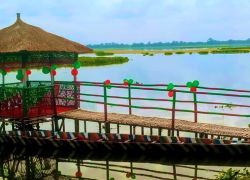
Laokhowa Wildlife Sanctuary is one of the important protected forest areas located in the Nagaon district of Assam. Known for its rich wetlands, grasslands, and forest ecosystem, the sanctuary plays a vital role in preserving Assam’s wildlife and biodiversity. Situated close to the Brahmaputra floodplains, Laokhowa Wildlife Sanctuary is especially famous for its birdlife, scenic landscapes, and peaceful natural environment. It is an ideal destination for nature lovers, bird watchers, wildlife enthusiasts, and travelers seeking a quiet escape into nature. Why Laokhowa Wildlife Sanctuary is Famous in Nagaon, Assam Laokhowa Wildlife Sanctuary is famous for its unique wetland ecosystem and as a habitat for a wide variety of birds and animals. The sanctuary is particularly well known for migratory birds that arrive during the winter season, making it a paradise for birdwatching. It is also part of a larger ecological region that once supported populations of rhinoceros and other large mammals. The sanctuary’s vast grasslands, water bodies, and riverine forests create a beautiful natural setting. Its peaceful atmosphere and less-crowded environment make it a great alternative to more commercial wildlife destinations in Assam. History of Laokhowa Wildlife Sanctuary The history of Laokhowa Wildlife Sanctuary is closely connected with Assam’s efforts to protect its wildlife and natural habitats. The area was declared a wildlife sanctuary in 1978 with the aim of conserving grassland and wetland ecosystems along the Brahmaputra basin. In earlier times, the region was part of a larger wildlife corridor and supported diverse fauna, including the Indian one-horned rhinoceros. Over the years, changes in river patterns, floods, and human activities affected wildlife populations. Despite challenges, Laokhowa Wildlife Sanctuary remains an important conservation area and continues to support many species of birds, deer, reptiles, and aquatic life. Landscape and Natural Features (Architecture of Nature) Laokhowa Wildlife Sanctuary does not have man-made architectural monuments. Its beauty lies in its natural “architecture” formed by wetlands, grasslands, rivers, and forest patches. The sanctuary spreads across a flat floodplain landscape shaped by seasonal flooding of the Brahmaputra and its tributaries. The grasslands provide grazing areas for herbivores, while the wetlands and beels support fish and aquatic plants. Forested patches offer shelter to animals and birds. This natural design makes Laokhowa a vital ecological zone and a scenic destination for visitors. How to Reach Laokhowa Wildlife Sanctuary, Nagaon, Assam Laokhowa Wildlife Sanctuary is easily accessible from Nagaon and nearby towns. By Road: Nagaon town is well connected by road to Guwahati and other parts of Assam. From Nagaon, visitors can hire taxis or private vehicles to reach Laokhowa Wildlife Sanctuary. The sanctuary is located at a convenient distance from the town. By Rail: The nearest railway station is Nagaon Railway Station. From the station, local transport such as taxis or shared vehicles can be used to reach the sanctuary. By Air: The nearest airport is Lokpriya Gopinath Bordoloi International Airport in Guwahati. From Guwahati, travelers can reach Nagaon by road or train and then proceed to the sanctuary. Weather and Best Time to Visit Laokhowa Wildlife Sanctuary The climate of Laokhowa Wildlife Sanctuary is typically humid and influenced by Assam’s monsoon patterns. Summer (March to June): Summers are warm, with temperatures ranging between 25°C and 35°C. Wildlife sightings may be limited during peak heat. Monsoon (July to September): Monsoon brings heavy rainfall and flooding, which enriches the ecosystem but makes travel difficult. Winter (October to February): Winter is the best time to visit Laokhowa Wildlife Sanctuary. The weather is pleasant, and migratory birds arrive in large numbers. Timings of Laokhowa Wildlife Sanctuary The sanctuary is generally open to visitors from morning to late afternoon, usually between 6:00 AM and 4:00 PM. Timings may vary depending on weather conditions and forest department regulations. Entry and Visit Details of Laokhowa Wildlife Sanctuary Visitors may need to obtain permission or entry passes from the local forest department before entering certain areas of the sanctuary. Entry fees, if applicable, are usually minimal. Guided visits are recommended to ensure safety and better understanding of the ecosystem. Facilities inside the sanctuary are basic, so visitors should plan accordingly. Accommodation options are available in Nagaon town and nearby areas. Things to Do at Laokhowa Wildlife Sanctuary Bird Watching: Spot migratory and resident birds during winter. Nature Photography: Capture wetlands, grasslands, and wildlife. Wildlife Observation: Observe deer, reptiles, and smaller mammals. Nature Walks: Enjoy guided walks through forest and grassland areas. Eco-Education: Learn about wetland conservation and biodiversity. Interesting Facts about Laokhowa Wildlife Sanctuary Laokhowa Wildlife Sanctuary was declared a protected area in 1978. The sanctuary is part of Assam’s important wetland ecosystem. It attracts a large number of migratory birds in winter. The area was once home to the one-horned rhinoceros. Seasonal flooding helps maintain the sanctuary’s biodiversity. Tips for Visiting Laokhowa Wildlife Sanctuary Visit during winter for the best wildlife and bird sightings. Carry binoculars and cameras for bird watching. Wear comfortable, neutral-colored clothing. Follow forest rules and avoid disturbing wildlife. Carry water, snacks, and basic first-aid supplies. Conclusion Laokhowa Wildlife Sanctuary in Nagaon, Assam, is a peaceful and ecologically rich destination that showcases the natural beauty of Assam’s wetlands and grasslands. Though less commercialized than other wildlife parks, it offers a rewarding experience for nature lovers and bird enthusiasts. A visit to Laokhowa Wildlife Sanctuary helps travelers appreciate the importance of conservation while enjoying the serene landscapes and diverse wildlife of Assam.
Explore More
Burhachapori Wildlife Sanctuary
Burhachapori Wildlife Sanctuary is a beautiful and ecologically important protected area located in the Nagaon district of Assam, along the southern bank of the mighty Brahmaputra River. Known for its vast grasslands, riverine forests, wetlands, and rich biodiversity, the sanctuary is a peaceful destination for wildlife lovers, birdwatchers, and nature enthusiasts. Compared to more famous parks like Kaziranga, Burhachapori offers a quieter and more natural experience, making it ideal for travelers who want to explore Assam’s wildlife in a calm and less crowded environment. Why Burhachapori Wildlife Sanctuary is Famous in Nagaon, Assam Burhachapori Wildlife Sanctuary is famous for its riverine ecosystem and grassland landscape, which support a wide variety of wildlife and birds. The sanctuary is particularly known for its birdlife, including migratory birds that arrive during the winter season. It is also recognized as an important habitat for species such as wild buffalo, deer, wild boar, and several reptiles. The sanctuary’s scenic beauty, shaped by the Brahmaputra River, adds to its charm. Seasonal flooding enriches the soil and supports lush vegetation, making Burhachapori an important ecological zone in Assam. Its peaceful environment and natural setting attract photographers, researchers, and eco-tourists. History of Burhachapori Wildlife Sanctuary The history of Burhachapori Wildlife Sanctuary is closely linked to Assam’s conservation efforts. The area was declared a wildlife sanctuary in 1995 to protect the fragile riverine and grassland ecosystem along the Brahmaputra. Historically, this region was part of a larger natural corridor that allowed free movement of wildlife between different forest areas. In earlier times, the sanctuary supported populations of large mammals, including the Indian one-horned rhinoceros. Over the years, factors such as flooding, erosion, and human activities affected wildlife numbers. Despite these challenges, Burhachapori continues to play a crucial role in biodiversity conservation and ecological balance in the Nagaon region. Landscape and Natural Features (Architecture of Nature) Burhachapori Wildlife Sanctuary does not have man-made architectural monuments. Its “architecture” is formed by nature itself. The sanctuary is characterized by open grasslands, wetlands, river channels, sandbanks, and patches of riverine forest. These natural features are shaped by the annual flooding of the Brahmaputra River. The grasslands provide grazing areas for herbivores, while wetlands support fish, amphibians, and aquatic plants. Forested areas offer shelter and nesting grounds for birds and animals. This naturally designed landscape makes Burhachapori a visually appealing and ecologically valuable sanctuary. How to Reach Burhachapori Wildlife Sanctuary, Nagaon, Assam Burhachapori Wildlife Sanctuary is accessible from Nagaon and nearby towns. By Road: Nagaon town is well connected by road to Guwahati and other major towns of Assam. From Nagaon, visitors can hire taxis or private vehicles to reach the sanctuary. Roads leading to the sanctuary pass through rural areas and riverine landscapes. By Rail: The nearest railway station is Nagaon Railway Station. From the station, taxis and shared vehicles are available to reach Burhachapori Wildlife Sanctuary. By Air: The nearest airport is Lokpriya Gopinath Bordoloi International Airport in Guwahati. From Guwahati, travelers can reach Nagaon by road or train and then continue to the sanctuary. Weather and Best Time to Visit Burhachapori Wildlife Sanctuary The climate of Burhachapori Wildlife Sanctuary is humid and influenced by the Brahmaputra River. Summer (March to June): Summers are warm, with temperatures ranging from 25°C to 35°C. Wildlife sightings may be limited during peak heat. Monsoon (July to September): Monsoon brings heavy rainfall and flooding. While the landscape becomes lush and green, the sanctuary may remain closed or difficult to access. Winter (October to February): Winter is the best time to visit. The weather is pleasant, and migratory birds can be seen in large numbers. Timings of Burhachapori Wildlife Sanctuary The sanctuary is generally open to visitors from morning to afternoon, usually between 6:00 AM and 4:00 PM. Timings may vary depending on weather conditions and forest department guidelines. Entry and Visit Details of Burhachapori Wildlife Sanctuary Visitors may be required to obtain entry permission from the local forest department. Entry fees, if applicable, are usually minimal. Guided visits are recommended for safety and to better understand the sanctuary’s ecology. Facilities inside the sanctuary are basic. Accommodation options are available in Nagaon town and nearby areas. Visitors should carry essential items like water, food, and first-aid supplies. Things to Do at Burhachapori Wildlife Sanctuary Bird Watching: Spot migratory and resident birds, especially during winter. Nature Photography: Capture scenic views of grasslands, wetlands, and wildlife. Wildlife Observation: Observe animals like deer, wild buffalo, and wild boar. Nature Walks: Enjoy guided walks through grassland and forest areas. Eco-Tourism: Learn about riverine ecosystems and conservation efforts. Interesting Facts about Burhachapori Wildlife Sanctuary Burhachapori Wildlife Sanctuary was declared a protected area in 1995. The sanctuary lies along the southern bank of the Brahmaputra River. It is known for its grassland and wetland ecosystem. The area attracts many migratory birds during winter. Seasonal flooding plays a key role in maintaining biodiversity. Tips for Visiting Burhachapori Wildlife Sanctuary Visit during winter for the best wildlife and bird sightings. Wear comfortable, neutral-colored clothing. Carry binoculars and cameras for bird watching. Follow forest rules and avoid disturbing wildlife. Check local conditions before visiting during monsoon. Conclusion Burhachapori Wildlife Sanctuary in Nagaon, Assam, is a serene and ecologically rich destination that highlights the natural beauty of Assam’s riverine and grassland landscapes. With its diverse wildlife, scenic surroundings, and peaceful atmosphere, the sanctuary offers a rewarding experience for nature lovers and eco-tourists. A visit to Burhachapori Wildlife Sanctuary not only provides relaxation and exploration but also helps visitors understand the importance of preserving fragile ecosystems along the Brahmaputra River.
Explore More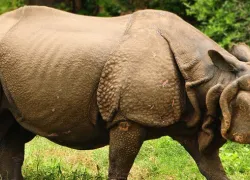
Pobitora Wildlife Sanctuary, located in the Morigaon district of Assam, is a sanctuary known for its rich biodiversity and the conservation of the one-horned rhinoceros. This sanctuary is home to a wide variety of flora and fauna, making it a popular destination for wildlife enthusiasts, photographers, and nature lovers. Situated in the heart of Assam, it offers a unique opportunity to explore the wildlife of the region in a serene and peaceful environment. How to Reach Pobitora Wildlife Sanctuary, Morigaon, Assam Pobitora Wildlife Sanctuary is easily accessible from various parts of Assam. Here are the options for reaching the sanctuary: By Air: The nearest airport is Lokpriya Gopinath Bordoloi International Airport, located in Guwahati, approximately 50 kilometers away from the sanctuary. From the airport, you can hire a taxi or take a bus to reach Pobitora. By Train: The nearest railway station is the **Morigaon Town Railway Station**, which is about 30 km from the sanctuary. You can take a taxi or other local transport from the station to reach Pobitora Wildlife Sanctuary. By Road: Pobitora Wildlife Sanctuary is well-connected by road to Guwahati and other major towns in Assam. You can hire a taxi or take a bus from Guwahati to reach the sanctuary. The journey is approximately 1-1.5 hours from Guwahati. Weather and Best Time to Visit Pobitora Wildlife Sanctuary The weather in Pobitora Wildlife Sanctuary is typically tropical, with hot summers, monsoon rains, and mild winters. The best time to visit the sanctuary is from November to April when the weather is cool and dry. During this period, wildlife sightings are more frequent, and the lush greenery adds to the charm of the sanctuary. The monsoon season, from June to September, is less ideal as heavy rains can make the paths slippery and wildlife sightings less frequent. Timing and Entry Details The Pobitora Wildlife Sanctuary is open throughout the year, but the best time to visit is during the dry season. The sanctuary typically opens from 6:00 AM to 6:00 PM every day. Visitors can explore the sanctuary either through jeep safaris or by taking a guided tour. The entry fee for the sanctuary varies depending on the type of vehicle (jeep or elephant safari) and the number of people in the group. It is advisable to check the latest entry fee at the sanctuary’s gate or online. Apart from the entry fee, visitors may also need to pay for the safari services, which provide a more immersive experience of the sanctuary's wildlife. Why is Pobitora Wildlife Sanctuary Famous? Pobitora Wildlife Sanctuary is renowned for being one of the best places to see the one-horned rhinoceros in its natural habitat. Here are the primary reasons why it is famous: One-Horned Rhinoceros: Pobitora is known for its dense population of the one-horned rhinoceros, making it one of the top destinations in India to spot this endangered species. Rich Biodiversity: The sanctuary is home to over 200 species of birds, including the rare and endangered species of migratory birds that visit during the winter months. Elephant and Tiger Sightings: Besides the rhinoceros, Pobitora also offers sightings of elephants, tigers, wild boar, and several other species of animals and reptiles. History and Architecture of Pobitora Wildlife Sanctuary The Pobitora Wildlife Sanctuary was established in 1987 to protect the one-horned rhinoceros and its habitat. It initially started as a part of the Kaziranga National Park, but due to the increasing number of rhinos, the sanctuary was created as a separate protected area. The sanctuary has since played an essential role in the conservation efforts of the one-horned rhinoceros in the region. In terms of architecture, Pobitora does not have significant man-made structures, as it is a natural sanctuary focused on preserving the habitat of its wildlife. The sanctuary's beauty lies in its vast grasslands, wetlands, and forests that provide a natural haven for its inhabitants. Things to Do at Pobitora Wildlife Sanctuary Visitors to Pobitora Wildlife Sanctuary can enjoy a variety of activities that allow them to connect with nature and explore the sanctuary’s rich biodiversity: Jeep Safari: The most popular way to explore the sanctuary, the jeep safari takes visitors deep into the forest where they can spot wildlife like rhinos, elephants, and various bird species. Elephant Safari: Elephant rides offer a unique perspective of the sanctuary, as elephants can easily traverse through the grasslands and forest areas, making it an exciting experience. Bird Watching: Pobitora is a haven for birdwatchers, with over 200 species of birds, including migratory species. The winter months are especially great for birdwatching. Photography: The sanctuary offers excellent opportunities for wildlife photography, especially for capturing rhinos, elephants, and the picturesque landscape. Facts and Tips About Pobitora Wildlife Sanctuary Here are some interesting facts and useful tips for visiting Pobitora Wildlife Sanctuary: Pobitora Wildlife Sanctuary is often referred to as the “Mini Kaziranga” due to its dense population of rhinoceroses. The sanctuary is spread across 38.8 square kilometers, making it a compact yet biodiverse wildlife destination. While visiting the sanctuary, it is advised to wear comfortable clothing and shoes as some of the safaris require walking through the grasslands. Carry a pair of binoculars if you are a birdwatching enthusiast, as it will help you spot distant birds more clearly. Make sure to book your safari in advance during peak seasons, as they can get booked quickly. Conclusion Pobitora Wildlife Sanctuary in Morigaon, Assam, is an essential destination for nature lovers and wildlife enthusiasts. Known for its rich biodiversity and as a sanctuary for the one-horned rhinoceros, it offers a unique opportunity to explore the flora and fauna of Assam. With its breathtaking landscapes, rich wildlife, and excellent safari options, Pobitora is a must-visit for anyone visiting Assam and looking to experience the natural beauty of the region.
Explore More
Manas National Park, located in Barpeta district of Assam, is a UNESCO Natural World Heritage site and one of the most beautiful national parks in India. Spread over an area of 950 square kilometers, it is known for its diverse wildlife, breathtaking landscapes, and important conservation efforts. Location and Geographical Overview The park is situated at the foothills of the Himalayas and is bordered by the Manas River, which serves as a natural boundary between India and Bhutan. The park is known for its lush forests, grasslands, and wetlands, making it a haven for a wide variety of flora and fauna. Open and Closing Time The park is open for visitors from 7:00 am to 5:00 pm every day. Entry Fee The entry fee for Indian nationals is INR 20 per person, while for foreign nationals, it is INR 250 per person. Species-Flora/Fauna Availability Manas National Park is home to a rich variety of wildlife, including tigers, elephants, rhinoceros, deer, langurs, and a wide range of bird species. The park is also known for its diverse flora, with many rare and endangered plant species found within its boundaries. Activities Performed Visitors to the park can enjoy activities such as jeep safaris, elephant safaris, bird watching, nature walks, and boat rides on the Manas River. Jeep Safari Charges The charges for a jeep safari in Manas National Park vary depending on the duration and route chosen. On average, the cost ranges from INR 1500 to INR 3000 per person. Age Criterion for Male, Female, Children and Their Entry Fee Children below the age of 5 are not required to pay an entry fee. The entry fee for male and female visitors above the age of 5 is the same as mentioned earlier. Senior Citizen Facilities Senior citizens are provided with special facilities such as discounted entry fees and assistance with transportation within the park. Best Time to Visit The best time to visit Manas National Park is from November to April when the weather is pleasant, and wildlife sightings are more frequent. Nearby Places to Visit There are several attractions near Manas National Park that visitors can explore, including the Manas River, Bhutan Gate, and the picturesque villages of the Barpeta district. Vehicle Parking Facility The park has designated parking areas for visitors who arrive in their vehicles. Parking facilities are available near the park entrance. Rules and Regulations Visitors are required to follow certain rules and regulations while inside the park, including maintaining silence, not feeding the animals, and not littering. Smoking and alcohol consumption are strictly prohibited within the park. How to Reach and Other Related Information Manas National Park is well-connected by road and located approximately 176 kilometers from Guwahati, the nearest major city. The nearest airport is Lokpriya Gopinath Bordoloi International Airport in Guwahati. Visitors can also reach the park by train, with the nearest railway station being Barpeta Road. Overall, a visit to Manas National Park promises a unique and unforgettable experience for nature lovers and wildlife enthusiasts alike. With its stunning landscapes, diverse wildlife, and conservation efforts, the park showcases the incredible natural beauty of Assam and the Northeast region of India.
Explore More
Panidihing Bird Sanctuary in Sivsagar is a hidden gem for nature lovers and bird enthusiasts. This sanctuary is a paradise for birdwatchers, offering a tranquil escape into the natural world. The sanctuary is renowned for its rich biodiversity, stunning landscapes, and serene environment, making it a must-visit destination for those seeking a peaceful retreat amidst nature. History of Panidihing Bird Sanctuary The history of Panidihing Bird Sanctuary dates back to its origins as a former royal hunting ground. Over the years, concerted conservation efforts have transformed this area into a protected sanctuary for birds. The sanctuary's ecological significance has been recognized by UNESCO, highlighting its importance in preserving the region's avian diversity. Architecture and Natural Beauty of Panidihing Bird Sanctuary The sanctuary boasts a diverse array of habitats, including wetlands, forests, and grasslands that provide a haven for a wide variety of bird species. The picturesque landscapes and the historic Keoladeo Temple within the sanctuary add to its charm, making it a unique blend of natural beauty and cultural heritage. Why is Panidihing Bird Sanctuary Famous? Panidihing Bird Sanctuary is famous for its abundant birdlife, making it a popular destination for birdwatchers, photographers, and wildlife enthusiasts. The sanctuary's serene ambiance and the opportunity to observe a wide range of bird species in their natural habitat draw visitors from far and wide. How to Reach Panidihing Bird Sanctuary Traveling to Panidihing Bird Sanctuary is convenient, with options available by air, rail, and road. The nearest airport is located in Jorhat, while Sivsagar has a well-connected railway station. Road transport is also easily accessible, allowing visitors to reach the sanctuary with ease. Weather and Best Time to Visit Panidihing Bird Sanctuary The sanctuary experiences pleasant weather conditions, with distinct seasons of summer, monsoon, and winter. The best time to visit Panidihing Bird Sanctuary is during the winter months when the weather is cool and comfortable, ideal for exploring the sanctuary and spotting migratory birds. Timings of Panidihing Bird Sanctuary Panidihing Bird Sanctuary is open to visitors during specific timings, allowing ample time to explore the sanctuary's natural wonders. It is advisable to check for any seasonal variations in timings to plan your visit accordingly and make the most of your experience. Entry Fee and Visit Details Visitors can enter the sanctuary by following the designated entry procedures and avail guide services for a more enriching experience. Safari options, bicycle rentals, and visitor facilities are available to enhance your visit and ensure a comfortable stay within the sanctuary. Things to Do at Panidihing Bird Sanctuary There are plenty of activities to indulge in at Panidihing Bird Sanctuary, including birdwatching, photography, cycling, walking trails, and nature observation. Visitors can immerse themselves in the beauty of the surroundings and engage in educational experiences to learn more about the diverse bird species that inhabit the sanctuary. Interesting Facts About Panidihing Bird Sanctuary Panidihing Bird Sanctuary is home to a wide variety of migratory birds, showcasing the region's rich biodiversity. The conservation efforts undertaken in the sanctuary have led to significant achievements in preserving the ecological balance and protecting the natural habitats of the avian species that reside here. Travel Tips for Visiting Panidihing Bird Sanctuary When visiting Panidihing Bird Sanctuary, it is advisable to dress comfortably, carry essential photography equipment, and be mindful of the best seasons for birdwatching. Practicing responsible tourism by respecting the sanctuary's rules and regulations ensures the preservation of its natural beauty for future generations to enjoy. Conclusion In conclusion, Panidihing Bird Sanctuary in Sivsagar is a captivating destination that offers a harmonious blend of nature, culture, and avian diversity. Whether you are a bird enthusiast, nature lover, or simply seeking a peaceful retreat, this sanctuary promises a memorable experience amidst the serenity of its natural surroundings. Plan your visit to Panidihing Bird Sanctuary to immerse yourself in the wonders of the avian world and explore the beauty of Sivsagar's hidden treasure.
Explore More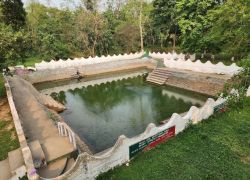
Located in Golaghat, the Garampani Wildlife Sanctuary is a nature lover's paradise that offers a unique blend of biodiversity, natural beauty, and tranquility. This sanctuary is renowned for its rich flora and fauna, making it a popular destination for birdwatchers, photographers, and wildlife enthusiasts. History of Garampani Wildlife Sanctuary The history of the Garampani Wildlife Sanctuary dates back to its origins as a former royal hunting ground. Over the years, it has evolved into a conservation area dedicated to preserving the diverse wildlife species that call it home. The sanctuary's efforts in wildlife conservation have earned it recognition both nationally and internationally, showcasing its importance in protecting the region's natural heritage. Architecture and Natural Beauty of Garampani Wildlife Sanctuary The Garampani Wildlife Sanctuary is characterized by its lush wetlands, dense forests, expansive grasslands, and diverse bird habitats. The sanctuary's natural beauty is further enhanced by the presence of the historic Keoladeo Temple, adding a touch of cultural significance to the picturesque landscapes. Why is Garampani Wildlife Sanctuary Famous? Garampani Wildlife Sanctuary is famous for its exceptional birdwatching opportunities, attracting bird enthusiasts from far and wide. The sanctuary's pristine natural environment provides a perfect setting for photographers, nature lovers, and wildlife enthusiasts to immerse themselves in the beauty of the region. How to Reach Garampani Wildlife Sanctuary Traveling to Garampani Wildlife Sanctuary is convenient, with options to reach the destination by air, rail, and road. The sanctuary is easily accessible from nearby airports and railway stations, offering visitors a hassle-free journey to this natural haven. Weather and Best Time to Visit Garampani Wildlife Sanctuary The weather at Garampani Wildlife Sanctuary varies across summer, monsoon, and winter seasons. The best time to visit is during the cooler months when the wildlife is more active, providing visitors with an unforgettable experience amidst nature's wonders. Timings of Garampani Wildlife Sanctuary Garampani Wildlife Sanctuary welcomes visitors during specific timings, allowing them to explore the sanctuary's beauty at their convenience. Seasonal variations may affect timings, so it is advisable to plan your visit accordingly to make the most of your trip. Entry Fee and Visit Details Entry procedures at Garampani Wildlife Sanctuary are straightforward, with guide services, safari options, and bicycle rentals available for visitors. The sanctuary offers well-equipped visitor facilities to ensure a comfortable and enjoyable experience for all. Things to Do at Garampani Wildlife Sanctuary At Garampani Wildlife Sanctuary, visitors can engage in a variety of activities such as birdwatching, photography, cycling, walking trails, nature observation, and educational experiences. The sanctuary provides ample opportunities for nature enthusiasts to connect with the region's rich biodiversity. Interesting Facts About Garampani Wildlife Sanctuary Garampani Wildlife Sanctuary is home to a wide array of migratory birds, showcasing the region's ecological importance and conservation achievements. The sanctuary's diverse wildlife and unique ecosystem make it a treasure trove of fascinating facts and discoveries for visitors. Travel Tips for Visiting Garampani Wildlife Sanctuary When visiting Garampani Wildlife Sanctuary, it is advisable to dress appropriately for the weather, carry essential photography and birdwatching equipment, and plan your trip during the ideal seasons for wildlife sightings. Responsible tourism practices are encouraged to preserve the sanctuary's natural environment for future generations to enjoy. Conclusion In conclusion, Garampani Wildlife Sanctuary in Golaghat is a must-visit destination for those seeking a serene escape into nature's embrace. With its rich biodiversity, stunning landscapes, and engaging activities, the sanctuary offers visitors a truly memorable experience that highlights the beauty and significance of this natural gem.
Explore More
Orang National Park is a captivating tourist attraction nestled in the heart of Sonitpur. This park is renowned for its natural beauty, diverse wildlife, and serene environment, making it a must-visit destination for nature lovers and wildlife enthusiasts. History of Orang National Park The history of Orang National Park dates back to its origin as former royal hunting grounds. Over the years, it has transformed into a vital conservation area, playing a significant role in preserving the region's biodiversity. The park's conservation efforts have garnered international recognition, leading to its inclusion in UNESCO's list of protected areas. Architecture and Natural Beauty of Orang National Park Orang National Park boasts a stunning natural landscape comprising wetlands, lush forests, and sprawling grasslands. The park is a paradise for birdwatchers, with its diverse bird habitats attracting numerous avian species. Adding to its allure is the historical Keoladeo Temple, a sacred site nestled within the park's picturesque surroundings. Why is Orang National Park Famous? Orang National Park is celebrated for its rich biodiversity and is a haven for birdwatchers, photographers, and wildlife enthusiasts. The park's tranquil ambiance and abundance of wildlife make it a sought-after destination for those seeking to immerse themselves in nature's beauty. How to Reach Orang National Park Traveling to Orang National Park is convenient, with options available by air, rail, and road. The park is easily accessible via nearby airports and railway stations, ensuring a hassle-free journey for visitors. Weather and Best Time to Visit Orang National Park Orang National Park experiences varied weather conditions throughout the year, with distinct summer, monsoon, and winter seasons. The best time to visit the park is during specific months when the weather is pleasant, allowing visitors to explore its natural wonders comfortably. Timings of Orang National Park Visiting hours at Orang National Park are structured to accommodate the needs of tourists, with seasonal variations considered where applicable. Understanding the park's timings is essential for visitors looking to plan their trip effectively. Entry Fee and Visit Details Entry to Orang National Park involves specific procedures, with guide services, safari options, and bicycle rentals available for visitors. The park also offers essential visitor facilities to ensure a seamless and enjoyable experience for all guests. Things to Do at Orang National Park Guests at Orang National Park can engage in a myriad of activities, including birdwatching, photography, cycling, and exploring the park's walking trails. Nature enthusiasts can partake in educational experiences that provide insights into the region's unique flora and fauna. Interesting Facts About Orang National Park Orang National Park is home to a plethora of migratory birds, showcasing the park's rich biodiversity and conservation achievements. The park's ecological significance underscores its importance in preserving the region's natural heritage for future generations to appreciate. Travel Tips for Visiting Orang National Park When planning a trip to Orang National Park, visitors are advised to consider factors such as appropriate clothing, essential photography equipment, and the best seasons for birdwatching. Embracing responsible tourism practices ensures a sustainable and respectful experience for both guests and the environment. Conclusion In conclusion, Orang National Park in Sonitpur stands as a testament to the beauty of nature and the importance of conservation. Its significance as a biodiversity hotspot and sanctuary for wildlife makes it a destination worth exploring for a truly immersive and enriching experience.
Explore More
Gibbon Wildlife Sanctuary, also known as Hoollongapar Gibbon Sanctuary, is one of the most important wildlife destinations in Jorhat district, Assam. It is the only protected area in India dedicated primarily to the conservation of hoolock gibbons, India’s only ape species. Spread across lush green forests, the sanctuary is a paradise for nature lovers, wildlife enthusiasts, bird watchers, and eco-tourists. Located amidst tea gardens and tropical forests, Gibbon Wildlife Sanctuary offers a peaceful and refreshing escape into nature. Why Gibbon Wildlife Sanctuary is Famous in Jorhat, Assam Gibbon Wildlife Sanctuary is famous for being the home of the endangered hoolock gibbon. These agile primates are known for their loud calls, graceful movements, and strong pair bonding. The sanctuary is also well known for its rich biodiversity, including several species of monkeys, birds, reptiles, and rare plants. Its dense evergreen and semi-evergreen forests create an ideal habitat for wildlife, making it one of the most unique sanctuaries in Northeast India. History of Gibbon Wildlife Sanctuary The Gibbon Wildlife Sanctuary was officially declared a wildlife sanctuary in 1997. Before gaining protected status, the forest area was part of the Hoollongapar Reserve Forest. Over the years, the importance of conserving hoolock gibbons and other forest species led to increased conservation efforts. The sanctuary has played a crucial role in protecting the rapidly declining population of hoolock gibbons due to deforestation and habitat loss. Today, it stands as a symbol of Assam’s commitment to wildlife conservation and environmental protection. Forest Landscape and Natural Architecture Gibbon Wildlife Sanctuary does not have architectural monuments or man-made structures as attractions. Its true beauty lies in its natural “architecture” – tall trees, thick forest canopy, vines, bamboo groves, and forest trails. The sanctuary is covered with tropical evergreen and semi-evergreen forests, which create a dense green cover throughout the year. The forest layout allows visitors to walk through natural trails, offering close encounters with wildlife in their natural habitat. The serene environment and untouched forest landscape make the sanctuary visually appealing and ecologically significant. How to Reach Gibbon Wildlife Sanctuary, Jorhat, Assam The sanctuary is easily accessible from Jorhat town. By Road: Gibbon Wildlife Sanctuary is located about 20 km from Jorhat town. Jorhat is well connected by road to major cities like Guwahati. From Jorhat, visitors can hire taxis, auto-rickshaws, or use private vehicles to reach the sanctuary. By Rail: Jorhat Town Railway Station is the nearest railway station. From the station, local transport options are available to reach the sanctuary. By Air: Jorhat Airport (Rowriah Airport) is the nearest airport, with regular flights from Guwahati and other major cities. From the airport, the sanctuary can be reached by road within an hour. Weather and Best Time to Visit Gibbon Wildlife Sanctuary The sanctuary can be visited throughout the year, but certain seasons offer better wildlife viewing experiences. Summer (March to June): Summers are warm and humid, with temperatures ranging between 25°C and 35°C. Early morning visits are recommended. Monsoon (July to September): The forest becomes lush and green, but heavy rainfall can make trails slippery and wildlife sightings less frequent. Winter (October to February): Winter is the best time to visit. The weather is pleasant, with temperatures between 10°C and 25°C, and wildlife sightings are more frequent. Timings of Gibbon Wildlife Sanctuary Gibbon Wildlife Sanctuary is generally open from 8:00 AM to 4:00 PM. Entry after late afternoon is usually restricted for safety and conservation reasons. Timings may vary slightly depending on season and local regulations. Entry and Visit Details of Gibbon Wildlife Sanctuary Visitors need to pay a nominal entry fee to enter the sanctuary. Additional charges may apply for cameras or guided tours. It is advisable to hire a local guide for better wildlife spotting and to understand the forest ecosystem. Entry tickets are usually available at the forest office near the entrance. Things to Do at Gibbon Wildlife Sanctuary Wildlife Watching: Spot hoolock gibbons, capped langurs, macaques, and other forest animals. Bird Watching: The sanctuary is home to many bird species, making it ideal for bird lovers. Nature Walks: Walk through forest trails and enjoy the calm and refreshing atmosphere. Photography: Capture wildlife, forest landscapes, and natural beauty. Eco-tourism Experience: Learn about forest conservation and biodiversity. Interesting Facts about Gibbon Wildlife Sanctuary It is the only sanctuary in India dedicated primarily to hoolock gibbons. The sanctuary is home to more than one species of primates. Hoolock gibbons are known for their loud morning calls. The forest is surrounded by tea gardens, creating a unique landscape. The sanctuary plays a key role in primate conservation in India. Travel Tips for Visiting Gibbon Wildlife Sanctuary Visit early in the morning for better wildlife sightings. Wear comfortable clothing and walking shoes. Carry insect repellent and water. Maintain silence to avoid disturbing animals. Do not litter or feed wildlife. Follow forest rules and respect nature. Conclusion Gibbon Wildlife Sanctuary in Jorhat, Assam, is a unique and enriching destination that offers a close connection with nature and wildlife. With its dense forests, rare hoolock gibbons, and peaceful environment, the sanctuary provides an unforgettable experience for visitors. Whether you are a wildlife enthusiast, nature lover, or eco-tourist, a visit to Gibbon Wildlife Sanctuary is a meaningful journey into the natural heritage of Assam.
Explore MoreAssam & Meghalaya – The Northeast Experience
7 Days/ 6 Night
Guwahati - Dawki - Golaghat - Shillong - Cherrapunji
Assam And Meghalaya Tour
6 Days/ 5 Night
Guwahati - Shillong - Cherrapunji - Dawki
Assam Explorer Tour Package 5 Days - 4 Nights
5 Days/ 4 Night
Guwahati - Shillong - Kaziranga - Golaghat
Assam Wildlife - Culture Tour 5N - 6D
6 Days/ 5 Night
Guwahati - Kaziranga - Majuli - Golaghat
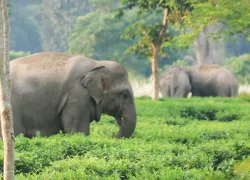
Hoollongapar Gibbon Sanctuary is one of the most unique and important wildlife sanctuaries in Assam, located in the Jorhat district. It is the only sanctuary in India that is named after and primarily dedicated to the conservation of the hoolock gibbon, the country’s only ape species. Surrounded by tea gardens and dense forests, the sanctuary offers a rare opportunity to observe wildlife in a natural and peaceful environment. Known for its rich biodiversity, serene atmosphere, and ecological importance, Hoollongapar Gibbon Sanctuary is a must-visit destination for nature lovers, wildlife enthusiasts, and eco-tourists. Why Hoollongapar Gibbon Sanctuary is Famous in Jorhat, Assam Hoollongapar Gibbon Sanctuary is famous for being the natural home of the endangered hoolock gibbon. These primates are known for their loud morning calls, long arms, and graceful movement through the forest canopy. The sanctuary is also well known for its diverse wildlife, including several species of monkeys, birds, reptiles, and rare plants. Its dense forest cover and peaceful setting make it one of the best places in Assam to experience untouched nature and observe wildlife at close range. History of Hoollongapar Gibbon Sanctuary The area now known as Hoollongapar Gibbon Sanctuary was originally part of the Hoollongapar Reserve Forest. Recognizing its ecological importance and the need to protect the declining population of hoolock gibbons, the Assam government declared it a wildlife sanctuary in 1997. Over the years, the sanctuary has become a significant center for primate conservation in India. Conservation efforts here focus on protecting forest habitats, preventing deforestation, and raising awareness about the importance of preserving wildlife. Today, Hoollongapar Gibbon Sanctuary stands as a symbol of Assam’s commitment to biodiversity conservation. Forest Landscape and Natural Architecture Hoollongapar Gibbon Sanctuary does not feature man-made architectural monuments. Its beauty lies in its natural “architecture,” which includes tall evergreen trees, thick forest canopy, bamboo groves, and winding forest trails. The sanctuary is covered with tropical evergreen and semi-evergreen forests, creating a dense green environment throughout the year. The forest structure allows visitors to walk through designated trails, offering a chance to observe wildlife in their natural habitat. Sunlight filtering through the tall trees, combined with bird calls and gibbon sounds, creates a unique and immersive forest experience. How to Reach Hoollongapar Gibbon Sanctuary, Jorhat, Assam The sanctuary is easily accessible from Jorhat town. By Road: Hoollongapar Gibbon Sanctuary is located about 20 km from Jorhat. Jorhat is well connected by road to Guwahati and other major towns in Assam. Taxis, private vehicles, and local transport are available from Jorhat to reach the sanctuary. By Rail: Jorhat Town Railway Station is the nearest railway station. From the station, visitors can hire taxis or use local transport to reach the sanctuary. By Air: Jorhat Airport (Rowriah Airport) is the nearest airport, with regular flights from Guwahati and limited connections to other cities. From the airport, the sanctuary can be reached by road within an hour. Weather and Best Time to Visit Hoollongapar Gibbon Sanctuary The sanctuary can be visited throughout the year, but weather conditions affect wildlife sightings and comfort. Summer (March to June): Summers are warm and humid, with temperatures ranging from 25°C to 35°C. Early morning visits are recommended. Monsoon (July to September): Heavy rainfall makes the forest lush and green, but walking trails may become slippery, and wildlife sightings may be limited. Winter (October to February): Winter is the best time to visit. The weather is cool and pleasant, with temperatures between 10°C and 25°C, making it ideal for forest walks and wildlife observation. Timings of Hoollongapar Gibbon Sanctuary The sanctuary is generally open to visitors from 8:00 AM to 4:00 PM. Entry during early morning hours is preferred for better chances of spotting gibbons and other wildlife. Entry after late afternoon is usually restricted for safety and conservation purposes. Entry and Visit Details of Hoollongapar Gibbon Sanctuary Visitors are required to pay a nominal entry fee at the forest office near the entrance. Additional charges may apply for cameras or video equipment. Hiring a local guide is recommended, as guides help in spotting wildlife and provide valuable information about the forest ecosystem. Entry rules are strictly followed to ensure the protection of wildlife. Things to Do at Hoollongapar Gibbon Sanctuary Wildlife Watching: Observe hoolock gibbons, capped langurs, macaques, and other forest animals. Bird Watching: The sanctuary is home to many resident and migratory bird species. Nature Walks: Walk along forest trails and experience the calm and refreshing environment. Photography: Capture images of wildlife, forest landscapes, and natural beauty. Eco-tourism Learning: Learn about conservation efforts and forest biodiversity. Interesting Facts about Hoollongapar Gibbon Sanctuary It is the only sanctuary in India named after the hoolock gibbon. Hoolock gibbons are India’s only ape species. The sanctuary is home to several primate species. Gibbons are known for their loud and musical morning calls. The forest is surrounded by tea estates, creating a unique setting. Travel Tips for Visiting Hoollongapar Gibbon Sanctuary Visit early in the morning for the best wildlife sightings. Wear comfortable clothes and walking shoes. Carry drinking water and insect repellent. Maintain silence to avoid disturbing animals. Do not feed or chase wildlife. Follow forest rules and respect nature. Conclusion Hoollongapar Gibbon Sanctuary in Jorhat, Assam, is a rare and valuable wildlife destination that offers an unforgettable experience of nature and biodiversity. With its dense forests, endangered hoolock gibbons, and peaceful environment, the sanctuary provides a deep connection with the natural world. Whether you are a wildlife enthusiast, nature lover, or eco-tourist, a visit to Hoollongapar Gibbon Sanctuary is a rewarding journey into the heart of Assam’s natural heritage.
Explore More
Bherjan-Borjan-Padumoni Wildlife Sanctuary
The Bherjan-Borjan-Padumoni Wildlife Sanctuary is a protected area located in Tinsukia district in the state of Assam, India. It was established in 2005 and covers an area of approximately 7.22 square kilometers. The sanctuary is known for its diverse flora and fauna, making it a popular destination for nature lovers and wildlife enthusiasts. Location and Geographical Overview The sanctuary is situated in the eastern part of Assam, near the town of Tinsukia. It is surrounded by lush green forests and the Brahmaputra River flows nearby, adding to the picturesque landscape. The sanctuary is home to a variety of wildlife species, including several rare and endangered ones. Open and Closing Time The Bherjan-Borjan-Padumoni Wildlife Sanctuary is open to visitors from 7:00 AM to 5:00 PM every day of the week. Entry Fee There is no entry fee to visit the sanctuary. Visitors can explore the area free of charge. Species-Flora/Fauna Availability The sanctuary is home to a rich variety of flora and fauna. Visitors can spot species like Hoolock Gibbons, Slow Loris, Pig-tailed Macaques, various species of birds, butterflies, and reptiles. The lush green forests are filled with diverse plant species, adding to the natural beauty of the sanctuary. Activities Performed Visitors can indulge in various activities at the sanctuary, such as bird watching, nature walks, photography, and wildlife spotting. The sanctuary also offers jeep safaris for those who want to explore the area in a more adventurous way. Jeep Safari Charges The charges for a jeep safari at the Bherjan-Borjan-Padumoni Wildlife Sanctuary vary depending on the duration of the safari and the number of participants. It is recommended to inquire about the current rates at the sanctuary office upon arrival. Age Criterion for Male, Female, Children, and their Entry Fee There is no specific age criterion for visitors to enter the sanctuary. Visitors of all ages are welcome to explore the area. As mentioned earlier, there is no entry fee for visiting the sanctuary. Senior Citizen Facilities The sanctuary provides facilities for senior citizens, such as seating areas and shaded spots where they can rest and enjoy the serene surroundings. The sanctuary staff are also available to assist senior citizens as needed. Best Time to Visit The best time to visit the Bherjan-Borjan-Padumoni Wildlife Sanctuary is during the winter months, from November to February, when the weather is pleasant and the wildlife is most active. However, the sanctuary can be visited throughout the year to experience its beauty in different seasons. Nearby Places to Visit There are several other attractions near the sanctuary that visitors can explore, such as Dibru-Saikhowa National Park, Digboi Oil Refinery, and the historic town of Doom Dooma. These places offer a glimpse into the culture, history, and natural beauty of the region. Vehicle Parking Facility The sanctuary provides a vehicle parking facility for visitors who wish to drive to the area. There is ample space available for parking cars, motorcycles, and other modes of transport. Rules and Regulations Visitors are required to follow certain rules and regulations while visiting the Bherjan-Borjan-Padumoni Wildlife Sanctuary. These include maintaining cleanliness, not feeding the animals, refraining from making loud noises, and respecting the natural habitat of the wildlife. It is important to adhere to these guidelines to ensure the well-being of the flora and fauna in the sanctuary. How to Reach and Other Related Information The sanctuary is easily accessible by road from Tinsukia town, which is well-connected to major cities in Assam. Visitors can also reach the sanctuary by hiring a taxi or taking public transportation from the nearby towns. It is recommended to plan the visit in advance and check for any updates or changes in the sanctuary's operational hours or facilities.
Explore More
Dehing Patkai Wildlife Sanctuary
The Dehing Patkai Wildlife Sanctuary is located in the Tinsukia district of Assam, India. It is known for its rich biodiversity and stunning landscapes. The sanctuary covers an area of 111.19 square kilometers and is part of the larger Dehing Patkai Elephant Reserve. Location and Geographical Overview The Dehing Patkai Wildlife Sanctuary is situated in the northeastern part of India, near the border with Myanmar. It is characterized by dense tropical rainforests, rivers, and hills. The sanctuary is home to a wide variety of plant and animal species, including elephants, tigers, leopards, gibbons, and numerous bird species. Open and Closing Time The sanctuary is open to visitors from 7:00 am to 4:00 pm every day of the week. Entry Fee The entry fee for adults is Rs. 50, while children under 12 years of age can enter for Rs. 25. Species - Flora/Fauna Availability The Dehing Patkai Wildlife Sanctuary is home to a diverse range of flora and fauna. The sanctuary is known for its orchids, bamboo, and rare medicinal plants. In terms of fauna, visitors can spot elephants, tigers, leopards, gibbons, hornbills, and various species of butterflies and insects. Activities Performed Visitors to the sanctuary can enjoy a range of activities, including jungle treks, bird watching, nature walks, and photography. The sanctuary also offers jeep safaris for those who want to explore the area more extensively. Jeep Safari Charges The charges for a jeep safari in the Dehing Patkai Wildlife Sanctuary vary depending on the duration of the safari and the number of participants. Typically, the cost ranges from Rs. 1000 to Rs. 3000 per person. Age Criterion for Male, Female, Children and their Entry Fee Adults above the age of 12 are considered as male and female visitors and need to pay the entry fee of Rs. 50. Children under the age of 12 are charged Rs. 25 for entry. Senior Citizen Facilities Senior citizens above the age of 60 can avail of a discounted entry fee of Rs. 25 to the sanctuary. They are also provided with special assistance and facilities to make their visit more comfortable. Best Time to Visit The best time to visit the Dehing Patkai Wildlife Sanctuary is during the winter months from November to February when the weather is pleasant and conducive to wildlife sightings. The rainy season from June to September is also a good time to visit for lush greenery and blooming flora. Nearby Places to Visit Some of the nearby places to visit from the Dehing Patkai Wildlife Sanctuary include Digboi, known for its oil refinery and golf course, and Margherita, famous for its coal mines and tea gardens. Vehicle Parking Facility The sanctuary provides ample parking space for visitors who arrive by private vehicles. The parking facility is safe and well-maintained. Rules and Regulations Visitors to the Dehing Patkai Wildlife Sanctuary are expected to follow certain rules and regulations to ensure the safety of the flora and fauna and maintain the sanctity of the sanctuary. Some of the rules include not littering, not disturbing the wildlife, and following the instructions of the park authorities. How to Reach and Other Related Information The Dehing Patkai Wildlife Sanctuary can be reached by road from Tinsukia town, which is well-connected to major cities in Assam. The nearest railway station is Tinsukia Junction, located about 15 kilometers away. The nearest airport is Dibrugarh Airport, which is approximately 40 kilometers from the sanctuary.
Explore More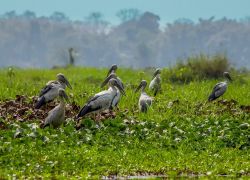
Dibru-Saikhowa National Park, located in Tinsukia, is a hidden gem in the northeastern part of India, offering a unique and captivating experience for nature enthusiasts and wildlife lovers. This park is renowned for its rich biodiversity, picturesque landscapes, and serene natural environment, making it a must-visit destination for those seeking tranquility and a close encounter with nature. History of Dibru-Saikhowa National Park With a rich historical background, Dibru-Saikhowa National Park was once the royal hunting grounds of the Ahom kings. Over the years, significant conservation efforts have been made to protect the flora and fauna of this region, leading to its recognition by UNESCO for its conservation value and unique ecosystem. Architecture and Natural Beauty of Dibru-Saikhowa National Park The park boasts a diverse natural landscape comprising wetlands, forests, and grasslands. It is a haven for bird habitats, with numerous avian species making it their home. Keoladeo Temple, a historical site within the park, adds to the cultural charm of the region. Why is Dibru-Saikhowa National Park Famous? Dibru-Saikhowa National Park is famous for its abundance of bird species, making it a paradise for birdwatchers and photographers. The park's serene environment and untouched beauty attract nature enthusiasts and wildlife lovers from all around the world. How to Reach Dibru-Saikhowa National Park Travelling to Dibru-Saikhowa National Park is convenient, with options available by air, rail, and road. The nearest airports are located in Dibrugarh and Jorhat, while the Tinsukia railway station provides easy access by train. Road transport is also well-developed, offering a scenic journey to the park. Weather and Best Time to Visit Dibru-Saikhowa National Park The park experiences varying weather conditions throughout the year, with summers being hot, monsoons bringing heavy rainfall, and winters offering a pleasant climate. The best time to visit Dibru-Saikhowa National Park is during the winter months from November to March when the weather is cool and ideal for exploring the park. Timings of Dibru-Saikhowa National Park Dibru-Saikhowa National Park welcomes visitors during specific timings, with seasonal variations that may affect accessibility. Planning a visit ahead of time and checking for any updates on timings is recommended for a smooth and enjoyable experience at the park. Entry Fee and Visit Details Entry to Dibru-Saikhowa National Park involves specific procedures and may include guide services, safari options, bicycle rentals, and visitor facilities for a comfortable stay. Exploring the park with local guides can enhance the experience and provide insights into the region's wildlife and natural wonders. Things to Do at Dibru-Saikhowa National Park Visitors to Dibru-Saikhowa National Park can engage in a variety of activities such as birdwatching, photography, cycling, walking trails, nature observation, and educational experiences. The park offers a range of opportunities for nature lovers to immerse themselves in the beauty of the surroundings. Interesting Facts About Dibru-Saikhowa National Park Dibru-Saikhowa National Park is home to a diverse range of migratory birds, showcasing the park's importance as a vital habitat for various species. Conservation efforts within the park have led to significant achievements in preserving the local biodiversity and highlighting the ecological significance of the region. Travel Tips for Visiting Dibru-Saikhowa National Park When planning a visit to Dibru-Saikhowa National Park, it is advisable to pack appropriate clothing for the prevailing weather conditions, carry essential photography and birdwatching equipment, and choose the right season for a rewarding experience. Embracing responsible tourism practices ensures the conservation and protection of the park's natural heritage. Conclusion In conclusion, Dibru-Saikhowa National Park in Tinsukia offers a remarkable blend of natural beauty, biodiversity, and cultural heritage, making it a captivating destination for travelers seeking a peaceful retreat amidst pristine surroundings. The park's significance in wildlife conservation, coupled with its tourism appeal, makes it a must-visit hotspot for an unforgettable experience in the northeastern region of India.
Explore More