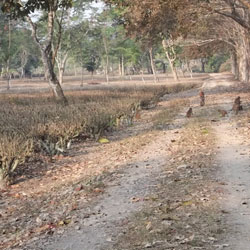
"Witness rare primates in their natural habitat."
Gibbon Wildlife Sanctuary, also known as Hoollongapar Gibbon Sanctuary, is one of the most important wildlife destinations in Jorhat district, Assam. It is the only protected area in India dedicated primarily to the conservation of hoolock gibbons, India’s only ape species. Spread across lush green forests, the sanctuary is a paradise for nature lovers, wildlife enthusiasts, bird watchers, and eco-tourists. Located amidst tea gardens and tropical forests, Gibbon Wildlife Sanctuary offers a peaceful and refreshing escape into nature.
Why Gibbon Wildlife Sanctuary is Famous in Jorhat, Assam
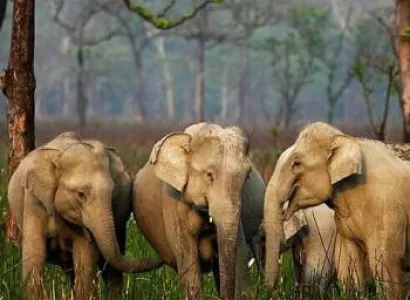
Gibbon Wildlife Sanctuary is famous for being the home of the endangered hoolock gibbon. These agile primates are known for their loud calls, graceful movements, and strong pair bonding. The sanctuary is also well known for its rich biodiversity, including several species of monkeys, birds, reptiles, and rare plants. Its dense evergreen and semi-evergreen forests create an ideal habitat for wildlife, making it one of the most unique sanctuaries in Northeast India.
History of Gibbon Wildlife Sanctuary
The Gibbon Wildlife Sanctuary was officially declared a wildlife sanctuary in 1997. Before gaining protected status, the forest area was part of the Hoollongapar Reserve Forest. Over the years, the importance of conserving hoolock gibbons and other forest species led to increased conservation efforts.
The sanctuary has played a crucial role in protecting the rapidly declining population of hoolock gibbons due to deforestation and habitat loss. Today, it stands as a symbol of Assam’s commitment to wildlife conservation and environmental protection.
Forest Landscape and Natural Architecture
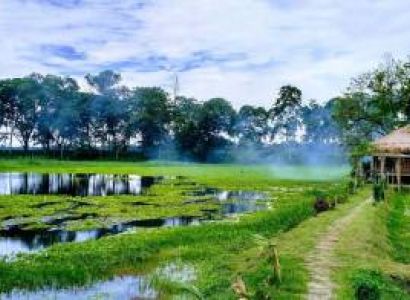
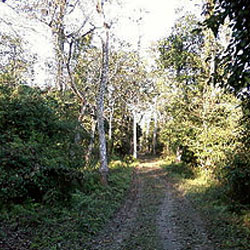
Gibbon Wildlife Sanctuary does not have architectural monuments or man-made structures as attractions. Its true beauty lies in its natural “architecture” – tall trees, thick forest canopy, vines, bamboo groves, and forest trails. The sanctuary is covered with tropical evergreen and semi-evergreen forests, which create a dense green cover throughout the year.
The forest layout allows visitors to walk through natural trails, offering close encounters with wildlife in their natural habitat. The serene environment and untouched forest landscape make the sanctuary visually appealing and ecologically significant.
How to Reach Gibbon Wildlife Sanctuary, Jorhat, Assam
The sanctuary is easily accessible from Jorhat town.
By Road: Gibbon Wildlife Sanctuary is located about 20 km from Jorhat town. Jorhat is well connected by road to major cities like Guwahati. From Jorhat, visitors can hire taxis, auto-rickshaws, or use private vehicles to reach the sanctuary.
By Rail: Jorhat Town Railway Station is the nearest railway station. From the station, local transport options are available to reach the sanctuary.
By Air: Jorhat Airport (Rowriah Airport) is the nearest airport, with regular flights from Guwahati and other major cities. From the airport, the sanctuary can be reached by road within an hour.
Weather and Best Time to Visit Gibbon Wildlife Sanctuary
The sanctuary can be visited throughout the year, but certain seasons offer better wildlife viewing experiences.
Summer (March to June): Summers are warm and humid, with temperatures ranging between 25°C and 35°C. Early morning visits are recommended.
Monsoon (July to September): The forest becomes lush and green, but heavy rainfall can make trails slippery and wildlife sightings less frequent.
Winter (October to February): Winter is the best time to visit. The weather is pleasant, with temperatures between 10°C and 25°C, and wildlife sightings are more frequent.
Timings of Gibbon Wildlife Sanctuary
Gibbon Wildlife Sanctuary is generally open from 8:00 AM to 4:00 PM. Entry after late afternoon is usually restricted for safety and conservation reasons. Timings may vary slightly depending on season and local regulations.
Entry and Visit Details of Gibbon Wildlife Sanctuary
Visitors need to pay a nominal entry fee to enter the sanctuary. Additional charges may apply for cameras or guided tours. It is advisable to hire a local guide for better wildlife spotting and to understand the forest ecosystem. Entry tickets are usually available at the forest office near the entrance.
Things to Do at Gibbon Wildlife Sanctuary
Wildlife Watching: Spot hoolock gibbons, capped langurs, macaques, and other forest animals.
Bird Watching: The sanctuary is home to many bird species, making it ideal for bird lovers.
Nature Walks: Walk through forest trails and enjoy the calm and refreshing atmosphere.
Photography: Capture wildlife, forest landscapes, and natural beauty.
Eco-tourism Experience: Learn about forest conservation and biodiversity.
Interesting Facts about Gibbon Wildlife Sanctuary
It is the only sanctuary in India dedicated primarily to hoolock gibbons.
The sanctuary is home to more than one species of primates.
Hoolock gibbons are known for their loud morning calls.
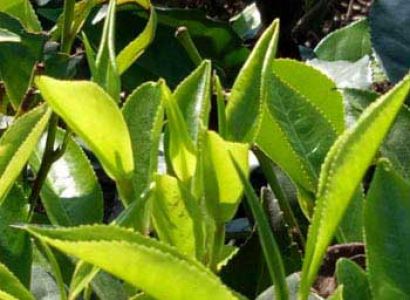
The forest is surrounded by tea gardens, creating a unique landscape.
The sanctuary plays a key role in primate conservation in India.
Travel Tips for Visiting Gibbon Wildlife Sanctuary
Visit early in the morning for better wildlife sightings.
Wear comfortable clothing and walking shoes.
Carry insect repellent and water.
Maintain silence to avoid disturbing animals.
Do not litter or feed wildlife.
Follow forest rules and respect nature.
Conclusion
Gibbon Wildlife Sanctuary in Jorhat, Assam, is a unique and enriching destination that offers a close connection with nature and wildlife. With its dense forests, rare hoolock gibbons, and peaceful environment, the sanctuary provides an unforgettable experience for visitors. Whether you are a wildlife enthusiast, nature lover, or eco-tourist, a visit to Gibbon Wildlife Sanctuary is a meaningful journey into the natural heritage of Assam.