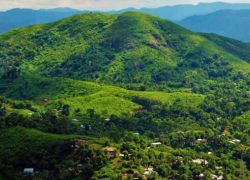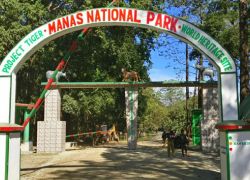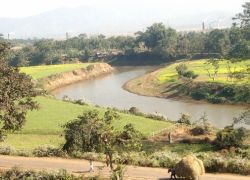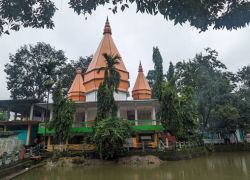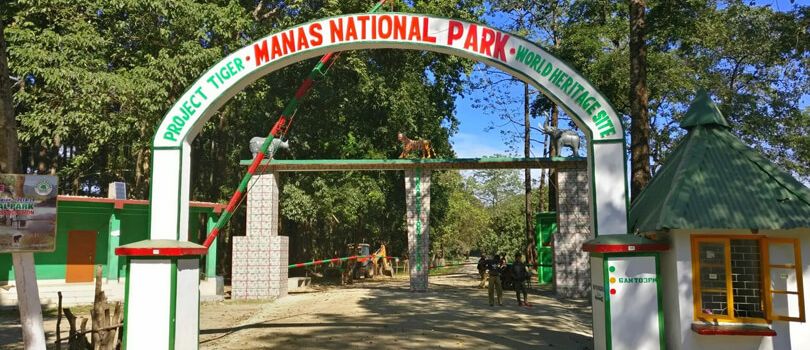
"Biodiversity hotspot in Assam's lush wilderness."
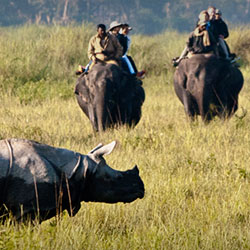
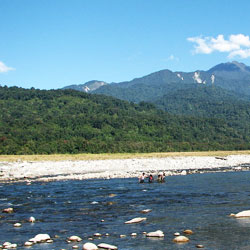
Manas National Park, located in the Morigaon district of Assam, is one of India's most renowned wildlife sanctuaries. A UNESCO World Heritage Site, Manas is known for its rich biodiversity and its status as a hotspot for endangered species. The park is part of the larger Manas Biosphere Reserve and spans across both Assam and Bhutan. It is a protected area that provides a sanctuary for a wide variety of flora and fauna, including the famous one-horned rhinoceros, tigers, and elephants.
Manas National Park is easily accessible from various parts of Assam and neighboring states. Below are the main routes for reaching the park:
Manas National Park experiences a tropical monsoon climate, with hot summers, heavy monsoons, and mild winters. The best time to visit the park is during the winter season from November to March, when the weather is cool and dry, making it ideal for wildlife safaris. The monsoon season (June to September) brings heavy rainfall, which can make safaris difficult due to muddy paths and poor visibility. Summers (April to June) can be hot, with temperatures soaring above 30°C, but wildlife sightings are still frequent.
Manas National Park is open from 6:00 AM to 5:00 PM, with the park closed during the monsoon season (June to September). The sanctuary remains closed on specific national holidays, so it’s advisable to check before planning your visit. Entry fees for the park vary, with separate charges for Indian and foreign nationals. The cost of jeep safaris, elephant rides, and guides is additional. It is recommended to book safaris and entry tickets in advance, especially during peak tourist seasons.
Manas National Park is famous for its remarkable biodiversity, stunning landscapes, and rare species of animals and birds. Some of the key reasons it is widely celebrated include:
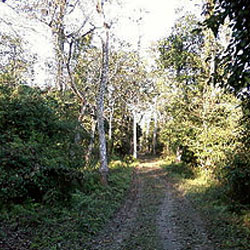
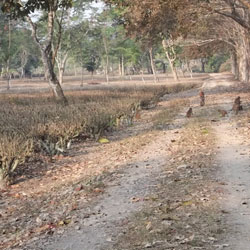
Manas National Park was initially set up in 1928 as a reserve forest and was later declared a wildlife sanctuary in 1950. In 1985, it was declared a UNESCO World Heritage Site due to its unique wildlife and ecosystems. The park’s architecture is primarily natural, with its vast grasslands, wetlands, and dense forests offering a rich habitat for a variety of wildlife. The park is home to many traditional wooden and bamboo structures, which are used by the indigenous communities living in and around the park. These structures are built using eco-friendly methods that blend with the surrounding environment.
Manas National Park offers a range of activities for visitors who wish to experience the park’s rich biodiversity and natural beauty:
Here are some useful facts and tips for your visit to Manas National Park:
Manas National Park is a must-visit destination for wildlife enthusiasts, adventure lovers, and nature photographers. Its unique position as a UNESCO World Heritage Site, combined with its biodiversity and stunning landscapes, makes it one of the most important national parks in India. Whether you are visiting to spot the endangered one-horned rhinoceros, observe the diverse birdlife, or enjoy the thrilling safaris, Manas National Park offers an unforgettable experience. The park's commitment to conservation, along with its natural beauty, ensures that it remains a sanctuary for wildlife and a top travel destination for years to come.








Morigaon
Morigaon
Morigaon
Morigaon
Morigaon
Morigaon
Morigaon
Morigaon
Morigaon

Morigaon