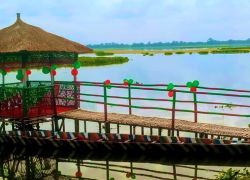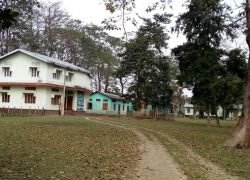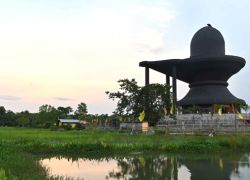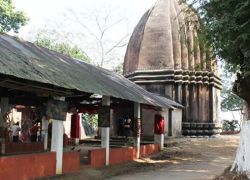
"Witness diverse wildlife in Assam's natural paradise."
Burhachapori Wildlife Sanctuary is a beautiful and ecologically important protected area located in the Nagaon district of Assam, along the southern bank of the mighty Brahmaputra River. Known for its vast grasslands, riverine forests, wetlands, and rich biodiversity, the sanctuary is a peaceful destination for wildlife lovers, birdwatchers, and nature enthusiasts. Compared to more famous parks like Kaziranga, Burhachapori offers a quieter and more natural experience, making it ideal for travelers who want to explore Assam’s wildlife in a calm and less crowded environment.
Why Burhachapori Wildlife Sanctuary is Famous in Nagaon, Assam
Burhachapori Wildlife Sanctuary is famous for its riverine ecosystem and grassland landscape, which support a wide variety of wildlife and birds. The sanctuary is particularly known for its birdlife, including migratory birds that arrive during the winter season. It is also recognized as an important habitat for species such as wild buffalo, deer, wild boar, and several reptiles.
The sanctuary’s scenic beauty, shaped by the Brahmaputra River, adds to its charm. Seasonal flooding enriches the soil and supports lush vegetation, making Burhachapori an important ecological zone in Assam. Its peaceful environment and natural setting attract photographers, researchers, and eco-tourists.
History of Burhachapori Wildlife Sanctuary
The history of Burhachapori Wildlife Sanctuary is closely linked to Assam’s conservation efforts. The area was declared a wildlife sanctuary in 1995 to protect the fragile riverine and grassland ecosystem along the Brahmaputra. Historically, this region was part of a larger natural corridor that allowed free movement of wildlife between different forest areas.
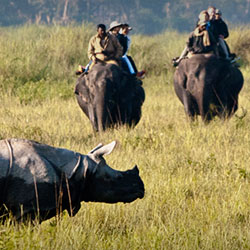
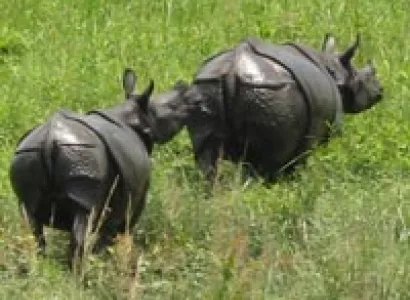
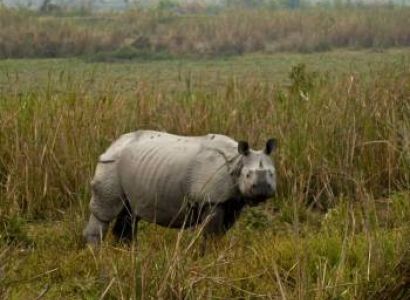
In earlier times, the sanctuary supported populations of large mammals, including the Indian one-horned rhinoceros. Over the years, factors such as flooding, erosion, and human activities affected wildlife numbers. Despite these challenges, Burhachapori continues to play a crucial role in biodiversity conservation and ecological balance in the Nagaon region.
Landscape and Natural Features (Architecture of Nature)
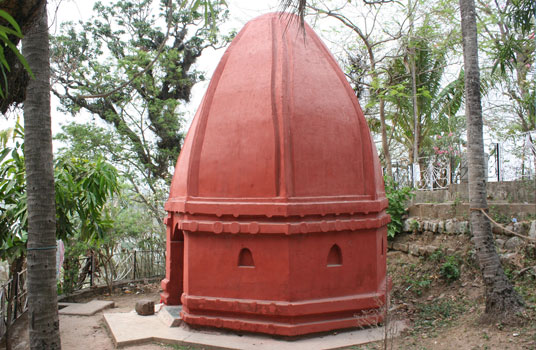
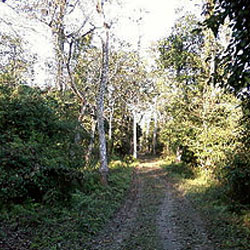
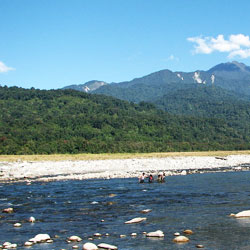
Burhachapori Wildlife Sanctuary does not have man-made architectural monuments. Its “architecture” is formed by nature itself. The sanctuary is characterized by open grasslands, wetlands, river channels, sandbanks, and patches of riverine forest. These natural features are shaped by the annual flooding of the Brahmaputra River.
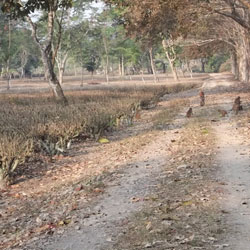
The grasslands provide grazing areas for herbivores, while wetlands support fish, amphibians, and aquatic plants. Forested areas offer shelter and nesting grounds for birds and animals. This naturally designed landscape makes Burhachapori a visually appealing and ecologically valuable sanctuary.
How to Reach Burhachapori Wildlife Sanctuary, Nagaon, Assam
Burhachapori Wildlife Sanctuary is accessible from Nagaon and nearby towns.
By Road: Nagaon town is well connected by road to Guwahati and other major towns of Assam. From Nagaon, visitors can hire taxis or private vehicles to reach the sanctuary. Roads leading to the sanctuary pass through rural areas and riverine landscapes.
By Rail: The nearest railway station is Nagaon Railway Station. From the station, taxis and shared vehicles are available to reach Burhachapori Wildlife Sanctuary.
By Air: The nearest airport is Lokpriya Gopinath Bordoloi International Airport in Guwahati. From Guwahati, travelers can reach Nagaon by road or train and then continue to the sanctuary.
Weather and Best Time to Visit Burhachapori Wildlife Sanctuary
The climate of Burhachapori Wildlife Sanctuary is humid and influenced by the Brahmaputra River.
Summer (March to June): Summers are warm, with temperatures ranging from 25°C to 35°C. Wildlife sightings may be limited during peak heat.
Monsoon (July to September): Monsoon brings heavy rainfall and flooding. While the landscape becomes lush and green, the sanctuary may remain closed or difficult to access.
Winter (October to February): Winter is the best time to visit. The weather is pleasant, and migratory birds can be seen in large numbers.
Timings of Burhachapori Wildlife Sanctuary
The sanctuary is generally open to visitors from morning to afternoon, usually between 6:00 AM and 4:00 PM. Timings may vary depending on weather conditions and forest department guidelines.
Entry and Visit Details of Burhachapori Wildlife Sanctuary
Visitors may be required to obtain entry permission from the local forest department. Entry fees, if applicable, are usually minimal. Guided visits are recommended for safety and to better understand the sanctuary’s ecology.
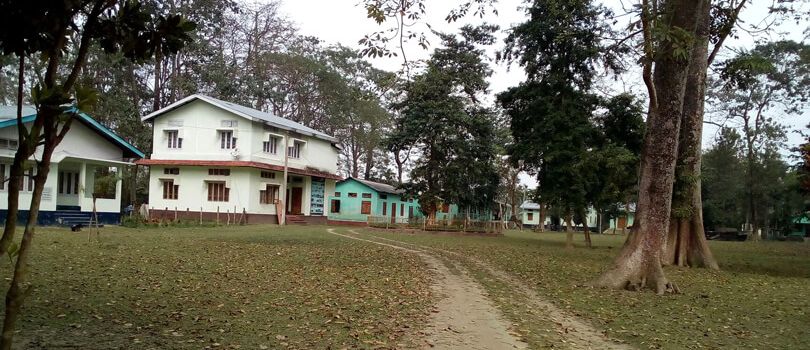
Facilities inside the sanctuary are basic. Accommodation options are available in Nagaon town and nearby areas. Visitors should carry essential items like water, food, and first-aid supplies.
Things to Do at Burhachapori Wildlife Sanctuary
Bird Watching: Spot migratory and resident birds, especially during winter.
Nature Photography: Capture scenic views of grasslands, wetlands, and wildlife.
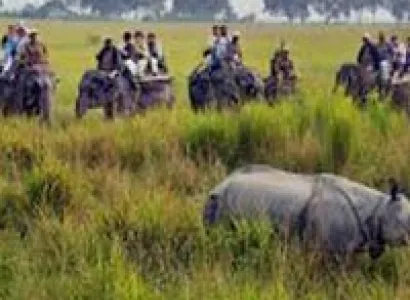
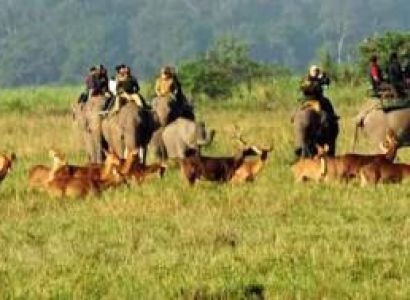
Wildlife Observation: Observe animals like deer, wild buffalo, and wild boar.
Nature Walks: Enjoy guided walks through grassland and forest areas.
Eco-Tourism: Learn about riverine ecosystems and conservation efforts.
Interesting Facts about Burhachapori Wildlife Sanctuary
Burhachapori Wildlife Sanctuary was declared a protected area in 1995.
The sanctuary lies along the southern bank of the Brahmaputra River.
It is known for its grassland and wetland ecosystem.
The area attracts many migratory birds during winter.
Seasonal flooding plays a key role in maintaining biodiversity.
Tips for Visiting Burhachapori Wildlife Sanctuary
Visit during winter for the best wildlife and bird sightings.
Wear comfortable, neutral-colored clothing.
Carry binoculars and cameras for bird watching.
Follow forest rules and avoid disturbing wildlife.
Check local conditions before visiting during monsoon.
Conclusion
Burhachapori Wildlife Sanctuary in Nagaon, Assam, is a serene and ecologically rich destination that highlights the natural beauty of Assam’s riverine and grassland landscapes. With its diverse wildlife, scenic surroundings, and peaceful atmosphere, the sanctuary offers a rewarding experience for nature lovers and eco-tourists. A visit to Burhachapori Wildlife Sanctuary not only provides relaxation and exploration but also helps visitors understand the importance of preserving fragile ecosystems along the Brahmaputra River.








Nagaon
Nagaon
Nagaon
Nagaon
Nagaon
Nagaon
Nagaon
Nagaon
Nagaon
Nagaon