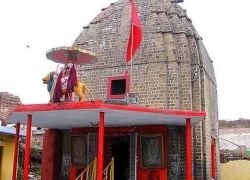
Welcome to the mesmerizing world of Bahu Temple located in Jammu, a city renowned for its spiritual essence and historical significance. The Bahu Temple stands as a symbol of devotion and architectural marvel, attracting visitors from far and wide to witness its beauty and tranquility. History of Bahu Temple Steeped in history, the Bahu Temple holds tales of ancient traditions and royal patronage. Once a royal hunting ground, this sacred site has witnessed centuries of worship and reverence. Its conservation efforts have preserved its sanctity, leading to UNESCO recognition for its cultural importance. Architecture and Natural Beauty of Bahu Temple The temple is surrounded by lush wetlands, pristine forests, and picturesque grasslands that create a serene natural environment. Bird habitats thrive in this area, adding to the biodiversity. Nestled within this beauty lies the historical Keoladeo Temple, adding to the architectural charm of the site. Why is Bahu Temple Famous? Bahu Temple is famed for its allure among birdwatchers, photographers, nature enthusiasts, and wildlife lovers. The diverse flora and fauna coupled with the tranquil ambiance make it a haven for those seeking a close encounter with nature's wonders. How to Reach Bahu Temple Traveling to Bahu Temple is convenient, with options by air, rail, and road. The nearest airports and railway stations provide easy access to this spiritual retreat, allowing visitors to embark on a memorable journey to this sacred site. Weather and Best Time to Visit Bahu Temple Throughout the seasons, Bahu Temple offers a unique experience. Summer unveils vibrant colors, while the monsoon brings a refreshing touch. Winter blankets the temple in serenity. The best time to visit is during the cooler months for a pleasant exploration. Timings of Bahu Temple Visitors can explore the beauty of Bahu Temple during specific timings, ensuring a delightful experience. Seasonal variations may influence the schedule, so it is advisable to plan your visit accordingly to make the most of your trip. Entry Fee and Visit Details Entry procedures to Bahu Temple are seamless, with guide services available for a more immersive experience. Safari options, bicycle rentals, and well-equipped visitor facilities cater to the needs of guests, making their visit comfortable and enjoyable. Things to Do at Bahu Temple Engage in popular activities at Bahu Temple such as birdwatching, photography, cycling, walking trails, nature observation, and educational experiences. Immerse yourself in the tranquility of the surroundings and create lasting memories amidst nature's bounty. Interesting Facts About Bahu Temple Bahu Temple is a sanctuary for migratory birds, boasting rich biodiversity and conservation achievements. Its ecological importance resonates with those who value the harmony between nature and spirituality, making it a unique destination worth exploring. Travel Tips for Visiting Bahu Temple When planning your visit to Bahu Temple, consider the appropriate clothing, photography gear, and birdwatching equipment for a fulfilling experience. Choose the right season to witness the beauty of the temple and practice responsible tourism to preserve its sanctity. Conclusion In conclusion, Bahu Temple in Jammu is a gem waiting to be discovered. Its historical significance, natural beauty, and spiritual aura offer visitors a profound experience. Explore the wonders of Bahu Temple and immerse yourself in a journey filled with serenity and cultural enrichment.
Explore More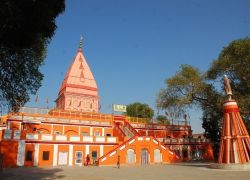
Jammu, a city rich in culture and history, is home to a hidden gem known as the Ranbireshwar Temple. This ancient temple holds a significant place in the hearts of locals and tourists alike, offering a spiritual retreat amidst the bustling city life. Situated in the picturesque surroundings of Jammu, the Ranbireshwar Temple stands as a testimony to the region's architectural and cultural heritage. History of Ranbireshwar Temple The history of the Ranbireshwar Temple dates back to ancient times, reflecting the deep-rooted religious traditions of the region. Originally built as part of the former royal hunting grounds, this temple has undergone various conservation efforts to preserve its historical significance. The temple's architectural splendor and spiritual aura have even garnered recognition from UNESCO, adding to its allure as a must-visit destination in Jammu. Architecture and Natural Beauty of Ranbireshwar Temple Surrounded by lush greenery and serene landscapes, the Ranbireshwar Temple offers a tranquil escape for visitors seeking solace in nature. The temple's intricate design and historical importance make it a cultural landmark worth exploring. Additionally, the presence of wetlands, forests, and bird habitats in the vicinity enhances the natural beauty of this sacred site, creating a harmonious blend of spirituality and biodiversity. Why is Ranbireshwar Temple Famous? Ranbireshwar Temple is renowned for its spiritual ambiance and architectural grandeur, attracting birdwatchers, photographers, nature enthusiasts, and wildlife lovers from far and wide. The temple's serene surroundings and historical significance make it a popular destination for those seeking a deeper connection with nature and heritage. How to Reach Ranbireshwar Temple Traveling to Ranbireshwar Temple is convenient, with various options available by air, rail, and road. The nearest airport and railway station provide easy access to the temple, allowing visitors to embark on a seamless journey to this sacred site nestled in the heart of Jammu. Weather and Best Time to Visit Ranbireshwar Temple The weather at Ranbireshwar Temple varies across seasons, offering different experiences to visitors throughout the year. While summer provides pleasant weather for exploration, the monsoon season brings out the lush beauty of the surroundings. Winter, on the other hand, offers a tranquil atmosphere ideal for spiritual reflection. The best time to visit Ranbireshwar Temple is during the cooler months when the weather is most conducive for outdoor activities and sightseeing. Timings of Ranbireshwar Temple Ranbireshwar Temple welcomes visitors during specific timings, ensuring a well-rounded experience for all guests. Seasonal variations may affect the temple's opening hours, so it is advisable to plan your visit accordingly. Understanding the timings will help you make the most of your trip to this sacred destination. Entry Fee and Visit Details Visiting Ranbireshwar Temple involves following specific entry procedures and guidelines to ensure a smooth experience for all guests. Guide services, safari options, bicycle rentals, and other visitor facilities are available to enhance your visit and make it more informative and memorable. Things to Do at Ranbireshwar Temple Engage in a plethora of activities at Ranbireshwar Temple, including birdwatching, photography, cycling, walking trails, nature observation, and educational experiences. Immerse yourself in the tranquility of the surroundings and explore the rich biodiversity of the region while creating lasting memories of your visit. Interesting Facts About Ranbireshwar Temple Ranbireshwar Temple is not just a place of worship but a sanctuary for migratory birds and diverse flora and fauna. The temple's conservation efforts have contributed to the preservation of its ecological importance, making it a vital hub for biodiversity in the region. Discover fascinating facts about the temple's history, conservation achievements, and the significance of its natural surroundings. Travel Tips for Visiting Ranbireshwar Temple When preparing for your visit to Ranbireshwar Temple, consider essential travel tips to enhance your experience. From appropriate clothing choices to photography essentials and birdwatching equipment, these tips will ensure you make the most of your time at this spiritual and natural haven. Embrace responsible tourism practices and respect the environment to leave a positive impact on this sacred site. Conclusion In conclusion, Ranbireshwar Temple in Jammu stands as a beacon of spirituality and natural beauty, offering visitors a unique blend of cultural heritage and ecological wonders. Explore the temple's historical significance, immerse yourself in the tranquility of its surroundings, and witness the diverse wildlife that calls this place home. Plan your visit to Ranbireshwar Temple for an enriching experience that will leave you rejuvenated and inspired by the magic of this hidden treasure in Jammu.
Explore More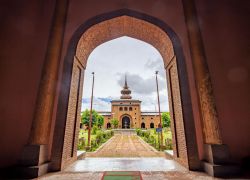
Jamia Masjid, located in the heart of Srinagar, Jammu & Kashmir, is one of the most historically and architecturally significant mosques in India. Built in the 14th century, this mosque has been a focal point for religious, cultural, and social activities in the region. Situated in the bustling old city area, Jamia Masjid is a prominent landmark that attracts visitors, devotees, and historians alike. Known for its stunning Indo-Saracenic architecture, wooden pillars, and spacious courtyard, the mosque remains an active place of worship and a symbol of Srinagar's rich Islamic heritage. Why Jamia Masjid is Famous Jamia Masjid is famous for several reasons: Its historical importance as a 14th-century mosque constructed by Sultan Sikandar Shah, highlighting the rich Islamic cultural heritage of Kashmir. The mosque's unique architecture, featuring over 378 wooden pillars, intricately carved from deodar wood, which support the structure without the use of nails. The large courtyard that accommodates thousands of worshippers, especially during Friday prayers and festivals. Its central location in Srinagar’s old city, making it a hub for cultural and community gatherings. The peaceful ambiance despite being located amidst the bustling markets of Srinagar, providing a serene retreat for meditation and spiritual reflection. History and Architecture Jamia Masjid was constructed in 1394 CE by Sultan Sikandar Shah, also known as Sikandar Butshikan, during the period of Muslim rule in Kashmir. The mosque has witnessed centuries of political change, invasions, and restorations. It has endured multiple episodes of destruction due to natural disasters and conflicts, but each time it was reconstructed, preserving its original charm and architectural integrity. The mosque's architecture is a prime example of Indo-Saracenic style, influenced by Persian and Central Asian designs. It is entirely made of deodar wood, with no iron nails used in the construction. The mosque features a large rectangular courtyard, surrounded by wooden pillared halls with intricately carved designs depicting Islamic motifs. The roof consists of multiple domes, each supported by the wooden pillars, which allow for natural ventilation and light. The main prayer hall, along with the arched entrances and decorative lattices, reflects the mastery of Kashmiri woodwork and Islamic architectural sensibilities. How to Reach Jamia Masjid, Srinagar Jamia Masjid is easily accessible due to its central location in Srinagar’s old city: By Road: The mosque is well-connected to major parts of Srinagar. Visitors can hire taxis, auto-rickshaws, or drive directly to the mosque. Nearby landmarks include Lal Chowk and the bustling markets of Srinagar. By Bus: Local buses run frequently in Srinagar, and routes passing through Lal Chowk or Nowhatta can be used to reach Jamia Masjid. By Train: The nearest railway station is Srinagar Railway Station, approximately 8 km away. Taxis or auto-rickshaws can be taken from the station. By Air: Sheikh Ul-Alam International Airport, about 13 km from the mosque, is the closest airport. From the airport, taxis or shuttle services can bring visitors to the mosque. Weather Srinagar experiences a temperate climate with distinct seasons, which can influence visits to Jamia Masjid: Summer (May to August): Pleasant weather with temperatures ranging from 20°C to 32°C. Ideal for sightseeing and exploring the mosque. Monsoon (July to September): Moderate rainfall; visitors should carry umbrellas and raincoats. Winter (November to February): Cold weather with temperatures ranging from -2°C to 10°C. Snowfall can occur in surrounding areas but rarely affects the mosque directly. Timings Jamia Masjid is open to visitors and worshippers throughout the day: Opening Hours: 7:00 AM to 7:00 PM Friday Prayers: The mosque is crowded on Fridays; non-worshippers may prefer visiting outside prayer hours. Best Time to Visit: Morning or late afternoon to enjoy a peaceful atmosphere and observe architectural details. Entry and Visit Details The mosque welcomes all visitors while maintaining its sanctity for worshippers: Entry Fee: Free for all visitors. Dress Code: Modest clothing is required. Women should cover their heads, and footwear must be removed before entering the prayer hall. Photography: Allowed in the courtyard, but caution is advised inside prayer halls, and respectful conduct should be maintained. Guided Tours: Local guides are available to explain the history, architecture, and cultural significance of the mosque. Things to Do at Jamia Masjid Visitors can engage in several activities while exploring Jamia Masjid: Explore the Architecture: Admire the intricate wooden pillars, arches, and domes that showcase traditional Kashmiri craftsmanship. Photography: Capture detailed carvings, courtyard views, and the surrounding bustling old city markets. Attend a Prayer Session: Experience the spiritual ambiance by observing or participating in congregational prayers. Learn History: Gain insights into the mosque’s construction, restorations, and its role in the socio-cultural life of Srinagar. Visit Nearby Attractions: Explore nearby landmarks such as the bustling Nowhatta market, Lal Chowk, and the historic Shankaracharya Temple for a full cultural experience. Interesting Facts about Jamia Masjid The mosque is supported entirely by deodar wood, and no nails were used in its original construction. Jamia Masjid can accommodate thousands of worshippers in its large courtyard. The mosque has survived centuries of political upheaval and natural calamities. The wooden pillars are intricately carved with floral and geometric patterns, reflecting Persian influence on Kashmiri art. It is one of the few mosques in India that continues to function as a major place of worship while being a tourist attraction. Tips for Visiting Jamia Masjid Wear modest clothing and carry a scarf or shawl if required. Remove footwear before entering the prayer hall and maintain silence inside. Visit early in the day to avoid crowds, especially during religious occasions. Respect photography rules and do not disturb worshippers. Hire a local guide to understand the historical and cultural context of the mosque. Combine your visit with nearby attractions to explore Srinagar’s old city and markets. In conclusion, Jamia Masjid in Srinagar is a remarkable blend of history, culture, and spirituality. Its unique wooden architecture, historical significance, and central location make it an essential destination for anyone visiting Jammu & Kashmir. Whether you are an architecture enthusiast, history buff, or a spiritual seeker, Jamia Masjid offers an enriching and memorable experience that reflects the rich heritage of the region.
Explore More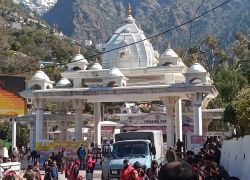
Katra, a city known for its spiritual essence, hosts the magnificent Banganga Temple, a significant tourist attraction that combines religious reverence with natural beauty. Situated amidst the serene surroundings of Katra, the Banganga Temple offers visitors a unique experience that blends history, architecture, and biodiversity. History of Banganga Temple The history of Banganga Temple dates back to ancient times, reflecting the rich cultural heritage of the region. Originally a royal hunting ground, the area was transformed into a sanctuary for both wildlife and devotees. The temple's historical significance is further enhanced by its UNESCO recognition, highlighting its role in preserving the region's natural and cultural heritage. Architecture and Natural Beauty of Banganga Temple The Banganga Temple is not only a place of worship but also a haven for biodiversity. Surrounded by lush forests, wetlands, and grasslands, the temple complex provides a picturesque setting for visitors. The Keoladeo Temple within the premises adds to the architectural charm, complementing the natural beauty of the surroundings. Why is Banganga Temple Famous? Banganga Temple is renowned for its appeal to birdwatchers, photographers, nature enthusiasts, and wildlife lovers. The diverse bird habitats, landscapes, and serene environment attract visitors seeking a unique blend of spirituality and nature exploration. How to Reach Banganga Temple Traveling to Banganga Temple is convenient, with options available by air, rail, and road. The nearest airports and railway stations provide easy access to Katra, ensuring a smooth journey for visitors from various locations. Weather and Best Time to Visit Banganga Temple The weather conditions around Banganga Temple vary across seasons, offering different experiences during summer, monsoon, and winter. The best time to visit is during specific months when the climate is pleasant, allowing visitors to enjoy the beauty of the surroundings comfortably. Timings of Banganga Temple Visiting hours at Banganga Temple cater to the needs of tourists, with seasonal variations considered to enhance the visitor experience. Planning a trip to the temple involves understanding the timings to make the most of the visit. Entry Fee and Visit Details Entry procedures at Banganga Temple ensure a hassle-free experience for visitors, with guide services, safari options, bicycle rentals, and other facilities available for convenience. Exploring the temple complex and its surroundings becomes a memorable experience with the right information at hand. Things to Do at Banganga Temple Engaging in activities like birdwatching, photography, cycling, walking trails, and nature observation offers visitors a chance to immerse themselves in the natural beauty of Banganga Temple. Educational experiences further enrich the visit, providing insights into the region's biodiversity and conservation efforts. Interesting Facts About Banganga Temple Banganga Temple is home to a variety of migratory birds, showcasing the region's rich biodiversity. The conservation achievements and ecological importance of the temple underscore its role in preserving the environment and promoting sustainable tourism practices. Travel Tips for Visiting Banganga Temple When planning a trip to Banganga Temple, consider essential factors such as clothing, photography equipment, birdwatching essentials, visiting seasons, and responsible tourism practices. Following these tips ensures a fulfilling and respectful experience at this revered destination. Conclusion In conclusion, Banganga Temple in Katra stands as a unique blend of spirituality and natural beauty, offering visitors a harmonious retreat that celebrates history, architecture, and biodiversity. A visit to this tranquil sanctuary promises a memorable experience that captures the essence of Katra's cultural heritage and scenic allure.
Explore More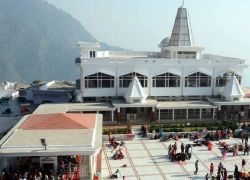
Welcome to Ardh Kuwari Temple in Katra, a place of serene beauty and spiritual significance. Nestled amidst the natural wonders of Katra, this temple offers a unique blend of tranquility and cultural richness that attracts visitors from far and wide. History of Ardh Kuwari Temple The Ardh Kuwari Temple holds a deep historical background, with its origins dating back to ancient times. Once a royal hunting ground, this sacred site has been preserved over the years and is now recognized for its cultural importance. The temple's conservation efforts have garnered UNESCO recognition, adding to its historical significance. Architecture and Natural Beauty of Ardh Kuwari Temple This temple is surrounded by lush forests, vibrant wetlands, and diverse grasslands that create a picturesque setting for visitors. The bird habitats within the temple grounds offer a unique opportunity to witness a variety of avian species in their natural habitat. The historical Keoladeo Temple located nearby adds to the architectural charm of the area. Why is Ardh Kuwari Temple Famous? Ardh Kuwari Temple is famous for its appeal to birdwatchers, photographers, nature enthusiasts, and wildlife lovers. The rich biodiversity and stunning landscapes make it a sought-after destination for those seeking a connection with nature and ancient cultural heritage. How to Reach Ardh Kuwari Temple Traveling to Ardh Kuwari Temple is convenient, with options available by air, rail, and road. The nearest airports and railway stations provide easy access to this spiritual haven, ensuring a smooth journey for visitors. Weather and Best Time to Visit Ardh Kuwari Temple The weather at Ardh Kuwari Temple varies across summer, monsoon, and winter seasons, each offering a unique experience for travelers. The best time to visit is during the moderate months when the climate is pleasant, allowing visitors to explore the temple grounds comfortably. Timings of Ardh Kuwari Temple Ardh Kuwari Temple welcomes visitors at specific timings, with seasonal variations that may impact accessibility. It is advisable to plan your visit accordingly and make the most of your time exploring this spiritual retreat. Entry Fee and Visit Details Entry procedures to Ardh Kuwari Temple are straightforward, with guide services, safari options, bicycle rentals, and visitor facilities available for a comfortable experience. Visitors can engage in various activities and make the most of their time at this cultural gem. Things to Do at Ardh Kuwari Temple Popular activities at Ardh Kuwari Temple include birdwatching, photography, cycling, walking trails, nature observation, and educational experiences. Immerse yourself in the natural beauty of the surroundings and create unforgettable memories during your visit. Interesting Facts About Ardh Kuwari Temple Ardh Kuwari Temple is home to a diverse array of migratory birds, showcasing the rich biodiversity of the region. The conservation achievements at the temple have contributed to its ecological importance, making it a vital sanctuary for wildlife preservation. Travel Tips for Visiting Ardh Kuwari Temple When visiting Ardh Kuwari Temple, remember to dress appropriately, carry photography equipment, and be mindful of the birdwatching etiquettes. Understanding the visiting seasons and practicing responsible tourism will enhance your overall experience at this cultural and natural marvel. Conclusion In conclusion, Ardh Kuwari Temple in Katra offers a blend of spirituality, natural beauty, and cultural heritage that provides a fulfilling experience for all visitors. Explore the wonders of this temple, immerse yourself in its rich history, and connect with nature in a profound way at this enchanting destination.
Explore More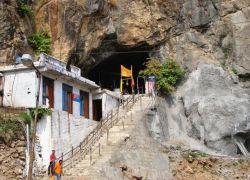
Katra, a city known for its spiritual significance, is home to the mesmerizing Shiv Khori Cave Temple, a hidden gem nestled in the heart of the region. This sacred site attracts pilgrims and tourists alike, offering a unique blend of natural beauty and religious fervor. History of Shiv Khori Cave Temple The history of Shiv Khori Cave Temple is steeped in ancient legends and mythological tales. Believed to be the abode of Lord Shiva, this cave temple holds immense religious importance for devotees. It is said that the cave was discovered centuries ago by shepherds and has since been a revered site for spiritual seekers. Architecture and Natural Beauty of Shiv Khori Cave Temple Surrounded by lush forests and serene landscapes, Shiv Khori Cave Temple offers a tranquil retreat for visitors. The natural beauty of the surroundings enhances the spiritual experience of the temple. The intricate architecture of the cave and the sacred aura make it a place of divine charm. Why is Shiv Khori Cave Temple Famous? Shiv Khori Cave Temple is renowned for its spiritual ambiance and mystical charm. It is a popular destination for pilgrims seeking blessings and solace. Additionally, nature enthusiasts are drawn to the scenic beauty and biodiversity of the region, making it a must-visit for all. How to Reach Shiv Khori Cave Temple Reaching Shiv Khori Cave Temple is convenient for travelers. The nearest airport is located in Jammu, which is well-connected to major cities. For those traveling by train, the nearest railway station is in Katra. From Katra, one can easily hire local transportation to reach the temple. Weather and Best Time to Visit Shiv Khori Cave Temple The weather at Shiv Khori Cave Temple varies throughout the year. Summer months are warm and pleasant, making it an ideal time to visit. Monsoons bring lush greenery to the region, enhancing the natural beauty. Winter months are chilly but offer a serene ambiance for spiritual seekers. Timings of Shiv Khori Cave Temple Shiv Khori Cave Temple welcomes visitors throughout the year. The timings may vary seasonally, so it is advisable to check before planning your trip. The serene atmosphere of the temple is best experienced during early morning or late evening visits. Entry Fee and Visit Details Entry to Shiv Khori Cave Temple is open to all devotees and tourists. Guide services are available for those seeking a deeper understanding of the temple's significance. Visitors can explore the cave complex at their own pace and immerse themselves in the spiritual aura of the place. Things to Do at Shiv Khori Cave Temple Visitors to Shiv Khori Cave Temple can indulge in a variety of activities. From offering prayers at the sanctum sanctorum to exploring the natural beauty of the surroundings, there is something for everyone. Birdwatching, photography, and nature walks are popular among tourists. Interesting Facts About Shiv Khori Cave Temple Shiv Khori Cave Temple is known for its biodiversity and ecological significance. The region is home to a variety of flora and fauna, making it a haven for nature lovers. Conservation efforts are ongoing to preserve the natural habitat and maintain the spiritual sanctity of the temple. Travel Tips for Visiting Shiv Khori Cave Temple When visiting Shiv Khori Cave Temple, it is advisable to wear comfortable clothing and footwear suitable for exploring the cave complex. Carry essential items like water, snacks, and a camera to capture the scenic beauty. Respect the sanctity of the temple and follow responsible tourism practices during your visit. Conclusion In conclusion, Shiv Khori Cave Temple in Katra offers a unique blend of spirituality and natural beauty. The historical significance, architectural marvels, and serene ambiance make it a must-visit destination for travelers. Whether you seek divine blessings or wish to immerse yourself in the tranquility of nature, Shiv Khori Cave Temple is a place that leaves a lasting impression on all who visit.
Explore More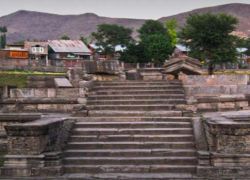
Constructed in the 9th century, Avantiswami Temple is a well-known tourist site in the state of Jammu & Kashmir. This group of temples was an architectural marvel in the bygone times and was built under the reign of the King Avantivarman. Two temples were built and were dedicated to Lord Shiva and Lord Vishnu respectively. Today these temples stand in a ruined state but still have the charm of luring the visitors.Why Is It Famous?Avantiswami Temple is famous because it is regarded as the earliest constructed Hindu temple in the state of Jammu & Kashmir. It was constructed by the workers that came from Greece for building the shrine.According to ASI, the temple of Avantiswami boasted beautiful carvings on the interiors as well as the exterior walls. The verses in the Hindi and Kashmiri language were found during the excavations.During the natural calamity of an earthquake, both temples were completely destroyed and left behind the stones that narrated the tales of a bygone era.Best Time To Visit:-There is no special time for visiting Avantiswami temple. It can be visited during any time of the year. Watch Out!Carry extra food and water along as the restaurants and eateries are not located nearby. Thus, carrying light snacks is recommended.Reaching There:-Pulwama district is the nearest township to Avantiswami Temple. The town is well-connected via roadways, railways, and airways. People can reach Avantiswami Temple from any point in Kashmir easily via these means.Nearest Railway Station:- Avantipura Railway StationNearest Airport:- Srinagar Airport
Explore More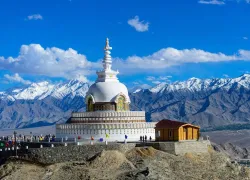
The Shanti Stupa is one of the most peaceful and iconic landmarks in Leh Ladakh, Jammu & Kashmir. Located on a hilltop overlooking Leh town, this white-domed Buddhist stupa is a symbol of peace, harmony, and spirituality. It attracts thousands of tourists every year who come to admire its beauty, enjoy panoramic views, and experience calmness in the Himalayas. About Shanti Stupa Shanti Stupa is a Buddhist monument built to promote world peace and unity. It was constructed by Japanese Buddhist monks in collaboration with Ladakhi Buddhists. The stupa is located at a height of around 11,800 feet above sea level and offers breathtaking views of the surrounding mountains and Leh valley. Shanti Stupa is one of the most visited tourist attractions in Ladakh due to its spiritual importance and stunning sunset views. Leh Ladakh is known for its high-altitude landscapes, Buddhist culture, and peaceful monasteries, and Shanti Stupa is one of its most prominent landmarks. History of Shanti Stupa Shanti Stupa was built in 1991 as part of the Peace Pagoda mission initiated by Japanese Buddhist monk Nichidatsu Fujii. The main purpose of building this stupa was to promote world peace and commemorate 2,500 years of Buddhism. It also symbolizes the friendship between Japan and India. The Dalai Lama inaugurated the stupa in 1991, making it an important spiritual site for Buddhists around the world. Since then, it has become a major tourist and pilgrimage destination in Ladakh. Architecture of Shanti Stupa The architecture of Shanti Stupa is simple yet elegant, reflecting traditional Buddhist design. The stupa is painted in bright white color, symbolizing purity and peace. It consists of two levels. The lower level displays Buddha relics, while the upper level features golden statues of Lord Buddha in different postures representing birth, enlightenment, teaching, and death. The dome-shaped structure stands beautifully against the backdrop of snow-covered mountains. Why Shanti Stupa is Famous Shanti Stupa is famous for its breathtaking panoramic views of Leh town and the Himalayas, especially during sunrise and sunset. The golden glow of the sun reflecting on the white dome creates a magical view. It is also famous as a symbol of peace and unity, attracting Buddhist pilgrims and international travelers who seek spiritual calmness and meditation. Entry Fees and Timings Opening Hours: 5:00 AM to 9:00 PM (approx.) Entry Fee: Free for all visitors Best Visiting Time: Sunrise and sunset for scenic views How to Reach Shanti Stupa By Air: The nearest airport is Kushok Bakula Rimpochee Airport in Leh. From the airport, Shanti Stupa is around 5 km away and can be reached by taxi or cab. By Road: Shanti Stupa is located on a hilltop in Leh town. Visitors can reach the base point by vehicle and then climb stairs or take the road route to the top. By Foot: Adventure lovers can hike up the hill from Leh town, which takes around 20–30 minutes depending on fitness level. Weather and Best Time to Visit Leh Ladakh has a cold desert climate with dry air and high altitude conditions. The best time to visit Shanti Stupa is from May to September when roads are open and weather is pleasant. Summer Temperature: 10°C to 25°C Winter Temperature: Can drop below -15°C During winter, heavy snowfall may limit access, but the stupa remains beautiful even from a distance. Things to Do at Shanti Stupa • Enjoy panoramic views of Leh town and surrounding mountains • Watch sunrise and sunset from the hilltop • Experience peace and meditation in a calm environment • Take photography of landscapes and architecture • Explore nearby attractions in Leh town Interesting Facts About Shanti Stupa • Built by Japanese Buddhist monks • Symbol of peace and harmony between India and Japan • Located at an altitude of nearly 11,800 feet • Inaugurated by the Dalai Lama in 1991 • One of the most photographed landmarks in Ladakh Travel Tips for Visitors • Carry warm clothes even in summer due to cold winds • Acclimatize properly before visiting high altitude areas • Visit during sunrise or sunset for best views • Carry water and light snacks • Respect local customs and maintain silence near the stupa Conclusion Shanti Stupa is not just a tourist attraction but a spiritual landmark that represents peace, unity, and harmony. Its stunning location, peaceful environment, and breathtaking views make it one of the must-visit places in Ladakh. Whether you are a traveler, photographer, or spiritual seeker, Shanti Stupa offers an unforgettable experience in the heart of the Himalayas.
Explore More
Welcome to the historical gem nestled in the heart of Kargil, the Mulbekh Monastery. This ancient monastery holds rich cultural significance and offers a tranquil escape for travelers seeking a blend of spirituality and natural beauty. History of Mulbekh Monastery The history of Mulbekh Monastery dates back centuries, serving as a symbol of Buddhist heritage in the region. Originally a royal hunting ground, this site has witnessed the evolution of religious practices and conservation efforts. Its unique architecture and UNESCO recognition highlight its historical and cultural importance. Architecture and Natural Beauty of Mulbekh Monastery Surrounded by picturesque landscapes, Mulbekh Monastery boasts serene wetlands, lush forests, and diverse bird habitats. The majestic Keoladeo Temple within the monastery adds to its architectural charm, attracting visitors from far and wide. Why is Mulbekh Monastery Famous? Mulbekh Monastery is renowned for its serene ambiance and is a haven for birdwatchers, photographers, and nature enthusiasts. Its biodiversity and tranquil surroundings make it a popular choice for wildlife lovers seeking a peaceful retreat. How to Reach Mulbekh Monastery Traveling to Mulbekh Monastery is convenient, with various options available. Visitors can reach the city of Kargil by air, rail, or road, with nearby airports and railway stations providing easy access to this cultural treasure. Weather and Best Time to Visit Mulbekh Monastery Experience the beauty of Mulbekh Monastery in different seasons, from the vibrant hues of summer to the serene monsoon rains and the snowy landscapes of winter. The best time to visit is during the pleasant months, offering an ideal setting for exploration. Timings of Mulbekh Monastery Plan your visit to Mulbekh Monastery with ease, considering visitor timings and any seasonal variations that may affect your trip. This information ensures a well-organized and memorable experience at this historic site. Entry Fee and Visit Details Discover the entry procedures and available visitor facilities at Mulbekh Monastery, including guide services, safari options, and bicycle rentals. These amenities enhance your visit and provide a deeper insight into the monastery's cultural heritage. Things to Do at Mulbekh Monastery Embark on a journey of exploration at Mulbekh Monastery with activities like birdwatching, photography, cycling, and nature observation. The walking trails and educational experiences offer a holistic view of the monastery's charm and biodiversity. Interesting Facts About Mulbekh Monastery Delve into the fascinating world of Mulbekh Monastery with intriguing facts about migratory birds, conservation achievements, and its ecological importance. These insights shed light on the conservation efforts and cultural legacy preserved within the monastery. Travel Tips for Visiting Mulbekh Monastery Prepare for your visit to Mulbekh Monastery with practical tips on clothing, photography essentials, and responsible tourism practices. Understanding the visiting seasons and equipment requirements ensures a fulfilling and respectful experience at this sacred site. Conclusion In conclusion, Mulbekh Monastery in Kargil stands as a testament to cultural heritage and natural beauty, offering visitors a harmonious blend of spirituality and tranquility. Explore this enchanting destination to immerse yourself in history, biodiversity, and a sense of serenity.
Explore More
Welcome to the enchanting world of Rangdum Gompa nestled in the picturesque city of Kargil. This hidden gem is a testament to the rich cultural heritage and natural beauty of the region, offering visitors a glimpse into a truly awe-inspiring destination. History of Rangdum Gompa Steeped in history, Rangdum Gompa stands as a symbol of spiritual devotion and architectural brilliance. Originally built as a place of worship, it holds deep-rooted historical significance and has witnessed the passage of time from its inception to becoming a revered spiritual center. The former royal hunting grounds surrounding the monastery add a touch of mystery and intrigue to its aura. The conservation efforts to preserve this cultural marvel have garnered UNESCO recognition, highlighting its importance on a global scale. Architecture and Natural Beauty of Rangdum Gompa The beauty of Rangdum Gompa extends far beyond its architectural grandeur. Surrounded by vast wetlands, lush forests, and sprawling grasslands, the monastery offers a tranquil retreat for both the soul and the senses. Bird habitats dot the landscape, creating a haven for avian enthusiasts. The historical Keoladeo Temple within the park adds to the charm, blending spirituality with natural splendor. Why is Rangdum Gompa Famous? Rangdum Gompa has garnered fame for being a magnet for birdwatchers, photographers, nature enthusiasts, and wildlife lovers alike. Its serene environment and diverse flora and fauna make it a paradise for those seeking a deeper connection with nature and a chance to witness the untouched beauty of the region. How to Reach Rangdum Gompa Reaching Rangdum Gompa is an adventure in itself. Travel options include air, rail, and road, with nearby airports and railway stations providing convenient access to this hidden treasure. The journey to Rangdum Gompa promises breathtaking views and an unforgettable experience for every traveler. Weather and Best Time to Visit Rangdum Gompa Throughout the seasons, Rangdum Gompa offers a unique experience. Summer unveils vibrant landscapes, while monsoon brings a touch of tranquility. Winter blankets the region in snow, creating a magical ambiance. The best time to visit varies based on personal preferences, with each season offering its own charm. Timings of Rangdum Gompa Visitor timings at Rangdum Gompa ensure that every traveler has the opportunity to explore this cultural and natural marvel. Seasonal variations may affect accessibility, so it is advisable to plan ahead and check for any updates before embarking on your journey. Entry Fee and Visit Details Entry procedures at Rangdum Gompa are designed to make your visit seamless and enjoyable. Guide services, safari options, bicycle rentals, and visitor facilities cater to your every need, ensuring a memorable experience filled with exploration and discovery. Things to Do at Rangdum Gompa Embark on a journey of discovery at Rangdum Gompa with a myriad of activities to engage in. From birdwatching to photography, cycling to walking trails, nature observation to educational experiences, there is something for every traveler to enjoy and immerse themselves in the beauty of the surroundings. Interesting Facts About Rangdum Gompa Rangdum Gompa is a treasure trove of fascinating facts waiting to be uncovered. From the mesmerizing sight of migratory birds gracing the skies to the rich biodiversity that thrives in the region, the conservation achievements and ecological importance of this destination add to its allure and significance. Travel Tips for Visiting Rangdum Gompa Prepare for your visit to Rangdum Gompa with practical tips to enhance your experience. From choosing appropriate clothing to packing essential photography and birdwatching equipment, understanding the best visiting seasons and practicing responsible tourism, these tips ensure a smooth and rewarding journey. Conclusion In conclusion, Rangdum Gompa in Kargil stands as a symbol of cultural heritage, natural beauty, and spiritual tranquility. Its historical significance, ecological importance, and diverse offerings make it a must-visit destination for travelers seeking a harmonious blend of history, nature, and spirituality. Discover the magic of Rangdum Gompa and create lasting memories in the heart of Kargil.
Explore More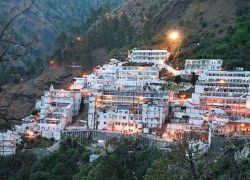
Vaishno Devi, nestled in the beautiful city of Kashmir, is a renowned tourist attraction that holds deep spiritual significance and natural beauty. This hotspot attracts pilgrims, nature enthusiasts, and adventure seekers alike, offering a unique blend of religious fervor and scenic charm. History of Vaishno Devi The history of Vaishno Devi dates back centuries, with legends of the divine Mata Vaishno Devi attracting devotees from far and wide. The pilgrimage site has evolved from ancient times, once serving as a royal hunting ground and now standing as a symbol of spiritual devotion. The conservation efforts around Vaishno Devi have garnered UNESCO recognition, highlighting its importance in both cultural and environmental spheres. Architecture and Natural Beauty of Vaishno Devi Surrounded by lush forests, serene wetlands, and diverse bird habitats, Vaishno Devi captivates visitors with its natural splendor. The picturesque landscapes offer a tranquil retreat for pilgrims and nature lovers alike. The historic Keoladeo Temple within the park adds to the architectural and cultural richness of the region. Why is Vaishno Devi Famous? Vaishno Devi is famous for its spiritual aura and natural allure, making it a haven for birdwatchers, photographers, and wildlife enthusiasts. The diverse ecosystem and rich biodiversity within the region draw visitors seeking solace in the lap of nature. How to Reach Vaishno Devi Traveling to Vaishno Devi is convenient, with options available by air, rail, and road. The nearest airports and railway stations provide easy access to this sacred destination, ensuring a seamless journey for pilgrims and tourists. Weather and Best Time to Visit Vaishno Devi Vaishno Devi experiences varying weather conditions throughout the year, with summer, monsoon, and winter seasons offering distinct experiences. The best time to visit depends on personal preferences, with each season bringing its unique charm to the pilgrimage. Timings of Vaishno Devi The visitor timings at Vaishno Devi vary seasonally, providing flexibility for pilgrims and tourists to plan their trips accordingly. Understanding these timings and planning ahead can enhance the overall experience at this sacred site. Entry Fee and Visit Details Entry procedures at Vaishno Devi are straightforward, with guide services and safari options available for those seeking a more immersive experience. Visitor facilities cater to the needs of travelers, ensuring a comfortable and memorable stay at this revered destination. Things to Do at Vaishno Devi Popular activities at Vaishno Devi include birdwatching, photography, cycling, walking trails, and nature observation. The serene surroundings and spiritual ambiance offer a range of experiences for visitors to immerse themselves in the beauty of nature and culture. Interesting Facts About Vaishno Devi Vaishno Devi is home to a diverse range of migratory birds, showcasing the rich biodiversity of the region. The conservation achievements and ecological importance of this pilgrimage site contribute to its significance in preserving natural heritage. Travel Tips for Visiting Vaishno Devi When visiting Vaishno Devi, it is advisable to dress modestly and carry essential items for a comfortable journey. Photography enthusiasts should come prepared with suitable equipment to capture the scenic beauty of the surroundings. Understanding the visiting seasons and following responsible tourism practices can help preserve the sanctity of this revered hotspot. Conclusion In conclusion, Vaishno Devi in Kashmir stands as a testament to spirituality, natural beauty, and cultural heritage. This enchanting destination offers a unique blend of tranquility and devotion, inviting travelers to explore its sacred grounds and picturesque landscapes. Whether seeking spiritual solace or a rendezvous with nature, Vaishno Devi promises a memorable experience for all visitors.
Explore More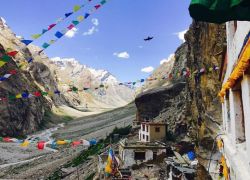
Zongkhul Monastery is one of the most spiritually significant and visually stunning Buddhist monasteries in the Zanskar region of Jammu & Kashmir. Known for its cliffside location, ancient meditation caves, and peaceful environment, it is a sacred destination for Buddhist monks and a fascinating place for travelers exploring the Himalayas. Located in the remote valley of Zanskar in Jammu & Kashmir, Zongkhul Monastery is surrounded by rugged mountains, deep valleys, and pristine natural beauty. The monastery is an important center of Tibetan Buddhism and offers a deep spiritual experience to visitors. Zongkhul Monastery, Zanskar, Jammu & Kashmir is a hidden gem of the Himalayas, attracting monks, pilgrims, trekkers, and adventure travelers seeking peace and solitude. History of Zongkhul Monastery Zongkhul Monastery was founded in the 12th century by the great Buddhist yogi and scholar Naropa or one of his disciples. It is believed that the saint meditated in nearby caves, which later became sacred meditation sites. The monastery is associated with the Drukpa Kagyu school of Tibetan Buddhism and has played an important role in preserving Buddhist teachings and traditions in the Zanskar region for centuries. Over time, the monastery has been rebuilt and restored multiple times due to harsh weather conditions, but it still retains its ancient spiritual essence. Architecture of Zongkhul Monastery The architecture of Zongkhul Monastery is simple yet spiritually powerful. Built on the side of a cliff, it blends naturally with the surrounding mountains. The monastery consists of prayer halls, meditation caves, monk residences, and shrines decorated with Buddhist murals and thangka paintings. One of the most unique features is the sacred meditation cave of Naropa, which is preserved inside the monastery complex. The cave walls still contain ancient handprints and footprints believed to belong to the saint. The wooden and stone structure of the monastery reflects traditional Himalayan Buddhist architecture, designed to withstand extreme weather conditions. Why Zongkhul Monastery is Famous Zongkhul Monastery is famous for its spiritual significance, ancient meditation caves, and breathtaking Himalayan setting. It is considered one of the most important meditation sites in Zanskar, associated with the great Buddhist master Naropa. The monastery is also known for its peaceful environment, attracting monks and visitors seeking spiritual retreat and silence. How to Reach Zongkhul Monastery Reaching Zongkhul Monastery is challenging due to its remote Himalayan location, but the journey is extremely scenic. By Air: The nearest airport is Leh Airport, located around 250–300 km away. From Leh, travelers must continue by road through mountain routes. By Road: Zongkhul Monastery is accessible from Kargil or Padum in Zanskar. Roads are open only during summer months (June to September) due to heavy snowfall in winter. By Train: The nearest railway station is Jammu Tawi, from where travelers must continue by road to Leh and then Zanskar. Due to its remote location, travel often requires permits, experienced drivers, and careful planning. Weather at Zongkhul Monastery Zongkhul Monastery experiences extreme Himalayan weather conditions. Summer (June to September): Pleasant but cool, with temperatures ranging from 10°C to 20°C. This is the only accessible season for travel. Monsoon: The region receives very little rainfall, but road conditions may still be difficult due to landslides in nearby areas. Winter (October to May): Extremely cold with heavy snowfall, and the monastery becomes inaccessible for tourists. Timing and Entry Details Zongkhul Monastery is generally open from 6:00 AM to 6:00 PM during the summer months when travel is possible. There is usually no entry fee, but donations are appreciated for monastery maintenance and monk support. Visitors are advised to check local conditions before planning their visit due to unpredictable weather. Things to Do at Zongkhul Monastery Visitors can explore the ancient meditation caves where Buddhist saints once meditated in deep solitude. You can attend prayer sessions and observe daily rituals performed by monks, offering a deep spiritual experience. Trekking around the monastery provides breathtaking views of the Zanskar valley and surrounding Himalayan peaks. Photography enthusiasts can capture stunning landscapes, monastery architecture, and cultural moments. Interesting Facts About Zongkhul Monastery The monastery is closely associated with Naropa, one of the most important figures in Tibetan Buddhism. The meditation cave inside the monastery still preserves ancient imprints believed to be left by the saint. The monastery is located in one of the most remote and least populated regions of India, making it a true hidden spiritual destination. Travel Tips for Visitors Carry warm clothing even during summer, as temperatures can drop significantly in the mountains. Due to remote conditions, carry essential supplies like food, water, and medicines. Travel only during the summer season when roads are open and weather is stable. Respect local Buddhist traditions and maintain silence inside the monastery. Conclusion Zongkhul Monastery is a sacred Himalayan treasure that offers a perfect blend of spirituality, history, and natural beauty. Its ancient caves, peaceful atmosphere, and stunning mountain views make it one of the most unique monasteries in India. For travelers seeking peace, adventure, and spiritual connection, Zongkhul Monastery provides an unforgettable experience in the heart of the Zanskar valley.
Explore MoreKashmir Tour 5 Night 6 Day
6 Days/ 5 Night
Gulmarg - Jammu - Pahalgam - Srinagar - Budgam - Kashmir - Sheshnag
Vaishno Devi Package Ex-Mumbai
5 Days/ 4 Night
Katra
Kashmir Explorer 04 Nights - 05 Days Tour
5 Days/ 4 Night
Srinagar - Pahalgam - Sonamarg - Gulmarg
Kashmir Classic
4 Days/ 3 Night
Awantipora - Gulmarg - Jammu - Pahalgam - Srinagar - Tangmarg - Kashmir

About The Masjid Baba Dawood Khaki The Masjid Baba Dawood Khaki, located in Anantnag, is a significant place of worship for Muslims in the region. Named after the revered saint Baba Dawood Khaki, the mosque holds cultural and historical importance for the local community. The mosque serves as a gathering place for daily prayers, religious events, and community activities. Architecture of Masjid Baba Dawood Khaki The architecture of Masjid Baba Dawood Khaki is a blend of traditional Kashmiri and Islamic styles. The mosque features intricate woodwork, beautiful calligraphy inscriptions, and a serene courtyard where worshippers can gather. The minaret of the mosque stands tall, symbolizing a beacon of faith for the local community. History The history of Masjid Baba Dawood Khaki dates back several centuries when the mosque was established by followers of Baba Dawood Khaki, a beloved saint known for his piety and devotion to Islam. Over the years, the mosque has undergone renovations and expansions to accommodate the growing number of worshippers. Best Time To Visit The best time to visit Masjid Baba Dawood Khaki is during the holy month of Ramadan when the mosque is filled with worshippers observing fasting and engaging in special prayers. The festive atmosphere during Ramadan creates a unique spiritual experience for visitors. How To Reach Located in Anantnag, Masjid Baba Dawood Khaki is easily accessible by car or public transportation. Visitors can reach the mosque by taking a taxi or a local bus to the Anantnag district. The mosque is situated in a central location, making it convenient for tourists and worshippers to visit. Visitor Tips When visiting Masjid Baba Dawood Khaki, it is important to dress modestly and respect the customs of the local community. Visitors should remove their shoes before entering the mosque and maintain a quiet and respectful demeanor while inside. It is also recommended to visit the mosque during non-prayer times to avoid disrupting worshippers. Overall, Masjid Baba Dawood Khaki is a place of spiritual significance and architectural beauty, attracting visitors and worshippers alike with its rich history and peaceful atmosphere.
Explore More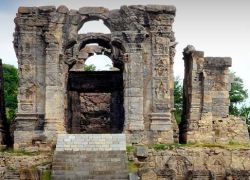
About The Martand Sun Temple The Martand Sun Temple is an ancient Hindu temple dedicated to the Sun God located in Anantnag district in the union territory of Jammu and Kashmir, India. It is one of the largest sun temples in India and is known for its architectural grandeur and historical significance. Architecture of Martand Sun Temple The Martand Sun Temple is built in the Kashmiri architectural style and is believed to have been constructed during the 8th century by the ruler Lalitaditya Muktapida of the Karkota dynasty. The temple complex is laid out in a series of concentric squares with a central shrine dedicated to the Sun God. The temple is surrounded by a large courtyard with over 80 stone columns and a perimeter wall with intricate carvings depicting various deities and mythological figures. The main shrine of the Martand Sun Temple is built on a raised platform and is adorned with intricate sculptures and carvings. The temple also features a pillared hall, a mandapa, and a shikara (spire) that is believed to have once been covered in gold. The temple's exteriors are decorated with intricate relief work and carvings of various gods and goddesses. History The Martand Sun Temple was constructed during the reign of Lalitaditya Muktapida, who was a powerful ruler of the Kashmir region. The temple was an important center of worship and pilgrimage for Hindus in the region for centuries. However, the temple fell into ruins after the decline of the Karkota dynasty and was eventually abandoned. Over the years, the Martand Sun Temple suffered extensive damage due to invasions, natural disasters, and neglect. The temple's once magnificent structures were reduced to ruins, with only a few remnants of its former glory remaining. Despite its dilapidated state, the Martand Sun Temple continues to attract visitors and historians from around the world. Best Time To Visit The best time to visit the Martand Sun Temple is during the months of April to June when the weather is pleasant and the temple complex is easily accessible. The summer months also offer clear skies and great views of the surrounding mountains and valleys. It is advisable to avoid visiting the Martand Sun Temple during the winter months as the region experiences heavy snowfall and cold temperatures, making it difficult to explore the temple complex. How To Reach The Martand Sun Temple is located in Anantnag district in Jammu and Kashmir and is easily accessible by road. The nearest major city to the temple is Srinagar, which is approximately 70 kilometers away. Visitors can hire a taxi or take a bus from Srinagar to reach the temple complex. Alternatively, visitors can also travel to Anantnag town and then hire a taxi or take a local bus to reach the Martand Sun Temple. The temple is situated on a hill, so visitors will need to climb a flight of stairs to reach the main entrance. Significance Of The Martand Sun Temple The Martand Sun Temple holds great religious and historical significance for Hindus in the region. It is believed to be one of the oldest sun temples in India and is dedicated to the Sun God, who is revered as the source of life and energy. The temple complex is also an important archaeological site that offers valuable insights into the ancient culture and architecture of the Kashmir region. Visitors to the Martand Sun Temple can explore the beautiful carvings, sculptures, and architecture of the temple complex and learn about its rich history and cultural heritage. The temple's serene surroundings and panoramic views make it a popular destination for tourists and history enthusiasts alike.
Explore More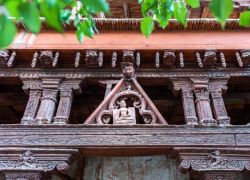
Alchi Choskor temple, located in Alchi, is a renowned tourist attraction known for its historical significance, natural beauty, and cultural heritage. This ancient temple holds great importance for both religious pilgrims and history enthusiasts alike, attracting visitors from far and wide. History of Alchi Choskor Temple The Alchi Choskor temple has a rich historical background dating back centuries. It was built as a place of worship and meditation, serving as a spiritual hub for the local community. The temple stands as a testament to the architectural and artistic brilliance of the ancient craftsmen who constructed it. The area surrounding the temple was once a royal hunting ground, adding to its historical charm. Alchi Choskor temple has also gained recognition from UNESCO for its cultural and historical significance. Architecture and Natural Beauty of Alchi Choskor Temple Surrounded by picturesque landscapes, Alchi Choskor temple is nestled amidst lush forests and serene wetlands. The natural environment around the temple is home to diverse flora and fauna, creating a peaceful sanctuary for both wildlife and visitors. The historical Keoladeo Temple within the park adds to the architectural splendor of the area, showcasing intricate designs and carvings that reflect the cultural heritage of the region. Why is Alchi Choskor Temple Famous? Alchi Choskor temple is famous for its spiritual ambiance, attracting pilgrims and seekers of tranquility. The temple is also a hotspot for birdwatchers, photographers, and nature enthusiasts due to its scenic beauty and biodiversity. Wildlife lovers are drawn to the temple surroundings to witness the diverse bird habitats and natural wonders that abound in the area. How to Reach Alchi Choskor Temple Traveling to Alchi Choskor temple is convenient with multiple transportation options available. Visitors can reach the temple by air via nearby airports, by rail through well-connected railway stations, or by road using various transport services. The seamless connectivity makes it easily accessible for tourists looking to explore this historical gem. Weather and Best Time to Visit Alchi Choskor Temple Alchi Choskor temple experiences diverse weather conditions throughout the year. Summer brings warm temperatures, while the monsoon season offers lush greenery and a refreshing atmosphere. Winter months provide a cool climate, making it an ideal time for sightseeing. The best time to visit Alchi Choskor temple is during the moderate weather months to enjoy the natural beauty and outdoor activities. Timings of Alchi Choskor Temple Alchi Choskor temple welcomes visitors during specific timings, allowing ample time for exploration and spiritual reflection. The temple may have seasonal variations in timings, so it is advisable to check in advance before planning a visit. Understanding the visitor timings ensures a well-organized trip for tourists seeking to experience the tranquility of the temple. Entry Fee and Visit Details Visitors can gain entry to Alchi Choskor temple by following the designated procedures. Guide services are available for those interested in learning more about the temple's history and significance. Safari options, bicycle rentals, and visitor facilities are also provided to enhance the overall experience of exploring this cultural heritage site. Things to Do at Alchi Choskor Temple Alchi Choskor temple offers a range of activities for visitors to engage in, including birdwatching, photography, cycling, walking trails, and nature observation. The serene surroundings provide an ideal setting for educational experiences and spiritual contemplation, making it a versatile destination for travelers with diverse interests. Interesting Facts About Alchi Choskor Temple Alchi Choskor temple is home to a variety of migratory birds, adding to the biodiversity of the region. The conservation efforts undertaken to preserve the temple and its surroundings have led to significant achievements in maintaining the ecological balance. The temple's cultural and historical importance continues to attract visitors who appreciate its architectural grandeur and spiritual ambiance. Travel Tips for Visiting Alchi Choskor Temple When planning a visit to Alchi Choskor temple, it is advisable to dress appropriately for the weather conditions and carry necessary photography equipment for capturing the scenic beauty. Understanding the best visiting seasons and practicing responsible tourism by respecting the temple's sanctity and natural environment enhances the overall travel experience for visitors. Conclusion In conclusion, Alchi Choskor temple in Alchi stands as a remarkable tourist attraction that blends historical significance with natural beauty. The temple's serene surroundings, cultural heritage, and diverse activities make it a must-visit destination for travelers seeking a unique and enriching experience. Whether exploring the architectural marvels, observing wildlife, or immersing in spiritual contemplation, Alchi Choskor temple offers a memorable journey for all visitors to [City].
Explore More
Naranag Temple, located in Ganderbal, is a hidden gem nestled in the natural beauty of the region. This ancient temple holds significant historical and cultural importance, attracting tourists and pilgrims alike. Surrounded by lush greenery and snow-capped mountains, Naranag Temple offers a serene escape for visitors seeking tranquility and spiritual enlightenment. History of Naranag Temple The history of Naranag Temple dates back centuries, reflecting the rich cultural heritage of the region. Once a royal hunting ground, this site has undergone conservation efforts to preserve its historical significance. The temple's architectural marvel and UNESCO recognition as a heritage site showcase its enduring legacy. Architecture and Natural Beauty of Naranag Temple Naranag Temple is not only a religious site but also a haven for biodiversity. The wetlands, forests, and bird habitats surrounding the temple create a picturesque landscape that mesmerizes visitors. The Keoladeo Temple within the park adds to its charm, blending spirituality with natural beauty. Why is Naranag Temple Famous? Naranag Temple is renowned for its captivating beauty, making it a paradise for birdwatchers, photographers, and nature enthusiasts. The diverse wildlife and serene surroundings attract visitors seeking solace amidst nature's wonders. How to Reach Naranag Temple Traveling to Naranag Temple is convenient, with options available by air, rail, and road. Nearby airports and railway stations provide easy access to this enchanting destination, allowing tourists to embark on a memorable journey to Ganderbal. Weather and Best Time to Visit Naranag Temple The weather at Naranag Temple varies throughout the year, offering distinct experiences during summer, monsoon, and winter seasons. The best time to visit is during specific months when the climate is favorable for exploration and sightseeing. Timings of Naranag Temple Naranag Temple welcomes visitors at specified timings, ensuring a memorable experience for all. Seasonal variations may influence the temple's accessibility, so it is advisable to plan your visit accordingly for a fulfilling trip. Entry Fee and Visit Details Entry procedures to Naranag Temple are hassle-free, with guide services and safari options available for an enhanced experience. Bicycle rentals and visitor facilities cater to the needs of tourists, making their visit comfortable and enjoyable. Things to Do at Naranag Temple Engage in various activities at Naranag Temple, such as birdwatching, photography, cycling, and nature observation. The walking trails offer scenic views, while educational experiences enrich visitors with knowledge about the region's biodiversity and cultural heritage. Interesting Facts About Naranag Temple Naranag Temple is home to a myriad of migratory birds and boasts remarkable conservation achievements. Its ecological importance transcends boundaries, making it a hotspot for researchers and wildlife enthusiasts seeking to delve into nature's wonders. Travel Tips for Visiting Naranag Temple When visiting Naranag Temple, remember to dress appropriately for the weather and carry essential photography and birdwatching equipment. Understanding the visiting seasons and practicing responsible tourism ensures a meaningful and sustainable travel experience. Conclusion In conclusion, Naranag Temple in Ganderbal offers a harmonious blend of history, architecture, and natural beauty. Its allure lies in the serenity it provides to visitors, making it a must-visit destination for those seeking spiritual rejuvenation amidst the splendor of nature.
Explore More
Indus River, situated in Likir, is a mesmerizing tourist attraction renowned for its natural beauty, biodiversity, and historical significance. The river holds a special place in the hearts of visitors, attracting nature enthusiasts, birdwatchers, photographers, and wildlife lovers from around the globe. History of Indus River The history of the Indus River dates back centuries, playing a crucial role in the development of ancient civilizations. It served as a lifeline for the people living along its banks, facilitating trade, agriculture, and cultural exchange. The river has witnessed the rise and fall of empires, reflecting the rich heritage of the region. Architecture and Natural Beauty of Indus River The Indus River is not only known for its historical significance but also for its breathtaking natural environment. The surrounding wetlands, forests, and grasslands provide a habitat for diverse bird species, making it a paradise for birdwatchers. The picturesque landscapes along the riverbanks and the ancient Keoladeo Temple add to the charm of this enchanting destination. Why is Indus River Famous? Indus River has gained fame as a haven for birdwatchers due to the presence of numerous avian species that flock to its banks. Photographers are drawn to capture the beauty of the river and its surroundings, while nature enthusiasts revel in the tranquility and serenity that this place offers. Wildlife lovers also appreciate the diverse flora and fauna that thrive in this unique ecosystem. How to Reach Indus River Traveling to Indus River is convenient with various options available. Visitors can reach Likir by air, rail, or road, with nearby airports and railway stations providing easy access to the region. The well-connected road network ensures a smooth journey for those opting to travel by car or bus. Weather and Best Time to Visit Indus River Understanding the weather patterns is essential for planning a visit to Indus River. The summer season can be hot, while monsoons bring lush greenery to the surroundings. Winter offers pleasant temperatures, making it an ideal time to explore the area. The best months to visit are typically during the cooler months when the weather is more favorable for outdoor activities. Timings of Indus River The timings of Indus River may vary based on seasonal changes and specific regulations in place. Visitors are advised to check for any updates regarding opening hours and operational schedules to make the most of their trip. Planning ahead ensures a smooth and enjoyable experience when exploring this natural wonder. Entry Fee and Visit Details Entry to Indus River may be subject to a nominal fee, with additional services such as guide assistance, safari options, and bicycle rentals available for visitors. The park also offers various facilities to enhance the visitor experience, ensuring a comfortable and memorable stay for all guests. Things to Do at Indus River There are plenty of activities to engage in at Indus River, catering to diverse interests. From birdwatching to photography, cycling, and nature observation, visitors can immerse themselves in the beauty of the surroundings. Walking trails provide an opportunity to explore the area on foot, while educational experiences offer valuable insights into the region's ecology. Interesting Facts About Indus River Indus River is home to a wide array of migratory birds, adding to its ecological significance. Conservation efforts have been instrumental in preserving the biodiversity of the region, with notable achievements recognized on a global scale. The ecological importance of the river underscores the need for sustainable practices to protect this natural treasure for future generations. Travel Tips for Visiting Indus River When planning a trip to Indus River, it is essential to pack appropriate clothing for the prevailing weather conditions. Photography enthusiasts should carry their equipment to capture the beauty of the surroundings effectively. Understanding the best visiting seasons and practicing responsible tourism ensures a positive impact on the environment and local communities. Conclusion In conclusion, Indus River in Likir stands out as a remarkable tourist destination that offers a harmonious blend of history, natural beauty, and biodiversity. Visitors are treated to a unique experience filled with exploration, adventure, and serenity, making it a must-visit attraction for those seeking to connect with nature and immerse themselves in the wonders of the great outdoors.
Explore More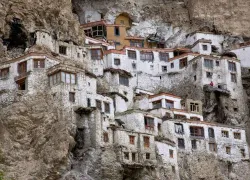
Phugtal Monastery is one of the most extraordinary and remote Buddhist monasteries in India, located in the Zanskar region of Ladakh, Jammu & Kashmir. Famous for its cave-like structure built into a cliff, this monastery is a masterpiece of Himalayan architecture and spiritual devotion. Situated near Padum in the Zanskar valley, Phugtal Monastery is surrounded by deep gorges, rugged mountains, and the untouched beauty of the Himalayas. It is one of the most isolated monasteries in the world, accessible only by trekking or difficult mountain routes. Phugtal Monastery, Padum, Jammu & Kashmir is a must-visit destination for adventure seekers, spiritual travelers, and those looking to experience the raw beauty of the Himalayas. History of Phugtal Monastery Phugtal Monastery was founded in the 12th century by the great Buddhist teacher Lama Jangsem Sherap Zangpo. It belongs to the Gelugpa and earlier Bon traditions of Tibetan Buddhism and has been a center for meditation and spiritual learning for centuries. The name “Phugtal” comes from the word “Phukthal,” meaning “cave of leisure,” reflecting its origin as a meditation cave used by monks and sages. Over time, the monastery expanded into a complex structure built around natural caves, housing monks, prayer halls, and learning centers. Architecture of Phugtal Monastery Phugtal Monastery is uniquely built into a cliffside cave, making it one of the most visually striking monasteries in the world. The structure appears like a honeycomb of rooms, corridors, and prayer halls carved into the rock face. The monastery features traditional Tibetan Buddhist architecture, including prayer rooms, assembly halls, libraries, and monk residences. Inside, visitors can see ancient murals, thangka paintings, wooden carvings, and statues of Buddha and other deities that reflect deep spiritual heritage. The monastery is built in a way that blends perfectly with the natural rock formation, creating a breathtaking fusion of nature and spirituality. Why Phugtal Monastery is Famous Phugtal Monastery is famous for its remote location, cave-based architecture, and spiritual significance in Tibetan Buddhism. It is considered one of the most isolated monasteries in India, accessible only by trekking, making it a true hidden gem of the Himalayas. The monastery is also known for its peaceful environment, attracting monks and travelers seeking solitude and meditation. How to Reach Phugtal Monastery Reaching Phugtal Monastery is challenging and requires trekking through remote Himalayan terrain. By Air: The nearest airport is Leh Airport (Kushok Bakula Rimpochee Airport), approximately 200–250 km away. From Leh, travelers must continue by road to Padum. By Road: From Padum in Zanskar, the journey continues through rugged mountain roads followed by trekking to reach the monastery. By Trek: The final access to Phugtal Monastery requires a trek of several kilometers along river valleys and mountain paths, making it an adventurous journey. Travel is possible mainly between June and September when the region is free from heavy snow. Weather at Phugtal Monastery Phugtal Monastery experiences extreme Himalayan weather conditions. Summer (June to September): The best time to visit, with temperatures ranging from 10°C to 20°C. Roads and trekking routes are accessible during this period. Winter (October to May): Extremely cold with heavy snowfall, making the monastery inaccessible. Rainfall is minimal, but weather conditions can change rapidly in high-altitude regions. Timing and Entry Details Phugtal Monastery is generally open from 8:00 AM to 5:00 PM during the summer season. There is no formal entry fee, but donations are appreciated for maintenance and support of the monks. Visitors should plan visits during daylight hours for safety due to remote terrain and limited facilities. Things to Do at Phugtal Monastery Visitors can explore the monastery’s prayer halls, meditation caves, and living quarters carved into the cliff. You can interact with monks and learn about Tibetan Buddhist philosophy and daily monastic life. Trekking to the monastery is itself a major adventure, offering stunning views of the Zanskar valley and river landscapes. Photography enthusiasts can capture one of the most dramatic monastery landscapes in the world. Interesting Facts About Phugtal Monastery The monastery is built entirely into a natural cave system, making it one of the most unique monastic structures in the world. It is home to a small community of monks who live in complete isolation from urban life. The monastery has preserved ancient Buddhist manuscripts and teachings for centuries. It can only be reached on foot, making it one of the most remote monasteries in India. Travel Tips for Visitors Carry warm clothing even in summer due to unpredictable mountain weather. Prepare physically for trekking as the journey is long and challenging. Carry essentials like food, water, and medical supplies due to lack of facilities. Acclimatize in Leh or Padum before attempting the trek to avoid altitude sickness. Conclusion Phugtal Monastery is a breathtaking blend of spirituality, isolation, and natural beauty. Its cliffside architecture and remote location make it one of the most extraordinary monasteries in the Himalayas. For adventure travelers, spiritual seekers, and culture enthusiasts, visiting Phugtal Monastery is a once-in-a-lifetime experience that offers peace, challenge, and unforgettable Himalayan views.
Explore More
Bardan Monastery is a serene and historically significant Buddhist monastery located in Padum, in the Zanskar region of Jammu & Kashmir. Known for its tranquil setting, spiritual atmosphere, and Tibetan Buddhist heritage, it is a major pilgrimage site and a fascinating destination for travelers seeking culture and adventure. Situated amidst the scenic mountains of Zanskar, Bardan Monastery is surrounded by breathtaking Himalayan landscapes, including valleys, rivers, and snow-capped peaks. The monastery is an important center for learning, meditation, and religious practices in the Drukpa lineage of Tibetan Buddhism. Bardan Monastery, Padum, Jammu & Kashmir is a must-visit for anyone exploring the remote Zanskar valley, offering a unique glimpse into Buddhist traditions and Himalayan monastic life. History of Bardan Monastery Bardan Monastery was established several centuries ago, though the exact date is debated among historians. It has been a central place of learning and meditation for monks in the Zanskar region. The monastery belongs to the Drukpa Kagyu school of Tibetan Buddhism, which emphasizes meditation, philosophy, and spiritual discipline. Over the centuries, it has played a key role in preserving Buddhist teachings and practices in remote Himalayan regions. The monastery has been supported by local communities, travelers, and pilgrims, who have contributed to its maintenance and growth over time. Architecture of Bardan Monastery Bardan Monastery reflects traditional Tibetan monastic architecture adapted to the Himalayan terrain. The structure features sloping roofs, brightly painted walls, prayer halls, and small stupas that blend harmoniously with the surrounding mountains. Inside the main prayer hall, visitors can find statues of Buddha and other important figures, colorful thangka paintings, and intricate wood carvings. The interiors exude a peaceful and meditative ambiance. The monastery also includes monk living quarters, courtyards, and a small library, all constructed to withstand harsh Himalayan winters while maintaining spiritual and architectural integrity. Why Bardan Monastery is Famous Bardan Monastery is famous for its spiritual significance, beautiful Himalayan setting, and connection to the Drukpa Kagyu lineage of Tibetan Buddhism. It is also renowned for its peaceful environment, making it an ideal location for meditation and learning about Buddhist philosophy. The monastery attracts visitors and pilgrims who wish to experience traditional monastic life, observe rituals, and appreciate Himalayan culture. How to Reach Bardan Monastery Bardan Monastery is located in a remote Himalayan valley, making careful travel planning essential. By Air: The nearest airport is Leh Kushok Bakula Rimpochee Airport, approximately 220 km away. From Leh, travelers must continue by road to Padum and the monastery. By Road: Bardan Monastery is accessible from Padum town via a short local drive. Roads are mostly open between June and September due to snow and winter closures. By Train: The nearest major railway station is Jammu Tawi, from which travelers must proceed by road through Leh to reach Padum and the monastery. Traveling in Zanskar requires permits and sometimes guidance from local authorities or tour operators. Weather at Bardan Monastery Bardan Monastery experiences extreme Himalayan weather due to its high altitude. Summer (June to September): Mild and pleasant with temperatures ranging from 10°C to 20°C. This is the most suitable time for visiting. Winter (October to May): Harsh, extremely cold conditions with heavy snowfall. Access is generally not possible during this period. Monsoon rains are minimal, and roads can be treacherous, so travel planning must consider weather conditions. Timing and Entry Details Bardan Monastery is generally open from 8:00 AM to 5:00 PM during summer months. There is no formal entry fee, but donations are accepted to support the monks and monastery upkeep. Visitors should plan to visit in daylight for safe travel and better visibility of the monastery and surrounding mountains. Things to Do at Bardan Monastery Visitors can explore the monastery’s prayer halls, courtyards, and meditation areas while observing traditional rituals and ceremonies. Photography enthusiasts can capture stunning views of the Himalayan landscape surrounding the monastery. Trekking enthusiasts can combine the monastery visit with nearby trails that pass through scenic valleys and rivers in the Zanskar region. Visitors can also interact with monks to learn about Buddhist practices, meditation techniques, and monastic life. Interesting Facts About Bardan Monastery The monastery is located at a high altitude, making it one of the most remote and serene Buddhist centers in India. It belongs to the Drukpa Kagyu lineage, which has preserved Buddhist teachings for centuries in the Himalayas. Local festivals and religious events attract pilgrims from across Ladakh and Jammu & Kashmir. The monastery library contains rare manuscripts and ancient Buddhist texts important for scholarly study. Travel Tips for Visitors Carry warm clothing even during summer, as temperatures can drop sharply in the mountains. Acclimatize in Leh or nearby towns before traveling to Padum to avoid altitude sickness. Respect monastic rules and maintain silence inside prayer halls and meditation areas. Travel in groups or with local guides, especially during trekking or river crossings in Zanskar. Conclusion Bardan Monastery in Padum is a serene spiritual retreat amidst the rugged beauty of Zanskar. Its Tibetan Buddhist heritage, peaceful surroundings, and Himalayan backdrop make it an unforgettable destination. Whether you are a pilgrim, traveler, or adventure enthusiast, visiting Bardan Monastery provides a deep cultural and spiritual experience in one of India’s most remote regions.
Explore More
The Shiv Khori Temple is a famous Hindu pilgrimage site located in the Reasi district of Jammu and Kashmir, India. It is dedicated to Lord Shiva and is situated inside a naturally formed cave. The temple is considered highly sacred by devotees who come here to seek blessings and pay their respects to the deity. About The Shiv Khori Temple The Shiv Khori Temple is situated at an altitude of 1,500 meters above sea level and is surrounded by lush green forests and picturesque landscapes. The main attraction of the temple is the naturally formed Shiva Lingam inside the cave, which is believed to be a manifestation of Lord Shiva. Architecture of Shiv Khori Temple The temple has a simple yet captivating architecture. It is built inside a cave that is around 150 feet long and 4 feet wide. The entrance to the cave is adorned with intricate carvings of Lord Shiva and other deities. The inner sanctum of the cave houses the Shiva Lingam, which is revered by devotees. History The history of the Shiv Khori Temple dates back to ancient times. It is believed that the cave was discovered by a Muslim shepherd named Buta Malik, who was guided to the cave by a divine light. Inside the cave, he found a self-manifested Shiva Lingam and since then, the cave has been considered a sacred site for devotees of Lord Shiva. Best Time To Visit The best time to visit the Shiv Khori Temple is during the months of February to April when the weather is pleasant and the surroundings are in full bloom. The temple also sees a large number of devotees during the festival of Maha Shivaratri, which is celebrated with great fervor at the shrine. How To Reach The Shiv Khori Temple is located around 100 kilometers from Jammu and can be reached by road. The nearest railway station is in Jammu, which is well-connected to major cities in India. From Jammu, one can hire a taxi or take a bus to reach the temple. The journey to the temple is scenic and offers breathtaking views of the surrounding hills and valleys. Significance Of The Shiv Khori Temple The Shiv Khori Temple holds immense significance for devotees of Lord Shiva. It is believed that worshipping at the shrine can bring peace, prosperity, and happiness in one's life. The cave is also said to have mystical powers and is believed to fulfill the wishes of those who visit the temple with a pure heart. In conclusion, the Shiv Khori Temple is a sacred pilgrimage site that attracts devotees from far and wide. The temple's unique location inside a natural cave, its rich history, and the spiritual significance make it a must-visit destination for those seeking blessings and divine intervention in their lives.
Explore More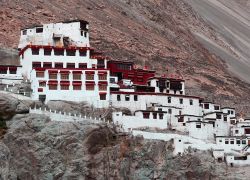
About Diskit Monastery History Diskit Monastery, located in the Nubra Valley of Ladakh, was founded in the 14th century. It is the oldest and largest monastery in the Nubra region, serving as a key spiritual center for the local community. Architecture and Design The monastery is built in traditional Tibetan style, with white walls and golden roofs that reflect the sunlight. It consists of a number of buildings, including prayer halls, living quarters for monks, and a massive statue of Maitreya Buddha. The intricate murals, colorful frescoes, and elaborate wood carvings add to the architectural beauty of Diskit Monastery. Best Time to Visit The best time to visit Diskit Monastery is during the summer months from June to September when the weather is pleasant and the roads are accessible. The annual Dosmoche festival in February is also a popular time to visit, as it showcases traditional Ladakhi culture and rituals. Cultural Significance Diskit Monastery holds great cultural significance for the people of Ladakh, as it is a symbol of peace, enlightenment, and spiritual growth. It plays a key role in preserving and promoting Buddhist teachings and practices in the region. Pilgrimage Practices Many Buddhist pilgrims visit Diskit Monastery to pay their respects to the Buddha and seek blessings from the resident monks. Pilgrims often participate in prayer ceremonies, light butter lamps, and offer prayers and offerings as a form of spiritual devotion. Dress Code and Etiquette Visitors to Diskit Monastery are expected to dress modestly and respectfully, covering their shoulders and legs. It is important to maintain a quiet and reverent demeanor while exploring the monastery, refraining from loud noises or disruptive behavior. Activities and Experiences Visitors to Diskit Monastery can participate in meditation sessions with resident monks, attend teachings and ceremonies, and explore the monastery grounds. The nearby sand dunes of Hunder offer camel rides and panoramic views of the Himalayas. Art and Religious Symbols The monastery is adorned with beautiful artistic elements such as thangka paintings, silk banners, and intricate statues of Buddhist deities. The iconic Maitreya Buddha statue, which stands tall overlooking the valley, is a symbol of compassion and enlightenment. Local Insights Local residents of Nubra Valley hold Diskit Monastery in high regard, viewing it as a sacred and spiritual place that embodies the essence of Tibetan Buddhism. The monastery serves as a focal point for community gatherings, celebrations, and cultural events.
Explore More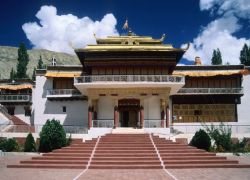
Welcome to Sumur Monastery, nestled in the charming city of Nubra. This picturesque tourist attraction offers a unique blend of history, natural beauty, and biodiversity, making it a must-visit destination for travelers seeking tranquility and cultural exploration. History of Sumur Monastery Steeped in history, Sumur Monastery boasts a rich historical background dating back to ancient times. Originally established as a royal hunting ground, it has evolved into a sanctuary for wildlife conservation efforts. The monastery's profound cultural significance has earned it recognition from UNESCO as a heritage site, preserving its heritage for generations to come. Architecture and Natural Beauty of Sumur Monastery The monastery is set amidst lush wetlands, verdant forests, and expansive grasslands, creating a serene natural environment. Bird habitats thrive here, attracting a myriad of avian species. The enchanting landscapes surrounding the monastery are enhanced by the presence of the historical Keoladeo Temple, adding to its architectural allure. Why is Sumur Monastery Famous? Sumur Monastery is renowned for its appeal to birdwatchers, photographers, nature enthusiasts, and wildlife lovers alike. The diverse ecosystem within the monastery provides a haven for a wide array of bird species, making it a paradise for birdwatching enthusiasts and photographers seeking to capture the beauty of nature. How to Reach Sumur Monastery Traveling to Sumur Monastery is convenient, with options available by air, rail, and road. Nearby airports and railway stations provide easy access to this hidden gem, allowing visitors to embark on a memorable journey to this tranquil retreat. Weather and Best Time to Visit Sumur Monastery Sumur Monastery experiences varying weather conditions throughout the year, with distinct summer, monsoon, and winter seasons. The best time to visit is during the moderate months when the weather is pleasant, allowing travelers to explore the monastery's natural beauty to the fullest. Timings of Sumur Monastery Visitor timings at Sumur Monastery cater to seasonal variations, ensuring an optimal experience for travelers throughout the year. Detailed information on timings and useful planning tips are available to assist visitors in planning their trip effectively. Entry Fee and Visit Details Entry to Sumur Monastery is facilitated through simple procedures, with guide services, safari options, bicycle rentals, and visitor facilities enhancing the overall experience. Exploring the monastery's offerings is made convenient, allowing visitors to immerse themselves in its cultural and natural splendor. Things to Do at Sumur Monastery Engage in popular activities such as birdwatching, photography, cycling, walking trails, nature observation, and educational experiences at Sumur Monastery. Each activity offers a unique perspective on the monastery's biodiversity and cultural significance, allowing visitors to create lasting memories. Interesting Facts About Sumur Monastery Sumur Monastery is home to fascinating migratory birds, showcasing the region's rich biodiversity. Conservation achievements within the monastery highlight its ecological importance, contributing to the preservation of wildlife and natural habitats for future generations to appreciate. Travel Tips for Visiting Sumur Monastery When visiting Sumur Monastery, consider practical advice on clothing choices, photography essentials, birdwatching equipment, ideal visiting seasons, and responsible tourism practices. By adhering to these tips, travelers can enhance their experience and contribute to the preservation of the monastery's natural splendor. Conclusion In conclusion, Sumur Monastery in Nubra stands as a testament to the harmonious coexistence of history, natural beauty, and biodiversity. Its allure captivates visitors from around the world, offering a serene retreat for those seeking a deeper connection with nature and culture. Plan your visit to Sumur Monastery and embark on a journey of discovery and tranquility in the heart of Nubra.
Explore More
Welcome to Charan Paduka, a mesmerizing tourist attraction located in the charming city of Katra. This sacred place holds historical significance and boasts of a stunning natural environment that attracts visitors from far and wide. History of Charan Paduka Charan Paduka has a rich historical background, believed to be a former royal hunting ground that has now been transformed into a conservation area. Efforts to preserve its natural beauty have gained recognition, making it a potential UNESCO World Heritage Site in the future. Architecture and Natural Beauty of Charan Paduka Charan Paduka is blessed with diverse landscapes including wetlands, forests, and grasslands that provide a habitat for numerous bird species. The park is also home to the historical Keoladeo Temple, adding to its cultural and architectural charm. Why is Charan Paduka Famous? Charan Paduka is renowned for its incredible biodiversity, making it a paradise for birdwatchers, photographers, nature enthusiasts, and wildlife lovers. The park's unique blend of flora and fauna offers a captivating experience for visitors. How to Reach Charan Paduka Traveling to Charan Paduka is convenient with options available by air, rail, and road. The nearest airports and railway stations make it easily accessible for tourists coming from different parts of the country. Weather and Best Time to Visit Charan Paduka Charan Paduka experiences varying weather conditions throughout the year, with each season offering a different charm to the park. The best time to visit depends on personal preferences, but certain months are more favorable for an enjoyable trip. Timings of Charan Paduka Visitor timings at Charan Paduka ensure that guests can explore the park at their convenience. Seasonal variations may affect the operating hours, so it's advisable to plan your visit accordingly to make the most of your time. Entry Fee and Visit Details Entry procedures at Charan Paduka are straightforward, with guide services and safari options available for those seeking a more immersive experience. Bicycle rentals and visitor facilities enhance the overall visit, providing convenience and comfort to guests. Things to Do at Charan Paduka Popular activities at Charan Paduka include birdwatching, photography, cycling, walking trails, and nature observation. Visitors can engage in educational experiences that offer insights into the park's ecosystem and wildlife conservation efforts. Interesting Facts About Charan Paduka Charan Paduka is known for its migratory birds, diverse biodiversity, conservation achievements, and ecological importance in maintaining a balanced ecosystem. These fascinating facts add to the allure of the park, making it a must-visit destination for nature lovers. Travel Tips for Visiting Charan Paduka When planning a trip to Charan Paduka, consider packing appropriate clothing, essential photography gear, and birdwatching equipment to enhance your experience. Understanding the visiting seasons and practicing responsible tourism ensures a memorable and sustainable visit to this natural wonder. Conclusion In conclusion, Charan Paduka in Katra is a treasure trove of natural beauty and cultural heritage, offering a fulfilling experience for all types of travelers. Whether you seek tranquility in nature or wish to explore the park's wildlife, Charan Paduka promises a memorable journey that celebrates the harmony between humanity and the environment.
Explore More
Pahalgam, a picturesque town known for its stunning natural beauty and cultural heritage, is home to the enchanting Mamaleshwar Temple. This ancient temple holds great significance for both locals and tourists, offering a serene retreat amidst the lush surroundings of Pahalgam. History of Mamaleshwar Temple The Mamaleshwar Temple has a rich historical background, dating back to ancient times. It is believed to have been a former royal hunting ground and holds deep spiritual and cultural importance. The temple has been a focus of conservation efforts to preserve its heritage, and its historical significance has garnered recognition from UNESCO. Architecture and Natural Beauty of Mamaleshwar Temple Surrounded by wetlands, forests, and grasslands, Mamaleshwar Temple is a haven for bird habitats and diverse landscapes. The temple's architecture reflects the region's historical and cultural heritage, with the nearby Keoladeo Temple adding to its charm. Why is Mamaleshwar Temple Famous? Mamaleshwar Temple is renowned for its tranquil ambiance and stunning natural surroundings, attracting birdwatchers, photographers, nature enthusiasts, and wildlife lovers from far and wide. The temple's serene atmosphere and biodiversity make it a popular destination for those seeking a peaceful retreat. How to Reach Mamaleshwar Temple Traveling to Mamaleshwar Temple is convenient, with options available by air, rail, and road. The nearest airports and railway stations provide easy access to Pahalgam, from where visitors can reach the temple through various transportation means. Weather and Best Time to Visit Mamaleshwar Temple The weather in Pahalgam offers varied experiences throughout the seasons, with summers providing pleasant temperatures, monsoons bringing lush greenery, and winters offering a snowy wonderland. The best time to visit Mamaleshwar Temple is during the moderate weather months, ensuring an enjoyable and comfortable experience. Timings of Mamaleshwar Temple Mamaleshwar Temple welcomes visitors during specified timings, with variations based on the season. Understanding the temple's operating hours and planning accordingly can enhance the overall visit experience, allowing for a peaceful exploration of the surroundings. Entry Fee and Visit Details Visiting Mamaleshwar Temple involves following entry procedures and availing guide services for a deeper understanding of the temple's significance. Safari options, bicycle rentals, and visitor facilities are available to enhance the overall visit, ensuring a memorable and informative experience. Things to Do at Mamaleshwar Temple At Mamaleshwar Temple, visitors can engage in various activities such as birdwatching, photography, cycling, walking trails, and nature observation. The temple offers educational experiences, allowing visitors to connect with nature and appreciate the region's ecological diversity. Interesting Facts About Mamaleshwar Temple Mamaleshwar Temple is known for its role in supporting migratory birds, showcasing biodiversity, and contributing to conservation efforts. The temple's ecological importance and conservation achievements add to its allure, making it a destination worth exploring. Travel Tips for Visiting Mamaleshwar Temple When visiting Mamaleshwar Temple, it is advisable to dress appropriately for the weather, carry essential photography and birdwatching equipment, and visit during the recommended seasons. Responsible tourism practices ensure the preservation of the temple's natural beauty and wildlife habitats. Conclusion In conclusion, Mamaleshwar Temple in Pahalgam stands as a testament to the region's cultural heritage and natural splendor. With its historical significance, biodiversity, and tranquil surroundings, the temple offers visitors a unique and enriching experience, making it a must-visit destination in Pahalgam.
Explore MoreKashmir Explorer
5 Days/ 4 Night
Gulmarg - Jammu - Pahalgam - Sonamarg - Srinagar - Ganderbal - Kashmir
Shaan-E-Kashmir 04 Nights 05 Days Tour
5 Days/ 4 Night
Srinagar - Gulmarg - Pahalgam
Kashmir Bliss – 5 Nights / 6 Days
6 Days/ 5 Night
Srinagar - Gulmarg - Sonamarg - Pahalgam
Kashmir Grand Tour
6 Days/ 5 Night
Gulmarg - Jammu - Pahalgam - Sonamarg - Srinagar - Budgam - Ganderbal - Kashmir
Welcome to the breathtaking Phugtal Monastery nestled in the serene city of Zanskar. This ancient monastery stands as a testament to spirituality, history, and natural beauty, making it a must-visit destination for travelers seeking a unique and enriching experience. History of Phugtal Monastery The Phugtal Monastery has a rich historical background dating back to its origins as a place of worship and meditation. Initially established as a retreat for monks, it evolved into a full-fledged monastery over the centuries. The site holds significance as a former royal hunting ground, now dedicated to preserving cultural heritage and fostering spiritual practices. Its commitment to conservation efforts has garnered international recognition, including UNESCO's acknowledgment of its cultural importance. Architecture and Natural Beauty of Phugtal Monastery Surrounded by mesmerizing landscapes, Phugtal Monastery boasts a unique blend of architectural marvels and natural wonders. The monastery's setting amidst lush wetlands, verdant forests, and diverse bird habitats creates a tranquil environment ideal for spiritual reflection. Additionally, the historical Keoladeo Temple within the monastery premises adds to its cultural significance and aesthetic appeal. Why is Phugtal Monastery Famous? Phugtal Monastery has gained fame for its allure to birdwatchers, photographers, nature enthusiasts, and wildlife lovers. The monastery's pristine surroundings offer a haven for rare bird species, making it a paradise for birdwatching enthusiasts. Its stunning landscapes and serene ambiance attract photographers seeking to capture the essence of unspoiled natural beauty. How to Reach Phugtal Monastery Traveling to Phugtal Monastery is an adventurous journey that can be undertaken by air, rail, or road. Visitors can access the monastery via nearby airports and railway stations, ensuring convenient transportation options to reach this hidden gem in Zanskar. Weather and Best Time to Visit Phugtal Monastery The weather at Phugtal Monastery varies across summer, monsoon, and winter seasons, offering distinct experiences to visitors. The best time to visit depends on personal preferences, with each season presenting unique charms and opportunities to explore the monastery's beauty. Timings of Phugtal Monastery Phugtal Monastery welcomes visitors during specific timings, accommodating seasonal variations to enhance the visitor experience. Understanding the monastery's operational hours and planning accordingly ensures a smooth and fulfilling trip to this spiritual haven. Entry Fee and Visit Details Visitors to Phugtal Monastery can delve into its wonders by following entry procedures and availing guide services for a comprehensive tour. Safari options, bicycle rentals, and visitor facilities further enhance the overall experience, providing convenience and comfort during the visit. Things to Do at Phugtal Monastery Engage in a myriad of activities at Phugtal Monastery, including birdwatching, photography, cycling, walking trails, and nature observation. Immerse yourself in the tranquility of the surroundings and partake in educational experiences that offer insights into the monastery's cultural and natural significance. Interesting Facts About Phugtal Monastery Discover fascinating facts about Phugtal Monastery, from the diverse migratory bird species that frequent its vicinity to the monastery's contributions to biodiversity conservation. Learn about its ecological importance and conservation achievements that underscore its role as a sanctuary for both wildlife and spiritual seekers. Travel Tips for Visiting Phugtal Monastery Prepare for your trip to Phugtal Monastery with practical advice on clothing choices, photography essentials, birdwatching equipment, ideal visiting seasons, and responsible tourism practices. By adhering to these tips, you can ensure a fulfilling and respectful exploration of this cultural and natural marvel. Conclusion In conclusion, Phugtal Monastery in Zanskar stands as a testament to spirituality, history, and natural beauty, offering visitors a profound and enriching experience. Immerse yourself in the serenity of this ancient monastery, explore its architectural wonders, and witness the diverse biodiversity that thrives in its surroundings. A visit to Phugtal Monastery promises a journey of discovery and spiritual renewal in the heart of a picturesque landscape.
Explore More
Welcome to the serene and captivating world of Karsha Monastery nestled in Zanskar, a place of immense historical significance and natural beauty. Karsha Monastery, also known as Karsha Gompa, attracts visitors from around the globe with its rich cultural heritage and breathtaking landscapes. History of Karsha Monastery The history of Karsha Monastery dates back to ancient times, showcasing the deep-rooted Buddhist traditions of the region. Initially established as a small meditation center, it gradually evolved into a prominent religious institution. The monastery served as a former royal retreat and played a crucial role in preserving Buddhist teachings. Karsha Monastery has gained UNESCO recognition for its architectural brilliance and historical importance. Architecture and Natural Beauty of Karsha Monastery The monastery is surrounded by picturesque landscapes, boasting lush forests, meandering rivers, and snow-capped peaks. Its architectural marvels include intricately designed prayer halls, colorful frescoes, and ornate stupas. The natural beauty of Karsha Monastery creates a tranquil setting conducive to spiritual practices and introspection. The nearby Keoladeo Temple adds to the charm of this sacred place. Why is Karsha Monastery Famous? Karsha Monastery is renowned for its spiritual ambiance and stunning vistas, making it a haven for meditation seekers and nature lovers alike. The monastery's serene environment attracts birdwatchers, photographers, and wildlife enthusiasts who seek solace in the lap of nature. How to Reach Karsha Monastery Travelling to Karsha Monastery is an adventure in itself. Visitors can reach Zanskar by air, with the nearest airport being located at Leh. The region is also accessible by road, offering scenic drives through picturesque valleys. For those opting for a rail journey, the nearest railway station is in Jammu, from where buses and taxis are available to reach Zanskar. Weather and Best Time to Visit Karsha Monastery Karsha Monastery experiences varied weather conditions throughout the year. While summers are pleasant with clear skies, monsoons bring occasional showers enhancing the greenery of the surroundings. Winter, on the other hand, blankets the region in snow, creating a magical winter wonderland. The best time to visit Karsha Monastery is during the summer months from June to August when the weather is favorable for exploration. Timings of Karsha Monastery The monastery welcomes visitors throughout the year, with specific timings for guided tours and prayer sessions. Seasonal variations may impact the accessibility of certain areas within the monastery, so it's advisable to plan your visit accordingly. The serene ambiance of Karsha Monastery is best experienced during the early morning or late evening hours. Entry Fee and Visit Details Entry to Karsha Monastery is usually free, with optional guide services available for a more in-depth understanding of its cultural significance. Visitors can also explore the surroundings on safari tours, rent bicycles for leisurely rides, and avail of basic facilities within the monastery premises. Things to Do at Karsha Monastery Immerse yourself in a host of activities at Karsha Monastery, including birdwatching to witness the diverse avian species that inhabit the region. Photography enthusiasts can capture the essence of the monastery's beauty, while cycling and walking trails offer a closer connection to nature. Engage in mindful nature observation and educational experiences to enhance your visit. Interesting Facts About Karsha Monastery Karsha Monastery is a sanctuary for migratory birds, adding to the biodiversity of the region. The conservation efforts undertaken here have led to the preservation of endangered species, emphasizing the ecological importance of this sacred site. The monastery stands as a testament to the harmonious coexistence of spirituality and nature. Travel Tips for Visiting Karsha Monastery When visiting Karsha Monastery, ensure to carry appropriate clothing for varying weather conditions. Photography enthusiasts should pack their gear to capture the scenic beauty of the surroundings. Birdwatching equipment can enhance your experience, especially during the migratory seasons. Practicing responsible tourism by respecting the monastery's traditions and natural surroundings is essential for a memorable visit. Conclusion In conclusion, Karsha Monastery in Zanskar is a jewel of cultural heritage and natural splendor that offers visitors a unique blend of spirituality and scenic beauty. Whether you seek tranquility in meditation or wish to explore the wonders of nature, Karsha Monastery promises an enriching and unforgettable experience in the heart of the Himalayas.
Explore More
Welcome to Alchi Monastery, a captivating tourist attraction nestled in the serene city of Alchi. This ancient monastery holds a rich historical significance and boasts a natural environment that is both breathtaking and peaceful, making it a must-visit destination for travelers seeking cultural insights and tranquil beauty. History of Alchi Monastery The history of Alchi Monastery dates back to ancient times, with its origins rooted in the spiritual traditions of the region. Once serving as royal hunting grounds, the monastery has undergone significant conservation efforts to preserve its architectural marvels and cultural heritage. Alchi Monastery's historical importance has been recognized by UNESCO, adding to its allure as a site of immense cultural value. Architecture and Natural Beauty of Alchi Monastery Surrounded by lush wetlands, verdant forests, and picturesque grasslands, Alchi Monastery is a haven for bird habitats and offers stunning landscapes that enchant visitors. The monastery complex also houses the historic Keoladeo Temple, adding to its architectural and natural charm. Why is Alchi Monastery Famous? Alchi Monastery has gained fame for being a preferred destination among birdwatchers, photographers, nature enthusiasts, and wildlife lovers. Its tranquil surroundings and diverse biodiversity make it a paradise for those seeking to connect with nature and explore the wonders of the Himalayan region. How to Reach Alchi Monastery Traveling to Alchi Monastery is convenient, with options available by air, rail, and road. The nearest airports are located in Leh and Srinagar, while the closest railway station is in Jammu. Visitors can easily access the monastery through well-connected road networks that offer picturesque views of the Himalayas. Weather and Best Time to Visit Alchi Monastery Alchi Monastery experiences varying weather conditions throughout the year, with distinct summer, monsoon, and winter seasons. The best time to visit is during the summer months from May to August, when the weather is pleasant and ideal for exploring the monastery and its surroundings. Timings of Alchi Monastery Alchi Monastery welcomes visitors during specific timings, with seasonal variations that may affect accessibility. It is advisable to plan your visit accordingly and check for any updates or changes in the schedule to make the most of your experience. Entry Fee and Visit Details Visitors to Alchi Monastery can enjoy guided tours, safari options, bicycle rentals, and various visitor facilities to enhance their visit. Entry procedures are straightforward, and the monastery provides informative services to ensure a memorable and educational experience for all guests. Things to Do at Alchi Monastery Popular activities at Alchi Monastery include birdwatching, photography, cycling, walking trails, nature observation, and engaging in educational experiences that offer insights into the region's cultural and natural heritage. Visitors can immerse themselves in the beauty of the surroundings and create lasting memories through these activities. Interesting Facts About Alchi Monastery Alchi Monastery is known for its diverse migratory bird populations, significant biodiversity, conservation achievements, and ecological importance in preserving the Himalayan ecosystem. These fascinating facts add depth to the visitor experience and highlight the monastery's role in environmental stewardship. Travel Tips for Visiting Alchi Monastery When planning your visit to Alchi Monastery, consider packing appropriate clothing, essential photography gear, birdwatching equipment, and adhere to responsible tourism practices to minimize your impact on the environment. Choose the right season for your visit and immerse yourself in the beauty of this cultural gem while respecting its natural surroundings. Conclusion In conclusion, Alchi Monastery in Alchi stands as a testament to the region's rich history, architectural beauty, and natural splendor. Its significance as a cultural landmark and a haven for biodiversity make it a top choice for travelers seeking a harmonious blend of heritage and nature. Explore the wonders of Alchi Monastery and immerse yourself in the timeless charm of this enchanting destination.
Explore More
Welcome to Tsatsapuri Temple in Alchi, a mesmerizing tourist attraction that combines history, natural beauty, and spiritual significance. Tsatsapuri Temple, located in the serene city of Alchi, offers visitors a unique experience with its rich cultural heritage and breathtaking landscapes. History of Tsatsapuri Temple The history of Tsatsapuri Temple dates back centuries, with roots deeply embedded in the region's cultural narrative. Once a royal hunting ground, the temple now stands as a symbol of conservation efforts and is proudly recognized by UNESCO for its historical significance. Architecture and Natural Beauty of Tsatsapuri Temple Surrounded by lush wetlands, dense forests, and picturesque grasslands, Tsatsapuri Temple is a sanctuary for a diverse range of bird species. The historical Keoladeo Temple within the park adds to the architectural charm, blending seamlessly with the natural beauty of the surroundings. Why is Tsatsapuri Temple Famous? Tsatsapuri Temple has gained popularity among birdwatchers, photographers, and nature enthusiasts due to its rich biodiversity and serene atmosphere. Wildlife lovers are drawn to the temple's tranquil surroundings, making it a must-visit destination for those seeking a deeper connection with nature. How to Reach Tsatsapuri Temple Travelling to Tsatsapuri Temple is convenient, with options available by air, rail, and road. Nearby airports and railway stations offer easy access to Alchi, ensuring a smooth journey for visitors eager to explore this hidden gem. Weather and Best Time to Visit Tsatsapuri Temple Throughout the year, Tsatsapuri Temple offers a different experience with each season. From the vibrant hues of summer to the refreshing monsoon showers and the serene winter landscapes, every month has its charm. The best time to visit varies depending on personal preferences, but each season has something unique to offer. Timings of Tsatsapuri Temple Visitors can explore Tsatsapuri Temple during specific timings, with seasonal variations to consider. Planning ahead and checking for any updates can help in making the most of the visit, ensuring a memorable experience for all. Entry Fee and Visit Details Entry to Tsatsapuri Temple involves simple procedures, with guide services, safari options, and bicycle rentals available for those looking to explore the area extensively. Visitor facilities are well-maintained, offering a comfortable and enriching experience for all guests. Things to Do at Tsatsapuri Temple Engage in popular activities such as birdwatching, photography, cycling, and walking trails to immerse yourself in the natural beauty of Tsatsapuri Temple. Nature observation and educational experiences await, providing a deep understanding of the region's ecological importance. Interesting Facts About Tsatsapuri Temple Did you know that Tsatsapuri Temple is a haven for migratory birds, contributing significantly to biodiversity conservation efforts in the region? The temple's ecological importance extends beyond its historical charm, making it a vital sanctuary for various species. Travel Tips for Visiting Tsatsapuri Temple When planning a trip to Tsatsapuri Temple, consider essential factors such as clothing, photography equipment, and the best seasons for birdwatching. Embrace responsible tourism practices to preserve the temple's natural beauty and contribute to its conservation efforts. Conclusion In conclusion, Tsatsapuri Temple in Alchi stands as a testament to cultural heritage, natural beauty, and spiritual significance. A visit to this enchanting destination promises a unique blend of history and biodiversity, offering a memorable experience for all visitors.
Explore More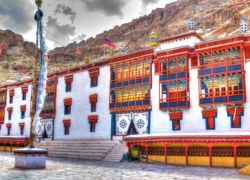
Welcome to Hemis Monastery, located in the serene city of Hemis. This historical and culturally rich hotspot offers visitors a unique experience in the lap of nature. History of Hemis Monastery Hemis Monastery has a deep historical background, serving as a significant site of spirituality and learning. It originated as a place of worship and meditation and has historical ties to the region's former royal hunting grounds. The monastery's conservation efforts have garnered UNESCO recognition for its preservation of ancient traditions and architecture. Architecture and Natural Beauty of Hemis Monastery The monastery is surrounded by breathtaking natural landscapes, including wetlands, forests, and grasslands that provide habitats for a variety of bird species. The Keoladeo Temple within the monastery grounds adds to its historical charm and architectural significance. Why is Hemis Monastery Famous? Hemis Monastery is famous for its appeal to birdwatchers, photographers, nature enthusiasts, and wildlife lovers. The diverse bird species and serene environment make it a haven for those seeking natural beauty and tranquility. How to Reach Hemis Monastery Traveling to Hemis Monastery is convenient by air, rail, or road. The nearest airports and railway stations provide easy access to this cultural gem, allowing visitors to immerse themselves in its spiritual aura. Weather and Best Time to Visit Hemis Monastery The weather in Hemis varies across summer, monsoon, and winter seasons. The best time to visit is during specific months when the climate is most conducive to exploring the monastery and its surroundings. Timings of Hemis Monastery Hemis Monastery welcomes visitors during specific timings, with possible seasonal variations. Planning your visit accordingly ensures a fulfilling experience at this sacred site. Entry Fee and Visit Details Visitors can gain entry to Hemis Monastery by following specific procedures. Guide services, safari options, bicycle rentals, and visitor facilities are available to enhance the overall visit experience. Things to Do at Hemis Monastery Engage in popular activities like birdwatching, photography, cycling, walking trails, and nature observation within the monastery premises. Educational experiences await those keen on delving deeper into the region's cultural and natural heritage. Interesting Facts About Hemis Monastery Hemis Monastery boasts fascinating facts about migratory birds, biodiversity conservation efforts, and its ecological importance in preserving the region's natural balance. These facts add depth to the visitor's understanding of the site. Travel Tips for Visiting Hemis Monastery When visiting Hemis Monastery, consider practical aspects such as appropriate clothing, photography equipment, birdwatching essentials, preferred visiting seasons, and responsible tourism practices. These tips ensure a smooth and enriching visit experience. Conclusion In conclusion, Hemis Monastery in Hemis stands as a testament to spiritual heritage and environmental harmony. Its significance, coupled with the diverse visitor experiences it offers, makes it a must-visit destination for those seeking cultural immersion and natural beauty.
Explore More
Welcome to Sindhu Ghat, a captivating tourist attraction situated in Shey, known for its rich cultural heritage and natural beauty. This serene location offers visitors a unique experience surrounded by picturesque landscapes and a tranquil environment. History of Sindhu Ghat Sindhu Ghat holds a significant historical background, once serving as the royal hunting grounds for the rulers of the region. Over the years, efforts have been made towards conservation, leading to its recognition by UNESCO for its cultural and ecological importance. Architecture and Natural Beauty of Sindhu Ghat The ghat boasts stunning wetlands, lush forests, expansive grasslands, and diverse bird habitats. Among its architectural wonders is the historic Keoladeo Temple, adding a spiritual essence to the natural charm of the surroundings. Why is Sindhu Ghat Famous? Sindhu Ghat has gained popularity among birdwatchers, photographers, nature enthusiasts, and wildlife lovers due to its diverse avifauna, serene ambience, and opportunities for eco-tourism activities. How to Reach Sindhu Ghat Traveling to Sindhu Ghat is convenient with various options available. Visitors can reach the destination by air through nearby airports, by rail via accessible railway stations, or by road through well-connected routes. Weather and Best Time to Visit Sindhu Ghat The weather at Sindhu Ghat varies across seasons, with summers being warm, monsoons bringing lush greenery, and winters offering a pleasant climate. The best time to visit is during the cooler months to enjoy the natural beauty comfortably. Timings of Sindhu Ghat Sindhu Ghat welcomes visitors during specific timings, allowing them to explore its beauty and serenity. It is advisable to check for any seasonal variations in timings to plan your visit effectively. Entry Fee and Visit Details Visitors can access Sindhu Ghat by following the entry procedures and avail guide services for a more insightful experience. Additionally, safari options, bicycle rentals, and other visitor facilities are available to enhance your visit. Things to Do at Sindhu Ghat Engage in various activities at Sindhu Ghat, including birdwatching to witness the diverse avian species, photography to capture the scenic beauty, cycling along designated trails, walking amidst nature, and indulging in educational experiences. Interesting Facts About Sindhu Ghat Sindhu Ghat is home to numerous migratory birds, showcasing the rich biodiversity of the region. Conservation efforts have led to significant achievements in preserving the ecological balance, making it a vital sanctuary for wildlife. Travel Tips for Visiting Sindhu Ghat When visiting Sindhu Ghat, remember to dress comfortably, carry essential photography and birdwatching equipment, choose the appropriate visiting season, and practice responsible tourism to contribute to the preservation of this natural gem. Conclusion In conclusion, Sindhu Ghat in Shey offers a blend of history, nature, and tranquility, making it a must-visit destination for those seeking a peaceful retreat amidst scenic beauty and cultural significance. Explore this hidden gem and immerse yourself in the charm of Sindhu Ghat.
Explore More