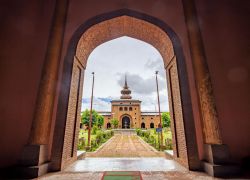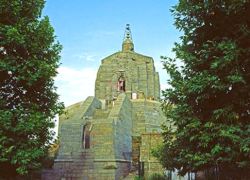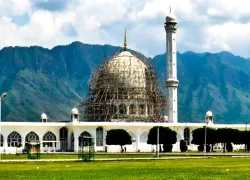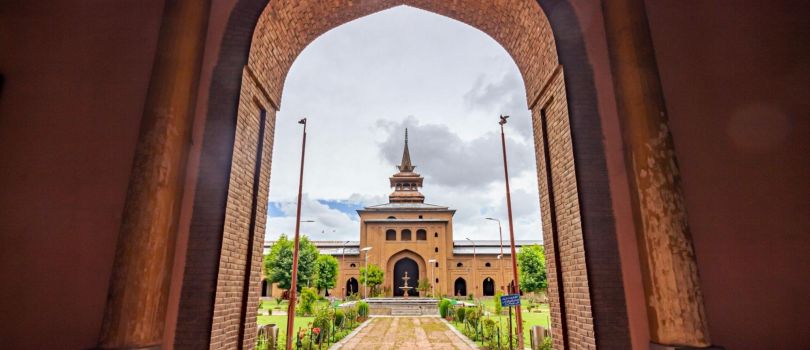
Jamia Masjid, located in the heart of Srinagar, Jammu & Kashmir, is one of the most historically and architecturally significant mosques in India. Built in the 14th century, this mosque has been a focal point for religious, cultural, and social activities in the region. Situated in the bustling old city area, Jamia Masjid is a prominent landmark that attracts visitors, devotees, and historians alike. Known for its stunning Indo-Saracenic architecture, wooden pillars, and spacious courtyard, the mosque remains an active place of worship and a symbol of Srinagar's rich Islamic heritage.

Why Jamia Masjid is Famous
Jamia Masjid is famous for several reasons:
- Its historical importance as a 14th-century mosque constructed by Sultan Sikandar Shah, highlighting the rich Islamic cultural heritage of Kashmir.
- The mosque's unique architecture, featuring over 378 wooden pillars, intricately carved from deodar wood, which support the structure without the use of nails.
- The large courtyard that accommodates thousands of worshippers, especially during Friday prayers and festivals.
- Its central location in Srinagar’s old city, making it a hub for cultural and community gatherings.
- The peaceful ambiance despite being located amidst the bustling markets of Srinagar, providing a serene retreat for meditation and spiritual reflection.

History and Architecture
Jamia Masjid was constructed in 1394 CE by Sultan Sikandar Shah, also known as Sikandar Butshikan, during the period of Muslim rule in Kashmir. The mosque has witnessed centuries of political change, invasions, and restorations. It has endured multiple episodes of destruction due to natural disasters and conflicts, but each time it was reconstructed, preserving its original charm and architectural integrity.
The mosque's architecture is a prime example of Indo-Saracenic style, influenced by Persian and Central Asian designs. It is entirely made of deodar wood, with no iron nails used in the construction. The mosque features a large rectangular courtyard, surrounded by wooden pillared halls with intricately carved designs depicting Islamic motifs. The roof consists of multiple domes, each supported by the wooden pillars, which allow for natural ventilation and light. The main prayer hall, along with the arched entrances and decorative lattices, reflects the mastery of Kashmiri woodwork and Islamic architectural sensibilities.
How to Reach Jamia Masjid, Srinagar
Jamia Masjid is easily accessible due to its central location in Srinagar’s old city:
- By Road: The mosque is well-connected to major parts of Srinagar. Visitors can hire taxis, auto-rickshaws, or drive directly to the mosque. Nearby landmarks include Lal Chowk and the bustling markets of Srinagar.
- By Bus: Local buses run frequently in Srinagar, and routes passing through Lal Chowk or Nowhatta can be used to reach Jamia Masjid.
- By Train: The nearest railway station is Srinagar Railway Station, approximately 8 km away. Taxis or auto-rickshaws can be taken from the station.
- By Air: Sheikh Ul-Alam International Airport, about 13 km from the mosque, is the closest airport. From the airport, taxis or shuttle services can bring visitors to the mosque.

Weather
Srinagar experiences a temperate climate with distinct seasons, which can influence visits to Jamia Masjid:

- Summer (May to August): Pleasant weather with temperatures ranging from 20°C to 32°C. Ideal for sightseeing and exploring the mosque.
- Monsoon (July to September): Moderate rainfall; visitors should carry umbrellas and raincoats.
- Winter (November to February): Cold weather with temperatures ranging from -2°C to 10°C. Snowfall can occur in surrounding areas but rarely affects the mosque directly.
Timings
Jamia Masjid is open to visitors and worshippers throughout the day:
- Opening Hours: 7:00 AM to 7:00 PM
- Friday Prayers: The mosque is crowded on Fridays; non-worshippers may prefer visiting outside prayer hours.
- Best Time to Visit: Morning or late afternoon to enjoy a peaceful atmosphere and observe architectural details.
Entry and Visit Details
The mosque welcomes all visitors while maintaining its sanctity for worshippers:
- Entry Fee: Free for all visitors.
- Dress Code: Modest clothing is required. Women should cover their heads, and footwear must be removed before entering the prayer hall.
- Photography: Allowed in the courtyard, but caution is advised inside prayer halls, and respectful conduct should be maintained.
- Guided Tours: Local guides are available to explain the history, architecture, and cultural significance of the mosque.
Things to Do at Jamia Masjid
Visitors can engage in several activities while exploring Jamia Masjid:
- Explore the Architecture: Admire the intricate wooden pillars, arches, and domes that showcase traditional Kashmiri craftsmanship.
- Photography: Capture detailed carvings, courtyard views, and the surrounding bustling old city markets.
- Attend a Prayer Session: Experience the spiritual ambiance by observing or participating in congregational prayers.
- Learn History: Gain insights into the mosque’s construction, restorations, and its role in the socio-cultural life of Srinagar.
- Visit Nearby Attractions: Explore nearby landmarks such as the bustling Nowhatta market, Lal Chowk, and the historic Shankaracharya Temple for a full cultural experience.
Interesting Facts about Jamia Masjid
- The mosque is supported entirely by deodar wood, and no nails were used in its original construction.
- Jamia Masjid can accommodate thousands of worshippers in its large courtyard.
- The mosque has survived centuries of political upheaval and natural calamities.
- The wooden pillars are intricately carved with floral and geometric patterns, reflecting Persian influence on Kashmiri art.
- It is one of the few mosques in India that continues to function as a major place of worship while being a tourist attraction.
Tips for Visiting Jamia Masjid
- Wear modest clothing and carry a scarf or shawl if required.
- Remove footwear before entering the prayer hall and maintain silence inside.
- Visit early in the day to avoid crowds, especially during religious occasions.
- Respect photography rules and do not disturb worshippers.
- Hire a local guide to understand the historical and cultural context of the mosque.
- Combine your visit with nearby attractions to explore Srinagar’s old city and markets.
In conclusion, Jamia Masjid in Srinagar is a remarkable blend of history, culture, and spirituality. Its unique wooden architecture, historical significance, and central location make it an essential destination for anyone visiting Jammu & Kashmir. Whether you are an architecture enthusiast, history buff, or a spiritual seeker, Jamia Masjid offers an enriching and memorable experience that reflects the rich heritage of the region.