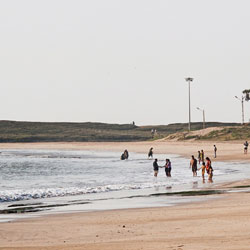
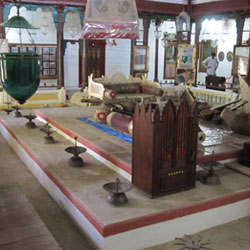
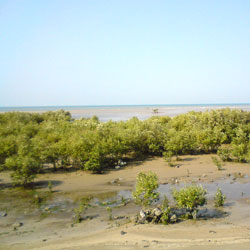
"Witness breathtaking landscapes and cultural diversity."
The Rann of Kutch is one of the most unique and mesmerizing landscapes in India, located in the Gir Somnath district of Gujarat. This vast expanse of salt marshes is renowned for its incredible natural beauty and the annual Rann Utsav, a cultural festival that draws thousands of tourists from across the world. The Rann of Kutch is a place where the stark white land meets the sky in an endless horizon, making it a photographer’s paradise. It is also home to diverse wildlife and a rich cultural heritage, with tribal communities adding to the charm of the region.
History of the Rann of Kutch, Gir Somnath
The history of the Rann of Kutch is deeply rooted in the ancient traditions and folklore of Gujarat. The region was once a thriving coastal area but gradually became a vast salt desert after tectonic shifts altered the landscape. This transformation created the unique salt marshes that stretch across the land.
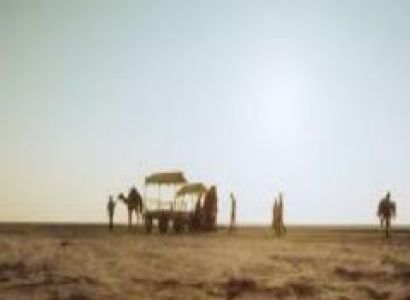
The Rann of Kutch has played a crucial role in the local economy, as it has been a center for salt production and camel herding for centuries. The region’s history is also marked by various tribal communities, such as the Kutchhi and the Rabari, who have traditionally lived in this arid region and have adapted to the harsh conditions by developing unique agricultural and livestock management practices.
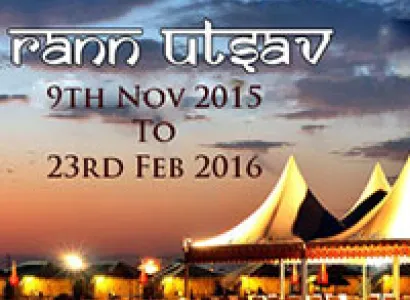
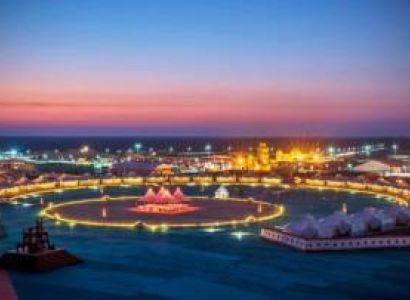
In modern times, the region has become famous for its festivals and cultural events, drawing international attention. The Rann Utsav, an annual celebration of the culture, craft, music, and dance of Kutch, has added to the region’s fame and is one of the most awaited events in Gujarat.
Architecture and Landscape of Rann of Kutch
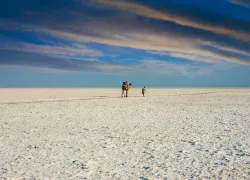
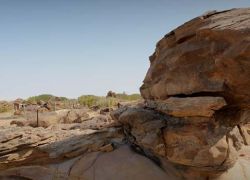
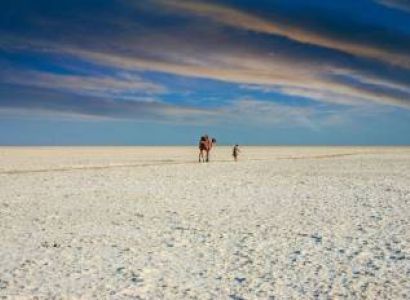
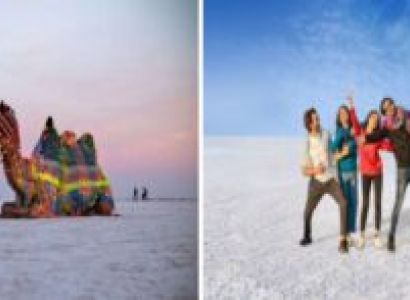
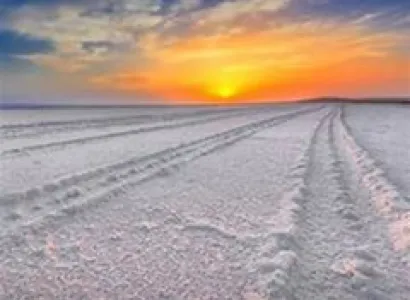
The Rann of Kutch is characterized by its vast, flat expanses of white salt desert, which stretches as far as the eye can see. The region is divided into two parts: the Great Rann and the Little Rann. The Great Rann is the larger of the two, and it is known for the incredible sight of the salt desert that looks surreal, especially during the full moon night when the land glows under the moonlight.
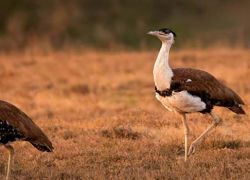
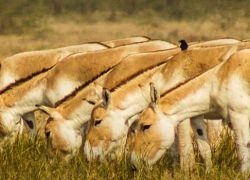
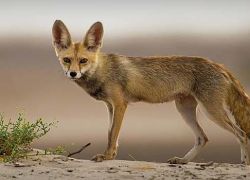
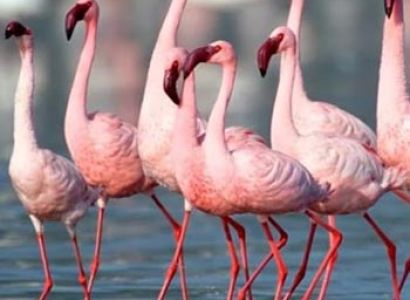
The landscape is primarily barren and dry, yet it is home to a variety of wildlife, including the endangered Indian Wild Ass, the Nilgai, and a wide variety of birds that migrate to the region during the winter months. The Rann is also dotted with small villages and settlements, where traditional mud houses built by local communities can be seen, showcasing the simple yet functional architecture adapted to the environment.
Why Famous for Rann of Kutch, Gir Somnath?
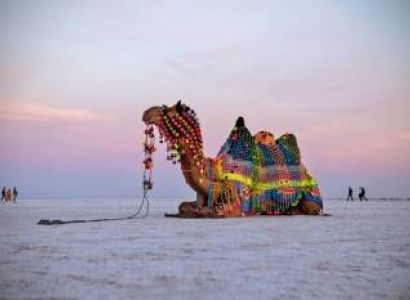
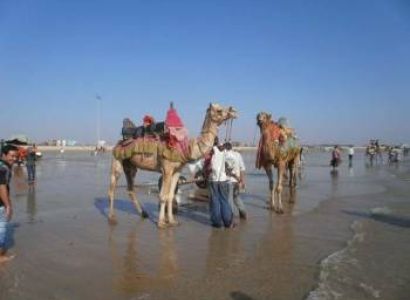
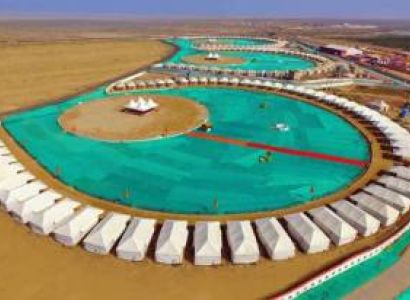
Rann of Kutch is famous for its ethereal landscape, which is unlike anything else in India. The vast, barren salt desert creates a stunning visual spectacle, especially during the Rann Utsav, where visitors can witness cultural performances, camel rides, and traditional crafts. The festival is a major attraction, with folk music, dance, and local handicrafts being showcased in an open-air setting that captures the essence of Gujarat’s rich culture.
The Rann is also known for its rich biodiversity. The Little Rann of Kutch is a wildlife sanctuary that is home to the endangered Wild Ass, making it an important destination for wildlife enthusiasts. The region’s status as an ecological hotspot adds to its appeal, as it provides a habitat for several species of birds, including migratory birds from Europe and Central Asia.
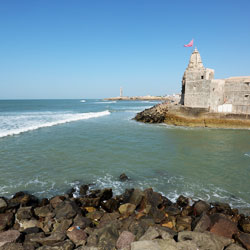
Furthermore, the Rann of Kutch is historically significant, as it is mentioned in ancient texts and has been a place of strategic importance due to its proximity to the Arabian Sea. Over the years, the region has played a role in trade and commerce, as well as in the cultural exchange between India and other parts of Asia.
How to Reach Rann of Kutch, Gir Somnath
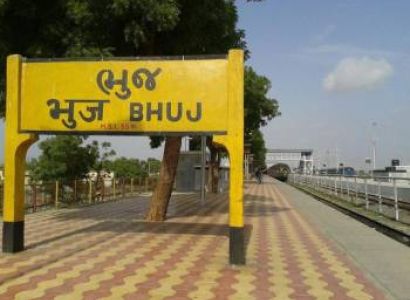
The Rann of Kutch is accessible by road, rail, and air, making it a convenient destination for tourists from all over India and beyond.
Weather at Rann of Kutch
The weather at the Rann of Kutch is characterized by hot summers, a moderate monsoon, and mild winters. Summers (March to June) can be extremely hot, with temperatures often exceeding 40°C. It is best to avoid visiting during this time unless you are attending the Rann Utsav, which is held during winter months.
The monsoon season (July to September) brings some relief from the heat, but it is also the time when the region experiences rain, which makes the landscape lush and vibrant. The best time to visit the Rann of Kutch is during the winter months (October to February), when the temperatures are cooler, ranging between 15°C to 25°C, making it comfortable for outdoor activities and safaris.
Timing of Rann of Kutch
The Rann of Kutch can be visited throughout the year, but the most popular time to visit is during the Rann Utsav, which usually takes place from November to February. The festival offers a unique cultural experience and is a highlight for many tourists. The salt desert is also particularly breathtaking during the full moon, when the white expanse of salt seems to glow under the moonlight, creating an unforgettable sight.
During the festival, the region is more lively with several activities organized for tourists, including cultural performances, craft exhibitions, camel rides, and more.
Entry and Visit Details
Entry to the Rann of Kutch is free; however, during the Rann Utsav, there are special entry charges for the festival grounds, where various events and activities take place. Tickets for safaris, cultural performances, and other activities are also available. It is advisable to book tickets in advance, especially if you plan to visit during the festival period, as it can get crowded.
Visitors can also explore the nearby villages where traditional handicrafts, textiles, and embroidery are made by local artisans. The village tours offer a deeper understanding of the culture and lifestyle of the Kutchhi people.
Things to Do at Rann of Kutch
There are several activities that visitors can enjoy while visiting the Rann of Kutch:
Interesting Facts about Rann of Kutch
Tips for Visiting Rann of Kutch
The Rann of Kutch is a one-of-a-kind destination that offers a unique combination of natural beauty, wildlife, culture, and history. Whether you're visiting for the Rann Utsav, wildlife safaris, or to witness the mesmerizing salt desert under the moonlight, it’s an experience you won't forget.


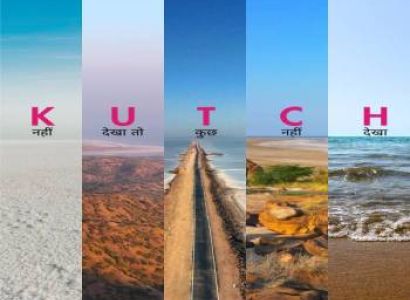





Kutch
Kutch
Kutch
Kutch
Kutch
Kutch