"Marvel at ancient stepwell architecture and design."
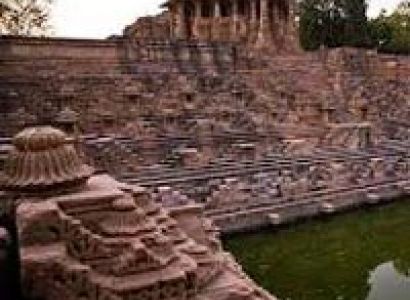
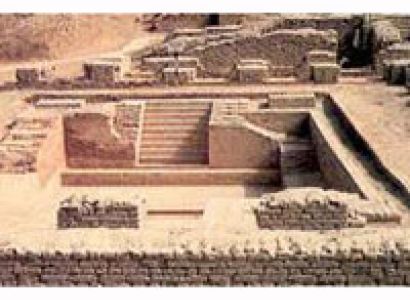
Rani Ki Vav is a magnificent stepwell located in the city of Lothal. This historical site is not just a well, but a masterpiece of architecture and engineering that holds great significance in Indian history. The stepwell is known for its intricate carvings, grand structure, and historical importance, making it a must-visit destination for tourists and history enthusiasts alike.
The history of Rani Ki Vav dates back to ancient times when it was built as a memorial to an 11th-century king. This stepwell served as a source of water and a place for social gatherings and religious ceremonies. Over the years, it transformed into a royal retreat and a symbol of pride for the local community. The stepwell's architectural brilliance and historical significance led to its UNESCO World Heritage Site recognition, ensuring its preservation for future generations to admire.
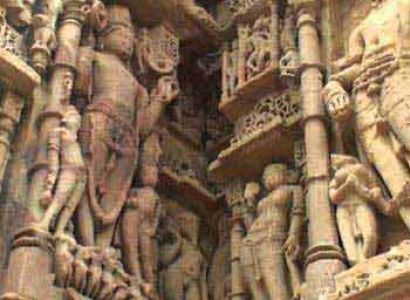
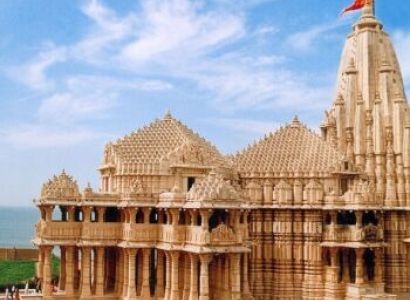
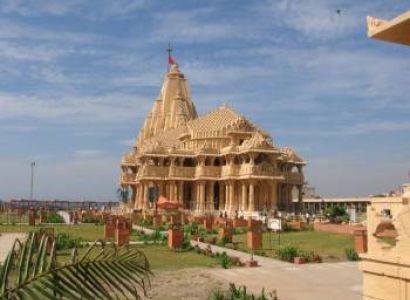
Rani Ki Vav is not only known for its impressive stepwell structure but also for the natural beauty that surrounds it. The site is nestled amidst lush greenery, with intricate carvings depicting mythological stories and deities. The stepwell's design reflects the perfect blend of art and functionality, showcasing the craftsmanship of the ancient era. Additionally, the Keoladeo Temple located nearby adds to the spiritual aura of the place, making it a serene retreat for visitors seeking a glimpse of history and nature.
Rani Ki Vav is famous for its architectural grandeur, historical significance, and intricate carvings that tell stories of the past. It is a popular destination among history buffs, architecture enthusiasts, and photography lovers who appreciate the beauty and craftsmanship of ancient Indian art. The stepwell also attracts birdwatchers and nature enthusiasts due to its serene surroundings and bird habitats, offering a unique blend of history and natural beauty.
Traveling to Rani Ki Vav is convenient via air, rail, and road. The nearest airport is located in Ahmedabad, approximately 100 kilometers away, providing easy access to domestic and international travelers. For those opting for a train journey, the closest railway station is in Mehsana, offering a well-connected rail network. Additionally, road transport via buses and private vehicles is a popular choice for visitors exploring the region.
The weather at Rani Ki Vav varies throughout the year, with hot summers, monsoon rains, and cool winters. The best time to visit is during the winter months from November to February when the weather is pleasant, making it ideal for exploring the stepwell and its surroundings. Avoiding the scorching summer heat and heavy monsoon rains ensures a comfortable and enjoyable visit to this historical site.
Rani Ki Vav welcomes visitors during specified timings, allowing ample time to explore the intricate carvings, architecture, and natural beauty of the stepwell. The site may have seasonal variations in timings, so it is advisable to check in advance before planning your visit. Proper planning ensures a hassle-free and memorable experience at Rani Ki Vav.
Visitors can enter Rani Ki Vav by paying a nominal entry fee, which helps in the maintenance and preservation of this historical site. Guide services are available for those interested in learning about the stepwell's history and architecture in detail. Safari options, bicycle rentals, and visitor facilities are also provided to enhance the overall experience of exploring Rani Ki Vav.
At Rani Ki Vav, visitors can engage in various activities such as birdwatching, photography, cycling around the lush surroundings, and walking trails to appreciate the beauty of the stepwell. Nature observation and educational experiences are also popular among tourists seeking to delve deeper into the historical and ecological significance of this architectural marvel.
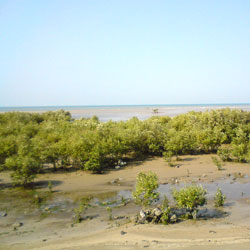
Rani Ki Vav is home to a diverse range of migratory birds that flock to the region, adding to the biodiversity and ecological importance of the site. Conservation efforts have been made to preserve the stepwell and its surroundings, highlighting the commitment towards protecting India's cultural heritage. The intricate carvings and architectural details at Rani Ki Vav continue to mesmerize visitors with their timeless beauty and historical value.
When visiting Rani Ki Vav, it is advisable to wear comfortable clothing and carry essential items such as water bottles, sunscreen, and hats to stay prepared for the weather conditions. Photography enthusiasts should bring their cameras to capture the beauty of the stepwell and its surroundings. It is recommended to visit during the winter months for a pleasant experience and to practice responsible tourism by respecting the site's historical and natural significance.
In conclusion, Rani Ki Vav in Lothal stands as a testament to India's rich history, architectural brilliance, and natural beauty. This tourist attraction offers a unique blend of art, culture, and tranquility, making it a must-visit destination for travelers seeking a glimpse of the past. By exploring Rani Ki Vav, visitors can immerse themselves in the grandeur of ancient India and appreciate the historical and ecological importance of this architectural marvel.