"Discover ancient rock-cut caves and Buddhist heritage."
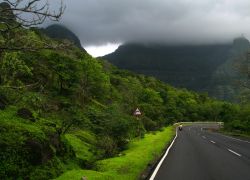
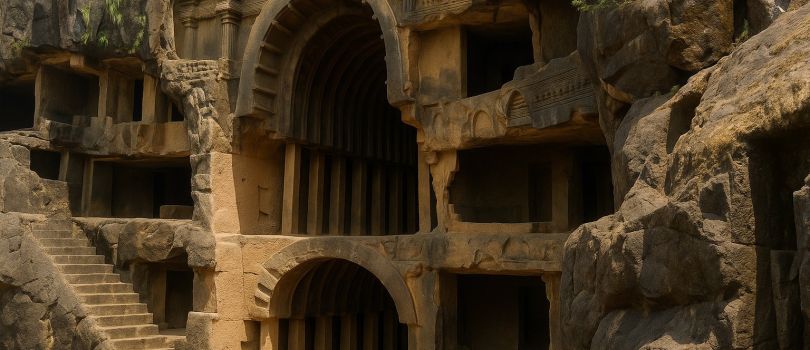
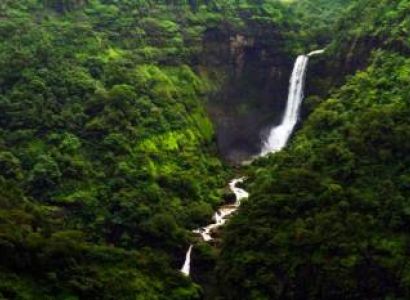
Bhaja Caves are among the oldest and most significant rock-cut Buddhist cave complexes in India. Located near Lonavala in Pune district, Maharashtra, these ancient caves date back to the 2nd century BCE and offer a fascinating glimpse into early Buddhist architecture, art, and monastic life. Nestled amidst the scenic Western Ghats, Bhaja Caves are surrounded by lush greenery, waterfalls, and rolling hills, making them a popular destination for history enthusiasts, trekkers, photographers, and spiritual travelers.
The cave complex consists of 22 rock-cut caves that were used by Buddhist monks for meditation, worship, and residence. The site is renowned for its magnificent Chaitya Hall (prayer hall), beautifully carved stupas, intricate sculptures, and ancient inscriptions. Due to its historical significance and architectural brilliance, Bhaja Caves are protected and maintained by the Archaeological Survey of India (ASI).
Situated close to other famous heritage sites such as Karla Caves, Bedse Caves, and Lohagad Fort, Bhaja Caves form an important part of Maharashtra's rich cultural and historical landscape.
Why is Bhaja Caves, Pune Famous?
Bhaja Caves are famous for being one of the earliest examples of Buddhist rock-cut architecture in India. The caves showcase the craftsmanship and artistic excellence of ancient Buddhist monks and artisans who carved these structures directly into the rocky hillside over 2,000 years ago.
The caves are particularly known for:
The combination of history, spirituality, architecture, and natural beauty makes Bhaja Caves one of Maharashtra's most important heritage attractions.
History of Bhaja Caves
The Bhaja Caves were built around the 2nd century BCE during the period when Buddhism was flourishing across India. These caves belong to the Hinayana School of Buddhism, an early Buddhist tradition that focused on the teachings of Buddha without depicting him in human form.
The caves were strategically located along an ancient trade route connecting the Arabian Sea coast with the Deccan Plateau. Buddhist monks often established monasteries along such routes to provide shelter and spiritual guidance to travelers and merchants.
Over time, Bhaja became an important center for Buddhist learning and meditation. The caves served as residences for monks, prayer halls, and community gathering spaces. The site's architecture and inscriptions provide valuable insights into the social, religious, and cultural life of ancient India.
Today, Bhaja Caves stand as an important archaeological treasure and attract visitors from around the world interested in India's ancient heritage.
Architecture of Bhaja Caves
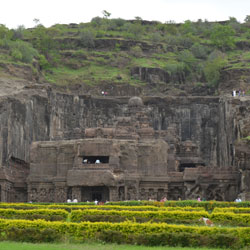
The architecture of Bhaja Caves reflects the simplicity and elegance of early Buddhist rock-cut design. The entire complex consists of 22 caves carved directly into a hillside using basic tools and remarkable craftsmanship.
The most impressive structure is the Chaitya Hall, one of the oldest surviving prayer halls in India. The hall features:
Other caves served as viharas (monastic residences) and contain simple living quarters for monks. Several caves feature intricate carvings of chariots, dancers, warriors, and celestial figures.
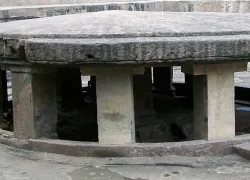
One of the most remarkable features of Bhaja Caves is a group of 14 stupas located in a separate cave. These stupas are believed to contain relics of respected Buddhist monks.
How to Reach Bhaja Caves, Pune, Maharashtra
By Air
The nearest airport is Pune International Airport, located approximately 65 kilometers from Bhaja Caves.
From the airport, visitors can hire taxis or use public transportation to reach Lonavala and then proceed to Bhaja.
By Train
The nearest railway station is Malavli Railway Station, located around 3 kilometers from the caves.
Other nearby railway stations include:
By Road
Bhaja Caves are well connected by road.
Private vehicles, taxis, and buses are available from Pune and Mumbai.
Visitors must climb a series of stone steps from the parking area to reach the caves.
Weather at Bhaja Caves
Summer (March to June)
Temperatures range between 22°C and 36°C. Early morning visits are recommended.
Monsoon (June to September)
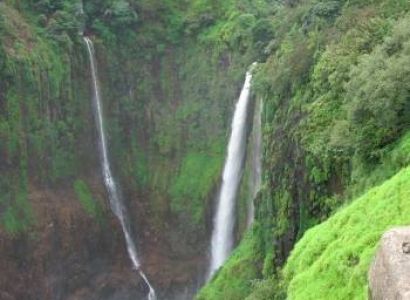
This is one of the most beautiful times to visit. The surrounding hills become lush green, and seasonal waterfalls enhance the scenery.
Winter (October to February)
Temperatures range between 12°C and 28°C. Winter is considered the best season for sightseeing and trekking.
Bhaja Caves Timings
Bhaja Caves are generally open throughout the week.
Visitors are advised to arrive early for a comfortable exploration experience.
Entry and Visit Details of Bhaja Caves
Bhaja Caves are maintained by the Archaeological Survey of India (ASI), and visitors are required to purchase an entry ticket.
Entry fees may vary according to ASI regulations.
The site provides basic facilities such as parking, refreshment stalls, and resting areas near the entrance.
Things to Do at Bhaja Caves
1. Explore Ancient Buddhist Caves
Walk through the cave complex and admire the ancient rock-cut architecture.
2. Visit the Chaitya Hall
Observe one of India's oldest surviving Buddhist prayer halls.
3. Study Historical Carvings
Examine intricate sculptures depicting ancient life and religious themes.
4. Photography
Capture stunning images of the caves, hills, and surrounding landscapes.
5. Enjoy Nature Walks
The scenic environment around the caves offers excellent opportunities for leisurely walks.
6. Trekking
Adventure enthusiasts can combine the visit with nearby trekking routes.
7. Visit Nearby Attractions
Interesting Facts About Bhaja Caves
Travel Tips for Visiting Bhaja Caves
Conclusion
Bhaja Caves in Pune, Maharashtra, are a remarkable testament to India's ancient Buddhist heritage and architectural brilliance. Dating back more than two thousand years, these rock-cut caves offer visitors a unique opportunity to explore early Buddhist monastic life, admire intricate carvings, and experience the serenity of a historic spiritual center. Surrounded by the scenic beauty of the Western Ghats, Bhaja Caves provide an enriching blend of history, culture, spirituality, and nature. Whether you are a history enthusiast, architecture lover, trekker, photographer, or curious traveler, a visit to Bhaja Caves promises a memorable and educational experience in the heart of Maharashtra.





Pune