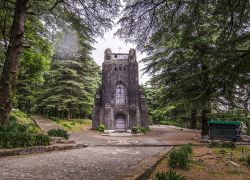
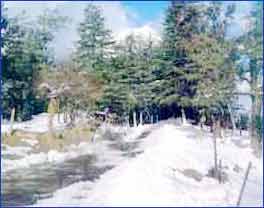
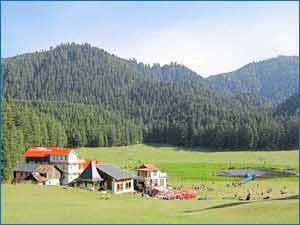
"Historic church amidst tranquil natural beauty."
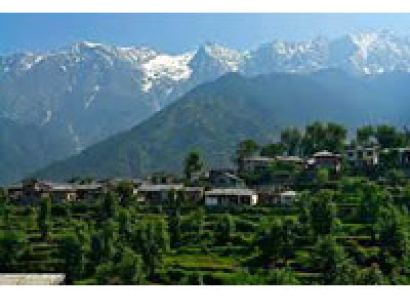
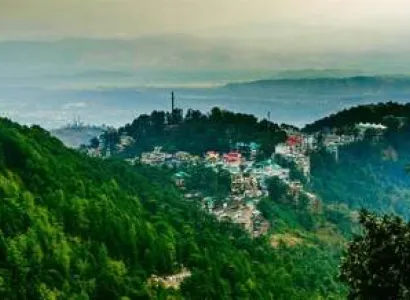
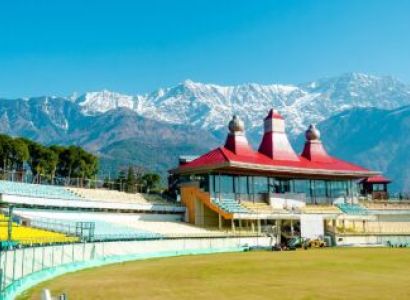
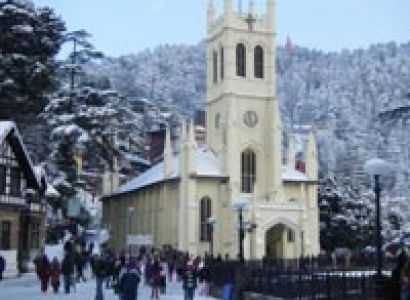
Dharamshala, a picturesque city nestled in the Himalayas, is home to the serene St. John in the Wilderness Church. This historic church offers a tranquil retreat for visitors seeking solace amidst the natural beauty of the surroundings. The church's peaceful ambiance and stunning architecture make it a must-visit destination for tourists exploring Dharamshala.
History of St. John in the Wilderness Church
With a rich historical background, St. John in the Wilderness Church traces its origins back to the colonial era. Originally built as a memorial church, it stands on the former royal hunting grounds of the Maharaja of Kangra. Over the years, the church has been meticulously preserved, showcasing remarkable conservation efforts. Its cultural significance has earned it recognition from UNESCO as a heritage site.
Architecture and Natural Beauty of St. John in the Wilderness Church
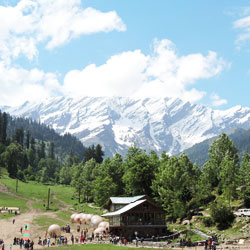
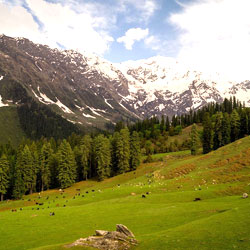
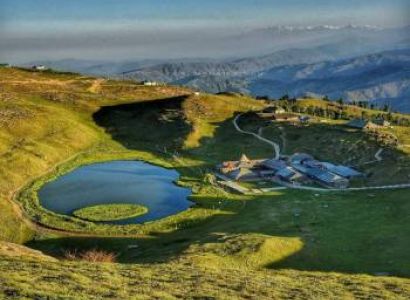
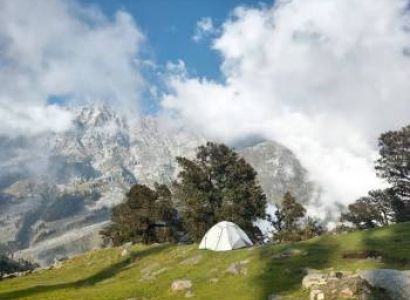
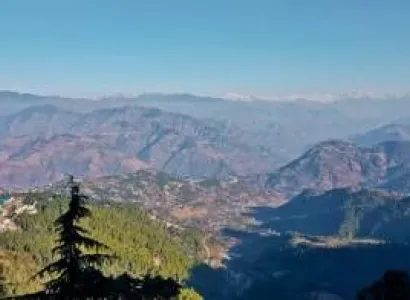
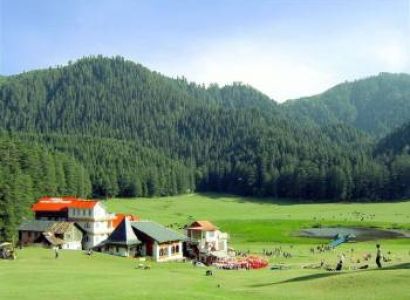
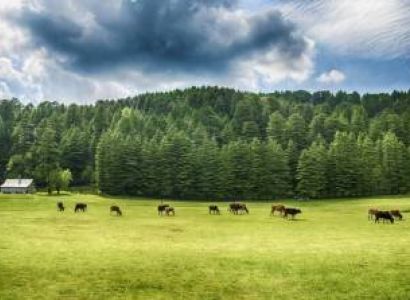
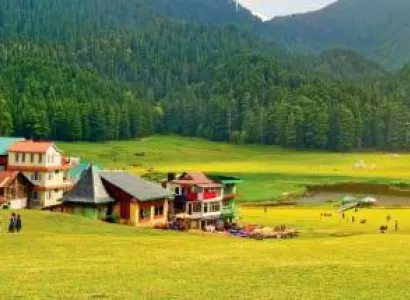
Surrounded by lush forests and verdant landscapes, St. John in the Wilderness Church offers a serene setting for visitors to admire. The church's architecture is a blend of colonial and local influences, with intricate designs and beautiful stained glass windows. The natural beauty of the area, including bird habitats and grasslands, adds to the charm of this historical site.
Why is St. John in the Wilderness Church Famous?
St. John in the Wilderness Church is renowned for its tranquility and natural surroundings, attracting birdwatchers, photographers, and nature enthusiasts from around the world. The church's serene ambiance and historical significance make it a popular destination for those seeking a spiritual and cultural experience.
How to Reach St. John in the Wilderness Church
Traveling to St. John in the Wilderness Church is convenient, with options available by air, rail, and road. The nearest airport is located in Gaggal, while the closest railway station is in Pathankot. Visitors can also reach Dharamshala by road, with well-connected routes from major cities in the region.
Weather and Best Time to Visit St. John in the Wilderness Church
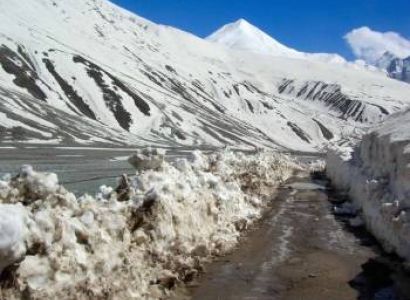
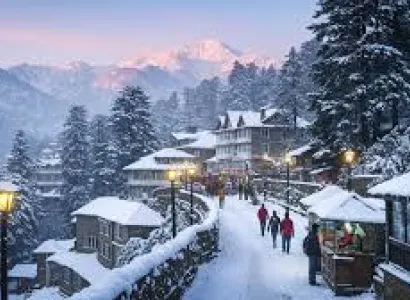
St. John in the Wilderness Church experiences pleasant weather during the summer months, making it an ideal time to visit. The monsoon season brings lush greenery to the surroundings, while winter offers a snowy landscape, creating a magical atmosphere. The best time to visit is typically during the spring and autumn months.
Timings of St. John in the Wilderness Church
St. John in the Wilderness Church welcomes visitors during specific timings, allowing guests to explore its beauty at their leisure. Seasonal variations may affect the opening hours, so it is advisable to check the schedule before planning your visit. Adequate planning ensures a seamless experience at this historic site.
Entry Fee and Visit Details
Entry to St. John in the Wilderness Church may require a nominal fee, which contributes to the maintenance of the site. Guide services are available for those seeking in-depth knowledge about the church's history and architecture. Visitors can also opt for safari options or bicycle rentals to explore the surrounding areas.
Things to Do at St. John in the Wilderness Church
Visitors to St. John in the Wilderness Church can indulge in various activities, including birdwatching, photography, and cycling. Walking trails offer a peaceful escape into nature, while educational experiences provide insights into the church's cultural significance. Nature observation enthusiasts will find plenty to discover in this serene setting.
Interesting Facts About St. John in the Wilderness Church
St. John in the Wilderness Church is home to a diverse range of migratory birds, adding to its biodiversity and ecological importance. Conservation efforts have helped preserve the natural habitats surrounding the church, contributing to its cultural significance. The church stands as a testament to the region's rich heritage and natural beauty.
Travel Tips for Visiting St. John in the Wilderness Church
When visiting St. John in the Wilderness Church, it is advisable to dress appropriately for the weather and carry essential photography equipment for capturing the beauty of the surroundings. Understanding the best visiting seasons and practicing responsible tourism ensures a memorable and respectful experience at this historical site.
Conclusion
In conclusion, St. John in the Wilderness Church in Dharamshala is a hidden gem that offers a blend of history, architecture, and natural beauty. Its tranquil surroundings and cultural significance make it a must-visit destination for travelers seeking a unique and enriching experience. Explore the serenity of St. John in the Wilderness Church and immerse yourself in the rich heritage of Dharamshala.
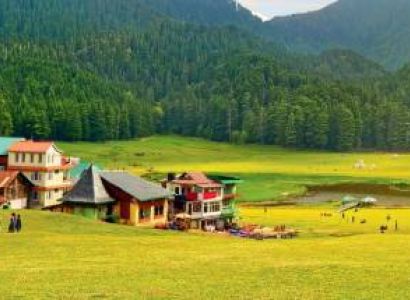

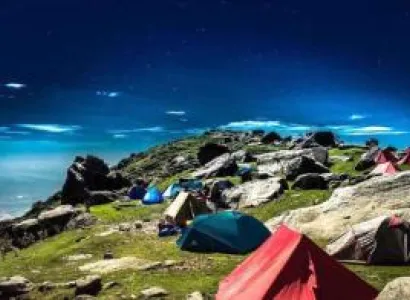






Dharamshala

Dharamshala

Dharamshala

Dharamshala
Dharamshala
Dharamshala
Dharamshala
Dharamshala
Dharamshala
Dharamshala