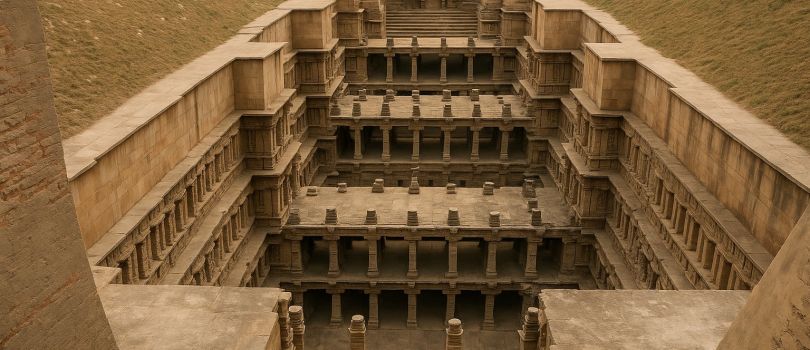
"Discover the intricacies of stepwell architecture."
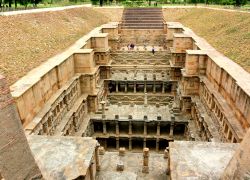
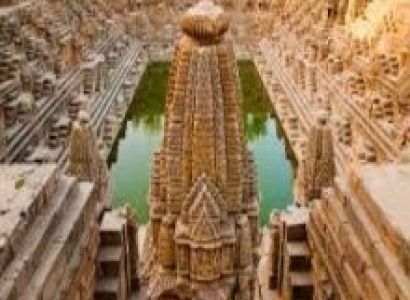
Rani Ki Vav is a magnificent stepwell located in Patan, Gujarat. This historical site holds immense significance not only for its architectural beauty but also for its rich history and cultural importance. The city of Patan, known for its heritage and craftsmanship, is home to this splendid monument that attracts tourists, history enthusiasts, and architecture aficionados alike.
History of Rani Ki Vav
The history of Rani Ki Vav dates back to the 11th century when it was built as a memorial to King Bhimdev I by his widowed queen, Udayamati. This stepwell served as both a functional water storage system and a place of spiritual importance. The intricate carvings on the walls depict various mythological themes, deities, and scenes from everyday life, reflecting the artistic brilliance of the craftsmen of that era. Rani Ki Vav was recognized as a UNESCO World Heritage Site in 2014, highlighting its architectural and historical significance.
Architecture and Natural Beauty of Rani Ki Vav
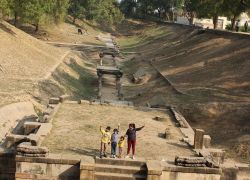
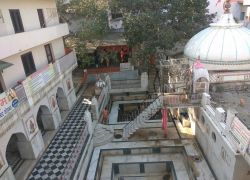
Surrounded by lush greenery and a serene atmosphere, Rani Ki Vav stands as a testimony to the architectural prowess of the Solanki dynasty. The stepwell is adorned with intricate sculptures of gods and goddesses, celestial beings, and mythological creatures, making it a visual delight for visitors. The presence of the nearby historical Keoladeo Temple adds to the charm of this site, providing a holistic experience for those exploring the architectural and natural beauty of the region.
Why is Rani Ki Vav Famous?
Rani Ki Vav is renowned for its unique blend of architectural grandeur and historical significance. The stepwell's intricate design and exquisite carvings make it a paradise for art lovers and history buffs. Additionally, the site's tranquil surroundings and spiritual aura attract visitors seeking a peaceful retreat amidst the hustle and bustle of modern life.
How to Reach Rani Ki Vav
Travelling to Rani Ki Vav is convenient as Patan is well-connected by air, rail, and road. The nearest airport is located in Ahmedabad, approximately 126 km away, while the Patan railway station serves as a vital link for those arriving by train. Visitors can also opt for road transport with regular bus services plying to Patan from various cities in Gujarat.
Weather and Best Time to Visit Rani Ki Vav
The weather in Patan experiences typical seasonal variations with hot summers, refreshing monsoons, and pleasant winters. The best time to visit Rani Ki Vav is during the winter months from October to March when the weather is cool and ideal for exploring the outdoor attractions without the discomfort of extreme heat.
Timings of Rani Ki Vav
Rani Ki Vav is open to visitors from morning till evening, allowing ample time to explore the intricate carvings and architectural marvels of the stepwell. The timings may vary slightly during different seasons, so it is advisable to check the schedule before planning your visit.
Entry Fee and Visit Details
Visitors can enter Rani Ki Vav by paying a nominal entry fee, which contributes to the maintenance and preservation of this heritage site. Guide services are available for those interested in learning more about the history and significance of the stepwell. Additionally, visitors can opt for safari options, bicycle rentals, and other facilities to enhance their overall experience.
Things to Do at Rani Ki Vav
At Rani Ki Vav, visitors can engage in a variety of activities such as admiring the intricate carvings, capturing the beauty of the surroundings through photography, embarking on cycling expeditions to explore the nearby areas, indulging in leisurely walks along the stepwell, observing the diverse flora and fauna, and immersing themselves in the educational experiences offered at this historical site.
Interesting Facts About Rani Ki Vav
Rani Ki Vav is not just a marvel of architecture but also a haven for biodiversity. The stepwell attracts migratory birds during certain seasons, adding to its ecological importance. Conservation efforts have been undertaken to preserve this historical gem and ensure that future generations can appreciate its beauty and cultural significance.
Travel Tips for Visiting Rani Ki Vav
When visiting Rani Ki Vav, it is advisable to wear comfortable clothing and carry essential items such as sunscreen, hats, and water bottles. Photography enthusiasts should not miss the opportunity to capture the intricate details of the carvings and the natural surroundings. It is recommended to visit during the cooler months for a more pleasant experience and to practice responsible tourism by respecting the heritage and environment of the site.
Conclusion
In conclusion, Rani Ki Vav in Patan is a treasure trove of history, art, and natural beauty. Its architectural splendor, historical significance, and serene ambiance make it a must-visit destination for travelers seeking a glimpse into the rich cultural heritage of Gujarat. A visit to Rani Ki Vav promises a blend of spirituality, artistry, and tranquility, offering a memorable experience for all who venture to this enchanting site.
































Patan
Patan
Patan
Patan
Patan
Patan
Patan
Patan
Patan