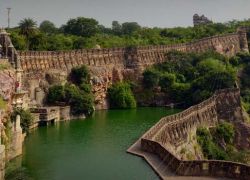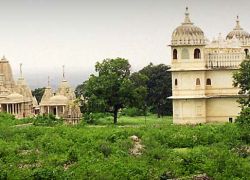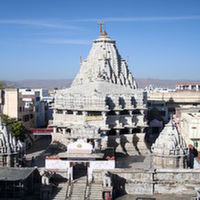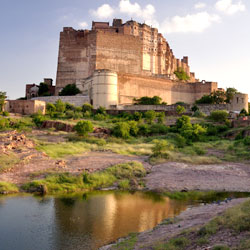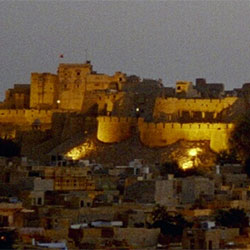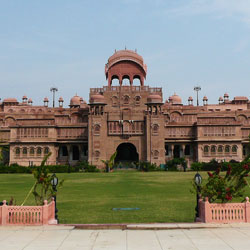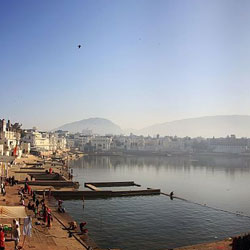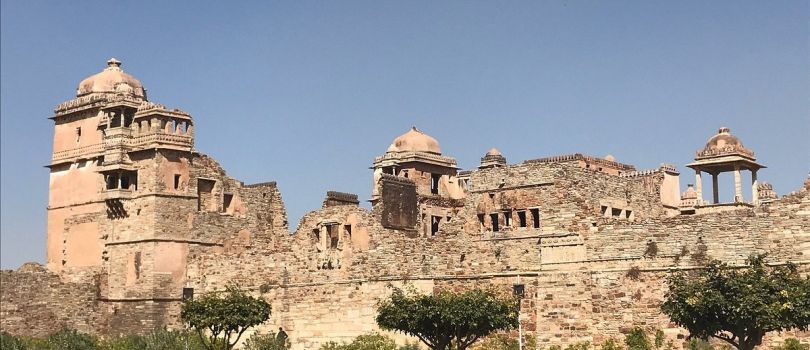
"Uncover the architectural marvels of ancient royalty."
About The Rana Kumbha Palace
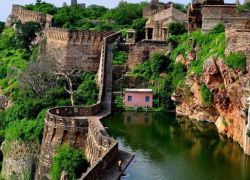
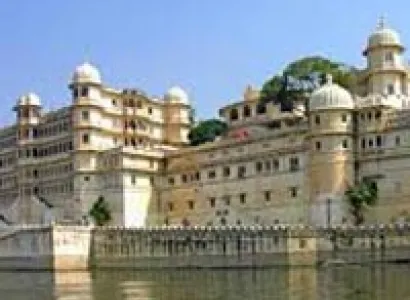
The Rana Kumbha Palace, located in Chittorgarh, Rajasthan, is a magnificent historical monument that stands as a testament to the glorious past of the region. This imposing structure was built by Rana Kumbha, a ruler of the Mewar Kingdom, in the 15th century. The palace served as the residence of the royal family and witnessed many important events in the history of Chittorgarh.
Timings of Rana Kumbha Palace
The Rana Kumbha Palace is open to visitors from 9:30 AM to 6:30 PM every day of the week. It is recommended to plan your visit during these hours to explore the beauty and grandeur of this historical site.
Entry Fee
The entry fee for the Rana Kumbha Palace is minimal, making it accessible to all visitors. Foreign tourists may have to pay a slightly higher fee compared to Indian nationals. It is advisable to check the current entry fee before planning your visit.
Required time and Restricted Items
To fully explore the Rana Kumbha Palace and its surroundings, it is recommended to allocate at least 2-3 hours. Visitors are advised not to carry any sharp objects, firearms, or inflammable items inside the palace premises. Additionally, smoking and littering are strictly prohibited.
Architecture of Rana Kumbha Palace
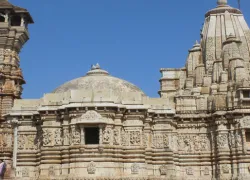
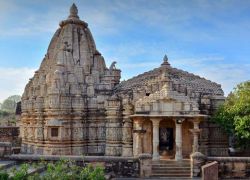
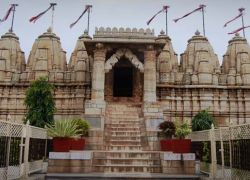
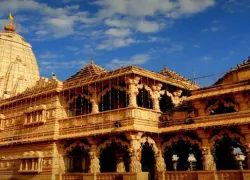
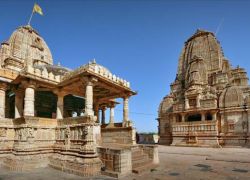
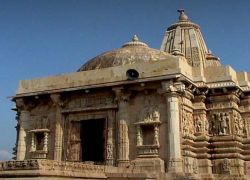
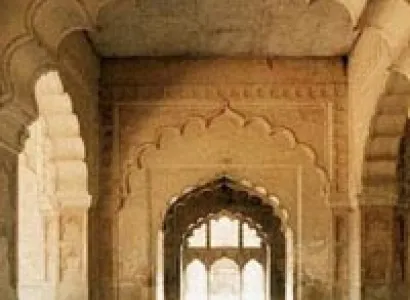
The architecture of the Rana Kumbha Palace is a blend of Rajput and Mughal styles, showcasing intricate carvings, jharokhas (balconies), and courtyards. The palace features several chambers, halls, and courtyards that offer a glimpse into the opulence of the royal lifestyle during that era.
Best Time to Visit
The best time to visit the Rana Kumbha Palace is during the winter months from October to March when the weather is pleasant and ideal for sightseeing. Avoid visiting during the summer months as the temperatures can soar, making it uncomfortable for outdoor activities.
How To Reach
Chittorgarh is well-connected by road, rail, and air, making it easily accessible from major cities in India. The nearest airport is Udaipur Airport, approximately 100 kilometers away. The Chittorgarh Railway Station is well-connected to various parts of the country. Local buses and taxis are also available for travel within the city.
History of Rana Kumbha Palace
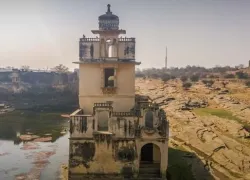
The Rana Kumbha Palace has a rich historical significance as it served as the residence of the royal family and witnessed several battles and conquests. It was at this palace that Rani Padmini performed jauhar, a Rajput custom of self-immolation to protect their honor. The palace stands as a symbol of valor and sacrifice.
Inside Rana Kumbha Palace
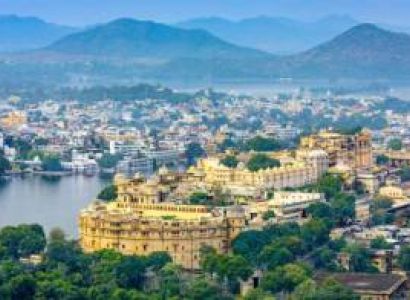
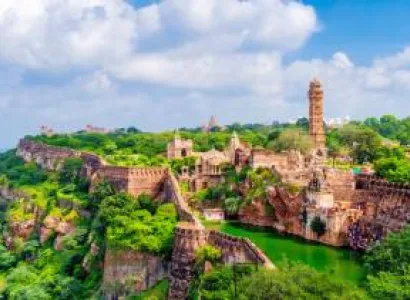
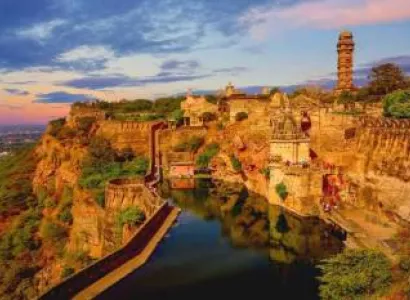
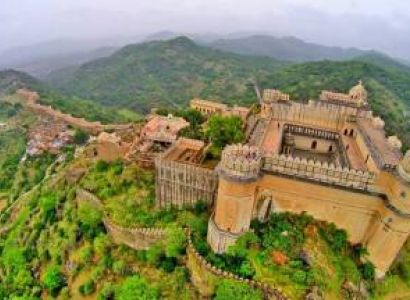
Inside the Rana Kumbha Palace, visitors can explore the various chambers, halls, and courtyards adorned with intricate carvings and frescoes. The palace also offers stunning views of the surrounding landscape, including the Chittorgarh Fort and the picturesque countryside. Don't miss the Badal Mahal, a beautiful structure within the palace complex.
Traveling Tips
Hotels Near Rana Kumbha Palace
1. Hotel Padmini Palace 2. Hotel RnB Chittorgarh Fort View 3. Hotel Meera 4. Hotel Pratap Palace 5. Rang Tarang Resorts These hotels offer comfortable accommodation options for visitors looking to explore the Rana Kumbha Palace and other attractions in Chittorgarh.
Nearby Tourist Spots of Rana Kumbha Palace
1. Chittorgarh Fort 2. Vijay Stambh (Victory Tower) 3. Kirti Stambh (Tower of Fame) 4. Rani Padmini Palace 5. Fateh Prakash Palace













Chittorgarh
Chittorgarh
Chittorgarh
Chittorgarh
Chittorgarh
Chittorgarh
Chittorgarh
Chittorgarh
Chittorgarh
Chittorgarh