"Discover heritage treasures in a historic setting."
Victoria Jubilee Museum is one of the important cultural and historical attractions in Vijayawada, Andhra Pradesh. It is a state-run museum that showcases the rich heritage, art, archaeology, and traditions of the region. The museum is a peaceful and informative place, ideal for history lovers, students, researchers, and tourists who want to understand the cultural roots of Andhra Pradesh. Located in the heart of the city, the museum preserves valuable artifacts that reflect the ancient, medieval, and modern history of the Krishna River region.
Why Victoria Jubilee Museum is Famous in Vijayawada, Andhra Pradesh?
Victoria Jubilee Museum is famous for its well-maintained collection of archaeological finds, ancient sculptures, inscriptions, coins, manuscripts, and traditional objects. The museum plays a key role in preserving the cultural identity of Andhra Pradesh. It is particularly known for its displays related to Buddhism, Hindu temple architecture, and local history of the Krishna district. The calm atmosphere and educational value make it a popular destination for school trips and cultural visits.
History of Victoria Jubilee Museum
The Victoria Jubilee Museum was established during the British colonial period to commemorate Queen Victoria’s Golden Jubilee. Over the years, it evolved into a significant center for preserving regional history. After India’s independence, the museum came under the control of the Department of Archaeology and Museums, Government of Andhra Pradesh. Since then, it has been expanded and reorganized to include collections from various excavations and historical sites across the state.
The museum’s purpose has always been educational and cultural. It was created to safeguard rare historical objects and make them accessible to the public. Today, it stands as a reminder of both colonial-era initiatives and India’s long-standing tradition of preserving heritage.
Architecture of Victoria Jubilee Museum
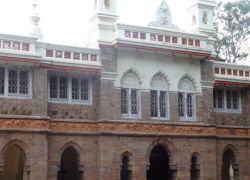
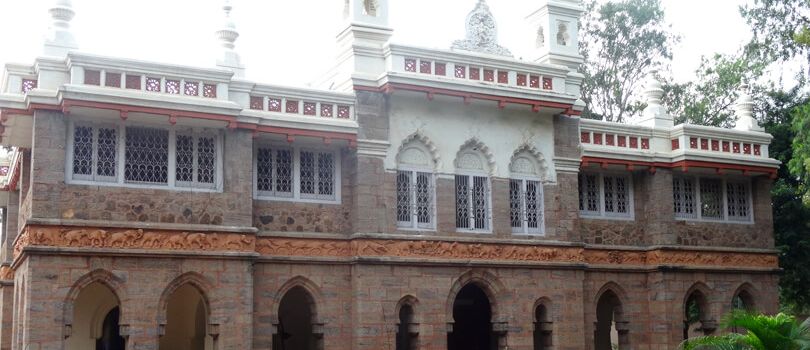
The architecture of Victoria Jubilee Museum reflects a simple yet elegant colonial style. The building is designed to suit the hot climate of Andhra Pradesh, with spacious halls, high ceilings, and good ventilation. The layout is practical, allowing visitors to move easily from one gallery to another.
Inside the museum, galleries are neatly arranged with glass display cases and clear information panels. The design focuses more on functionality than decoration, ensuring that the artifacts remain the main attraction. The surrounding greenery adds to the calm and pleasant environment of the museum.
Collections and Exhibits at Victoria Jubilee Museum
The museum houses a diverse range of collections that represent different periods of history. Visitors can see ancient stone sculptures of Hindu deities, Buddha statues, and Jain figures. There are also inscriptions in Telugu, Sanskrit, and Prakrit that provide insights into early administration and culture.
Other notable exhibits include old coins, copper plates, pottery, tools, and household items used in ancient times. The museum also displays traditional art forms, textiles, and objects related to local festivals and daily life. Each section is carefully curated to help visitors understand the historical context of the items.
Things to Do at Victoria Jubilee Museum, Vijayawada
One of the main things to do at Victoria Jubilee Museum is to explore the galleries at a relaxed pace and read the information provided with each exhibit. This helps visitors gain a deeper understanding of Andhra Pradesh’s history and culture.
Photography for personal use may be allowed in certain sections, but visitors should always check the rules at the entrance. Students and researchers can take notes and study specific artifacts in detail. The museum is also a good place for quiet reflection and learning, away from the busy city atmosphere.
Entry and Visit Details of Victoria Jubilee Museum
Victoria Jubilee Museum is open to the public on most days of the week, except government holidays. The entry fee is usually very affordable, making it accessible to all visitors. There may be separate fees for adults, children, and foreign tourists.
Visitors are advised to follow the museum rules, such as not touching artifacts and maintaining silence inside the galleries. The average visit duration is around one to two hours, depending on interest.
Timings of Victoria Jubilee Museum
The museum generally opens in the morning and remains open until the evening. Typical visiting hours are from 10:30 AM to 5:00 PM, but timings may change on special occasions or holidays. It is always a good idea to check the latest timings before planning your visit.
Weather and Best Time to Visit Victoria Jubilee Museum
Vijayawada experiences a tropical climate with hot summers, moderate winters, and a monsoon season. Summers can be quite hot, especially from April to June, while winters from November to February are pleasant.
The best time to visit Victoria Jubilee Museum is during the winter months when the weather is comfortable for sightseeing. Since the museum is mostly indoors, it can be visited throughout the year, but avoiding peak summer afternoons is recommended.
How to Reach Victoria Jubilee Museum, Vijayawada
Victoria Jubilee Museum is located within Vijayawada city and is easily accessible by various modes of transport. Vijayawada Railway Station is well connected to major cities in India, and the museum is just a short distance away from the station.
Vijayawada Airport connects the city to major domestic destinations. From the airport, visitors can hire taxis or use local transport to reach the museum. Local buses, auto-rickshaws, and taxis are easily available throughout the city.
Interesting Facts about Victoria Jubilee Museum
One interesting fact about Victoria Jubilee Museum is that many of its artifacts were collected from nearby archaeological sites along the Krishna River. The museum also serves as an educational center for students studying history and archaeology.
The museum plays an important role in preserving regional heritage that might otherwise be lost due to urban development and natural decay.
Tips for Visiting Victoria Jubilee Museum, Vijayawada
Visitors should plan their visit during morning hours for a quieter experience. Wearing comfortable clothing and footwear is recommended, especially if you plan to explore nearby attractions after the museum.
Carry water, but avoid eating or drinking inside the galleries. Reading the display notes carefully will enhance your understanding of the exhibits. Respect the rules and maintain cleanliness to help preserve this important cultural site for future generations.








Vijayawada
Vijayawada
Vijayawada
Vijayawada
Vijayawada
Vijayawada
Vijayawada
Vijayawada
Vijayawada
Vijayawada