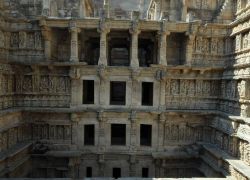
"An exquisite stepwell showcasing ancient engineering."
Rani Ki Vav is one of the most remarkable historical stepwells in Gujarat, known for its intricate architecture and cultural significance. Although the original and famous Rani Ki Vav is located in Patan, references to similar stepwell structures and heritage influences can also be found across Gujarat, including areas around Wankaner. This magnificent monument represents the rich architectural heritage of ancient India and stands as a symbol of engineering brilliance and artistic excellence.
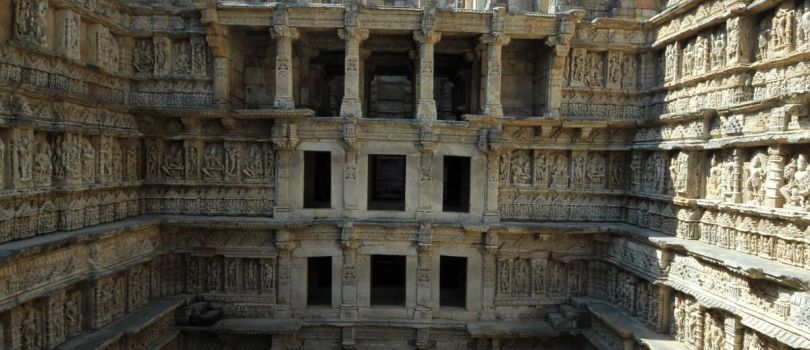
Rani Ki Vav is famous for its intricate carvings, stepwell design, and historical importance. It is considered one of the finest examples of stepwell architecture in India.
Main highlights include:
• UNESCO World Heritage Site (original at Patan)
• Exceptional stone carvings and sculptures
• Unique stepwell structure with multiple levels
• Representation of ancient water management system
• Cultural and historical significance
It attracts tourists, historians, and architecture enthusiasts from across the world.
Rani Ki Vav was built in the 11th century by Queen Udayamati in memory of her husband, King Bhimdev I of the Solanki dynasty. It is located on the banks of the Saraswati River and showcases the grandeur of the Solanki period.
The stepwell was later buried under silt and rediscovered in the 20th century, which helped preserve its intricate carvings in excellent condition.
The architecture of Rani Ki Vav is extraordinary:
• Seven levels of stairs leading down to the water source
• More than 500 sculptures depicting deities, mythological figures, and daily life
• Intricate carvings of Lord Vishnu in various forms
• Symmetrical design with detailed pillars and panels
• Advanced engineering for water conservation
The structure is designed as an inverted temple, emphasizing both functionality and artistic beauty.
Entry Fee:
• Indian Visitors: ₹40 (approx.)
• Foreign Tourists: ₹600 (approx.)
• Children below 15 years: Free
Note: Entry fees may vary slightly depending on government updates.
Best Time to Visit:
The best time to visit is during winter when the weather is pleasant.
Opening Days: Open all days
Timings: 8:00 AM to 6:00 PM
Visitors are advised to visit during daylight hours for the best experience.
The climate in Wankaner is similar to other parts of Gujarat:
• Summer (March–June): Hot and dry, temperatures up to 40°C
• Monsoon (July–September): Moderate rainfall
• Winter (October–February): Pleasant and cool
Best Season: Winter is the most comfortable time to explore the monument.
By Air: The nearest airport is Rajkot Airport, approximately 50–60 km away.
By Train: Wankaner Railway Station is well connected to major cities.
By Road: Wankaner is accessible by road from Rajkot, Ahmedabad, and nearby cities.
Local Transport: Auto-rickshaws and taxis are available for local travel.
Note: The original Rani Ki Vav is located in Patan, around 200 km from Wankaner.
• Explore Architecture – Admire the detailed carvings and structure.
• Photography – Capture the beauty of the monument.
• Learn History – Understand ancient water management systems.
• Cultural Exploration – Observe sculptures depicting mythology.
• Heritage Walk – Walk through the stepwell levels.
• Rani Ki Vav is a UNESCO World Heritage Site.
• It remained buried for centuries before being restored.
• The stepwell has over 500 sculptures.
• It is designed like an inverted temple.
• It showcases advanced engineering of ancient India.
• Visit during early morning or late afternoon.
• Wear comfortable footwear.
• Carry water and sun protection.
• Respect the heritage site.
• Hire a guide for better understanding.
• Plan your travel properly if visiting from Wankaner.
Rani Ki Vav is a masterpiece of ancient Indian architecture and engineering. While the main monument is located in Patan, its influence and recognition extend across Gujarat, including Wankaner. With its intricate carvings, historical importance, and stunning design, it remains one of the most iconic heritage sites in India and a must-visit for anyone interested in history and culture.








Wankaner
Wankaner