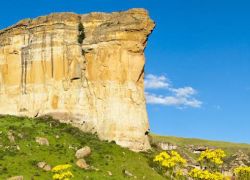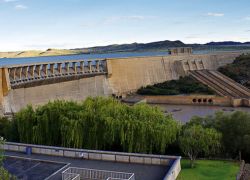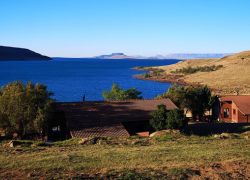
"Witness Earth's oldest impact site's geological wonders."
The Vredefort Dome, located in the Free State province of South Africa, is a geological marvel and a UNESCO World Heritage Site. It is the site of the largest and oldest verified impact crater on Earth, created over 2 billion years ago when a massive meteorite struck the planet. Today, the dome forms a part of a stunning landscape filled with hills, ridges, rivers, and rock formations that attract geologists, adventurers, and nature lovers from around the world. The Vredefort Dome offers a unique blend of scientific significance, natural beauty, and cultural heritage.
How to Reach Vredefort Dome, Free State
The Vredefort Dome is located near the towns of Parys and Vredefort, about 120 km southwest of Johannesburg.
Weather at Vredefort Dome, Free State
The region experiences a temperate climate with distinct seasons:
Spring and autumn are considered the best times to visit, offering pleasant temperatures and clear skies, ideal for hiking and sightseeing.
Timings
The Vredefort Dome is a natural geological site spread across a vast area, accessible at all times. However, specific activities, tours, and information centres have set timings:
Why Famous for Vredefort Dome, Free State?
The Vredefort Dome is world-renowned for being the oldest and largest known impact structure on Earth. The meteorite that formed the dome is estimated to have been about 10 km in diameter, creating a crater more than 300 km wide at the time of impact. Over time, erosion has left a visible ring-like structure spanning about 90 km.
It is also a place of great geological interest, with exposed rocks that provide critical evidence about the early Earth’s crust and impact processes. Scientists from around the globe study the dome to understand planetary evolution. The region is also famous for its outdoor recreational activities, cultural tours, and eco-tourism ventures.
Entry and Visit Details about Vredefort Dome, Free State
There is no general entrance fee to the Vredefort Dome as a whole, as it spans public and private land. However, guided tours, accommodation, and some attractions within the area may require bookings and fees.
History and Architecture
The Vredefort impact occurred around 2.02 billion years ago. The shock waves from the impact deformed the Earth's crust, creating rings of uplifted rock that are visible today. Unlike most heritage sites, the "architecture" here is purely natural—rock domes, ridges, and valleys shaped by the massive energy release from the impact event.
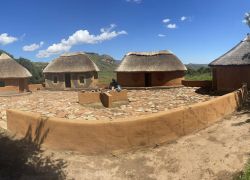
In 2005, the site was declared a UNESCO World Heritage Site for its geological value. There are also remnants of early human settlements in the area, such as San rock art and stone walls from Tswana settlements, blending natural history with human heritage.
Things to Do at Vredefort Dome, Free State
Facts about Vredefort Dome, Free State
Tips about Vredefort Dome, Free State

Free State
Free State