"Delve into ancient Sri Lankan civilization and culture."
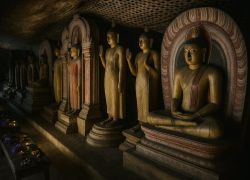
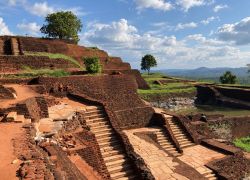
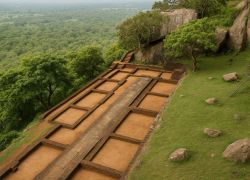
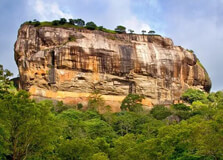
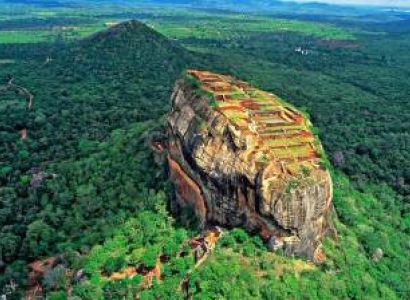
The Archaeological Museum of Sigiriya, located at the base of the famous Sigiriya Rock Fortress, is an essential stop for anyone visiting this UNESCO World Heritage site. The museum serves as a gateway to understanding the rich history, culture, and archaeological significance of Sigiriya, one of Sri Lanka's most iconic landmarks. The museum displays a range of artifacts, models, and exhibits that illustrate the life and times of Sigiriya from its ancient origins to its role as a royal capital, and later, a Buddhist monastery.
History of The Archaeological Museum of Sigiriya
The Archaeological Museum was established in 1982 to preserve and present the cultural and historical significance of the Sigiriya Rock Fortress and its surroundings. The museum houses artifacts uncovered during archaeological excavations around Sigiriya, as well as models, drawings, and photographs that provide context to the rock's history and its role in Sri Lanka’s ancient civilization. Many of the objects on display date back to the 5th century AD, the period when Sigiriya was built and served as a capital city for King Kashyapa I.
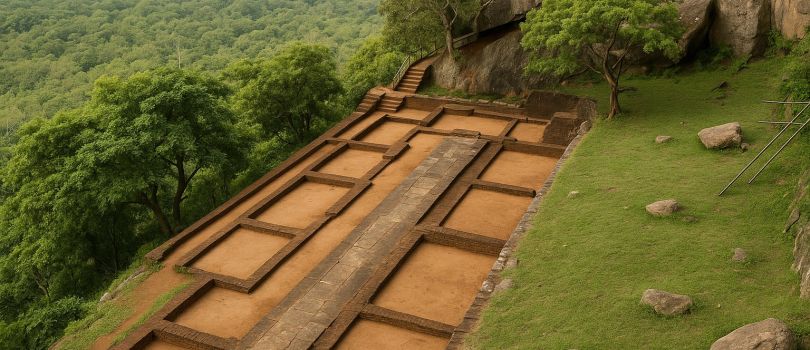
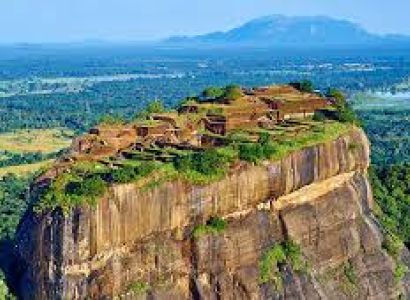
Sigiriya’s history dates back over 1,500 years, with the rock itself being used as a royal citadel and fortress by King Kashyapa, who took refuge there after a violent coup against him. Following his death, Sigiriya transformed into a Buddhist monastery and remained so for several centuries. The Archaeological Museum helps visitors trace the different phases of Sigiriya's history and its transformation from a royal palace to a sacred Buddhist site.
Architecture of The Archaeological Museum of Sigiriya
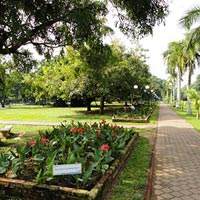
The museum’s design complements the cultural heritage of Sigiriya, with modern architecture that blends seamlessly into the natural environment. The building itself is simple yet elegant, constructed with local materials and set in a landscaped garden area near the entrance to the Sigiriya Rock Fortress. The museum’s architecture takes inspiration from traditional Sri Lankan designs while incorporating contemporary elements for functionality and preservation of the exhibits.
Inside the museum, visitors can explore various sections dedicated to different aspects of Sigiriya’s history. There are detailed models of the Sigiriya Rock, ancient frescoes, and the world-renowned Lion’s Gate, offering an in-depth view of the fortress’s design and structure. The museum also features an educational center where you can learn more about the archaeological techniques used to uncover the site’s hidden treasures.
Why The Archaeological Museum of Sigiriya is Famous?
The Archaeological Museum of Sigiriya is famous for its comprehensive collection of artifacts and its role in preserving the history of one of Sri Lanka’s most renowned ancient sites. The museum’s exhibits provide invaluable insights into the art, culture, and engineering of the 5th century AD. Highlights of the museum include:
How to Reach The Archaeological Museum of Sigiriya
The Archaeological Museum of Sigiriya is conveniently located near the base of Sigiriya Rock, making it an easy stop for visitors who are already exploring the rock fortress. Here’s how to get there:
By Air: The nearest international airport is Bandaranaike International Airport in Colombo, about 160 kilometers away from Sigiriya. From the airport, you can hire a taxi or take a bus to reach Sigiriya.
By Road: Sigiriya is easily accessible by road from several major towns and cities in Sri Lanka, including Colombo, Dambulla, and Polonnaruwa. You can hire a taxi, take a private vehicle, or use public transportation such as buses to reach Sigiriya.
By Train: The nearest railway station to Sigiriya is in Habarana, which is about 15 kilometers away. From the station, you can take a taxi or tuk-tuk to reach the Archaeological Museum and the Sigiriya Rock Fortress.
Weather at The Archaeological Museum of Sigiriya
Sigiriya experiences a tropical climate, with warm temperatures year-round. The best time to visit the Archaeological Museum and Sigiriya Rock is during the dry season, which runs from December to April. During this period, the weather is more favorable for outdoor exploration, and the temperatures are generally between 25°C to 32°C (77°F to 90°F). The monsoon season, from May to October, brings heavy rainfall and humidity, which may affect outdoor activities.
If you plan to explore the rock and museum, it is best to visit in the early morning or late afternoon to avoid the midday heat. Be sure to wear comfortable clothing and carry water to stay hydrated.
Timing of The Archaeological Museum of Sigiriya
The Archaeological Museum is open every day of the week, offering flexible visiting hours for tourists. The general visiting hours are:
Opening Time: 9:00 AM
Closing Time: 5:00 PM
Last entry is usually allowed until 4:30 PM. It is advisable to visit the museum in the morning or early afternoon to avoid the heat, especially if you plan to explore Sigiriya Rock afterward.
Entry and Visit Details
Entry to the Archaeological Museum is ticketed, with separate tickets for the museum and the Sigiriya Rock Fortress. The museum ticket is typically included in the combined entry fee for the Sigiriya complex. The museum is a popular stop for visitors before or after exploring the Sigiriya Rock Fortress, as it provides essential context for understanding the history and significance of the site.
While the museum does not require a guided tour, many visitors choose to hire a local guide to provide a detailed explanation of the exhibits. Guides can be found at the entrance to the museum, and they offer a wealth of information about Sigiriya’s history and archaeology.
Things to Do at The Archaeological Museum of Sigiriya
Facts About The Archaeological Museum of Sigiriya
Travel Tips for Visiting The Archaeological Museum of Sigiriya
The Archaeological Museum of Sigiriya is an essential part of your visit to Sigiriya. It not only complements the exploration of the Sigiriya Rock Fortress but also provides invaluable insights into Sri Lanka’s ancient history, culture, and archaeological practices. Whether you are a history enthusiast, an art lover, or a curious traveler, the museum offers a fascinating journey through time.






















Sigiriya
Sigiriya