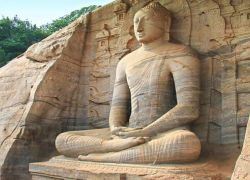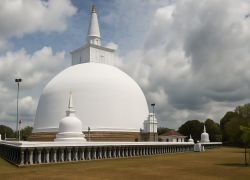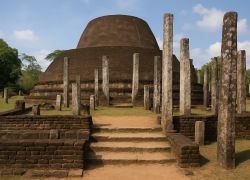
"Explore ancient ruins and Sri Lanka's rich history."
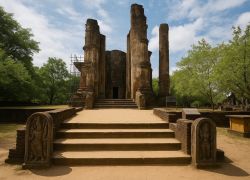
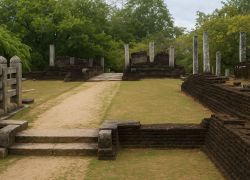
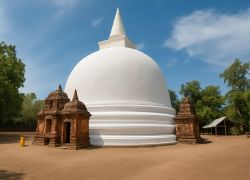
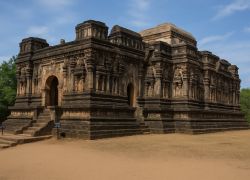
The Polonnaruwa Archaeological Museum is a treasure trove of Sri Lanka's ancient history and heritage. Located in the heart of the UNESCO World Heritage city of Polonnaruwa, the museum offers an invaluable collection of artifacts, sculptures, and relics that highlight the rich cultural and historical past of the island. The museum is dedicated to preserving and showcasing the archaeological finds from Polonnaruwa, one of Sri Lanka’s ancient capitals. Visiting the museum is an excellent way to understand the significance of Polonnaruwa as an ancient kingdom and explore the artistic, architectural, and religious history of the region.
History of Polonnaruwa Archaeological Museum
The Polonnaruwa Archaeological Museum was established in 1969 to protect and display the archaeological findings discovered during excavations in the ancient city of Polonnaruwa. Polonnaruwa, which was the capital of Sri Lanka during the 11th to 13th centuries, is home to a wealth of archaeological sites, including palaces, temples, stupas, and other relics. The museum was set up to collect and preserve artifacts from the region to offer a better understanding of the ancient civilization that flourished here.
The museum provides a historical context for the ruins of Polonnaruwa, explaining their significance in the broader story of Sri Lankan civilization. The artifacts on display reflect the remarkable achievements of the city’s rulers, especially King Parakramabahu I, under whose reign Polonnaruwa reached its peak as a center of culture, religion, and power.
Architecture of Polonnaruwa Archaeological Museum
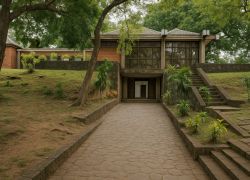
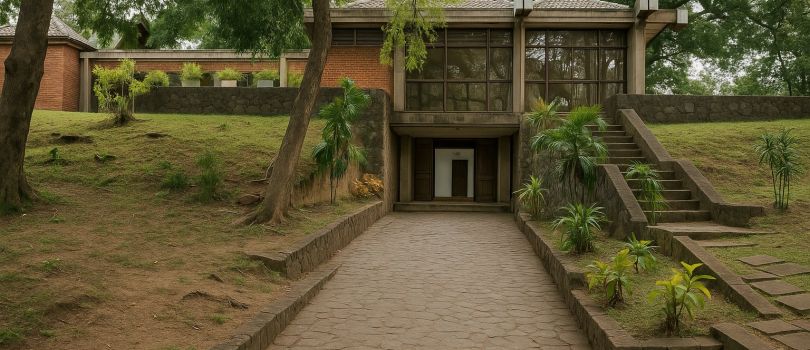
The museum’s architecture is a blend of modern and traditional Sri Lankan design, reflecting the aesthetic and cultural values of the country. The building is constructed in a way that harmonizes with the surrounding natural landscape and archaeological sites, maintaining the historical feel of the region while providing a functional space for displaying exhibits. The museum’s layout allows visitors to view artifacts in chronological order, beginning with the earliest findings from the ancient city to later archaeological discoveries.
The design of the museum is minimalistic yet functional, providing a comfortable and informative environment for visitors. The use of large glass windows lets in natural light, ensuring that each display is well-lit and easy to view. The museum is strategically located near the ruins, making it easy for visitors to explore both the ancient sites and the museum in one visit.
Why Polonnaruwa Archaeological Museum is Famous?
The Polonnaruwa Archaeological Museum is famous for being the most comprehensive resource on the ancient city’s history and archaeology. Some of the key reasons why it is famous include:
How to Reach Polonnaruwa Archaeological Museum
Polonnaruwa Archaeological Museum is located within the ancient city of Polonnaruwa, which is easily accessible by road from several major cities in Sri Lanka.
By Road: Polonnaruwa is about 216 km from Colombo, which is approximately a 4-5 hour drive by car or bus. There are regular bus services from Colombo, Kandy, and other cities to Polonnaruwa. Visitors can hire a taxi or rent a car to travel comfortably.
By Train: The nearest railway station is in Habarana, about 40 km from Polonnaruwa. From there, visitors can take a bus or taxi to reach the archaeological sites, including the museum.
By Air: The nearest airport is Bandaranaike International Airport in Colombo. From the airport, visitors can take a taxi or use other transportation options to reach Polonnaruwa.
Weather at Polonnaruwa Archaeological Museum
Polonnaruwa has a tropical climate, with warm temperatures throughout the year. The best time to visit is during the dry season, from December to April, when the weather is more pleasant, and rainfall is minimal. The average daytime temperature ranges from 25°C to 32°C.
Best Time to Visit: The dry season is the most comfortable time to visit, though early morning or late afternoon visits are recommended to avoid the midday heat, especially when exploring outdoor ruins.
Timing of Polonnaruwa Archaeological Museum
The museum is open to visitors every day of the week. The visiting hours are:
Opening Time: 8:30 AM
Closing Time: 5:00 PM
It is recommended to arrive early to avoid the midday heat, and you can also take advantage of cooler temperatures for exploring the outdoor archaeological sites after visiting the museum.
Entry and Visit Details
The entry fee for the Polonnaruwa Archaeological Museum is typically included in the ticket for the archaeological site of Polonnaruwa. The fee varies depending on whether you are a local or international visitor. Local visitors may pay a smaller fee, while international visitors may need to pay a slightly higher entrance fee.
Ticket Price: The entrance fee for foreign tourists is usually around USD 25-30, which provides access to the entire archaeological park, including the museum and other historic sites in the area.
Guided tours are available, and it is recommended to take one to gain a deeper understanding of the exhibits and the historical significance of the artifacts displayed in the museum.
Things to Do at Polonnaruwa Archaeological Museum
Facts About Polonnaruwa Archaeological Museum
Tips for Visiting Polonnaruwa Archaeological Museum
Whether you're an archaeology enthusiast or simply curious about the ancient history of Sri Lanka, the Polonnaruwa Archaeological Museum offers a fascinating glimpse into the past. With its rich collection of artifacts, historical context, and peaceful setting, it is an essential stop for anyone visiting the Polonnaruwa region.







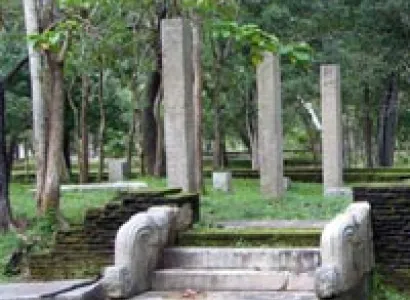


Polonnaruwa