"Symbol of freedom and national heritage."
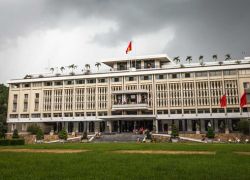
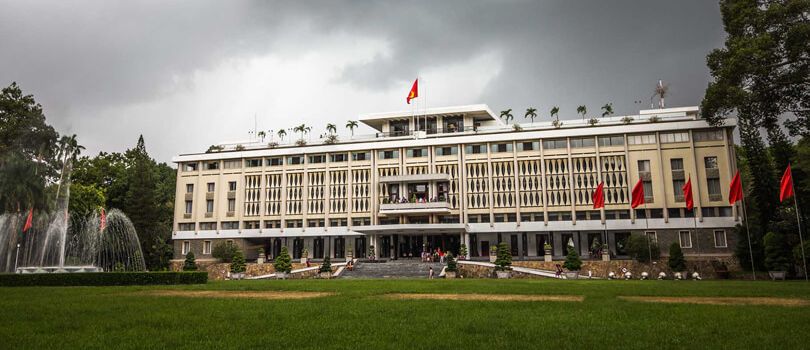
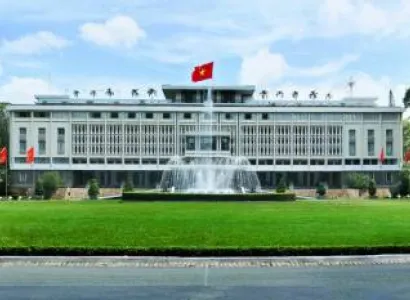
The Independence Palace, also known as the Reunification Palace, is one of the most iconic landmarks in Ho Chi Minh City, Vietnam. The palace holds significant historical and political importance as it was the site where the Vietnam War ended in 1975. It was at this very location that North Vietnamese tanks broke through the gates, symbolizing the fall of Saigon and the reunification of the country under communist rule. Today, the Independence Palace is a popular tourist attraction, offering visitors a glimpse into Vietnam’s turbulent past, as well as a look at the opulent lifestyle of the former South Vietnamese leadership.
How to Reach Independence Palace, Ho Chi Minh City
Reaching the Independence Palace from various parts of Ho Chi Minh City is easy, as it is located in District 1, the heart of the city. Here are some of the best ways to get there:
Weather in Ho Chi Minh City
Ho Chi Minh City experiences a tropical climate with two distinct seasons: the rainy season and the dry season. The rainy season lasts from May to November, with the heaviest rainfall occurring between June and September. During this period, the city experiences short but intense downpours, typically in the afternoon or evening. The dry season, from December to April, is characterized by hot, sunny weather with temperatures ranging from 25°C to 35°C (77°F to 95°F), especially during the peak months of March and April. When planning your visit to the Independence Palace, it’s advisable to check the weather forecast and bring appropriate clothing for the season.
Timings of Independence Palace
The Independence Palace is open to the public every day of the week. The standard visiting hours are as follows:
It is advisable to visit earlier in the day to avoid the midday heat and larger crowds, especially on weekends or during peak tourist seasons.
Why Famous for Independence Palace, Ho Chi Minh City?
The Independence Palace is famous for its role in the Vietnam War. The palace was the residence and workplace of the President of South Vietnam during the war. Its most significant historical moment occurred on April 30, 1975, when a North Vietnamese tank broke through the gates, symbolizing the fall of Saigon and the end of the Vietnam War. The event marked the reunification of Vietnam under communist rule, and the palace became a national symbol of this victory.
The palace is also famous for its well-preserved architecture, which blends traditional Vietnamese and French colonial influences. Its interior, with elegant rooms and vintage furniture, offers a glimpse into the luxurious lifestyle of the South Vietnamese leaders before the fall of Saigon. The historical significance, combined with the grand architecture and preservation of original features, makes it one of the must-visit attractions in Ho Chi Minh City.
Entry and Visit Details about Independence Palace
The Independence Palace is open to visitors year-round, and the entry process is simple and straightforward:
History and Architecture of Independence Palace
The Independence Palace, also known as the Reunification Palace, was designed by the Vietnamese architect Ngô Viết Thụ and completed in 1966. It was built on the site of the former Norodom Palace, which was the residence of the French Governor-General during colonial times. The palace was constructed in the modernist style, with influences from traditional Vietnamese elements and French colonial architecture.
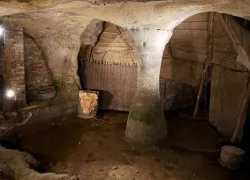
The architecture of the palace is striking, with its clean lines, open spaces, and large windows that allow natural light to flood the rooms. It features 95 rooms, including the President’s office, dining rooms, and private quarters. The building also includes a bunker, which served as a command center during the war, and a basement with secret rooms used for military operations.
The design reflects the aspirations of the South Vietnamese leadership to portray strength, independence, and modernity. The palace was also a symbol of the country’s independence from colonial rule, both French and later American influence. Today, the building retains its 1960s decor, including period furniture, vintage radios, and old communication equipment, offering visitors a glimpse into the past.
Things to Do at Independence Palace
During your visit to the Independence Palace, there are a number of activities to enhance your experience:
Facts about Independence Palace
Tips for Visiting Independence Palace













Ho Chi Minh City
Ho Chi Minh City
Ho Chi Minh City
Ho Chi Minh City

Ho Chi Minh City
Ho Chi Minh City

Ho Chi Minh City
Ho Chi Minh City
Ho Chi Minh City
Ho Chi Minh City