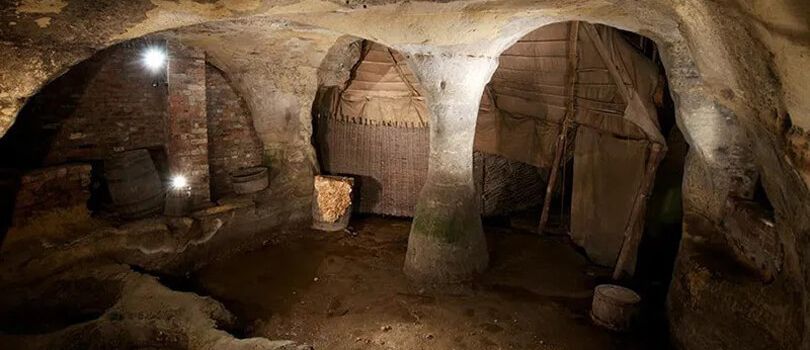
"Uncover Vietnam's historical underground warfare network."
The Cu Chi Tunnels are a network of underground tunnels located about 70 kilometers (43 miles) northwest of Ho Chi Minh City in southern Vietnam. These tunnels were originally constructed during the 1940s as part of the French colonial resistance, but they gained more significance during the Vietnam War when the Viet Cong used them as a base of operations against American forces. Today, the Cu Chi Tunnels serve as a popular tourist attraction, offering visitors an opportunity to explore Vietnam’s wartime history and gain insight into the resilience and ingenuity of the people who lived in these tunnels.
How to Reach Cu Chi Tunnels, Ho Chi Minh City
Reaching the Cu Chi Tunnels from Ho Chi Minh City is relatively straightforward, with various transport options available:
Weather in Cu Chi Tunnels
Cu Chi, like the rest of southern Vietnam, has a tropical climate with two distinct seasons: the dry season and the rainy season. The dry season runs from December to April, with the hottest months being March and April, where temperatures can soar to 35°C (95°F). The rainy season spans from May to November, with the heaviest rainfall occurring from June to September. If you plan to visit the tunnels during the rainy season, be prepared for occasional downpours, though these are usually short-lived. It's advisable to bring waterproof clothing or an umbrella during the rainy season. Regardless of when you visit, be sure to stay hydrated, as the region can be quite hot and humid year-round.
Timings of Cu Chi Tunnels
The Cu Chi Tunnels are open every day of the week for visitors. The typical visiting hours are:
It's best to arrive early to avoid the midday heat and larger crowds. If you are part of a guided tour, the schedule may vary based on your tour operator’s arrangements.
Why Famous for Cu Chi Tunnels, Ho Chi Minh City?
The Cu Chi Tunnels are famous for their historical significance and their role during the Vietnam War. These tunnels served as the lifeblood of the Viet Cong resistance against American and South Vietnamese forces. They were used for various purposes, including hiding, storing weapons, and even serving as medical facilities. The tunnels stretch for more than 250 kilometers (155 miles) and are an incredible testament to the ingenuity, resourcefulness, and resilience of the people who lived there. The Cu Chi Tunnels represent the determination of the Vietnamese people to fight for their independence, making them an essential part of Vietnam’s history.
Entry and Visit Details about Cu Chi Tunnels
Visiting the Cu Chi Tunnels is an affordable and educational experience. Here’s what you need to know about entry and visiting:
History and Architecture of Cu Chi Tunnels
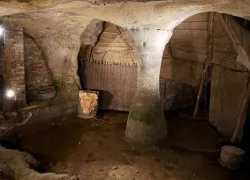
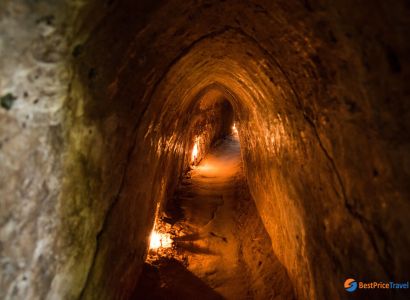
The Cu Chi Tunnels have a rich history dating back to the 1940s when they were first constructed as part of the resistance against French colonial forces. Over time, the tunnels expanded and were refined, eventually becoming a key asset for the Viet Cong during the Vietnam War. The tunnels themselves are a marvel of underground engineering, with intricate networks that include living quarters, kitchens, weapon storage areas, and secret escape routes. The tunnels were so well-constructed that they were largely undetectable by American forces, despite extensive bombing campaigns.
The architecture of the tunnels is simple yet effective, with layers of bamboo and dirt providing insulation and protection. The tunnels were often equipped with booby traps and hidden entrances to ensure the safety of those using them. Some sections of the tunnels are now enlarged for tourist visits, but the original layout and design are largely preserved.
Things to Do at Cu Chi Tunnels
When visiting the Cu Chi Tunnels, there are several things you can do to make the most of your trip:
Facts about Cu Chi Tunnels
Tips for Visiting Cu Chi Tunnels


























Ho Chi Minh City

Ho Chi Minh City
Ho Chi Minh City
Ho Chi Minh City
Ho Chi Minh City

Ho Chi Minh City
Ho Chi Minh City
Ho Chi Minh City

Ho Chi Minh City

Ho Chi Minh City