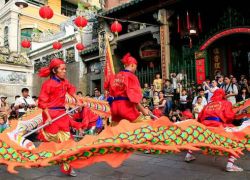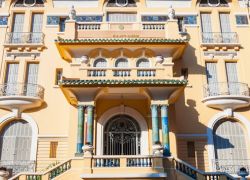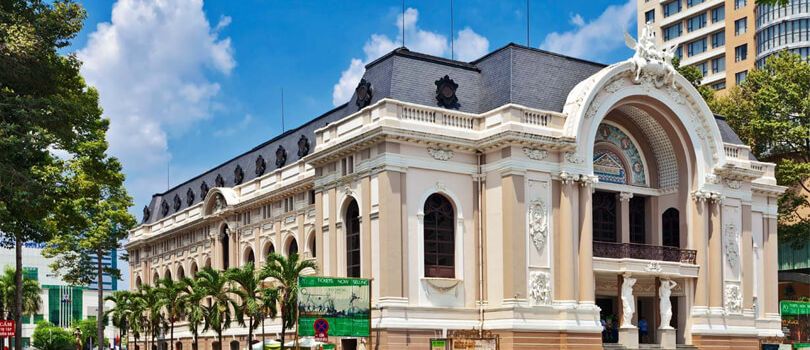
"Experience architectural elegance and cultural performances."
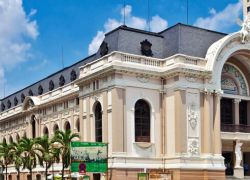
The Saigon Opera House, also known as the Municipal Theatre of Ho Chi Minh City, is one of the most iconic landmarks in the city. Located in the heart of District 1, the opera house is a magnificent example of French colonial architecture. It was constructed in the early 20th century and has served as a cultural center for the city, hosting a variety of performances, from classical music to modern theater. The Saigon Opera House stands as a symbol of the rich cultural heritage of Ho Chi Minh City and is a must-see for visitors exploring the city's history and architectural beauty.
How to Reach Saigon Opera House, Ho Chi Minh City
The Saigon Opera House is located in the bustling downtown area of Ho Chi Minh City, making it easily accessible from many parts of the city. Here are a few ways to reach the Opera House:
Weather in Ho Chi Minh City
Ho Chi Minh City has a tropical climate with two distinct seasons: the dry season and the rainy season. The dry season runs from December to April, with high temperatures averaging between 25°C to 35°C (77°F to 95°F). The hottest months are March and April, so it’s advisable to dress light and stay hydrated during these months.
The rainy season, from May to November, brings frequent afternoon showers. The heaviest rain usually falls between June and September, but the showers tend to be short and heavy, offering a temporary break from the heat. Regardless of when you visit, it’s a good idea to check the weather forecast to plan your trip accordingly, especially if you want to attend an outdoor event near the Opera House.
Timings of Saigon Opera House
The Saigon Opera House itself is generally open to the public for performances, but it's not a typical museum or tourist attraction that you can visit at any time. The performance schedule depends on the events happening, such as concerts, ballets, and theater productions. Here are the general timings:
It’s a good idea to arrive at least 30 minutes before the performance to allow time for security checks and to get settled into your seat.
Why Famous for Saigon Opera House, Ho Chi Minh City?
The Saigon Opera House is famous for several reasons, both historical and architectural. First, it is a prime example of French colonial architecture in Ho Chi Minh City, showcasing the city's French influence during the late 19th and early 20th centuries. The Opera House's design, which was inspired by the Paris Opera House, features intricate details, grand arches, and a beautiful façade that captures the grandeur of its era.
Moreover, the Opera House has played a significant role in Vietnam’s cultural scene. It has been the venue for numerous performances, including classical music, ballet, and modern theater. The Opera House holds a special place in the hearts of both locals and visitors, as it represents a connection to the country's rich cultural traditions, as well as a window into its colonial past.
Lastly, the Saigon Opera House is renowned for hosting high-profile events, including international performances and cultural exchanges, making it a key landmark in Ho Chi Minh City's vibrant arts and entertainment scene.
Entry and Visit Details about Saigon Opera House
The Saigon Opera House is open for public performances, but visitors should note that it is not a museum or a traditional tourist attraction. Here’s what you need to know about visiting the Opera House:
History and Architecture of Saigon Opera House
The Saigon Opera House was designed by French architect Eugene Ferret and was completed in 1900 under the direction of the French colonial government. The building was originally known as the "Opéra de Saïgon" and was intended to serve as a venue for both local and European performances. Its architecture reflects the elegance of the Belle Époque period, with a façade that features neo-Baroque design elements and a stunning interior that includes a large auditorium with a beautiful chandelier and detailed ornamentation.
The Opera House’s design was heavily influenced by the architectural styles of Paris, and it was built to be a focal point of cultural life in Saigon during the French colonial period. It has undergone several renovations over the years to preserve its historical integrity while accommodating modern amenities. Despite these changes, the Opera House retains its majestic appearance, with its ornate columns, arches, and intricate woodwork continuing to impress visitors.
Things to Do at Saigon Opera House
While the Saigon Opera House is primarily known for its performances, there are a few other things you can do to enhance your visit:
Facts about Saigon Opera House
Tips for Visiting Saigon Opera House




























Ho Chi Minh City

Ho Chi Minh City
Ho Chi Minh City
Ho Chi Minh City
Ho Chi Minh City
Ho Chi Minh City
Ho Chi Minh City
Ho Chi Minh City
Ho Chi Minh City
Ho Chi Minh City