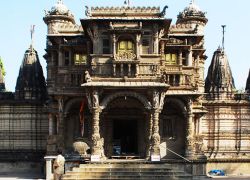
About Hatheesing Jain Temple History The Hatheesing Jain Temple in Ahmedabad, Gujarat was built in 1850 by a wealthy Jain merchant named Sheth Hathisinh Kesarisinh. The temple is dedicated to Dharmanath, the fifteenth Tirthankara of Jainism. It is known for its intricate architecture and stunning design, making it one of the most popular Jain temples in India. Architecture and Design The Hatheesing Jain Temple is a two-storied structure made entirely of white marble. The temple features 52 domes, each representing a different Jain Tirthankara. The interior of the temple is adorned with beautiful carvings and intricate designs, showcasing the skill and craftsmanship of the artisans who built it. Best Time to Visit The best time to visit the Hatheesing Jain Temple is during the winter months, from October to March, when the weather is cooler and more comfortable for exploring the temple and its surroundings. Cultural Significance The Hatheesing Jain Temple is an important religious site for the Jain community in Ahmedabad and beyond. It represents the rich cultural heritage of Jainism and serves as a place of worship and reflection for followers of the faith. Pilgrimage Practices Visitors to the Hatheesing Jain Temple are encouraged to observe the traditional practices of Jainism, such as meditation, prayer, and offering of flowers and incense to the deities. Pilgrims often perform rituals and ceremonies to seek blessings and spiritual guidance. Dress Code and Etiquette Visitors to the temple are required to dress modestly and respectfully, covering their shoulders and knees. Shoes must be removed before entering the temple premises, and photography is usually not allowed inside the prayer halls. It is important to maintain a quiet and respectful demeanor while inside the temple. Activities and Experiences Visitors to the Hatheesing Jain Temple can participate in guided tours, attend religious ceremonies, and explore the intricate architecture and design of the temple. Many visitors also take part in cultural programs and events held at the temple throughout the year. Art and Religious Symbols The Hatheesing Jain Temple is adorned with exquisite carvings, sculptures, and paintings that depict scenes from Jain mythology and history. The temple also features various religious symbols and motifs that hold significance for followers of Jainism. Local Insights Locals in Ahmedabad regard the Hatheesing Jain Temple as a symbol of the city's cultural and religious diversity. They take pride in the temple's architectural grandeur and its historical significance, welcoming visitors from all over the world to experience the beauty and tranquility of this sacred site.
Explore More
About Nareli Jain Temple, Ajmer The Nareli Jain Temple in Ajmer, Rajasthan is a magnificent architectural marvel that attracts numerous visitors and pilgrims from all over the country. This temple is dedicated to the Jain community and is known for its stunning design and religious significance. Let's delve into the history, architecture, and cultural practices associated with this iconic temple. History The construction of the Nareli Jain Temple began in the year 1997 under the guidance of the Anand Rishiji Maharaj. It took nearly 10 years to complete the temple complex, which is spread over 24 acres of land. The temple was built to provide a spiritual retreat for the Jain community and to showcase the rich cultural heritage of the religion. Architecture and Design The Nareli Jain Temple features a unique blend of modern and traditional architectural styles. The temple complex consists of 24 miniature temples, each dedicated to a different Jain Tirthankara. The central temple is adorned with intricate carvings, golden spires, and ornate domes, creating a mesmerizing sight for visitors. Best Time to Visit Visiting the Nareli Jain Temple in Ajmer is best during the winter months (October to March) when the weather is pleasant and ideal for sightseeing. Avoid visiting during the summer months (April to June) as the scorching heat can make it uncomfortable for outdoor activities. Cultural Significance The Nareli Jain Temple holds immense cultural significance for the Jain community as it serves as a place of worship, spiritual reflection, and community gatherings. Visitors can witness traditional Jain rituals, prayers, and ceremonies that are performed at the temple, offering a glimpse into the rich cultural heritage of the religion. Pilgrimage Practices Devotees visiting the Nareli Jain Temple often engage in various religious practices such as meditation, chanting of prayers, and offering of prayers to the deities. Pilgrims also participate in temple rituals, seek blessings from the priests, and make offerings to the Tirthankaras as a form of devotion and gratitude. Dress Code and Etiquette When visiting the Nareli Jain Temple, it is important to dress modestly and respectfully. Both men and women are expected to wear conservative clothing that covers their shoulders and knees. Remove footwear before entering the temple premises and maintain silence and decorum during prayer sessions. Activities and Experiences Visitors to the Nareli Jain Temple can participate in a range of activities and experiences that enrich their spiritual journey. Attend religious discourses, explore the temple complex, partake in religious ceremonies, and seek blessings from the deities. The serene surroundings and tranquil ambiance make it an ideal place for meditation and introspection. Art and Religious Symbols The Nareli Jain Temple is adorned with intricate sculptures, paintings, and carvings that depict scenes from Jain mythology and history. Religious symbols such as the Jain wheel, Swastika, and Om are prominently featured in the temple architecture, reflecting the spiritual beliefs and values of the Jain community. Local Insights Local residents of Ajmer can provide valuable insights into the history, cultural practices, and significance of the Nareli Jain Temple. Engage with local guides, priests, and artisans to gain a deeper understanding of the temple's architecture, religious rituals, and the influence of Jainism in the region.
Explore More
About Ajmer Jain Temple History, Architecture and Design The Ajmer Jain Temple, also known as Soniji Ki Nasiyan, is a stunning piece of architecture located in the city of Ajmer, Rajasthan. This temple was built in the late 19th century by the Jain merchant Seth Moolchand Soni. It is dedicated to Lord Rishabhanatha, who is considered to be the first Tirthankara of Jainism. The temple is known for its intricate designs and breathtaking architecture. The two-story structure is made entirely of red sandstone and features intricate carvings, sculptures, and paintings that depict various Jain philosophies and teachings. Best Time to Visit - The best time to visit the Ajmer Jain Temple is during the winter months, from October to March, when the weather is pleasant and perfect for exploring the temple and its surroundings. - The temple is also open throughout the year, so you can visit anytime you wish. Cultural Significance The Ajmer Jain Temple holds immense cultural significance for the Jain community. It is considered a sacred place of worship and pilgrimage for followers of Jainism. The temple is not only a religious site but also a cultural and historical landmark that showcases the rich heritage of Rajasthan. Pilgrimage Practices Visitors to the Ajmer Jain Temple can participate in various pilgrimage practices such as offering prayers, meditating, and performing rituals. Many devotees also bring offerings such as fruits, flowers, and sweets as a symbol of their devotion to Lord Rishabhanatha. Dress Code and Etiquette While visiting the Ajmer Jain Temple, it is important to dress modestly and respectfully. Visitors are required to cover their heads and remove their shoes before entering the temple premises. It is also considered polite to maintain silence and refrain from speaking loudly or engaging in disruptive behavior. Activities and Experiences Visitors to the Ajmer Jain Temple can engage in a variety of activities and experiences such as exploring the temple complex, admiring the intricate architecture, attending religious ceremonies, and learning about Jainism and its teachings. The temple also hosts various cultural events and festivals throughout the year that offer a glimpse into Jain traditions and practices. Art and Religious Symbols The Ajmer Jain Temple is adorned with beautiful artworks and religious symbols that hold deep spiritual significance for followers of Jainism. The temple's walls, ceilings, and pillars are adorned with intricate carvings, sculptures, and paintings that depict various Jain deities, symbols, and teachings. These artworks serve as a visual representation of Jain philosophy and spirituality. Local Insights Visiting the Ajmer Jain Temple offers visitors a unique opportunity to immerse themselves in the rich culture and heritage of Rajasthan. The temple is not only a place of worship but also a symbol of Jain traditions and values that have been passed down through generations. By exploring the temple and interacting with locals, visitors can gain valuable insights into the history, art, and spirituality of Jainism in the region.
Explore More
About Soniji Ki Nasiyan Soniji Ki Nasiyan, also known as the Ajmer Jain Temple, is a prominent religious site in Ajmer, Rajasthan, India. It is dedicated to Lord Rishabhanatha, who is the first Tirthankara of Jainism. The temple is renowned for its stunning architecture and intricate design, making it a must-visit attraction for tourists and pilgrims alike. History, Architecture, and Design The construction of Soniji Ki Nasiyan began in the late 19th century and was completed in 1865. The temple is adorned with intricate carvings, sculptures, and paintings that depict various Jain legends and teachings. The main prayer hall, known as the Swarna Nagari (City of Gold), is a marvel of architecture with its ornate gold-plated wooden structures and beautiful glasswork. Best Time to Visit - The best time to visit Soniji Ki Nasiyan is during the winter months from October to March when the weather is pleasant. - It is recommended to avoid visiting during the monsoon season from July to September due to heavy rainfall. Cultural Significance Soniji Ki Nasiyan holds great cultural significance for the Jain community as it is a place of worship and spiritual enlightenment. The temple is a symbol of Jain values such as non-violence, truthfulness, and compassion. Pilgrimage Practices Pilgrims visiting Soniji Ki Nasiyan usually participate in prayer ceremonies, offer donations, and seek blessings from the deities. It is a common practice to perform rituals such as lighting incense sticks, offering flowers, and chanting prayers. Dress Code and Etiquette Visitors are required to dress modestly and cover their shoulders and knees when entering Soniji Ki Nasiyan. It is also important to maintain silence and show respect for the religious customs and traditions observed at the temple. Activities and Experiences Visitors to Soniji Ki Nasiyan can explore the various prayer halls, admire the intricate artwork, and learn about Jain teachings and philosophy. The temple also has a museum that displays artifacts and relics related to Jain history and culture. Art and Religious Symbols The architecture of Soniji Ki Nasiyan is adorned with intricate carvings and sculptures that depict various Jain deities, symbols, and teachings. The temple's design is a reflection of Jain beliefs in non-violence, karma, and spiritual enlightenment. Local Insights Local guides at Soniji Ki Nasiyan can provide insights into the history, architecture, and significance of the temple. They can offer valuable information about Jainism, its rituals, and traditions, making the visit a truly enriching experience.
Explore More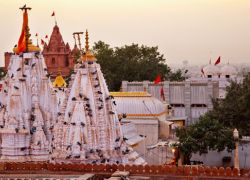
About Bhandeshwar Jain Temples, Bikaner History The Bhandeshwar Jain Temples in Bikaner are a group of beautifully crafted temples that date back to the 15th century. These temples were built during the rule of Maharaja Rai Singh, the sixth ruler of Bikaner. The intricate carvings and stunning architecture of the temples speak to the rich cultural and religious history of the region. Architecture and Design The Bhandeshwar Jain Temples are known for their exquisite architecture and design. The temples are made of red sandstone and feature intricate carvings, delicate sculptures, and elaborate lattice work. The interiors of the temples are adorned with beautiful paintings and frescoes that depict Jain teachings and mythology. Best Time to Visit While the Bhandeshwar Jain Temples can be visited throughout the year, the best time to visit is during the winter months from October to March when the weather is pleasant and cool. Cultural Significance The Bhandeshwar Jain Temples hold immense cultural significance for the Jain community as they are considered sacred places of worship. The temples are also significant for their historical importance and architectural beauty, attracting visitors from all over the world. Pilgrimage Practices Visitors to the Bhandeshwar Jain Temples can participate in various pilgrimage practices such as offering prayers, meditating, and performing rituals. Pilgrims often undertake a journey to the temples to seek spiritual enlightenment and blessings. Dress Code and Etiquette While visiting the Bhandeshwar Jain Temples, it is important to dress modestly and respectfully. Visitors should cover their shoulders and knees and remove their shoes before entering the temple premises. Silence and reverence should be maintained inside the temples to show respect for the religious practices. Activities and Experiences Visitors to the Bhandeshwar Jain Temples can engage in various activities and experiences such as attending religious ceremonies, exploring the intricate architecture, and learning about Jain teachings. The serene atmosphere of the temples provides a peaceful and reflective space for visitors. Art and Religious Symbols The Bhandeshwar Jain Temples are adorned with exquisite art and religious symbols that hold deep significance for the Jain community. The intricate carvings, paintings, and sculptures depict scenes from Jain mythology and teachings, creating a spiritual and aesthetic experience for visitors. Local Insights Local residents and guides at the Bhandeshwar Jain Temples can provide valuable insights into the history, architecture, and cultural significance of the temples. Visitors can learn about the traditions and practices of the Jain community and gain a deeper understanding of the spiritual heritage of the region.
Explore More
About Jain Temple Bhandasar, Bikaner History Jain Temple Bhandasar in Bikaner is a sacred place of worship for the Jain community. It was built by a wealthy merchant named Bhandasa Oswal in the 15th century. The construction of the temple took 45 years to complete, as it was meticulously designed and crafted with intricate marble carvings and vibrant frescoes. Architecture and Design The Jain Temple Bhandasar is renowned for its stunning architectural beauty. The temple is adorned with intricately carved marble columns, delicate filigree work, and colorful frescoes depicting Jain legends and stories. The temple's architecture is a perfect blend of Rajput and Mughal styles, making it a unique and visually stunning masterpiece. Best Time to Visit Winter months from October to March are the best time to visit Jain Temple Bhandasar in Bikaner, as the weather is pleasant and ideal for sightseeing. Cultural Significance The Jain Temple Bhandasar holds great cultural significance for the Jain community, as it is dedicated to the 5th Jain Tirthankara, Sumatinath. The temple is a symbol of Jain ideals such as non-violence, truth, and compassion. Pilgrimage Practices Pilgrims visiting the Jain Temple Bhandasar often perform rituals and prayers to seek blessings and spiritual enlightenment. Many followers also engage in meditation and reflection within the serene confines of the temple. Dress Code and Etiquette Visitors are required to dress modestly and cover their shoulders and legs while visiting the Jain Temple Bhandasar. It is customary to remove your shoes before entering the temple premises. Respectful behavior and silence are encouraged to maintain the sanctity of the temple. Activities and Experiences Visitors to Jain Temple Bhandasar can partake in various activities and experiences, such as exploring the exquisite architecture, admiring the intricate marble carvings, and soaking in the spiritual ambiance of the temple. Art and Religious Symbols The Jain Temple Bhandasar is adorned with beautiful artwork and religious symbols that symbolize Jain teachings and beliefs. Visitors can marvel at the detailed frescoes depicting Jain deities, Tirthankaras, and celestial beings. Local Insights Local guides at the Jain Temple Bhandasar can provide valuable insights into the history, architecture, and spiritual significance of the temple. Visitors can also learn about Jain customs, traditions, and rituals from the knowledgeable locals.
Explore More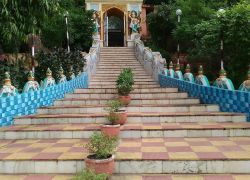
Welcome to the mesmerizing world of Pisan Hari Jain Temple nestled in the heart of Jabalpur. This iconic tourist attraction is renowned for its historical significance, architectural beauty, and rich biodiversity, making it a must-visit destination for nature lovers and history enthusiasts alike. History of Pisan Hari Jain Temple Steeped in history, Pisan Hari Jain Temple holds a significant place in Jabalpur's cultural heritage. Originally a royal hunting ground, this temple has witnessed the passage of time and stands as a testament to the rich legacy of the region. With dedicated conservation efforts and UNESCO recognition, the temple serves as a living monument to the past. Architecture and Natural Beauty of Pisan Hari Jain Temple Surrounded by lush wetlands, verdant forests, and sprawling grasslands, Pisan Hari Jain Temple offers a picturesque setting for visitors to immerse themselves in the lap of nature. The diverse bird habitats, breathtaking landscapes, and the ancient Keoladeo Temple within the park add to its architectural and natural allure. Why is Pisan Hari Jain Temple Famous? Pisan Hari Jain Temple is a haven for birdwatchers, photographers, and wildlife enthusiasts due to its remarkable biodiversity and serene ambiance. The park's unique blend of flora and fauna attracts visitors from far and wide, seeking to connect with nature and witness its wonders up close. How to Reach Pisan Hari Jain Temple Traveling to Pisan Hari Jain Temple is convenient with multiple options available. Visitors can reach the temple by air, rail, or road, with nearby airports and railway stations providing easy access to this natural paradise in Jabalpur. Weather and Best Time to Visit Pisan Hari Jain Temple Throughout the year, Pisan Hari Jain Temple showcases its beauty in different shades. While summers offer vibrant hues, the monsoon rejuvenates the landscape, and winters provide a tranquil escape. The best time to visit varies, but each season unveils a unique charm for visitors to enjoy. Timings of Pisan Hari Jain Temple Understanding the visitor timings and seasonal variations at Pisan Hari Jain Temple is crucial for planning a memorable trip. Whether exploring during the peak season or opting for a quieter visit, knowing the timings ensures a well-organized and enjoyable experience. Entry Fee and Visit Details When planning a visit to Pisan Hari Jain Temple, familiarize yourself with the entry procedures, guide services, safari options, bicycle rentals, and visitor facilities available. These details enhance the overall visit experience and make the trip more enriching for all guests. Things to Do at Pisan Hari Jain Temple Engage in a myriad of activities at Pisan Hari Jain Temple, including birdwatching, photography, cycling, nature walks, and educational experiences that offer insights into the park's ecosystem. Each activity promises a memorable and immersive encounter with nature. Interesting Facts About Pisan Hari Jain Temple Delve into the world of migratory birds, biodiversity conservation efforts, and the ecological importance of Pisan Hari Jain Temple. Uncover fascinating facts that highlight the park's role in preserving wildlife and sustaining a delicate balance within its natural surroundings. Travel Tips for Visiting Pisan Hari Jain Temple Prepare for your trip to Pisan Hari Jain Temple with practical advice on clothing choices, photography essentials, birdwatching equipment, ideal visiting seasons, and responsible tourism practices. These tips ensure a smooth and enjoyable visit while respecting the park's natural environment. Conclusion In conclusion, Pisan Hari Jain Temple in Jabalpur stands as a testament to the region's rich history, architectural splendor, and abundant biodiversity. A visit to this iconic hotspot promises a memorable experience, offering a harmonious blend of cultural heritage and natural wonders for visitors to cherish and explore.
Explore More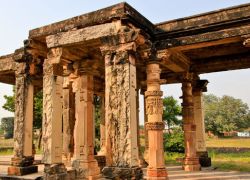
About Ghantai Temple, Khajuraho History The Ghantai Temple is located in Khajuraho, a UNESCO World Heritage Site known for its beautiful temples. The temple was built in the 10th century by the Chandela dynasty, dedicated to the Jain religion. It is named after the bells (ghanta) that adorn the outer walls of the temple. Architecture and Design The Ghantai Temple showcases intricate carvings and sculptures that depict various Jain deities and celestial beings. The temple's architecture follows the traditional Nagara style with a shikara (spire) and mandapa (pillared hall). The outer walls are adorned with images of tirthankaras (spiritual teachers) and scenes from Jain mythology. Best Time to Visit Visit during the winter months from October to March for pleasant weather. Avoid the monsoon season from July to September due to heavy rainfall. Plan your visit early in the morning or late in the evening to avoid the crowds. Cultural Significance The Ghantai Temple is an important pilgrimage site for Jains, attracting devotees from around the world. It symbolizes peace, harmony, and spiritual enlightenment, making it a sacred place for meditation and prayer. Pilgrimage Practices Visitors to the Ghantai Temple are encouraged to observe silence, respect the sanctity of the temple, and participate in rituals such as offering prayers and lighting incense. Pilgrims often perform parikrama (circumambulation) around the temple as a form of devotion. Dress Code and Etiquette Visitors are expected to dress modestly when visiting the Ghantai Temple, covering their shoulders and knees. Shoes are not allowed inside the temple premises, so it is recommended to wear comfortable footwear that can easily be removed before entering. Activities and Experiences Visitors can explore the intricate carvings and sculptures of the Ghantai Temple, learn about Jain mythology and teachings, and participate in meditation and prayer sessions. Guided tours are also available for those interested in learning more about the history and significance of the temple. Art and Religious Symbols The Ghantai Temple features stunning artwork that showcases the creativity and craftsmanship of the Chandela artisans. The temple's sculptures and carvings depict various Jain deities, symbols, and mythological stories, reflecting the spiritual beliefs and practices of the Jain community. Local Insights Local guides and historians can provide valuable insights into the history, architecture, and significance of the Ghantai Temple. They can share stories and anecdotes that offer a deeper understanding of the temple's cultural and religious significance, making your visit a truly enriching experience.
Explore More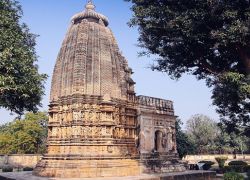
About Adinath Temple, Khajuraho History The Adinath Temple in Khajuraho, India is a significant Jain temple that dates back to the 11th century. It was built during the Chandela dynasty and is dedicated to the Jain Tirthankara, Adinath. The temple complex is known for its intricate carvings and stunning architecture, which showcases the skill and craftsmanship of the artisans of that era. Architecture and Design The Adinath Temple is a fine example of Nagara style architecture, characterized by its tall spires. The temple is adorned with elaborate sculptures of Jain deities, celestial beings, and mythological creatures. The intricate carvings on the walls depict scenes from Jain mythology and everyday life. The temple's sanctum sanctorum houses the idol of Adinath, which is worshipped by devotees. Best Time to Visit - The best time to visit the Adinath Temple is during the winter months from November to February when the weather is pleasant. - It is recommended to visit early in the morning or late in the evening to avoid the heat of the day. - Plan your visit during the Khajuraho Dance Festival held in February, where you can witness traditional Indian dance performances against the backdrop of the illuminated temples. Cultural Significance The Adinath Temple holds immense cultural significance for the Jain community as a place of worship and pilgrimage. It is a symbol of Jain architecture and religious heritage, reflecting the values and beliefs of the Jain faith through its art and design. Pilgrimage Practices Devotees visiting the Adinath Temple engage in various religious practices such as offering prayers, performing rituals, and seeking blessings from the deity. Some pilgrims also undertake fasting and meditation as a form of spiritual discipline during their visit to the temple. Dress Code and Etiquette Visitors to the Adinath Temple are required to dress modestly and respectfully. It is advisable to wear appropriate attire that covers the shoulders and knees. Removing footwear before entering the temple premises is a common practice to show reverence to the sacred space. Silence and decorum are also expected inside the temple to maintain the sanctity of the place of worship. Activities and Experiences While at the Adinath Temple, visitors can participate in various activities such as attending religious ceremonies, exploring the temple complex, and admiring the intricate carvings and sculptures. Additionally, visitors can engage in meditation and prayer to experience a sense of spiritual tranquility in the serene ambiance of the temple. Art and Religious Symbols The Adinath Temple is adorned with exquisite artwork and religious symbols that depict Jain cosmology and spiritual philosophy. The intricate carvings on the temple walls showcase scenes from Jain mythology, the life of Adinath, and the principles of non-violence, truth, and compassion that are central to Jainism. Local Insights Local guides and historians can provide valuable insights into the history, architecture, and cultural significance of the Adinath Temple. They can offer a deeper understanding of the symbolism and significance of the sculptures and carvings, as well as share fascinating stories and anecdotes related to the temple and its place in Jain heritage.
Explore More
About Pareshnath Jain Temple, Kolkata The Pareshnath Jain Temple is a popular religious site located in the city of Kolkata, West Bengal. It is dedicated to the Jain community and is known for its intricate architecture and serene ambiance. The temple attracts devotees and tourists alike from all over the country who come to seek blessings and marvel at the beauty of the temple. History The Pareshnath Jain Temple was built in the late 19th century by a group of Jain merchants who settled in Kolkata. The temple was dedicated to the 10th Jain Tirthankara, Shri Sital Nath Ji. Over the years, the temple has undergone several renovations and expansions, but its original charm and spiritual significance have remained intact. Architecture and Design The Pareshnath Jain Temple features a blend of traditional Jain architecture with modern design elements. The temple is adorned with intricate carvings, colorful murals, and marble statues. The main sanctum sanctorum houses the idol of Lord Sital Nath Ji, and the entire temple complex exudes a sense of peace and tranquility. Best Time to Visit Visiting the Pareshnath Jain Temple is ideal during the winter months (October to March) when the weather is pleasant and conducive for exploring the temple premises. The temple is open throughout the year, but it is advisable to avoid visiting during monsoon season due to heavy rainfall. Cultural Significance The Pareshnath Jain Temple holds great cultural significance for the Jain community in Kolkata. It is a place of worship, meditation, and spiritual learning for followers of Jainism. The temple also serves as a venue for religious festivals, rituals, and community gatherings. Pilgrimage Practices Devotees visiting the Pareshnath Jain Temple often engage in traditional practices such as offering prayers, performing rituals, and seeking blessings from the deity. Pilgrims may also participate in religious discourses, bhajans, and meditation sessions conducted at the temple premises. Dress Code and Etiquette Visitors to the Pareshnath Jain Temple are required to dress modestly and remove their footwear before entering the temple premises. Additionally, it is important to maintain silence and respect the sanctity of the temple. Photography and videography may be restricted in certain areas of the temple. Activities and Experiences Some of the activities and experiences that visitors can enjoy at the Pareshnath Jain Temple include attending religious ceremonies, exploring the temple complex, and interacting with the resident priests. The temple also hosts cultural programs, lectures, and workshops on Jain philosophy and spirituality. Art and Religious Symbols The Pareshnath Jain Temple is known for its exquisite artistry and religious symbolism. The temple walls are adorned with intricate paintings depicting scenes from Jain mythology and teachings. Symbolic representations of Jain deities, Tirthankaras, and sacred symbols can be found throughout the temple. Local Insights For a deeper understanding of the history and significance of the Pareshnath Jain Temple, visitors can interact with the local Jain community members and temple authorities. They can provide insights into the customs, traditions, and practices followed at the temple, as well as offer guidance on exploring the spiritual aspects of Jainism.
Explore More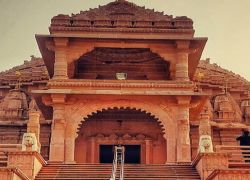
Shantinath Digambar Jain Temple
About Shantinath Digambar Jain Temple, Nagpur Shantinath Digambar Jain Temple, located in Nagpur, is a significant religious site for the Jain community. Dedicated to Lord Shantinath, the temple is renowned for its stunning architecture and serene ambiance. History, Architecture, and Design The Shantinath Digambar Jain Temple was built in the early 20th century and showcases traditional Jain architecture. The temple's intricate carvings, marble pillars, and colorful domes are a sight to behold. Its peaceful surroundings and ornate design make it a must-visit for architecture enthusiasts and spiritual seekers alike. Best Time to Visit The temple is open throughout the year, but the best time to visit is during the Jain festivals such as Mahavir Jayanti or Paryushan Parva. Avoid visiting during peak hours to experience a more peaceful and tranquil atmosphere. Cultural Significance The Shantinath Digambar Jain Temple holds great cultural significance for the Jain community. It is a place of worship and reflection, where devotees come to seek blessings, offer prayers, and engage in spiritual practices. Pilgrimage Practices Devotees visiting the temple often engage in traditional Jain practices such as meditation, prayers, and offerings. It is believed that by following these practices, one can attain spiritual enlightenment and inner peace. Dress Code and Etiquette Visitors to the Shantinath Digambar Jain Temple are expected to dress modestly and respectfully. It is customary to remove footwear before entering the temple premises and maintain a quiet and reverent demeanor while inside. Activities and Experiences Some of the activities and experiences that visitors can enjoy at the temple include participating in religious ceremonies, attending lectures on Jain philosophy, and exploring the temple's beautiful surroundings. The tranquil atmosphere and spiritual energy of the temple make it an ideal place for introspection and meditation. Art and Religious Symbols The Shantinath Digambar Jain Temple is adorned with intricate artwork and religious symbols that hold deep significance for the Jain community. The temple's walls are adorned with colorful paintings depicting scenes from Jain mythology and teachings, while its architecture is a testament to the rich heritage and spiritual beliefs of the Jain faith. Local Insights Visitors to the Shantinath Digambar Jain Temple can gain insights into the local Jain community's customs, traditions, and way of life. Interacting with local devotees and participating in temple activities can provide a deeper understanding of Jain culture and spirituality.
Explore More
The Mahavir Mandir in Patna, Bihar, is a renowned Hindu temple dedicated to Lord Hanuman. It was founded in the early 20th century by Swami Balananda, a saint and philanthropist. The temple has since become a significant religious and cultural landmark in the region, attracting thousands of devotees every year. Architecture and Design The Mahavir Mandir boasts a striking architectural design, with intricate carvings, colorful paintings, and a towering spire that reaches towards the sky. The temple complex is spread over a large area, with various shrines, prayer halls, and pavilions for worshippers to explore. The overall ambiance of the temple is one of peace, serenity, and devotion. Best Time to Visit - The best time to visit Mahavir Mandir is during the Hindu festival of Hanuman Jayanti, which falls in the month of Chaitra (March-April). - Another ideal time to visit is during the festival of Diwali, when the temple is beautifully decorated with lights and flowers. Cultural Significance The Mahavir Mandir holds immense cultural significance for the people of Bihar and beyond. It is believed that worshipping at this temple can bestow blessings of strength, courage, and protection from evil forces. The temple also serves as a hub for various religious and cultural events throughout the year, bringing communities together in celebration and prayer. Pilgrimage Practices Devotees visiting the Mahavir Mandir are encouraged to perform various rituals and practices to show their devotion to Lord Hanuman. This may include offering prayers, lighting incense sticks, and making offerings of flowers and fruits. Many pilgrims also participate in group chanting of Hanuman Chalisa, a sacred hymn dedicated to Lord Hanuman. Dress Code and Etiquette While there is no strict dress code enforced at the Mahavir Mandir, visitors are encouraged to dress modestly and respectfully. It is customary to remove shoes before entering the temple premises and to maintain a quiet and reverent demeanor while inside. Taking photographs or video recordings may be restricted in certain areas of the temple. Activities and Experiences Visitors to the Mahavir Mandir can engage in a variety of activities to enhance their spiritual experience. This may include attending daily prayer ceremonies, participating in guided tours of the temple complex, and seeking blessings from the resident priests. The temple also hosts cultural programs, religious discourses, and philanthropic initiatives for the benefit of the community. Art and Religious Symbols The Mahavir Mandir is adorned with exquisite artwork and religious symbols that pay homage to Lord Hanuman and other deities. Intricate carvings, vibrant paintings, and ornate sculptures can be found throughout the temple, depicting scenes from Hindu mythology and teachings. The presence of these artistic elements adds to the spiritual ambiance of the temple. Local Insights Visiting the Mahavir Mandir offers a unique opportunity to immerse oneself in the local culture and customs of Patna. Interacting with the temple staff, participating in religious ceremonies, and exploring nearby markets and eateries can provide valuable insights into the daily life of the residents. Many locals are eager to share their knowledge and experiences with visitors, creating a welcoming and enriching environment for all.
Explore More7 Days Kilimanjaro Climb - Londorosi Route Tour
7 Days/ 6 Night
Moshi - Kilimanjaro
Kerala With Rameshwaram - Madurai 10N 11D Tour
11 Days/ 10 Night
Kovalam - Thekkady - Alleppey - Kanyakumari - Madurai - Rameshwaram - Munnar
4 Days Untamed Tanzania Wildlife Safari Experience
4 Days/ 3 Night
Arusha
6 Days - 5 Nights - Okavango Delta Focus Safari Tour
6 Days/ 5 Night
Okavango Delta

About Jainath Temple The Jainath Temple, located in Adilabad, is a significant religious site for the Jain community in India. It is a place of worship and pilgrimage for followers of Jainism, a religion that emphasizes non-violence and spiritual enlightenment. The temple is known for its intricate architecture, rich history, and cultural significance. History, Architecture and Design The Jainath Temple dates back to ancient times and is believed to have been built during the 10th century. The temple is dedicated to Lord Adinath, the first Tirthankara of Jainism. The architecture of the temple is a blend of Dravidian and Nagara styles, with intricate carvings and sculptures depicting Jain deities and symbols. The temple is adorned with colorful frescoes and intricate stone carvings, showcasing the craftsmanship and artistic skill of the artisans who built it. Best Time to Visit 1. The best time to visit the Jainath Temple is during the winter months, from October to February, when the weather is pleasant and cool. 2. Avoid visiting during the summer months, as temperatures can soar and make it uncomfortable for outdoor activities. 3. The temple is particularly crowded during Jain festivals and auspicious days, so plan your visit accordingly to experience the vibrant cultural celebrations. Cultural Significance The Jainath Temple is considered a sacred site for the Jain community, who come here to pray, meditate, and seek spiritual guidance. The temple is also a symbol of Jain heritage and tradition, preserving the teachings and ideals of Jainism for future generations. The temple's architecture and design reflect the rich cultural heritage of Jainism, making it a significant cultural landmark in Adilabad. Pilgrimage Practices Visitors to the Jainath Temple are encouraged to participate in traditional pilgrimage practices, such as offering prayers, performing rituals, and seeking blessings from the deities. Pilgrims often walk barefoot around the temple premises as a sign of humility and devotion. Many visitors also participate in meditation and yoga sessions to deepen their spiritual connection with the divine. Dress Code and Etiquette When visiting the Jainath Temple, it is important to dress modestly and respectfully, covering your shoulders and knees. Remove your shoes before entering the temple premises as a sign of respect for the sacred space. Visitors are expected to maintain silence and refrain from engaging in loud or disruptive behavior inside the temple. Photography and videography may be restricted, so be sure to follow the guidelines set by the temple authorities. Activities and Experiences Visitors to the Jainath Temple can participate in a variety of activities and experiences to enhance their spiritual journey. Attend religious ceremonies and rituals, listen to spiritual discourses, and interact with the temple priests to gain insights into Jain philosophy and practices. Take a guided tour of the temple complex to learn about its history and significance, or simply sit in quiet contemplation in the peaceful surroundings of the temple. Art and Religious Symbols The Jainath Temple is adorned with intricate stone carvings, colorful frescoes, and beautiful sculptures depicting Jain deities, symbols, and mythological scenes. The temple's architecture and design are a testament to the artistic skill and craftsmanship of the artisans who built it. Visitors can admire the intricate details of the temple's artwork and learn about the religious symbolism behind each carving and sculpture. Local Insights When visiting the Jainath Temple, take the time to explore the surrounding area and interact with the local community. Sample traditional Jain cuisine at nearby eateries, shop for handicrafts and souvenirs at local markets, and immerse yourself in the rich cultural heritage of Adilabad. Talk to the locals to gain insights into the history and significance of the temple, and learn about the customs and traditions of the Jain community in the region.
Explore More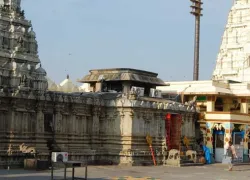
Hinkar Thirtha is a renowned pilgrimage site located in Vijayawada, Andhra Pradesh. It holds great religious significance for devotees and visitors alike. The temple is dedicated to Lord Shiva and is known for its beautiful architecture and serene atmosphere. History The history of Hinkar Thirtha dates back centuries, with references to the temple found in ancient texts and scriptures. It is believed to have been built during the rule of the Chalukya dynasty and has since been a place of worship and spiritual solace for countless devotees. Architecture and Design The temple boasts impressive architecture and design, featuring intricate carvings, majestic pillars, and stunning sculptures of various Hindu deities. The main shrine is adorned with intricate artwork, creating a peaceful and sacred ambiance for visitors. Best Time to Visit Visiting Hinkar Thirtha can be a wonderful experience at any time of the year. However, the best time to visit is during the winter months, from November to February, when the weather is cool and pleasant. Cultural Significance Hinkar Thirtha holds immense cultural significance as a place of worship and spiritual healing. It is believed that prayers offered at the temple bring peace, prosperity, and blessings to devotees. Pilgrimage Practices Devotees visiting Hinkar Thirtha often engage in various pilgrimage practices such as offering prayers, performing rituals, and seeking blessings from the deity. Many also participate in special events and ceremonies held at the temple. Dress Code and Etiquette While visiting Hinkar Thirtha, it is important to dress modestly and respectfully. Both men and women are advised to wear traditional attire and avoid revealing clothing. Visitors are also expected to maintain silence and show reverence towards the deity. Activities and Experiences Visitors to Hinkar Thirtha can partake in a range of activities and experiences. These include attending puja ceremonies, exploring the temple complex, meditating in the peaceful surroundings, and participating in cultural events and festivals. Art and Religious Symbols The temple is adorned with exquisite artwork and religious symbols that depict various aspects of Hindu mythology and spirituality. Intricate carvings, colorful paintings, and sacred symbols can be seen throughout the temple complex, adding to its beauty and significance. Local Insights Local residents and priests at Hinkar Thirtha offer valuable insights into the temple's history, traditions, and spiritual practices. Visitors can engage with them to learn more about the significance of the temple and its role in the local community.
Explore More
Welcome to Navagraha Teertha, a captivating tourist attraction located in Hubli. This destination offers a unique blend of natural beauty, biodiversity, and historical significance, making it a must-visit for nature enthusiasts, birdwatchers, and photographers alike. History of Navagraha Teertha Navagraha Teertha holds a rich historical background, once serving as royal hunting grounds for the local rulers. Over the years, concerted conservation efforts have transformed it into a sanctuary for various bird species. This dedication to preservation has earned Navagraha Teertha recognition from UNESCO for its role in biodiversity conservation. Architecture and Natural Beauty of Navagraha Teertha The park boasts lush wetlands, dense forests, sprawling grasslands, and diverse bird habitats. One of its notable features is the ancient Keoladeo Temple, adding a touch of historical charm to the picturesque landscapes of the park. Why is Navagraha Teertha Famous? Navagraha Teertha is renowned for its diverse bird population, making it a paradise for birdwatchers. The park's natural beauty and tranquil environment also attract photographers, nature enthusiasts, and wildlife lovers seeking a peaceful retreat amidst nature. How to Reach Navagraha Teertha Travelling to Navagraha Teertha is convenient, with options available by air, rail, and road. The nearest airport is located in Hubli, while the city's railway station provides easy access for those arriving by train. Road connectivity to the park is well-maintained, ensuring a hassle-free journey for visitors. Weather and Best Time to Visit Navagraha Teertha Navagraha Teertha experiences varying weather conditions throughout the year. While summers can be hot, the monsoon brings lush greenery to the park. The best time to visit is during the winter months when the weather is pleasant, and the park is teeming with birdlife. Timings of Navagraha Teertha The park welcomes visitors during specific timings, allowing them to explore its beauty at their convenience. It's advisable to check for any seasonal variations in timings to plan your visit effectively and make the most of your time at Navagraha Teertha. Entry Fee and Visit Details Visitors can gain entry to Navagraha Teertha by following the designated procedures. Guide services are available for those seeking expert insights, and safari options offer a closer look at the park's wildlife. Additionally, bicycle rentals and essential visitor facilities are provided to enhance the overall experience. Things to Do at Navagraha Teertha Navagraha Teertha offers a plethora of activities for visitors to engage in, including birdwatching, photography, cycling through scenic trails, walking amidst nature, and educational experiences to learn more about the park's ecosystem. Each activity promises a unique and enriching experience. Interesting Facts About Navagraha Teertha Navagraha Teertha is home to a diverse range of migratory birds, showcasing the park's ecological importance. The conservation efforts undertaken here have led to significant biodiversity preservation and conservation achievements, making it a critical sanctuary for various species. Travel Tips for Visiting Navagraha Teertha When visiting Navagraha Teertha, it's advisable to dress comfortably and carry necessary photography and birdwatching equipment. Understanding the best visiting seasons and practicing responsible tourism by respecting the park's rules and wildlife are essential for a meaningful and enjoyable experience. Conclusion In conclusion, Navagraha Teertha in Hubli stands as a testament to the harmonious coexistence of nature and history. Its serene landscapes, diverse birdlife, and conservation efforts make it a destination worth exploring for anyone seeking a tranquil retreat amidst nature's wonders.
Explore More
Welcome to the charming city of Dimapur, where culture, history, and natural beauty converge to create a mesmerizing tourist experience. One of the must-visit attractions in Dimapur is the serene Dimapur Jain Temple. This sacred site holds a significant place in the hearts of locals and travelers alike, offering a tranquil retreat amidst the bustling city life. History of Dimapur Jain Temple The Dimapur Jain Temple has a rich historical background dating back to ancient times. Originally serving as a place of worship and meditation, the temple stands as a testament to the city's cultural heritage. Formerly a royal hunting ground, the temple has undergone extensive conservation efforts to preserve its architectural marvels. Its historical importance has garnered recognition from UNESCO, highlighting its significance in the region. Architecture and Natural Beauty of Dimapur Jain Temple Surrounded by lush greenery and serene landscapes, the Dimapur Jain Temple offers a peaceful ambiance for visitors to explore. The temple is nestled amidst forests, wetlands, and grasslands, providing a habitat for diverse bird species. The nearby Keoladeo Temple adds to the historical charm of the surroundings, enhancing the overall natural beauty of the area. Why is Dimapur Jain Temple Famous? The Dimapur Jain Temple is renowned for its spiritual aura and picturesque surroundings, making it a popular destination for birdwatchers, photographers, and nature enthusiasts. The temple's tranquil environment and diverse wildlife attract wildlife lovers seeking a unique experience in the heart of Dimapur. How to Reach Dimapur Jain Temple Traveling to Dimapur Jain Temple is convenient, with various transportation options available. Visitors can reach Dimapur by air, rail, or road, with nearby airports and railway stations providing easy access to the temple. The well-connected road network ensures a smooth journey for travelers seeking to explore this sacred site. Weather and Best Time to Visit Dimapur Jain Temple The weather in Dimapur varies across seasons, offering different experiences throughout the year. Summer brings warm temperatures, while the monsoon season offers lush greenery and occasional showers. Winter provides a pleasant climate, making it the best time to visit the Dimapur Jain Temple. The months between October and March are ideal for exploring this serene retreat. Timings of Dimapur Jain Temple The Dimapur Jain Temple welcomes visitors during specific timings, ensuring a memorable experience for all. Seasonal variations may affect the temple's accessibility, so it is advisable to plan your visit accordingly. Understanding the visitor timings and planning ahead will enhance your overall trip to this sacred site. Entry Fee and Visit Details Entry to the Dimapur Jain Temple is subject to specific procedures, including guide services, safari options, and bicycle rentals for visitors. The temple offers essential facilities to ensure a comfortable visit for all guests, adding to the convenience and enjoyment of exploring this cultural gem. Things to Do at Dimapur Jain Temple Visitors to the Dimapur Jain Temple can engage in a variety of activities to make the most of their trip. From birdwatching and photography to cycling and nature observation, there are ample opportunities to immerse yourself in the tranquility of the surroundings. Walking trails and educational experiences further enrich the visit, providing a holistic exploration of this sacred site. Interesting Facts About Dimapur Jain Temple The Dimapur Jain Temple boasts fascinating facts related to migratory birds, biodiversity conservation, and ecological importance. The temple's role in preserving the region's natural heritage and cultural significance adds to its allure, making it a place of interest for eco-conscious travelers and history enthusiasts. Travel Tips for Visiting Dimapur Jain Temple When planning a visit to the Dimapur Jain Temple, consider practical tips to enhance your experience. Choose appropriate clothing for the weather, pack essential photography and birdwatching equipment, and visit during the recommended seasons for optimal sightings. Embracing responsible tourism practices ensures the preservation of this sacred site for future generations. Conclusion In conclusion, the Dimapur Jain Temple in Dimapur stands out as a cultural gem, offering a blend of history, spirituality, and natural beauty. Visitors can immerse themselves in the tranquility of the temple grounds while exploring the diverse wildlife and serene landscapes. A trip to the Dimapur Jain Temple promises a unique and enriching experience, making it a must-visit destination in Dimapur for travelers seeking a peaceful retreat amidst nature.
Explore More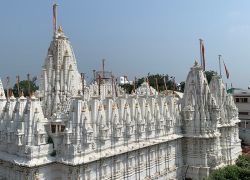
Panchasara Parshwanath Jain Derasar
Panchasara Parshwanath Jain Derasar is one of the most important and ancient Jain temples located in Patan, Gujarat. Dedicated to Lord Parshwanath, the 23rd Tirthankara of Jainism, this sacred temple holds immense religious significance among Jain devotees. Known for its spiritual atmosphere, intricate carvings, and historical value, the derasar attracts pilgrims and tourists from across India. Situated in the historic city of Patan, which was once the capital of the Solanki dynasty, the temple reflects the rich cultural and religious heritage of the region. The peaceful surroundings and beautifully crafted structure make it a must-visit destination for those seeking spiritual and architectural experiences. Why Famous for Panchasara Parshwanath Jain Derasar, Patan, Gujarat? The temple is famous for its religious importance and devotion to Lord Parshwanath. It is considered one of the प्रमुख Jain pilgrimage sites in Gujarat. It is also known for its beautiful marble carvings and detailed craftsmanship, which showcase the excellence of traditional Jain architecture. The serene environment inside the temple creates a divine and calming experience for visitors. The derasar is especially popular during Jain festivals, when devotees gather to perform rituals and prayers. History of Panchasara Parshwanath Jain Derasar, Patan, Gujarat The history of Panchasara Parshwanath Jain Derasar dates back to ancient times and is associated with the Solanki period. It is believed that the temple was built by devoted followers of Jainism who wanted to create a sacred place for worship. The temple has undergone several renovations and restorations over the centuries, ensuring that its beauty and structure remain intact. Despite changes over time, it continues to hold its spiritual significance and historical charm. Patan itself has been a center of Jain culture, and this temple is one of its most treasured landmarks. Architecture of Panchasara Parshwanath Jain Derasar The architecture of the temple is a stunning example of traditional Jain temple design, characterized by intricate detailing and elegant construction. Key architectural features include: • Marble Structure: Built using high-quality white marble. • Intricate Carvings: Detailed artwork on walls, pillars, and ceilings. • Idol of Lord Parshwanath: Beautifully crafted main deity. • Ornate Pillars: Designed with fine craftsmanship. • Peaceful Interiors: Ideal for meditation and prayer. The temple reflects simplicity, purity, and devotion, which are key aspects of Jain philosophy. Things to Do at Panchasara Parshwanath Jain Derasar, Patan, Gujarat Visitors can enjoy a range of activities: 1. Offer Prayers: Seek blessings from Lord Parshwanath. 2. Meditation: Spend time in a peaceful environment. 3. Explore Architecture: Admire the carvings and design. 4. Learn Jain Culture: Understand traditions and teachings. 5. Photography: Capture exterior views (as permitted). Entry and Visit Details Entry Fee: Entry to the temple is free. Visit Duration: Visitors typically spend around 1 hour at the temple. Facilities: Basic facilities such as drinking water and resting areas are available. Visitors must follow temple rules and maintain silence and cleanliness. Timings of Panchasara Parshwanath Jain Derasar The temple is generally open from 6:00 AM to 7:00 PM. Timings may vary during festivals or special पूजा days. Weather at Panchasara Parshwanath Jain Derasar, Patan, Gujarat The climate in Patan is as follows: Summer (March to June): Hot, with temperatures up to 42°C. Monsoon (July to September): Moderate rainfall. Winter (October to February): Pleasant, with temperatures between 10°C and 25°C. Winter is the best time to visit for a comfortable and peaceful experience. How to Reach Panchasara Parshwanath Jain Derasar, Patan, Gujarat By Air: The nearest airport is Ahmedabad Airport, about 125 km away. By Train: The nearest railway station is Patan Railway Station. By Road: Patan is well connected by road to Ahmedabad, Mehsana, and nearby cities. Buses, taxis, and private vehicles are available. The temple is located within the city and can be easily reached by local transport. Interesting Facts about Panchasara Parshwanath Jain Derasar • It is dedicated to Lord Parshwanath, the 23rd Tirthankara. • It is one of the oldest Jain temples in Patan. • The temple features intricate marble carvings. • It is an important pilgrimage site for Jain devotees. Travel Tips for Panchasara Parshwanath Jain Derasar • Wear modest and traditional clothing. • Maintain silence inside the temple. • Remove footwear before entering. • Avoid photography inside the temple unless allowed. • Visit early morning for a peaceful experience. Conclusion Panchasara Parshwanath Jain Derasar in Patan is a sacred and historically rich destination that beautifully represents Jain culture and devotion. Its stunning architecture, peaceful environment, and spiritual significance make it a must-visit place for pilgrims and tourists alike. A visit to this temple offers a deep sense of peace and a connection to ancient traditions.
Explore More
About Tijara Jain Temple History The Tijara Jain Temple, located in Alwar, is a significant pilgrimage site for the Jain community. The temple dates back to the 8th century and is dedicated to Lord Mahavira, the 24th Tirthankara of Jainism. It serves as a place of worship, reflection, and spiritual growth for followers of the Jain faith. Architecture and Design The Tijara Jain Temple is renowned for its stunning architecture and intricate design. The temple features exquisite carvings, ornate pillars, and beautiful sculptures that showcase the craftsmanship and artistry of ancient Jain architects. The temple's walls are adorned with colorful frescoes depicting scenes from Jain mythology, creating a serene and sacred atmosphere for visitors. Best Time to Visit The best time to visit the Tijara Jain Temple is during the winter months, from October to March, when the weather is pleasant and suitable for exploring the temple complex. Avoid visiting during the summer months, as temperatures can soar in Alwar, making it uncomfortable to roam around the temple. Cultural Significance The Tijara Jain Temple holds immense cultural significance for the Jain community, as it serves as a place of worship, meditation, and spiritual enlightenment. The temple is a symbol of Jain heritage and tradition, and its preservation is crucial for maintaining the rich cultural legacy of Jainism. Pilgrimage Practices Visitors are required to remove their shoes before entering the temple premises as a sign of respect. Pilgrims often perform rituals such as offering prayers, lighting incense sticks, and making offerings of flowers and fruits to Lord Mahavira. The temple complex also includes meditation halls and prayer rooms where devotees can engage in spiritual practices and seek inner peace. Dress Code and Etiquette Visitors are expected to dress modestly and appropriately when visiting the temple, covering their shoulders and knees out of respect for the sacredness of the site. Refrain from taking photographs inside the temple premises, as it is considered disrespectful to the sanctity of the place. Observe silence and maintain a calm and respectful demeanor while inside the temple to avoid disturbing others who are engaged in prayer and meditation. Activities and Experiences Visitors to the Tijara Jain Temple can participate in a variety of activities and experiences that enhance their spiritual journey and cultural understanding. Some of the activities include attending religious ceremonies, exploring the temple complex, interacting with Jain monks, and learning about Jain teachings and philosophy. Art and Religious Symbols The Tijara Jain Temple is adorned with intricate artwork, including intricate carvings, colorful frescoes, and symbolic sculptures that depict Jain deities, teachings, and stories. The temple's architecture is a blend of artistic creativity and spiritual symbolism, creating a visually stunning and spiritually uplifting environment for visitors. Local Insights Visiting the Tijara Jain Temple offers a unique opportunity to gain insights into Jain culture, traditions, and beliefs. Interacting with local devotees, attending religious ceremonies, and exploring the temple's architecture provide a deeper understanding of Jainism and its significance in the local community. Engaging with the local community allows visitors to appreciate the cultural richness and spiritual depth of Jain heritage in Alwar.
Explore More
About the Mount Abu Jain Temples The Mount Abu Jain Temples are a group of ancient temples located in the picturesque hill station of Mount Abu in Rajasthan, India. These temples hold great cultural and religious significance for the Jain community and attract devotees and tourists from all over the world. The temples are known for their stunning architecture, intricate carvings, and serene surroundings, making them a must-visit destination for anyone interested in spirituality and history. History, Architecture, and Design The Mount Abu Jain Temples have a rich history dating back to the 11th century when they were built by the Parmar dynasty. The temples showcase a unique blend of Rajput and Jain architectural styles, with intricate marble carvings, domes, and pillars adorning the structures. The temples are dedicated to various Jain Tirthankaras and feature beautiful idols and sculptures that are a testament to the craftsmanship of the artisans of that time. Best Time to Visit - The best time to visit the Mount Abu Jain Temples is during the winter months from October to March when the weather is pleasant and conducive for exploring the temples and surrounding areas. - Avoid visiting during the monsoon season, from July to September, as the region experiences heavy rainfall and the temples may be slippery and inaccessible. Cultural Significance The Mount Abu Jain Temples hold immense cultural significance for the Jain community as they are considered sacred places of worship and pilgrimage. The temples are also important from a historical perspective as they showcase the rich heritage and architectural prowess of the region. Pilgrimage Practices Devotees visiting the Mount Abu Jain Temples engage in various pilgrimage practices such as offering prayers, performing rituals, and participating in religious ceremonies. The temples are considered a place of spiritual rejuvenation and enlightenment, and pilgrims often spend hours meditating and seeking blessings from the deities. Dress Code and Etiquette Visitors to the Mount Abu Jain Temples are required to dress modestly and adhere to the customs and traditions of the Jain community. It is recommended to wear conservative clothing that covers the shoulders and knees, remove shoes before entering the temples, and maintain a respectful demeanor while inside the sacred premises. Activities and Experiences While visiting the Mount Abu Jain Temples, visitors can partake in a variety of activities and experiences such as attending religious ceremonies, exploring the intricate carvings and sculptures, and soaking in the peaceful ambience of the temples. Additionally, visitors can also explore the surrounding areas of Mount Abu and indulge in nature walks and sightseeing. Art and Religious Symbols The Mount Abu Jain Temples are adorned with exquisite art and religious symbols that depict the teachings and principles of Jainism. The temples feature intricate carvings of Tirthankaras, Jain deities, and celestial beings, as well as symbols such as the swastika and lotus that hold deep spiritual significance in Jain culture. Local Insights Visitors to the Mount Abu Jain Temples can gain valuable insights into the local culture and traditions of the Jain community by interacting with the priests, attending religious discourses, and observing the daily rituals and practices followed at the temples. Local guides are also available to provide in-depth knowledge about the history and significance of the temples.
Explore More
About Jain Temple, Chittorgarh History The Jain Temple in Chittorgarh has a rich history dating back to centuries. It is believed to have been built during the 11th century by the Solanki dynasty. The temple has witnessed various renovations and additions over the years, making it a significant historical and architectural landmark in the region. Architecture and Design The Jain Temple in Chittorgarh showcases exquisite architecture and intricate design elements. The temple features stunning sculptures, detailed carvings, and beautiful idols of Jain Tirthankaras. The structure reflects a blend of traditional Rajput and Jain architectural styles, making it a visually appealing sight for visitors. Best Time to Visit - The best time to visit Jain Temple, Chittorgarh is during the winter months from October to March when the weather is pleasant and ideal for sightseeing. - It is recommended to avoid visiting during the summer months from April to June as the temperatures can be extremely hot and uncomfortable. Cultural Significance The Jain Temple holds immense cultural significance for the Jain community and locals in Chittorgarh. It serves as a sacred place of worship and pilgrimage, attracting devotees from far and wide to seek blessings and spiritual solace. Pilgrimage Practices Devotees visiting the Jain Temple in Chittorgarh often engage in various pilgrimage practices such as offering prayers, performing rituals, and participating in religious ceremonies. It is a place where believers come to connect with their faith and deepen their spiritual bond with the divine. Dress Code and Etiquette Visitors are advised to dress modestly and respect the religious sanctity of the Jain Temple. It is customary to remove shoes before entering the temple premises and maintain a quiet and reverent demeanor while inside. Taking photographs or video recordings may be restricted, so it is essential to adhere to the guidelines and show reverence towards the sacred space. Activities and Experiences Visitors to the Jain Temple can indulge in a variety of activities and experiences to enhance their spiritual journey. They can participate in guided tours, attend religious ceremonies, explore the temple complex, and interact with local devotees to gain insights into Jain traditions and customs. Art and Religious Symbols The Jain Temple in Chittorgarh is adorned with exquisite artistry and religious symbols that hold deep spiritual significance for followers of Jainism. From intricate sculptures of Tirthankaras to symbolic motifs and depictions of Jain mythology, the temple serves as a visual feast for art enthusiasts and religious devotees alike. Local Insights Visiting the Jain Temple in Chittorgarh offers travelers a unique opportunity to immerse themselves in the local culture and traditions of the region. Interacting with local residents, exploring nearby markets, and tasting traditional cuisine can provide valuable insights into the vibrant heritage and lifestyle of the people in Chittorgarh.
Explore More
The Digambar Jain Mandir in Bhagalpur is a significant place of worship for the Jain community. It was established several centuries ago and has since been a center of spirituality and religious practices for followers of Jainism in the region. The temple has undergone numerous renovations and expansions over the years, making it a blend of ancient and modern architectural styles. Architecture and Design The temple boasts a stunning architectural design that is a testament to the skilled craftsmanship of its builders. The intricate carvings, majestic domes, and vibrant colors of the temple's facade make it a sight to behold. The interior of the temple is adorned with ornate sculptures and paintings that depict stories from Jain mythology. Best Time to Visit 1. The best time to visit the Digambar Jain Mandir is during the months of October to March when the weather is pleasant. 2. Avoid visiting during the monsoon season as the roads leading to the temple may be slippery and dangerous. Cultural Significance The Digambar Jain Mandir holds immense cultural significance as it is a place where followers of Jainism come to seek spiritual guidance and perform religious rituals. The temple is also a hub of cultural activities and festivals that celebrate the teachings of Lord Mahavira. Pilgrimage Practices Visitors to the Digambar Jain Mandir are encouraged to participate in the various religious practices and rituals that take place within the temple premises. These practices include meditation, chanting of Jain mantras, and offering prayers to the deities. Dress Code and Etiquette Visitors are expected to dress modestly when visiting the Digambar Jain Mandir. It is advisable to wear clothes that cover the shoulders and knees out of respect for the religious traditions of the temple. Additionally, visitors are required to remove their shoes before entering the temple premises. Activities and Experiences Visitors to the Digambar Jain Mandir can take part in a variety of activities and experiences that are designed to enhance their spiritual journey. These include attending religious discourses, participating in puja ceremonies, and exploring the temple's beautiful gardens and surroundings. Art and Religious Symbols The temple is adorned with intricate sculptures and paintings that depict scenes from Jain mythology. Visitors can admire the exquisite artwork and learn more about the religious symbols and motifs that are significant to the Jain faith. Local Insights Visitors to the Digambar Jain Mandir can gain valuable insights into the local Jain community's customs and traditions. They can interact with the temple's priests and devotees, learn about the history and significance of the temple, and immerse themselves in the rich cultural heritage of Bhagalpur.
Explore More
About Parasnath Hills – Bokaro Parasnath Hills in Bokaro, Jharkhand, are a sacred place for the Jain community and a popular pilgrimage site. The hills are named after Parshvanatha, the 23rd Tirthankara of Jainism, who is believed to have attained enlightenment here. The site is known for its natural beauty, tranquil atmosphere, and spiritual significance. History, Architecture, and Design Parasnath Hills have a rich history dating back to ancient times. The temples and shrines on the hills are renowned for their intricate architecture and design, reflecting the Jain beliefs and traditions. The place is a perfect blend of natural beauty and human craftsmanship. Best Time to Visit 1. The best time to visit Parasnath Hills is during the winter months from November to February when the weather is pleasant. 2. Avoid visiting during the monsoon season as the hills can get slippery and dangerous. 3. Early mornings and late evenings are ideal for a peaceful visit to witness the sunrise or sunset. Cultural Significance Parasnath Hills hold immense cultural significance for the Jain community as a sacred pilgrimage site associated with the Tirthankara Parshvanatha. The place is a symbol of spiritual enlightenment and inner peace for devotees. Pilgrimage Practices Devotees often undertake a pilgrimage to Parasnath Hills to seek blessings, meditate, and perform rituals. The climb to the hilltop is considered an act of devotion and penance, with many pilgrims chanting prayers along the way. Dress Code and Etiquette Visitors are expected to dress modestly and respectfully while visiting Parasnath Hills. Wearing traditional attire or white clothing is encouraged as a mark of reverence. Maintaining silence and cleanliness is essential to uphold the sanctity of the place. Activities and Experiences 1. Trekking: Embark on a trek to the hilltop for a rewarding experience and panoramic views of the surrounding landscape. 2. Meditation: Find inner peace and tranquility by meditating at the temples and shrines on the hills. 3. Photography: Capture the scenic beauty and spiritual essence of Parasnath Hills through photography. 4. Cultural Programs: Attend religious ceremonies and cultural events organized at the site. Art and Religious Symbols The temples and shrines on Parasnath Hills are adorned with intricate carvings, sculptures, and religious symbols that reflect the Jain faith and mythology. The artistry and symbolism of these structures are a testament to the devotion and craftsmanship of the Jain community. Local Insights 1. Local Cuisine: Enjoy traditional Jain cuisine and local delicacies at nearby eateries. 2. Shopping: Purchase souvenirs, religious items, and handicrafts from local shops. 3. Festivals: Participate in Jain festivals and celebrations to experience the vibrant culture of the community. Overall, Parasnath Hills in Bokaro offer a unique blend of natural beauty, spirituality, and cultural heritage, making it a must-visit destination for pilgrims, tourists, and nature enthusiasts alike.
Explore More
About Shikharji Dham, Bokaro Shikharji Dham, located in Bokaro, is a sacred pilgrimage site for Jains. It is believed to be the place where Lord Mahavira, the 24th Tirthankara of Jainism, attained Nirvana. The site is surrounded by lush greenery and offers a serene and spiritual atmosphere for visitors. History, Architecture, and Design Shikharji Dham has a rich history dating back to ancient times. The architecture of the temples and shrines reflects traditional Jain design principles, with intricate carvings and sculptures depicting Jain deities and symbols. The design of the site is meant to evoke a sense of peace and tranquility, perfect for meditation and reflection. Best Time to Visit 1. The best time to visit Shikharji Dham is during the winter months, from October to March, when the weather is pleasant and cool. 2. Avoid visiting during the monsoon season, from June to September, as heavy rains can make the trek to the site difficult and dangerous. Cultural Significance Shikharji Dham holds immense cultural significance for Jains, as it is considered one of the holiest pilgrimage sites in Jainism. Many devotees visit the site to pay their respects to Lord Mahavira and seek spiritual enlightenment. Pilgrimage Practices Devotees visiting Shikharji Dham often engage in various spiritual practices such as reciting prayers, meditation, and performing rituals at the temples and shrines. Many pilgrims also undertake the arduous trek to the summit of the hill, known as Parasnath Hill, as a form of penance and devotion. Dress Code and Etiquette Visitors are expected to dress modestly and respectfully when visiting Shikharji Dham, covering their shoulders and legs. Shoes are not allowed inside the temples, so it is customary to remove them before entering. Respectful behavior and silence are also encouraged to maintain the solemn atmosphere of the site. Activities and Experiences Visitors to Shikharji Dham can participate in a range of activities such as hiking, meditation, and attending religious ceremonies. The site also offers stunning views of the surrounding landscape, making it an ideal spot for nature lovers and photography enthusiasts. Art and Religious Symbols The temples and shrines at Shikharji Dham are adorned with intricate carvings and sculptures depicting Jain deities and religious symbols. Each artwork carries deep spiritual significance and serves as a reminder of the principles and teachings of Jainism. Local Insights Local guides and residents can provide valuable insights into the history and significance of Shikharji Dham, as well as offer recommendations for nearby attractions and activities. Engaging with the local community can enhance your overall experience and deepen your understanding of the site.
Explore More
Sonagiri, located in Datia, is a mesmerizing tourist attraction that captivates visitors with its natural beauty and rich biodiversity. This serene destination has gained popularity among birdwatchers, photographers, nature enthusiasts, and wildlife lovers. Sonagiri boasts a significant historical background, stunning architecture, and a tranquil environment that offers a unique experience to all who visit. History of Sonagiri Sonagiri has a fascinating historical background, once serving as royal hunting grounds for the former rulers. Over time, concerted conservation efforts have transformed this area into a sanctuary for wildlife, earning it recognition from UNESCO for its biodiversity and ecological importance. Architecture and Natural Beauty of Sonagiri The natural beauty of Sonagiri is truly awe-inspiring, with lush wetlands, dense forests, expansive grasslands, and diverse bird habitats. The park is also home to the historic Keoladeo Temple, adding a touch of architectural splendor to the picturesque landscapes. Why is Sonagiri Famous? Sonagiri is renowned for being a haven for birdwatchers, offering a glimpse into the world of migratory birds and indigenous species. Its tranquil surroundings and diverse wildlife make it a paradise for photographers and nature lovers seeking an escape into the heart of nature. How to Reach Sonagiri Traveling to Sonagiri is convenient, with options available by air, rail, and road. The nearest airports are located in nearby cities, and the region is well-connected by rail, making it easily accessible for visitors from various locations. Weather and Best Time to Visit Sonagiri Sonagiri experiences distinct weather patterns during summer, monsoon, and winter seasons. The best time to visit is during the cooler months when the weather is pleasant and wildlife sightings are plentiful. Timings of Sonagiri Visitor timings at Sonagiri are structured to provide the best experiences for guests, with seasonal variations in timings to accommodate changes in daylight hours. Planning a visit accordingly ensures an optimal wildlife viewing experience. Entry Fee and Visit Details Entry procedures at Sonagiri are straightforward, with guide services available for those seeking in-depth knowledge about the park. Visitors can also opt for safari tours, bicycle rentals, and utilize the various facilities provided for a comfortable and enjoyable visit. Things to Do at Sonagiri At Sonagiri, there are a plethora of activities to indulge in, ranging from birdwatching and photography to cycling, walking trails, and nature observation. The park offers educational experiences that showcase the importance of conservation and biodiversity. Interesting Facts About Sonagiri Sonagiri is teeming with interesting facts, from the diverse migratory bird species that call it home to the conservation achievements that have made it a model sanctuary. Its ecological importance cannot be understated, making it a vital ecosystem for numerous wildlife species. Travel Tips for Visiting Sonagiri When visiting Sonagiri, it is advisable to dress comfortably, carry necessary photography equipment, and adhere to responsible tourism practices. Understanding the best visiting seasons and being mindful of the surroundings ensures a memorable and sustainable experience for all. Conclusion In conclusion, Sonagiri in Datia is a treasure trove of natural beauty, history, and wildlife that offers a unique escape into the heart of nature. Its significance as a sanctuary for biodiversity and its appeal to visitors seeking serenity and adventure make it a must-visit destination for all travelers.
Explore More4-Day Luxury Safari in Manyara, Ngorongoro and Tarangire
4 Days/ 3 Night
Arusha - Kilimanjaro - Ngorongoro
7-Day Midrange Tour Tarangire - Serengeti - Ngorongoro
7 Days/ 6 Night
Arusha - Ngorongoro
Glimpses of Chhattisgarh Ex-Raipur 1N Gangrel - Dhamtari + 3N Jagdalpur + 1N Raipur
6 Days/ 5 Night
Raipur - Jagdalpur - Dhamtari
Best Of Bhutan 7 Night - 8 Days Tour
8 Days/ 7 Night
Thimphu - Paro - Wangdue Phodrang - Punakha
Perched atop the Shatrunjaya Hill in Palitana, the magnificent Shatrunjaya Hill is a renowned tourist attraction that offers a unique blend of spirituality, natural beauty, and biodiversity. This sacred hill is not only a significant pilgrimage site for followers of Jainism but also a paradise for nature enthusiasts, birdwatchers, and photographers. History of Shatrunjaya Hill The history of Shatrunjaya Hill dates back centuries, with its origins deeply rooted in Jain mythology and traditions. Once a royal hunting ground, the hill has transformed into a symbol of devotion and conservation efforts, attracting pilgrims and tourists alike. Its historical significance and cultural heritage have earned it recognition by UNESCO as a World Heritage Site. Architecture and Natural Beauty of Shatrunjaya Hill Surrounded by lush forests, grasslands, and wetlands, Shatrunjaya Hill boasts a breathtaking natural landscape that is home to a myriad of bird species and wildlife. The iconic Keoladeo Temple, nestled within the park, adds to the architectural charm and spiritual aura of the surroundings. Why is Shatrunjaya Hill Famous? Shatrunjaya Hill is famous for its spiritual sanctity, stunning natural vistas, and rich biodiversity, making it a preferred destination for birdwatchers, photographers, and nature lovers seeking a tranquil retreat amidst nature's splendor. How to Reach Shatrunjaya Hill Traveling to Shatrunjaya Hill is convenient, with options for air, rail, and road transport readily available. The nearest airports and railway stations provide easy access to the city of Palitana, from where visitors can embark on a scenic journey to the hill. Weather and Best Time to Visit Shatrunjaya Hill The weather at Shatrunjaya Hill varies across seasons, offering different experiences during summer, monsoon, and winter. The best time to visit is during the cooler months, when the natural beauty of the hill is at its peak. Timings of Shatrunjaya Hill Visitors can explore Shatrunjaya Hill during specified timings, with seasonal variations in opening hours if applicable. Planning a visit ahead and checking for any updates ensures a smooth and enjoyable experience at the hill. Entry Fee and Visit Details Entry procedures at Shatrunjaya Hill are well-organized, with guide services, safari options, and bicycle rentals available for visitors. The park offers a range of visitor facilities to enhance the overall experience of exploring its natural wonders. Things to Do at Shatrunjaya Hill Popular activities at Shatrunjaya Hill include birdwatching, photography, cycling, walking trails, and nature observation. Visitors can immerse themselves in the serene ambiance of the hill and engage in educational experiences that highlight its ecological significance. Interesting Facts About Shatrunjaya Hill Shatrunjaya Hill is known for its diverse migratory bird populations, significant biodiversity, conservation achievements, and environmental importance. The hill serves as a living testament to the harmonious coexistence of spirituality and nature conservation. Travel Tips for Visiting Shatrunjaya Hill When visiting Shatrunjaya Hill, it is advisable to dress comfortably, carry essential photography and birdwatching equipment, and adhere to responsible tourism practices. Understanding the visiting seasons and following local guidelines contribute to a meaningful and sustainable travel experience. Conclusion In conclusion, Shatrunjaya Hill in Palitana stands as a symbol of spiritual devotion, natural beauty, and conservation efforts. Whether seeking solace in its sacred surroundings or marveling at the wonders of biodiversity, a visit to Shatrunjaya Hill promises a memorable experience that resonates with the soul and leaves a lasting impression on every traveler.
Explore More
Palitana Temples, located in the city of Palitana, are a renowned tourist attraction in India. These temples hold immense historical and cultural significance and are set in a natural environment that adds to their charm. The site attracts tourists, pilgrims, and nature lovers alike, making it a must-visit destination for those seeking a unique and enriching experience. History of Palitana Temples The history of Palitana Temples dates back centuries, with the temples being considered sacred by followers of Jainism. The temples are believed to have been built as early as the 11th and 12th centuries. Originally a place of pilgrimage, the site has now become a symbol of spiritual devotion and architectural marvel. Palitana Temples are a reflection of the rich Jain heritage and architectural prowess of the past. Architecture and Natural Beauty of Palitana Temples Surrounded by lush greenery and serene landscapes, Palitana Temples offer a unique blend of spirituality and natural beauty. The intricate architecture of the temples showcases exquisite craftsmanship and attention to detail. The site is not only a religious hub but also a haven for biodiversity, with various bird species and wildlife finding refuge in its surroundings. Why is Palitana Temples Famous? Palitana Temples are famous for their spiritual significance, stunning architecture, and natural surroundings. The site is a popular destination for birdwatchers, photographers, and nature enthusiasts looking to explore the rich biodiversity of the region. The temples attract visitors from all over the world who seek solace and inspiration in this serene setting. How to Reach Palitana Temples Traveling to Palitana Temples is convenient, with the nearest airport being located in Bhavnagar, approximately 50 kilometers away. The city of Palitana is well-connected by road and rail, making it accessible from major cities in India. Visitors can choose to travel by air, train, or road, depending on their preferences and convenience. Weather and Best Time to Visit Palitana Temples The weather in Palitana varies with distinct summer, monsoon, and winter seasons. The best time to visit the temples is during the winter months when the weather is pleasant and conducive for exploration. Avoiding the scorching summer heat and heavy monsoon rains is advisable to make the most of your visit. Timings of Palitana Temples The temples have specific visiting hours for tourists and devotees, with seasonal variations in timings. It is recommended to check the official schedule before planning your visit to ensure a smooth and hassle-free experience. Guided tours are available for those interested in learning more about the history and significance of the temples. Entry Fee and Visit Details Visitors can access the temples by paying a nominal entry fee, which helps in the maintenance and conservation of the site. Guide services are available for those who wish to delve deeper into the history and stories associated with the temples. Additionally, facilities such as safari options, bicycle rentals, and visitor amenities enhance the overall experience. Things to Do at Palitana Temples Palitana Temples offer a range of activities for visitors to engage in, including birdwatching, photography, cycling, and nature walks. The serene surroundings and spiritual ambiance make it an ideal place for introspection and relaxation. Exploring the intricate architecture and soaking in the natural beauty are among the top things to do at the site. Interesting Facts About Palitana Temples Did you know that Palitana Temples are considered the world's largest temple complex? The site is home to over 900 temples situated atop Shatrunjaya Hill, making it a marvel of architectural and cultural heritage. The temples also hold significance for their role in promoting conservation and sustainability practices in the region. Travel Tips for Visiting Palitana Temples When visiting Palitana Temples, it is advisable to wear comfortable clothing and footwear suitable for exploring the hilly terrain. Carrying essential items such as water, sunscreen, and insect repellent can enhance your comfort during the visit. Birdwatching enthusiasts should bring along binoculars and cameras to capture the diverse avian species in the area. Conclusion In conclusion, Palitana Temples in Palitana offer a unique blend of spirituality, history, and natural beauty. The site's architectural splendor, serene surroundings, and cultural significance make it a top choice for travelers seeking a meaningful and enriching experience. Whether you are a pilgrim, a nature lover, or a history buff, a visit to Palitana Temples promises to be a memorable journey through time and tradition.
Explore More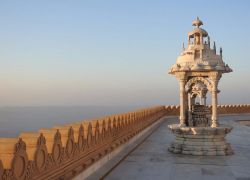
Hastagiri Jain Tirth is a newly developed and spiritually significant Jain pilgrimage site located near Palitana in Gujarat. Situated amidst peaceful natural surroundings, this sacred place has quickly gained popularity among devotees and tourists for its serene environment, grand temple structures, and deep religious importance. It serves as an important addition to the already famous Jain pilgrimage circuit of Palitana. The tirth is dedicated to Lord Adinath (Rishabhdev), the first Jain Tirthankara, and reflects the core principles of Jainism such as peace, non-violence, and spiritual purity. With its calm atmosphere and beautiful architecture, Hastagiri Jain Tirth is an ideal destination for both devotion and relaxation. Why Famous for Hastagiri Jain Tirth, Palitana, Gujarat? Hastagiri Jain Tirth is famous for its modern yet spiritually rich temple complex. Unlike the ancient temples on Shatrunjaya Hill, this site offers a more accessible and less physically demanding pilgrimage experience. It is also known for its large idol of Lord Adinath, peaceful surroundings, and well-maintained campus. Devotees visit this place to seek blessings, meditate, and experience spiritual calmness. The tirth is gaining popularity due to its clean environment, organized facilities, and tranquil setting, making it suitable for visitors of all age groups. History of Hastagiri Jain Tirth, Palitana, Gujarat Hastagiri Jain Tirth is a relatively modern religious development, built by Jain trusts and devotees to create a peaceful and accessible place of worship near Palitana. It was established with the aim of spreading Jain teachings and providing a spiritual retreat for pilgrims. The site has been developed with careful planning, combining traditional religious elements with modern infrastructure. Though it does not have the ancient history of Shatrunjaya Hill, it holds growing importance in the Jain community. Over the years, Hastagiri Jain Tirth has become a significant stop for pilgrims visiting Palitana. Architecture of Hastagiri Jain Tirth The architecture of Hastagiri Jain Tirth is a blend of traditional Jain temple design and modern construction techniques. The temple complex is spacious, clean, and beautifully designed. Key architectural features include: • Grand Idol: A large and impressive idol of Lord Adinath. • Marble Construction: Use of white marble for elegance and purity. • Intricate Carvings: Detailed work on pillars and walls. • Spacious परिसर: Wide open areas for devotees and visitors. • Peaceful Layout: Designed for meditation and relaxation. The temple’s simple yet elegant design reflects Jain values of purity and devotion. Things to Do at Hastagiri Jain Tirth, Palitana, Gujarat Visitors can enjoy several activities at this spiritual site: 1. Darshan: Offer prayers to Lord Adinath. 2. Meditation: Spend time in peaceful surroundings. 3. Explore the Campus: Walk around and admire the architecture. 4. Spiritual Learning: Understand Jain philosophy and values. 5. Relaxation: Enjoy the calm and clean environment. Entry and Visit Details Entry Fee: Entry to Hastagiri Jain Tirth is free. Visit Duration: Visitors usually spend around 1 to 2 hours at the site. Facilities: The complex offers good facilities such as parking, drinking water, rest areas, and clean surroundings. Visitors are expected to follow religious rules and maintain discipline within the premises. Timings of Hastagiri Jain Tirth The temple is generally open from 6:00 AM to 7:00 PM. Early morning and evening are the best times for a peaceful visit. Weather at Hastagiri Jain Tirth, Palitana, Gujarat The climate in Palitana is as follows: Summer (March to June): Hot, with temperatures up to 38°C. Monsoon (July to September): Moderate rainfall and greenery. Winter (October to February): Cool and pleasant, with temperatures between 10°C and 25°C. Winter is the best time to visit Hastagiri Jain Tirth for a comfortable experience. How to Reach Hastagiri Jain Tirth, Palitana, Gujarat By Air: The nearest airport is Bhavnagar Airport, about 55 km away. By Train: The nearest railway station is Palitana Railway Station, well connected to nearby cities. By Road: Palitana is easily accessible by road from Bhavnagar and other parts of Gujarat. Buses and taxis are available. Hastagiri Jain Tirth is located near Palitana town and can be easily reached by local transport or private vehicles. Interesting Facts about Hastagiri Jain Tirth • It is a modern Jain pilgrimage site near Palitana. • The temple features a large idol of Lord Adinath. • It offers a peaceful alternative to the hill climb of Shatrunjaya. • The site is known for its cleanliness and well-maintained परिसर. Travel Tips for Hastagiri Jain Tirth • Wear modest and respectful clothing. • Maintain silence inside the temple premises. • Carry water, especially during summer. • Visit early morning or evening for a peaceful experience. • Combine your visit with other Palitana attractions. Conclusion Hastagiri Jain Tirth in Palitana is a beautiful and peaceful spiritual destination that reflects the essence of Jain philosophy. With its modern facilities, serene atmosphere, and religious significance, it provides a fulfilling experience for visitors. Whether you are a devotee or a traveler, a visit to Hastagiri Jain Tirth offers peace, devotion, and a deeper connection to spirituality.
Explore More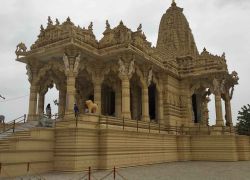
Jain Temples in Champaner are among the most peaceful and spiritually significant attractions located within the Champaner-Pavagadh Archaeological Park in Gujarat. These temples are situated on the slopes of Pavagadh Hill and are known for their religious importance, serene surroundings, and beautiful architecture. Dedicated to Jain Tirthankaras, these temples attract pilgrims, history lovers, and tourists seeking tranquility and cultural richness. Why Famous for Jain Temples, Champaner, Gujarat? The Jain Temples in Champaner are famous for their spiritual atmosphere, ancient heritage, and architectural beauty. They are important pilgrimage sites for followers of Jainism and are admired for their peaceful setting away from the busy city life. These temples are also known for their location on Pavagadh Hill, offering stunning views of the surrounding landscape. The combination of natural beauty and religious significance makes them a unique destination for both spiritual seekers and travelers. History of Jain Temples, Champaner, Gujarat The Jain Temples of Champaner date back to ancient times, with some structures believed to have been built between the 14th and 16th centuries. The region has long been associated with Jain culture and religious practices. These temples were constructed by Jain communities and rulers who supported the spread of Jainism in Gujarat. Over the years, they have been preserved as part of the UNESCO World Heritage Site and continue to be important centers of worship and heritage. The temples reflect the religious harmony of the region, where different communities coexisted and contributed to cultural development. Architecture of Jain Temples The architecture of the Jain Temples in Champaner showcases the elegance and simplicity typical of Jain religious structures, combined with intricate detailing. Key architectural features include: • Marble and Stone Construction: Built using high-quality materials for durability and beauty. • Intricate Carvings: Detailed designs on pillars, walls, and ceilings. • Domes and Shikharas: Traditional temple structures with decorative tops. • Idols of Tirthankaras: Beautifully crafted idols placed in sanctuaries. • Peaceful Courtyards: Open spaces for prayer and meditation. The simplicity and cleanliness of the temples reflect Jain principles of purity and non-violence. Things to Do at Jain Temples, Champaner, Gujarat Visitors can enjoy various activities at these temples: 1. Darshan and Prayer: Offer prayers and seek blessings. 2. Meditation: Experience peace and spiritual calmness. 3. Explore Architecture: Admire carvings and temple design. 4. Photography: Capture scenic views (where permitted). 5. Trekking: Enjoy the journey to the temples on Pavagadh Hill. Entry and Visit Details Entry Fee: Entry to the Jain Temples is generally free of cost. Visit Duration: Visitors usually spend around 1 to 2 hours exploring the temples and surroundings. Facilities: Basic facilities like resting areas and drinking water are available nearby. Visitors are expected to maintain silence and follow religious guidelines inside the temple premises. Timings of Jain Temples The temples are usually open from 6:00 AM to 6:00 PM. Early morning is considered the best time for darshan and a peaceful visit. Weather at Jain Temples, Champaner, Gujarat The weather in Champaner varies throughout the year: Summer (March to June): Hot, with temperatures up to 38°C. Monsoon (July to September): Pleasant and green but slightly slippery. Winter (October to February): Cool and comfortable, with temperatures between 12°C and 25°C. Winter and early monsoon are the best times to visit the temples. How to Reach Jain Temples, Champaner, Gujarat By Air: The nearest airport is Vadodara Airport, about 50 km away. By Train: The nearest railway station is Vadodara Railway Station. By Road: Champaner is well connected by road to Vadodara and nearby cities. Buses and taxis are easily available. From the base of Pavagadh Hill, visitors can either trek or use the ropeway and then walk to reach the temples. Interesting Facts about Jain Temples • The temples are located on the scenic slopes of Pavagadh Hill. • They are part of a UNESCO World Heritage Site. • The temples reflect Jain values of simplicity and peace. • They are less crowded compared to other tourist spots. Travel Tips for Jain Temples • Wear modest and respectful clothing. • Remove footwear before entering the temple. • Carry water and wear comfortable shoes for walking. • Avoid visiting during peak afternoon heat. • Maintain silence and respect religious practices. Conclusion Jain Temples in Champaner offer a perfect blend of spirituality, history, and natural beauty. Their peaceful environment, architectural elegance, and cultural significance make them a must-visit destination in Gujarat. Whether you are a pilgrim or a traveler, visiting these temples provides a calm and enriching experience.
Explore More
72 Jinalaya Jain Temple is one of the most beautiful and spiritually significant Jain temples located near Mandvi in the Kutch district of Gujarat. This magnificent temple complex is dedicated to Jain Tirthankaras and is widely known for its peaceful environment, intricate marble architecture, and religious importance. Surrounded by serene landscapes, the temple attracts devotees, tourists, and architecture lovers from all over India. Why Famous for 72 Jinalaya Jain Temple, Mandvi, Gujarat? The temple is famous for its unique concept of 72 shrines (Jinalayas), each dedicated to different Jain Tirthankaras. The number 72 holds spiritual importance in Jainism, symbolizing completeness and devotion. The temple complex is admired for its pure white marble construction, detailed carvings, and calm atmosphere. Another major attraction is the large idol of Lord Mahavira, which stands as a symbol of peace and non-violence. The temple is also known for its cleanliness and disciplined environment, making it a perfect place for meditation and spiritual reflection. History of 72 Jinalaya Jain Temple, Mandvi, Gujarat The 72 Jinalaya Jain Temple is a relatively modern structure but deeply rooted in ancient Jain traditions. It was built by devoted Jain followers with the aim of creating a grand pilgrimage site that represents the teachings of Jainism. The temple reflects the religious dedication of the Jain community in Gujarat, especially in the Kutch region, which has a long history of Jain culture and heritage. Over the years, it has become an important religious center for pilgrims visiting Mandvi and nearby areas. Architecture of 72 Jinalaya Jain Temple The architecture of the temple is truly breathtaking and reflects the finest craftsmanship. Built primarily using white marble, the temple showcases traditional Jain architectural style with intricate detailing. Key architectural features include: • 72 Individual Shrines: Each shrine is dedicated to a Tirthankara, arranged beautifully within the complex. • Grand Main Temple: The central temple houses the main idol and is richly decorated with carvings. • Marble Pillars: Finely carved pillars displaying artistic excellence. • Domes and Ceilings: Decorated with detailed patterns and designs. • Spacious Courtyard: Offering a peaceful space for visitors and devotees. The symmetry, cleanliness, and artistic beauty of the temple make it a visual as well as spiritual delight. Things to Do at 72 Jinalaya Jain Temple, Mandvi, Gujarat Visitors can engage in several peaceful and meaningful activities here: 1. Darshan and पूजा: Offer prayers and seek blessings from the Tirthankaras. 2. Meditation: Spend quiet time in meditation and spiritual reflection. 3. Explore Architecture: Admire the intricate carvings and temple design. 4. Photography: Capture the beauty of the temple (allowed only in permitted areas). 5. Learn Jain Culture: Understand Jain values such as non-violence and simplicity. Entry and Visit Details Entry Fee: Entry to the temple is free of cost for all visitors. Visit Duration: Visitors generally spend around 1 to 2 hours exploring the temple and its surroundings. Facilities: Clean drinking water, resting areas, and parking facilities are available near the temple. Visitors are expected to follow temple rules, maintain silence, and dress modestly while inside the premises. Timings of 72 Jinalaya Jain Temple The temple is usually open from 6:00 AM to 7:00 PM. Early morning and evening are the best times for a peaceful visit and darshan. Weather at 72 Jinalaya Jain Temple, Mandvi, Gujarat The climate in Mandvi is generally pleasant but varies across seasons: Summer (March to June): Hot and dry, with temperatures reaching up to 35°C. Monsoon (July to September): Moderate rainfall and humidity. Winter (October to February): Cool and comfortable, with temperatures between 10°C to 25°C. Winter is considered the best time to visit the temple for a comfortable and enjoyable experience. How to Reach 72 Jinalaya Jain Temple, Mandvi, Gujarat By Air: The nearest airport is Bhuj Airport, approximately 60 km away. Taxis are easily available from the airport. By Train: The nearest railway station is Bhuj Railway Station, which is well connected to major cities. By Road: The temple is located near Mandvi and is easily accessible by road. Local buses, auto-rickshaws, and taxis are available. The temple is situated about 5–6 km from Mandvi town, making it convenient for a short trip. Interesting Facts about 72 Jinalaya Jain Temple • The temple consists of 72 shrines dedicated to Jain Tirthankaras. • It is one of the most peaceful religious sites in the Kutch region. • The temple is built using high-quality white marble. • It promotes Jain principles of non-violence and simplicity. Travel Tips for 72 Jinalaya Jain Temple • Wear modest and respectful clothing while visiting the temple. • Maintain silence to respect the spiritual environment. • Remove footwear before entering the temple premises. • Visit early morning for a शांत and less crowded experience. • Avoid carrying leather items as it may not be allowed. Conclusion 72 Jinalaya Jain Temple in Mandvi is a perfect destination for those seeking peace, spirituality, and architectural beauty. Its serene environment, religious importance, and stunning design make it one of the must-visit places in Gujarat. Whether you are a devotee or a traveler, this temple offers a truly calming and enriching experience.
Explore More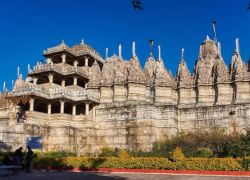
Chaumukha Temple, also known as the Ranakpur Jain Temple, is one of the most magnificent Jain temples in India and a masterpiece of marble architecture. Located in the peaceful village of Ranakpur in Rajasthan's Pali district, the temple is nestled amidst the scenic Aravalli Hills. Dedicated to Lord Adinath (Rishabhanatha), the first Tirthankara of Jainism, Chaumukha Temple is considered one of the five most important pilgrimage sites for Jains. The temple is renowned for its extraordinary architectural beauty, intricate marble carvings, and spiritual significance. Built entirely of white marble, it features an astonishing network of pillars, domes, halls, and sculptures that showcase the artistic brilliance of medieval Indian craftsmen. The name "Chaumukha" means "four-faced," referring to the four-faced idol of Lord Adinath placed at the center of the temple, symbolizing his omnipresence and accessibility from all directions. Every year, thousands of pilgrims, historians, architecture enthusiasts, photographers, and tourists visit Chaumukha Temple to admire its grandeur and experience its peaceful atmosphere. The temple is not only a religious monument but also one of Rajasthan's most celebrated architectural treasures. Why is Chaumukha Temple, Ranakpur Famous? Chaumukha Temple is famous for being one of the finest examples of Jain temple architecture in the world. The temple is celebrated for its intricate marble carvings, unique design, and spiritual importance. The temple is particularly known for: Its stunning white marble construction. The four-faced idol of Lord Adinath. More than 1,400 uniquely carved marble pillars. Magnificent domes, halls, and ceilings. Its status as an important Jain pilgrimage site. Exceptional craftsmanship dating back to the 15th century. Beautiful location amidst the Aravalli Hills. Many visitors consider Chaumukha Temple one of the most beautiful religious structures ever built in India. History of Chaumukha Temple The history of Chaumukha Temple dates back to the 15th century. The temple was commissioned by a wealthy Jain merchant named Dharna Shah, who is believed to have received a divine vision of a celestial temple. Inspired by this vision, he decided to construct a grand temple dedicated to Lord Adinath. The project received support from Rana Kumbha, the famous ruler of Mewar, who donated land for the temple. The town of Ranakpur itself is believed to have been named after Rana Kumbha. Construction of the temple began around 1437 CE and took several decades to complete. Skilled artisans and craftsmen worked tirelessly to create one of the most elaborate Jain temples ever built. The temple survived various historical challenges and remains remarkably well preserved today. Over the centuries, Chaumukha Temple has continued to serve as an important center of Jain worship and pilgrimage. Architecture of Chaumukha Temple The architecture of Chaumukha Temple is considered one of the greatest achievements of Indian temple design. Built entirely from white marble, the temple covers approximately 48,000 square feet and showcases extraordinary craftsmanship. Architectural highlights include: Over 1,444 intricately carved marble pillars. No two pillars are exactly alike. Four-faced idol of Lord Adinath at the central sanctum. 29 grand halls and mandapas. 80 domes supported by intricately designed pillars. Beautiful marble ceilings with detailed carvings. Numerous shrines and sacred chambers. Exquisite sculptures depicting Jain teachings. The temple's design allows sunlight to illuminate different sections throughout the day, enhancing the beauty of the marble interiors. The combination of symmetry, artistry, and engineering makes it one of the architectural wonders of Rajasthan. How to Reach Chaumukha Temple, Ranakpur, Rajasthan By Air The nearest airport is Maharana Pratap Airport (Udaipur Airport), located approximately 95 kilometers from Ranakpur. Taxis and private vehicles are available from Udaipur to the temple. By Train The nearest railway station is Falna Railway Station, situated approximately 35 kilometers away. Falna is well connected to major cities such as Delhi, Mumbai, Jaipur, and Ahmedabad. By Road Ranakpur is well connected by road to major cities in Rajasthan. Udaipur to Ranakpur: Approximately 95 km Jodhpur to Ranakpur: Approximately 160 km Mount Abu to Ranakpur: Approximately 165 km Falna to Ranakpur: Approximately 35 km State buses, taxis, and private vehicles regularly operate on these routes. Weather at Chaumukha Temple Summer (March to June) Temperatures range from 28°C to 42°C. Sightseeing is best done during morning hours. Monsoon (July to September) Moderate rainfall enhances the beauty of the Aravalli Hills and surrounding greenery. Winter (October to February) Temperatures range between 10°C and 28°C. This is the best season to visit the temple. The most pleasant time to visit is between October and March. Chaumukha Temple Timings The temple generally follows the schedule below: Opening Time: 12:00 PM Closing Time: 5:00 PM Jain devotees may have access during earlier prayer hours. Timings can vary during festivals and religious events. Entry and Visit Details of Chaumukha Temple Visitors are generally allowed entry during designated visiting hours. Entry fees may apply for non-Jain tourists and photography. Visitors can explore: Main temple complex. Central sanctum of Lord Adinath. Marble halls and domes. Intricately carved pillars. Temple courtyards. Nearby Jain shrines. Visitors are expected to maintain silence and respect religious customs while inside the temple. Things to Do at Chaumukha Temple 1. Admire the Marble Architecture Explore the intricate carvings and marvel at the artistic brilliance of the temple. 2. Seek Spiritual Blessings Offer prayers and experience the peaceful atmosphere of this sacred Jain pilgrimage site. 3. Observe the Unique Pillars Examine the 1,444 pillars, each carved with a unique design. 4. Photography Capture the temple's stunning exterior and surrounding landscapes where permitted. 5. Study Jain Art and Culture Learn about Jain philosophy, symbolism, and architectural traditions. 6. Explore Nearby Attractions Surya Narayan Temple Kumbhalgarh Fort Sadri Town Muchhal Mahavir Temple Aravalli Hills 7. Enjoy Nature and Serenity The scenic surroundings offer a peaceful retreat away from urban crowds. Interesting Facts About Chaumukha Temple The temple is dedicated to Lord Adinath, the first Jain Tirthankara. Construction began in the 15th century. It contains 1,444 marble pillars. No two pillars have identical carvings. The temple covers approximately 48,000 square feet. It was supported by Rana Kumbha of Mewar. The central idol has four faces facing different directions. The temple is one of the most important Jain pilgrimage centers. It is considered a masterpiece of Indian architecture. Thousands of pilgrims and tourists visit annually. Travel Tips for Visiting Chaumukha Temple Dress modestly and respectfully. Remove footwear before entering temple premises. Visit during winter for comfortable weather. Maintain silence inside prayer areas. Follow temple photography rules. Carry drinking water during summer visits. Hire a local guide for detailed historical insights. Plan additional time to visit nearby attractions. Avoid touching carvings and sculptures. Respect Jain religious customs and traditions. Conclusion Chaumukha Temple in Ranakpur, Rajasthan, stands as one of the greatest architectural and spiritual achievements of India. Its magnificent marble construction, intricate carvings, rich history, and deep religious significance make it a destination of global importance. Surrounded by the scenic Aravalli Hills, the temple offers visitors a unique combination of artistic beauty, cultural heritage, and spiritual tranquility. Whether you are a pilgrim, architecture enthusiast, historian, or traveler, a visit to Chaumukha Temple provides an unforgettable experience and a deeper appreciation of India's rich Jain heritage.
Explore More