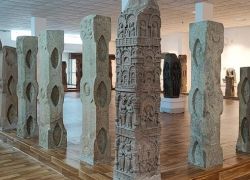
Bodh Gaya is not renowned just for its religious legacy. The city is well-known as a place that teaches about the history of the city and the rulers who once ruled it. The information about such things is displayed in Bodh Gaya Archaeological Museum. It is a frequently visited place in Bodh Gaya. Why Is It Famous? 1) Bodh Gaya Archaeological Museum is known for housing historical items that were discovered during excavations.2) There are different galleries in the museum that dedicated to the artifacts connected to Buddhism & Hinduism.3) Stone sculptures of Buddha, Dashavatara of Lord Vishnu, beautifully carved pots, and terracotta items are displayed in different galleries.4) Furthermore, the relics of Buddha are displayed on a separate floor. Every day, the relics are worshipped before being displayed.5) The coins from the period of Gupta, Maurya, and Mughal era are exhibited as well in Bodh Gaya Archaeological Museum. Best Time To Visit:-Anyone can visit Bodh Gaya Archaeological Museum. It welcomes the public every day from 10 am to 5 pm. Visitors require paying a certain entry fee as per their nationality. Moreover, the museum remains closed on all national holidays and Fridays. Nearest Railway Station - Gaya Junction Railway StationNearest Airport - Gaya Airport
Explore More
Sri Krishna Science Centre is a science museum in Patna. It bears the name of Sri Krishna Singh, the first CM of Bihar. The museum was inaugurated in the year 1978 by Thakur Prasad Singh. The sole motive behind its establishment is to promote the creativity in the field of science. Many innovations are displayed in this museum.Why Is It Famous?Sri Krishna Science Center is popular among the people because of the immense creativity displayed there. Visitors can witness the amazing working models that are created using the products used in the daily life. An innovation shown in such models is a clear sign of the futuristic technology.There are different galleries in this museum that display the moving models of the dinosaurs, 3D movies, models of the solar system and universe, and much more.Best Time To Visit:-Sri Krishna Science Centre is a major travel attraction for numerous visitors. People visit this place on a huge scale. Many educational institutions also visit here for the educational excursions. Thus, there is no specific season to visit Sri Krishna Science Centre.Watch Out!Apart from the models and exhibitions, there are book stalls located on the premises of Sri Krishna Science Centre. Tourists can purchase the books of the various subjects like physics, chemistry, geology etc.Reaching There:-Tourists can reach Patna via roadways, railways, and airways. A wider connectivity makes it convenient to reach the city by the state-run buses, express trains, and flights. Traveling between places in Patna is done by the local buses, taxis, and autos.Nearest Railway Station:- Patna JunctionNearest Airport:- Patna Airport
Explore More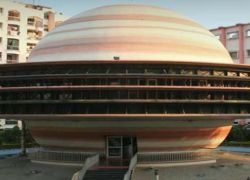
Patna Planetarium aka Indira Gandhi Planetarium is a famous tourist destination in Bihar. This planetarium is located in Patna city. It bears the name of the former Indian PM, lt. Indira Gandhi. Patna Planetarium was conceptualized in 1989 and opened to the public in 1993. It stands among the largest planetariums all over India and is tourists from far-away places visit this museum.It Is Known For:-1) Patna Planetarium is one the largest planetariums in India.2) The authorities of this planetarium host various exhibitions and film shows related to the subject of astronomy.3) Apart from the exhibitions and movie shows, seminars for the budding astronomers are organized as well.4) The locals and tourist that have a special taste in astronomy flock to this planetarium on a huge scale.Best Time To Visit:-Patna Planetarium is visited on a huge scale by many visitors. One can embark a visit to this planetarium during any time of the year. Various educational institutions also visit here, especially when there’s a celestial event.Watch Out!Many visitors go to Patna Planetarium on the occasion of the eclipse and meteor shower. If you’re in the city and get the chance, do not miss visiting this intriguing planetarium.Reaching There:-Patna city is well-connected to the major highways, railways, and airways. Such connectivity makes it easier to reach the city from anywhere in Bihar. The roadways bus, broad gauge trains, and flights are the apt options. People travel within Patna by the local transit.Nearest Railway Station:- Patna JunctionNearest Airport:- Patna Airport
Explore More
Mahatma Gandhi Setu is a renowned bridge in Patna. This bridge stands over the River Ganga and bears the name of Mahatma Gandhi. It is a 5.7 km long bridge and connects Patna and Hajipur. It has four lanes of the roadways and pedestrian paths. Many vehicles travel through this bridge on a daily basis. It Is Known For:- 1) It took a span of 10 years for the construction of this bridge. It happened due to the natural calamities and workers’ strikes 2) The huge amount of 88 crores INR was spent for the construction of the bridge. Gammon India Limited undertook the project 3) The toll gates existed but were removed officially on the orders of the government 4) The pillars supporting Mahatma Gandhi Setu are high enough to accommodate a ship under them 5) Slabs with hinges were used in the then times making it an engineering marvel of bygone times Best Time To Visit:- Mahatma Gandhi Bridge is a famous site and is visited on a huge scale. Many vehicles pass through this bridge on a daily basis. Watch Out! Presently, a major restoration work is going on at Mahatma Gandhi Setu. Thus, only the pedestrians can access the bridge. Reaching There:- Patna is well-connected to roadways, railways, and airways. Such connectivity makes it convenient to the reach the city. Many roadways buses, express trains, and flights are available from other cities of Bihar. You can travel within Bihar by the local transit. Nearest Railway Station - Patna Junction Nearest Airport - Patna Airport
Explore More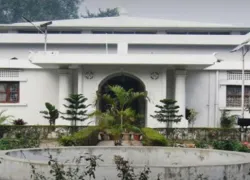
Archaeological Museum Of Vaishali
Archaeological Museum of Vaishali is a famous travel attraction in Bihar. This historic museum is an amazing place to gather the knowledge of the earliest human inhabitation, the reign of regional dynasties, culture-tradition, Buddha and his teachings, and other things about Vaishali. Many tourists, including the foreign nationals, visit this museum to gain an insight about Vaishali.It Is Known For:-1) Archaeological Museum is the place that showcases the ancient discoveries made by the historians.2) The different galleries showcase the various historic artifacts in the different galleries of this museum.3) The first gallery has a vast collection of the exhibits like the human figurines, terracotta toys, Bodhisattava, Goddess Durga, and others.4) The second gallery displays the monolithic seal that was used by the officials. It also shows the terracotta toys like the ram, bull, elephant, horse, dog, monkey etc.5) The third gallery of this museum houses the ancient coins. These coins belong to the different eras and have different shapes and sizes.6) The fourth gallery is a home to diverse items. The collection includes the jewelry, semi-precious gemstones, unused ammo, iron weaponry etc.Best Time To Visit:-Archaeological Museum of Vaishali is a huge crowd puller. Numerous visitors flock here on a huge scale. It can be visited throughout the year without any hassle. Each season of the year is perfect to visit this museum.Watch Out!No visitor is allowed to touch any historic item in this museum. It remains shut on all Thursdays, national holidays, and festivals. Thus, you should be careful before planning a trip to Archaeological Museum of Vaishali. The entry to this museum is paid for all adults.Reaching There:-Travelers can reach Vaishali city conveniently via roadways, railways, and airways. The state-run buses, broad gauge trains, and flights are available on a regular basis. Commuting within Vaishali is done by the local transit.Nearest Railway Station:- Dighwara Railway Station Nearest Airport:- Patna Airport
Explore More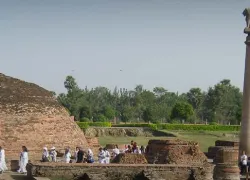
Ashoka Pillar or the Lion Pillar in Vaishali is a famous tourist attraction located in Vaishali. It is a great pillar erected during the rule of King Ashoka of the Mauryan Dynasty. He constructed the pillar after being victorious on Kalinga. However, this lion pillar is different from other pillars seen in different destinations in India. Why Is It Famous?Ashoka Pillar at Vaishali is a 13-meter-tall Greco Indian example of architecture. Just like other Ashokan Pillars, it has not rusted since ages. However, the only major difference between other pillars and Vaishali Pillar is the image of a lion. Unlike other pillars, there’s only one old lion carved in a seated position on this pillar. This signifies the end of the warrior inside King Ashoka and his new beginning as a Buddhist. Moreover, this was the last pillar erected by Ashoka and the same place where Lord Buddha gave his last sermon to disciples. Best Time To Visit:-Ashoka Pillar of Vaishali can be visited during all seasons. There’s a specific timing for visiting the monument that may vary during summers and winters. No entry fee is charged from visitors. Nearest Railway Station - Hajipur Railway StationNearest Airport - Patna Airport
Explore More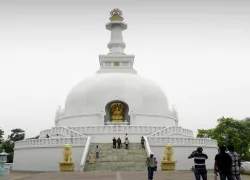
Standing as a symbol of peace in beautiful surroundings, Buddha Stupa is a famous travel attraction in Vaishali. This is a Japanese Pagoda that was built by the Buddhist Society of Japan. It is a dome that promotes non-violence and preaches equality among all races on the planet. Why Is It Famous?1) Buddha Stupa of Vaishali is a symbol of peace. It is one of the Pagodas that were built by the Japanese government when to promote peace when atom bombs were dropped on Hiroshima & Nagasaki.2) The stupa is called Buddha Stupa because it is surrounded with the idols of Buddha in different meditating postures.3) The relics of Buddha are enshrined in this sacred site. Best Time To Visit:-The best time for paying a visit to Buddha Stupa of Vaishali is between October-March. The weather is suitable for exploring the surroundings. On the occasion of Buddha’s birth anniversary & mahaparinirvana, monks from all over India visit the site and offer prayers. Nearest Railway Station - Hajipur Railway StationNearest Airport - Patna Airport
Explore More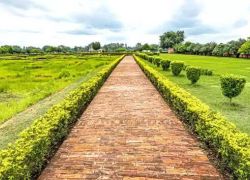
Raja Vishal Ka Garh is a well-known name in the list of tourist destinations in Vaishali, Bihar. Also known as Vaishali Garh, this place is believed to be the ‘Mother of Parliament’ in Bihar. Presently, it is a historical monument that is protected by the Archaeological Survey of India (ASI). Raja Vishal Ka Garh is believed to be one of the finest examples of the planned settlements in India. Why Is It Famous?1) Raja Vishal Ka Garh is a place from where many items related to the earliest human settlement were discovered during excavations.2) Gold coins, precious jewels, terracotta figurines, utensils, and deer horns were some major items were discovered.3) Apart from these things, Raja Vishal Ka Garh also had a fine drainage system for a free flow of water. Best Time To Visit:-October-March is the appropriate time for visiting the site. The pleasant weather makes it suitable for exploring the ruins of Raja Vishal Ka Garh. People are allowed to carry eatables. Nearest Railway Station - Hajipur Railway StationNearest Airport - Patna Airport
Explore More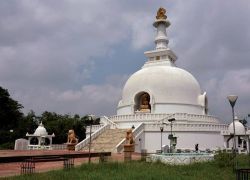
Vaishali Stupa, located in the city of Vaishali, is a renowned tourist attraction known for its historical significance, natural beauty, and rich biodiversity. This ancient site attracts visitors from all around the world, especially birdwatchers, photographers, nature enthusiasts, and wildlife lovers. History of Vaishali Stupa The Vaishali Stupa holds a deep historical background, serving as a significant monument in Vaishali. Originally part of the royal hunting grounds, the area has undergone extensive conservation efforts over the years. The site's historical importance has been recognized by UNESCO, further enhancing its global significance. Architecture and Natural Beauty of Vaishali Stupa Surrounded by wetlands, forests, and grasslands, Vaishali Stupa offers a picturesque landscape that serves as a habitat for numerous bird species. The historical Keoladeo Temple within the park adds to its architectural charm, blending spirituality with natural beauty. Why is Vaishali Stupa Famous? Vaishali Stupa is famous for being a paradise for birdwatchers, photographers, and wildlife enthusiasts due to its diverse avian population and serene natural environment. The site provides a unique opportunity to witness the beauty of nature up close. How to Reach Vaishali Stupa Traveling to Vaishali Stupa is convenient, with options available by air, rail, and road. The nearest airports and railway stations provide easy access to the city of Vaishali, allowing visitors to reach the Stupa with ease. Weather and Best Time to Visit Vaishali Stupa The weather at Vaishali Stupa varies across different seasons, with summer, monsoon, and winter each offering a unique experience. The best time to visit typically falls during specific months when the weather is most favorable for exploring the site. Timings of Vaishali Stupa Visitor timings at Vaishali Stupa are designed to accommodate the needs of tourists, with variations based on seasonal changes. Understanding the operating hours and planning accordingly can enhance the overall experience of exploring the Stupa. Entry Fee and Visit Details Entry procedures at Vaishali Stupa are straightforward, with guide services and safari options available for visitors. Bicycle rentals and other visitor facilities are also provided to ensure a comfortable and enjoyable visit to this historical site. Things to Do at Vaishali Stupa Popular activities at Vaishali Stupa include birdwatching, photography, cycling, walking trails, nature observation, and engaging educational experiences. Visitors can immerse themselves in the natural surroundings and appreciate the biodiversity of the region. Interesting Facts About Vaishali Stupa Vaishali Stupa is home to a wide variety of migratory birds, showcasing the region's rich biodiversity. The conservation efforts undertaken at the site have contributed significantly to preserving the ecological balance and protecting the natural heritage of Vaishali. Travel Tips for Visiting Vaishali Stupa For a rewarding experience at Vaishali Stupa, visitors are advised to dress appropriately, carry necessary photography equipment, and be mindful of the best visiting seasons. Practicing responsible tourism and respecting the natural environment are essential for sustaining the beauty of this historical site. Conclusion In conclusion, Vaishali Stupa in Vaishali stands as a testament to the region's historical legacy and natural splendor. With its rich history, diverse wildlife, and serene surroundings, the Stupa offers visitors a unique opportunity to connect with nature and explore the beauty of this ancient site.
Explore More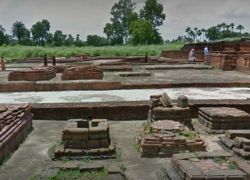
Colganj Rock Cut Temples require no introduction. This temple complex is a historical destination dating back to Gupta Period. The different carvings related to Hinduism, Jainism, and Buddhism can be traced in the temple complex. Tourists from different states and foreign countries visit Colganj Rock Cut Temples on a huge scale. Why Is It Famous? Colganj Rock Cut Temples never fail to catch the attention of visitors on a huge scale. The entire complex was created by carving the entire rock. A majority of the carvings date back to the period when Ashoka was the king. This temple complex displays the carvings from Hinduism, Buddhism, and Jainism. The famous temples of Chaitya and Vihara are also located in the complex of Colganj Rock Cut Temples. Best Time To Visit:- People prefer visiting Colganj Rock Cut Temples during the winters. The time period between October-February is the best time for exploring the historical temple complex. The cool weather makes is feasible for all to explore the temple premises without a hassle. Watch Out! Carrying extra water and food is a must because there are no hygienic resources for water and food. Thus, all visitors carry their own food and water. Reaching There:- To reach Nalanda city, one can hire the service of the state-run buses, express trains, and flights. These modes are available from different parts of Bihar and make it easier to reach Nalanda. Nearest Railway Station:- Nalanda Railway Station Nearest Airport:- Patna Airport
Explore More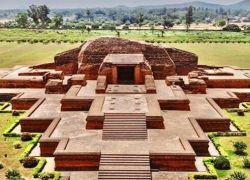
Ancient Vikramshila University
Vikramshila University doesn’t need introduction. It was a historic university in Bhagalpur city of Bihar. It was a significant educational institution along with Nalanda University. This university was built during the reign of the Pala Empire in the 9th century. Vikramshila University was the largest university of the olden times in Bihar. It had more than 100 teachers and over 1000 students. At present, this historic attraction stands devastated as it was destroyed by Bakhtiyar Khilji in the 13th century. Why Is It Famous? Vikramshila University is famous because different seats of Buddhism were linked to Vikramshila University. It was a Buddhist University and promoted all the sects of Buddhism, especially the Tantric Sect. Apart from the Tibetan Buddhism, the subjects like mathematics, grammar, Indian Logic, philosophy etc. were taught here. Many scholars from different countries were invited to teach the students. This university was digged out and till date, the excavation is going on. The excavations revealed the main hall, pillars carved with Buddhists texts etc. A stupa was also discovered that contained the remains of Buddha and another unknown monk. Best Time To Visit:- Tourists and historians visit Vikramshila University on a huge scale. Excluding the summers and monsoons, other seasons are appropriate for witnessing the ruins of this ancient university. Watch Out! The ASI manages the Ancient Vikramshila University. Being a Monument of National Interest, no one can dump garbage in any form. Thus, make sure you do not leave behind any leftovers. Reaching There:- Reaching Bhagalpur is an easy process. Different modes like the state-run buses, broad gauge trains, and flights are the right options. The local transit is the best option for traveling within Bhagalpur. Nearest Railway Station:- Bhagalpur Railway Station Nearest Airport:- Patna Airport
Explore More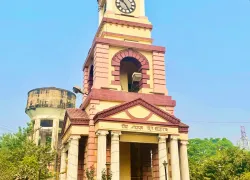
Located in the center of the city, Ghanta Ghar Clock Tower is a famous tourist attraction in Bhagalpur. It was constructed in the bygone times to know the time. Today, the area around the place is bustling with shops and vehicles that zoom past it. Why Is It Famous?Ghanta Ghar Clock Tower is a tourist site in Bhagalpur. Due to its location in the center of Bhagalpur, it always remains crowded with locals and visitors. There are different shops and eateries located around that are frequently visited by people on a huge scale. At night, the clock tower illuminates due to lighting. Best Time To Visit:-There is no specific season for visiting the place since it stands in the center of the city. People can visit this place on a daily basis. Nearest Railway Station - Bhagalpur Junction Railway StationNearest Airport - Bhagalpur Airport
Explore MoreBaidyanath Dham Yatra 3N - 4D - Bodhgaya - Tarapith
4 Days/ 3 Night
Deoghar - Bodhgaya
Tours Of Uttar Pradesh 1N Bodhgaya - 1N Varanasi - 1N Ayodhya
4 Days/ 3 Night
Prayagraj - Varanasi - Bodhgaya - Ayodhya
6 Days Varanasi - Bodhgaya - Prayagraj Tour
6 Days/ 5 Night
Prayagraj - Varanasi - Bodhgaya - Sarnath
Varanasi - Bodhgaya - Ayodhya - Prayagraj 7 Nights - 8 Days Tour
8 Days/ 7 Night
Prayagraj - Varanasi - Khajuraho - Bodhgaya - Ayodhya

Nargona Palace is a famous and historic travel attraction in Darbhanga, Bihar. It served as the home to the Royals of Khandwala dynasty. Nargona Palace gained popularity on the basis of its simple architecture. It fell down in a destructive earthquake that hit Bihar in 1934. The whole palace faced destruction as Moti Mahal was entirely destroyed. It took a whole year for the rebuilding of this huge building. Why Is It Famous? Nargona Palace stole the spotlight due to its sober architecture. The present-day architecture is different from the former structure. It is sturdy and has a massive potential to withstand a massive earthquake. This building was donated to the government in the year 1972 for educational purposes. Lalit Narayan Mithila University operates from here. Best Time To Visit:- The tourists can visit Nargona Palace (Lalit Narayan Mithila University) during any time of the year. No one has to wait for a specific time or season of the year. Watch Out! Do not forget to visit the nearby shopping complexes and restaurants. Reaching There:- People can reach Darbhanga easily without any discomfort. The roadways buses run by the state and broad gauge railway trains are good options. To reach even quick, one can board a flight to Patna. Nearest Railway Station:- Darbhanga Junction Nearest Airport:- Patna Airport
Explore More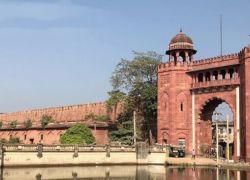
Darbhanga Fort, also known as Raj Darbhanga, is one of the most important historical landmarks in Darbhanga, Bihar. It reflects the rich cultural and royal heritage of the Mithila region. The fort complex was once the residence of the royal family of Darbhanga Raj and played a major role in the history and administration of the area. Today, Darbhanga Fort stands as a symbol of the glorious past of the region and attracts history lovers, students, and tourists who wish to explore the heritage of North Bihar. History of Darbhanga Fort, Darbhanga The history of Darbhanga Fort is closely connected with the powerful Darbhanga Raj family, who ruled large parts of the Mithila region during the British period. The fort complex developed over many years as the rulers expanded their influence and constructed palaces, administrative buildings, and residential quarters. The Darbhanga rulers were known for their contribution to education, culture, and social development in Bihar. They supported schools, colleges, and cultural institutions in the region. Darbhanga Fort was not just a royal residence but also an administrative center from where important decisions were taken. Many historical events related to the local administration and governance took place within the fort premises. Though parts of the fort are no longer in perfect condition, the remaining structures still tell stories of royal life, traditions, and the political importance of Darbhanga in earlier times. Architecture of Darbhanga Fort, Darbhanga The architecture of Darbhanga Fort is a blend of traditional Indian royal style with colonial influences. The fort complex includes several palaces, courtyards, gateways, and large open spaces. High walls and massive gates reflect the security arrangements of the olden days. The buildings inside the fort show detailed craftsmanship, with decorated pillars, arches, and balconies. Some parts of the fort display beautiful carvings and ornamental designs, showing the artistic taste of the royal family. The layout of the fort was planned in a way that allowed separate spaces for royal residence, guests, and administrative work. Although modernization and time have affected the structure, the fort still gives visitors a clear idea of royal architecture and lifestyle of the past. Why Darbhanga Fort, Darbhanga is Famous Darbhanga Fort is famous for its historical and cultural importance in Bihar. It represents the power and influence of the Darbhanga Raj family and their role in shaping the Mithila region. The fort is also known as an important heritage site of Darbhanga city. Many people visit the fort to learn about local history, architecture, and royal traditions. The fort is located close to educational institutions and residential areas, making it easily accessible to students and locals. It is often included in heritage walks and local sightseeing tours. The peaceful surroundings and the old-world charm of the fort attract photographers and history enthusiasts. How to Reach Darbhanga Fort, Darbhanga Darbhanga Fort is located in the heart of Darbhanga city in Bihar, making it easy to reach by different modes of transport. By Air: The nearest airport is Darbhanga Airport, which is well connected to major Indian cities. From the airport, you can hire a taxi or use local transport to reach the fort. By Train: Darbhanga Junction is a major railway station with good connectivity to cities like Patna, Delhi, Kolkata, and Mumbai. From the railway station, auto-rickshaws, e-rickshaws, and taxis are easily available. By Road: Darbhanga is well connected by road to nearby towns and cities in Bihar. Regular buses and private vehicles can take you to the city center, from where the fort is easily accessible. Weather in Darbhanga The weather in Darbhanga is generally hot and humid during summers, with temperatures rising above 35°C. Monsoon season brings moderate to heavy rainfall, making the surroundings green and fresh. Winters are pleasant and cooler, with temperatures ranging between 10°C and 25°C. The best time to visit Darbhanga Fort is from October to March when the weather is comfortable for sightseeing and outdoor exploration. Timings of Darbhanga Fort, Darbhanga Darbhanga Fort is generally open to visitors during daytime hours. While there is no strict official timing, it is advisable to visit the fort between 9:00 AM and 5:00 PM. Visiting during daylight allows you to explore the structure safely and appreciate the architectural details. It is better to avoid visiting late in the evening as some areas may not be well-lit. Entry and Visit Details about Darbhanga Fort, Darbhanga Currently, there is no official entry fee to visit Darbhanga Fort. Visitors can explore the outer areas and accessible sections of the fort complex freely. However, some parts of the fort may be restricted or privately owned, so it is important to respect local guidelines and avoid entering restricted zones. It is recommended to visit with a local guide or someone familiar with the area to understand the historical importance better. Things to Do at Darbhanga Fort, Darbhanga Visitors to Darbhanga Fort can enjoy several activities. You can walk around the fort complex and observe the old buildings and architectural designs. Photography is popular here, especially for those interested in heritage and old structures. History lovers can spend time learning about the royal family and the importance of the fort in local history. You can also explore nearby areas of Darbhanga city, including local markets and temples. The fort is a good spot for students and researchers interested in the cultural history of Mithila. Sitting quietly in the open areas of the fort can also be a peaceful experience for visitors who enjoy calm surroundings. Interesting Facts about Darbhanga Fort, Darbhanga Darbhanga Fort was once part of a much larger royal complex that included multiple palaces and gardens. The Darbhanga Raj family was among the richest zamindars during British rule in India. The fort complex played an important role in local governance and cultural development. Some of the buildings within the fort are still used for administrative and educational purposes. The fort reflects the blend of Indian and colonial architectural styles. Tips for Visiting Darbhanga Fort, Darbhanga Wear comfortable footwear as you may need to walk on uneven surfaces. Visit during the morning or late afternoon to avoid strong sunlight, especially in summer. Carry drinking water, as facilities may be limited nearby. Respect the local community and avoid littering within the fort premises. If you are interested in detailed history, try to visit with a local guide or read about the fort before your visit. Keep your belongings safe and follow basic safety precautions while exploring the area.
Explore More
Anand Bagh Palace is one of the prominent heritage sites in Darbhanga, Bihar. It is part of the royal legacy of the Darbhanga Raj family and reflects the rich cultural and historical background of the Mithila region. The palace complex was once used by the royal family for leisure and important gatherings. Today, Anand Bagh Palace stands as a reminder of the royal lifestyle and architectural beauty of the past, attracting visitors who are interested in history, culture, and heritage tourism in Darbhanga. History of Anand Bagh Palace, Darbhanga The history of Anand Bagh Palace is closely connected to the royal family of Darbhanga, who were among the most influential zamindars during the British period in India. The palace was built as part of the royal estate and served as a recreational and residential space for the rulers and their guests. Anand Bagh was designed as a peaceful retreat away from the main administrative areas of the royal complex. The Darbhanga Raj family played an important role in promoting education, culture, and social development in the Mithila region. They supported the establishment of schools, colleges, and cultural institutions in and around Darbhanga. Anand Bagh Palace witnessed many royal events, cultural programs, and gatherings of scholars and dignitaries. Over time, with changes in political and social systems, the palace lost its original royal function but remains an important heritage structure. Architecture of Anand Bagh Palace, Darbhanga The architecture of Anand Bagh Palace reflects a blend of traditional Indian royal style with colonial-era influences. The palace is surrounded by gardens, which add to its charm and peaceful atmosphere. The structure features wide corridors, spacious halls, large windows, and decorative elements that were common in royal residences of that era. The design of the palace allowed good air circulation and natural light, making it suitable for the warm climate of Bihar. The surrounding gardens were planned for leisure walks and relaxation, providing a refreshing environment for the royal family. Though some parts of the palace have aged over time, the remaining structure still showcases the elegance and simplicity of royal architecture. Why Anand Bagh Palace, Darbhanga is Famous Anand Bagh Palace is famous for its historical connection with the Darbhanga Raj family and its beautiful garden surroundings. It is known as a peaceful royal retreat that once hosted important guests and cultural gatherings. The palace is also famous for being part of the heritage landscape of Darbhanga city. Visitors are drawn to Anand Bagh Palace because it offers a glimpse into royal life in the Mithila region. The calm environment, combined with the historic buildings and gardens, makes it a popular spot for heritage lovers, photographers, and those interested in local history. How to Reach Anand Bagh Palace, Darbhanga Anand Bagh Palace is located within Darbhanga city and is easily accessible by various means of transport. By Air: The nearest airport is Darbhanga Airport, which connects Darbhanga to major Indian cities. From the airport, you can hire a taxi or use local transport to reach Anand Bagh Palace. By Train: Darbhanga Junction is a major railway station with good connectivity to Patna, Delhi, Kolkata, and other important cities. Auto-rickshaws and taxis are available from the station to reach the palace. By Road: Darbhanga is well connected by road to nearby towns and cities. Buses and private vehicles regularly operate to Darbhanga, and the palace can be reached easily from the city center. Weather in Darbhanga Darbhanga experiences hot summers, with temperatures often crossing 35°C. The monsoon season brings rainfall and greenery to the region, making the surroundings pleasant. Winters are mild and comfortable, with temperatures ranging between 10°C and 25°C. The best time to visit Anand Bagh Palace is during the winter months from October to March, when the weather is suitable for sightseeing. Timings of Anand Bagh Palace, Darbhanga Anand Bagh Palace does not have strict official visiting hours for tourists, as parts of the palace and garden areas may be under local administration. Generally, visitors prefer to explore the area during daytime, between 9:00 AM and 5:00 PM. It is advisable to visit during daylight hours for safety and better visibility of the architectural details. Entry and Visit Details about Anand Bagh Palace, Darbhanga There is usually no entry fee for visiting the outer areas of Anand Bagh Palace and its surrounding gardens. However, access to certain sections of the palace may be restricted due to administrative use or conservation efforts. Visitors should follow local rules and respect restricted areas. It is recommended to check with local authorities or residents for updated visiting guidelines before planning your visit. Things to Do at Anand Bagh Palace, Darbhanga Visitors can enjoy a peaceful walk around the palace gardens and admire the old architecture. Photography is a popular activity, especially for those interested in heritage structures and royal buildings. History enthusiasts can explore the palace area to understand the royal lifestyle of the Darbhanga rulers. You can also spend time relaxing in the green surroundings and enjoying the calm atmosphere. The palace is a good spot for students and researchers studying the history of Mithila and Darbhanga. Exploring nearby heritage sites and local markets in Darbhanga can also be combined with a visit to Anand Bagh Palace. Interesting Facts about Anand Bagh Palace, Darbhanga Anand Bagh Palace was designed as a leisure retreat for the royal family of Darbhanga. The gardens around the palace were carefully planned for relaxation and social gatherings. The palace reflects the influence of colonial architecture combined with traditional Indian design. It was once a venue for cultural events and meetings of important guests. The palace remains an important symbol of Darbhanga’s royal heritage. Tips for Visiting Anand Bagh Palace, Darbhanga Wear comfortable footwear as you may need to walk around the garden areas and uneven paths. Visit during cooler hours of the day, especially in summer. Carry drinking water and basic essentials, as facilities nearby may be limited. Respect local rules and avoid entering restricted areas of the palace. Keep the surroundings clean and do not damage the heritage structures. If possible, gather some background information before your visit to better understand the historical importance of Anand Bagh Palace.
Explore More
Chandradhari Museum is one of the most important cultural and historical attractions in Darbhanga, Bihar. The museum is known for its rich collection of sculptures, ancient artifacts, coins, manuscripts, and artworks that reflect the heritage of the Mithila region. It was established to preserve and display valuable items collected by the Darbhanga royal family and scholars over many years. Today, the museum is a major center for students, researchers, and tourists who want to learn about the history, art, and culture of North Bihar. History of Chandradhari Museum, Darbhanga The Chandradhari Museum was founded in the 1950s and is named after Maharaja Chandradhari Singh of the Darbhanga royal family, who took great interest in collecting historical objects and artworks. The collection began as a private effort by the royal family to preserve rare artifacts found in and around the Mithila region. Over time, the collection grew and was later opened to the public to promote awareness of local history and culture. The museum became an important institution for preserving the archaeological and cultural heritage of Bihar. Many items displayed in the museum were discovered during local excavations or donated by scholars and collectors. The museum has played a significant role in educating people about ancient civilizations, religious traditions, and the artistic heritage of Mithila. It is also associated with academic research and often visited by students of history and archaeology. Architecture of Chandradhari Museum, Darbhanga The building of Chandradhari Museum reflects a simple colonial-era architectural style with spacious halls and well-planned galleries. The structure is designed to allow visitors to move easily from one section to another. Large windows and open corridors provide natural light and ventilation, making the museum visit comfortable even during warm weather. The museum building is surrounded by open space and greenery, adding to its calm and educational atmosphere. The galleries are arranged in a systematic way, with separate sections for sculptures, manuscripts, coins, paintings, and archaeological finds. The architecture may not be grand like a palace, but it serves its purpose well by providing a peaceful and organized environment for displaying valuable historical objects. Why Chandradhari Museum, Darbhanga is Famous Chandradhari Museum is famous for its rare and diverse collection of artifacts related to the Mithila region and ancient Indian history. The museum houses stone sculptures of Hindu and Buddhist deities, ancient coins, terracotta items, inscriptions, and traditional artworks. These collections give visitors a deep understanding of the religious, cultural, and artistic traditions of the region. The museum is also famous for preserving ancient manuscripts and documents that highlight the scholarly traditions of Mithila. It is considered one of the best museums in North Bihar for studying regional history and archaeology. Many students, researchers, and tourists visit the museum to explore the unique heritage preserved here. How to Reach Chandradhari Museum, Darbhanga The museum is located in Darbhanga city and is easy to reach by different modes of transport. By Air: The nearest airport is Darbhanga Airport, which has regular flights to major Indian cities. From the airport, taxis and local transport are available to reach the museum. By Train: Darbhanga Junction is a major railway station with good connectivity to cities like Patna, Delhi, and Kolkata. From the railway station, you can take an auto-rickshaw, e-rickshaw, or taxi to reach Chandradhari Museum. By Road: Darbhanga is well connected by road to nearby towns and cities in Bihar. Regular buses and private vehicles operate to the city, and local transport makes it easy to reach the museum. Weather in Darbhanga Darbhanga has a typical North Indian climate. Summers are hot and humid, with temperatures often rising above 35°C. The monsoon season brings rainfall, which makes the surroundings greener but can sometimes cause travel inconvenience. Winters are pleasant and cooler, with temperatures ranging between 10°C and 25°C. The best time to visit Chandradhari Museum is from October to March when the weather is comfortable for sightseeing. Timings of Chandradhari Museum, Darbhanga Chandradhari Museum is generally open to visitors on all days except Mondays and government holidays. The usual visiting hours are from 10:00 AM to 4:00 PM. Timings may change during special occasions or maintenance work, so it is advisable to confirm the timings locally before planning your visit. Entry and Visit Details about Chandradhari Museum, Darbhanga The entry fee for Chandradhari Museum is nominal and affordable for visitors. Tickets are available at the entrance. Students and children may get concessions. Photography inside the museum may be restricted or allowed only in certain sections, so visitors should follow the instructions given by the museum staff. Large bags and food items are usually not allowed inside the galleries. Things to Do at Chandradhari Museum, Darbhanga Visitors can explore the different galleries and observe ancient sculptures, coins, and artworks. Reading the information boards placed near exhibits helps in understanding the historical background of each item. Students and researchers can take notes and study specific artifacts related to their field of interest. You can spend time appreciating the artistic details of the sculptures and learning about the religious traditions of the Mithila region. The museum surroundings also offer a calm place to relax after exploring the galleries. Visiting nearby heritage sites in Darbhanga can be combined with a museum visit to make your trip more informative. Interesting Facts about Chandradhari Museum, Darbhanga The museum is named after Maharaja Chandradhari Singh of the Darbhanga royal family. It houses artifacts ranging from ancient times to the medieval period. Some sculptures in the museum are believed to be over a thousand years old. The museum collection includes rare coins that show the economic history of the region. Many items were collected from villages around Darbhanga and Mithila. Tips for Visiting Chandradhari Museum, Darbhanga Visit during the morning hours to avoid crowds and enjoy a peaceful experience. Follow the museum rules and do not touch the exhibits. Carry water, especially during summer months. Wear comfortable footwear as you may need to walk and stand for a long time inside the galleries. If you are a student or researcher, carry a notebook to jot down important details. Respect the cultural value of the exhibits and help in keeping the museum clean.
Explore More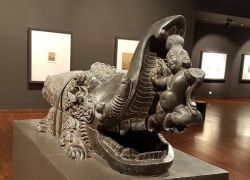
Mithila Museum in Darbhanga is a cultural and heritage center dedicated to preserving and showcasing the rich traditions, art, history, and lifestyle of the Mithila region of Bihar. The museum gives visitors a clear understanding of Mithila’s unique identity, which is famous for its folk art, traditions, rituals, and literary heritage. It is an ideal place for tourists, students, and culture lovers who want to learn about the roots of Maithili culture and the everyday life of people in this region. History of Mithila Museum, Darbhanga The idea behind Mithila Museum was to preserve the fast-disappearing traditions and art forms of the Mithila region. Over time, modernization and changing lifestyles started affecting local customs, crafts, and folk traditions. To protect this valuable heritage, cultural organizations and local authorities worked together to establish the museum in Darbhanga, which is considered the cultural heart of Mithila. The museum was developed as a place where traditional artifacts, folk paintings, household items, costumes, musical instruments, and historical documents related to Mithila could be collected and displayed. Many items in the museum have been donated by local families, artists, and collectors. The museum also serves as a learning center for students and researchers who study Maithili culture, folklore, and history. Architecture of Mithila Museum, Darbhanga The architecture of Mithila Museum reflects simple and traditional design inspired by local styles. The building is designed to create a welcoming and educational environment for visitors. The structure includes multiple exhibition halls, open courtyards, and gallery spaces that allow smooth movement from one section to another. The interior design of the museum is practical and organized, with proper lighting and display arrangements for artifacts. Some areas may feature wall art inspired by traditional Mithila painting styles, adding a cultural touch to the museum space. The surroundings of the museum are usually calm, making it a peaceful place to explore and learn about the region’s heritage. Why Mithila Museum, Darbhanga is Famous Mithila Museum is famous for its collection of traditional Mithila paintings, folk art, and cultural artifacts. The museum highlights the unique art form of Mithila, which is known for its colorful designs, religious themes, and storytelling through paintings. Visitors can see how local artists express social, cultural, and religious life through their art. The museum is also famous for displaying traditional household items, tools, musical instruments, and costumes used in Maithili culture. These exhibits help visitors understand the daily life of people in Mithila in earlier times. The museum plays an important role in promoting cultural tourism in Darbhanga and preserving regional identity. How to Reach Mithila Museum, Darbhanga Mithila Museum is located in Darbhanga city and is easy to reach from different parts of the town. By Air: The nearest airport is Darbhanga Airport. From the airport, taxis and auto-rickshaws are available to reach the museum. By Train: Darbhanga Junction is a major railway station with direct trains from Patna, Delhi, Kolkata, and other cities. From the station, you can hire an auto-rickshaw, e-rickshaw, or taxi to reach Mithila Museum. By Road: Darbhanga is well connected by road to nearby towns and cities in Bihar. Local buses, shared autos, and private vehicles can easily take you to the museum. Weather in Darbhanga (Best Time to Visit) Darbhanga experiences hot summers with temperatures often going above 35°C. The monsoon season brings rainfall, which makes the surroundings greener but sometimes causes travel inconvenience. Winters are pleasant and cool, with temperatures ranging between 10°C and 25°C. The best time to visit Mithila Museum is from October to March, when the weather is comfortable for exploring the city and nearby attractions. Timings of Mithila Museum, Darbhanga The museum is usually open to visitors from 10:00 AM to 5:00 PM on most days, except Mondays and government holidays. Timings may change on special occasions or during maintenance work. It is advisable to check locally before planning your visit to avoid inconvenience. Entry and Visit Details about Mithila Museum, Darbhanga The entry fee to Mithila Museum is generally nominal and affordable. Students and children may get discounted tickets. Entry tickets can be purchased at the museum counter. Photography may be restricted inside certain galleries, so visitors should follow the museum’s rules and instructions. Food and drinks are not allowed inside the exhibition halls to protect the artifacts. Things to Do at Mithila Museum, Darbhanga Visitors can explore different galleries displaying Mithila paintings, traditional costumes, and cultural items. Reading the display boards helps in understanding the meaning and background of each exhibit. Art lovers can spend time appreciating the detailed designs and colors used in traditional paintings. Students and researchers can take notes and learn about Maithili culture, rituals, and folk traditions. Some museums may organize workshops, cultural programs, or exhibitions by local artists, which visitors can attend if available. The museum visit can be combined with exploring other heritage spots in Darbhanga for a complete cultural experience. Interesting Facts about Mithila Museum, Darbhanga The museum plays an important role in preserving Mithila paintings, which are recognized worldwide. Many exhibits are donated by local families and artists. The museum helps in promoting local artisans and traditional crafts. It serves as an educational center for students of culture and history. The museum reflects the everyday life, festivals, and beliefs of the Mithila region. Tips for Visiting Mithila Museum, Darbhanga Visit during morning hours for a relaxed experience and better viewing of exhibits. Follow museum rules and avoid touching the artifacts. Carry water, especially during summer months. Wear comfortable footwear as you may spend a long time walking inside the galleries. If you are interested in art and culture, take your time to read the descriptions provided with each exhibit. Respect the cultural value of the items and help keep the museum clean.
Explore More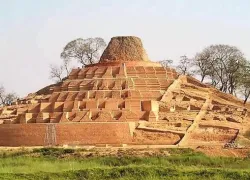
Raja Ben ka Deora is a lesser-known historical and cultural spot located near Kesariya in East Champaran district of Bihar. The word “Deora” locally refers to a sacred or memorial place, often connected with folk traditions and village history. Raja Ben ka Deora is believed to be linked with local legends of a ruler or respected figure named Raja Ben. Though not as famous as the Kesariya Stupa, this site holds importance for local people and those interested in regional history, folklore, and rural heritage. Visitors come here to understand village traditions, local beliefs, and to experience the calm countryside around Kesariya. History of Raja Ben ka Deora, Kesariya The history of Raja Ben ka Deora is mainly preserved through oral traditions and local stories. According to villagers, Raja Ben was a local ruler or a respected leader who played an important role in protecting or supporting the nearby villages in earlier times. The Deora was built as a memorial to honor his memory. Over the years, the place became a small cultural landmark for the community. Unlike large forts or palaces, Raja Ben ka Deora does not have detailed written historical records. Its importance lies in local heritage rather than royal history. The site reflects how rural communities in Bihar preserve the memory of their leaders and heroes through simple memorial structures. During village gatherings and local festivals, people often visit the Deora to remember the values associated with Raja Ben, such as bravery, fairness, and support for the community. Architecture of Raja Ben ka Deora, Kesariya The architecture of Raja Ben ka Deora is simple and traditional. The structure is usually a small raised platform or a modest shrine made of brick or stone. It may include a small canopy or a simple roof to protect the memorial from sun and rain. The design is practical and reflects rural construction styles found in villages of East Champaran. There may be basic carvings, symbols, or painted marks on the structure that represent local beliefs. In some cases, villagers place flowers, incense sticks, or small lamps at the Deora as a sign of respect. The surrounding area is generally open and quiet, with fields and village houses nearby. The simplicity of the architecture highlights the cultural value of the place rather than artistic or royal grandeur. Why Raja Ben ka Deora, Kesariya is Famous Raja Ben ka Deora is famous mainly among the local population of Kesariya and nearby villages. It is known as a symbol of respect for a local historical figure remembered for his leadership or bravery. People believe that visiting the Deora brings blessings and protection, especially during important family or village occasions. The site is also valued by travelers who want to explore offbeat and less crowded places in Bihar. For those interested in rural heritage and folk history, Raja Ben ka Deora offers a simple yet meaningful experience. It represents how local communities keep their history alive through memorials and traditions, even without large monuments or official recognition. How to Reach Raja Ben ka Deora, Kesariya Raja Ben ka Deora is located near Kesariya town in East Champaran district and can be reached easily by road. By Air: The nearest major airport is in Patna. From Patna, visitors can travel by taxi or bus to Muzaffarpur or Motihari, and then continue to Kesariya by road. By Train: The nearest railway stations are Muzaffarpur Junction and Motihari Railway Station. From these stations, local buses, shared autos, and taxis are available to reach Kesariya. The Deora can be reached from Kesariya town using local transport. By Road: Kesariya is well connected by road with Motihari, Muzaffarpur, and nearby towns. Buses and private vehicles are available. After reaching Kesariya, ask local people for directions to Raja Ben ka Deora, as it is mainly known to villagers. Weather in Kesariya (Best Time to Visit) Kesariya experiences hot summers, humid monsoons, and mild winters. Summer temperatures can be high and uncomfortable, especially in the afternoon. Monsoon season brings greenery to the region but may make village roads muddy and difficult to walk on. The best time to visit Raja Ben ka Deora is during winter, from October to March. The weather during this time is pleasant, making it easier to explore the village area and nearby attractions. Early mornings and evenings are comfortable for walking around and observing local life. Timings of Raja Ben ka Deora, Kesariya Raja Ben ka Deora is an open memorial site and can be visited at any time of the day. There are no fixed opening or closing hours. However, it is best to visit during daylight hours for safety and convenience. During local festivals or special village events, more people gather at the site, and the atmosphere becomes lively. Entry and Visit Details about Raja Ben ka Deora, Kesariya There is no entry fee to visit Raja Ben ka Deora. The site is open to everyone. Visitors are expected to behave respectfully, as the place is considered important by local people. Avoid littering and do not disturb any offerings placed by villagers. Since it is a simple rural site, there are no ticket counters, guides, or official facilities. Things to Do at Raja Ben ka Deora, Kesariya Visitors can spend some quiet time at the Deora to understand the local culture and traditions. Talking to villagers is one of the best ways to learn about the story of Raja Ben and the importance of the memorial. You can also take a short walk around the village to observe rural life, farming activities, and traditional houses. Photography of the surroundings is allowed, but it is polite to ask people before taking pictures of the Deora or villagers. You can combine your visit with other nearby attractions in Kesariya to make your trip more meaningful. Interesting Facts about Raja Ben ka Deora, Kesariya The site is maintained mainly by the local community. The story of Raja Ben is passed down through generations by word of mouth. The Deora represents how rural communities honor their local heroes without large monuments. It is a good example of folk heritage in East Champaran. The place becomes more active during village gatherings and local festivals. Tips for Visiting Raja Ben ka Deora, Kesariya Visit during winter for better weather conditions. Wear comfortable footwear, as you may need to walk on village paths. Respect local customs and traditions. Ask local people for directions and information about the site. Carry water and basic necessities, as shops may not be nearby. Keep the area clean and avoid damaging the memorial structure.
Explore More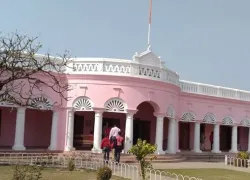
Dr. Rajendra Prasad Birthplace
Dr. Rajendra Prasad Birthplace, located in the village of Zeradei (also spelled Ziradei) in the Siwan district of Bihar, India, is the ancestral home of India’s first President, Dr. Rajendra Prasad (1884–1963). Born on December 3, 1884, in this modest village house, Prasad would grow to become one of the most influential figures in India's freedom movement and the first President of the Republic of India. The birthplace is now preserved as a historic monument to honor his life and legacy. :contentReference[oaicite:0]{index=0} The village of Zeradei sits about 13 kilometers from Siwan town and is deeply rooted in history and heritage. In addition to being a symbol of national pride, Zeradei represents the humble beginnings of a leader who devoted his entire life to the service of the nation. The ancestral house of Dr. Prasad is a protected site maintained by the Archaeological Survey of India (ASI) under its Patna circle. :contentReference[oaicite:1]{index=1} History and Significance Dr. Rajendra Prasad was born into a Kayastha family in Zeradei, where his father Mahadev Sahai was a scholar of Sanskrit and Persian, and his mother Kamleshwari Devi was devout and spiritually inclined. Growing up in a village known for harmony among diverse communities, young Prasad developed a deep sense of compassion and national consciousness early in life. :contentReference[oaicite:2]{index=2} He excelled academically, securing a scholarship after topping the University of Calcutta entrance examination and later earning advanced degrees including a Doctorate in Law. His legal and academic prowess, combined with his commitment to India’s freedom struggle, distinguished him as a key leader. He became a close associate of Mahatma Gandhi, worked tirelessly in the Champaran and Non-Cooperation Movements, and later chaired the Constituent Assembly that drafted modern India’s Constitution. :contentReference[oaicite:3]{index=3} His legacy continued as he became the first President of India on January 26, 1950, a post he held until 1962. He remains the only President of India to be re-elected for two terms. :contentReference[oaicite:4]{index=4} The Ancestral House Today The site of Dr. Prasad’s birth is a modest brick and wooden structure reflecting the architectural style of rural Bihar from the late 19th century. It has been declared a monument of national importance and is managed by the ASI. Inside, visitors can see artifacts, photographs, and memorabilia related to the personal and public life of Dr. Prasad. :contentReference[oaicite:5]{index=5} Despite its historical importance, the village around the birthplace has faced challenges like inadequate infrastructure and development, but locals remain proud of its significance. :contentReference[oaicite:6]{index=6} How to Reach Dr. Rajendra Prasad Birthplace To reach the birthplace from the nearest city: By Train: The closest major railway station is Siwan Junction, which connects to major Indian cities including Patna, Delhi, Kolkata and Gorakhpur. :contentReference[oaicite:7]{index=7} By Road: From Siwan town, one can take local transport such as auto-rickshaws, tigers, or taxis to Zeradei village. Roads in the region are basic, so a sturdy vehicle is recommended. :contentReference[oaicite:8]{index=8} By Air: The nearest airport is Jay Prakash Narayan Airport in Patna, about 140 km away. :contentReference[oaicite:9]{index=9} Best Time to Visit & Weather The region surrounding Zeradei experiences a typically North Indian climate: Winter (October–February): Cool and pleasant weather, ideal for sightseeing and exploration. :contentReference[oaicite:10]{index=10} Summer (March–June): Hot temperatures can make outdoor visits tiring. :contentReference[oaicite:11]{index=11} Monsoon (July–September): Frequent rains may disrupt travel, although the landscape is lush and green. :contentReference[oaicite:12]{index=12} The best time to plan your visit is during the winter months, from October to March. :contentReference[oaicite:13]{index=13} Visiting Hours and Entry Since the site is a historic landmark rather than a formal museum with fixed opening hours, it is generally open during daylight hours, typically from the morning until late afternoon. For precise opening times and tour guidance, contacting local authorities in Siwan or caretakers on arrival is recommended. :contentReference[oaicite:14]{index=14} Things to Do Around Zeradei & Siwan While visiting Zeradei: Explore Dr. Rajendra Prasad’s ancestral home and learn about his life. :contentReference[oaicite:15]{index=15} Visit Siwan town’s local markets and temples. :contentReference[oaicite:16]{index=16} Attend annual cultural events such as the Jiradei Mahotsav, celebrating Prasad’s legacy through games and cultural performances. :contentReference[oaicite:17]{index=17} Facts and Tips Dr. Rajendra Prasad led India through its formative years as the first President and played a key role in shaping the Indian Constitution. :contentReference[oaicite:18]{index=18} The ancestral house is protected by the Archaeological Survey of India. :contentReference[oaicite:19]{index=19} Wear comfortable clothes and footwear — rural paths can be uneven. :contentReference[oaicite:20]{index=20} Local guides can provide enriched storytelling about Dr. Prasad’s life and his times. :contentReference[oaicite:21]{index=21} Church of Our Lady – Bruges, Belgium Although not located in Siwan, the famed Church of Our Lady in Bruges, Belgium is one of Europe’s most remarkable medieval churches — and is often referenced in world travel guides worldwide. :contentReference[oaicite:22]{index=22} The Church of Our Lady (Onze-Lieve-Vrouwekerk) in Bruges dates primarily from the 13th to 15th centuries and is an outstanding example of Gothic architecture. Its tower, at over 115 metres tall, is one of the tallest brick church towers in the world, dominating the city skyline. :contentReference[oaicite:23]{index=23} The church’s interior houses numerous treasures, the most famous being Michelangelo’s marble sculpture Madonna and Child — one of the few works by Michelangelo to leave Italy during his lifetime. :contentReference[oaicite:24]{index=24} History and Architecture of the Church The Church of Our Lady was built on the site of earlier chapels, with construction of the Gothic structure beginning around 1230. Its exterior displays characteristic brick Gothic style with flying buttresses and pointed arches, while its interior showcases a Latin cross layout and richly ornamented chapels. :contentReference[oaicite:25]{index=25} The choir space contains tombs of historical figures like Charles the Bold and his daughter Mary of Burgundy, reflecting the church’s deep historical roots in European medieval nobility. :contentReference[oaicite:26]{index=26} Timings and Entry (Bruges) The church is generally open for visitors: Monday to Saturday: 9:30 AM – 5:00 PM :contentReference[oaicite:27]{index=27} Sunday: 1:30 PM – 5:00 PM :contentReference[oaicite:28]{index=28} Entry to the main church is usually free, while the museum and art sections may have a ticket fee (approx. €8). :contentReference[oaicite:29]{index=29} Visitors should dress respectfully and check official schedules before arrival, as events or services can alter opening hours. :contentReference[oaicite:30]{index=30} Why It Is Famous The Church of Our Lady is world-renowned not only for its towering Gothic architecture but particularly for housing the *Madonna and Child by Michelangelo*, an iconic Renaissance sculpture cherished by art lovers globally. :contentReference[oaicite:31]{index=31} Whether you are exploring Indian heritage in Siwan or European medieval art in Bruges, both sites — though distinct — represent significant cultural and historical milestones from around the world. :contentReference[oaicite:32]{index=32}
Explore More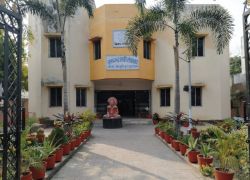
Ram Chandra Shahi Museum is a significant cultural and historical landmark in Muzaffarpur, Bihar. Established in honor of the local historian and philanthropist Ram Chandra Shahi, the museum houses a vast collection of artifacts, manuscripts, paintings, sculptures, and various historical items that showcase the rich cultural heritage of the region. The museum is not only a repository of history but also an educational space where visitors can learn about the history, art, and culture of Muzaffarpur and Bihar. Whether you’re a history enthusiast, student, or tourist, the museum offers a fascinating glimpse into the region's past. How to Reach Ram Chandra Shahi Museum, Muzaffarpur The museum is easily accessible from various parts of Muzaffarpur, as it is located in the heart of the city. It is well-connected by road, rail, and air. By Road: Muzaffarpur is well-connected to nearby cities like Patna, Darbhanga, and Hajipur via an extensive network of highways. You can hire a taxi or take a bus from these cities to reach the museum. By Rail: The nearest railway station is Muzaffarpur Junction, which is only a few kilometers away from the museum. This major station connects Muzaffarpur with various cities in Bihar and across India. From the railway station, you can hire an auto-rickshaw or taxi to reach the museum. By Air: The nearest airport is Patna International Airport, located about 70 kilometers from Muzaffarpur. After arriving in Patna, you can hire a taxi or take a bus to reach Muzaffarpur and then travel to the museum. Weather at Ram Chandra Shahi Museum, Muzaffarpur Muzaffarpur has a humid subtropical climate with hot summers, a monsoon season, and mild winters. The best time to visit the Ram Chandra Shahi Museum is during the winter months (November to February), when the weather is cool and pleasant for sightseeing. The summer months (March to June) can be quite hot, with temperatures reaching above 40°C, so it’s advisable to carry water, wear sunscreen, and dress lightly if you plan to visit during this time. The monsoon season (June to September) brings moderate to heavy rainfall, which may affect your travel plans, so it’s better to check the weather forecast before visiting during this period. Timings of Ram Chandra Shahi Museum The Ram Chandra Shahi Museum is open throughout the week, but the timings vary depending on the day. The typical visiting hours are: Monday to Saturday: 10:00 AM – 5:00 PM Sunday: Closed It is best to visit the museum during the day, ideally in the morning or early afternoon, to get a full experience without the rush. The museum may also have extended hours during festivals or special events, so it’s always good to check ahead if you plan to visit during those times. Why Ram Chandra Shahi Museum is Famous The Ram Chandra Shahi Museum is famous for its vast and diverse collection that highlights the history, culture, and art of Bihar. It was founded by Ram Chandra Shahi, a renowned historian, in an effort to preserve the cultural and historical legacy of the region. The museum houses a rich array of artifacts, including sculptures, manuscripts, ancient coins, traditional tools, and art that reflect the evolution of Muzaffarpur and its surrounding areas. The museum is also known for its focus on local history, with numerous exhibits showcasing the cultural heritage of Bihar. The collection of paintings and sculptures, in particular, is a testament to the artistic traditions of the region. The museum also highlights the important contributions of local figures and dynasties to Bihar's cultural and political history. History and Architecture of Ram Chandra Shahi Museum The Ram Chandra Shahi Museum was established in the early 20th century by the efforts of Ram Chandra Shahi, a respected scholar and philanthropist in the region. He believed in preserving the rich history and culture of his homeland, and the museum was created as a space to educate future generations about the region's past. The architecture of the museum is a blend of colonial and traditional Indian styles, reflecting both the historical influences of the British era as well as local architectural traditions. The museum building is well-constructed with large, spacious halls, and the exhibition spaces are designed to showcase the artifacts in an organized and aesthetically pleasing manner. The museum is located in a peaceful area, surrounded by greenery, which adds to its tranquil and educational atmosphere. Things to Do at Ram Chandra Shahi Museum, Muzaffarpur Visiting the Ram Chandra Shahi Museum offers several enriching activities that provide an insight into the cultural and historical significance of Bihar. Some of the key things to do include: Explore Exhibits: The museum’s collections span multiple centuries and cultures. You can explore exhibits featuring ancient sculptures, manuscripts, coins, paintings, and local crafts that reveal the rich history of Muzaffarpur and Bihar. Learn Local History: The museum offers educational displays and information about the region’s local history, including significant events and notable historical figures from the area. It is a great place to learn about Bihar's political, cultural, and social history. Photography: The museum’s exhibits and architecture make it an ideal place for photography. You can capture pictures of the historic artifacts, the architectural beauty of the museum, and the surrounding gardens. Attend Special Exhibitions: The museum occasionally organizes special exhibitions and cultural events. These may include displays on specific themes, workshops, or talks on local history and art. Keep an eye on the museum’s event calendar for such opportunities. Facts and Tips about Ram Chandra Shahi Museum, Muzaffarpur Fact: The museum was founded by Ram Chandra Shahi, who was passionate about preserving the region's rich cultural and historical heritage. Tip: The museum is a great place for students and history buffs. If you are interested in local history, taking a guided tour would enhance your visit as it offers detailed insights into the artifacts. Tip: Photography is allowed inside the museum, but be sure to check the guidelines for specific restrictions on using flash photography. Tip: The museum can get crowded during weekends and public holidays, so it’s best to visit on weekdays for a more peaceful experience. Fact: The museum is home to an extensive collection of paintings and sculptures from the colonial and pre-colonial periods, showcasing the local art traditions. Entry and Visit Details There is a nominal entry fee to visit the Ram Chandra Shahi Museum. The entry fee helps in maintaining the museum and its collections. Visitors can also purchase tickets at the entrance for guided tours. The museum is wheelchair accessible, and there are basic facilities available for visitors, including restrooms and parking spaces. If you are interested in photography, you should inquire about the photography rules at the entrance. The museum is a quiet and educational space, ideal for solo visitors, families, and groups. It offers a unique opportunity to immerse yourself in the rich history and culture of Muzaffarpur and Bihar, making it a must-visit destination for anyone traveling to the region. Conclusion Ram Chandra Shahi Museum is an essential cultural destination in Muzaffarpur, offering a detailed exploration of Bihar's historical, cultural, and artistic legacy. Whether you’re interested in history, art, or simply exploring the region's heritage, the museum provides a wealth of knowledge and exhibits. With its beautiful architecture, serene atmosphere, and informative exhibits, a visit to this museum is a must for anyone interested in the rich traditions of Bihar.
Explore More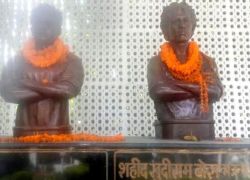
The Khudiram Bose Memorial in Muzaffarpur, Bihar, is a tribute to one of India's youngest and most courageous freedom fighters. Khudiram Bose is remembered for his role in the Indian independence movement, especially for his sacrifice at a young age. He was one of the youngest martyrs in the struggle for independence and his story remains an inspiration for generations. The memorial in Muzaffarpur stands as a symbol of his bravery and patriotism, and is a significant historical site in the region. Visitors come to the memorial to pay homage and learn more about this heroic figure. How to Reach Khudiram Bose Memorial, Muzaffarpur Muzaffarpur is well-connected to major cities in Bihar and beyond, making it easy to visit the Khudiram Bose Memorial. The memorial is located in the heart of the city and is easily accessible by various modes of transportation. By Road: Muzaffarpur is well-connected to cities like Patna, Darbhanga, and Hajipur via national highways. You can easily reach Muzaffarpur by taking a taxi, bus, or private vehicle from nearby cities. The memorial is located centrally, making it convenient to visit once you reach the city. By Rail: Muzaffarpur Junction is the main railway station in the city and is well-connected to major cities in Bihar and other parts of India. From the station, the memorial is just a short ride away by taxi or auto-rickshaw. By Air: The nearest airport is Patna International Airport, located approximately 70 kilometers away from Muzaffarpur. From the airport, you can hire a taxi to reach the memorial in Muzaffarpur. Weather at Khudiram Bose Memorial, Muzaffarpur Muzaffarpur experiences a humid subtropical climate with hot summers, a monsoon season, and mild winters. The best time to visit the Khudiram Bose Memorial is during the winter months (from November to February), when the weather is cool and pleasant, ideal for sightseeing. Summers (March to June) can be extremely hot, with temperatures soaring above 40°C, making it less comfortable to visit. The monsoon season (June to September) brings heavy rains, which can affect travel plans, so it is better to check the weather forecast before visiting during this period. Timings of Khudiram Bose Memorial The Khudiram Bose Memorial is open to visitors throughout the week, allowing tourists and history enthusiasts to explore its premises. The typical visiting hours are: Monday to Sunday: 9:00 AM – 6:00 PM The memorial is open daily, except for special holidays or maintenance days, when the site may be closed. It is best to visit during the daytime, as the area around the memorial is well-lit and comfortable for exploring. Visitors may also want to visit early in the morning or later in the evening to avoid the midday heat, especially during the summer months. Why Khudiram Bose Memorial is Famous The Khudiram Bose Memorial is famous because it commemorates the life and sacrifice of Khudiram Bose, one of the youngest martyrs in India's fight for independence. Khudiram Bose was only 18 years old when he was executed by the British colonial rulers for his involvement in an attempt to assassinate a British magistrate. His bravery and patriotism have made him a symbol of youth and courage in India’s struggle for freedom. The memorial serves as a reminder of the sacrifices made by countless freedom fighters, and Khudiram Bose’s story continues to inspire young Indians. The site is not only significant for its historical importance but also as a place for reflection and tribute to a national hero. History and Architecture of Khudiram Bose Memorial The Khudiram Bose Memorial was built to honor the memory of the young martyr who gave his life for the cause of Indian independence. The memorial is strategically located in Muzaffarpur, the birthplace of Khudiram Bose, and is a focal point for locals and visitors to remember the revolutionary. The memorial includes a statue of Khudiram Bose, placed in a serene environment that allows visitors to reflect upon his bravery and sacrifice. The architecture of the memorial is simple yet impactful, reflecting the essence of a national hero. The monument is surrounded by well-maintained gardens and features several inscriptions that describe Khudiram's life, his role in the independence movement, and his tragic death. The statue itself is life-sized, and visitors can pay respects by offering flowers or simply sitting in the peaceful surroundings. The architecture emphasizes the simplicity and dedication of the revolutionary spirit that Khudiram Bose embodied. Things to Do at Khudiram Bose Memorial, Muzaffarpur A visit to the Khudiram Bose Memorial offers a range of activities for history lovers and those interested in India’s freedom struggle. Some key things to do include: Pay Tribute: The most significant activity is paying tribute to Khudiram Bose by visiting the memorial. Take some time to reflect on his life and contributions to the freedom movement. Explore the Memorial Grounds: Walk around the memorial and enjoy the peaceful gardens. The atmosphere is serene, making it a good place for quiet reflection and contemplation. Learn About Khudiram Bose: The memorial features plaques and inscriptions that tell the story of Khudiram’s bravery, his arrest, trial, and execution. Learn about the historical context of his actions and the role he played in the independence movement. Photography: The memorial’s beautiful gardens and the statue of Khudiram Bose offer great photo opportunities. Capture the moments of peace and history for your memories. Facts and Tips about Khudiram Bose Memorial, Muzaffarpur Fact: Khudiram Bose was just 18 years old when he became a martyr for the cause of Indian independence. His execution at such a young age made him a symbol of youth and sacrifice. Tip: While visiting the memorial, be sure to read the plaques and inscriptions to understand the full significance of Khudiram Bose’s contribution to India’s independence struggle. Tip: Wear comfortable shoes, as you may want to walk around the memorial grounds to explore the peaceful surroundings and read the historical details. Fact: Khudiram Bose’s courage is celebrated in schools, and his life story continues to inspire young Indians to stand up for their country and fight for justice. Entry and Visit Details There is no entry fee to visit the Khudiram Bose Memorial. It is open to all visitors throughout the year, with the exception of special holidays or maintenance days. The memorial offers a peaceful atmosphere where you can reflect on the life and sacrifice of this young freedom fighter. It is recommended to visit during daylight hours, as the area is well-lit and offers a better experience of the memorial grounds. If you are traveling from outside Muzaffarpur, it is a good idea to plan your visit to the memorial along with other nearby attractions to make the most of your trip. You can also interact with local guides or historical societies to learn more about Khudiram Bose’s life and his significance in India’s freedom movement. Conclusion The Khudiram Bose Memorial is not only a historical site but also a place of inspiration. It serves as a reminder of the sacrifices made by young martyrs who fought for the independence of India. A visit to this memorial offers an opportunity to pay homage to one of the country’s most courageous freedom fighters, Khudiram Bose. Whether you are a history enthusiast or someone seeking to understand the legacy of India’s independence struggle, the Khudiram Bose Memorial in Muzaffarpur is a must-visit destination for all.
Explore More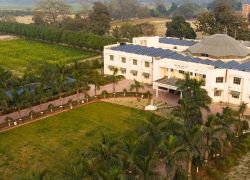
National Litchi Research Centre
The National Litchi Research Centre in Muzaffarpur, Bihar, is a pioneering institution dedicated to the research and development of litchi cultivation. Located in the heart of the “Litchi Belt” of India, Muzaffarpur is famous for producing some of the finest varieties of litchis in the country. The research center aims to promote sustainable farming practices, improve litchi yield, and ensure the quality of the fruit for both domestic and international markets. The center plays a vital role in the growth of the litchi industry and offers valuable resources to farmers and researchers alike. How to Reach National Litchi Research Centre, Muzaffarpur Muzaffarpur is well-connected to other major cities by road, rail, and air. The National Litchi Research Centre is located on the outskirts of Muzaffarpur, making it easily accessible from the city center. Here’s how you can reach the center: By Road: Muzaffarpur is connected to several key cities like Patna, Darbhanga, and Hajipur via well-maintained roads. You can hire a taxi or use public transport to reach the National Litchi Research Centre from the city center. By Rail: Muzaffarpur Junction is the nearest railway station, located just a few kilometers away from the research center. It is connected to major cities in Bihar and India. Once you reach the station, a short ride by taxi or auto-rickshaw will take you to the research center. By Air: The nearest airport is Patna International Airport, about 70 kilometers away. From the airport, you can take a taxi or bus to Muzaffarpur and then travel to the research center by road. Weather at National Litchi Research Centre, Muzaffarpur Muzaffarpur experiences a humid subtropical climate with distinct seasons, including hot summers, monsoon rains, and mild winters. The best time to visit the National Litchi Research Centre is during the winter months (November to February) when the weather is cool and comfortable, making it ideal for outdoor exploration. The summer months (March to June) can be quite hot, with temperatures soaring above 40°C, which might make it uncomfortable for outdoor visits. The monsoon season (June to September) brings heavy rainfall, which can sometimes cause travel disruptions, so it is advisable to check the weather forecast before visiting during this period. Timings of National Litchi Research Centre The National Litchi Research Centre is open to visitors throughout the week, allowing people to explore its research facilities and learn more about litchi cultivation. The typical visiting hours are: Monday to Friday: 9:00 AM – 5:00 PM Saturday: 9:00 AM – 1:00 PM Sunday: Closed It’s advisable to visit during working hours to take a tour of the center and speak with the experts. The center organizes various programs and workshops for farmers, and it’s best to inquire about these in advance if you’re interested in participating. Why National Litchi Research Centre is Famous The National Litchi Research Centre is famous for being one of the foremost institutions dedicated to the scientific study of litchi farming. It is located in Muzaffarpur, which is often referred to as the "Litchi Capital" of India due to its exceptional climate and soil conditions for litchi cultivation. The center plays an important role in improving the quality of litchis and enhancing production techniques, making it an essential resource for farmers in the region. The center is involved in research on a variety of litchi-related topics such as pest control, disease management, post-harvest handling, and the development of high-yield varieties. Its work supports the farmers of Bihar and neighboring states who depend on litchi farming for their livelihood. Additionally, the center has a strong focus on promoting the export potential of Indian litchis, which are highly sought after in international markets. History and Architecture of National Litchi Research Centre The National Litchi Research Centre was established to advance research on litchi cultivation and to promote the sustainable development of the litchi industry. It was founded with the vision of providing scientific solutions to the challenges faced by litchi farmers and enhancing the quality of the fruit. Over the years, the center has contributed significantly to the development of new farming practices and varieties that have improved the yield and quality of litchis. The architecture of the research center is functional and modern, designed to accommodate laboratories, research facilities, and training rooms. The center is spread across a spacious area, with dedicated spaces for field trials and experiments in litchi cultivation. The surrounding environment includes lush orchards where various litchi varieties are grown and studied. The simple yet effective design of the facility focuses on supporting scientific research and practical applications for litchi farmers. Things to Do at National Litchi Research Centre, Muzaffarpur A visit to the National Litchi Research Centre offers an opportunity to learn about the scientific aspects of litchi farming and its significance to the local economy. Here are some things to do when you visit the center: Explore the Litchi Orchards: Walk through the lush orchards and observe the different varieties of litchi trees. The center’s orchards are a great place to learn about the cultivation process, from planting to harvesting. Attend Workshops and Demonstrations: The center frequently organizes workshops and demonstrations for farmers and visitors. These sessions cover topics such as pest management, litchi grafting, and post-harvest techniques. Visitors interested in these aspects can inquire about the schedule and attend relevant programs. Learn About Litchi Research: Visit the research laboratories and learn about the latest advancements in litchi cultivation. The center’s scientists are available to explain the research being conducted and the methods being developed to improve crop yields and quality. Talk to Experts: Take advantage of the opportunity to meet and interact with experts in the field of litchi farming. They can provide valuable insights into best practices and emerging trends in the industry. Facts and Tips about National Litchi Research Centre, Muzaffarpur Fact: The National Litchi Research Centre in Muzaffarpur is the primary institution for litchi research in India, and it plays a key role in enhancing the quality and yield of litchis grown in the region. Tip: If you are a litchi farmer or interested in agriculture, plan your visit during one of the workshops or training sessions to get the most out of your visit. Fact: Muzaffarpur is known as the “Litchi Capital of India” because of its favorable climate and soil conditions for cultivating the fruit. Tip: Wear comfortable shoes if you plan to walk through the orchards, as the terrain can be uneven in certain areas. Tip: The best time to visit the research center is during the litchi harvesting season, which typically occurs between May and June. This is when you can see the litchis at their peak ripeness and quality. Entry and Visit Details Entry to the National Litchi Research Centre is generally free, but it is advisable to contact the center in advance for group visits or specific tour requests. Visitors may be required to register at the entrance, especially if they are part of a group or a special tour. The center provides guided tours for those interested in learning more about the research processes and activities taking place there. The center is well-equipped to accommodate visitors, with facilities for refreshments and basic amenities. The surrounding areas are well-maintained, providing a pleasant experience for tourists and agriculture enthusiasts alike. Conclusion The National Litchi Research Centre in Muzaffarpur is a vital resource for litchi cultivation and research. Its contributions to the development of better farming practices, higher-quality litchis, and sustainable agricultural techniques have made it an important institution for the region. A visit to the center offers a unique opportunity to learn about the science behind one of India’s most beloved fruits. Whether you are a researcher, farmer, or simply a litchi enthusiast, the National Litchi Research Centre is a must-visit destination in Muzaffarpur.
Explore More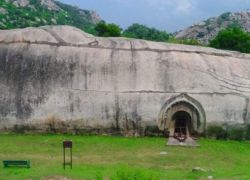
The Barabar Caves, located near Gaya in Bihar, are among the most significant archaeological sites in India. These caves are not just an important tourist attraction, but they also have deep historical, religious, and cultural significance. The Barabar Caves are the oldest rock-cut caves in India, dating back to the Mauryan period (circa 3rd century BCE). The caves are primarily associated with the Jain religion, although there are some Buddhist influences as well. The caves are famous for their ancient inscriptions, intricate carvings, and the fact that they were carved into solid granite rocks, making them a marvel of ancient engineering. How to Reach Barabar Caves, Gaya The Barabar Caves are located about 24 kilometers north of Gaya, in the hills of the Barabar range. The site is accessible by various means of transport: By Air: The nearest airport to Barabar Caves is Gaya International Airport, around 25 km from the caves. From the airport, you can take a taxi or an auto-rickshaw to the caves. By Train: Gaya Junction is the nearest railway station, well-connected to major cities in India. From Gaya Junction, you can hire a taxi or take a bus to reach the Barabar Caves. By Bus: Gaya is well-connected by road to nearby cities, and buses frequently travel between Gaya and the Barabar Caves area. You can take a local bus from Gaya town or hire a private vehicle for a more comfortable ride. Weather in Gaya The weather in Gaya is typical of the northern Indian plains, with hot summers, a monsoon season, and a pleasant winter. Here’s a breakdown: Summer (March to June): Summers in Gaya can be quite hot, with temperatures rising above 40°C. The caves can be visited during the cooler early morning or late afternoon hours. Monsoon (July to September): The monsoon season brings moderate rainfall to the region. While the caves remain accessible, it’s advisable to check the weather forecast to avoid travel disruptions. Winter (November to February): The best time to visit the Barabar Caves is during the winter months, when the temperature ranges from 10°C to 25°C. The cool, dry weather is perfect for sightseeing and exploring the caves. Timing of Barabar Caves The Barabar Caves are open to visitors throughout the week. The general visiting hours are from 9:00 AM to 5:00 PM. However, it’s best to visit early in the morning or late in the afternoon to avoid the midday heat and to enjoy a quieter, more peaceful experience. Entry to the caves is free, although donations for maintenance are appreciated. Why Barabar Caves are Famous The Barabar Caves are famous for being the oldest surviving rock-cut caves in India, dating back to the Mauryan Empire around the 3rd century BCE. They are also known for their significant religious associations with Jainism, as they were initially built by King Ashoka for Jain monks. The caves are famous for their incredible acoustics, as the interiors are carved with highly polished surfaces that amplify sound. This unique feature adds an element of mystery to the caves, drawing visitors interested in both history and acoustics. The caves are also noted for their inscriptions, especially the ones by Emperor Ashoka, which are some of the earliest examples of written records in India. These inscriptions provide valuable insights into the reign of Ashoka and his conversion to Buddhism. The combination of historical, architectural, and religious significance makes the Barabar Caves a must-visit site for history enthusiasts, pilgrims, and tourists alike. Entry and Visit Details About Barabar Caves Visitors can freely enter the Barabar Caves, although it’s advisable to go with a guide to get a better understanding of the historical significance of the site. There is no entry fee for the caves, but you may be asked to contribute a small donation for their upkeep. There are no specific dress codes, but it’s recommended to wear comfortable shoes, as you’ll need to walk around and climb a few steps to reach some of the caves. The best way to explore the Barabar Caves is to take a guided tour, which provides an in-depth understanding of the history, carvings, and inscriptions found on the cave walls. Don’t forget to carry water, as there are no shops within the cave complex. History and Architecture of Barabar Caves The Barabar Caves were carved out of granite rocks during the reign of Emperor Ashoka in the 3rd century BCE. The caves were originally built for Jain monks and are a testimony to Ashoka’s deep connection with the Jain community before he embraced Buddhism. Over time, the caves also became associated with Buddhism, as they served as places for meditation and spiritual retreat. The architecture of the Barabar Caves is simple yet impressive. The caves are cut directly into solid granite, which is a challenging material to work with. The caves are mostly small, with the largest one being the Lomas Rishi Cave. This cave features a dome-like entrance, which resembles the architectural style of Buddhist stupas. The interiors of the caves are carved in great detail, with some caves having inscriptions that provide historical context about the site. The most famous cave in the Barabar complex is the Lomas Rishi Cave, which is known for its elaborate entrance design that mimics the shape of a Buddhist stupa. Another prominent cave is the Sudama Cave, which has a smooth, polished interior that amplifies sound, making it an acoustically unique space. Things to Do at Barabar Caves, Gaya When visiting the Barabar Caves, there are several activities you can enjoy: Explore the Ancient Caves: The caves are the primary attraction, and exploring them allows you to delve deep into India’s ancient history, architecture, and religion. Visit the Inscriptions: Study the historical inscriptions found on the cave walls, especially those from the time of Emperor Ashoka. These inscriptions are invaluable records of ancient Indian history and Jainism. Photography: The scenic views and ancient carvings make the Barabar Caves a great spot for photography, especially if you enjoy capturing historical landmarks. Enjoy the Acoustics: The unique acoustics of the caves are a fascinating feature. Try speaking or clapping inside to hear the sound reverberate and amplify in the cave. Picnicking: While there are no food vendors at the site, the surrounding area offers beautiful landscapes, making it a good spot for a picnic if you’ve packed food. Facts and Tips About Barabar Caves, Gaya Fact 1: The Barabar Caves are the oldest rock-cut caves in India, built during the Mauryan period (3rd century BCE). Fact 2: Emperor Ashoka’s inscriptions on the cave walls are among the earliest examples of Indian writing. Fact 3: The Lomas Rishi Cave features an entrance designed to resemble a Buddhist stupa, which is a unique architectural feature in the region. Tip 1: Visit early in the morning or late afternoon to avoid the heat and crowds, as the caves can get quite hot during peak hours. Tip 2: Wear comfortable walking shoes, as the site requires walking and climbing in some areas. Tip 3: Bring a guide to fully understand the significance of the carvings and inscriptions at the site. Conclusion The Barabar Caves are a unique and important historical site in Gaya, offering a glimpse into India’s ancient religious and architectural heritage. Whether you’re a history lover, a pilgrim, or someone who appreciates ancient art, the Barabar Caves offer a fascinating journey back in time. Their historical significance, impressive acoustics, and ancient inscriptions make them a must-visit destination for anyone traveling to Gaya.
Explore More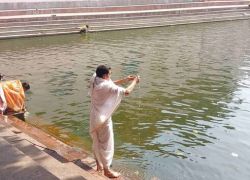
Surya Kund is a revered and historically significant water tank located in Gaya, Bihar, India. It is considered one of the holiest places for Hindu pilgrims, especially in connection with the ancient practice of offering prayers and performing rituals to Lord Sun, or Surya. The kund, or tank, is known for its association with the Sun God and is an integral part of the religious landscape of Gaya. Many devotees visit Surya Kund to perform rituals and seek blessings, particularly during auspicious occasions like solar eclipses and during the festival of Chhath Puja. How to Reach Surya Kund, Gaya Reaching Surya Kund is quite easy due to Gaya's well-established transportation infrastructure. Here are the main ways to get there: By Air: The nearest airport is Gaya International Airport, located about 15 kilometers from Surya Kund. From the airport, you can take a taxi or an auto-rickshaw to reach the site. By Train: Gaya Junction, the city’s main railway station, is about 10 kilometers away from Surya Kund. It is well connected to other major cities across India. You can easily hire a taxi or auto-rickshaw from the station to reach the kund. By Bus: Gaya is well-connected by road to cities like Patna and Bodh Gaya. You can take a bus to Gaya and then use local transport to get to Surya Kund. Weather in Gaya Gaya experiences a tropical climate with distinct seasons: summer, monsoon, and winter. Here’s a breakdown of what to expect: Summer (March to June): Summers in Gaya can be scorching, with temperatures rising above 40°C. It is advisable to visit early in the morning or late in the evening to avoid the intense heat. Monsoon (July to September): The region receives moderate to heavy rainfall during the monsoon season, which provides some relief from the heat. However, it’s best to check the weather forecast to avoid disruptions. Winter (November to February): The winter months are the best time to visit Surya Kund. With temperatures ranging from 10°C to 25°C, it’s comfortable for sightseeing and outdoor activities. Timing of Surya Kund Surya Kund is open to visitors throughout the day. However, the most auspicious times to visit are early in the morning, especially during sunrise when the sun’s rays are believed to have a spiritual significance. The site is most crowded during festivals like Chhath Puja, where people come in large numbers to offer prayers and take ritual baths. The temple and surrounding areas may close around 6:00 PM, but the kund itself remains accessible at all hours for those wishing to visit. Why Surya Kund is Famous Surya Kund is famous for being an important site in the worship of Lord Surya (the Sun God). The tank is a central place for performing rituals such as the “tarpan” and other offerings to the Sun God, which are believed to bring prosperity and alleviate the effects of sins. The kund's historical and cultural significance, combined with its connection to one of the most revered deities in Hinduism, makes it a must-visit spot for pilgrims. Furthermore, Surya Kund is a key location during the celebration of the Chhath Puja, a festival dedicated to the Sun God. Devotees gather at the kund during the festival to offer prayers and bathe in the water to cleanse themselves spiritually. The kund’s association with solar worship makes it an important place for those seeking spiritual and physical well-being. Entry and Visit Details About Surya Kund Surya Kund is free to visit, and there are no entry fees charged to pilgrims or tourists. Visitors are welcome to explore the tank, take part in rituals, and engage in religious practices. The area around the kund is equipped with basic amenities, such as small shops selling offerings and refreshments. It is advisable to visit during the early morning or evening to enjoy a peaceful experience, as it can get quite crowded, particularly during the Chhath Puja and other major festivals. If you plan to take part in the rituals, you can purchase offerings such as flowers, incense, and water from the nearby vendors. It is customary to bathe in the water of the kund as part of the religious rituals, especially during important festivals and auspicious days. History and Architecture of Surya Kund The history of Surya Kund is tied closely to the religious traditions of Gaya and the worship of Lord Surya. Though its exact origins are unknown, it is believed that Surya Kund has been a part of the religious landscape for centuries. The tank is associated with several Hindu texts that mention the significance of worshiping the Sun God, and it remains a central place for such practices in modern-day Gaya. The architecture of the area surrounding the kund is modest but meaningful. There are small temples and shrines dedicated to Lord Surya and other deities. The water tank itself is simple in design but holds immense religious significance. Pilgrims often gather here, perform rituals, and immerse themselves in the water as a mark of devotion. The peaceful environment surrounding the kund is complemented by the natural beauty of the area, with lush greenery and scenic landscapes. The location of Surya Kund adds to its charm, offering visitors a tranquil setting for spiritual reflection and prayer. Things to Do at Surya Kund, Gaya When visiting Surya Kund, there are several activities you can partake in to make your visit more meaningful: Offer Prayers to Lord Surya: The main activity at Surya Kund is to offer prayers to Lord Surya. You can participate in rituals such as "tarpan" and other sacred practices to seek blessings. Take a Ritual Bath: A significant aspect of worship at Surya Kund is bathing in the waters of the tank. It is believed that the water has purifying properties, and bathing in it cleanses one spiritually. Celebrate Chhath Puja: If you happen to visit during the festival of Chhath Puja, you can witness or participate in the grand celebrations, which involve thousands of devotees gathering at Surya Kund to worship the Sun God. Photography: The serene environment and the rituals performed at Surya Kund offer a perfect setting for photography. Capture the essence of devotion and the beauty of the surroundings. Explore the Nearby Temples: There are several smaller temples around Surya Kund dedicated to different Hindu deities. You can take a short walk around the area to explore these places of worship and appreciate their unique features. Facts and Tips About Surya Kund, Gaya Fact 1: Surya Kund is one of the most important sites for the worship of Lord Surya in Gaya, and it is especially significant during solar events like eclipses. Fact 2: The tank is believed to have spiritual healing powers, and many devotees bathe in the water to purify themselves before performing rituals. Tip 1: If you are visiting during peak pilgrimage seasons or festivals like Chhath Puja, expect large crowds. Arrive early to secure a good spot for prayer. Tip 2: Wear comfortable clothing and footwear, especially if you plan to walk around the area or bathe in the kund. Tip 3: Carry a bottle of water, as it can get hot during the day, especially in the summer months. There are no major food outlets in the immediate vicinity, so bring your own snacks if needed. Conclusion Surya Kund is a beautiful and spiritually enriching destination in Gaya. Its deep connection with the Sun God, Lord Surya, makes it a place of reverence and significance for Hindus. Whether you’re visiting to participate in rituals, to celebrate festivals like Chhath Puja, or to simply experience the serene and sacred atmosphere, Surya Kund offers a profound connection with both nature and divinity. The peaceful setting, historical significance, and spiritual practices make it a must-visit for those traveling to Gaya.
Explore More7D Varanasi-Bodhgaya-Rajgir-Nalanda-Patna-Kushinagar-Lumbini Tour
7 Days/ 6 Night
Varanasi - Bodhgaya - Nalanda - Patna - Rajgir - Kushinagar - Lumbini
Rajgir - Baidyanath Tour - 6 Pax
5 Days/ 4 Night
Bodhgaya - Rajgir - Deoghar
11N The Ultimate Uttar Pradesh Experience Tour
12 Days/ 11 Night
Prayagraj - Lucknow - Varanasi - Bodhgaya - Ayodhya
Arunachal Pradesh Package
8 Days/ 7 Night
Guwahati - Bomdila - Tinsukia - Bodhgaya

The 80-Foot Buddha Statue in Gaya is one of the most impressive and awe-inspiring landmarks in Bihar, India. Situated in the serene town of Gaya, this monumental statue is a symbol of peace, spirituality, and Buddhist culture. The statue is located near the Mahabodhi Temple and the Bodhi Tree, where Lord Buddha attained enlightenment, making this area even more significant for Buddhists around the world. This statue stands as a magnificent tribute to Lord Buddha, drawing both pilgrims and tourists alike. How to Reach 80-Foot Buddha Statue, Gaya Reaching the 80-Foot Buddha Statue is straightforward, thanks to Gaya's well-connected transport options. Below are the various ways to get to the statue: By Air: The nearest airport to the 80-Foot Buddha Statue is Gaya International Airport, approximately 12 km away. From the airport, you can take a taxi or hire a local auto-rickshaw to reach the statue. By Train: Gaya Junction is the main railway station and is around 5-6 km from the statue. Gaya Junction is well-connected with other major cities in India. You can take a taxi or auto-rickshaw from the station to the statue. By Bus: You can also reach Gaya by bus, as the city is well-connected by road. Upon arrival in Gaya, you can hire a local taxi or auto-rickshaw to take you directly to the statue. Weather in Gaya Gaya experiences a tropical climate, with distinct summer, monsoon, and winter seasons. Here’s an overview of the weather in Gaya: Summer (March to June): Summers in Gaya are extremely hot, with temperatures soaring up to 40°C. During this time, it’s advisable to visit early in the morning or late in the evening to avoid the midday heat. Monsoon (July to September): Gaya experiences moderate rainfall during the monsoon season, which brings some respite from the heat. However, heavy rains may occasionally cause disruptions, so checking the weather forecast is recommended before planning your visit. Winter (November to February): The winter months are the best time to visit the statue. The temperature during winter is pleasant, ranging from 10°C to 25°C, which is ideal for sightseeing and outdoor activities. Timing of 80-Foot Buddha Statue The 80-Foot Buddha Statue is open to visitors throughout the year. The statue itself is located in a peaceful area that visitors can explore at any time of the day. However, the best time to visit is early in the morning or late in the afternoon to avoid the heat, especially during the summer months. The surrounding gardens and peaceful atmosphere are best enjoyed during these times. The nearby Mahabodhi Temple, located just a short distance from the statue, generally closes by 6:00 PM, so plan accordingly if you wish to visit both attractions in a single day. Why 80-Foot Buddha Statue is Famous The 80-Foot Buddha Statue is famous for its immense size and historical significance. Standing at an impressive height of 80 feet (24 meters), it is one of the largest statues of Lord Buddha in India. The statue symbolizes Lord Buddha’s teachings of peace, compassion, and enlightenment. It is situated in a place that holds immense religious importance for Buddhists, as it is located near the site where Buddha attained enlightenment under the Bodhi Tree in Bodh Gaya. This makes the statue not only an architectural marvel but also an important pilgrimage site for Buddhists from around the world. The statue’s serene presence and peaceful surroundings have made it a popular spot for meditation, spiritual reflection, and religious tourism. Pilgrims and tourists alike come to this site to pay homage to Lord Buddha, offering prayers and seeking blessings for peace and harmony in their lives. Entry and Visit Details About 80-Foot Buddha Statue There is no entry fee to visit the 80-Foot Buddha Statue, making it accessible to everyone. The statue is located in a tranquil setting surrounded by beautiful gardens, creating a perfect environment for spiritual contemplation and peaceful walks. You can explore the area around the statue, spend time admiring its grandeur, or engage in meditation. Visitors are encouraged to take a quiet stroll around the area and reflect on the teachings of Lord Buddha. Although there are no formal guided tours available, visitors can explore the site at their own pace. The area around the statue has basic amenities, including local vendors selling religious items and small souvenirs. It is recommended to visit during early morning or late afternoon for a more peaceful experience, as the site can become crowded during the daytime. History and Architecture of 80-Foot Buddha Statue The 80-Foot Buddha Statue was constructed as a part of the greater initiative to preserve and promote Buddhist culture in the region. It stands as a symbol of peace and is an important part of the religious landscape of Bodh Gaya. The statue is an artistic representation of Lord Buddha in a meditative posture, with a serene expression on his face, embodying the Buddhist ideals of calm and tranquility. The architectural design of the statue is both impressive and simple. The statue is made from reinforced concrete and stands on a high pedestal, offering a commanding view of the surrounding area. The area around the statue is landscaped with lush greenery, gardens, and pathways, creating a tranquil environment for visitors. The statue’s size and design are meant to inspire reverence and awe, reflecting the peaceful teachings of Buddhism. Things to Do at 80-Foot Buddha Statue, Gaya When visiting the 80-Foot Buddha Statue, there are several activities and experiences to enjoy: Take in the View: The sheer size of the Buddha statue is a sight to behold. Spend time admiring the statue and the surrounding landscape, which is ideal for photography and reflection. Visit the Nearby Mahabodhi Temple: The 80-Foot Buddha Statue is located near the Mahabodhi Temple, a UNESCO World Heritage Site, where Lord Buddha attained enlightenment. You can visit both sites in a single trip. Engage in Meditation: The peaceful environment around the statue is ideal for meditation. You can sit quietly near the statue, practice mindfulness, and reflect on Buddha’s teachings. Explore the Surrounding Gardens: The area around the Buddha statue is beautifully landscaped, offering visitors a peaceful place for a walk or simply to relax in nature. Learn About Buddhist Culture: While there are no formal tours, you can ask local monks or temple staff about the statue’s significance and learn more about Buddhist teachings. Facts and Tips About 80-Foot Buddha Statue, Gaya Fact 1: The 80-Foot Buddha Statue is one of the largest Buddha statues in India and stands as a symbol of peace and spirituality. Fact 2: The statue is located near the Mahabodhi Temple, making it a significant pilgrimage site for Buddhists worldwide. Tip 1: Wear comfortable shoes, as you may need to walk around the area to explore the statue and its surroundings. Tip 2: Visit early in the morning or late in the afternoon to avoid the crowds and enjoy a peaceful experience. Tip 3: Carry water with you, especially if you visit during the summer months, as it can get quite hot in the area. Tip 4: Respect the local customs and Buddhist practices when visiting, and dress modestly to show reverence for the sacred site. Conclusion The 80-Foot Buddha Statue in Gaya is not only an architectural marvel but also a symbol of peace and spirituality. Its grand size, serene atmosphere, and location near other significant Buddhist sites make it a must-visit destination for both pilgrims and tourists. Whether you’re visiting for religious reasons, to admire its grandeur, or simply to enjoy the tranquil surroundings, the 80-Foot Buddha Statue offers a peaceful experience that is truly unforgettable.
Explore More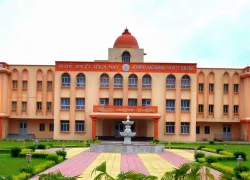
Nava Nalanda Mahavihara needs no special introduction. It is a well-known historic university in Bargaon, Bihar. It came into existence in the 5th century and served as a seat of Buddhism till the 12th century. The different sects of Buddhism were taught here by the Buddhist scholars that were invited from different places. Today, it is a significant educational institution in Bihar.It Is Known For:-1) Nav Nalanda Mahavihara was revived in 1951 as a university by Dr. Rajendra Prasad.2) Ven. Bhikshu Kashyap became the director of the university. The research on the Buddhist teachings was done by the Indian and foreign students.3) It was developed as a center for the higher education in the subjects of Pali, Mandarin, Sanskrit, Hindi, Philosophy, English, Buddhist Studies etc.4) In the year 2006, the status of a Deemed University was given to it.Best Time To Visit:-Nav Nalanda Mahavihara is renowned as a historic educational institution. This university has a huge number of students enrolled in it. Thus, many tourists pay a visit to this university. Any season of the year is appropriate for paying a visit to Nav Nalanda Mahavihara.Watch Out!This university has a vast collection of the various ancient documents. The professors use those documents for teaching the students. Witnessing those documents is an intriguing experience.Reaching There:-To reach Bargaon easily, people choose from the modes of the railways, roadways, and airways. Many broad gauge trains, state-run buses, and flights ply in plenty. Thus, the modes mentioned above are apt for reaching Bargaon.Nearest Railway Station:- Bargaon Gujar Railway StationNearest Airport:- Patna Airport
Explore More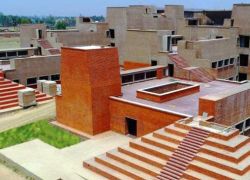
Nalanda University is a well-known tourist attraction in the Indian state of Bihar. Founded in the 5th century, it is one of the oldest universities in the world. It was founded by Shakraditya during the reign of the Gupta dynasty. Many scholars from different nations have been associated with this university. Xuan Zang, a Chinese traveler and scholar mentioned about Nalanda University in his texts. As per his travelogue, there were about 2,000 teachers and 10,000 students in the Nalanda University during his visit. Why Is It Famous?Nalanda University is famous because it is one of the oldest universities in the world and is located in Bihar. This university served as a ‘Mahavihara’ or a Buddhist Monastery in the ancient times. It was shut down after being attacked by the army of the Turkish Invader, Bakhtiyar Khilji. The treasury was looted by the army and the whole university was set on fire. It remained shut for many centuries. After a span of 800 years, it was again re-opened for the higher studies. It became possible after the efforts of the state government.The present-day campus of Nalanda University is a modern campus. It is equipped with all amenities that are essential as per the world-class standards of the university.Best Time To Visit:-Nalanda University is a great place of interest for many students and tourists. The students pursue different subjects, whereas, the tourists throng here to witness the amazing architecture of and other ancient documents that are used for teaching.Watch Out!No visitor/tourist is permitted to enter the university campus without a valid identity proof. Thus, it is important to carry the identity card during each visit. Nalanda Memorial Hall, Xuan Zang Memorial Hall, and Nalanda Multimedia Museum etc. are some must-see places here.Reaching There:-Nalanda is well-connected to Bihar. Many highways and broad gauge railways exist for a smoother commute from different cities. Flights are also an option for reaching Nalanda city.Nearest Railway Station:- Nalanda JunctionNearest Airport:- Patna Airport
Explore More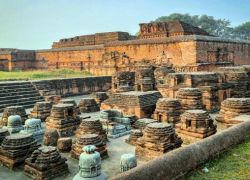
Nalanda Archaeological Museum is a well-known attraction in the city of Nalanda. This museum is one of the must-see travel attractions in Bihar. This museum serves as an abode to the different artifacts that were found during the excavation by the archaeologists. According the the research done, all artifacts belong to the period when Nalanda was a monastery cum educational institution.It Is Known For:-1) Nalanda Archeological Museum has four different galleries.2) The total number of the antiques present in this museum is over 13,000.3) The antiques are divided into different categories according to their period. Many items are made up of bronze, stone, and terracotta.4) The prime gallery showcases the key findings. They include the Vajrayana deity Trailokya Vijaya, Bodhisattava, Maitreya Buddha, Varad Buddha, Parshavanath, Nagaraja etc.5) The second gallery is the home to the items like the inscriptions, terracotta sculptures, and iron equipment.6) The third gallery of Nalanda Archaeological Museum is dedicated to the bronze sculptures. These sculptures are 93 in number and include the Buddhist and Hindu religious figurines.7) The fourth gallery houses the huge items. The rock-carved structure of Buddha is the main attraction in this gallery.Best Time To Visit:-Nalanda Archaeological Museum is a destination that is visited on a large scale. The tourists from different places arrive to witness the amazing historic collection in this museum. Any season is the best time for visiting Nalanda Archaeological Museum.Watch Out!N.A.M remains closed on all Fridays and national holidays. Thus, you should be careful during your visit to this amazing tourist site in Nalanda.Reaching There:-Nalanda is a city with a well-established connection to the roadways, railways, and airways. The best option to reach the city is via state-run buses, express trains, and flights. Traveling between places in Nalanda is done by the local transit.Nearest Railway Station:- Nalanda Railway StationNearest Airport:- Patna Airport
Explore More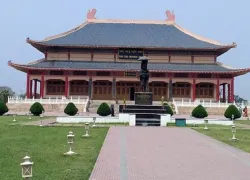
Tourists looking for some peace after visiting places in Nalanda should pay a visit to Huin Shuein Memorial. It is a fine example of Chinese architecture in India. Situated in Nalanda University complex, this memorial hall is dedicated to the Chinese traveler and scholar, Huin Shuein. Many of his compositions are placed inside this memorial. Why Is It Famous?1) Huin Shuein Memorial was built in the memory of the Chinese traveler Huin Shuein who came to India for learning Buddhism and mysticism.2) He was delighted after his visit to Nalanda & preferred staying here to know more about Buddhism. Huin Shuein stayed in Nalanda for a span of twelve years.3) During this period, he wrote numerous texts related to Buddhism & mysticism that was followed in India and its relation to the traditional Buddhism practiced in China.4) The entire premises of the memorial are clean and well-maintained. The students of Nalanda University often visit this place for reading the texts compiled by Huin Shuein in the then times. Best Time To Visit:-People can visit Huin Shuein Memorial during university hours. No one is allowed to stay at the memorial premises once the university hours are over. For spending some hours in the memorial gardens, October-March is the appropriate time for visiting Huin Shuein Memorial. Nearest Railway Station - Nalanda Railway StationNearest Airport - Patna Airport
Explore More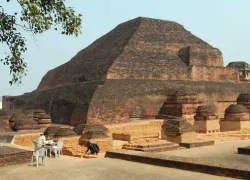
The Great Stupa is a marvelous tourist attraction in Nalanda. Situated in the complex of Nalanda University, this historical monument is ages old. It was erected by King Ashoka in the 3rd century as a tribute to Sariputra, a follower of Buddha. It is a pyramid-shaped stupa and visited by people on a huge scale. Why Is It Famous?The Great Stupa of Nalanda is famous because it is related to the teachings of Buddha. Around the stupa, one can witness the amazing scriptures on the boulders depicting the life and teachings of Buddha and his sermons. Best Time To Visit:-The best time for visiting The Great Stupa of Nalanda is between the months of October-March. It is the apt time for exploring the ancient stupa and other places around it. Since the ancient university is active, tourists and visitors require a written permission for entering the site of The Great Stupa. Nearest Railway Station - Nalanda Railway StationNearest Airport - Patna Airport
Explore More