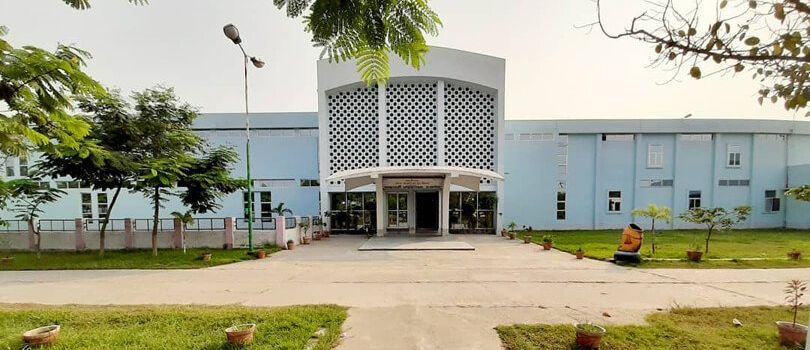
"Explore ancient artifacts and rich local heritage."
Chandradhari Museum is one of the most important cultural and historical attractions in Darbhanga, Bihar. The museum is known for its rich collection of sculptures, ancient artifacts, coins, manuscripts, and artworks that reflect the heritage of the Mithila region. It was established to preserve and display valuable items collected by the Darbhanga royal family and scholars over many years. Today, the museum is a major center for students, researchers, and tourists who want to learn about the history, art, and culture of North Bihar.
History of Chandradhari Museum, Darbhanga
The Chandradhari Museum was founded in the 1950s and is named after Maharaja Chandradhari Singh of the Darbhanga royal family, who took great interest in collecting historical objects and artworks. The collection began as a private effort by the royal family to preserve rare artifacts found in and around the Mithila region. Over time, the collection grew and was later opened to the public to promote awareness of local history and culture.
The museum became an important institution for preserving the archaeological and cultural heritage of Bihar. Many items displayed in the museum were discovered during local excavations or donated by scholars and collectors. The museum has played a significant role in educating people about ancient civilizations, religious traditions, and the artistic heritage of Mithila. It is also associated with academic research and often visited by students of history and archaeology.
Architecture of Chandradhari Museum, Darbhanga
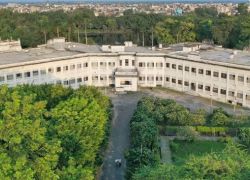
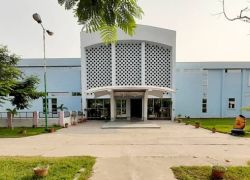
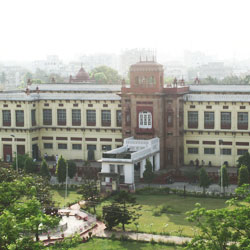
The building of Chandradhari Museum reflects a simple colonial-era architectural style with spacious halls and well-planned galleries. The structure is designed to allow visitors to move easily from one section to another. Large windows and open corridors provide natural light and ventilation, making the museum visit comfortable even during warm weather.
The museum building is surrounded by open space and greenery, adding to its calm and educational atmosphere. The galleries are arranged in a systematic way, with separate sections for sculptures, manuscripts, coins, paintings, and archaeological finds. The architecture may not be grand like a palace, but it serves its purpose well by providing a peaceful and organized environment for displaying valuable historical objects.
Why Chandradhari Museum, Darbhanga is Famous
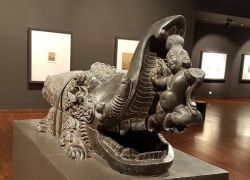
Chandradhari Museum is famous for its rare and diverse collection of artifacts related to the Mithila region and ancient Indian history. The museum houses stone sculptures of Hindu and Buddhist deities, ancient coins, terracotta items, inscriptions, and traditional artworks. These collections give visitors a deep understanding of the religious, cultural, and artistic traditions of the region.
The museum is also famous for preserving ancient manuscripts and documents that highlight the scholarly traditions of Mithila. It is considered one of the best museums in North Bihar for studying regional history and archaeology. Many students, researchers, and tourists visit the museum to explore the unique heritage preserved here.
How to Reach Chandradhari Museum, Darbhanga
The museum is located in Darbhanga city and is easy to reach by different modes of transport.
By Air: The nearest airport is Darbhanga Airport, which has regular flights to major Indian cities. From the airport, taxis and local transport are available to reach the museum.
By Train: Darbhanga Junction is a major railway station with good connectivity to cities like Patna, Delhi, and Kolkata. From the railway station, you can take an auto-rickshaw, e-rickshaw, or taxi to reach Chandradhari Museum.
By Road: Darbhanga is well connected by road to nearby towns and cities in Bihar. Regular buses and private vehicles operate to the city, and local transport makes it easy to reach the museum.
Weather in Darbhanga
Darbhanga has a typical North Indian climate. Summers are hot and humid, with temperatures often rising above 35°C. The monsoon season brings rainfall, which makes the surroundings greener but can sometimes cause travel inconvenience. Winters are pleasant and cooler, with temperatures ranging between 10°C and 25°C. The best time to visit Chandradhari Museum is from October to March when the weather is comfortable for sightseeing.
Timings of Chandradhari Museum, Darbhanga
Chandradhari Museum is generally open to visitors on all days except Mondays and government holidays. The usual visiting hours are from 10:00 AM to 4:00 PM. Timings may change during special occasions or maintenance work, so it is advisable to confirm the timings locally before planning your visit.
Entry and Visit Details about Chandradhari Museum, Darbhanga
The entry fee for Chandradhari Museum is nominal and affordable for visitors. Tickets are available at the entrance. Students and children may get concessions. Photography inside the museum may be restricted or allowed only in certain sections, so visitors should follow the instructions given by the museum staff. Large bags and food items are usually not allowed inside the galleries.
Things to Do at Chandradhari Museum, Darbhanga
Visitors can explore the different galleries and observe ancient sculptures, coins, and artworks. Reading the information boards placed near exhibits helps in understanding the historical background of each item. Students and researchers can take notes and study specific artifacts related to their field of interest.
You can spend time appreciating the artistic details of the sculptures and learning about the religious traditions of the Mithila region. The museum surroundings also offer a calm place to relax after exploring the galleries. Visiting nearby heritage sites in Darbhanga can be combined with a museum visit to make your trip more informative.
Interesting Facts about Chandradhari Museum, Darbhanga
The museum is named after Maharaja Chandradhari Singh of the Darbhanga royal family. It houses artifacts ranging from ancient times to the medieval period. Some sculptures in the museum are believed to be over a thousand years old. The museum collection includes rare coins that show the economic history of the region. Many items were collected from villages around Darbhanga and Mithila.
Tips for Visiting Chandradhari Museum, Darbhanga
Visit during the morning hours to avoid crowds and enjoy a peaceful experience. Follow the museum rules and do not touch the exhibits. Carry water, especially during summer months. Wear comfortable footwear as you may need to walk and stand for a long time inside the galleries. If you are a student or researcher, carry a notebook to jot down important details. Respect the cultural value of the exhibits and help in keeping the museum clean.

Darbhanga
Darbhanga
Darbhanga
Darbhanga
Darbhanga
Darbhanga
Darbhanga
Darbhanga
Darbhanga
Darbhanga