"Experience royal heritage and stunning architecture."
Darbhanga Fort, also known as Raj Darbhanga, is one of the most important historical landmarks in Darbhanga, Bihar. It reflects the rich cultural and royal heritage of the Mithila region. The fort complex was once the residence of the royal family of Darbhanga Raj and played a major role in the history and administration of the area. Today, Darbhanga Fort stands as a symbol of the glorious past of the region and attracts history lovers, students, and tourists who wish to explore the heritage of North Bihar.
History of Darbhanga Fort, Darbhanga
The history of Darbhanga Fort is closely connected with the powerful Darbhanga Raj family, who ruled large parts of the Mithila region during the British period. The fort complex developed over many years as the rulers expanded their influence and constructed palaces, administrative buildings, and residential quarters. The Darbhanga rulers were known for their contribution to education, culture, and social development in Bihar. They supported schools, colleges, and cultural institutions in the region.
Darbhanga Fort was not just a royal residence but also an administrative center from where important decisions were taken. Many historical events related to the local administration and governance took place within the fort premises. Though parts of the fort are no longer in perfect condition, the remaining structures still tell stories of royal life, traditions, and the political importance of Darbhanga in earlier times.
Architecture of Darbhanga Fort, Darbhanga
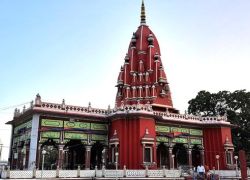
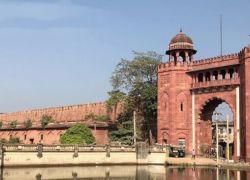
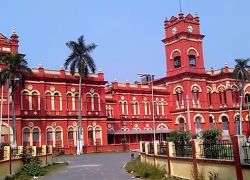
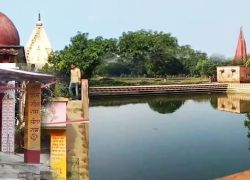
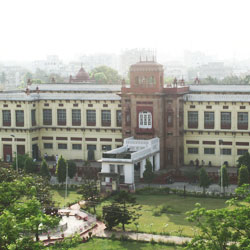
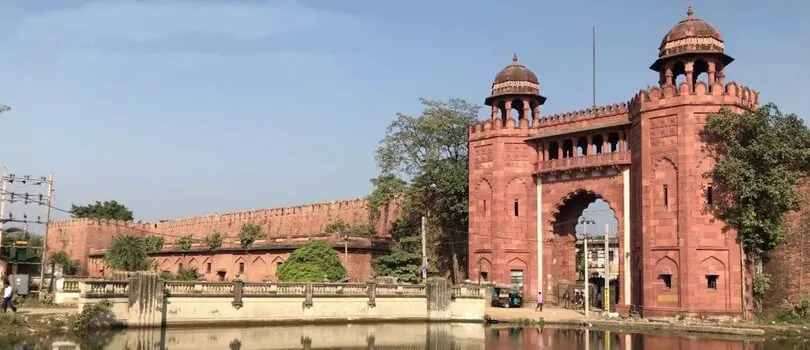
The architecture of Darbhanga Fort is a blend of traditional Indian royal style with colonial influences. The fort complex includes several palaces, courtyards, gateways, and large open spaces. High walls and massive gates reflect the security arrangements of the olden days. The buildings inside the fort show detailed craftsmanship, with decorated pillars, arches, and balconies.
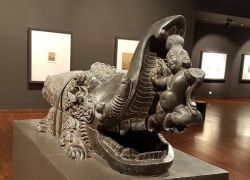
Some parts of the fort display beautiful carvings and ornamental designs, showing the artistic taste of the royal family. The layout of the fort was planned in a way that allowed separate spaces for royal residence, guests, and administrative work. Although modernization and time have affected the structure, the fort still gives visitors a clear idea of royal architecture and lifestyle of the past.
Why Darbhanga Fort, Darbhanga is Famous
Darbhanga Fort is famous for its historical and cultural importance in Bihar. It represents the power and influence of the Darbhanga Raj family and their role in shaping the Mithila region. The fort is also known as an important heritage site of Darbhanga city. Many people visit the fort to learn about local history, architecture, and royal traditions.
The fort is located close to educational institutions and residential areas, making it easily accessible to students and locals. It is often included in heritage walks and local sightseeing tours. The peaceful surroundings and the old-world charm of the fort attract photographers and history enthusiasts.
How to Reach Darbhanga Fort, Darbhanga
Darbhanga Fort is located in the heart of Darbhanga city in Bihar, making it easy to reach by different modes of transport.
By Air: The nearest airport is Darbhanga Airport, which is well connected to major Indian cities. From the airport, you can hire a taxi or use local transport to reach the fort.
By Train: Darbhanga Junction is a major railway station with good connectivity to cities like Patna, Delhi, Kolkata, and Mumbai. From the railway station, auto-rickshaws, e-rickshaws, and taxis are easily available.
By Road: Darbhanga is well connected by road to nearby towns and cities in Bihar. Regular buses and private vehicles can take you to the city center, from where the fort is easily accessible.
Weather in Darbhanga
The weather in Darbhanga is generally hot and humid during summers, with temperatures rising above 35°C. Monsoon season brings moderate to heavy rainfall, making the surroundings green and fresh. Winters are pleasant and cooler, with temperatures ranging between 10°C and 25°C. The best time to visit Darbhanga Fort is from October to March when the weather is comfortable for sightseeing and outdoor exploration.
Timings of Darbhanga Fort, Darbhanga
Darbhanga Fort is generally open to visitors during daytime hours. While there is no strict official timing, it is advisable to visit the fort between 9:00 AM and 5:00 PM. Visiting during daylight allows you to explore the structure safely and appreciate the architectural details. It is better to avoid visiting late in the evening as some areas may not be well-lit.
Entry and Visit Details about Darbhanga Fort, Darbhanga
Currently, there is no official entry fee to visit Darbhanga Fort. Visitors can explore the outer areas and accessible sections of the fort complex freely. However, some parts of the fort may be restricted or privately owned, so it is important to respect local guidelines and avoid entering restricted zones. It is recommended to visit with a local guide or someone familiar with the area to understand the historical importance better.
Things to Do at Darbhanga Fort, Darbhanga
Visitors to Darbhanga Fort can enjoy several activities. You can walk around the fort complex and observe the old buildings and architectural designs. Photography is popular here, especially for those interested in heritage and old structures. History lovers can spend time learning about the royal family and the importance of the fort in local history.
You can also explore nearby areas of Darbhanga city, including local markets and temples. The fort is a good spot for students and researchers interested in the cultural history of Mithila. Sitting quietly in the open areas of the fort can also be a peaceful experience for visitors who enjoy calm surroundings.
Interesting Facts about Darbhanga Fort, Darbhanga
Darbhanga Fort was once part of a much larger royal complex that included multiple palaces and gardens. The Darbhanga Raj family was among the richest zamindars during British rule in India. The fort complex played an important role in local governance and cultural development. Some of the buildings within the fort are still used for administrative and educational purposes. The fort reflects the blend of Indian and colonial architectural styles.
Tips for Visiting Darbhanga Fort, Darbhanga
Wear comfortable footwear as you may need to walk on uneven surfaces. Visit during the morning or late afternoon to avoid strong sunlight, especially in summer. Carry drinking water, as facilities may be limited nearby. Respect the local community and avoid littering within the fort premises. If you are interested in detailed history, try to visit with a local guide or read about the fort before your visit. Keep your belongings safe and follow basic safety precautions while exploring the area.
Darbhanga
Darbhanga
Darbhanga
Darbhanga
Darbhanga
Darbhanga
Darbhanga
Darbhanga
Darbhanga
Darbhanga