"Discover local history and cultural treasures."
Barton Library And Museum in Bhavnagar, Gujarat, is one of the oldest and most significant cultural landmarks in the region. Established during the 19th century, this heritage site reflects the intellectual and historical richness of the city. Located in the heart of Bhavnagar on Diwanpara Road, the library continues to serve as a knowledge hub for students, researchers, and tourists alike. With its vast collection of books, rare manuscripts, and museum artifacts, it offers visitors a unique glimpse into the literary and cultural heritage of Gujarat.
History of Barton Library And Museum
The Barton Library was established on 30th December 1882 during the reign of Maharaja Takhtsinhji Gohil and was named after Colonel L. C. Barton, a British political agent. :contentReference[oaicite:0]{index=0} Initially, the library began with a modest collection of around 5,000 books donated by Chhagan Prasad Desai, which later expanded significantly over time. :contentReference[oaicite:1]{index=1}
The institution evolved from earlier reading initiatives in Bhavnagar dating back to the 1860s, making it one of the earliest organized libraries in Gujarat. :contentReference[oaicite:2]{index=2} Over the years, it has grown into a repository of more than 60,000 books in multiple languages including Gujarati, Hindi, English, and Sanskrit. :contentReference[oaicite:3]{index=3}
The museum section was established later and houses historical artifacts such as coins, weapons, manuscripts, and traditional items used by the rulers of Bhavnagar. :contentReference[oaicite:4]{index=4} The library is also believed to have been visited by Mahatma Gandhi during his time, adding to its historical importance. :contentReference[oaicite:5]{index=5}
Architecture of Barton Library And Museum
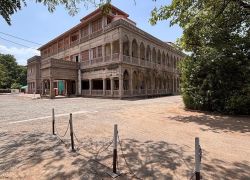
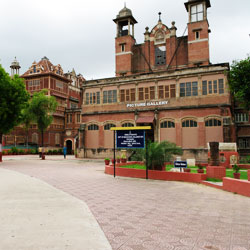
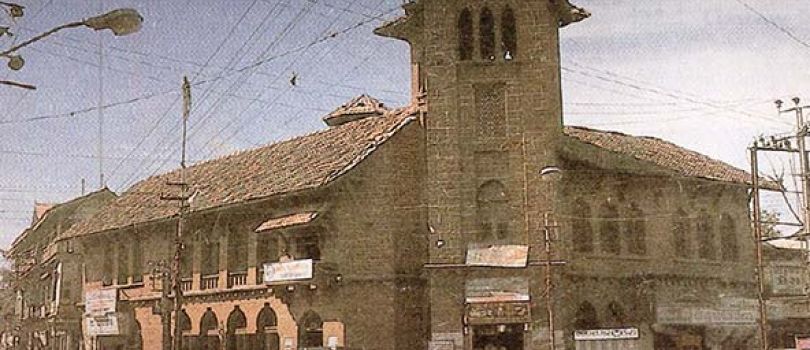
The architecture of Barton Library is a fine example of Indo-colonial and Gothic style design. The building is a two-storey structure made using ashlar stone masonry and features Gothic arched windows and sloping roofs with Mangalore tiles. :contentReference[oaicite:6]{index=6}
One of the most striking features of the building is its central tower and spacious reading halls. The structure is designed in such a way that natural light and ventilation are maximized, making it comfortable for readers even without modern cooling systems. :contentReference[oaicite:7]{index=7}
The use of high-quality materials like Burmese wood, thick walls, and large windows enhances its durability and aesthetic appeal. The spiral staircase leading to the tower offers panoramic views of the city, making it a visually appealing heritage structure.
Why Famous for Barton Library And Museum?
Barton Library And Museum is famous for several reasons:
• One of the oldest libraries in Gujarat with a rich historical legacy.
• Houses more than 60,000 books and rare manuscripts.
• Known for its heritage architecture and colonial-era design.
• Contains a museum displaying artifacts, coins, and weapons.
• A center of learning for scholars, students, and historians.
• Associated with Mahatma Gandhi and Bhavnagar’s intellectual growth.
The combination of a library and museum in one location makes it a unique destination for both knowledge seekers and history enthusiasts.
Things to Do at Barton Library And Museum
Visitors can enjoy a variety of activities here:
1. Explore the Reading Hall: Spend time reading newspapers, magazines, and books in a peaceful environment.
2. Visit the Museum Section: Discover historical artifacts, manuscripts, coins, and traditional objects.
3. Admire Architecture: Observe the colonial-style building, arches, and tower.
4. Research and Study: Ideal place for students and researchers looking for historical content.
5. Photography: Capture the beauty of this heritage building (subject to permission).
How to Reach Barton Library And Museum, Bhavnagar
By Air: The nearest airport is Bhavnagar Airport, which connects the city to major cities in Gujarat.
By Train: Bhavnagar Terminus is the nearest railway station with good connectivity to cities like Ahmedabad.
By Road: Bhavnagar is well-connected by buses and taxis from major cities such as Ahmedabad, Rajkot, and Palitana. :contentReference[oaicite:8]{index=8}
Local Transport: Auto-rickshaws, taxis, and local buses are easily available to reach the library, which is located in the central part of the city.
Weather in Bhavnagar
Summer (March to June): Hot and dry with temperatures rising above 35°C. Morning visits are recommended.
Monsoon (July to September): Moderate rainfall with humid weather.
Winter (October to February): Pleasant and ideal for visiting, with temperatures between 15°C to 28°C.
The best time to visit Barton Library is during the winter season when the weather is comfortable for sightseeing.
Timings of Barton Library And Museum
The library generally follows a split schedule:
Tuesday to Saturday: 8:30 AM – 11:30 AM and 3:00 PM – 6:00 PM
Sunday: 8:30 AM – 11:30 AM
Monday: Closed :contentReference[oaicite:9]{index=9}
Timings may vary slightly on public holidays, so it is advisable to check locally before visiting.
Entry and Visit Details
Entry Fee: Entry to the library is generally free for visitors. :contentReference[oaicite:10]{index=10}
Museum Fee: A nominal fee may be charged for accessing certain museum sections.
Membership: Visitors can opt for membership if they wish to borrow books.
Visitor Guidelines:
• Maintain silence inside the reading hall.
• Handle books and artifacts carefully.
• Carry ID proof if required for entry.
• Photography may be restricted in certain areas.
Interesting Facts about Barton Library And Museum
• Established in 1882, making it over 140 years old.
• Houses thousands of rare manuscripts and historical documents.
• Once frequented by Mahatma Gandhi.
• Combines a library and museum under one roof.
• Known as a major intellectual center of Bhavnagar.
• Built using traditional materials that naturally regulate temperature.
Travel Tips for Visitors
• Visit in the morning: It is quieter and more comfortable for reading.
• Maintain discipline: The library is a silent zone.
• Carry water: Especially during summer months.
• Combine nearby attractions: Visit Gandhi Smriti or Takhteshwar Temple along with the library.
• Respect heritage: Avoid touching rare manuscripts and exhibits.
Conclusion
Barton Library And Museum, Bhavnagar is not just a place for reading but a living symbol of the city’s cultural and intellectual heritage. With its historical significance, architectural beauty, and vast collection of books and artifacts, it offers a peaceful yet enriching experience to every visitor. Whether you are a history enthusiast, a student, or a traveler exploring Gujarat, this iconic landmark is definitely worth a visit.









Bhavnagar
Bhavnagar
Bhavnagar
Bhavnagar
Bhavnagar
Bhavnagar
Bhavnagar
Bhavnagar
Bhavnagar
Bhavnagar