"Experience rich tribal culture and history."
Saputara Tribal Museum is one of the most important cultural attractions in Saputara, Gujarat’s only hill station. This museum offers a deep insight into the life, traditions, art, and culture of the tribal communities of the Dang region. It is an ideal place for visitors who want to explore the rich heritage and unique lifestyle of indigenous tribes.
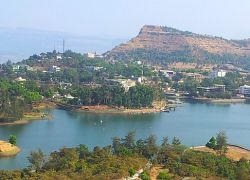
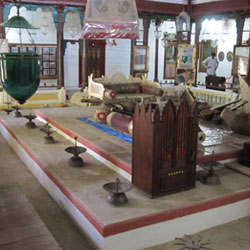
Located close to Saputara Lake, the museum displays a wide range of exhibits including traditional costumes, musical instruments, tools, and artifacts used by tribal communities. It serves as an educational and cultural center, attracting tourists, students, and researchers.
Why Famous for Saputara Tribal Museum, Saputara, Gujarat?
Saputara Tribal Museum is famous for its extensive collection of tribal artifacts and cultural exhibits. It showcases the lifestyle and traditions of local tribes such as the Dangi people.
The museum is also known for its informative displays and cultural preservation efforts, helping visitors understand the history and heritage of the region.
Its location in Saputara makes it a convenient and popular attraction for tourists.
History of Saputara Tribal Museum, Saputara, Gujarat
The Saputara Tribal Museum was established to preserve and promote the cultural heritage of the tribal communities of Gujarat, especially those from the Dang district.
The government and cultural organizations developed the museum as part of efforts to educate people about tribal traditions and to protect their unique identity.
Over the years, the museum has grown into an important cultural institution and continues to play a vital role in preserving tribal history.
Architecture of Saputara Tribal Museum
The architecture of the museum is simple and functional, designed to highlight the exhibits effectively.
Key features include:
• Exhibition Halls: Spacious rooms displaying artifacts.
• Organized Layout: Sections dedicated to different aspects of tribal life.
• Informational Panels: Descriptions and explanations for visitors.
• Traditional Elements: Design inspired by local culture.
The building focuses on providing a comfortable and educational experience.
Things to Do at Saputara Tribal Museum, Saputara, Gujarat
Visitors can enjoy a variety of activities:
1. Explore Exhibits: View traditional tools, costumes, and artifacts.
2. Learn Culture: Understand tribal traditions and lifestyle.
3. Photography: Capture displays (where permitted).
4. Educational Visit: Ideal for students and researchers.
5. Cultural Appreciation: Gain knowledge about indigenous communities.
Entry and Visit Details
Entry Fee: A nominal fee is charged for entry.
Visit Duration: Visitors typically spend around 1 to 2 hours exploring the museum.
Facilities: Basic facilities such as rest areas and information boards are available.
The museum is well-maintained and suitable for visitors of all ages.
Timings of Saputara Tribal Museum
The museum is generally open from 10:00 AM to 5:00 PM. It may remain closed on certain public holidays.
Weather at Saputara Tribal Museum, Saputara, Gujarat
Saputara enjoys a pleasant climate throughout the year:
Summer (March to June): Mild, with temperatures between 20°C and 30°C.
Monsoon (July to September): Heavy rainfall with lush greenery.
Winter (October to February): Cool and pleasant, with temperatures between 10°C and 25°C.
Winter and monsoon are the best times to visit for a comfortable experience.
How to Reach Saputara Tribal Museum, Saputara, Gujarat
By Air: The nearest airport is Surat Airport, about 160 km away.
By Train: The nearest railway station is Waghai Railway Station, around 50 km away.
By Road: Saputara is well connected by road to Surat, Nashik, and other cities. Buses, taxis, and private vehicles are available.
The museum is located in the main town area and can be easily reached on foot or by local transport.
Interesting Facts about Saputara Tribal Museum
• It showcases the culture of the Dang tribal communities.
• It houses traditional tools, ornaments, and musical instruments.
• It plays an important role in preserving tribal heritage.
• It is one of the key attractions in Saputara.
Travel Tips for Saputara Tribal Museum
• Visit during morning hours for a relaxed experience.
• Follow museum rules and avoid touching exhibits.
• Check timings before visiting.
• Combine your visit with nearby attractions like Saputara Lake.
• Carry a camera if photography is allowed.
Conclusion
Saputara Tribal Museum is a fascinating destination that offers a deep insight into the rich cultural heritage of Gujarat’s tribal communities. With its informative exhibits and peaceful environment, it provides a unique and educational experience for visitors. A visit to this museum is a must for anyone interested in history, culture, and traditions.




















Saputara
Saputara
Saputara
Saputara