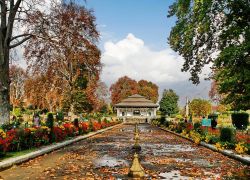
Shalimar Bagh is one of the most famous Mughal gardens located in Srinagar, Jammu & Kashmir. It is considered the crown jewel of Mughal landscaping in Kashmir and is situated on the northeastern side of the beautiful Dal Lake. Known for its royal history, terraced lawns, fountains, and breathtaking mountain views, Shalimar Bagh is a must-visit destination for tourists exploring Srinagar. The garden is often called the “Abode of Love” because it was built by Mughal Emperor Jahangir for his beloved wife Noor Jahan. Today, it stands as a symbol of romance, Mughal architecture, and the timeless beauty of Kashmir. Why Shalimar Bagh is Famous? Shalimar Bagh is famous for its royal Mughal heritage and beautifully designed terraced garden structure. It is one of the most well-preserved Mughal gardens in India. The garden is also known for its stunning water channels, Persian-style landscaping, and centuries-old Chinar trees that change colors with seasons, creating a magical atmosphere. Another reason for its fame is its location along Dal Lake, offering breathtaking views of the water and surrounding Himalayan mountains. It is one of the most photographed tourist spots in Srinagar. History of Shalimar Bagh Shalimar Bagh was built in 1619 AD by Mughal Emperor Jahangir for his wife Empress Noor Jahan. The garden was originally named “Farah Baksh” meaning “The Delightful.” Later, during the reign of Mughal Emperor Shah Jahan, the garden was expanded and renamed Shalimar Bagh. It was used as a royal retreat where Mughal emperors spent summers enjoying Kashmir’s natural beauty. The garden reflects the Mughal passion for creating paradise-like landscapes inspired by Persian garden design. Architecture of Shalimar Bagh Shalimar Bagh is designed in the classic Charbagh (four-part garden) style of Mughal architecture. It is divided into three main terraces, each representing different levels of beauty and importance. The first terrace is known as the public garden, the second as the emperor’s garden, and the third as the private garden reserved for royal women. Water flows through the garden via marble channels and fountains powered by natural springs, creating a soothing and refreshing environment. The layout includes pavilions, stone pathways, and beautifully trimmed lawns. How to Reach Shalimar Bagh Shalimar Bagh is located about 15 km from Srinagar city center and is easily accessible by road. By Air: The nearest airport is Sheikh ul-Alam International Airport, Srinagar, located approximately 25 km away. Taxis are readily available from the airport. By Road: The garden is well connected via Boulevard Road along Dal Lake. Visitors can easily reach it using taxis, auto-rickshaws, or private vehicles. By Shikara: Tourists staying near Dal Lake can enjoy a scenic boat ride and then take a short road trip to reach the garden. Weather at Shalimar Bagh Srinagar has a pleasant and moderate climate, making Shalimar Bagh a year-round attraction with seasonal beauty changes. Best Time to Visit: April to October is ideal for experiencing blooming flowers and pleasant weather. Summer (April to June): Cool and comfortable, perfect for sightseeing. Monsoon (July to September): Light rains enhance greenery and garden freshness. Winter (November to February): Cold weather with snowfall in nearby areas, creating a winter wonderland view. Timings and Entry Details Opening Hours: Generally open from 9:00 AM to 7:00 PM. Entry Fee: A nominal entry fee is charged for Indian and foreign tourists. Additional charges may apply for photography equipment. Visitors are advised to spend at least 1–2 hours exploring the entire garden complex. Things to Do at Shalimar Bagh Shalimar Bagh offers a peaceful and royal experience for visitors. Garden Walks: Walk through beautifully designed terraces and enjoy Mughal landscaping. Photography: Capture stunning views of fountains, flowers, and Dal Lake. Relaxation: Sit under Chinar trees and enjoy the serene environment. Historical Exploration: Learn about Mughal architecture and royal history. Nature Observation: Enjoy seasonal flowers and bird watching. Facts About Shalimar Bagh • Built in 1619 by Emperor Jahangir. • Dedicated to Empress Noor Jahan. • Known as the “Abode of Love.” • Designed in Persian Charbagh style. • Located on the banks of Dal Lake. Tips for Visitors Visit during spring or summer for the best floral experience. Wear comfortable walking shoes due to terraced structure. Carry water and sunscreen during daytime visits. Avoid littering and respect the historical importance of the site. Early morning or evening visits are best for photography and peaceful experience. Combine your visit with Nishat Bagh and Chashme Shahi for a complete Mughal garden tour. Conclusion Shalimar Bagh in Srinagar, Jammu & Kashmir is a masterpiece of Mughal garden architecture and a symbol of royal love and beauty. With its terraced lawns, flowing fountains, and stunning views of Dal Lake and mountains, it offers a magical experience for every visitor. Whether you are a history lover, photographer, or traveler, Shalimar Bagh is a must-visit destination in Kashmir.
Explore More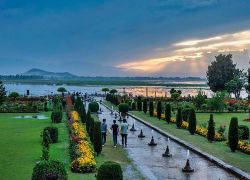
Nishat Bagh is one of the most beautiful and iconic Mughal gardens located in Srinagar, Jammu & Kashmir. Situated on the eastern side of the famous Dal Lake, this terraced garden is known for its breathtaking views of the lake, Zabarwan Mountains, and lush green landscapes. It is one of the largest Mughal gardens in Kashmir and a must-visit attraction for tourists exploring Srinagar. The name “Nishat Bagh” means “Garden of Joy”, and true to its name, it offers a peaceful and refreshing experience filled with natural beauty, fountains, flowers, and scenic surroundings. It is a perfect blend of Mughal architecture and Kashmir’s natural charm. Why Nishat Bagh is Famous? Nishat Bagh is famous for its stunning terraced garden design and panoramic views of Dal Lake. The garden is built in a way that each terrace offers a more beautiful view than the previous one. It is also known for its colorful flower beds, flowing water channels, and majestic Chinar trees that change colors with seasons. The combination of mountains, lake, and garden makes it one of the most photographed places in Srinagar. Another reason for its fame is its historical importance as a Mughal-era garden built for royal relaxation and enjoyment. History of Nishat Bagh Nishat Bagh was built in 1633 AD by Asif Khan, the brother-in-law of Mughal Emperor Jahangir. It was designed during the Mughal era when Kashmir was a favorite retreat for Mughal emperors. The garden was inspired by Persian garden architecture and was meant to represent paradise on earth. It was designed as a pleasure garden for Mughal nobility to relax during summer months. Over time, Nishat Bagh has been preserved and maintained, retaining its original charm and Mughal design elements. Architecture of Nishat Bagh Nishat Bagh follows the classic Charbagh (four-part garden) style of Mughal architecture. It is arranged in 12 terraces, each representing a different level of beauty and elevation. Water channels run through the center of the garden, fed by mountain springs, creating natural fountains and cooling effects. Stone pathways and staircases connect each terrace. The garden is surrounded by majestic Chinar trees, flowering plants, and well-maintained lawns. The backdrop of Dal Lake and Zabarwan Mountains enhances its architectural beauty. How to Reach Nishat Bagh Nishat Bagh is located about 11 km from Srinagar city center and is easily accessible. By Air: The nearest airport is Sheikh ul-Alam International Airport, Srinagar, located around 22 km away. Taxis and cabs are available. By Road: The garden is well connected by road from Srinagar city. Visitors can take taxis, auto-rickshaws, or private vehicles. It is located along the Boulevard Road near Dal Lake. By Shikara: Tourists staying at Dal Lake can enjoy a scenic boat ride and then reach the garden via short road travel. Weather at Nishat Bagh Srinagar experiences a pleasant climate with distinct seasonal changes. Best Time to Visit: April to October is ideal when flowers are in full bloom and weather is pleasant. Summer (April to June): Cool and refreshing, perfect for sightseeing. Monsoon (July to September): Light rain enhances greenery and garden beauty. Winter (November to February): Cold with snowfall in surrounding areas, offering a magical winter view. Timings and Entry Details Opening Hours: Generally open from 9:00 AM to 7:00 PM. Entry Fee: A small entry fee is applicable for Indian and foreign tourists. Additional charges may apply for photography. Visitors are advised to spend at least 1–2 hours exploring the entire garden. Things to Do at Nishat Bagh Nishat Bagh offers a peaceful and scenic experience for all visitors. Garden Walks: Walk through beautifully designed terraces and enjoy natural beauty. Photography: Capture stunning views of Dal Lake, mountains, and flowers. Relaxation: Sit under Chinar trees and enjoy the peaceful environment. Nature Observation: Enjoy seasonal flowers and bird sightings. Picnic Spot: Spend quality time with family in a serene environment. Facts About Nishat Bagh • Built in 1633 by Asif Khan during Mughal rule. • Known as the “Garden of Joy.” • Contains 12 beautifully designed terraces. • Located on the banks of Dal Lake. • One of the largest Mughal gardens in Kashmir. Tips for Visitors Visit during spring or summer for the best floral display. Wear comfortable walking shoes due to terraced structure. Carry water and light snacks during daytime visits. Avoid littering and respect the natural environment. Early morning or evening visits are best for photography and fewer crowds. Combine your visit with Shalimar Bagh and Chashme Shahi for a complete Mughal garden experience. Conclusion Nishat Bagh in Srinagar, Jammu & Kashmir is a breathtaking Mughal garden that beautifully combines nature, history, and architecture. With its terraced design, colorful flowers, and stunning views of Dal Lake and mountains, it offers a peaceful and unforgettable experience. Whether you are a nature lover, photographer, or traveler, Nishat Bagh is a must-visit destination in Srinagar.
Explore More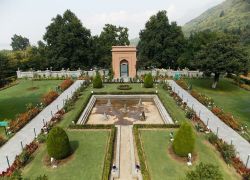
Mughal Gardens in Srinagar, Jammu & Kashmir are a group of beautifully designed historic gardens built during the Mughal era. These gardens are among the most iconic attractions in Kashmir and are known for their stunning landscapes, terraced lawns, flowing water channels, fountains, and breathtaking views of Dal Lake and the surrounding Himalayas. The Mughal Gardens include famous sites such as Shalimar Bagh, Nishat Bagh, and Chashme Shahi. Together, they represent the royal lifestyle, artistic vision, and love for nature that the Mughal emperors had. These gardens attract tourists from all over the world and are considered the pride of Srinagar tourism. Why Mughal Gardens are Famous? Mughal Gardens are famous for their stunning Persian-style landscaping known as Charbagh design, where gardens are divided into symmetrical sections with water channels and fountains. They are also known for their vibrant flower beds, tall chinar trees, and scenic views of Dal Lake. During spring and summer, the gardens bloom with colorful flowers, making them look like a paradise on earth. Another reason for their fame is their historical importance, as they were built by Mughal emperors like Jahangir and Shah Jahan, who were passionate about creating beautiful gardens inspired by Persian architecture. History of Mughal Gardens The Mughal Gardens were built during the Mughal era between the 16th and 17th centuries. Emperor Jahangir and Emperor Shah Jahan played a major role in developing these gardens in Kashmir. Jahangir, who loved Kashmir deeply, described it as “heaven on earth” and built several gardens to enjoy its natural beauty. His wife Noor Jahan also contributed to garden design and aesthetics. These gardens were designed as royal retreats where Mughal emperors could relax during summer months. Over time, they became symbols of Mughal art, culture, and architectural excellence. Architecture of Mughal Gardens The architecture of Mughal Gardens is based on the Persian Charbagh style, which divides the garden into four symmetrical parts representing paradise in Islamic tradition. Each garden features terraced lawns, water channels, fountains, and stone pathways. The water flows through the gardens using gravity, creating a soothing sound and cooling effect. Chinar trees, flower beds, and carefully designed pavilions enhance the beauty of the gardens. The layout is perfectly aligned to offer views of Dal Lake and snow-covered mountains. Major Mughal Gardens in Srinagar Shalimar Bagh: Built by Emperor Jahangir for his wife Noor Jahan, it is the largest and most famous Mughal Garden in Srinagar. Nishat Bagh: Known as the “Garden of Joy,” it is located on the banks of Dal Lake and offers stunning views of the Zabarwan mountains. Chashme Shahi: Famous for its natural spring and medicinal water, it is one of the smallest yet most beautiful Mughal gardens. How to Reach Mughal Gardens Mughal Gardens are located in Srinagar and are easily accessible from all major transport hubs. By Air: The nearest airport is Sheikh ul-Alam International Airport, Srinagar, located around 20 km away. Taxis and cabs are easily available. By Road: Mughal Gardens are well connected by road within Srinagar city. Local taxis, auto-rickshaws, and tourist vehicles are available from Dal Lake and city center. By Shikara: Visitors staying at Dal Lake can enjoy a scenic boat ride and then take a short road journey to reach the gardens. Weather at Mughal Gardens Srinagar experiences a pleasant and temperate climate, making Mughal Gardens enjoyable for most of the year. Best Time to Visit: April to October is ideal when flowers bloom and gardens are in full beauty. Summer (April to June): Pleasant weather with colorful flowers and greenery. Monsoon (July to September): Light rainfall enhances natural beauty and freshness. Winter (November to February): Cold weather with snowfall, offering a magical winter landscape. Timings and Entry Details Opening Hours: Generally open from 9:00 AM to 7:00 PM. Entry Fee: A nominal entry fee is charged for Indian and foreign tourists. Additional charges may apply for photography. Visitors are advised to carry valid ID proof and check seasonal flower bloom timings for the best experience. Things to Do at Mughal Gardens Mughal Gardens offer a peaceful and scenic experience for all visitors. Garden Walks: Explore beautifully designed lawns, terraces, and fountains. Photography: Capture stunning views of flowers, fountains, and mountains. Relaxation: Sit under chinar trees and enjoy the peaceful environment. Shikara Ride Combination: Combine your garden visit with a Dal Lake boat ride. Nature Observation: Enjoy seasonal flowers and bird watching. Facts About Mughal Gardens • Built during the Mughal era in the 16th–17th century. • Designed in Persian Charbagh style. • Includes Shalimar Bagh, Nishat Bagh, and Chashme Shahi. • Located along Dal Lake in Srinagar. • Famous for seasonal flower blooms and chinar trees. Tips for Visitors Visit during spring or summer for the best flower views. Wear comfortable walking shoes as gardens are large and terraced. Carry water and sun protection during daytime visits. Avoid littering and respect the natural environment. Early morning or evening visits are best for photography and fewer crowds. Combine all three gardens for a complete experience. Conclusion Mughal Gardens in Srinagar, Jammu & Kashmir are a breathtaking blend of history, nature, and royal architecture. With their terraced lawns, flowing fountains, and stunning Himalayan views, they represent the true beauty of Kashmir. Whether you are a nature lover, photographer, or history enthusiast, Mughal Gardens offer an unforgettable experience and are a must-visit destination in Srinagar.
Explore More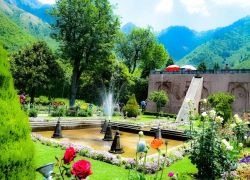
Chashme Shahi is one of the most beautiful Mughal gardens located in Srinagar, Jammu & Kashmir. Known for its natural spring, terraced layout, and stunning views of the Zabarwan Mountains, it is one of the most peaceful and scenic attractions in the Kashmir Valley. The name “Chashme Shahi” means “Royal Spring”, and it is famous for its fresh mineral water and lush green surroundings. Built during the Mughal era, Chashme Shahi is part of the famous trio of Mughal gardens in Srinagar, along with Shalimar Bagh and Nishat Bagh. It attracts tourists, nature lovers, photographers, and history enthusiasts throughout the year. Why Chashme Shahi is Famous? Chashme Shahi is famous for its natural spring water, which is believed to have medicinal and healing properties. The water flows directly from the mountain spring and is considered pure and refreshing. It is also known for its beautifully designed Mughal garden architecture, featuring terraced lawns, flowing water channels, fountains, and colorful flower beds. Another reason for its fame is its breathtaking view of Dal Lake and the surrounding snow-capped mountains, making it a favorite photography spot in Srinagar. History of Chashme Shahi Chashme Shahi was built in 1632 AD by the Mughal governor Ali Mardan Khan during the reign of Emperor Shah Jahan. It was constructed around the natural spring discovered by a saint named Rupa Bhawani. According to legend, the spring water was believed to have healing powers, and Mughal royalty used it for drinking purposes. Inspired by Persian garden design, the Mughals developed it into a terraced garden with flowing water channels. Over time, it has been carefully maintained and restored, preserving its historical charm and natural beauty. Architecture of Chashme Shahi Chashme Shahi follows the classic Mughal Charbagh style of garden design, which is inspired by Persian architecture. The garden is built in three terraces, each connected by water channels and stone pathways. The upper terrace contains the natural spring, which flows down through fountains and channels, creating a soothing water sound throughout the garden. The garden is surrounded by chinar trees, flower beds, and stone structures that enhance its scenic beauty. The layout is simple yet elegant, reflecting Mughal aesthetics focused on harmony with nature. How to Reach Chashme Shahi Chashme Shahi is located about 10 km from Srinagar city center and is easily accessible. By Air: The nearest airport is Sheikh ul-Alam International Airport, Srinagar, located around 20 km away. Taxis and cabs are available from the airport. By Road: Chashme Shahi is well connected by road from Srinagar city. Local taxis, auto-rickshaws, and tourist cabs are easily available. It is also close to Dal Lake and other Mughal gardens. By Houseboat/Shikara: Visitors staying at Dal Lake can reach nearby points and then travel by road to the garden. Weather at Chashme Shahi Srinagar has a temperate climate with distinct seasons. Best Time to Visit: April to October is ideal when flowers are in bloom and weather is pleasant. Summer (April to June): Pleasant and cool, perfect for sightseeing. Monsoon (July to September): Moderate rainfall enhances greenery and freshness. Winter (November to February): Cold with heavy snowfall in surrounding areas, offering a magical winter view. Timings and Entry Details Opening Hours: Generally open from 9:00 AM to 7:00 PM. Entry Fee: A nominal entry fee is charged for Indian and foreign tourists. Additional charges may apply for cameras. Visitors are advised to spend at least 1–2 hours to fully enjoy the garden. Things to Do at Chashme Shahi Chashme Shahi offers a peaceful and refreshing experience for all visitors. Enjoy the Natural Spring: Taste the fresh mineral water directly from the spring. Garden Walks: Walk through beautifully designed terraces and flower beds. Photography: Capture scenic views of gardens, mountains, and fountains. Relaxation: Sit near water channels and enjoy the peaceful atmosphere. Visit Nearby Gardens: Combine your visit with Shalimar Bagh and Nishat Bagh. Facts About Chashme Shahi • Built in 1632 during Mughal rule. • Famous for its natural spring water. • Designed in Persian Charbagh style. • One of the smallest Mughal gardens in Srinagar. • Offers panoramic views of Dal Lake and mountains. Tips for Visitors Visit during spring or summer for blooming flowers and best views. Wear comfortable walking shoes as the garden has terraced paths. Carry water and light snacks during summer visits. Avoid littering and respect the natural environment. Combine your trip with other Mughal gardens for a complete Srinagar experience. Early morning or evening visits are best for photography. Conclusion Chashme Shahi in Srinagar, Jammu & Kashmir is a serene Mughal garden that perfectly blends natural beauty, historical architecture, and spiritual charm. With its refreshing spring water, terraced landscapes, and stunning Himalayan views, it offers a peaceful escape for travelers. Whether you are a nature lover, photographer, or history enthusiast, Chashme Shahi is a must-visit destination in Kashmir.
Explore More
Welcome to the serene and enchanting oasis of Baba Dhansar Waterfall nestled in the picturesque city of Katra. This hidden gem offers a tranquil escape for nature lovers and adventure seekers alike, surrounded by lush greenery and the soothing sound of cascading water. History of Baba Dhansar Waterfall Steeped in history and local folklore, Baba Dhansar holds cultural significance for the region. Legend has it that the waterfall was created by Lord Shiva himself, making it a sacred spot for pilgrims and tourists alike. The area was once a royal hunting ground and has since been preserved for its natural beauty and spiritual essence. Architecture and Natural Beauty of Baba Dhansar Waterfall The waterfall is set amidst verdant forests, providing a habitat for a diverse range of flora and fauna. The surrounding landscapes offer a peaceful retreat for visitors, with the historic Keoladeo Temple adding to the mystical charm of the place. Why is Baba Dhansar Waterfall Famous? Baba Dhansar Waterfall is renowned for its ethereal beauty and tranquil ambiance, attracting nature enthusiasts, photographers, and wildlife lovers. The area is a haven for birdwatchers, with the opportunity to spot various avian species in their natural habitat. How to Reach Baba Dhansar Waterfall Traveling to Baba Dhansar Waterfall is convenient, with options for air, rail, and road transport. The nearest airports are located in Jammu and Srinagar, while Katra serves as a major railway hub. Visitors can also opt for a scenic road journey to reach this idyllic destination. Weather and Best Time to Visit Baba Dhansar Waterfall The weather at Baba Dhansar Waterfall varies with the seasons, offering a unique experience throughout the year. While summers are pleasant, the monsoon season enhances the beauty of the waterfall. The best time to visit is during the cooler months, from October to March. Timings of Baba Dhansar Waterfall Baba Dhansar Waterfall welcomes visitors during specific timings, allowing ample time to explore the surroundings. It is advisable to check for any seasonal variations in schedule and plan your visit accordingly for a memorable experience. Entry Fee and Visit Details Visitors can access Baba Dhansar Waterfall by paying a nominal entry fee, which contributes to the conservation efforts in the area. Guide services are available for those seeking a deeper insight into the flora, fauna, and local culture. Safari options and bicycle rentals offer unique ways to explore the surroundings. Things to Do at Baba Dhansar Waterfall Immerse yourself in the beauty of nature at Baba Dhansar Waterfall through activities like birdwatching, photography, cycling, and leisurely walks along the trails. Engage in nature observation and educational experiences to gain a deeper appreciation for the biodiversity of the region. Interesting Facts About Baba Dhansar Waterfall Baba Dhansar Waterfall is home to a variety of migratory birds, adding to its ecological importance. The conservation efforts in the area have led to the preservation of habitats and the protection of endangered species, making it a significant site for biodiversity conservation. Travel Tips for Visiting Baba Dhansar Waterfall When visiting Baba Dhansar Waterfall, remember to dress comfortably and carry essential items like water, sunscreen, and insect repellent. Photography enthusiasts should have their camera gear ready to capture the beauty of the surroundings. Respect the local environment and wildlife by practicing responsible tourism. Conclusion In conclusion, Baba Dhansar Waterfall in Katra offers a harmonious blend of natural beauty, cultural heritage, and spiritual serenity. Whether you seek tranquility in nature or wish to explore the biodiversity of the region, this enchanting destination promises a memorable experience for every visitor.
Explore More
Jhajjar Kotli, located in Katra, is a hidden gem that beckons travelers with its natural beauty and rich biodiversity. This picturesque tourist attraction offers a tranquil escape from the hustle and bustle of city life, making it a popular destination for nature enthusiasts, birdwatchers, and photographers. History of Jhajjar Kotli The history of Jhajjar Kotli dates back to ancient times when it served as a royal hunting ground for the local rulers. Over the years, concerted conservation efforts have transformed this area into a sanctuary for a variety of flora and fauna. The park's commitment to preserving its natural heritage has earned it recognition by UNESCO for its conservation initiatives. Architecture and Natural Beauty of Jhajjar Kotli Jhajjar Kotli is renowned for its diverse landscapes that include wetlands, forests, and grasslands, providing a habitat for numerous bird species. The park is home to the historical Keoladeo Temple, adding a touch of spirituality to its natural allure. Why is Jhajjar Kotli Famous? Jhajjar Kotli's fame stems from its reputation as a haven for birdwatchers, wildlife enthusiasts, and nature lovers. The park's diverse ecosystem and abundance of bird species make it a paradise for those seeking to connect with nature and capture stunning photographs. How to Reach Jhajjar Kotli Traveling to Jhajjar Kotli is convenient, with options available by air, rail, and road. The nearest airports are located in the vicinity, and the park is well-connected by rail, making it easily accessible for visitors coming from different parts of the country. Weather and Best Time to Visit Jhajjar Kotli Jhajjar Kotli experiences varying weather conditions throughout the year, with distinct summer, monsoon, and winter seasons. The best time to visit is during the cooler months when the park is teeming with wildlife and the weather is pleasant for outdoor exploration. Timings of Jhajjar Kotli Visitors can explore Jhajjar Kotli during specified timings, with seasonal variations that may affect accessibility to certain areas of the park. It is advisable to plan your visit accordingly to make the most of your time at this natural paradise. Entry Fee and Visit Details Entry procedures to Jhajjar Kotli are straightforward, with guide services available for those seeking a more informative experience. Safari options, bicycle rentals, and other visitor facilities are provided to enhance your visit and ensure a memorable trip. Things to Do at Jhajjar Kotli Popular activities at Jhajjar Kotli include birdwatching, photography, cycling, walking trails, and nature observation. Visitors can immerse themselves in the serene surroundings, gaining insights into the park's biodiversity and enjoying educational experiences along the way. Interesting Facts About Jhajjar Kotli Jhajjar Kotli is known for its diverse range of migratory birds that flock to the park, adding a touch of vibrancy and beauty to its natural surroundings. The park's conservation efforts have led to significant achievements in preserving its ecological balance and sustaining its biodiversity. Travel Tips for Visiting Jhajjar Kotli When visiting Jhajjar Kotli, it is advisable to dress comfortably, carry essential photography equipment, and be mindful of the best seasons for birdwatching and nature exploration. Practicing responsible tourism and respecting the park's guidelines ensures a sustainable and enjoyable visit for all. Conclusion In conclusion, Jhajjar Kotli in Katra stands as a testament to the beauty of nature and the importance of conservation. This enchanting hotspot offers visitors a chance to reconnect with the natural world, discover diverse wildlife, and create lasting memories amidst serene surroundings. Plan your trip to Jhajjar Kotli to experience the harmony of nature in all its glory.
Explore More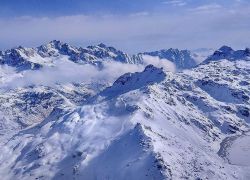
Apharwat Peak is one of the most stunning and highest tourist attractions located in Gulmarg, Jammu & Kashmir. Situated at an altitude of around 4,390 meters above sea level, this snow-covered Himalayan peak is famous for its breathtaking views, adventure activities, and year-round snow presence. It is one of the most visited destinations in Gulmarg, especially for skiing, snowboarding, and cable car rides. Surrounded by majestic snow-clad mountains and deep valleys, Apharwat Peak offers a magical experience for nature lovers and adventure seekers. It is accessible via the world-famous Gulmarg Gondola, one of the highest cable cars in the world. Why Apharwat Peak is Famous? Apharwat Peak is famous for its eternal snow cover and thrilling winter sports activities. It is one of the best skiing destinations in India and attracts tourists from all over the world during the winter season. It is also famous for offering panoramic views of the Himalayan ranges and valleys of Kashmir. The stunning landscape makes it a favorite spot for photographers and nature lovers. Another reason for its fame is its accessibility through the Gulmarg Gondola, which provides a scenic and adventurous cable car ride up to the peak. History of Apharwat Peak Apharwat Peak has long been part of the natural Himalayan landscape of Kashmir. Historically, it was a remote and unexplored region due to heavy snowfall and difficult terrain. With the development of Gulmarg as a tourist destination during the British era, the region gained attention for its skiing potential. Later, infrastructure like the Gulmarg Gondola made Apharwat Peak accessible to tourists. Today, it is one of the most important adventure tourism destinations in India. Architecture and Landscape Apharwat Peak does not have man-made architecture, but its natural formation is its biggest attraction. The peak is part of the Pir Panjal mountain range and remains covered in snow for most of the year. The surrounding landscape includes deep valleys, frozen lakes, pine forests, and glacier zones. The contrast of white snow and blue skies creates a surreal environment. The Gulmarg Gondola cable system is the only major man-made structure that provides access to the peak, offering stunning aerial views. How to Reach Apharwat Peak Apharwat Peak is located near Gulmarg and is accessible only through Gulmarg town. By Air: The nearest airport is Srinagar International Airport, located about 50 km from Gulmarg. From there, taxis and cabs are available. By Road: Gulmarg is well connected to Srinagar via road. The journey takes around 2 hours through scenic mountain routes. By Gondola: From Gulmarg, visitors must take the Gulmarg Gondola cable car. It operates in two phases: Phase 1: Gulmarg to Kongdoori Phase 2: Kongdoori to Apharwat Peak Weather at Apharwat Peak Apharwat Peak experiences extreme alpine weather conditions throughout the year. Best Time to Visit: December to March is ideal for snow activities like skiing and snowboarding. Summer (May to September): Cold and pleasant with partial snow cover. Winter (November to April): Heavy snowfall with temperatures dropping below freezing, making it perfect for winter sports. Monsoon: Minimal rainfall but often cloudy and cold. Timings and Entry Details Gulmarg Gondola Timings: Generally open from 10:00 AM to 4:00 PM, depending on weather conditions. Entry Fee: There is no direct entry fee for Apharwat Peak, but Gondola tickets are required and vary based on phases. Visitors should always check weather updates as operations may be suspended during heavy snowfall or strong winds. Things to Do at Apharwat Peak Apharwat Peak offers several exciting adventure and sightseeing activities. Skiing: One of the top skiing destinations in India with professional slopes. Snowboarding: Popular winter activity for adventure lovers. Gondola Ride: Enjoy one of the highest cable car rides in the world. Photography: Capture breathtaking Himalayan landscapes and snow views. Trekking: Seasonal trekking routes are available for adventure enthusiasts. Snow Play: Enjoy snow activities like sledging and snowball fights. Facts About Apharwat Peak • Located at an altitude of about 4,390 meters. • One of India’s top skiing destinations. • Accessible via Gulmarg Gondola, one of the highest cable cars in the world. • Remains snow-covered for most of the year. • Part of the Pir Panjal mountain range. Tips for Visitors Wear heavy woolen clothes and waterproof jackets during winter visits. Carry sunglasses and sunscreen to protect from snow reflection. Book Gondola tickets in advance during peak season. Check weather conditions before planning your visit as operations depend on safety conditions. Avoid traveling during extreme snowfall or storm warnings. Stay hydrated and carry essential medicines due to high altitude. Conclusion Apharwat Peak in Gulmarg, Jammu & Kashmir is a breathtaking Himalayan destination that offers a perfect mix of adventure, beauty, and serenity. With its snow-covered landscapes, thrilling skiing slopes, and world-famous Gondola ride, it stands as one of India’s top winter tourism attractions. Whether you are an adventure seeker or a nature lover, Apharwat Peak promises an unforgettable experience in the heart of the Himalayas.
Explore More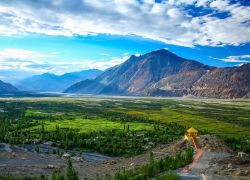
The Nubra Valley is one of the most stunning and unique destinations in Leh Ladakh, Jammu & Kashmir. It is famous for its cold desert landscape, sand dunes, rivers, monasteries, and breathtaking mountain views. Located between the Karakoram and Ladakh ranges, Nubra Valley offers a rare combination of desert scenery and Himalayan beauty. About Nubra Valley Nubra Valley lies at an altitude of around 10,000 feet above sea level. It is formed by the meeting point of the Shyok and Nubra rivers. The valley is known for its green villages, sand dunes at Hunder, and stunning mountain surroundings. It is one of the most visited tourist regions in Ladakh. History of Nubra Valley Nubra Valley was once an important part of the ancient Silk Route, connecting India with Central Asia and Tibet. Traders used this valley as a resting point during long journeys through the Himalayas. Over time, small villages developed here, preserving Ladakhi culture and Buddhist traditions. The valley still reflects its historical importance through ancient monasteries, traditional houses, and cultural practices followed by local communities. Architecture and Culture The architecture in Nubra Valley is simple and traditional. Houses are built using stone, mud, and wood to withstand extreme weather conditions. Monasteries in the valley follow Tibetan Buddhist architectural styles, with prayer halls, stupas, and murals. Diskit Monastery is one of the most famous monasteries in the region and features a large statue of Maitreya Buddha overlooking the valley. Why Nubra Valley is Famous Nubra Valley is famous for its cold desert landscape, sand dunes at Hunder, and unique double-humped Bactrian camels. It offers visitors a rare experience where desert scenery exists alongside snow-covered mountains. It is also popular for adventure tourism, camping, river crossings, monasteries, and thrilling road trips through Khardung La Pass. Entry and Permit Details Visitors need an Inner Line Permit (ILP) to enter Nubra Valley. Permit Requirement: Mandatory for all tourists Permit Fee: Approx. ₹400–₹600 per person Documents Required: Valid ID proof such as Aadhaar Card, Passport, or Driving License Permits can be obtained online or from the Leh DC office before starting the journey. How to Reach Nubra Valley By Air: The nearest airport is Kushok Bakula Rimpochee Airport in Leh. From Leh, Nubra Valley is around 120 km away. By Road: The most popular route is via Khardung La Pass from Leh. The journey takes around 5 to 7 hours depending on road conditions and weather. By Bike or Car: Many tourists prefer renting bikes or SUVs from Leh for an adventurous road trip experience. Weather and Best Time to Visit Nubra Valley has a cold desert climate with sunny days and cold nights. Summer (May to September): 10°C to 25°C – Best time to visit Winter (October to April): -10°C to -30°C with heavy snowfall in higher regions Summer is the most suitable time for travel as roads remain open and sightseeing is comfortable. Things to Do in Nubra Valley • Ride double-humped Bactrian camels at Hunder Sand Dunes • Visit Diskit Monastery and the giant Buddha statue • Explore villages like Hunder and Turtuk • Enjoy camping under clear starry skies • Experience biking through Khardung La Pass • Take photographs of mountains, rivers, and sand dunes Interesting Facts About Nubra Valley • Known as the “Valley of Flowers of Ladakh” • Home to rare double-humped Bactrian camels • Part of the ancient Silk Route trade network • Accessible via one of the world’s highest motorable roads • Combines desert, river, and mountain landscapes in one region Travel Tips for Visitors • Stay in Leh for at least 1–2 days for acclimatization • Carry warm clothes even in summer • Keep permits and ID proofs ready at checkpoints • Carry cash and extra fuel for long routes • Respect local culture and avoid littering • Mobile network may not work in remote areas Conclusion Nubra Valley is one of the most beautiful and unique destinations in Ladakh. Its rare combination of deserts, rivers, monasteries, and mountains makes it a must-visit place for travelers. Whether you are an adventure lover, photographer, or nature enthusiast, Nubra Valley offers an unforgettable experience in the Himalayas.
Explore More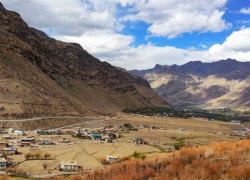
Welcome to Suruk Valley, a hidden gem nestled in the breathtaking city of Kargil. Suruk Valley is a paradise for nature lovers, birdwatchers, and adventure seekers alike. With its rich biodiversity, stunning landscapes, and serene atmosphere, Suruk Valley offers a unique opportunity to connect with nature in its purest form. History of Suruk Valley The history of Suruk Valley dates back to ancient times when it served as a former royal hunting ground for the local rulers. Over the years, concerted conservation efforts have transformed Suruk Valley into a protected sanctuary for wildlife and migratory birds. Its ecological significance has been recognized by UNESCO, drawing attention to the importance of preserving this natural haven. Architecture and Natural Beauty of Suruk Valley Suruk Valley is renowned for its diverse natural environment, encompassing wetlands, forests, and grasslands that provide a habitat for a wide variety of bird species. The picturesque landscapes of Suruk Valley are complemented by the historic Keoladeo Temple, adding a cultural touch to the natural beauty of the region. Why is Suruk Valley Famous? Suruk Valley has gained fame as a hotspot for birdwatchers, photographers, and wildlife enthusiasts due to its rich avian population and stunning vistas. The opportunity to witness migratory birds in their natural habitat, coupled with the tranquil surroundings, makes Suruk Valley a must-visit destination for nature lovers. How to Reach Suruk Valley Traveling to Suruk Valley is convenient, with options available by air, rail, and road. The nearest airports are located in Leh and Srinagar, while the closest railway station is in Jammu. Well-connected road networks provide easy access to Suruk Valley, allowing visitors to embark on a scenic journey to this enchanting destination. Weather and Best Time to Visit Suruk Valley Suruk Valley experiences varying weather conditions throughout the year, with summers being pleasant, monsoons bringing lush greenery, and winters offering a snowy landscape. The best time to visit Suruk Valley is during the spring and autumn months when the weather is mild, and the natural beauty of the valley is at its peak. Timings of Suruk Valley Suruk Valley welcomes visitors during specific timings, ensuring a peaceful and enjoyable experience for all. It is advisable to check for any seasonal variations in timings and plan your trip accordingly to make the most of your visit to this natural paradise. Entry Fee and Visit Details Entry to Suruk Valley may require a nominal fee, with additional services such as guide assistance, safari options, bicycle rentals, and visitor facilities available for a comfortable and enriching experience. Visitors are encouraged to make the most of these services to explore the beauty of Suruk Valley thoroughly. Things to Do at Suruk Valley Suruk Valley offers a plethora of activities for visitors to indulge in, including birdwatching, photography, cycling, walking trails, nature observation, and educational experiences. Immerse yourself in the natural wonders of Suruk Valley and create unforgettable memories amidst its tranquil surroundings. Interesting Facts About Suruk Valley Suruk Valley is home to a diverse range of migratory birds, showcasing the region's rich biodiversity and conservation efforts. The sanctuary's ecological importance extends beyond its borders, highlighting the need for sustainable practices to preserve its natural heritage for future generations. Travel Tips for Visiting Suruk Valley When planning a trip to Suruk Valley, it is essential to pack suitable clothing for the prevailing weather conditions, carry necessary photography and birdwatching equipment, and be mindful of the best visiting seasons to maximize your experience. Practice responsible tourism by respecting the natural environment and wildlife during your stay in Suruk Valley. Conclusion In conclusion, Suruk Valley in Kargil is a haven for nature enthusiasts seeking solace in the lap of pristine wilderness. Its historical significance, natural beauty, and diverse wildlife make it a destination worth exploring. Embrace the tranquility of Suruk Valley and immerse yourself in the wonders of this enchanting sanctuary.
Explore More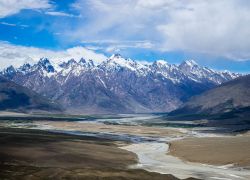
Zanskar Valley, located near Kargil, is a mesmerizing tourist destination known for its stunning natural beauty, rich biodiversity, and unique cultural significance. This remote valley offers a peaceful retreat for nature lovers, adventure enthusiasts, and those seeking an off-the-beaten-path experience in the heart of the Himalayas. History of Zanskar Valley Zanskar Valley has a deep historical background, once serving as royal hunting grounds for the kings of Ladakh. Over the years, the valley has witnessed conservation efforts to protect its pristine environment, leading to its recognition by UNESCO for its natural and cultural importance. Architecture and Natural Beauty of Zanskar Valley The valley is characterized by its diverse landscapes, from lush wetlands and dense forests to expansive grasslands that provide habitats for a variety of bird species. Nestled within this natural paradise is the historic Keoladeo Temple, adding a touch of spirituality to the scenic surroundings. Why is Zanskar Valley Famous? Zanskar Valley is renowned for its abundance of birdlife, making it a paradise for birdwatchers and photographers. Nature enthusiasts are drawn to the valley for its serene atmosphere, stunning vistas, and opportunities to witness wildlife in their natural habitat. How to Reach Zanskar Valley Traveling to Zanskar Valley can be an adventure in itself. The valley is accessible by air, with nearby airports in Leh and Srinagar, or by road via picturesque mountain routes. For those keen on a scenic journey, the valley can also be reached by rail, with the nearest railway stations located in Jammu and Srinagar. Weather and Best Time to Visit Zanskar Valley Zanskar Valley experiences distinct seasonal changes, with summers offering pleasant weather for outdoor activities, monsoons bringing lush greenery to the landscape, and winters transforming the valley into a winter wonderland. The best time to visit is typically during the summer months when the weather is most favorable for exploration. Timings of Zanskar Valley Visitor timings in Zanskar Valley may vary depending on the season, with longer hours during peak tourist periods. It is advisable to plan your visit accordingly and check for any seasonal variations that may affect your travel plans. Entry Fee and Visit Details Entry procedures in Zanskar Valley are straightforward, with options for guided tours, safari experiences, bicycle rentals, and visitor facilities available to enhance your visit. Whether you choose to explore the valley on foot or by bike, there are plenty of options to make the most of your time in this natural haven. Things to Do at Zanskar Valley Popular activities in Zanskar Valley include birdwatching, photography, cycling through scenic trails, walking amidst nature, and engaging in educational experiences to learn more about the valley's biodiversity and conservation efforts. There is something for every type of traveler to enjoy in this pristine setting. Interesting Facts About Zanskar Valley Zanskar Valley is home to a diverse range of migratory birds that flock to the region, showcasing the valley's ecological significance and conservation achievements. The valley's unique biodiversity and natural beauty continue to captivate visitors from around the world. Travel Tips for Visiting Zanskar Valley When visiting Zanskar Valley, it is essential to pack appropriate clothing for varying weather conditions, bring along your photography equipment to capture the beauty of the valley, and respect the wildlife and environment by practicing responsible tourism. Be sure to plan your visit during the recommended seasons to make the most of your trip. Conclusion In conclusion, Zanskar Valley in Kargil is a hidden gem waiting to be explored by travelers seeking a unique and enriching experience in the lap of nature. With its historical significance, natural beauty, and diverse wildlife, the valley offers a peaceful retreat for those looking to connect with the great outdoors and immerse themselves in the wonders of the Himalayas.
Explore More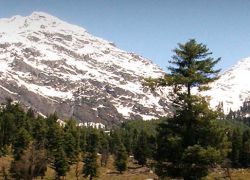
Aru Valley is a prominent tourists’ site in Kashmir. It is a spot that assures a tranquil ambiance, lush green beautiful surroundings, and the jaw-dropping backdrop of the Himalayan peaks. This valley never fails to attract the visitors, nature enthusiasts, and venture aficionados from different parts of the state. This valley serves as the base camp for starting the exuberant trekking and hiking in the craggy slopes of the Himalayan hillocks. It Is Known For:- 1) Aru Valley is known for its scenic beauty. Its natural pulchritude makes it a huge attraction for all tourists. 2) The soul-soothing ambiance of this place makes it a remarkable site for spending a good quality time away from the bustling cities. 3) It has a small village that serves as the smallest hill-town in the state. 4) Due to the tranquility in its ambiance, it has been declared as an eco-friendly biosphere zone. No motor vehicle is allowed to enter the valley premises. 5) Apart from camping and trekking, horse-riding is a key activity that can be relished in Aru Valley. Best Time To Visit:- Aru Valley is a scenic site that lures the tourists on an extensive scale. It can be visited during any time of the year. During summers, the weather is pleasant and visitors can take delight in activities like trekking, camping, and horse riding. Winter is the time when Aru Valley is bedecked with a blanket of snow and the rest is self-explanatory! Watch Out! Do not miss to take the horse-cart rides! Since the motor vehicles aren’t permitted in this area, the commuters commute either by cycles or via horse-carts. Reaching There:- Aru Valley has Pahalgam as the closest neighboring town. It can be reached via state-run buses, express trains, or flights from any part of the state of J&K. Commuting within the town can be done via local buses, taxis, and horse-carts that are available on a regular basis. Nearest Railway Station:- Jammu Railway Station Nearest Airport:- Srinagar Airport
Explore More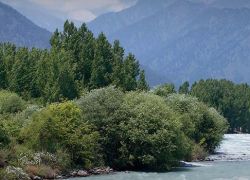
Lidder River is one of the must-visit attractions in Kashmir. It is a tantalizing spot to unwind the tired limbs. Lidder River originates from the glacier of Kolahoi and serves the different purposes to the dwellers in the regions through which it passes. It is surrounded by the beauty of Mother Nature at its origin. Spending a couple of hours near the banks of Lidder River is a deal on which visitors lay their money. It Is Known For:- 1) Lidder River is well-known as a tourist attraction. It originates from a glacier and provides drinking water in the regions through which it flows. 2) It has a soul-soothing ambiance that can uplift the mood immediately. It also provides calmness to the dog-tired senses. 3) The enchanting meadows nearby add more charm to the beauty of this river. Visitors can spend hours at this place admiring the creation of nature. 4) The shimmering white waters of this river serve a residence to different fishes. 5) The activity of swimming can be relished in this river. Best Time To Visit:- Lidder River is a tourist site that can be visited throughout the year. It is a place that never fails to attract the visitors. Therefore, any season can be chosen for marking a casual trip to Lidder River. Watch Out! Visitors can take delight in different recreational activities. Spending a day’s itinerary here after slacking-off at the workplace is an amazing idea. Fishing and boating are the major activities that are enjoyed here. If you need more then camping near this river would be an astounding choice! Reaching There:- Lidder River originates from Kolahoi Glacier which is nearest to Pahalgam. Entire Kashmir is connected to Pahalgam via roads, railheads, and airways. The local transit is available in profusion for commuting to & from different spots in the town. Nearest Railway Station:- Jammu Railway Station Nearest Airport:- Srinagar Airport
Explore MoreKashmir Tour 5 Night 6 Day
6 Days/ 5 Night
Gulmarg - Jammu - Pahalgam - Srinagar - Budgam - Kashmir - Sheshnag
Vaishno Devi Package Ex-Mumbai
5 Days/ 4 Night
Katra
Kashmir Explorer 04 Nights - 05 Days Tour
5 Days/ 4 Night
Srinagar - Pahalgam - Sonamarg - Gulmarg
Kashmir Classic
4 Days/ 3 Night
Awantipora - Gulmarg - Jammu - Pahalgam - Srinagar - Tangmarg - Kashmir
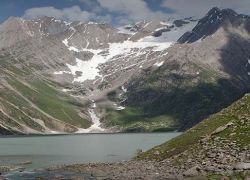
Located on the path of the Holy Cave of Amarnath, Sheshnag Lake is a mesmerizing lake in Kashmir. It is located in the district of Anantnag and is considered as holy by numerous devotees of Lord Shiva. According to mythology, this lake was dug by Sheshnag himself. It is said that he still resides in the lake and keeps an eye on the entire region of Pahalgam from his several heads. It Is Known For:- 1) Sheshnag Lake is a sacred lake in Pahalgam and holds a great religious importance for Hindus. 2) The lake is beckoned by the enchanting meadows that are bedecked by the snow on the peaks. 3) This lake is fed by the waters of the glacial lake, Lidder Lake. 4) During extreme winters, the waters of this lake freeze and melts when the temperatures rise. 5) The brown trout fishes are found in abundance in the lower areas where Sheshnag lake flows through. Best Time To Visit:- Sheshnag Lake catches the attention of visitors extensively. This lake is a place that can be visited the best in the summers because during winters, the water of this lake freeze and make it inaccessible. Thus, the period between April-September is the best for visiting Sheshnag Lake. Watch Out! Sheshnag Lake is a holy lake and is regarded as the abode of Sheshnag. Therefore, no visitor is allowed to dump any kind of garbage in this pious lake. Tourists love to take a holy dip here, so carrying Reaching There:- Pahalgam is well-connected to Kashmir via highways, railheads, and airways. Visitors can choose any mode for reaching the place conveniently. Traveling within Pahalgam is done by the local buses, taxis, and horse-carts. Nearest Railway Station:- Jammu Railway Station Nearest Airport:- Srinagar Airport
Explore More
Welcome to the breathtaking Baisaran Hills located in the charming city of Pahalgam. Nestled in the heart of nature's beauty, Baisaran Hills is a paradise for travelers seeking tranquility and awe-inspiring landscapes. History of Baisaran Hills With a rich historical background, Baisaran Hills were once the royal hunting grounds of the region. Over the years, efforts have been made to conserve its natural beauty, leading to its recognition by UNESCO as a significant natural habitat. Architecture and Natural Beauty of Baisaran Hills Baisaran Hills boast lush wetlands, dense forests, sprawling grasslands, and diverse bird habitats. Among its natural wonders stands the historic Keoladeo Temple, adding a touch of spirituality to the picturesque landscapes. Why is Baisaran Hills Famous? Baisaran Hills have gained popularity among birdwatchers, photographers, nature enthusiasts, and wildlife lovers due to its rich biodiversity and captivating scenery that offers a peaceful retreat away from the hustle and bustle of city life. How to Reach Baisaran Hills Traveling to Baisaran Hills is convenient with options available by air, rail, and road. The nearest airports are located in Srinagar and Jammu, while the closest railway station is in Jammu. From there, a scenic road journey will lead you to the enchanting hills of Baisaran. Weather and Best Time to Visit Baisaran Hills Baisaran Hills experience pleasant weather during the summer, monsoon, and winter seasons. The best time to visit is during the summer months when the hills are adorned with blooming flowers and the weather is ideal for outdoor exploration. Timings of Baisaran Hills The visitor timings for Baisaran Hills vary seasonally, so it is advisable to plan your trip accordingly. Detailed information about the timings and other essential planning details can be obtained locally. Entry Fee and Visit Details Entry to Baisaran Hills involves simple procedures, and guide services are available for those seeking in-depth knowledge about the region. Safari options, bicycle rentals, and visitor facilities ensure a comfortable and enjoyable experience for all travelers. Things to Do at Baisaran Hills Embark on exciting activities such as birdwatching, photography, cycling through picturesque trails, leisurely walks amidst nature's wonders, and engaging in educational experiences to truly appreciate the beauty of Baisaran Hills. Interesting Facts About Baisaran Hills Baisaran Hills are home to a plethora of migratory birds, showcasing the region's rich biodiversity. Conservation efforts have led to remarkable achievements in preserving the ecological balance of the area, highlighting its importance in the conservation landscape. Travel Tips for Visiting Baisaran Hills When visiting Baisaran Hills, it is recommended to carry appropriate clothing for varying weather conditions, essential photography equipment to capture the stunning landscapes, and birdwatching gear for a closer look at the avian wonders. Understanding the visiting seasons and practicing responsible tourism ensures a memorable and sustainable travel experience. Conclusion In conclusion, Baisaran Hills in Pahalgam offer a serene escape into nature's embrace, presenting visitors with a harmonious blend of natural beauty and cultural heritage. A trip to Baisaran Hills promises an unforgettable journey through landscapes that inspire awe and appreciation for the wonders of the natural world.
Explore More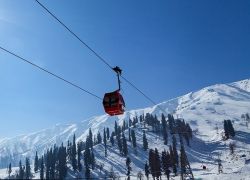
Gulmarg, located in the captivating city of Kashmir, is a renowned tourist hotspot that offers a mesmerizing blend of natural beauty, adventure, and cultural heritage. Nestled amidst the snow-capped Himalayas, Gulmarg is a paradise for nature lovers, photographers, and adventure enthusiasts alike. History of Gulmarg Steeped in history, Gulmarg boasts a rich heritage dating back to its origins as a former royal hunting ground. Over the years, concerted conservation efforts have transformed it into a UNESCO recognized destination, preserving its ecological diversity and historical significance. Architecture and Natural Beauty of Gulmarg Gulmarg's allure lies in its diverse landscapes, from lush wetlands and dense forests to picturesque grasslands that provide habitats for a myriad of bird species. The historic Keoladeo Temple within the park adds to the cultural charm of this natural wonder. Why is Gulmarg Famous? Gulmarg is celebrated for its abundant birdlife, making it a haven for birdwatchers and nature enthusiasts. The panoramic vistas, coupled with opportunities for photography and wildlife spotting, attract visitors from around the globe. How to Reach Gulmarg Reaching Gulmarg is convenient, with options to travel by air, rail, or road. The nearest airports and railway stations ensure easy access, allowing travelers to embark on a memorable journey to this enchanting destination. Weather and Best Time to Visit Gulmarg Gulmarg experiences varied weather conditions throughout the year, with distinct seasons offering unique charms. The best time to visit depends on personal preferences, with each season presenting a different facet of this captivating location. Timings of Gulmarg Visitor timings at Gulmarg are structured to enhance the experience, catering to seasonal variations and ensuring that travelers can make the most of their trip. Planning ahead and understanding the timings is essential for a seamless visit. Entry Fee and Visit Details Entry procedures at Gulmarg are straightforward, with guide services and safari options available for those seeking a more immersive experience. Bicycle rentals and visitor facilities further enhance the visit, providing convenience and comfort. Things to Do at Gulmarg Engaging in activities such as birdwatching, photography, cycling, and nature observation allows visitors to connect with Gulmarg's natural splendor. Walking trails offer tranquil escapes, while educational experiences deepen the understanding of this unique ecosystem. Interesting Facts About Gulmarg Gulmarg is teeming with interesting facts, from the seasonal migration of birds to the remarkable biodiversity that thrives within its boundaries. Conservation achievements and the ecological importance of the region further underscore its significance. Travel Tips for Visiting Gulmarg When visiting Gulmarg, it is advisable to pack appropriate clothing, essential photography gear, and birdwatching equipment to make the most of the experience. Understanding the visiting seasons and practicing responsible tourism ensures a fulfilling and sustainable trip. Conclusion In conclusion, Gulmarg stands as a testament to the harmonious coexistence of nature and heritage, offering visitors a chance to immerse themselves in its beauty and tranquility. A trip to Gulmarg, Kashmir promises an unforgettable journey filled with awe-inspiring sights and memorable experiences.
Explore More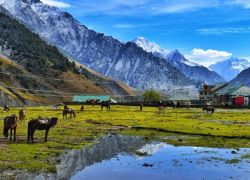
Pahalgam, located in the picturesque city of Kashmir, is a breathtaking tourist attraction known for its natural beauty and serene environment. Nestled amidst the lush greenery of the Himalayas, Pahalgam offers a tranquil escape for nature lovers and adventure seekers alike. History of Pahalgam With a rich historical background, Pahalgam was once a royal hunting ground for the former kings. Over the years, efforts have been made to conserve its pristine environment, leading to UNESCO recognition for its biodiversity and conservation initiatives. Architecture and Natural Beauty of Pahalgam Pahalgam boasts stunning wetlands, dense forests, vibrant grasslands, and diverse bird habitats. The historical Keoladeo Temple adds to the charm of this natural paradise, offering visitors a glimpse into the region's architectural and cultural heritage. Why is Pahalgam Famous? Pahalgam is renowned for its appeal to birdwatchers, photographers, nature enthusiasts, and wildlife lovers due to its rich biodiversity and scenic landscapes. The region's natural beauty and varied wildlife make it a popular destination for eco-tourism. How to Reach Pahalgam Traveling to Pahalgam is convenient with options available by air, rail, and road. The nearest airports are located in Srinagar and Jammu, while the Jammu Tawi railway station provides easy access by train. Road transport is also well-connected to major cities in the region. Weather and Best Time to Visit Pahalgam Pahalgam experiences pleasant weather during the summer months, monsoon showers adding to its natural beauty, and snowy winters creating a magical winter wonderland. The best time to visit is typically from April to June and September to November when the weather is most favorable. Timings of Pahalgam Pahalgam welcomes visitors throughout the year, with seasonal variations in activities and tourist flow. It is advisable to plan your visit during the early morning or late afternoon to avoid crowds and make the most of your experience. Entry Fee and Visit Details Entry to Pahalgam is subject to nominal fees, with guide services available for a more immersive experience. Visitors can also opt for safaris, bicycle rentals, and other facilities to explore the area conveniently and enjoy all that Pahalgam has to offer. Things to Do at Pahalgam Popular activities at Pahalgam include birdwatching, photography, cycling through scenic trails, leisurely walks to soak in the natural beauty, and engaging in educational experiences to learn more about the region's ecology and wildlife. Interesting Facts About Pahalgam Pahalgam is home to a diverse range of migratory birds, contributing to its ecological significance. Conservation efforts have led to the preservation of its natural heritage, making it a hub for biodiversity enthusiasts and nature conservationists. Travel Tips for Visiting Pahalgam For a comfortable visit to Pahalgam, it is advisable to pack appropriate clothing for varying weather conditions, carry essential photography and birdwatching equipment, consider visiting during the recommended seasons, and practice responsible tourism to preserve the region's natural beauty. Conclusion In conclusion, Pahalgam in Kashmir stands as a testament to the beauty of nature and the significance of conservation efforts. Visitors to this enchanting hotspot can immerse themselves in its natural splendor, explore diverse ecosystems, and experience the wonders of eco-tourism in a serene and picturesque setting.
Explore More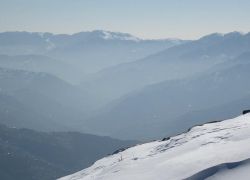
Nathatop, located in the charming city of Patnitop, is a picturesque tourist attraction that offers a perfect blend of natural beauty and biodiversity. This hidden gem is a paradise for nature enthusiasts, birdwatchers, and photographers seeking tranquility amidst the lush greenery and diverse wildlife. History of Nathatop Steeped in history, Nathatop was once a royal hunting ground and has now transformed into a conservation area that showcases the rich biodiversity of the region. The park's efforts in preserving the natural habitat have garnered recognition from UNESCO, further highlighting its importance in wildlife conservation. Architecture and Natural Beauty of Nathatop The natural environment of Nathatop is a sight to behold, with its wetlands, dense forests, grasslands, and bird habitats creating a serene landscape. The park is also home to the historical Keoladeo Temple, adding a cultural touch to the natural beauty of the area. Why is Nathatop Famous? Nathatop is renowned for its abundant birdlife, making it a hotspot for birdwatchers and wildlife enthusiasts. The park's stunning landscapes and diverse flora and fauna attract nature lovers and photographers from around the world, seeking a glimpse of the region's natural wonders. How to Reach Nathatop Traveling to Nathatop is convenient, with options available by air, rail, and road. The nearest airports and railway stations provide easy access to the city of Patnitop, from where visitors can reach Nathatop via well-connected roadways. Weather and Best Time to Visit Nathatop Nathatop experiences varying weather conditions throughout the year, with summer offering pleasant temperatures, monsoon bringing lush greenery, and winter blanketing the region in snow. The best time to visit is during the moderate months, ensuring an enjoyable and comfortable trip. Timings of Nathatop The visitor timings at Nathatop vary seasonally, providing different experiences based on the time of year. It is advisable to plan your visit accordingly and make the most of the park's offerings during the specified timings. Entry Fee and Visit Details Entry to Nathatop is subject to specific procedures and fees, with guide services, safari options, bicycle rentals, and visitor facilities available within the park premises. Visitors can make use of these services to enhance their overall experience at Nathatop. Things to Do at Nathatop There are plenty of activities to indulge in at Nathatop, including birdwatching, photography, cycling, walking trails, and nature observation. Visitors can immerse themselves in the natural beauty of the park and engage in educational experiences that enrich their understanding of the local ecosystem. Interesting Facts About Nathatop Nathatop is home to a myriad of migratory bird species, showcasing the region's rich biodiversity and conservation efforts. The park's ecological significance and conservation achievements contribute to its reputation as a haven for wildlife enthusiasts and nature lovers. Travel Tips for Visiting Nathatop When planning a trip to Nathatop, it is essential to pack appropriate clothing, carry photography and birdwatching equipment, consider the visiting seasons, and practice responsible tourism. These tips ensure a memorable and sustainable travel experience while exploring the natural wonders of Nathatop. Conclusion In conclusion, Nathatop in Patnitop stands as a testament to the beauty of nature and the importance of conservation. Visitors are treated to a unique blend of landscapes, wildlife, and cultural heritage that make Nathatop a must-visit destination for those seeking a peaceful retreat amidst the wonders of the natural world.
Explore More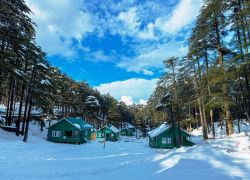
Welcome to the serene and picturesque destination of Patnitop Park nestled in the heart of Patnitop city. This green oasis is a haven for nature lovers, birdwatchers, and wildlife enthusiasts, offering a unique blend of natural beauty and biodiversity that attracts visitors from far and wide. History of Patnitop Park Steeped in history, Patnitop Park has a rich past dating back to its origins as former royal hunting grounds. Over the years, the park has undergone significant conservation efforts to preserve its pristine environment, earning recognition for its biodiversity and ecological importance. Architecture and Natural Beauty of Patnitop Park Patnitop Park boasts a diverse landscape comprising wetlands, lush forests, expansive grasslands, and bird habitats. Amidst this natural beauty lies the historic Keoladeo Temple, adding a touch of cultural charm to the park's serene surroundings. Why is Patnitop Park Famous? Patnitop Park is renowned for its abundant birdlife, making it a hotspot for birdwatchers and photographers. The park's natural allure and tranquil ambiance also appeal to nature enthusiasts and wildlife lovers seeking a peaceful retreat in the lap of nature. How to Reach Patnitop Park Traveling to Patnitop Park is convenient, with options to reach by air, rail, and road. Nearby airports and railway stations provide easy access, ensuring a hassle-free journey to this natural paradise. Weather and Best Time to Visit Patnitop Park Experience the varying weather conditions of Patnitop Park across summer, monsoon, and winter seasons. The best time to visit this scenic destination is during specific months when the weather is most favorable for exploration and outdoor activities. Timings of Patnitop Park Plan your visit to Patnitop Park with detailed information on visitor timings, any seasonal variations to be aware of, and essential tips for making the most of your time exploring the park's natural wonders. Entry Fee and Visit Details Discover the entry procedures, availability of guide services, safari options, bicycle rentals, and visitor facilities offered at Patnitop Park to enhance your overall experience and enjoyment during your visit. Things to Do at Patnitop Park Engage in a myriad of activities at Patnitop Park, from birdwatching and photography to cycling, walking trails, nature observation, and immersive educational experiences that offer a deeper insight into the park's diverse ecosystem. Interesting Facts About Patnitop Park Delve into fascinating facts about Patnitop Park, including its significance for migratory birds, notable conservation achievements, and the critical role it plays in preserving biodiversity and promoting environmental awareness. Travel Tips for Visiting Patnitop Park Prepare for your visit to Patnitop Park with practical advice on clothing choices, essential photography and birdwatching equipment, ideal visiting seasons, and responsible tourism practices that help conserve the park's natural heritage for future generations. Conclusion In conclusion, Patnitop Park in Patnitop city stands as a testament to natural beauty and ecological preservation, offering visitors a memorable experience amidst lush surroundings and diverse wildlife. Explore this tranquil retreat to immerse yourself in the wonders of nature and create lasting memories in this enchanting destination.
Explore More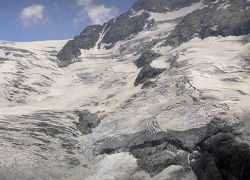
Kolahoi Glacier is valley glacier that perches in the snow-capped Himalayas. This glacier has a monstrous height of 15, 400 feet above the sea level and is named after the peak of Kolahoi. It is the highest peak in the region and the well-known Lidder River originates from this glacier. Kolahoi Glacier offers the spectacular views of the Himalayas and is an amazing destination to explore.It Is Known For:-1) Kolahoi Glacier is a mesmerizing glacier in the Himalayan belt and has a humongous height.2) This glacier is the source of the famous freshwater river known by the name of Lidder. It provides the water to the nearby areas.3) Throughout the year, this place witnesses a cold climate. The temperatures usually stay below 0°C during winters.4) Kolahoi Glacier is a perfect place for relishing the venture of trekking and hiking. Camping can also be relished in the meadows around the glacier.Best Time To Visit:-Kolahoi Glacier catches the attention of the visitors throughout the year but it remains inaccessible during winters. Thus, the best time for embarking a memorable journey to this spot is between April-August.Watch Out!Kolahoi Glacier is an amazing site for trekking. But, it is recommended that novice trekkers and hikers should not begin the journey without the experts. Moreover, camping should also be avoided during the snowfall.Reaching There:-The nearest township to Kolahoi Glacier is Pahalgam. It has a well-established network with the roadways, railways, and airways in Kashmir. One can reach Pahalgam from any of the above-listed means from any part of J&K.Nearest Railway Station:- Jammu Railway StationNearest Airport:- Srinagar Airport
Explore More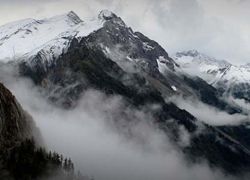
Zoji-La Pass is a major tourists’ destination in Jammu & Kashmir. It rests in the belt of the mighty Himalayas and is a high mountain pass. It has a mammoth height of 11, 575 feet above the sea level and serves as a link between the valley of Kashmir and Ladakh. This mountainous pass remains under the blanket of snow throughout the year and has an historical importance. In the bygone times, it was captured during the ‘First War for Kashmir’ in the year 1947. The following year in November, the Indian Military forces were successful in re-capturing it from the Pakistani army.It Is Known For:-1) Zoji-La Pass is India’s one of the highest roads.2) This place is historically important because it was the place captured by Pakistan during the Indo-Pak war of 1947 that was fought for Kashmir. In the year 1948, the Indian Military deployed the tanks and was successful in recapturing it own area.3) This place is bestowed with the Himalayan beauty in profusion and offers a great view of the mighty snow-clad peaks of the Himalayas.4) During winters, Zoji-La Pass remains closed due to excessive snowfall and Borders & Roads Organization (BRO) clears it. It is the period when this pass becomes completely inaccessible.5) During the other seasons, this pass offers a great view of the nearby valleys of Dras.Best Time To Visit:-Zoji-La Pass is the place that can be visited during any season except winters. During winters, the heavy blanket of the shimmering snow makes it impossible to reach this site. Therefore, the period between May-October/November is considered as appropriate for embarking a casual voyage to Zoji-La Pass.Watch Out!Due to its high elevation, the temperature of Zoji-La Pass remains cold for a major portion of the year. Thus, it is recommended that visitors should carry woolens along with them in order to stay warm.Reaching There:-Ganderbal is the nearest district to Zoji-La Pass. It is well-connected via all major roads, railheads, and airways to the whole Kashmir. Tourists can reach Ganderbal from anywhere in Kashmir. Commuting within the district is usually done via local buses, taxis, and autos. To reach Zoji-La Pass, one can hire a private vehicle or relish the journey on a bike for an adrenaline-boosting ride.Nearest Railway Station:- Srinagar Railway StationNearest Airport:- Srinagar Airport
Explore More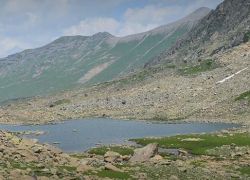
Satsar Lake is a well-known and must-visit tourist site in Ganderbal of Jammu & Kashmir. It is a beautiful water body and is a group of the seven lakes that is situated at a height of 1181 feet above the sea level. Situated amid the rocky foothills of the wonderful Himalayas, this lake is a perfect spot where anyone can relax in nature.Why Is It Famous?Satsar Lake is famous because of its natural beauty. Its lush green surroundings with the background of the Himalayan foothills make it an amazing travel destination for the numerous visitors that visit this place.It calls out to all the camping aficionados that adore camping amid the beautiful nature under the cerulean sky. Apart from camping, it also serves as a great place for relishing the venture of trekking. Thus, these reasons advocate for it to be visited on an extensive scale.Best Time To Visit:-Satsar Lake freezes during the winter season, therefore, the apt time for embarking a journey to this place is during summers. If a tourist is planning to visit this site during monsoons, it should be assured that warm clothes are also carried since the temperatures drop after the rain shower.Watch Out!Enjoy the activity of boating in Satsar Lake and explore the mountains that will catch the sight immediately. It will be amazing to watch the mountains while sitting in the boat.Reaching There:-Ganderbal is well-connected to the rest of Kashmir via roadways, railways, and airways. Numerous trains, flights, and buses operate from different cities of the state for reaching the town conveniently.Nearest Railway Station:- Udhampur Railway StationNearest Airport:- Srinagar Airport
Explore More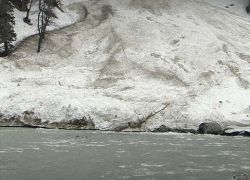
Nilagrad River is an exquisite river in Sonamarg valley. It is an interesting stream that flows from the mountains and has healing qualities. Feeding the lush green vegetation of the different areas, this river merges with the Indus River, the longest rivers across the world. It passes through the different mountainous passes and enhances the beauty of those areas.Why Is It Famous?Nilagrad River is famous due to its beauty and medicinal qualities it posses. This river is revered sacred by the locals and it is frequently visited, especially on Sundays. It rushes down from different areas and feeds the vegetation with its pious waters.Since this river is considered as holy, swimming and boating are not allowed in it. Due to the visual charm of Nilagrad River, it is often visited for rejuvenating the tired senses. Visitors adore relishing picnic near this river.Best Time To Visit:-Nilagrad River is a site that can be visited throughout the year. There is no special occasion for embarking a trip to this arresting place. Watch Out!Nilagrad River is considered holy by the locals of the region. Therefore, it is the duty of all visitors to maintain cleanliness and do not dump anything in the crystal clear waters of this river.Reaching There:-Ganderbal can be reached by the express trains, private vehicles, flights, or the state-run buses from anywhere in Kashmir and India. It has a vast connectivity of the local transit for commuting to & from different places.Nearest Railway Station:- Udhampur Railway StationNearest Airport:- Srinagar Airport
Explore More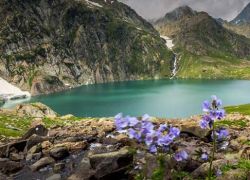
Located in Ganderbal district of Kashmir, Gadsar Lake is one of the must-see attractions in ‘Heaven of Earth’. This beautiful lake is known by the names of Yemsar Lake and the ‘Lake of Flowers’. It is a seasonal lake that is created after the snow melts. During the period between November-April, this lake remains frozen with a thick cover of ice. During this period, it serves as a perfect spot for frozen lake-trekking. Why Is It Famous? Gadsar Lake is famous due to its natural beauty. It is surrounded by the mighty white Himalayas and is a habitat for the trout fish. Due to the presence of trout fishes in abundance, the activity of fishing has become frequent by tourists and locals. This lake holds an unsolved mystery with it that makes it even popular. According to the local shepherds, this lake is a home to the ‘Lake Monster’. The cattle animals that graze near the lake often go missing. It is assumed that the lake monster, most probably a huge octopus, drags them in the lake. Even the fishes are caught in the stream that flows nearby. Best Time To Visit:- Kashmir is a place that welcomes its guests throughout the year. People often visit Kashmir during summers for spending holidays. A good quality time can be spent near Gadsar Lake in all seasons. In winters, it becomes the best place for frozen lake trek, whereas, in summers, this place is apt for enjoying a picnic with close ones. Watch Out! The locals are particular about the cleanliness around Gadsar Lake. No waste is thrown in or around this lake. The same is expected from all visitors who visit this lake during any time of the year. Reaching There:- Numerous buses are available for all to reach Ganderbal district after de-boarding the flight/train at Srinagar. Nearest Railway Station - Udhampur Railway Station Nearest Airport - Sheikh-Ul-Alam International Airport
Explore More
Thajiwas Glacier is one of the most mesmerizing natural attractions near Sonamarg, Jammu & Kashmir. Nestled in the heart of the Himalayas, this glacier is renowned for its pristine beauty, sparkling ice formations, and panoramic views of snow-capped peaks. Thajiwas Glacier is a popular destination for tourists, trekkers, and photographers seeking an unforgettable Himalayan experience. The glacier stretches over several kilometers, fed by the melting snow of surrounding peaks. The area is surrounded by lush green meadows in summer and blanketed with snow during winter, offering a picture-perfect landscape all year round. Its serene environment and fresh mountain air make it an ideal spot for nature lovers and adventure enthusiasts alike. Why Thajiwas Glacier is Famous? Thajiwas Glacier is famous for its breathtaking natural beauty, easy accessibility from Sonamarg, and the adventure it offers. Tourists are drawn to the glacier for its: Pristine snowfields and ice formations Scenic views of the surrounding Himalayan peaks Accessibility for both beginners and experienced trekkers Opportunity for photography and adventure activities Summer meadows and winter snow landscapes The glacier has also gained popularity through travel blogs, social media, and tourism campaigns highlighting the Kashmir Valley as the “Paradise on Earth.” History and Natural Significance Thajiwas Glacier, like many Himalayan glaciers, was formed by the accumulation of snow over centuries. It plays a critical role in maintaining the local ecosystem by feeding streams and rivers in the region, including tributaries that flow into the Sindh River. Historically, the glacier has been used by local shepherds and nomadic Gujjar communities for grazing their livestock during summer. The area around Thajiwas Glacier holds cultural significance and represents the pristine wilderness of the Kashmir region. Weather at Thajiwas Glacier The climate at Thajiwas Glacier, Sonamarg varies depending on the season: Summer (May to September): Pleasant with temperatures ranging from 10°C to 18°C during the day and cooler nights around 5°C. This is the most suitable time for visiting. Monsoon (July to August): Occasional rains may cause slippery trails, but the meadows are lush and green. Winter (October to April): Harsh and extremely cold, with heavy snowfall. The glacier is fully covered in snow and access is limited. How to Reach Thajiwas Glacier Reaching Thajiwas Glacier is relatively easy compared to other high-altitude glaciers: By Air: The nearest airport is Srinagar International Airport, approximately 80 km from Sonamarg. From the airport, travelers can hire taxis or private cars to reach Sonamarg. By Road: Sonamarg is connected to Srinagar by NH1. Buses, taxis, and private vehicles frequently ply this route. From Sonamarg town, the glacier is about 6–7 km away and can be accessed via trekking paths. By Trekking: A short trek from Sonamarg leads to Thajiwas Glacier. The trek is easy to moderate, making it suitable for beginners and families. Local guides are available for hire to ensure safety and provide information about the glacier and surrounding areas. Entry and Visit Details Visiting Thajiwas Glacier does not require any formal entry fees. However, some points to consider include: Hiring a local guide for safety and convenience Using trekking shoes and warm clothing Permits are generally not required for casual tourists Camping is possible in designated areas near Sonamarg, but not directly on the glacier Things to Do at Thajiwas Glacier Thajiwas Glacier offers a range of activities for tourists and adventure enthusiasts: Trekking: Gentle treks suitable for families as well as adventure seekers Photography: Capture the magnificent glacier and surrounding snow-capped peaks Sledding and Snow Play: Enjoy snow activities during winter Camping: Stay in nearby meadows and experience starry night skies Nature Observation: Spot local flora and fauna unique to high-altitude regions Architecture and Landscape Thajiwas Glacier is purely a natural formation and does not have any man-made structures. Its landscape is dominated by: Vast icefields and snow-covered slopes Surrounding Himalayan peaks and ridges Alpine meadows in summer filled with colorful wildflowers Streams formed from melting snow, feeding local rivers Interesting Facts about Thajiwas Glacier Altitude: Approximately 3,000 meters above sea level Popular for summer trekking and winter snow activities Accessible by a short trek from Sonamarg town Part of the Himalayan ecosystem feeding the Sindh River Offers panoramic views of surrounding peaks such as Machoi and Kolahoi Tips for Visiting Thajiwas Glacier Wear layered and warm clothing even in summer Carry trekking shoes for better grip on icy trails Keep hydrated and bring snacks for the trek Hire a local guide for safety and navigation Respect nature and avoid littering near the glacier Check weather conditions before visiting, especially in monsoon or winter Conclusion Thajiwas Glacier, Sonamarg, Jammu & Kashmir is a pristine Himalayan destination offering a mix of adventure, natural beauty, and tranquility. Its easy accessibility from Sonamarg, stunning landscapes, and serene environment make it ideal for trekkers, photographers, and families alike. A visit to Thajiwas Glacier is an unforgettable journey into the heart of the Himalayas, providing memories of majestic snowfields, lush meadows, and the pure alpine experience of Kashmir.
Explore MoreKashmir Explorer
5 Days/ 4 Night
Gulmarg - Jammu - Pahalgam - Sonamarg - Srinagar - Ganderbal - Kashmir
Shaan-E-Kashmir 04 Nights 05 Days Tour
5 Days/ 4 Night
Srinagar - Gulmarg - Pahalgam
Kashmir Bliss – 5 Nights / 6 Days
6 Days/ 5 Night
Srinagar - Gulmarg - Sonamarg - Pahalgam
Kashmir Grand Tour
6 Days/ 5 Night
Gulmarg - Jammu - Pahalgam - Sonamarg - Srinagar - Budgam - Ganderbal - Kashmir
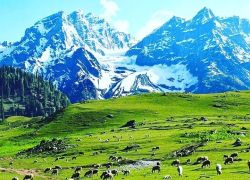
Zoji La Pass is one of the most famous high-altitude mountain passes located near Sonamarg, Jammu & Kashmir. Nestled in the mighty Himalayas, Zoji La is known for its dramatic landscapes, challenging terrain, and strategic significance. It serves as a vital link between Srinagar in Kashmir Valley and Leh in Ladakh, making it an important route for travelers, adventurers, and military operations alike. The pass is renowned for its breathtaking scenery, featuring snow-clad peaks, rugged cliffs, and steep valleys that provide a surreal experience for nature lovers and adventure enthusiasts. Zoji La Pass is often considered a thrilling stop on the journey to Leh, offering unforgettable views of the surrounding Himalayan range. Why Zoji La Pass is Famous? Zoji La Pass is famous for several reasons: It is one of the highest motorable passes in India, sitting at an elevation of 3,528 meters (11,575 feet) above sea level. It serves as a critical link on the Srinagar-Leh highway, facilitating connectivity between Kashmir Valley and Ladakh. Adventure seekers and bikers frequent Zoji La for its challenging terrain and spectacular landscapes. The pass is also historically significant due to its strategic importance in military history. Winter snow and summer greenery create a dramatic contrast, attracting photographers and travelers alike. History and Strategic Importance Zoji La Pass has a rich history dating back centuries. It has been a traditional route connecting the Kashmir Valley with the highlands of Ladakh. The pass played a significant role during historical trade routes and military campaigns, including the Indo-Pak conflicts where control over the pass was crucial. Structurally, the pass is a natural formation with steep gradients, rocky terrain, and snowfields that require careful navigation. Road construction over Zoji La is a marvel in itself, managed meticulously by the Border Roads Organisation (BRO) to keep it open for vehicular movement despite heavy snowfall and avalanches. Weather at Zoji La Pass The weather at Zoji La Pass, Sonamarg varies dramatically with seasons due to its high altitude: Summer (June to September): Mild and relatively safe for travel with daytime temperatures ranging from 10°C to 15°C. Nights can be cold, dropping to 0°C. Monsoon (July to August): Occasional landslides can occur due to rainfall, so caution is advised. Winter (October to May): Extremely harsh with heavy snowfall and temperatures often falling below -10°C. The pass remains closed for vehicles during this period due to snow accumulation and avalanche risk. How to Reach Zoji La Pass Visiting Zoji La Pass involves a combination of road travel and careful planning: By Air: The nearest airport is Srinagar International Airport, approximately 85 km from Sonamarg. From there, travelers can hire taxis to reach Sonamarg and continue towards Zoji La. By Road: Zoji La is accessible via the Srinagar-Leh highway. From Srinagar, take the NH1D route passing through Sonamarg. The pass is approximately 14 km from Sonamarg and can be reached by private vehicles or buses, although travel can be slow due to rugged terrain. By Trek: While most travelers use motorable roads, some adventure enthusiasts may trek along adjacent trails for a more immersive Himalayan experience. Entry and Visit Details There is no formal entry fee for visiting Zoji La Pass. However, certain rules and recommendations must be followed: Travelers should carry valid identity proof. Winter travel is restricted; only essential vehicles and military convoys are allowed. Hiring local guides is recommended for safety, especially during adverse weather conditions. Camping is generally discouraged on the pass itself due to extreme weather and avalanche risk. Things to Do at Zoji La Pass Although primarily a transit point, Zoji La Pass offers various activities for visitors: Photography: Capture breathtaking views of snow-capped peaks and dramatic valleys. Biking and Road Trips: Popular among adventure bikers and road trippers exploring the Srinagar-Leh highway. Nature Observation: Spot unique alpine flora and fauna along the roadside. Picnicking: Quick stops for refreshments while enjoying panoramic mountain views. Historical Exploration: Learn about the pass’s strategic military significance and nearby army posts. Architecture and Landscape Being a natural mountain pass, Zoji La does not have architectural structures like temples or forts. Its landscape is the main attraction: Steep cliffs and rocky ridges that frame the road Snowfields and glacial streams along the pass Lush green meadows visible during summer months Panoramic views of surrounding Himalayan peaks, including Nun-Kun range Interesting Facts about Zoji La Pass Altitude: 3,528 meters (11,575 feet) above sea level Considered one of the most dangerous passes in India due to weather and avalanches Part of the historic Silk Route connecting Kashmir with Ladakh Critical for military logistics between Kashmir and Ladakh Popular stop for bikers on the iconic Srinagar-Leh highway Tips for Visiting Zoji La Pass Check road conditions and weather forecasts before planning your trip Carry warm clothing and waterproof gear even in summer Drive cautiously; roads are narrow and winding with steep drops Carry sufficient fuel, water, and snacks; no major shops are available on the pass Prefer visiting with experienced guides or in convoy for safety Respect local rules and avoid littering in the pristine environment Conclusion Zoji La Pass, Sonamarg, Jammu & Kashmir is not just a mountain pass but a symbol of adventure, strategic significance, and Himalayan grandeur. Its challenging terrain, breathtaking scenery, and historical importance make it a memorable stop for anyone traveling to Leh and Ladakh. Whether you are a traveler seeking adventure or a nature enthusiast craving serene landscapes, Zoji La Pass offers an experience of the mighty Himalayas that is both thrilling and unforgettable.
Explore More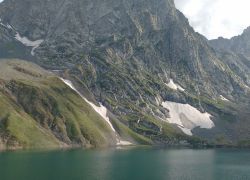
Vishansar Lake is one of the most beautiful alpine lakes located in the high-altitude region of Sonamarg, Jammu & Kashmir. Surrounded by snow-covered peaks, lush green meadows, and vibrant wildflowers in summer, this lake is a part of the famous Kashmir Great Lakes Trek and attracts trekkers, nature lovers, and photographers from across the world. The name “Vishansar” is derived from local Kashmiri language, where “Vishan” is associated with Lord Vishnu. The lake holds both natural beauty and spiritual significance, making it a must-visit destination for adventure seekers exploring the Himalayas. Why Vishansar Lake is Famous? Vishansar Lake is famous for its crystal-clear blue waters, breathtaking alpine surroundings, and its location on one of the most scenic trekking routes in India. It is part of the twin lakes Vishansar and Krishansar, which are often visited together during the Kashmir Great Lakes Trek. The lake is also known for: High-altitude trekking experience (around 3,710 meters above sea level) Panoramic views of Himalayan peaks Rich biodiversity including trout fish in the lake Camping site during trekking expeditions History and Natural Significance Unlike man-made attractions, Vishansar Lake is a naturally formed alpine lake created by glacial movements thousands of years ago. The Kashmir Himalayan region has many such lakes formed due to melting glaciers and tectonic activities. Locals consider the lake sacred due to its association with Hindu mythology. Vishansar Lake and nearby Krishansar Lake are believed to represent spiritual balance and natural purity. Shepherds and Gujjars historically used the surrounding meadows for grazing during summer months. Weather at Vishansar Lake The weather around Vishansar Lake, Sonamarg is highly unpredictable due to its high altitude. Summer (June to September): Pleasant during the day (10°C to 15°C), cold at night (0°C to 5°C). This is the best trekking season. Monsoon (July to August): Moderate rainfall with slippery trails but extremely green landscapes. Winter (October to May): Heavy snowfall and extreme cold (-5°C to -20°C), lake remains frozen and inaccessible. Most travelers visit during July to September when the trekking routes are open and the lake is fully accessible. How to Reach Vishansar Lake Reaching Vishansar Lake is an adventure in itself as it requires trekking through the Himalayan trails. By Air: The nearest airport is Srinagar Airport, located around 80–90 km from Sonamarg. From there, taxis are available to reach Sonamarg. By Road: Sonamarg is well connected to Srinagar via NH1. Regular taxis and buses operate between Srinagar and Sonamarg. By Trek: From Sonamarg, trekkers usually start the Kashmir Great Lakes Trek. Vishansar Lake is typically reached after a 2–3 day trek depending on the route. The trek passes through Nichnai Pass and lush alpine meadows before reaching the lake. Entry and Visit Details There is no official entry fee for Vishansar Lake as it is a natural site. However, travelers must consider: Trekking permits (if arranged through trekking agencies) Camping permissions in designated zones Local guide charges (recommended for safety) Visitors should also carry proper trekking gear, warm clothing, and necessary supplies as there are no shops or permanent settlements near the lake. Things to Do at Vishansar Lake Visiting Vishansar Lake offers a wide range of adventure and nature-based activities: Trekking: Experience the famous Kashmir Great Lakes Trek route Camping: Stay overnight near the lake under starry skies Photography: Capture Himalayan landscapes and reflections of mountains in the lake Fishing: Trout fishing (with permission and regulations) Nature Walks: Explore alpine meadows and nearby Krishansar Lake Architecture and Landscape (Natural Formation) Although Vishansar Lake does not have man-made architecture, its natural formation is a geological wonder. The lake is surrounded by steep mountain ridges, glacier-fed streams, and rolling meadows known as “Bugs” in Kashmir. The landscape changes dramatically with seasons. In summer, the area blooms with wildflowers, while in winter it transforms into a frozen white paradise. The reflection of snow peaks on the still water creates a mirror-like effect that is highly admired by photographers. Interesting Facts about Vishansar Lake Altitude: Approximately 3,710 meters above sea level Part of Kashmir Great Lakes Trek circuit Connected to Krishansar Lake by a mountain ridge Home to freshwater trout fish Water source contributes to the Kishanganga River system Tips for Visiting Vishansar Lake To make your journey safe and enjoyable, keep the following tips in mind: Carry warm layered clothing even in summer Use proper trekking shoes with good grip Stay hydrated and carry energy snacks Hire a local guide for safe navigation Avoid plastic and keep the environment clean Check weather conditions before starting the trek Conclusion Vishansar Lake, Sonamarg, Jammu & Kashmir is a hidden Himalayan gem that offers a perfect blend of adventure, natural beauty, and serenity. Whether you are an experienced trekker or a nature lover, this lake provides an unforgettable experience surrounded by snow peaks, green meadows, and pure alpine air. A visit to Vishansar Lake is not just a journey—it is an exploration of the untouched beauty of the Himalayas that stays in memory forever.
Explore More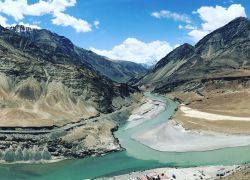
Zanskar River is one of the most dramatic and breathtaking rivers in India, flowing through the remote and rugged landscapes of Ladakh in Jammu & Kashmir. Known for its deep gorges, frozen winter trails, and thrilling adventure activities, it is a paradise for trekkers, rafters, and nature lovers. The river flows through the majestic valley of Zanskar in Jammu & Kashmir, carving its way through high Himalayan mountains and creating some of the most stunning natural scenery in India. It is a lifeline for the remote villages of the region and a major attraction for adventure tourism. Zanskar River, Zanskar, Jammu & Kashmir is globally famous for its frozen winter trekking route known as the “Chadar Trek,” making it one of the most unique river experiences in the world. History and Significance of Zanskar River The Zanskar River has been an essential part of life in the Zanskar valley for centuries. Historically, it served as a natural route for trade, travel, and communication between remote villages during winter when it freezes completely. The river originates from the Himalayan glaciers and is a tributary of the Indus River system. Over time, it has shaped the geography, culture, and lifestyle of the Zanskar region. In ancient times, monks and traders used the frozen river as a walking path to reach Leh and other parts of Ladakh when mountain passes were closed due to heavy snowfall. Geography and Natural Beauty The Zanskar River flows through one of the most remote and rugged terrains in the Himalayas. It cuts through deep gorges surrounded by towering cliffs, creating a dramatic landscape. During summer, the river flows as a fast-moving icy blue stream, while in winter, it freezes completely, forming a thick sheet of ice known as the “Chadar” (blanket). This transformation makes it one of the few rivers in the world that can be walked on during winter. Why Zanskar River is Famous The Zanskar River is famous worldwide for the Chadar Trek, where travelers walk on the frozen river during extreme winter conditions. It is also known for white-water rafting in summer, offering one of the most thrilling rafting experiences in India. Its untouched natural beauty, deep gorges, and remote Himalayan setting make it a dream destination for adventure lovers. How to Reach Zanskar River Reaching the Zanskar River requires traveling through high-altitude mountain routes and remote valleys. By Air: The nearest airport is Leh Airport, located around 250–300 km away. From Leh, travelers can hire taxis or join guided tours to Zanskar valley. By Road: Zanskar is accessible from Kargil or Leh via mountain roads. Roads remain open mainly between June and September due to heavy snowfall in winter. By Train: The nearest major railway station is Jammu Tawi. From there, travelers must continue by road to Leh and then Zanskar. Due to its remote location, travel requires careful planning, permits, and experienced drivers. Weather at Zanskar River The Zanskar River region experiences extreme Himalayan weather conditions. Summer (June to September): Mild and pleasant with temperatures ranging from 10°C to 25°C. This is the best time for rafting and trekking. Winter (October to May): Extremely cold with temperatures dropping below -20°C. The river freezes completely during this time. Monsoon: The region receives very little rainfall, but travel conditions may still be affected by landslides in nearby areas. Timing and Entry Details The Zanskar River is a natural attraction and is accessible throughout the day depending on weather conditions. There is no fixed entry fee for viewing the river, but adventure activities like rafting or Chadar Trek require permits and guided tours. The best time for activities is early morning when weather conditions are more stable. Things to Do at Zanskar River One of the most famous activities is the Chadar Trek, where visitors walk on the frozen river during winter. In summer, white-water rafting offers an adrenaline-filled experience through fast-flowing icy waters. Photography is extremely popular due to the dramatic landscapes, deep gorges, and crystal-clear river views. Visitors can also explore nearby Zanskar villages and experience local Himalayan culture and traditions. Interesting Facts About Zanskar River The Zanskar River freezes so solid in winter that it becomes a walking trail used by locals and trekkers. It is one of the few rivers in the world where a trekking route exists directly on the river surface. The river is fed by Himalayan glaciers, making its water extremely cold even in summer. The Chadar Trek is considered one of the most challenging treks in the world due to extreme weather conditions. Travel Tips for Visitors Carry heavy winter clothing if visiting during the Chadar Trek season, as temperatures can drop drastically. Always travel with experienced guides due to unpredictable weather and terrain conditions. Keep essential supplies like food, water, and medical kits, as facilities are limited in remote areas. Check road conditions in advance before planning your trip to Zanskar. Conclusion The Zanskar River is one of India’s most extraordinary natural wonders, offering a unique blend of adventure, beauty, and extreme Himalayan conditions. Whether you are a trekker, photographer, or adventure seeker, the river provides an unforgettable experience through its frozen pathways and wild summer rapids.
Explore More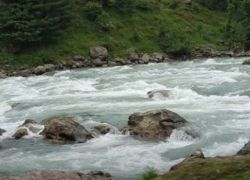
Jhelum River doesn’t require an introduction. It is a river that flows through the state of Jammu-Kashmir and has various tributaries. Its original name is Vitatsa and according to the Hindu mythology, this river is the form of Goddess Parvati. It is said that Sage Kasyapa worshiped her to please her and purify the land of Kashmir by terminating the existence of the demons in the valley. She originated from Verinaga Spring as Vitatsa for the purification of Kashmir Valley.It Is Known For:-1) Jhelum River is a well-known water body in Kashmir. It emerges from Verinag Spring that is located in the foothills of the Pir-Panjal range.2) It has different tributaries that supply the water to the rural, as well as urban areas, in the state of J&Ks.3) It has produced various tributaries that have formed different lakes in the valley. Some noted tributaries are Wular Lake, Gangabal Lake, Dal Lake etc.4) The waters of Jhelum River are used for the generation of the hydro-electricity that has reduced the shortage of power supply in the rural areas.5) Visitors can take delight in the activities of swimming and boating. Picnicking near the river is a great option.Best Time To Visit:-Jhelum River is a beautiful river in the valley of Kashmir and attracts visitors on a huge scale. This place is usually visited throughout the year but to make the visit memorable, one should be present here with the onset of winters. Taking a stroll in the morning offers a mesmerizing view of the river that plays a soul-soothing melody by the currents of the flow.Watch Out!Every day is appropriate for visiting Jhelum River but one should watch out for the downpour. The water level usually rises during a heavy rainfall and thus, people should abstain from visiting the site during monsoons.Reaching There:-The nearest town to Jhelum River is Baramulla. It is well-connected with the highways and railheads that connect in with the rest of Kashmir. The local transit is always available for commuting within the town of Baramulla.Nearest Railway Station:- Baramulla Railway StationNearest Airport:- Srinagar Airport
Explore More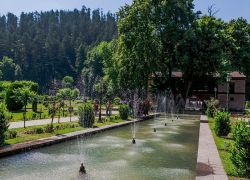
Welcome to Achabal Garden, a mesmerizing tourist attraction located in the city of Anantnag. This beautiful garden is renowned for its historical significance, stunning natural environment, rich biodiversity, and immense tourism importance. History of Achabal Garden Achabal Garden holds a fascinating historical background as it was originally established as the royal garden by Mughal Emperor Jahangir. It served as former royal hunting grounds and has witnessed various conservation efforts over the years. The garden's magnificence has been acknowledged by UNESCO, further enhancing its cultural and historical importance. Architecture and Natural Beauty of Achabal Garden The garden is adorned with lush wetlands, dense forests, sprawling grasslands, and diverse bird habitats, creating a picturesque landscape that captivates visitors. Nestled within the park is the historical Keoladeo Temple, adding a spiritual essence to the natural beauty of the surroundings. Why is Achabal Garden Famous? Achabal Garden is renowned for its charm among birdwatchers, photographers, nature enthusiasts, and wildlife lovers. The park's serene ambiance, coupled with its rich biodiversity, makes it a haven for those seeking to immerse themselves in the wonders of nature. How to Reach Achabal Garden Traveling to Achabal Garden is convenient with multiple options available. Visitors can access the garden via air, rail, or road, with nearby airports and railway stations providing easy connectivity to this enchanting destination. Weather and Best Time to Visit Achabal Garden Achabal Garden experiences varying weather conditions throughout the year, with distinct summers, monsoons, and winters. The best time to visit is during the mild months when the climate is pleasant, allowing visitors to explore the garden comfortably. Timings of Achabal Garden Achabal Garden welcomes visitors during specific timings, ensuring a memorable experience for all who visit. Seasonal variations may influence these timings, so it is advisable to plan your trip accordingly. Entry Fee and Visit Details Entry to Achabal Garden involves following specific procedures and availing guide services if desired. The park offers safari options, bicycle rentals, and various visitor facilities to enhance the overall experience of exploring this natural wonder. Things to Do at Achabal Garden Engage in popular activities at Achabal Garden such as birdwatching, photography, cycling through scenic trails, leisurely walks amidst nature, and immersive educational experiences that showcase the park's diverse offerings. Interesting Facts About Achabal Garden Achabal Garden is teeming with fascinating facts, from the annual arrival of migratory birds to the park's crucial role in biodiversity conservation. The achievements in preserving ecological balance make Achabal Garden a standout destination for eco-conscious travelers. Travel Tips for Visiting Achabal Garden When planning a visit to Achabal Garden, remember to pack appropriate clothing, essential photography gear, and birdwatching equipment to make the most of your trip. Consider visiting during the recommended seasons and practice responsible tourism to preserve the beauty of this natural gem. Conclusion In conclusion, Achabal Garden in Anantnag stands as a testament to nature's splendor and historical legacy. With its lush landscapes, rich biodiversity, and array of activities, a visit to this enchanting hotspot promises a memorable experience for all travelers seeking solace in the heart of nature.
Explore More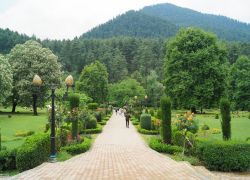
Welcome to Kokernag Botanical Garden, a captivating tourist attraction located in the beautiful city of Anantnag. This botanical garden is a haven for nature lovers, offering a serene environment filled with diverse plant species, rich biodiversity, and stunning landscapes. History of Kokernag Botanical Garden The history of Kokernag Botanical Garden dates back to its origins as former royal hunting grounds. Over the years, concerted conservation efforts have transformed this area into a thriving botanical garden, showcasing the natural beauty of the region. The park's significance has been recognized by UNESCO for its role in preserving the local flora and fauna. Architecture and Natural Beauty of Kokernag Botanical Garden The botanical garden is renowned for its lush wetlands, dense forests, vast grasslands, and diverse bird habitats. The picturesque landscapes provide a perfect setting for the historical Keoladeo Temple, adding a touch of cultural heritage to the natural surroundings. Why is Kokernag Botanical Garden Famous? Kokernag Botanical Garden is famous for its appeal to birdwatchers, photographers, nature enthusiasts, and wildlife lovers. The rich biodiversity and serene ambiance make it an ideal destination for those seeking to connect with nature and explore the beauty of Anantnag. How to Reach Kokernag Botanical Garden Traveling to Kokernag Botanical Garden is convenient, with various options available by air, rail, and road. The garden is easily accessible from nearby airports and railway stations, making it a popular choice for both local and international visitors. Weather and Best Time to Visit Kokernag Botanical Garden The weather at Kokernag Botanical Garden varies throughout the year, with distinct summer, monsoon, and winter seasons. The best time to visit is during the moderate months when the climate is pleasant, allowing visitors to fully enjoy the natural beauty of the garden. Timings of Kokernag Botanical Garden Kokernag Botanical Garden welcomes visitors during specific timings, accommodating seasonal variations to provide an optimal experience for guests. It is advisable to plan your visit accordingly and make the most of your time at this enchanting destination. Entry Fee and Visit Details Entry to Kokernag Botanical Garden is subject to nominal fees, with additional services such as guide assistance, safari options, bicycle rentals, and visitor facilities available for a more enriching experience. Visitors can explore the garden at their own pace and engage in various activities to enhance their visit. Things to Do at Kokernag Botanical Garden At Kokernag Botanical Garden, there are plenty of activities to engage in, from birdwatching and photography to cycling, walking trails, and nature observation. Visitors can immerse themselves in the tranquil surroundings and take part in educational experiences that highlight the beauty of the natural world. Interesting Facts About Kokernag Botanical Garden Kokernag Botanical Garden is home to a myriad of migratory birds, showcasing the region's rich biodiversity and conservation achievements. The garden plays a vital role in preserving the ecological balance and promoting sustainable practices for the benefit of future generations. Travel Tips for Visiting Kokernag Botanical Garden When planning a visit to Kokernag Botanical Garden, it is advisable to dress comfortably, carry essential photography equipment, and be prepared for birdwatching activities. Understanding the best visiting seasons and practicing responsible tourism are key to enjoying a fulfilling experience at this natural paradise. Conclusion In conclusion, Kokernag Botanical Garden stands as a testament to the natural beauty and biodiversity of Anantnag. This enchanting destination offers visitors a unique opportunity to connect with nature, explore diverse plant species, and witness the wonders of wildlife in a picturesque setting. Whether you are a bird enthusiast, nature lover, or simply seeking tranquility, Kokernag Botanical Garden promises an unforgettable experience in the heart of Anantnag.
Explore More