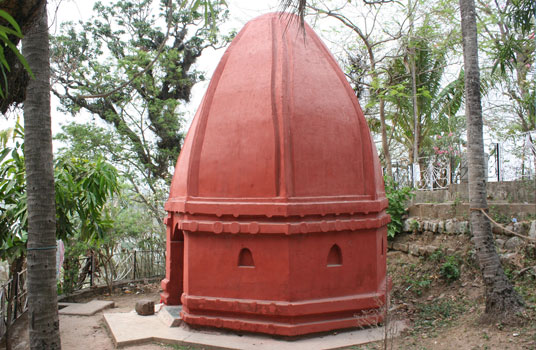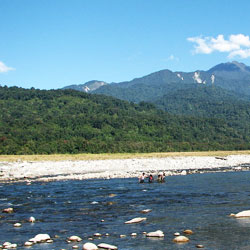
"Enjoy lush tea gardens and scenic views."
Cinnamora Tea Estate is one of the most historically important and scenic tea estates in Jorhat district, Assam. Known as the birthplace of the Indian tea industry, this estate holds a special place in the history of tea cultivation in India. Spread across vast green landscapes with neatly trimmed tea bushes, colonial-era structures, and a calm rural environment, Cinnamora Tea Estate offers visitors a perfect blend of history, nature, and culture. It is an ideal destination for tea lovers, history enthusiasts, photographers, and travelers seeking a peaceful countryside experience in Upper Assam.
Why Cinnamora Tea Estate is Famous in Jorhat, Assam
Cinnamora Tea Estate is famous for being the first tea estate in India where tea was successfully cultivated on a commercial scale by the British. Established in the early 19th century, it marks the beginning of Assam’s tea industry, which later gained global recognition. The estate is also known for its high-quality Assam tea, scenic beauty, colonial heritage, and traditional tea-making processes. Its historical importance and natural charm make it one of the most visited tea estates in Jorhat.
History of Cinnamora Tea Estate
The history of Cinnamora Tea Estate dates back to 1839, when the British East India Company began commercial tea cultivation in Assam. The discovery of indigenous tea plants in the region led to the establishment of this estate, making it the oldest tea garden in India. Tea pioneers such as Maniram Dewan played a significant role in the development of tea plantations in Assam, including Cinnamora.
During the British colonial period, the estate became a major center for tea production and experimentation. Over time, Cinnamora Tea Estate helped establish Assam as one of the world’s leading tea-producing regions. Even today, the estate continues to operate, preserving its historical legacy while adapting to modern tea cultivation methods.
Architecture and Estate Landscape
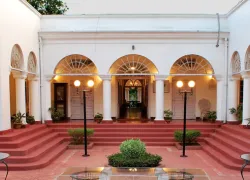
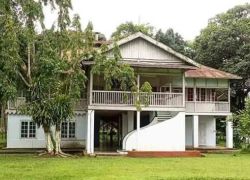
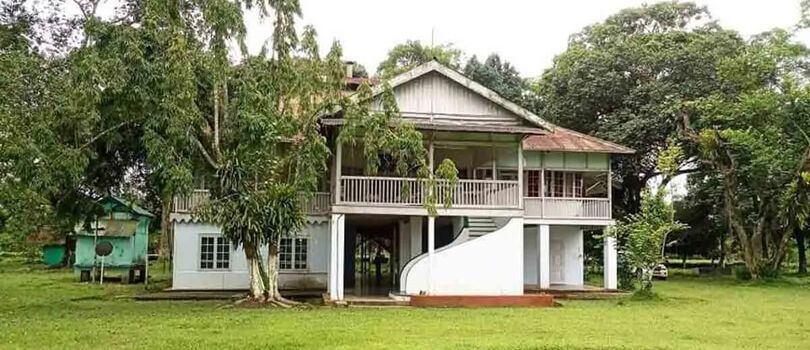
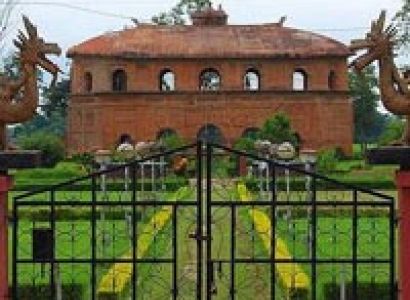
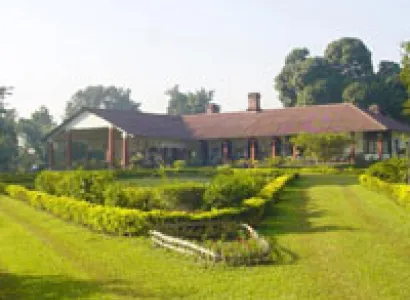
The architecture of Cinnamora Tea Estate reflects colonial-era plantation design. Old bungalows, factory buildings, and estate offices showcase British-style construction with sloping roofs, wide verandas, wooden beams, and spacious interiors. These structures were designed to suit Assam’s climate and plantation lifestyle.
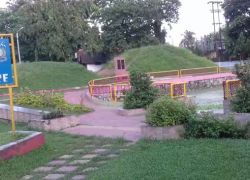
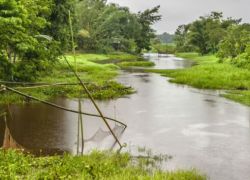
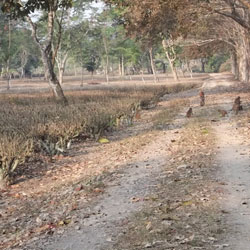
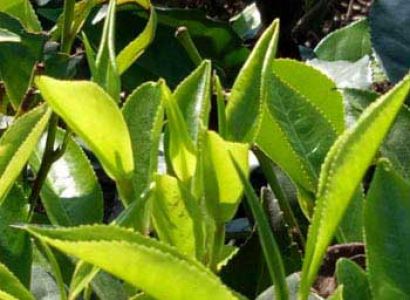
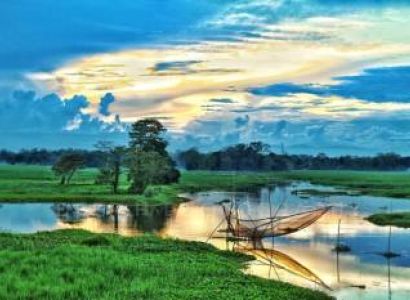
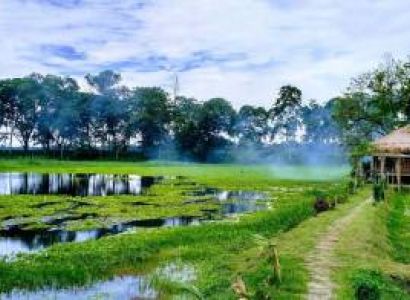
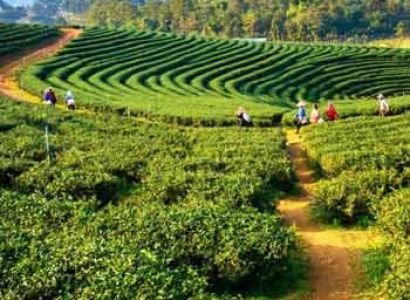
The estate landscape is equally impressive, with endless stretches of lush green tea bushes, tall shade trees, narrow pathways, and small streams. The combination of natural beauty and heritage architecture creates a calm and picturesque atmosphere, making the estate a favorite spot for photography and nature walks.
How to Reach Cinnamora Tea Estate, Jorhat, Assam
Cinnamora Tea Estate is located about 10 km from Jorhat town and is easily accessible.
By Road: Jorhat is well connected by road to Guwahati and other major towns of Assam. Visitors can hire taxis, auto-rickshaws, or use private vehicles from Jorhat town to reach the estate.
By Rail: Jorhat Town Railway Station is the nearest railway station. From the station, local transport or taxis are available to reach Cinnamora Tea Estate.
By Air: Jorhat Airport (Rowriah Airport) is the nearest airport, with regular flights from Guwahati. The estate can be reached by road within 30 minutes from the airport.
Weather and Best Time to Visit Cinnamora Tea Estate
The estate can be visited throughout the year, but weather plays an important role in the experience.
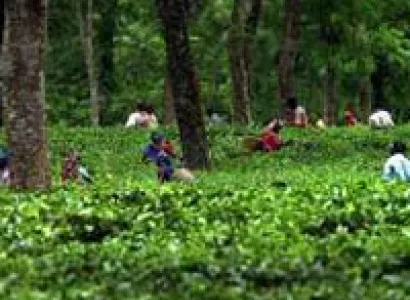
Summer (March to June): Summers are warm and humid, with temperatures ranging between 25°C and 35°C. This is the tea plucking season, offering a chance to see tea workers in action.
Monsoon (July to September): Monsoon brings heavy rainfall, making the estate extremely green and beautiful. However, roads and paths may become muddy.
Winter (October to February): Winter is the best time to visit. The weather is pleasant, cool, and ideal for walking around the estate and enjoying sightseeing.
Timings of Cinnamora Tea Estate
Cinnamora Tea Estate is generally open to visitors during daytime hours, usually from morning to late afternoon. Timings may vary depending on estate operations. It is recommended to visit between 9:00 AM and 4:00 PM for the best experience.
Entry and Visit Details of Cinnamora Tea Estate
There is usually no fixed entry fee to visit the tea garden areas, but entry into tea factories or specific sections may require prior permission. Guided tours may be available on request. Visitors are advised to respect estate rules and avoid disturbing workers or machinery.
Things to Do at Cinnamora Tea Estate
Tea Garden Walks: Walk through the lush tea plantations and enjoy the scenic beauty.
Learn About Tea Making: Observe or learn about the tea production process, from plucking to processing.
Photography: Capture stunning views of green landscapes, workers, and colonial buildings.
Cultural Interaction: Interact with local tea garden communities and learn about their lifestyle.
Relaxation: Enjoy the peaceful environment away from city noise.
Interesting Facts about Cinnamora Tea Estate
It is the oldest tea estate in India.
Commercial tea cultivation in Assam began here.
The estate played a key role in making Assam tea famous worldwide.
Traditional tea-making methods are still practiced alongside modern techniques.
The area around the estate is rich in biodiversity.
Travel Tips for Visiting Cinnamora Tea Estate
Visit during daylight hours for safety and better views.
Wear comfortable walking shoes.
Carry drinking water and sun protection.
Respect the privacy and work of tea garden laborers.
Seek permission before entering factory areas or taking close-up photographs.
Conclusion
Cinnamora Tea Estate in Jorhat, Assam, is not just a tourist destination but a living symbol of India’s tea heritage. With its historical importance, beautiful landscapes, and peaceful atmosphere, the estate offers a unique and enriching travel experience. Whether you are a tea enthusiast, history lover, or nature admirer, a visit to Cinnamora Tea Estate provides a deeper understanding of Assam’s identity and its global contribution to the tea industry.




















Jorhat
Jorhat
Jorhat
Jorhat
Jorhat
Jorhat