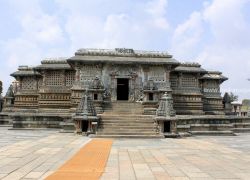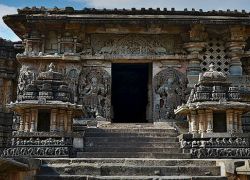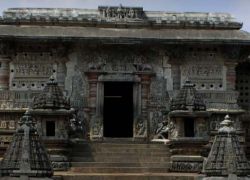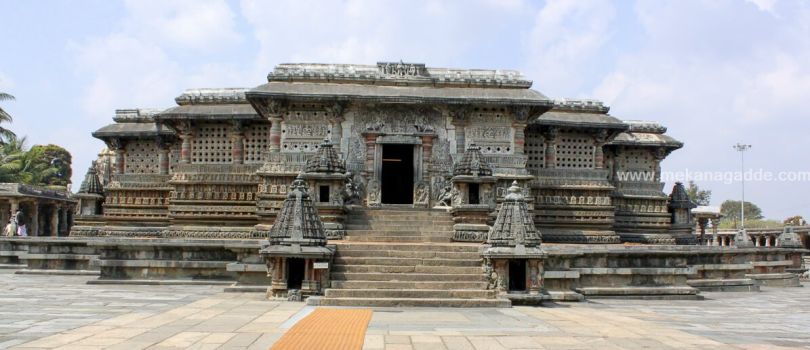
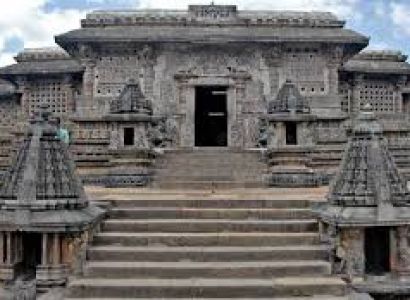
"Admire the intricate architecture of Hoysala craftsmanship."
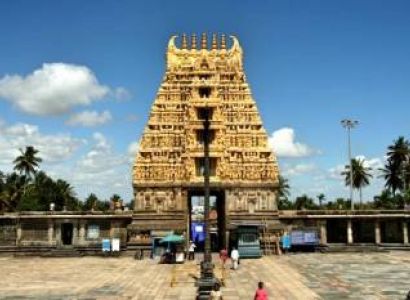
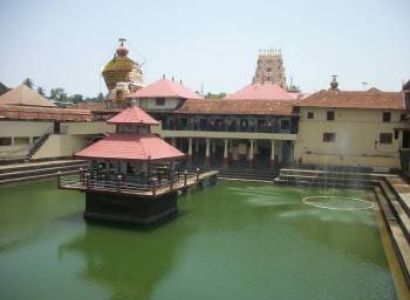
Chennakesava Temple, located in Belur, is a mesmerizing tourist attraction that draws visitors from far and wide. The temple is renowned for its intricate architecture, rich history, and serene natural surroundings, making it a must-visit destination for history buffs, architecture enthusiasts, and spiritual seekers alike.
History of Chennakesava Temple
The history of Chennakesava Temple dates back to ancient times, showcasing the exquisite craftsmanship of the Hoysala Empire. Built as a dedication to Lord Vishnu, the temple stands as a symbol of architectural brilliance and artistic mastery. Originally a royal hunting ground, the temple area has transformed into a conservation site, with efforts to preserve its cultural heritage recognized by UNESCO.
Architecture and Natural Beauty of Chennakesava Temple
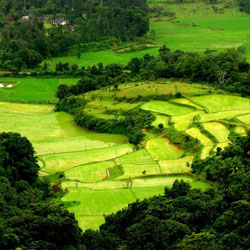
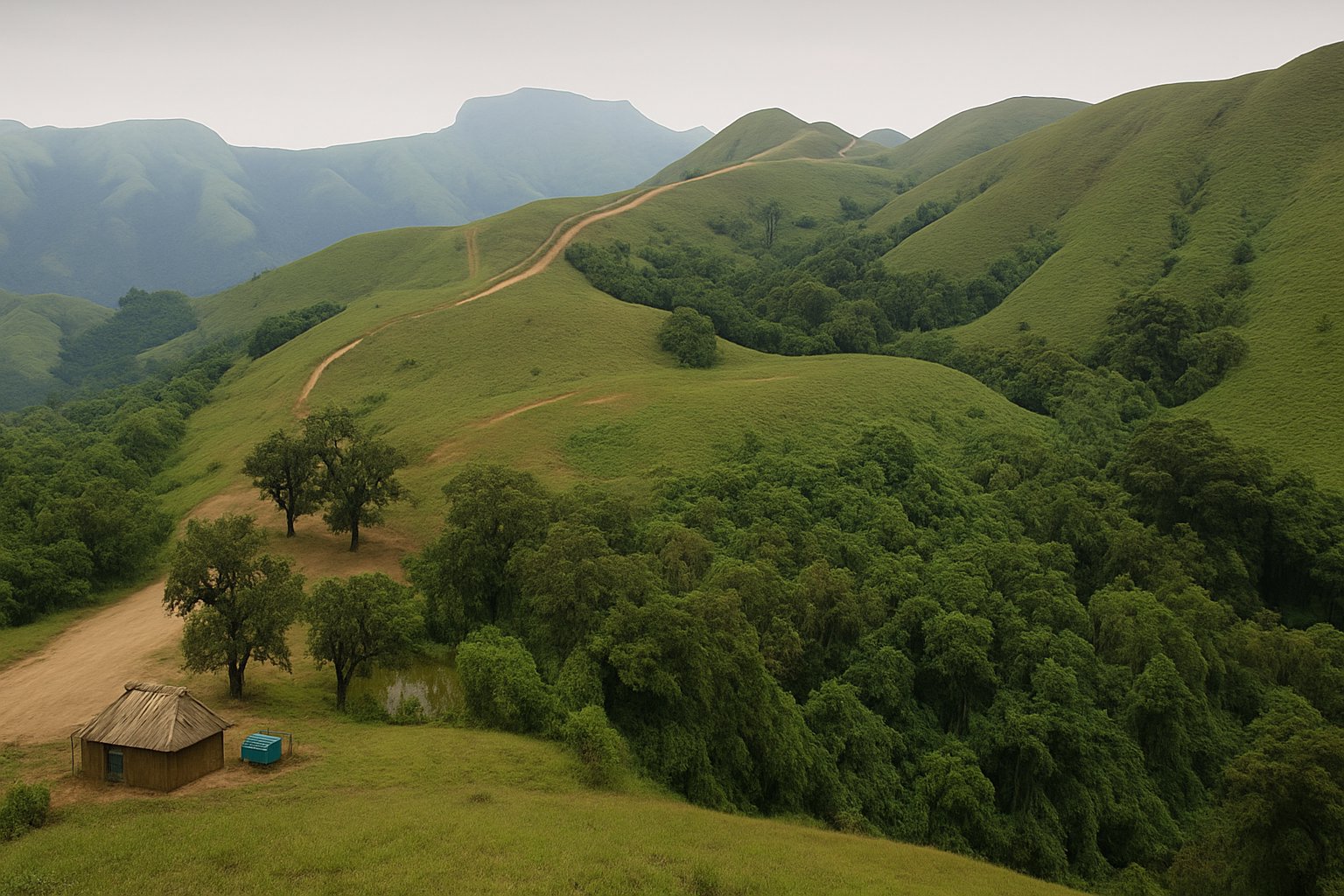
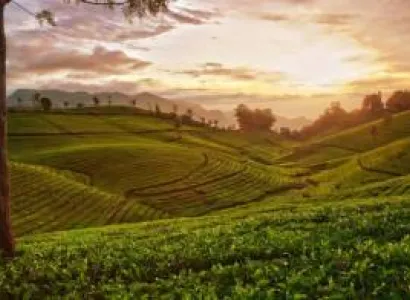
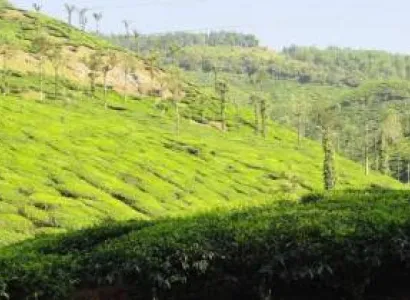
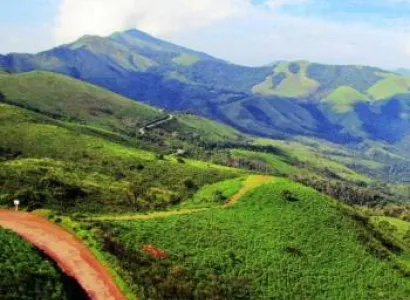
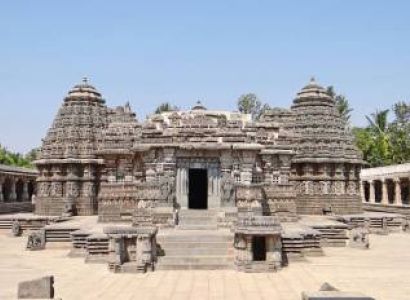
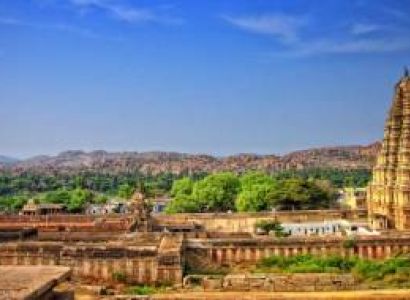
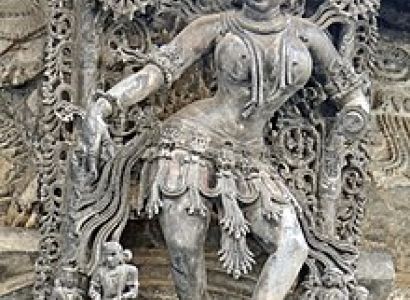
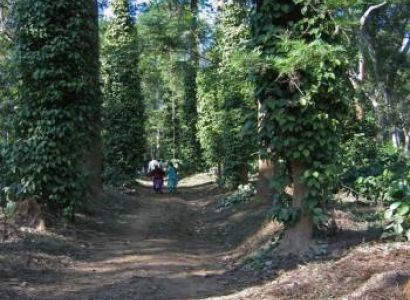
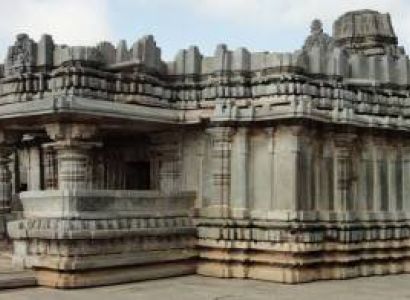
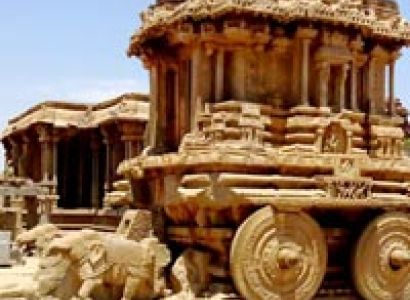
Surrounded by lush wetlands, verdant forests, and diverse bird habitats, Chennakesava Temple offers a harmonious blend of historical marvels and natural beauty. The temple's intricate carvings, majestic pillars, and ornate sculptures are a testament to the Hoysala architectural style. Within the temple complex lies the historical Keoladeo Temple, adding to the spiritual aura of the site.
Why is Chennakesava Temple Famous?
Chennakesava Temple is a haven for birdwatchers, photographers, nature enthusiasts, and wildlife lovers. The temple's serene ambiance, coupled with its biodiversity, makes it a popular spot for those seeking solace in nature and exploring the rich avian life that thrives in the surroundings.
How to Reach Chennakesava Temple
Traveling to Chennakesava Temple is convenient, with various options available. Visitors can reach Belur by air, rail, or road, with nearby airports and railway stations providing easy access to the city. The well-connected road network ensures a smooth journey for tourists exploring the region.
Weather and Best Time to Visit Chennakesava Temple
The weather at Chennakesava Temple varies throughout the year, with distinct seasons offering unique experiences. While summer can be hot, the monsoon brings lush greenery, and winter offers pleasant temperatures, making it an ideal time to visit. The best months to explore the temple are typically during the cooler seasons.
Timings of Chennakesava Temple
Chennakesava Temple welcomes visitors during specified timings, allowing them to explore the architectural marvel and natural beauty at their leisure. Seasonal variations may affect the temple's accessibility, so it is advisable to plan your visit accordingly to make the most of your time there.
Entry Fee and Visit Details
Visitors to Chennakesava Temple can enjoy a hassle-free entry process, with guide services available for a more immersive experience. Safari options, bicycle rentals, and other visitor facilities enhance the overall visit, providing convenience and comfort to those exploring the site.
Things to Do at Chennakesava Temple
There are numerous activities to indulge in at Chennakesava Temple, catering to diverse interests. From birdwatching and photography to cycling along scenic trails, visitors can immerse themselves in nature's beauty and partake in educational experiences that showcase the rich biodiversity of the region.
Interesting Facts About Chennakesava Temple
Chennakesava Temple is not just a historical site but also a sanctuary for migratory birds, reflecting its ecological importance. The conservation efforts undertaken to preserve the temple's heritage and biodiversity are noteworthy achievements that contribute to the site's allure and significance.
Travel Tips for Visiting Chennakesava Temple
When planning a visit to Chennakesava Temple, it is advisable to dress comfortably, carry essential photography equipment, and be mindful of the best seasons to explore the temple. Embracing responsible tourism practices ensures the sustainability of the site for future generations to appreciate its beauty and historical legacy.
Conclusion
In conclusion, Chennakesava Temple in Belur stands as a testament to the rich heritage and architectural brilliance of the region. Its natural surroundings, historical significance, and tourism importance make it a captivating destination for travelers seeking a blend of culture, history, and nature. A visit to Chennakesava Temple promises a memorable experience, offering insights into the past while immersing visitors in the tranquility of its surroundings.

















Belur