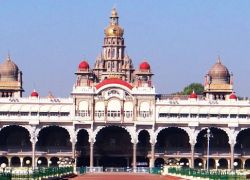
About The Mysore Palace The Mysore Palace, also known as the Amba Vilas Palace, is a magnificent historical palace located in the city of Mysore in the southern state of Karnataka, India. It is one of the most famous tourist attractions in India and is renowned for its grand architecture, exquisite craftsmanship, and rich history. Timings Of Mysore Palace The Mysore Palace is open to visitors every day from 10:00 am to 5:30 pm, except on Sundays and public holidays. Entry Fee The entry fee for Indian nationals is INR 70 for adults and INR 30 for children. For foreign tourists, the entry fee is INR 200 for adults and INR 100 for children. Required Time And Restricted Items It takes approximately 2-3 hours to explore the Mysore Palace thoroughly. Visitors are not allowed to carry bags, cameras, or any other electronic devices inside the palace. These items can be deposited at the cloakroom near the entrance. Architecture Of Mysore Palace The Mysore Palace exhibits a unique blend of Indo-Saracenic, Neo-Classical, and Indo-Islamic architectural styles. The palace is adorned with intricate carvings, beautiful paintings, stained glass windows, and ornate domes. The central arch of the palace is a striking feature that is illuminated by 97,000 light bulbs during special occasions. Best Time To Visit The best time to visit the Mysore Palace is during the annual Dasara Festival, which usually falls in September or October. The palace is beautifully decorated with lights and flowers during this time, and cultural events and processions are organized to celebrate the festival. How To Reach The Mysore Palace is located in the heart of Mysore city and is easily accessible by road. It is approximately 12 kilometers from the Mysore Airport and 3 kilometers from the Mysore Railway Station. Local buses, auto-rickshaws, and taxis are available for transportation to the palace. History Of Mysore Palace The Mysore Palace was originally built in the 14th century and has undergone several renovations over the centuries. The current structure was commissioned by Maharaja Krishnaraja Wadiyar IV and was completed in 1912. The palace served as the residence of the royal family of Mysore until India gained independence in 1947. Inside Mysore Palace Inside the Mysore Palace, visitors can explore the Durbar Hall, Kalyana Mantapa, Ambavilasa, Diwan-e-Aam, and other royal chambers. The interiors are adorned with ornate chandeliers, intricately carved wooden doors, colourful murals, and antique furniture. The palace also houses a museum that displays artifacts, paintings, and memorabilia from the royal era. Traveling Tips It is advisable to visit the Mysore Palace early in the morning or late in the afternoon to avoid crowds. Photography is strictly prohibited inside the palace, so visitors are advised to respect the rules. Comfortable footwear is recommended as the palace grounds are expansive and require a fair amount of walking. Hotels Near Mysore Palace There are several hotels located near the Mysore Palace that offer comfortable accommodation options for tourists. Some of the popular hotels in the vicinity include The Quorum, Radisson Blu Plaza Hotel Mysore, Grand Mercure Mysuru, and Royal Orchid Metropole. Nearby Tourist Spots Of Mysore Palace There are several tourist attractions near the Mysore Palace that visitors can explore, such as the Chamundi Hill, Brindavan Gardens, Mysore Zoo, St. Philomena's Church, and the Jaganmohan Palace. These places offer a glimpse into the rich history and culture of Mysore and are worth a visit.
Explore More
Vidhana Soudha was built in 1956 in Dravidian architecture. It is one of the most imposing buildings not only in Bangalore but also in India. Housing the Legislative Chambers of the state government, this 46-meter high seat of the government is Bangalore's best-known landmark. It houses 22 departments and 300 rooms.
Explore More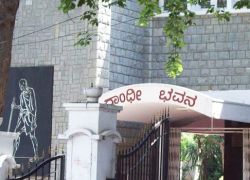
Gandhi Bhavan of bangalore is dedicated to Mahatma Gandhi, the Father of the Nation. The Bhavan was set up with the intention of promoting the life and teachings of Gandhiji. Situated on the Kumara Krupa Road, Gandhi Bhawan was started as Gandhi Smaraka Nidhi, under the chairmanship of Dr Rajendra Prasad.The Gandhi Smarak Nidhi, housed in the Gandhi Bhavan seeks to propagate the life and teachings of Gandhiji. The Gandhi Smarak Nidhi has organized a comprehensive picture gallery depicting Gandhiji's life in pictures from early childhood to the last day. Photostat copies of letters written by him to various personalities of his day can also be seen. The gallery has photographs of Mahatma Gandhi, from early childhood to the last day of his life. Apart from that, there are also Photostat copies of the letters written by him to the various personalities of his time.
Explore More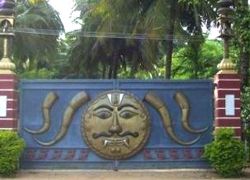
Karnataka Folk Museum Located on the Kumara Park West, Sheshadripuram, this folk Museum is managed by Karnataka Janapada Trust and has an impressive collection of folk music and videotapes of folk dances. Many unique masks, colourful artifacts and costumes have been displayed. The Janapada Loka or the folk museum is situated about 53 Kms from Bangalore on the Bangalore Mysore highway. It is a mere 3 Kms from ramanagaram. This little known museum, devoted to covering Karnataka diverse folk life, is situated on 15 acres of land and the entire area is covered with trees. As a result even though there is much ground to be covered, all the paths leading to the different buildings are shady. The artifacts are housed in three little buildings - Lokamahal, Lokamatha Mandira and Chitrakuteera. The Lokamahal is the most comprehensive, housing a number of interesting folk puppets, utensils, instruments, weapons and masks. While a variety of utensils, baskets, and earthen jars used to store grain and pickles are displayed in the Lokamatha Mandira, the Chitrakuteera has a number of photographs covering different aspects of folk life.
Explore More
A small chapel was the original structure built by Abbe Dubois, French missionary. This chapel is right opposite the Russel Market Square. The interior is remarkable, with stained glass windows and multiple columns with a rich Corinthian capital supporting the stately arches. Many devotees dressed in orange, gather here to celebrate St Mary's Feast in September every year. A papal order from Pope John Paul VI gave the church the status of a Basilica in 1973. If you seek the Mother Mary's blessings then visit the church on Saturday. The present structure was built in 1875-1882.
Explore More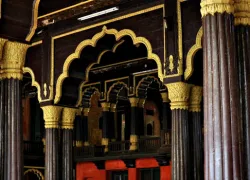
About The Tipus Palace The Tipu Sultan's Summer Palace, commonly known as the Tipu's Palace, is a historical monument located in the bustling city of Bangalore, Karnataka. This majestic palace was built in 1791 by Tipu Sultan, the ruler of the Kingdom of Mysore, as his summer retreat. The palace is an architectural marvel that showcases the blend of Indo-Islamic architecture and features stunning ornamental frescoes, intricately carved pillars, and beautiful arches. Timings Of Tipus Palace The Tipu's Palace is open to visitors from 10:00 AM to 6:00 PM on all days of the week, except on Sundays. Entry Fee The entry fee for Indian nationals is INR 15, while for foreign nationals, it is INR 200. Required Time And Restricted Items It takes approximately an hour to explore the Tipu's Palace thoroughly. Visitors are not allowed to carry any food items, cameras, or mobile phones inside the palace premises. Architecture Of Tipus Palace The Tipu's Palace is a fine example of Islamic architecture with influences of Hindu and Persian styles. The structure is made of teak wood and stands adorned with exquisite floral patterns and geometric designs. The palace's grandeur lies in its elegant arches, majestic pillars, and intricately designed interiors. Best Time To Visit The best time to visit Tipu's Palace is during the winter months, from October to March, when the weather is pleasant and ideal for exploring the historical site. How To Reach The Tipu's Palace is located in the heart of Bangalore city and is easily accessible by public transport such as buses, autos, and taxis. Visitors can also opt for private transport or cabs to reach the palace. History Of Tipus Palace Tipu Sultan commissioned the construction of the palace in 1781, primarily as a summer retreat for himself and his family. The palace served as a symbol of the ruler's opulence and grandeur. It was later used by the British as a secretariat, and eventually, it was converted into a museum showcasing artifacts and relics from Tipu Sultan's era. Inside Tipus Palace Inside the Tipu's Palace, visitors can witness the elaborate interiors adorned with intricate carvings, colorful frescoes, and beautiful wooden ceilings. The palace also houses a museum that displays weapons, coins, clothes, and other belongings of Tipu Sultan and his family. Traveling Tips It is advisable to wear comfortable footwear as visitors are required to walk quite a bit inside the palace premises. It is also recommended to carry a bottle of water to stay hydrated during the tour of the palace. Hotels Near Tipus Palace There are several accommodation options near Tipu's Palace that cater to different budget preferences. Some of the hotels near the palace include The Lalit Ashok, Taj West End, ITC Gardenia, and The Oberoi. Nearby Tourist Spots Of Tipus Palace Visitors can explore other attractions near Tipu's Palace, such as the Bangalore Palace, Lalbagh Botanical Gardens, Cubbon Park, and the Vidhana Soudha. These tourist spots offer a glimpse into the rich history and culture of Bangalore.
Explore More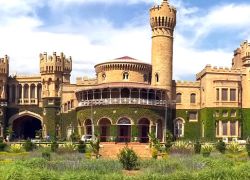
About The Bangalore Palace The Bangalore Palace is a magnificent royal palace located in the heart of Bangalore city in the state of Karnataka, India. It was built in the year 1887 by Chamaraja Wadiyar, the King of Mysore. The palace is known for its stunning architecture, resembling the Windsor Castle in England. It is spread over an area of 45000 square feet and is one of the most iconic landmarks of the city. Timings Of Bangalore Palace The Bangalore Palace is open to visitors every day of the week from 10:00 am to 5:30 pm. It is advisable to check the official website or contact the palace authorities for any changes in the timings before planning your visit. Entry Fee The entry fee for Bangalore Palace is INR 230 for Indian nationals and INR 460 for foreign nationals. There is an additional fee for photography and videography inside the palace premises. Required Time And Restricted Items On average, it takes around 2-3 hours to explore the entire Bangalore Palace. Visitors are not allowed to carry any food items, large bags, or pets inside the palace. It is recommended to carry a water bottle and wear comfortable footwear as there is a lot of walking involved. Architecture Of Bangalore Palace The architecture of Bangalore Palace is a unique blend of Tudor and Scottish Gothic styles. The palace is adorned with beautiful wood carvings, floral motifs, and stained glass windows. The interiors feature elegant chandeliers, intricate ceiling paintings, and antique furniture. The sprawling palace grounds are landscaped with lush green gardens and fountains, adding to its grandeur. Best Time To Visit The best time to visit Bangalore Palace is during the winter months from October to March when the weather is pleasant and favorable for sightseeing. It is also recommended to visit early in the morning to avoid crowds and get the best experience of the palace. How To Reach Bangalore Palace is easily accessible by various modes of transportation. The nearest railway station is Bangalore City Junction, which is around 3 km away. The nearest airport is Kempegowda International Airport, which is approximately 35 km from the palace. Visitors can also hire taxis, auto-rickshaws, or use public buses to reach the palace. History Of Bangalore Palace The Bangalore Palace was initially owned by Reverend J. Garrett, who sold it to the Mysore royal family in 1873. The palace was later constructed by King Chamaraja Wadiyar in 1887 as a private residence for the royal family. Over the years, the palace has hosted several royal events, concerts, and exhibitions, showcasing the rich cultural heritage of Karnataka. Inside Bangalore Palace Inside Bangalore Palace, visitors can explore the various chambers and rooms adorned with royal artifacts, vintage photographs, and memorabilia of the Wadiyar dynasty. The Durbar Hall, Ballroom, and Dining Hall are some of the highlights of the palace. The palace also houses a museum showcasing the history and lifestyle of the royal family. Traveling Tips It is advisable to wear modest clothing and maintain decorum while visiting the Bangalore Palace out of respect for the royal heritage. Visitors are encouraged to follow the guidelines and instructions provided by the palace authorities for a smooth and enjoyable experience. Carry a valid photo ID for ticket verification during entry. Hotels Near Bangalore Palace There are several hotels near Bangalore Palace that offer comfortable accommodation options for tourists. Some of the popular hotels in the vicinity include The Lalit Ashok Bangalore, The Chancery Pavilion, Taj MG Road Bengaluru, and Sheraton Grand Bangalore Hotel at Brigade Gateway. Nearby Tourist Spots Of Bangalore Palace There are several tourist spots near Bangalore Palace that visitors can explore during their visit. Some of the popular attractions include Cubbon Park, Vidhana Soudha, Lalbagh Botanical Garden, Tipu Sultan's Summer Palace, and UB City Mall. These places offer a glimpse of the rich culture, history, and modern lifestyle of Bangalore city.
Explore More
Tipu Sultan's Summer Palace is one of the most iconic historical landmarks in Bangalore, Karnataka. Built during the 18th century, it served as the summer residence of the legendary ruler Tipu Sultan, popularly known as the "Tiger of Mysore." The palace is an exquisite example of Indo-Islamic architecture, adorned with teakwood, ornate arches, and intricate frescoes that depict the grandeur of Tipu Sultan’s reign. Today, it stands as a museum and a popular tourist attraction, offering visitors a glimpse into the rich history, culture, and lifestyle of the Mysore Sultanate era. Why Tipu Sultan's Summer Palace is Famous Tipu Sultan's Summer Palace is renowned for its historical significance and architectural beauty. The palace is famous for: Its historical importance as the residence of Tipu Sultan, a fearless warrior and visionary ruler who resisted British colonial rule. The intricate wooden carvings, arches, and pillars that showcase the finesse of Indo-Islamic architecture. The beautifully landscaped gardens surrounding the palace, which were designed to provide a serene retreat during the hot summer months. Its collection of portraits, paintings, and artifacts that narrate the story of Tipu Sultan’s reign, battles, and administration. The palace’s strategic location near the Bangalore Fort, making it an integral part of the city’s historical landscape. History and Architecture The palace was constructed in 1791 entirely out of teakwood by Tipu Sultan. The two-storied structure features multiple arches, balconies, and ornate pillars that reflect Indo-Islamic design principles. The palace’s walls were once adorned with frescoes and paintings depicting Tipu Sultan's military campaigns and daily life in the court. Though many of the original paintings have faded over time, the remaining artworks still provide a glimpse into the opulent lifestyle of the ruler. The palace is also an example of hybrid architecture, blending traditional Indian and Islamic motifs with functional elements to withstand the summer heat. How to Reach Tipu Sultan's Summer Palace, Bangalore Tipu Sultan’s Summer Palace is located in the heart of Bangalore, making it easily accessible via various modes of transport: By Road: The palace is well-connected by road, and taxis, auto-rickshaws, and app-based cab services are available from anywhere in Bangalore. The address is: Kote, Chamarajapete, Bangalore, Karnataka. By Bus: Bangalore Metropolitan Transport Corporation (BMTC) buses run frequently to the palace from different parts of the city. By Train: The nearest railway station is Bangalore City Railway Station, approximately 4 km away. From the station, taxis or auto-rickshaws can take you to the palace. By Air: The nearest airport is Kempegowda International Airport, around 35 km from the palace. From the airport, taxis or airport shuttle services can be used to reach the city center and the palace. Weather Bangalore enjoys a moderate and pleasant climate throughout the year, making it comfortable for visiting Tipu Sultan’s Summer Palace: Summer (March to May): Temperatures range from 20°C to 35°C, ideal for sightseeing in the early mornings or evenings. Monsoon (June to September): Moderate rainfall keeps the surroundings lush and green, but light rain gear is recommended. Winter (October to February): Pleasant and cool, with temperatures ranging from 15°C to 28°C, perfect for exploring the palace and nearby attractions. Timings Tipu Sultan's Summer Palace is open to visitors throughout the week with the following schedule: Opening Hours: 10:00 AM to 5:30 PM Closed: Mondays (for maintenance and conservation work) Best Time to Visit: October to March, when the weather is pleasant and sightseeing is more enjoyable Entry and Visit Details Visitors to Tipu Sultan's Summer Palace can expect the following entry and amenities: Entry Fee: INR 15 for Indian citizens and INR 200 for foreign tourists (subject to change) Photography: Photography is allowed in designated areas; tripods may require additional permission. Guided Tours: Professional guides are available to provide detailed historical insights and narrate the stories behind the artifacts. Facilities: Basic amenities like seating areas, restrooms, and a small souvenir shop are available for visitors. Things to Do at Tipu Sultan's Summer Palace Visitors can enjoy a range of activities and experiences at Tipu Sultan’s Summer Palace: Explore the Architecture: Marvel at the teakwood pillars, intricate arches, and frescoes that tell the story of Tipu Sultan’s reign. Photography: Capture the beauty of the palace, its gardens, and the detailed artwork that adorns the walls and ceilings. Learn History: Discover the legacy of Tipu Sultan, his battles against the British, and the administrative innovations he implemented in Mysore. Visit Nearby Attractions: The palace is close to Bangalore Fort, Lalbagh Botanical Gardens, and other historical sites, making it ideal for a day-long historical tour. Interesting Facts about Tipu Sultan's Summer Palace The palace is entirely made of teakwood and features Indo-Islamic architectural elements combined with local craftsmanship. Tipu Sultan used the palace as a summer retreat to escape the heat of Srirangapatna, his main residence. The palace has survived several conflicts, including battles with the British East India Company, and still retains much of its original charm. The palace was partially renovated by the Archaeological Survey of India to preserve its historical and cultural significance. Original paintings on the palace walls depict battles, court life, and Tipu Sultan’s interactions with foreign dignitaries. Tips for Visiting Tipu Sultan's Summer Palace Wear comfortable walking shoes as you may spend considerable time exploring the palace and gardens. Carry water, especially if visiting during the summer months. Hire a professional guide for a more enriching historical experience. Visit during weekdays to avoid crowds, particularly in the tourist season from October to March. Respect the heritage structure by not touching delicate paintings or carvings. In conclusion, Tipu Sultan's Summer Palace in Bangalore is a perfect destination for history enthusiasts, architecture lovers, and tourists seeking a glimpse into India’s regal past. Its unique architecture, rich history, and central location in Bangalore make it a must-visit landmark that beautifully combines education, heritage, and leisure.
Explore More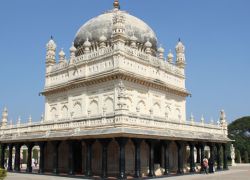
About The Srirangapatnam Srirangapatnam, located near Mysore in the southern state of Karnataka, is a historic town known for its ancient temples, monuments, and rich cultural heritage. The town is situated on an island formed by the river Kaveri and is famous for its stunning natural beauty and architectural marvels. Timings Of Srirangapatnam The Srirangapatnam town is open to visitors from 8:30 AM to 5:30 PM on all days of the week. Entry Fee The entry fee for Srirangapatnam varies for Indian and foreign tourists. Indian tourists need to pay INR 15 per person, while foreign tourists are required to pay INR 200 per person. Required Time And Restricted Items It is recommended to spend at least half a day exploring the town of Srirangapatnam to fully experience its attractions. Visitors are advised not to carry any weapons, inflammable items, or alcohol inside the premises. Architecture Of Srirangapatnam Srirangapatnam is home to some magnificent examples of Vijayanagar and Hoysala style architecture. The town is dotted with temples, palaces, and forts that showcase the rich cultural heritage of the region. Best Time To Visit The best time to visit Srirangapatnam is during the winter months of October to March when the weather is pleasant and ideal for sightseeing. How To Reach Srirangapatnam is well-connected by road and rail. The nearest airport is Mysore Airport, located around 15 kilometers away. Visitors can also reach Srirangapatnam by taking a train to Mysore Junction and then a short drive to the town. History Of Srirangapatnam Srirangapatnam has a rich historical significance and was the capital of the Kingdom of Mysore under the rule of Tipu Sultan. The town witnessed several battles and conflicts during the British colonial era, making it a prominent landmark in Indian history. Inside Srirangapatnam Inside Srirangapatnam, visitors can explore iconic sites such as the Sriranganathaswamy Temple, Dariya Daulat Bagh (Summer Palace), Gumbaz Mausoleum, and Tipu Sultan's Fort. Each of these attractions offers a glimpse into the town's glorious past and architectural brilliance. Traveling Tips It is advisable to wear comfortable clothing and footwear while visiting Srirangapatnam as there is a fair amount of walking involved. Visitors should also carry water, sunscreen, and a camera to capture the beauty of the town. Hotels Near Srirangapatnam Some of the hotels near Srirangapatnam include: 1. The Serai Kabini 2. The Windflower Resort and Spa 3. The Lalitha Mahal Palace Hotel 4. Hotel Sandesh The Prince 5. Hotel Radisson Blu Plaza Hotel Mysore Nearby Tourist Spots Of Srirangapatnam Some of the nearby tourist spots near Srirangapatnam include Mysore Palace, Chamundi Hill, Brindavan Gardens, and Ranganathittu Bird Sanctuary. These attractions offer a diverse range of experiences for visitors to explore and enjoy.
Explore More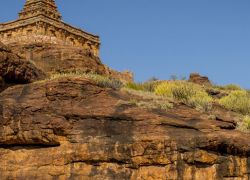
About The Badami Fort The Badami Fort is a historic fortress located in the town of Badami in Karnataka, India. It is situated on a hilltop overlooking the beautiful Agastya Lake and the surrounding town. The fort is an architectural marvel that showcases the rich history and cultural heritage of the region. Built in the 6th century, the Badami Fort served as a strategic stronghold for various rulers and has witnessed numerous battles and conquests over the centuries. Timings Of Badami Fort The Badami Fort is open to visitors every day of the week from 10:00 AM to 5:30 PM. Entry Fee The entry fee for visiting the Badami Fort is INR 25 for Indian nationals and INR 300 for foreign tourists. Required Time And Restricted Items It typically takes around 1-2 hours to explore the Badami Fort thoroughly. Visitors are not allowed to carry food, plastic items, or weapons inside the fort premises. Architecture Of Badami Fort The Badami Fort showcases a unique blend of Chalukyan and Dravidian architectural styles. The fort complex includes several temples, granaries, water tanks, and watchtowers. The intricate carvings and sculptures on the temple walls depict various mythological stories and religious motifs. Best Time To Visit The best time to visit the Badami Fort is during the winter months of October to March when the weather is pleasant and ideal for sightseeing. It is advisable to avoid visiting during the scorching summer months. How To Reach Badami is well-connected by road and rail networks. The nearest railway station is in the town of Badami itself, and the nearest airport is in Hubli, approximately 105 kilometers away. Visitors can also hire taxis or take buses from neighboring cities like Bangalore and Hyderabad to reach Badami. History Of Badami Fort The Badami Fort was built by the Chalukya dynasty in the 6th century, and it served as their capital for several centuries. The fort changed hands multiple times between different rulers like the Rashtrakutas, the Hoysalas, and the Vijayanagara Empire. It was finally abandoned in the 16th century and fell into ruins before being restored by the Archaeological Survey of India. Inside Badami Fort Inside the Badami Fort, visitors can explore the various temples like the Malegitti Shivalaya Temple, the Lad Khan Temple, and the Bhutanatha Temple. The fort offers panoramic views of the surrounding landscape, including the Agastya Lake and the Badami Caves. Visitors can also witness the remnants of the fortification walls, bastions, and defense mechanisms that once protected the fortress. Traveling Tips It is advisable to wear comfortable footwear and carry sufficient water while visiting the Badami Fort as there is a fair amount of walking involved. It is also recommended to hire a local guide to learn more about the history and significance of the fort. Visitors should also be respectful of the religious sentiments and cultural heritage of the place. Hotels Near Badami Fort Some of the hotels near the Badami Fort are: Hotel Mayura Chalukya Hotel Anugraha Hotel Badami Court Krishna Heritage Hotel Badami Heritage Resort Nearby Tourist Spots Of Badami Fort Some of the nearby tourist spots that can be visited along with the Badami Fort are: Badami Caves Agastya Lake Banashankari Temple Aihole Temples Pattadakal Temples
Explore More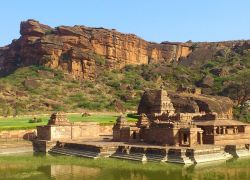
Welcome to the mesmerizing world of Badami Cave Temples in Badami, a true gem that combines history, architecture, and natural beauty in one stunning location. The Badami Cave Temples, nestled in the quaint city of Badami, offer a unique blend of historical significance, architectural marvels, and serene natural surroundings that captivate visitors from all walks of life. History of Badami Cave Temples The history of Badami Cave Temples dates back to ancient times, showcasing exquisite rock-cut architecture that reflects the rich cultural heritage of the region. Originally serving as a former royal hunting ground, these temples have stood the test of time and are now recognized by UNESCO for their historical and artistic value. Architecture and Natural Beauty of Badami Cave Temples Surrounded by breathtaking landscapes, the Badami Cave Temples boast intricate carvings, stunning sculptures, and a peaceful ambiance that transports visitors to a bygone era. The lush forests, bird habitats, and the iconic Keoladeo Temple add to the natural allure of this sacred site. Why is Badami Cave Temples Famous? Badami Cave Temples have gained fame for being a haven for birdwatchers, photographers, nature enthusiasts, and wildlife lovers seeking a unique blend of cultural heritage and natural beauty. The caves are not just a historical site but also a sanctuary for those seeking solace in the lap of nature. How to Reach Badami Cave Temples Traveling to Badami Cave Temples is convenient, with options to reach by air, rail, and road. Nearby airports and railway stations provide easy access to this mesmerizing destination, allowing visitors to embark on a memorable journey filled with history and scenic beauty. Weather and Best Time to Visit Badami Cave Temples Experience pleasant weather throughout the year, with varying conditions during summer, monsoon, and winter seasons. The best time to visit Badami Cave Temples is during the cooler months when the natural surroundings are at their vibrant best. Timings of Badami Cave Temples Badami Cave Temples welcome visitors at specific timings, ensuring a memorable and hassle-free exploration of the historical wonders within. Be sure to check for any seasonal variations and plan your visit accordingly to make the most of your trip. Entry Fee and Visit Details Entry into Badami Cave Temples is a gateway to a world of ancient marvels and natural splendor. Guide services, safari options, bicycle rentals, and visitor facilities are available to enhance your experience and make your visit truly unforgettable. Things to Do at Badami Cave Temples Engage in a myriad of activities at Badami Cave Temples, including birdwatching, photography, cycling, walking trails, nature observation, and educational experiences that offer a deeper insight into the cultural and ecological significance of this historic site. Interesting Facts About Badami Cave Temples Badami Cave Temples are home to a diverse range of migratory birds, showcasing the region's rich biodiversity and conservation efforts. The caves hold secrets of the past and stories of ancient civilizations, making them a treasure trove of knowledge and wonder. Travel Tips for Visiting Badami Cave Temples When visiting Badami Cave Temples, remember to dress comfortably, carry essential photography and birdwatching equipment, and be mindful of the visiting seasons to witness the beauty of this destination in all its glory. Embrace responsible tourism practices to preserve the sanctity of this historical site. Conclusion In conclusion, Badami Cave Temples in Badami stand as a testament to the grandeur of ancient architecture, the serenity of natural landscapes, and the cultural richness that defines this enchanting destination. A visit to Badami Cave Temples promises an unforgettable journey through time and nature, leaving visitors with memories to cherish for a lifetime.
Explore More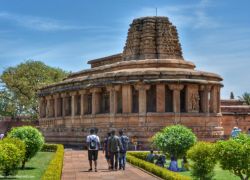
Aihole, located in Badami, is a hidden gem in the heart of Karnataka, India. This ancient town is renowned for its rich historical significance, stunning architecture, and diverse natural beauty. Aihole is a paradise for history buffs, nature lovers, and adventure seekers alike, offering a unique blend of cultural heritage and scenic landscapes that captivate visitors from around the world. History of Aihole Steeped in history, Aihole dates back to the 4th century and is believed to have been an important hub during the Chalukyan dynasty. Once a royal hunting ground, Aihole now stands as a testimony to ancient architectural marvels and cultural heritage. The conservation efforts in preserving its historical monuments have earned Aihole UNESCO recognition as a World Heritage Site. Architecture and Natural Beauty of Aihole Aihole is not only known for its architectural wonders but also for its natural beauty. The town is surrounded by lush wetlands, verdant forests, and vast grasslands that provide a habitat for a myriad of bird species. The picturesque landscapes of Aihole are complemented by the majestic Keoladeo Temple, a historical marvel that adds to the town's charm. Why is Aihole Famous? Aihole is a haven for birdwatchers, photographers, and nature enthusiasts due to its rich biodiversity and scenic beauty. The town's tranquil ambiance, coupled with its historical significance, attracts wildlife lovers and history aficionados alike, making it a popular destination for those seeking a unique travel experience. How to Reach Aihole Traveling to Aihole is convenient, with options available by air, rail, and road. The nearest airports are located in Hubli and Belgaum, offering easy access to the town. For those traveling by train, the nearest railway station is in Badami, providing a well-connected route to Aihole. Additionally, the town is accessible by road, with regular bus services from nearby cities. Weather and Best Time to Visit Aihole Aihole experiences diverse weather conditions throughout the year. Summers are warm, while monsoons bring refreshing showers, and winters offer pleasant temperatures. The best time to visit Aihole is during the winter months, from October to February, when the weather is mild, and the natural beauty of the town is at its peak. Timings of Aihole Aihole welcomes visitors throughout the year, with varying timings based on the season. It is advisable to check the specific timings before planning your visit to make the most of your trip. The town offers different experiences during different times of the year, so it's essential to plan accordingly. Entry Fee and Visit Details Entry to Aihole is subject to nominal fees, with additional charges for guide services, safari options, and bicycle rentals. Visitors can explore the town at their own pace or opt for guided tours to gain deeper insights into its history and natural surroundings. Aihole also provides visitor facilities for a comfortable and enjoyable trip. Things to Do at Aihole Aihole offers a plethora of activities for visitors to enjoy, including birdwatching, photography, cycling, walking trails, nature observation, and educational experiences. Exploring the architectural wonders, capturing the scenic beauty, and immersing oneself in the town's rich history are some of the top things to do in Aihole. Interesting Facts About Aihole Aihole is home to a diverse range of migratory birds, making it a paradise for birdwatchers. The town's conservation efforts have led to the preservation of its biodiversity, contributing to its ecological importance. Aihole's rich heritage and cultural significance continue to fascinate visitors, showcasing the town's remarkable journey through time. Travel Tips for Visiting Aihole When visiting Aihole, it is advisable to wear comfortable clothing suitable for exploring historical sites and natural landscapes. Carrying photography equipment is essential to capture the town's beauty, while birdwatching enthusiasts should bring binoculars for a closer look at the avian species. Understanding the best visiting seasons and practicing responsible tourism are key to a fulfilling experience in Aihole. Conclusion In conclusion, Aihole, nestled in the heart of Badami, is a destination that offers a perfect blend of history, architecture, and natural beauty. From its ancient monuments to its vibrant ecosystems, Aihole captivates visitors with its charm and allure. Whether you are a history enthusiast, a nature lover, or an adventure seeker, Aihole promises a memorable and enriching experience that showcases the essence of this captivating town.
Explore MoreBangalore - Mysore - Ooty - Bangalore Tour 4 Night 5 Days
5 Days/ 4 Night
Bangalore - Mysore - Ooty
Mysore-Ooty-Kodaikanal-Madurai-Rameshwaram-Kanyakumari-Trivandrum Tour 8 Night 9 Days
9 Days/ 8 Night
Mysore - Coonoor - Kanyakumari - Kodaikanal - Madurai - Ooty - Rameshwaram
Bangalore - Coorg - Bangalore Tour 2 Night 3 Days
3 Days/ 2 Night
Coorg - Madikeri
Mysuru 1N - Coorg 2N - Ooty N Tour
6 Days/ 5 Night
Coorg - Mysore - Ooty
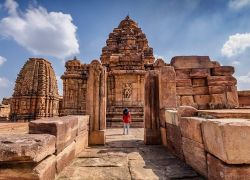
Located in the city of Badami, Pattadakal is a mesmerizing tourist attraction that offers a unique blend of historical significance and natural beauty. This UNESCO World Heritage Site is renowned for its architectural marvels, lush surroundings, and diverse biodiversity, making it a must-visit destination for travelers seeking a glimpse into India's rich heritage and stunning landscapes. History of Pattadakal Pattadakal holds immense historical importance as it served as the ceremonial center of the Chalukya dynasty. Originally known as Raktapura, it was a site for royal coronations and religious celebrations. The exquisite temples and intricate sculptures at Pattadakal showcase a harmonious blend of North Indian Nagara and South Indian Dravidian architectural styles, reflecting the cultural fusion that existed during the 7th and 8th centuries. The site has been meticulously preserved, leading to its UNESCO recognition as a World Heritage Site. Architecture and Natural Beauty of Pattadakal Surrounded by lush greenery and serene landscapes, Pattadakal is not only a treasure trove of architectural wonders but also a haven for nature lovers. The site is home to the historic Keoladeo Temple, dedicated to Lord Shiva, which stands as a testament to the architectural brilliance of the Chalukya dynasty. The natural beauty of the wetlands, forests, and bird habitats surrounding the temples adds to the charm of this ancient site, creating a tranquil and picturesque setting for visitors to explore. Why is Pattadakal Famous? Pattadakal is famous for its architectural splendor, attracting history buffs, art enthusiasts, and photographers from around the world. The intricate carvings, majestic temples, and exquisite sculptures make it a paradise for those interested in ancient Indian art and culture. Additionally, Pattadakal's natural beauty and serene ambiance draw nature enthusiasts and wildlife lovers, with the site being a hotspot for birdwatching and photography. How to Reach Pattadakal Traveling to Pattadakal is convenient as the site is well-connected by air, rail, and road. The nearest airport is located in Belgaum, approximately 150 kilometers away, while the closest railway station is in Badami itself. Visitors can also opt for road transport via buses or private vehicles, enjoying a scenic journey through the picturesque landscapes of Karnataka. Weather and Best Time to Visit Pattadakal Pattadakal experiences a tropical climate with hot summers, monsoon rains, and cool winters. The best time to visit is during the winter months from October to February when the weather is pleasant, and the surroundings are lush and green, enhancing the overall travel experience. Timings of Pattadakal Pattadakal is open to visitors from sunrise to sunset, allowing ample time to explore the temples, soak in the historical ambiance, and enjoy the natural beauty of the surroundings. It is advisable to check for any seasonal variations in timings or special events before planning your visit. Entry Fee and Visit Details Visitors to Pattadakal can avail entry tickets at the site entrance, with additional charges for guide services, photography permits, and other amenities. Safari options are available for those interested in exploring the nearby wildlife sanctuaries, while bicycle rentals offer a unique way to traverse the scenic trails surrounding the temples. Things to Do at Pattadakal There are plenty of activities to engage in at Pattadakal, catering to diverse interests. From birdwatching and photography to cycling and nature walks, visitors can immerse themselves in the serene surroundings and explore the rich biodiversity of the region. Educational experiences are also available for those keen on learning about the historical and ecological significance of the site. Interesting Facts About Pattadakal Pattadakal is not only a hub of architectural brilliance but also a sanctuary for migratory birds during certain seasons. The site's conservation efforts have been commendable, ensuring the preservation of its cultural heritage and natural habitats. The ecological importance of Pattadakal extends beyond its historical value, making it a holistic destination for travelers seeking a deeper connection with nature. Travel Tips for Visiting Pattadakal When visiting Pattadakal, it is advisable to wear comfortable clothing and sturdy footwear to explore the temple complex and surrounding areas. Carrying essential photography equipment is recommended for capturing the intricate details of the sculptures and natural beauty. Travelers should plan their visit during the winter months for the best weather conditions and optimal sightseeing opportunities, all while practicing responsible tourism to preserve the site's integrity. Conclusion In conclusion, a visit to Pattadakal in Badami promises a delightful journey through time and nature, offering a unique blend of historical grandeur and natural serenity. With its rich architectural heritage, lush landscapes, and diverse wildlife, Pattadakal stands as a testament to India's cultural richness and ecological diversity, making it a destination that truly captivates the hearts of all who wander through its ancient corridors.
Explore More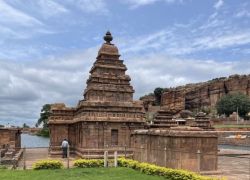
Welcome to the mystical land of Bhutanatha Temples situated in the city of Badami. This ancient site holds a treasure trove of historical significance, architectural beauty, and natural wonders waiting to be explored. History of Bhutanatha Temples Steeped in history, the Bhutanatha Temples showcase the rich cultural heritage of Badami. These temples have stood the test of time, originating from the bygone era of former royal hunting grounds. The conservation efforts have preserved these temples, leading to their UNESCO recognition as a heritage site. Architecture and Natural Beauty of Bhutanatha Temples Surrounded by lush wetlands, dense forests, and sprawling grasslands, Bhutanatha Temples provide a serene setting for visitors. The bird habitats within the natural environment offer a glimpse into the diverse biodiversity of the region. The historical Keoladeo Temple adds to the architectural charm of the site. Why is Bhutanatha Temples Famous? Bhutanatha Temples have gained fame among birdwatchers, photographers, nature enthusiasts, and wildlife lovers due to the abundance of avian species, picturesque landscapes, and the tranquil ambiance that fosters a deep connection with nature. How to Reach Bhutanatha Temples Traveling to Bhutanatha Temples is convenient with options for air, rail, and road transport. Nearby airports and railway stations ensure easy accessibility, allowing visitors to embark on a memorable journey to this historical site. Weather and Best Time to Visit Bhutanatha Temples Throughout the summer, monsoon, and winter seasons, Bhutanatha Temples offer varying weather conditions. The best months to visit are [mention best months], providing an ideal climate for exploring the natural beauty of the surroundings. Timings of Bhutanatha Temples Visitor timings at Bhutanatha Temples cater to different seasons, ensuring a pleasant experience for tourists. Understanding the seasonal variations and planning accordingly will enhance your visit to this enchanting destination. Entry Fee and Visit Details Entry procedures at Bhutanatha Temples are straightforward, with guide services, safari options, bicycle rentals, and visitor facilities available for a comfortable and enjoyable visit. Exploring the site is made convenient with these amenities. Things to Do at Bhutanatha Temples Engage in popular activities such as birdwatching, photography, cycling, walking trails, and nature observation at Bhutanatha Temples. These experiences offer a deeper connection with the natural surroundings, allowing visitors to immerse themselves in the beauty of the site. Interesting Facts About Bhutanatha Temples Bhutanatha Temples are renowned for hosting migratory birds, showcasing biodiversity, achieving conservation milestones, and highlighting the ecological importance of preserving such historical sites. These facts add to the allure of the destination. Travel Tips for Visiting Bhutanatha Temples When visiting Bhutanatha Temples, remember to dress appropriately, carry essential photography and birdwatching equipment, consider the best seasons for exploration, and practice responsible tourism to protect the natural environment and heritage of the site. Conclusion In conclusion, Bhutanatha Temples in Badami offer a unique blend of history, architecture, and natural beauty, making it a must-visit destination for travelers seeking a glimpse into the past and a serene escape into nature. Explore the wonders of Bhutanatha Temples and create unforgettable memories in this enchanting city.
Explore More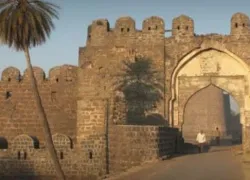
About The Kittur Fort And Palace The Kittur Fort and Palace is a historic landmark located in Belgaum, Karnataka. It holds significant cultural and historical importance in the region. The fort and palace complex showcase the rich architectural heritage of the region and attract tourists and history enthusiasts alike. Timings Of Kittur Fort And Palace The Kittur Fort and Palace are open to visitors from 9:00 AM to 6:00 PM on all days of the week. Entry Fee The entry fee to visit the Kittur Fort and Palace is INR 20 for Indian nationals and INR 200 for foreign nationals. Required Time And Restricted Items It takes approximately 1-2 hours to explore the entire Kittur Fort and Palace complex. Visitors are not allowed to carry food items, pets, or any kind of photography equipment inside the premises. Architecture Of Kittur Fort And Palace The Kittur Fort and Palace boast a unique blend of Indo-Saracenic and Gothic architectural styles. The intricate carvings, spacious courtyards, and majestic pillars are a testament to the craftsmanship of the artisans of that era. Best Time To Visit The best time to visit the Kittur Fort and Palace is during the winter months between October and March when the weather is pleasant and suitable for sightseeing. How To Reach The Kittur Fort and Palace are located in Belgaum, Karnataka, and can be easily reached by road. Belgaum has a well-connected network of roads, and visitors can hire a taxi or take a bus to reach the fort and palace. History Of Kittur Fort And Palace The Kittur Fort and Palace have a rich historical background dating back to the 12th century. The fort served as a strategic stronghold for various rulers and witnessed several battles and conquests over the centuries. Inside Kittur Fort And Palace Inside the Kittur Fort and Palace, visitors can explore the Durbar Hall, royal chambers, armory, and mosques. The palace complex also houses a museum showcasing artifacts and relics from the past. Traveling Tips It is advisable to wear comfortable footwear and carry drinking water while exploring the Kittur Fort and Palace. Visitors should also adhere to the rules and regulations laid down by the authorities for a pleasant experience. Hotels Near Kittur Fort And Palace Some of the hotels near Kittur Fort and Palace in Belgaum are: Hotel Presidency Hotel Sankam Residency Hotel Pavan Hotel Eefa Nearby Tourist Spots Of Kittur Fort And Palace Some of the nearby tourist attractions that visitors can explore after visiting the Kittur Fort and Palace are: Belgaum Fort Gokak Falls Shri Ramdev Temple Jamboti Hills
Explore More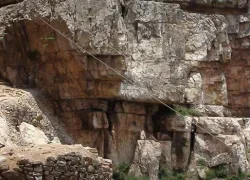
About The Parasgad Fort The Parasgad Fort is a historical fort located in Belgaum, Karnataka. It is a popular tourist destination known for its rich history and stunning architecture. The fort offers panoramic views of the surrounding area, making it a must-visit for history buffs and nature lovers alike. Timings Of Parasgad Fort The Parasgad Fort is open to visitors from 9:00 AM to 6:00 PM on all days of the week. Entry Fee There is no entry fee to visit the Parasgad Fort, making it a budget-friendly attraction for tourists. Required Time And Restricted Items It is recommended to spend at least 2-3 hours exploring the Parasgad Fort. Visitors are advised not to carry any food items or plastic bags inside the fort to maintain its cleanliness. Architecture Of Parasgad Fort The Parasgad Fort boasts of impressive architecture featuring intricate carvings, sturdy walls, and strategic gateways. The fort is a fine example of medieval Indian military architecture and offers a glimpse into the region's historical past. Best Time To Visit The best time to visit the Parasgad Fort is during the winter months from October to March when the weather is pleasant and ideal for sightseeing. How To Reach The Parasgad Fort is easily accessible by road from Belgaum city. Visitors can hire a taxi or take a local bus to reach the fort premises. The nearest railway station is Belgaum Railway Station, located approximately 10 kilometers away from the fort. History Of Parasgad Fort The Parasgad Fort has a long and storied history dating back to the medieval era. It was originally built by the Maratha rulers and later came under the control of various dynasties. The fort played a significant role in the region's defense and witnessed many battles and sieges over the centuries. Inside Parasgad Fort Inside the Parasgad Fort, visitors can explore ancient temples, reservoirs, and watchtowers. The fort also houses a small museum showcasing artifacts and exhibits related to its history. The panoramic views from the top of the fort are truly breathtaking and offer a unique perspective of the surrounding landscape. Traveling Tips It is advisable to wear comfortable footwear as the terrain inside the fort can be uneven. Visitors should carry an adequate supply of water and sunscreen to stay hydrated and protected from the sun. It is important to respect the historical significance of the fort and avoid littering or causing any damage to the property. Hotels Near Parasgad Fort There are several hotels and accommodations near Parasgad Fort where visitors can stay overnight. Some of the popular hotels in the area include Hotel Sankam Residency, Hotel Adarsh Palace, and Hotel Surya Yatri Niwas. Nearby Tourist Spots Of Parasgad Fort After visiting the Parasgad Fort, tourists can explore other nearby attractions such as Belgaum Fort, Kapileshwara Temple, and Jamboti Hills. These tourist spots offer a glimpse into the cultural heritage and natural beauty of the region, making it a memorable travel experience for visitors.
Explore More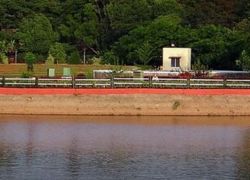
Constructed in the memory of the great Kannada poet Da Ra Bendre, Sadhankeri Garden is a remarkable tourist destination on the outskirts of Hubli. This park is popular for its green vegetation and an appealing surrounding that is a treat for eyes in literal terms. This garden is visited by various locals and tourists alike and promises to refresh the tired souls. It Is Known For:- 1) Sadhankeri Garden is known for its arresting surrounding. The spellbinding greenery never fails to catch the sight of onlookers 2) It has a thick cover of the mango trees that bear juicy mangoes in the appropriate season 3) There is a lake situated within the park and is a navigable water body. Visitors are allowed to relish the fun of boating by paying a small sum of fee 4) This garden is an amazing spot for spending the leisure time and enjoying a morning/evening stroll 5) The development authorities have added sculptures and a fountain in Sadhankeri Garden that has added more charm to it. People often get clicked with the new installations in the park. Best Time To Visit:- Sadhankeri Garden is a place which never disappoints its visitors. Being a remarkable travel attraction near Hubli city, it can be visited throughout the year in any season. The entry to this park is paid for adults (INR 10) and free for kids. Everyone is allowed to click pictures of the garden. Watch Out! One has to be cautious whilst embarking the trip during the searing summers. It is recommended that travelers should step out when the temperatures are not too high. Moreover, sunscreen and extra water should be carried. Reaching There:- Hubli city is well-connected to the rest of Karnataka via highways, railheads, and airways. Due to its connectivity through the means listed above, visitors can reach the city easily. Commuting to & from the different places in Hubli can be done best by local buses, taxis, and autos. Nearest Railway Station - Hubli JunctionNearest Airport - Hubli Airport
Explore More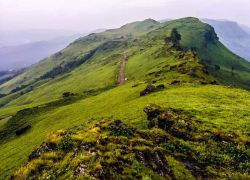
Baba Budangiri, also known as Dattagiri, is a prominent hill range located in the Chikmagalur district of Karnataka. Part of the Western Ghats, this region is famous for its scenic beauty, spiritual significance, and coffee plantations. It derives its name from Baba Budan, a revered Sufi saint who is credited with introducing coffee to India in the 17th century. The hills are a pilgrimage site for both Hindus and Muslims and are renowned for their unique combination of natural beauty and religious heritage. The terrain is characterized by rugged hills, lush forests, rolling coffee plantations, and streams that enhance the charm of this hill station. Baba Budangiri attracts hikers, spiritual seekers, and nature enthusiasts from across India and abroad. How to Reach Baba Budangiri, Chikmagalur, Karnataka Baba Budangiri is accessible via multiple modes of transport: By Air: The nearest airport is Kempegowda International Airport, Bangalore, located around 250 km away. From Bangalore, one can hire taxis or take buses to reach Chikmagalur. By Train: The nearest railway station is Chikmagalur Railway Station, roughly 10 km from the town center. Trains from major cities connect here, and taxis or buses are available to reach Baba Budangiri. By Road: Chikmagalur is well-connected by road to Bangalore, Mangalore, and Mysore. From Chikmagalur town, Baba Budangiri is approximately 40 km and can be accessed via local taxis or hired jeeps. The drive offers beautiful views of coffee plantations and Western Ghats hills. Weather at Baba Budangiri The climate in Baba Budangiri is generally mild and pleasant, making it suitable for year-round visits. Summer (March to May): Temperatures range between 20°C and 30°C. Ideal for trekking and sightseeing. Monsoon (June to September): The area receives heavy rainfall, turning the landscape lush green. Roads may become slippery; caution is advised. Winter (October to February): Temperatures range between 15°C and 25°C. This is the best time to visit for trekking, photography, and pilgrimage. Timings Baba Budangiri is open for visitors throughout the day. Early morning or late afternoon visits are recommended to enjoy pleasant weather and scenic views. Recommended Visiting Hours: 6:00 AM to 6:00 PM Why Baba Budangiri is Famous Spiritual significance as a pilgrimage site for both Hindus and Muslims. The birthplace of Indian coffee cultivation, introduced by Baba Budan. Scenic beauty with hills, waterfalls, and lush coffee plantations. Adventure activities like trekking and nature trails. Challenging hiking routes offering panoramic views of the Western Ghats. Flora and fauna diversity as part of the Western Ghats ecosystem. Entry and Visit Details Entry to Baba Budangiri hills is generally free. Visitors can explore trekking trails, shrines, and scenic spots without any entry fee. However, hiring local guides or jeep services is advisable for safety on challenging terrains. Facilities Available: Basic parking at the base. Local eateries and tea stalls near the trekking start point. Guided tours and nature trails provided by local operators. Accommodation in Chikmagalur town or nearby resorts. History and Cultural Significance Baba Budangiri has a rich cultural and religious history. It is named after the Sufi saint Baba Budan, who is believed to have brought coffee seeds from Yemen to India in the 17th century. A shrine dedicated to him attracts devotees from all over India. The hills also have Hindu temples, including a shrine dedicated to Dattatreya, reflecting the region's syncretic traditions. The hills have historically been part of trade and pilgrimage routes in the Western Ghats. The integration of coffee cultivation has had a lasting economic and cultural impact on the region. Things to Do at Baba Budangiri Trekking: Multiple trails range from moderate to challenging, including a trek to the peak of Baba Budangiri for sunrise views. Birdwatching: The Western Ghats host a variety of bird species, making it ideal for bird enthusiasts. Photography: Capture scenic landscapes, coffee plantations, waterfalls, and misty hills. Spiritual Visits: Explore the shrines and temples, attend rituals, and experience the spiritual ambiance. Nature Walks: Explore the surrounding forests, streams, and flora along easy trails. Waterfalls: Visit nearby Hebbe Falls, a famous waterfall located close to Baba Budangiri. Interesting Facts about Baba Budangiri Named after Baba Budan, the Sufi saint who introduced coffee to India. The area is part of the Western Ghats, a UNESCO World Heritage site. Contains a cave associated with Baba Budan where he meditated. Popular for the unique blending of Hindu and Islamic religious traditions. Hosts seasonal festivals attracting pilgrims from across the country. Offers some of the most scenic sunrise and sunset views in Karnataka. Travel Tips for Visiting Baba Budangiri Wear comfortable trekking shoes and light clothing for day hikes. Carry water, snacks, and a raincoat during the monsoon season. Hire local guides for difficult trails for safety. Visit during winter months (October to February) for the best experience. Respect religious sites and follow local customs. Carry binoculars and cameras for birdwatching and photography. Plan early morning trips for the sunrise view from the peak. Check weather conditions before planning trekking trips. Conclusion Baba Budangiri, Chikmagalur, Karnataka, is a unique destination that combines natural beauty, spiritual significance, and adventure opportunities. From trekking through misty hills and exploring coffee plantations to visiting sacred shrines, this hill range offers a diverse experience for tourists, pilgrims, and nature enthusiasts. Its rich history, ecological importance, and panoramic vistas make it a must-visit destination in Karnataka.
Explore More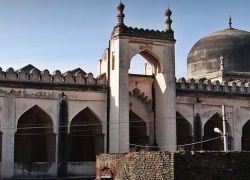
Gulbarga has some of tombs of many great and royal people. There is complex that has seven royal tombs called as Half Gumbaz located in the western sides of the Khwaja Bande Dargah! In these royal tombs, the tomb of Firoze Shah Bahmani is hugest in size!
Explore More
About The Bellary Fort The Bellary Fort, also known as the Bellary Kote, is a historical fort situated in the city of Bellary in the Indian state of Karnataka. The fort holds great historical significance and is a popular tourist attraction in the region. Timings Of Bellary Fort The Bellary Fort is open for visitors from 9:00 AM to 6:00 PM every day of the week. Entry Fee There is no entry fee to visit the Bellary Fort, making it accessible to all visitors. Required Time And Restricted Items It is recommended to allocate at least 2 hours to explore the Bellary Fort thoroughly. Visitors are not allowed to carry food items, beverages, or any kind of sharp objects inside the fort premises. Architecture Of Bellary Fort The Bellary Fort showcases a unique blend of architectural styles, combining elements of both Hindu and Islamic designs. The fort's walls are made of stone, and it features intricately carved pillars, domes, and arches. Best Time To Visit The ideal time to visit the Bellary Fort is during the winter months, from October to March, when the weather is pleasant and suitable for exploring the fort and its surroundings. How To Reach The Bellary Fort is located in the heart of Bellary city and is easily accessible by road. Visitors can reach the fort by hiring a taxi or taking a local bus from the Bellary bus stand or railway station. History Of Bellary Fort The Bellary Fort has a rich history dating back to the 16th century when it was built by the Vijayanagara Empire. Over the years, the fort has seen various rulers, including the Marathas, the Nayakas, and the British, each leaving their mark on its architecture. Inside Bellary Fort Inside the Bellary Fort, visitors can explore the Ranganatha Swamy Temple, the Hanuman Temple, the Jamia Masjid, and the Kote Anjaneya Temple. The fort also offers panoramic views of the city from its ramparts. Traveling Tips It is advisable to wear comfortable footwear as there is a fair amount of walking involved while exploring the Bellary Fort. Visitors should also carry sufficient water and sunscreen to stay hydrated and protected from the sun. Hotels Near Bellary Fort There are several hotels near the Bellary Fort where visitors can stay during their visit. Some of the popular hotels in the vicinity include Hotel The Royal Fort, Hotel Ashoka Residency, and Hotel Pola Paradise. Nearby Tourist Spots Of Bellary Fort Other popular tourist attractions near the Bellary Fort include the Bellary Zoo, the Sandur Palace, the Kumbara Gudda Hill, and the Daroji Bear Sanctuary. Visitors can explore these sites to make the most of their trip to Bellary.
Explore More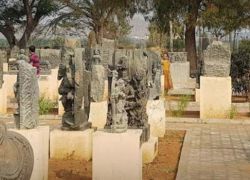
Established in the 1970’s in Hassan district of Karnataka, ASI Halebeedu Museum is an intriguing tourist destination. It is an open-air museum that houses 1500 sculptures and inscriptions that were discovered around Halebeedu. Hundreds of history lovers flock to this museum in order to gain an insight of the region of Halebeedu in then times.Why Is It Famous?ASI Halebeedu Museum is popular among the locals and tourists because of its classic collection of artifacts. It is an amazing library of the ancient inscriptions and sculptures that date back to the times when the Hoysala rule was at its zenith. It displays the ancient discoveries like the miniature paintings, terracotta toys, and much more in the galleries situated inside.The galleries situated outside display the bronze idols of the 18 Jain Tirthankaras, Govardhanagirdhari Krishna, Nataraja, Goddess Saraswati etc.Best Time To Visit:-There is no special season for paying a casual visit to ASI Halebeedu Museum. It is a place that can be visited throughout the year. The entry to this museum is paid for all, excluding the kids below the age of 6 years.Watch Out!Since Halebeedu Museum is managed by the authorities of ASI, it might remain closed on all national holidays and festivals. Therefore, all are expected to make a prior confirmation before visiting the place.Reaching There:-Hassan district can be reached via state-run buses, express trains, and flights due to its wider connectivity with the rest of Karnataka. Traveling within the city can be done via local transit that is available on a frequent basis.Nearest Railway Station:- Hassan JunctionNearest Airport:- Mangalore Airport
Explore More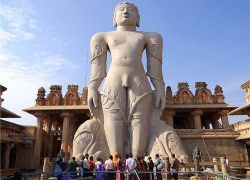
Welcome to Shravanabelagola, a mesmerizing tourist attraction located in the beautiful city of Hassan. This historic site offers a blend of natural beauty, cultural significance, and diverse wildlife, making it a must-visit destination for travelers seeking a unique experience. History of Shravanabelagola Shravanabelagola holds a rich historical background dating back to ancient times. It was once a royal hunting ground and has been a center for conservation efforts over the years. The site's historical and cultural importance has been recognized by UNESCO, adding to its allure as a prominent tourist destination. Architecture and Natural Beauty of Shravanabelagola The natural environment surrounding Shravanabelagola is a sight to behold, with lush wetlands, dense forests, expansive grasslands, and diverse bird habitats. The park is also home to the historic Keoladeo Temple, adding a touch of architectural beauty to its natural charm. Why is Shravanabelagola Famous? Shravanabelagola is renowned for its appeal to birdwatchers, photographers, nature enthusiasts, and wildlife lovers. The abundance of bird species, picturesque landscapes, and tranquil surroundings make it a haven for those seeking to connect with nature. How to Reach Shravanabelagola Traveling to Shravanabelagola is convenient, with options available by air, rail, and road. The nearest airports and railway stations provide easy access to this picturesque destination, ensuring a smooth journey for visitors. Weather and Best Time to Visit Shravanabelagola The weather at Shravanabelagola varies across summer, monsoon, and winter seasons. The best time to visit is during specific months when the climate is most favorable for exploring the natural beauty and wildlife of the region. Timings of Shravanabelagola Visitor timings at Shravanabelagola are structured to accommodate guests throughout the day. Seasonal variations may apply, so it is advisable to plan your visit accordingly to make the most of your time at this enchanting hotspot. Entry Fee and Visit Details Entry procedures at Shravanabelagola are straightforward, with guide services, safari options, bicycle rentals, and visitor facilities available for a comfortable and enjoyable experience. Exploring the park is made convenient with these amenities. Things to Do at Shravanabelagola Engage in a variety of activities at Shravanabelagola, including birdwatching, photography, cycling, walking trails, nature observation, and educational experiences. Immerse yourself in the beauty of the surroundings and create lasting memories during your visit. Interesting Facts About Shravanabelagola Shravanabelagola is home to numerous migratory birds, showcasing the region's biodiversity and conservation efforts. The site's ecological importance and conservation achievements add to its appeal as a must-visit destination for nature lovers. Travel Tips for Visiting Shravanabelagola When visiting Shravanabelagola, it is advisable to dress comfortably, carry essential photography and birdwatching equipment, and plan your trip during the recommended seasons. Embrace responsible tourism practices to preserve the beauty and integrity of this natural treasure. Conclusion In conclusion, Shravanabelagola in Hassan is a destination that offers a perfect blend of history, natural beauty, and wildlife. Its significance, diverse attractions, and serene ambiance make it a top choice for travelers looking to explore the wonders of nature and culture in a single visit.
Explore More
Museum of Anatomy and Pathology
The Museum of Anatomy and Pathology is a well-known tourist site in Karnataka. If the visitor has a special taste in the fields of anatomy and pathology, this place is apt for spending a couple of hours. It is located in a renowned university known by the name of Manipal University and stands one of the museums that are opened to the common public during the working hours of the university. Not only the students but the visitors are also allowed to visit the place. It Is Known For:- 1) As per the name, Museum of Anatomy and Pathology houses a vast collection of the real mammalian anatomical specimens 2) The skeletal structure, muscular structure, tissues, ligaments, and fetuses of the mammalian species are displayed in the different galleries 3) It also includes the deformed skeletal and body parts of the humans and well as animals4) Not only the real specimens, this museum also displays the information about the different types of abnormalities that occur in the body like the organs switching sides, birth neural disorders, a fusion of the bones etc. 5) One can enhance the knowledge by reading the information that is provided by the museum authorities Best Time To Visit:- Museum of Anatomy and Pathology is a remarkable travel destination in Manipal. Due to its location in the university, it welcomes all throughout the year. One can spot visitors admiring the preserved specimens in the different galleries of the museum. Spending a couple of hours at this site during any season of the year is a great idea. Red Alert! Museum of Anatomy and Pathology should be avoided for a visit during searing summers as well as national holidays. Walk n Talk:- Museum of Anatomy and Pathology is a friendly place. The professional staff of the museum guides the visitors through the galleries. Guests are also allowed to be a part of the exhibitions that are organized here. It gives them a chance to interact with the students as well. Reaching There:- Due to a well-established connection of the roadways and railways, one can commute to & from different places in Manipal by hiring the service of the local transit that charges a minimal fee for the service. Nearest Railway Station - Udupi Railway Station Nearest Airport - Mangalore Airport
Explore More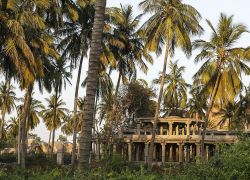
Anegundi is located at a distance of 135 Kms from Raichurand has some royal temples which belong to the Vijaynagar era especially the Huchchappayana Matha and Ranganatha Temple. Also worth visiting are the Kamal Mahal, Nava Brindavana and the Pampa Sarovara which consist of mortal leftovers of eminent saints.
Explore MoreBangalore - Mysore - Ooty - Kodaikanal - Bangalore Tour 5 Night 6 Days
6 Days/ 5 Night
Bangalore - Mysore - Ooty
Glimpse Of South 6 Nights 7 Days Bangalore (1N)- Mysore (1N) - Coorg (2N) Ooty (2N)
7 Days/ 6 Night
Bangalore - Mysore - Coorg - Ooty
Coorg 2N - Ooty N Tour
5 Days/ 4 Night
Coorg - Ooty
Nilgiri - Coorg Escape - 4 Nights - 5 Days Tour
5 Days/ 4 Night
Coorg - Coonoor - Ooty
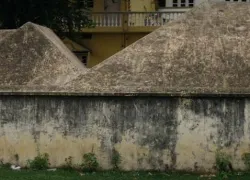
Gunpowder Storage is a famous tourist attraction in Srirangapatna in Mysore. It is a great place for the ones that have a special interest in the history. As per the name, it was the place for storing the gunpowder. Constructed in an amazing architecture in order to provide a complete protection to the ammunition and powder, these rooms were built with small rooms across Srirangapatna. The main storage was a few feet below the ground level that provided protection from the destruction caused by the cannon balls.Why Are They Famous?Reflecting the laudable architecture of the then times, the gunpowder storage rooms are the dungeons where the armies of Tipu Sultan used to store the gunpowder for the cannon. They were built in a manner that they remained unaffected by the destruction.Best Time To Visit:-Presently, the gunpowder storage stands in a remnant position and can be visited during any time of the year. No fee is levied for visiting this historical site.Watch Out!Gunpowder storage today is used as the garbage dump yard by the ones that ignore the rules and regulations for maintaining and preserving the beauty of historical monuments. The dungeons have a miasma due to the collection of garbage. In case a tourist visits this site, he/she shouldn’t dump the waste. Reaching There:-Mysore city is well-connected with Karnataka and rest of India via all major highways, railheads, and airways. Visitors can reach the city by the means they find suitable. Traveling within the city can be done by the local buses, cabs, and autos.Nearest Railway Station:- Mysore Railway StationNearest Airport:- Mysore Airport
Explore More
About The Srirangapatna Fort The Srirangapatna Fort is a historical fort located in the town of Srirangapatna in the state of Karnataka, India. The fort is known for its rich history and architectural significance, making it a popular tourist destination. Timings Of Srirangapatna Fort The Srirangapatna Fort is open to visitors from 10:00 am to 6:00 pm on all days of the week. Entry Fee The entry fee for visiting the Srirangapatna Fort is INR 15 for Indian nationals and INR 200 for foreign nationals. Required Time And Restricted Items It is recommended to allocate at least 2-3 hours to explore the Srirangapatna Fort thoroughly. Visitors are not allowed to carry food, pets, or weapons inside the fort premises. Architecture Of Srirangapatna Fort The Srirangapatna Fort showcases a unique blend of Indo-Islamic architecture, featuring intricate carvings, ornate domes, and majestic gateways. The fort is surrounded by a moat and has multiple bastions and watchtowers. Best Time To Visit The best time to visit Srirangapatna Fort is during the winter months of October to February when the weather is pleasant and conducive for exploring the fort. How To Reach Srirangapatna Fort is easily accessible by road from nearby cities like Mysore and Bangalore. The nearest railway station is in Srirangapatna town, and the closest airport is in Mysore. History Of Srirangapatna Fort The Srirangapatna Fort has a storied past, having been built in the 15th century by the Vijayanagara Empire. It later came under the control of the Mysore Kingdom and played a significant role in the battles fought by Tipu Sultan against the British. Inside Srirangapatna Fort Inside the Srirangapatna Fort, visitors can explore various attractions such as the dungeons, the Ranganathaswamy Temple, Tipu Sultan's Summer Palace, and the Gumbaz Mausoleum. The fort offers panoramic views of the surrounding landscape. Traveling Tips It is advisable to wear comfortable footwear as the fort premises involve a fair amount of walking. Visitors should also carry sufficient water and sunscreen, especially during the hot summer months. Hotels Near Srirangapatna Fort There are several hotels and guesthouses located near Srirangapatna Fort, offering a range of accommodation options to suit different budgets. Some of the popular hotels include Hotel Mayura River View, Young Island Resorts, and Hotel Kumuda The Castle. Nearby Tourist Spots Of Srirangapatna Fort Some of the nearby tourist spots worth visiting include the Daria Daulat Bagh (Summer Palace of Tipu Sultan), Gumbaz Mausoleum, Sri Ranganathaswamy Temple, and the Sangam (confluence) of the Kaveri and Lokapavani rivers.
Explore More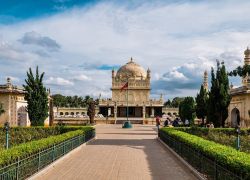
Welcome to the historical city of Srirangapatna, home to the majestic Tipu Sultan Summer Palace. This enchanting tourist attraction not only holds significant historical value but also boasts a rich biodiversity and natural beauty that attracts visitors from far and wide. History of Tipu Sultan Summer Palace Steeped in history, the Tipu Sultan Summer Palace dates back to the era of the legendary ruler Tipu Sultan. Originally serving as a retreat during the scorching summer months, this palace stands as a testament to the opulence and grandeur of the bygone era. Once a part of the royal hunting grounds, today it stands as a symbol of conservation efforts to preserve the heritage of Srirangapatna. Its historical importance has garnered recognition from UNESCO, further solidifying its place as a must-visit destination. Architecture and Natural Beauty of Tipu Sultan Summer Palace Surrounded by lush wetlands, verdant forests, and sprawling grasslands, the Tipu Sultan Summer Palace offers a mesmerizing blend of architectural splendor and natural beauty. The palace grounds are home to diverse bird habitats, providing a haven for birdwatchers and nature enthusiasts alike. Adding to its allure is the historic Keoladeo Temple nestled within the park, adding a spiritual touch to the serene landscapes. Why is Tipu Sultan Summer Palace Famous? The Tipu Sultan Summer Palace has gained fame for its picturesque landscapes, making it a haven for birdwatchers, photographers, and wildlife lovers. The abundance of avian species, coupled with the tranquil ambiance, creates a paradise for those seeking to connect with nature in its purest form. How to Reach Tipu Sultan Summer Palace Traveling to the Tipu Sultan Summer Palace is convenient, with options available by air, rail, and road. The nearest airports are located in nearby cities, with well-connected railway stations providing easy access for visitors. Whether you choose to embark on a scenic road trip or opt for a quick flight, reaching this historic site is a journey worth undertaking. Weather and Best Time to Visit Tipu Sultan Summer Palace The weather at Tipu Sultan Summer Palace varies across seasons, with summer bringing warm temperatures, monsoon offering lush greenery, and winter providing a cool and pleasant climate. The best time to visit is during the winter months when the weather is ideal for exploring the palace grounds and enjoying the natural beauty in full bloom. Timings of Tipu Sultan Summer Palace The Tipu Sultan Summer Palace welcomes visitors during specified timings, ensuring an enriching experience for all. Seasonal variations may affect the operating hours, so it is advisable to plan your visit accordingly. Whether you prefer the serenity of early mornings or the charm of twilight, the palace offers a timeless experience for all. Entry Fee and Visit Details Entry to the Tipu Sultan Summer Palace is subject to nominal fees, with additional services such as guide assistance, safari options, and bicycle rentals available for a more personalized experience. Visitor facilities are well-maintained, ensuring a comfortable and memorable visit for all guests. Things to Do at Tipu Sultan Summer Palace Embark on a journey of discovery at the Tipu Sultan Summer Palace with a myriad of activities to engage in. From birdwatching to photography, cycling to walking trails, the palace offers a range of experiences for nature enthusiasts. Immerse yourself in the beauty of the surroundings, soak in the tranquility, and relish the educational opportunities that await. Interesting Facts About Tipu Sultan Summer Palace Did you know that the Tipu Sultan Summer Palace is a favored destination for migratory birds, adding to its ecological significance? The palace's commitment to conservation efforts has led to notable achievements in preserving biodiversity and promoting sustainable practices. Explore these fascinating facts and more as you delve into the rich heritage of this historical site. Travel Tips for Visiting Tipu Sultan Summer Palace When planning your visit to the Tipu Sultan Summer Palace, remember to pack light clothing for the summer months and carry adequate gear for birdwatching and photography. The best time to visit is during the winter season, ensuring a pleasant and enjoyable experience. Embrace responsible tourism practices and respect the natural surroundings to make the most of your trip. Conclusion In conclusion, the Tipu Sultan Summer Palace in Srirangapatna stands as a jewel in the crown of historical landmarks, offering a blend of heritage, natural beauty, and recreational opportunities. Whether you are a history buff, a nature lover, or a photography enthusiast, this destination promises an unforgettable experience that celebrates the essence of Srirangapatna's charm. Plan your visit to the Tipu Sultan Summer Palace and immerse yourself in a world where the past meets the present in perfect harmony.
Explore More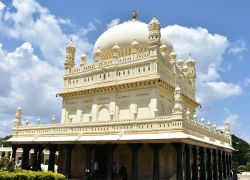
Srirangapatna, a historical town in Karnataka, India, is home to the magnificent Gumbaz Mausoleum. This iconic tourist attraction holds great significance not only for its historical value but also for its natural splendor, making it a must-visit destination for travelers seeking a blend of culture and biodiversity. History of Gumbaz Mausoleum The Gumbaz Mausoleum stands as a testament to the rich history of Srirangapatna. Built as a mausoleum for Tipu Sultan, the former ruler of Mysore, and his family members, this architectural marvel served as a symbol of royal heritage. The surrounding area, once royal hunting grounds, has undergone conservation efforts to preserve its historical essence. The UNESCO recognition further underscores the cultural importance of this site. Architecture and Natural Beauty of Gumbaz Mausoleum Surrounded by lush wetlands, dense forests, and sprawling grasslands, the Gumbaz Mausoleum offers a picturesque setting that captivates visitors. The diverse bird habitats and breathtaking landscapes add to the natural charm of the site. The historical Keoladeo Temple nestled within the park provides a glimpse into the region's architectural heritage. Why is Gumbaz Mausoleum Famous? Gumbaz Mausoleum is renowned for its appeal to birdwatchers, photographers, nature enthusiasts, and wildlife lovers alike. The abundance of avian species, scenic beauty, and serene ambiance make it a popular choice for those seeking a peaceful retreat in the lap of nature. How to Reach Gumbaz Mausoleum Traveling to Gumbaz Mausoleum is convenient, with options for air, rail, and road transport. The nearest airports and railway stations provide easy access to this historic site, ensuring a hassle-free journey for visitors. Weather and Best Time to Visit Gumbaz Mausoleum The weather at Gumbaz Mausoleum varies across seasons, with summers being warm, monsoons bringing rain, and winters offering a pleasant climate. The best time to visit is during the cooler months when the natural beauty of the surroundings is at its peak. Timings of Gumbaz Mausoleum Visiting hours at Gumbaz Mausoleum are well-suited to accommodate tourists, with seasonal variations considered to optimize the visitor experience. Planning ahead and being aware of the timings can enhance your trip to this historic site. Entry Fee and Visit Details Entry procedures at Gumbaz Mausoleum are straightforward, with guide services available for a more enriching experience. Safari options, bicycle rentals, and visitor facilities ensure that guests have all they need for a memorable visit. Things to Do at Gumbaz Mausoleum Engage in popular activities like birdwatching, photography, cycling, walking trails, and nature observation to fully immerse yourself in the beauty of Gumbaz Mausoleum. Educational experiences await those keen on learning more about the region's cultural and natural heritage. Interesting Facts About Gumbaz Mausoleum Gumbaz Mausoleum is a haven for migratory birds, boasting rich biodiversity that highlights the importance of conservation efforts. The site's ecological significance and conservation achievements add to its allure, making it a treasure trove of natural wonders. Travel Tips for Visiting Gumbaz Mausoleum When visiting Gumbaz Mausoleum, remember to dress comfortably and carry essential photography and birdwatching equipment. Be mindful of the best seasons to visit and practice responsible tourism to preserve the site's beauty for future generations. Conclusion In conclusion, Gumbaz Mausoleum in Srirangapatna offers a unique blend of history and natural beauty that appeals to travelers of all interests. With its rich heritage, diverse ecosystems, and welcoming ambiance, this tourist hotspot promises an unforgettable experience for visitors exploring the wonders of Srirangapatna.
Explore More
Chennakesava Temple, located in Belur, is a mesmerizing tourist attraction that draws visitors from far and wide. The temple is renowned for its intricate architecture, rich history, and serene natural surroundings, making it a must-visit destination for history buffs, architecture enthusiasts, and spiritual seekers alike. History of Chennakesava Temple The history of Chennakesava Temple dates back to ancient times, showcasing the exquisite craftsmanship of the Hoysala Empire. Built as a dedication to Lord Vishnu, the temple stands as a symbol of architectural brilliance and artistic mastery. Originally a royal hunting ground, the temple area has transformed into a conservation site, with efforts to preserve its cultural heritage recognized by UNESCO. Architecture and Natural Beauty of Chennakesava Temple Surrounded by lush wetlands, verdant forests, and diverse bird habitats, Chennakesava Temple offers a harmonious blend of historical marvels and natural beauty. The temple's intricate carvings, majestic pillars, and ornate sculptures are a testament to the Hoysala architectural style. Within the temple complex lies the historical Keoladeo Temple, adding to the spiritual aura of the site. Why is Chennakesava Temple Famous? Chennakesava Temple is a haven for birdwatchers, photographers, nature enthusiasts, and wildlife lovers. The temple's serene ambiance, coupled with its biodiversity, makes it a popular spot for those seeking solace in nature and exploring the rich avian life that thrives in the surroundings. How to Reach Chennakesava Temple Traveling to Chennakesava Temple is convenient, with various options available. Visitors can reach Belur by air, rail, or road, with nearby airports and railway stations providing easy access to the city. The well-connected road network ensures a smooth journey for tourists exploring the region. Weather and Best Time to Visit Chennakesava Temple The weather at Chennakesava Temple varies throughout the year, with distinct seasons offering unique experiences. While summer can be hot, the monsoon brings lush greenery, and winter offers pleasant temperatures, making it an ideal time to visit. The best months to explore the temple are typically during the cooler seasons. Timings of Chennakesava Temple Chennakesava Temple welcomes visitors during specified timings, allowing them to explore the architectural marvel and natural beauty at their leisure. Seasonal variations may affect the temple's accessibility, so it is advisable to plan your visit accordingly to make the most of your time there. Entry Fee and Visit Details Visitors to Chennakesava Temple can enjoy a hassle-free entry process, with guide services available for a more immersive experience. Safari options, bicycle rentals, and other visitor facilities enhance the overall visit, providing convenience and comfort to those exploring the site. Things to Do at Chennakesava Temple There are numerous activities to indulge in at Chennakesava Temple, catering to diverse interests. From birdwatching and photography to cycling along scenic trails, visitors can immerse themselves in nature's beauty and partake in educational experiences that showcase the rich biodiversity of the region. Interesting Facts About Chennakesava Temple Chennakesava Temple is not just a historical site but also a sanctuary for migratory birds, reflecting its ecological importance. The conservation efforts undertaken to preserve the temple's heritage and biodiversity are noteworthy achievements that contribute to the site's allure and significance. Travel Tips for Visiting Chennakesava Temple When planning a visit to Chennakesava Temple, it is advisable to dress comfortably, carry essential photography equipment, and be mindful of the best seasons to explore the temple. Embracing responsible tourism practices ensures the sustainability of the site for future generations to appreciate its beauty and historical legacy. Conclusion In conclusion, Chennakesava Temple in Belur stands as a testament to the rich heritage and architectural brilliance of the region. Its natural surroundings, historical significance, and tourism importance make it a captivating destination for travelers seeking a blend of culture, history, and nature. A visit to Chennakesava Temple promises a memorable experience, offering insights into the past while immersing visitors in the tranquility of its surroundings.
Explore More
Welcome to the mesmerizing tourist attraction of Ibrahim Rouza in Bijapur. This architectural marvel and natural oasis offer a unique blend of historical significance, architectural beauty, and rich biodiversity, making it a must-visit destination for travelers seeking a harmonious mix of culture and nature. History of Ibrahim Rouza Steeped in history, Ibrahim Rouza dates back to the era of the Adil Shahi dynasty in Bijapur. Originally serving as royal quarters and a mausoleum, this site holds immense historical importance as a former royal hunting ground. Efforts towards its conservation have earned Ibrahim Rouza UNESCO recognition, highlighting its cultural and architectural significance. Architecture and Natural Beauty of Ibrahim Rouza Surrounded by lush wetlands, forests, and grasslands, Ibrahim Rouza boasts a serene natural environment that complements its stunning architectural structures. Visitors can explore the tranquil bird habitats and landscapes while marveling at the historical Keoladeo Temple nestled within the park, adding a spiritual dimension to the site. Why is Ibrahim Rouza Famous? Ibrahim Rouza is renowned for its allure among birdwatchers, photographers, nature enthusiasts, and wildlife lovers. The park's diverse bird species, picturesque settings, and serene ambiance make it a paradise for those seeking to immerse themselves in the beauty of nature. How to Reach Ibrahim Rouza Traveling to Ibrahim Rouza is convenient, with options available by air, rail, and road. The city has nearby airports and railway stations that cater to visitors, ensuring easy accessibility to this enchanting destination. Weather and Best Time to Visit Ibrahim Rouza Throughout the summer, monsoon, and winter seasons, Ibrahim Rouza offers unique experiences influenced by varying weather conditions. The best time to visit is during specific months when the weather is pleasant, allowing visitors to enjoy the beauty of the park to the fullest. Timings of Ibrahim Rouza Visitor timings at Ibrahim Rouza provide flexibility for exploration, accommodating varying schedules and preferences. Seasonal variations, if applicable, offer diverse experiences, making each visit to this site a unique and memorable adventure. Entry Fee and Visit Details Entry procedures at Ibrahim Rouza are designed to enhance visitor experiences, with guide services, safari options, bicycle rentals, and visitor facilities available to ensure a seamless and enriching visit. Visitors can make the most of their time at the park with these convenient amenities. Things to Do at Ibrahim Rouza Engage in a range of activities at Ibrahim Rouza, from birdwatching and photography to cycling, walking trails, and nature observation. Educational experiences await visitors, offering insights into the diverse ecosystem and wildlife that call this park home. Interesting Facts About Ibrahim Rouza Ibrahim Rouza is filled with fascinating facts about migratory birds, biodiversity, conservation achievements, and ecological importance. Each visit unveils new discoveries and insights into the natural wonders that make this destination truly remarkable. Travel Tips for Visiting Ibrahim Rouza When visiting Ibrahim Rouza, consider practical advice on clothing choices, photography tips, birdwatching equipment, ideal visiting seasons, and responsible tourism practices. By following these tips, visitors can make the most of their experience while respecting the park's natural beauty and conservation efforts. Conclusion In conclusion, Ibrahim Rouza in Bijapur stands as a testament to the seamless integration of history, architecture, and nature. This enchanting destination offers a unique blend of cultural heritage and biodiversity, inviting visitors to immerse themselves in its beauty and tranquility. A visit to Ibrahim Rouza promises an unforgettable journey filled with history, serenity, and natural wonders.
Explore More