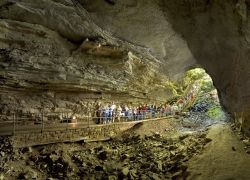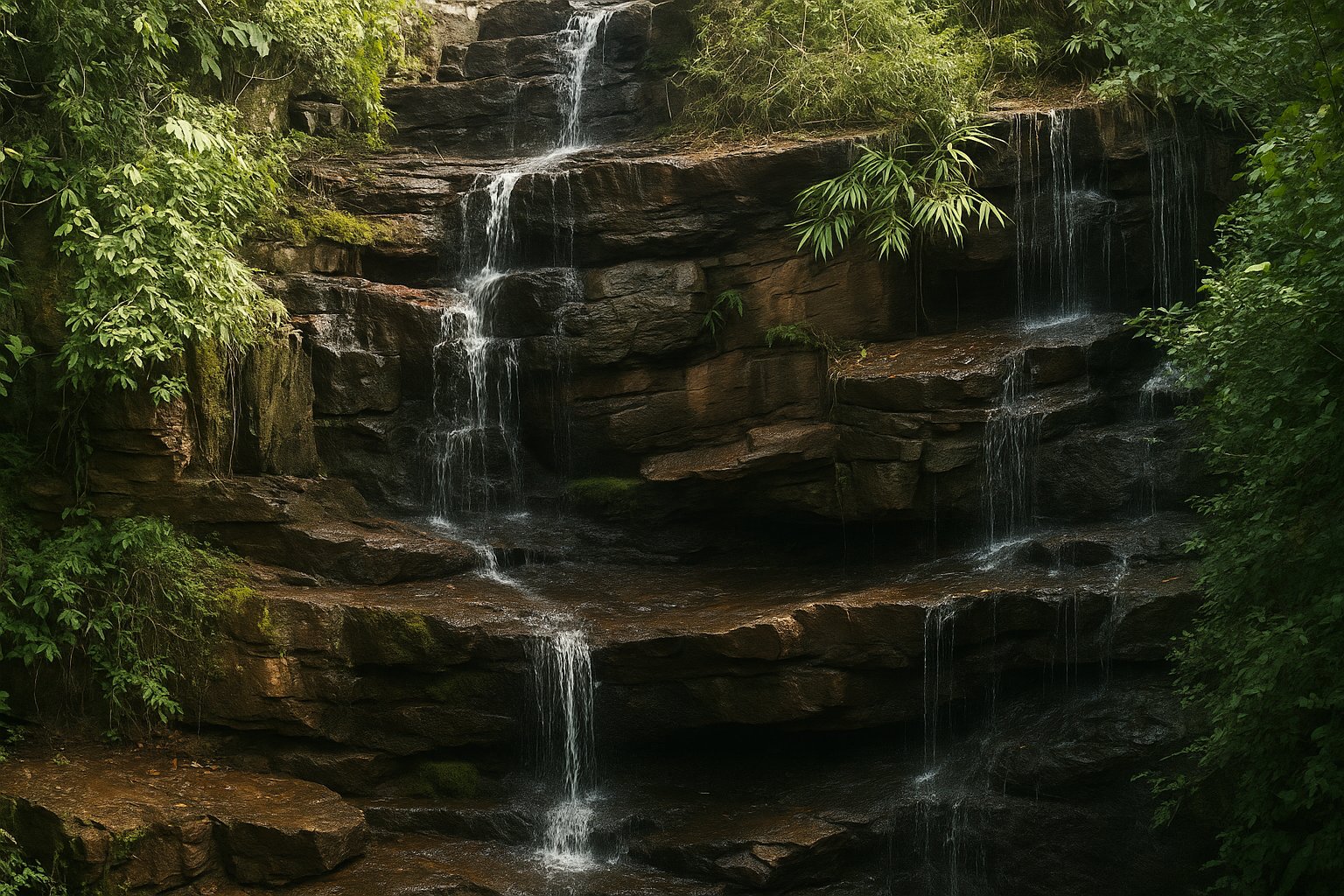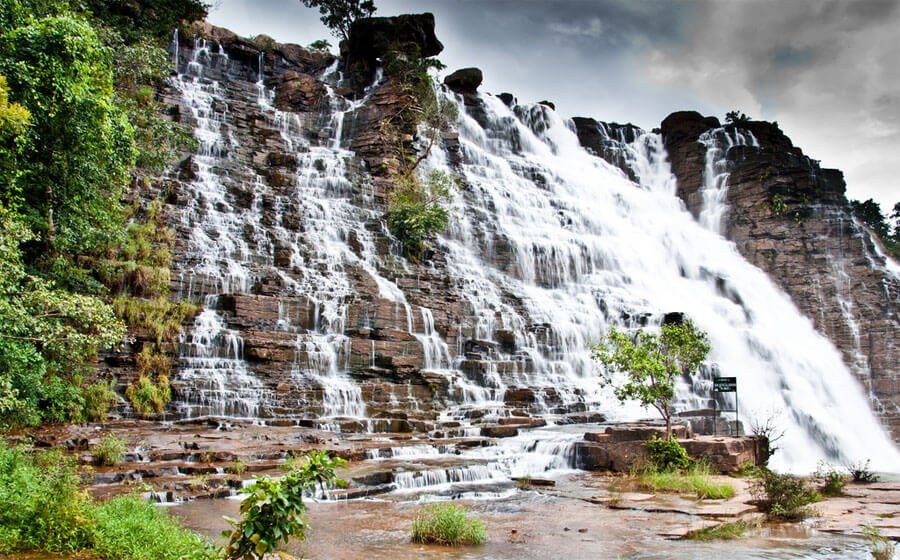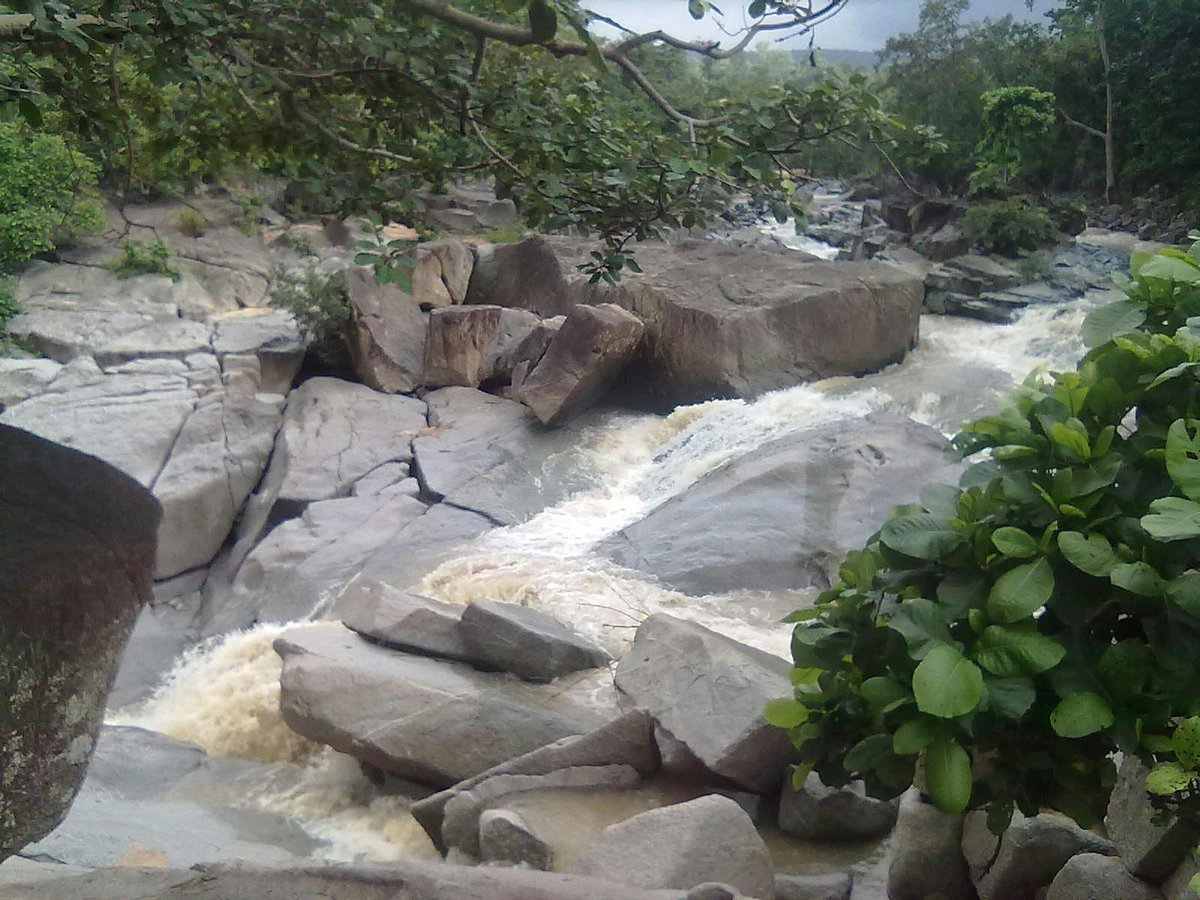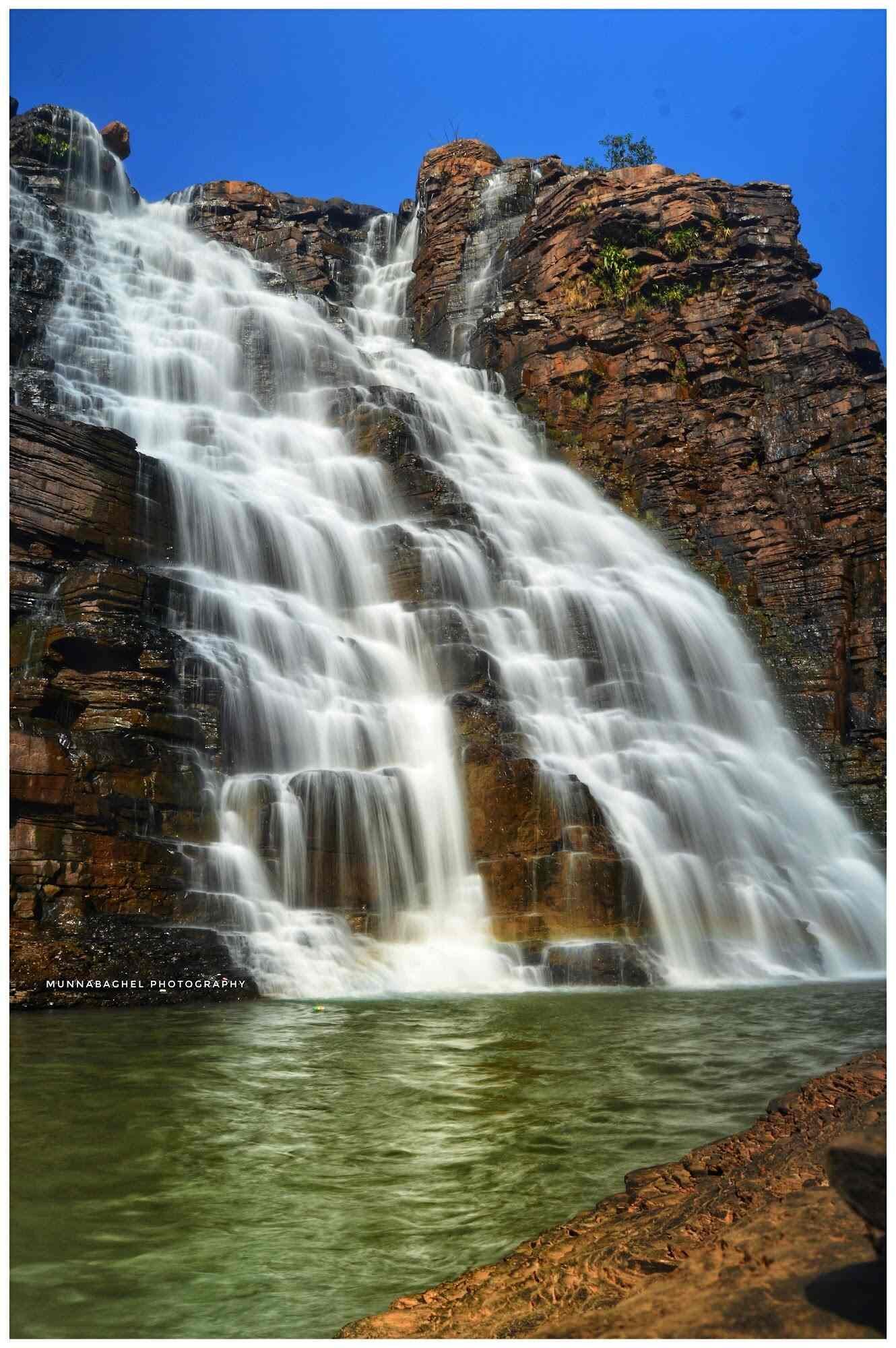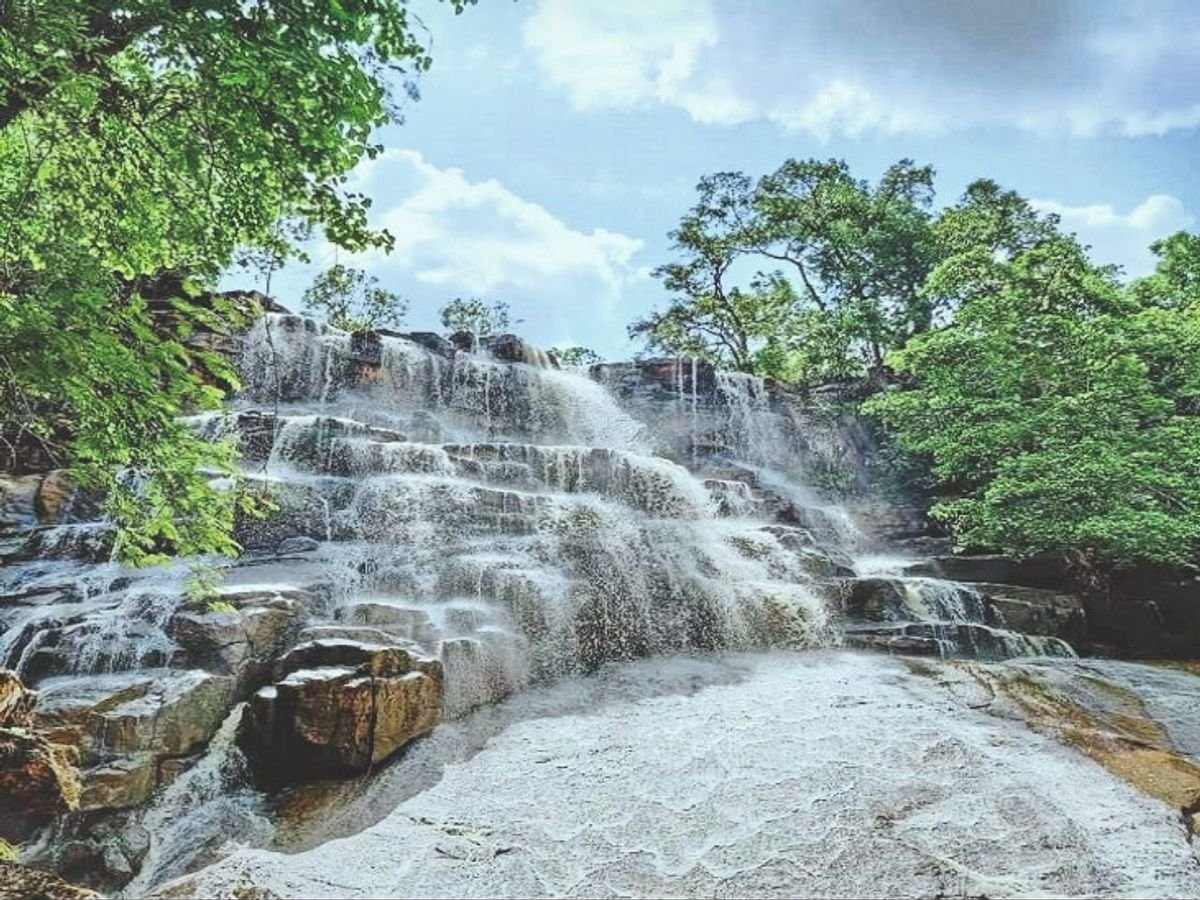
"Explore diverse wildlife in a serene habitat."
The Gomarda Wildlife Sanctuary is one of the most important natural and ecological attractions in the Raigarh district of Chhattisgarh. Known for its rich biodiversity, dense forests, and peaceful environment, the sanctuary plays a vital role in wildlife conservation in central India. Spread across a large forested area, Gomarda Wildlife Sanctuary is a perfect destination for nature lovers, wildlife enthusiasts, researchers, and travelers seeking an escape into the wilderness.
Location and Overview of Gomarda Wildlife Sanctuary, Raigarh
Gomarda Wildlife Sanctuary is located near :contentReference[oaicite:1]{index=1}, a district known for its cultural heritage, royal history, and tribal traditions. The sanctuary lies close to the Odisha border and forms an important ecological corridor between forest regions of Chhattisgarh and neighboring states. Its landscape includes sal forests, bamboo groves, open grasslands, small streams, and rolling hills, creating a suitable habitat for diverse wildlife species.
History of Gomarda Wildlife Sanctuary
Gomarda Wildlife Sanctuary was officially declared a protected wildlife area in the late 20th century with the aim of conserving forest ecosystems and protecting endangered species. Before receiving sanctuary status, the region was primarily used by local tribal communities for forest-based livelihoods such as collection of forest produce and grazing.
Recognizing the ecological importance of the area, the state government brought Gomarda under legal protection to prevent deforestation, illegal hunting, and habitat loss. Over the years, conservation efforts have helped maintain the forest cover and preserve the natural balance of flora and fauna.
Forest Landscape and Natural Environment
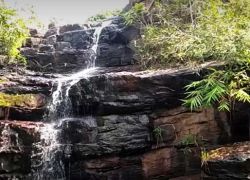
The sanctuary is dominated by tropical dry deciduous forests, mainly consisting of sal, teak, bamboo, and mixed vegetation. Seasonal streams flow through the sanctuary during monsoon, providing water sources for animals. The terrain is mostly gentle, making the area suitable for wildlife movement and breeding.
The peaceful environment and minimal human interference make Gomarda Wildlife Sanctuary an important refuge for wildlife in the region.
Wildlife and Biodiversity of Gomarda Wildlife Sanctuary
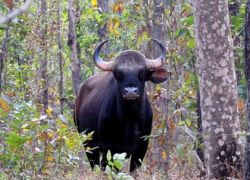
Gomarda Wildlife Sanctuary is home to a variety of animal and bird species. Visitors may encounter:
• Leopards
• Sloth bears
• Wild boars
• Chital and sambar deer
• Jackals and foxes
• Various species of reptiles
The sanctuary is also a paradise for bird watchers, with many resident and migratory birds such as peafowl, parakeets, woodpeckers, and eagles. The rich biodiversity makes Gomarda an important area for ecological research and wildlife observation.
Why Gomarda Wildlife Sanctuary, Raigarh Is Famous
Gomarda Wildlife Sanctuary is famous for its untouched forest landscape and rich wildlife diversity. It is particularly known for:
• Dense sal and bamboo forests
• Habitat for leopards and sloth bears
• Peaceful and less-crowded wildlife experience
• Importance in regional biodiversity conservation
Unlike heavily commercialized national parks, Gomarda offers a raw and authentic wildlife experience.
How to Reach Gomarda Wildlife Sanctuary, Raigarh
The sanctuary is easily accessible due to Raigarh’s good transport connectivity.
By Air: The nearest airport is Swami Vivekananda Airport, Raipur. From Raipur, visitors can travel to Raigarh by train or road.
By Train: Raigarh Railway Station lies on the Howrah–Mumbai main railway line and is well connected to major Indian cities.
By Road: Raigarh is connected by national and state highways. Local taxis and private vehicles can be used to reach the sanctuary from the city.
Weather and Best Time to Visit Gomarda Wildlife Sanctuary
The climate of Raigarh directly influences the sanctuary’s environment.
Summer (March to June): Hot weather, but good for spotting animals near water sources.
Monsoon (July to September): Forest becomes lush and green; however, access may be limited due to rain.
Winter (October to February): Best time to visit, with pleasant weather and higher chances of wildlife sightings.
Timings of Gomarda Wildlife Sanctuary, Raigarh
The sanctuary generally follows daytime visiting hours.
Suggested Timings: 6:00 AM to 6:00 PM
Entry timings may vary depending on forest department regulations and seasonal conditions.
Entry and Visit Details
Visitors may be required to obtain permission from the local forest department before entering Gomarda Wildlife Sanctuary. Entry fees, vehicle charges, and guide fees (if applicable) are decided by forest authorities. It is advisable to check current rules before planning a visit.
Things to Do at Gomarda Wildlife Sanctuary, Raigarh
There are several activities visitors can enjoy:
• Wildlife watching and nature photography
• Bird watching
• Nature walks and forest exploration
• Learning about forest conservation
• Enjoying the peaceful natural surroundings
Interesting Facts About Gomarda Wildlife Sanctuary
• Gomarda is an important wildlife corridor near the Odisha border.
• The sanctuary supports both predator and prey species.
• Tribal communities around the sanctuary depend on forests for livelihood.
• It plays a key role in preserving regional forest biodiversity.
• The area remains relatively unexplored by mass tourism.
Travel Tips for Visiting Gomarda Wildlife Sanctuary, Raigarh
• Carry valid identity documents and permits if required.
• Wear neutral-colored clothes for wildlife viewing.
• Carry binoculars and cameras for bird watching.
• Avoid loud noise to prevent disturbing animals.
• Follow forest department rules strictly.
Important Clarification About “Church of Our Lady, Bruges”
Some content formats mention “Church of Our Lady, Bruges.” This landmark is located in :contentReference[oaicite:2]{index=2} and has no connection with Gomarda Wildlife Sanctuary or Raigarh in India. Therefore, details related to the Church of Our Lady, Bruges—such as history, architecture, entry fees, or reasons for fame—do not apply to this wildlife sanctuary.
Conclusion
Gomarda Wildlife Sanctuary, Raigarh, is a hidden natural treasure of Chhattisgarh that showcases the beauty of untouched forests and diverse wildlife. With its peaceful atmosphere, ecological importance, and scenic landscapes, the sanctuary offers a refreshing experience for nature lovers and wildlife enthusiasts. For travelers seeking an authentic and less-crowded wildlife destination, Gomarda Wildlife Sanctuary is truly worth exploring.





Raigarh
Raigarh
Raigarh

Raigarh
Raigarh
Raigarh
Raigarh