"Unveil ancient rock art in serene surroundings."
The Singhanpur Caves are one of the most historically significant and archaeologically important cave sites in Chhattisgarh. Located in the Raigarh region, these ancient caves are famous for prehistoric rock paintings that provide valuable insight into early human life in central India. Surrounded by forested hills and natural landscapes, Singhanpur Caves attract historians, archaeologists, students, and travelers who are interested in India’s ancient past and tribal heritage.
Location and Overview of Singhanpur Caves, Raigarh
Singhanpur Caves are situated near :contentReference[oaicite:1]{index=1}, a district known for its royal legacy, classical music traditions, and rich tribal culture. The caves are nestled in a hilly forest area, creating a calm and isolated atmosphere. This natural setting made the caves an ideal shelter for prehistoric humans and later communities.
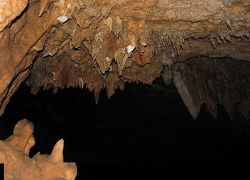
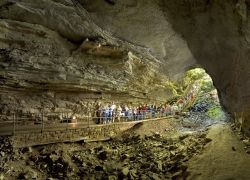
The site consists of rock shelters rather than deep caves, with wide rock overhangs that protected early inhabitants from weather conditions. These shelters are especially valued for their ancient paintings, which are among the oldest known artworks in India.
History of Singhanpur Caves
The history of Singhanpur Caves dates back to the prehistoric period, making them one of the earliest known human habitation sites in India. Archaeological studies suggest that these caves were inhabited by early humans thousands of years ago. The rock paintings found here are believed to belong to the Mesolithic and early historical periods.
These paintings depict scenes of daily life such as hunting, dancing, animals, human figures, and symbolic patterns. The use of natural colors made from minerals and plant materials reflects the creativity and intelligence of early humans. Over centuries, the caves continued to be used by tribal communities for shelter and ritual activities.
Archaeological Importance of Singhanpur Caves
Singhanpur Caves hold immense archaeological importance due to their ancient rock art. Scholars consider these paintings crucial for understanding:
• Early human lifestyle and survival methods
• Development of art and symbolic expression
• Social and cultural practices of prehistoric communities
• Interaction between humans and nature
The caves are often studied alongside other famous rock art sites in central India, highlighting Chhattisgarh’s role in prehistoric history.
Architecture and Structure of Singhanpur Caves
Unlike temple caves carved by human hands, Singhanpur Caves are natural rock shelters formed through geological processes. Their architecture is simple and functional:
• Wide rock overhangs for protection
• Natural stone floors
• Open fronts allowing light and ventilation
• Rock surfaces used as painting canvases
The lack of structural modification emphasizes their use as shelters rather than constructed dwellings. The natural design played a key role in preserving the paintings for thousands of years.
Why Singhanpur Caves, Raigarh Are Famous
Singhanpur Caves are famous mainly for their prehistoric rock paintings. They are well known for:
• One of India’s oldest known rock art sites
• Prehistoric paintings depicting early human life
• Archaeological and historical significance
• Connection to tribal and ancient cultures
These caves are a major attraction for researchers and heritage tourists interested in ancient civilizations.
How to Reach Singhanpur Caves, Raigarh
Singhanpur Caves can be reached easily via Raigarh.
By Air: The nearest airport is Swami Vivekananda Airport, Raipur. From Raipur, travelers can reach Raigarh by road or train.
By Train: Raigarh Railway Station is well connected to major cities on the Howrah–Mumbai route.
By Road: Raigarh is connected by national and state highways. From Raigarh city, local taxis or private vehicles can be hired to reach the caves.
Weather and Best Time to Visit Singhanpur Caves
The climate of Raigarh affects the visiting experience at Singhanpur Caves.
Summer (March to June): Hot weather; visits are best during early morning hours.
Monsoon (July to September): Lush green surroundings, but access paths may be slippery.
Winter (October to February): The best time to visit, with pleasant temperatures and comfortable exploration conditions.
Timings of Singhanpur Caves, Raigarh
Singhanpur Caves are generally open during daylight hours.
Suggested Visiting Time: 8:00 AM to 5:30 PM
Visitors are advised to avoid late evening visits due to limited visibility and forest surroundings.
Entry and Visit Details
There is usually no entry fee for visiting Singhanpur Caves. However, visitors may need permission from local authorities or the archaeology department during research visits. The site has limited tourist facilities, so visitors should plan accordingly.
Things to Do at Singhanpur Caves, Raigarh
Visitors can engage in several educational and leisure activities:
• Observe prehistoric rock paintings closely
• Learn about early human history and archaeology
• Photography of natural and historical features
• Nature walks in surrounding forest areas
• Visit nearby tribal villages to understand local culture
Interesting Facts About Singhanpur Caves
• Singhanpur Caves contain some of the oldest rock paintings in India.
• The paintings were created using natural pigments.
• Scenes depict hunting, animals, and social activities.
• The site proves early human presence in Chhattisgarh.
• The caves are an important subject of archaeological research.
Travel Tips for Visiting Singhanpur Caves, Raigarh
• Wear comfortable shoes suitable for uneven terrain.
• Carry drinking water and basic supplies.
• Avoid touching or damaging rock paintings.
• Visit during daylight hours only.
• Respect the historical and cultural importance of the site.
Important Clarification About “Church of Our Lady, Bruges”
Some content formats mention “Church of Our Lady, Bruges.” This historic church is located in :contentReference[oaicite:2]{index=2} and has no connection with Singhanpur Caves or Raigarh in India. Therefore, information related to the Church of Our Lady, Bruges—such as history, architecture, entry fees, or reasons for fame—does not apply to Singhanpur Caves.
Conclusion
Singhanpur Caves, Raigarh, are a priceless window into India’s prehistoric past. With their ancient rock paintings, natural shelters, and archaeological importance, the caves offer a unique educational and cultural experience. For travelers interested in history, archaeology, and heritage tourism, Singhanpur Caves stand as one of the most remarkable and meaningful destinations in Chhattisgarh.



Raigarh
Raigarh
Raigarh

Raigarh
Raigarh
Raigarh
Raigarh
Raigarh