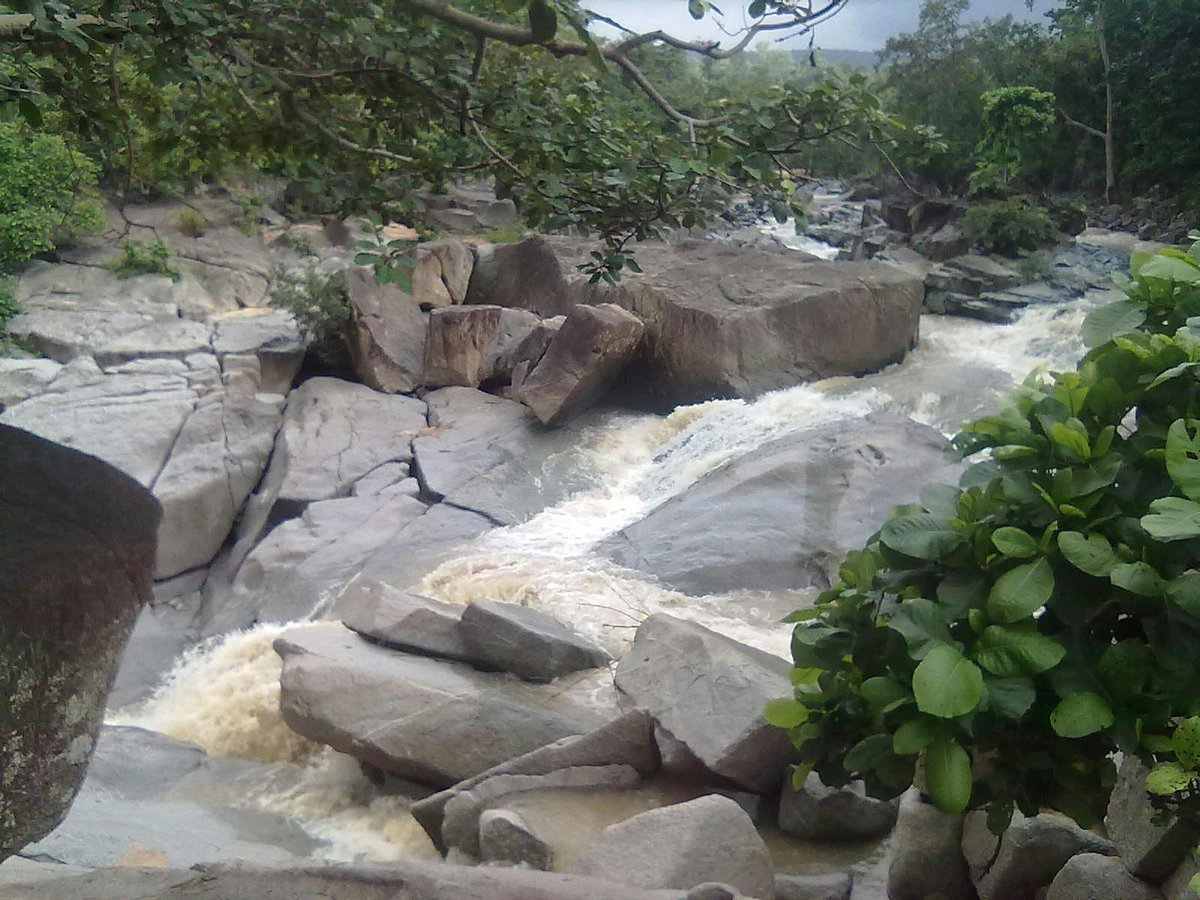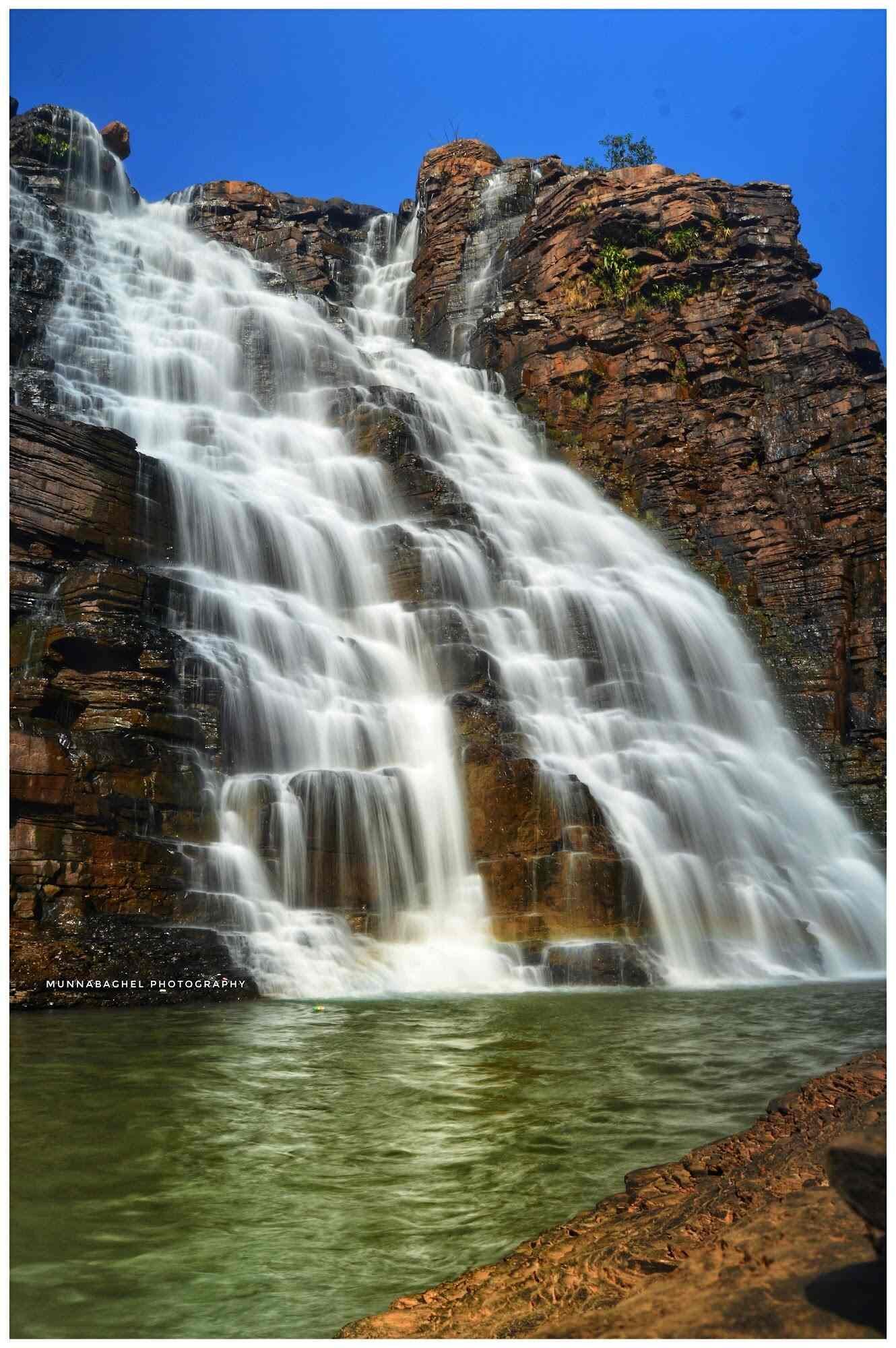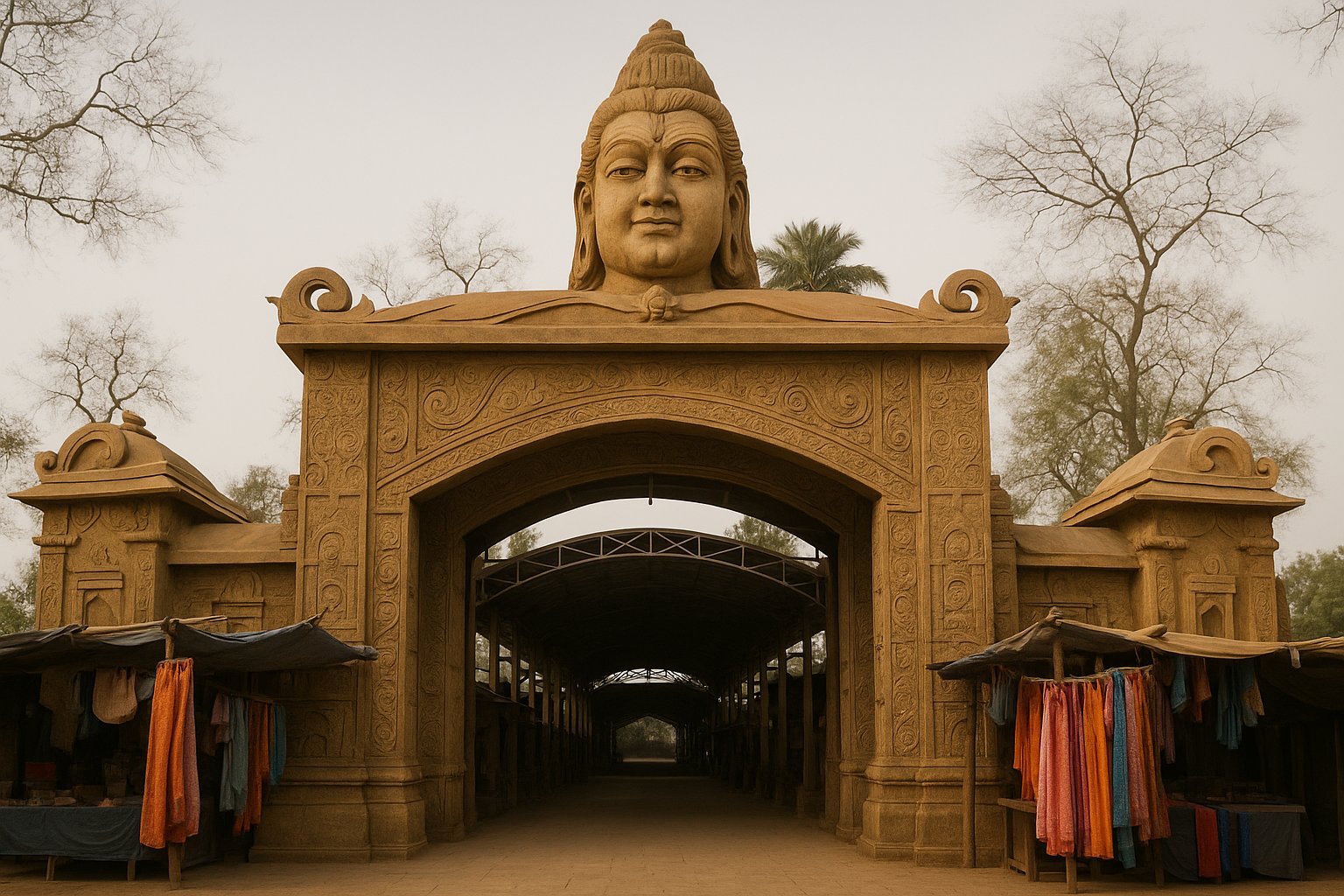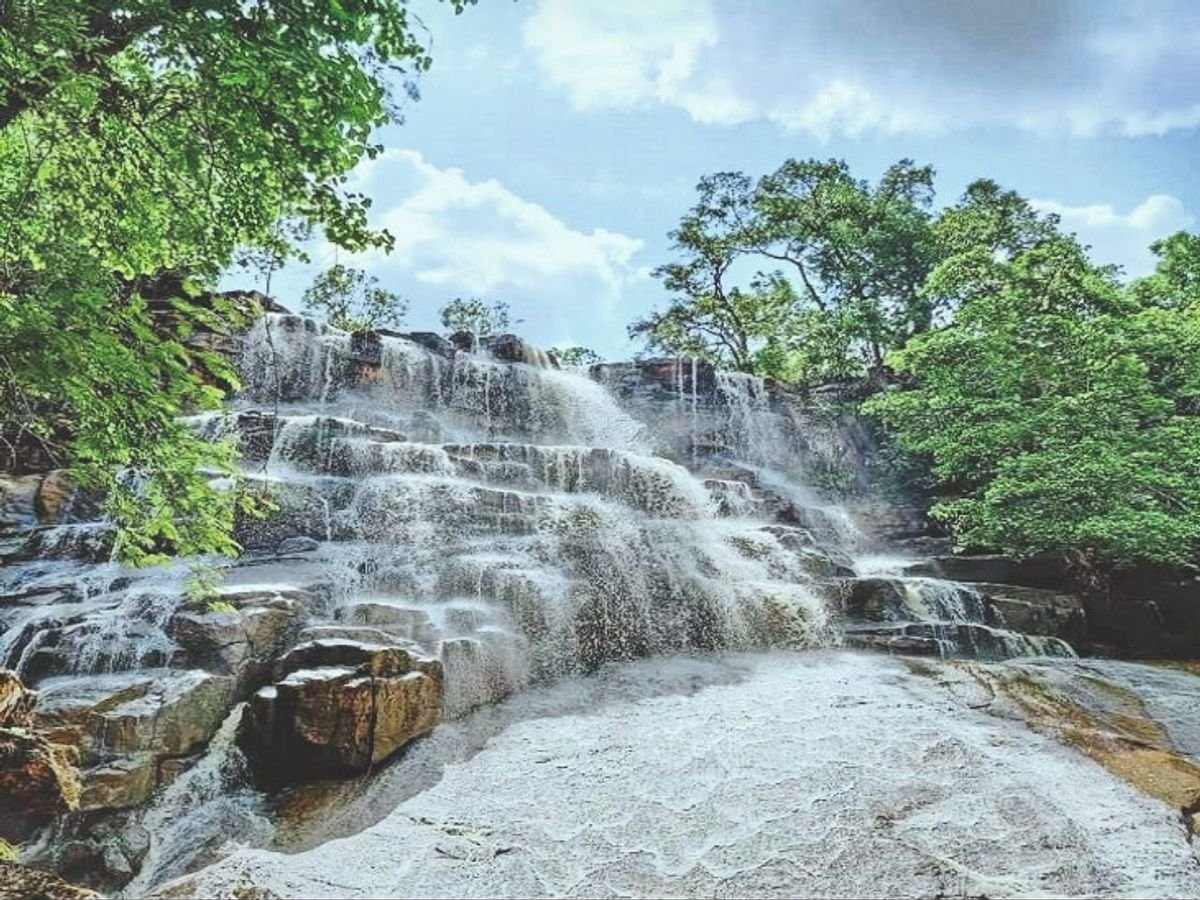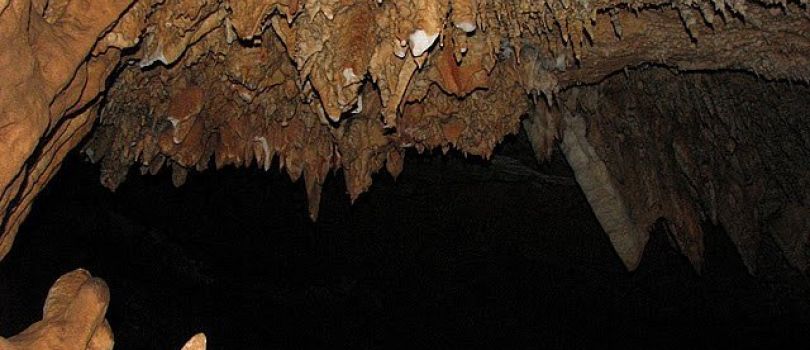
"Discover stunning rock-cut sculptures and history."
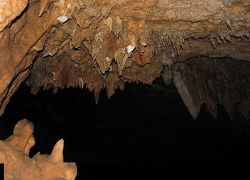
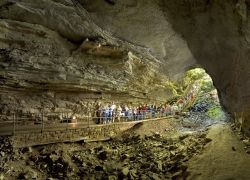
Kailash Caves a culturally rich city known for its royal past, classical music heritage, and tribal traditions. The caves are carved directly into natural rock surfaces and are believed to have been used by sages and monks for meditation and worship. Though modest in size, the caves carry strong religious and historical importance for the local population.
History of Kailash Caves, Raigarh
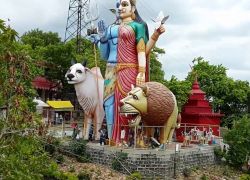
The history of Kailash Caves is believed to date back to the early medieval period. The name “Kailash” refers to Mount Kailash, the sacred abode of Lord Shiva, indicating the caves’ strong association with Shaivism. According to local beliefs and historical interpretations, wandering ascetics once used these caves as shelters and meditation spaces.
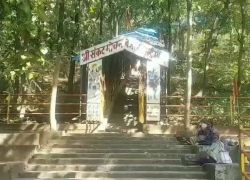
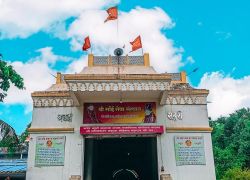
Over centuries, the caves became a spiritually respected site for nearby villages. Unlike grand cave complexes developed under royal patronage, Kailash Caves evolved as a simple spiritual retreat. Natural weathering and time have altered some sections, but the caves still preserve their ancient character and religious significance.
Architecture of Kailash Caves
The architectural style of Kailash Caves reflects simplicity and devotion. The caves are entirely rock-cut, created by manually carving into stone using traditional tools. Inside the caves, visitors can notice:
• Small sanctum-like chambers
• Rough stone walls and ceilings
• Natural rock pillars and niches
• Minimal decorative elements
The design focuses more on meditation and spiritual isolation rather than artistic ornamentation. This austere architecture highlights the ascetic lifestyle of the sages who once lived here.
Why Kailash Caves, Raigarh Are Famous
Kailash Caves are famous mainly for their spiritual importance and peaceful surroundings. They are known for:
• Association with Lord Shiva and Shaivism
• Ancient rock-cut cave structures
• Calm and natural environment
• Cultural and religious value in Raigarh region
For heritage travelers and spiritual seekers, Kailash Caves offer a meaningful and serene experience.
How to Reach Kailash Caves, Raigarh
Raigarh is well connected to major cities, making Kailash Caves accessible by different modes of transport.
By Air: The nearest airport is Swami Vivekananda Airport, Raipur. From Raipur, Raigarh can be reached by train or road.
By Train: Raigarh Railway Station lies on the Howrah–Mumbai rail route and has frequent trains from major Indian cities.
By Road: State highways and national highways connect Raigarh with nearby towns. Local taxis or auto-rickshaws can be used to reach the caves from the city.
Weather and Best Time to Visit Kailash Caves
Raigarh experiences a tropical climate throughout the year.
Summer (March to June): Hot and dry, not ideal for long outdoor visits.
Monsoon (July to September): Green and scenic surroundings, but slippery paths require caution.
Winter (October to February): The best time to visit, with pleasant weather suitable for sightseeing.
Timings of Kailash Caves, Raigarh
Kailash Caves are generally open from morning to evening.
Suggested Timings: 8:00 AM to 5:30 PM
Timings may vary slightly during local festivals or special occasions.
Entry and Visit Details
There is usually no entry fee for visiting Kailash Caves. Visitors are advised to maintain cleanliness and respect the religious nature of the site. There are limited facilities, so carrying basic necessities like water is recommended.
Things to Do at Kailash Caves, Raigarh
Visitors can enjoy several activities during their visit:
• Explore ancient cave interiors
• Enjoy photography of rock formations and landscapes
• Spend time in meditation and quiet reflection
• Learn local legends from nearby villagers
• Visit other cultural attractions in Raigarh
Interesting Facts About Kailash Caves
• The caves are named after Mount Kailash, Lord Shiva’s mythical home.
• They were likely used by sages for meditation centuries ago.
• The site remains largely unexplored by mass tourism.
• Natural surroundings enhance the spiritual atmosphere.
• The caves reflect early rock-cut traditions of central India.
Travel Tips for Visiting Kailash Caves, Raigarh
• Wear comfortable shoes suitable for rocky terrain.
• Carry drinking water and light snacks.
• Visit during daylight hours for safety.
• Respect local beliefs and avoid loud behavior.
• Avoid visiting during extreme summer heat.
Important Clarification About “Church of Our Lady, Bruges”
Some travel content templates mention “Church of Our Lady, Bruges.” This monument is actually located in :contentReference[oaicite:2]{index=2} and is not connected to Kailash Caves or Raigarh in India. Therefore, details such as history, architecture, entry fees, or reasons for fame related to the Church of Our Lady, Bruges, do not apply to Kailash Caves, Raigarh. Visitors exploring Raigarh will mainly find Hindu temples, caves, and regional heritage sites rather than European churches.
Conclusion
Kailash Caves, Raigarh, offer a peaceful journey into India’s ancient spiritual and architectural heritage. Though simple in design, the caves hold deep religious meaning and historical value. For travelers seeking quiet, culturally rich, and less-commercialized destinations in Chhattisgarh, Kailash Caves are a rewarding place to explore and experience.



Raigarh
Raigarh
Raigarh
Raigarh
Raigarh
Raigarh

Raigarh