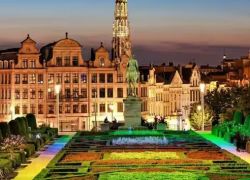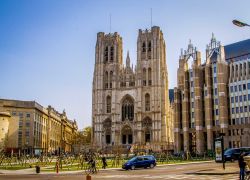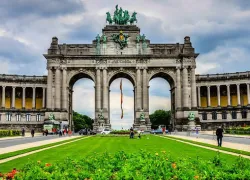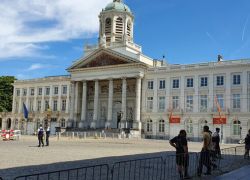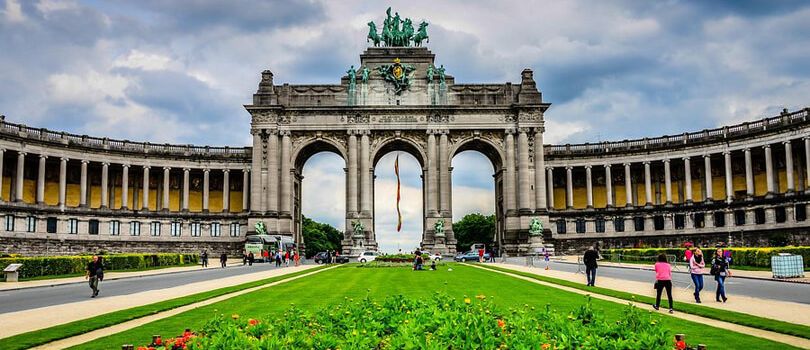
"Stroll through historical gardens and monuments."
Parc du Cinquantenaire (Cinquantenaire Park) is one of the most beautiful and historically significant green spaces in Brussels. Located in the eastern part of the city, the park was created in the late 19th century to celebrate the 50th anniversary of Belgium's independence. The park is renowned for its wide-open spaces, grand architecture, and a variety of museums and cultural institutions that call it home. It’s a perfect spot for both locals and tourists to relax, explore, and enjoy outdoor activities, all while being surrounded by impressive historical landmarks.
How to Reach Parc du Cinquantenaire
Parc du Cinquantenaire is easily accessible by public transport from anywhere in Brussels. If you’re traveling by metro, the closest station to the park is "Merode" on Line 5. From here, you can easily walk to the park's entrance. If you're traveling by bus, several lines pass near the park, including buses 27, 36, and 80. Additionally, it’s a short taxi ride or a pleasant walk from the European Quarter, where many key institutions like the European Parliament are located. If you prefer to walk, Parc du Cinquantenaire is only about a 20-minute walk from the city center or Brussels Central Station.
Weather in Brussels
Brussels experiences a temperate maritime climate, which means it has mild winters and relatively cool summers. Winter temperatures often hover around 0°C to 5°C (32°F to 41°F), while summer temperatures typically range between 15°C and 25°C (59°F to 77°F). Rain is frequent throughout the year, so visitors should come prepared with an umbrella or raincoat, especially during the spring and autumn months. The best time to visit Parc du Cinquantenaire is between late spring and early autumn (May to September), when the weather is pleasant for outdoor activities and picnics in the park.
Why Parc du Cinquantenaire is Famous
Parc du Cinquantenaire is famous for both its size and historical significance. The park was designed in the late 19th century to commemorate the 50th anniversary of Belgium's independence in 1880. The centerpiece of the park is the triumphal arch, which stands as a symbol of Belgian pride and national unity. The park is also home to several important museums, including the Royal Museum of the Armed Forces and Military History, the Autoworld Museum, and the Art & History Museum. Its large green spaces, walking paths, fountains, and beautiful gardens make it an iconic site in Brussels, attracting both history lovers and nature enthusiasts alike.
Things to Do at Parc du Cinquantenaire
There are many things to see and do at Parc du Cinquantenaire. You can start by visiting the grand **Cinquantenaire Arch**, which stands at the entrance of the park. This majestic structure is a symbol of Belgian heritage and offers great photo opportunities. The park is home to three major museums: the **Royal Museum of the Armed Forces and Military History**, the **Autoworld Museum** (dedicated to the history of automobiles), and the **Art & History Museum**, which displays an impressive collection of artifacts from across the world.
If you're looking to relax, the park offers plenty of green space, gardens, and fountains to explore. You can also enjoy a leisurely stroll around the park's ponds or have a picnic in the open air. For sports enthusiasts, the park has basketball courts and a large open space that can be used for various outdoor activities. On certain days, the park hosts cultural events, concerts, and exhibitions, making it a vibrant hub for both tourists and locals.
Facts and Tips About Parc du Cinquantenaire
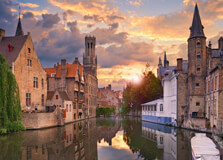
Church of Our Lady, Bruges
The Church of Our Lady (Onze-Lieve-Vrouwekerk) is one of the most important and iconic landmarks in Bruges. Located in the city center, this stunning Gothic church is famous for its impressive brick spire, which reaches a height of 122 meters (400 feet), making it one of the tallest brick structures in the world. The church is also home to several important works of art, including the famous Madonna and Child sculpture by Michelangelo.
How to Reach Church of Our Lady from Brussels
To reach the Church of Our Lady from Brussels, you can take a direct train from Brussels Central Station to Bruges. The journey takes about 1 hour. Once you arrive at the Bruges train station, the church is just a short 10-minute walk away. Bruges is a very pedestrian-friendly city, so you’ll have no trouble finding your way to the church while enjoying the scenic beauty of this medieval town.
Weather in Bruges
Bruges experiences a temperate climate similar to Brussels, with cool winters and mild summers. Winter temperatures generally range from 0°C to 5°C (32°F to 41°F), while summers tend to hover between 15°C and 25°C (59°F-77°F). The best time to visit Bruges is between May and September, when the weather is pleasant and ideal for walking through the city’s cobbled streets and along its canals.
Why Church of Our Lady is Famous
The Church of Our Lady is famous for housing Michelangelo’s Madonna and Child, one of the few sculptures by the artist located outside of Italy. The church’s Gothic architecture and towering brick spire make it a striking landmark in Bruges. The church is also known for its beautiful stained-glass windows and impressive collection of religious artwork, including paintings by Hans Memling. Additionally, it is a significant site for Bruges’ religious history, serving as the burial place of several influential figures from the city’s past.
Entry and Visit Details About Church of Our Lady
The Church of Our Lady is open to visitors daily, with an entrance fee of approximately €6. The church is free to visit during religious services, but visitors should be respectful of any ongoing masses. There are also guided tours available, which offer deeper insight into the history, art, and significance of the church. It is a popular tourist destination, so it’s a good idea to check the opening hours in advance, particularly around major religious holidays or events.
History and Architecture of Church of Our Lady
The Church of Our Lady was built between the 13th and 15th centuries in the Gothic architectural style. Its most famous feature is its towering brick spire, which reaches an impressive 122 meters (400 feet) in height. Inside, the church houses several important works of art, including Michelangelo’s Madonna and Child, as well as other sculptures and paintings. The church also serves as the burial site for members of Bruges' noble families. The combination of stunning architecture and priceless artworks makes it one of Bruges' most visited landmarks.
Things to Do at Church of Our Lady
When visiting the Church of Our Lady, be sure to see Michelangelo's Madonna and Child, one of the most famous sculptures in the world. You can also explore the church’s crypt, which contains the tombs of many prominent figures from Bruges’ history. The beautiful stained glass windows and the peaceful atmosphere inside the church make it a great place for reflection and photography.
Facts and Tips About Church of Our Lady