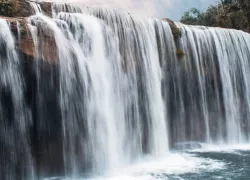
Kakochang Waterfalls, nestled in the heart of Kaziranga National Park in Assam, is one of the most picturesque and lesser-known attractions in the region. Located near the town of Bokakhat, the waterfall offers a serene escape from the bustling world. Surrounded by lush greenery and dense forests, Kakochang Waterfalls is a hidden gem that is perfect for nature lovers, photographers, and anyone looking to enjoy the natural beauty of Assam. How to Reach Kakochang Waterfalls Reaching Kakochang Waterfalls is relatively easy, though it requires some travel through rural roads and jungle terrain. Here’s how to get there: By Air: The nearest airport to Kaziranga is Jorhat Airport, around 70 km away. From there, you can hire a taxi or rent a vehicle to reach Kakochang Waterfalls. By Train: The nearest railway station is Furkating, about 50 km from Kaziranga. You can take a taxi or hire a vehicle from the station to the waterfalls. By Road: Kaziranga is well-connected by road, and Kakochang Waterfalls is a short drive from the main Kaziranga town. From Kaziranga, you can take a 20–30-minute drive to reach the falls. The route to the waterfall is scenic, passing through lush tea gardens and rural Assamese villages. Weather and Best Time to Visit Kakochang Waterfalls The weather around Kakochang Waterfalls is typical of a tropical climate, and it is best to visit during certain seasons: Summer (March to May): The temperatures can rise to 35°C, but the waterfall’s fresh water provides a cool and refreshing experience during the hot months. Monsoon (June to September): The monsoon season is when Kakochang Waterfalls is at its fullest, with the water gushing down in full force. However, heavy rainfall can make the roads slippery and challenging for travel, so it’s advisable to check weather conditions before visiting. Winter (November to February): This is the most favorable time to visit. The weather is cooler, around 10–25°C, and the surrounding forests are lush and vibrant, making for perfect hiking and sightseeing conditions. Why Kakochang Waterfalls is Famous Kakochang Waterfalls is famous for its stunning natural beauty. The waterfall is approximately 20 meters high and cascades down into a natural pool, surrounded by dense forests and lush greenery. The sound of the water flowing through the rocks creates a soothing ambiance, perfect for relaxation and meditation. The waterfall is not as commercialized as other tourist spots, which means it remains peaceful and less crowded. This tranquil setting makes it an ideal spot for photography, picnics, and nature walks. Entry and Visit Details Unlike other major tourist spots, Kakochang Waterfalls does not have a strict entry fee or dedicated entry gate. However, visitors should note the following: Best Time for Visits: It is best to visit the waterfall during daylight hours as the route to the falls is through jungle terrain. Carry proper footwear for walking and a guide if you are unfamiliar with the path. Safety: The area around the waterfall can be slippery, so be cautious when walking near the water or while trekking around the falls. Parking: There is no formal parking area at the site, but parking spaces are available nearby where vehicles can be safely left before trekking to the falls. Things to Do at Kakochang Waterfalls While Kakochang Waterfalls is a serene and peaceful destination, there are several activities you can enjoy while visiting: Trekking: The path leading to the waterfall is a great trekking route. It allows you to enjoy the scenic beauty of the forests, bamboo groves, and tea estates surrounding the area. Photography: The lush greenery, the cascading water, and the surrounding natural beauty make this a fantastic location for photography enthusiasts. Capture the waterfall from different angles and light conditions for the best shots. Picnics: The area around the waterfall is perfect for a picnic. Carry some food and enjoy a peaceful time near the water with friends and family. Nature Walks: The surrounding forest area is home to diverse flora and fauna. Enjoy nature walks and birdwatching around the falls for a peaceful experience in the lap of nature. Facts and Tips About Kakochang Waterfalls The waterfall is located within the proximity of Kaziranga National Park, which is known for its rich biodiversity. It is one of the hidden treasures of Kaziranga, offering a less commercialized and tranquil experience compared to other popular tourist attractions in Assam. Visitors are advised to wear sturdy shoes and carry water and snacks, as there are no facilities near the falls. The monsoon season brings an incredible volume of water to the falls, making it the most dramatic time to visit, though caution is needed due to slippery conditions. Ensure to carry a guide if you are unfamiliar with the terrain as the route to the falls can be challenging for first-timers. Church of Our Lady, Bruges The Church of Our Lady, located in Bruges, Belgium, is famous for its historical and architectural beauty. The church is renowned for housing a sculpture by the famous artist Michelangelo. Though not connected to Kakochang Waterfalls or Kaziranga, it’s known for its cultural significance and beautiful Gothic architecture. If you are also planning to visit Europe, it is a must-see location for art and architecture lovers. Conclusion Kakochang Waterfalls is a breathtaking natural wonder in the heart of Kaziranga National Park. With its scenic beauty, peaceful atmosphere, and excellent opportunities for photography and adventure, it offers an ideal escape from the busy tourist spots. Whether you're an adventurer, a photographer, or someone seeking serenity, Kakochang Waterfalls will leave you mesmerized by its charm and tranquility.
Explore More
The Brahmaputra River, one of the largest and most mighty rivers in the world, flows majestically through the Kaziranga National Park in Assam, India. The riverbank offers a unique and serene experience for travelers who are interested in exploring the natural beauty of the region. The river plays a crucial role in the ecosystem of Kaziranga, supporting diverse flora and fauna. The Brahmaputra River Bank in Kaziranga provides a tranquil setting, perfect for nature lovers, birdwatchers, and anyone looking to escape into the peaceful wilderness. How to Reach Brahmaputra River Bank, Kaziranga Reaching the Brahmaputra River Bank is easy, especially if you're already visiting Kaziranga National Park. Here’s how to get there: By Air: The nearest airport is Jorhat Airport, around 70 km from Kaziranga. Alternatively, Guwahati International Airport is about 193 km away, and from there, you can hire a taxi or take a bus to Kaziranga. By Train: The nearest railway station is Furkating Junction, which is approximately 50 km away. From there, you can take a taxi to the riverbank or other nearby areas in Kaziranga. By Road: Kaziranga is well-connected by road, and the Brahmaputra River Bank can be reached by a short drive from the main Kaziranga town. The drive offers scenic views of the river and surrounding landscapes, making it a relaxing journey. Weather and Best Time to Visit Brahmaputra River Bank The weather around the Brahmaputra River Bank is typical of Assam’s tropical climate. Here’s what to expect: Summer (March to May): The temperature in Kaziranga ranges from 25°C to 35°C during summer. Although it can be warm, visiting the riverbank is pleasant as the cool waters of the Brahmaputra offer relief from the heat. Monsoon (June to September): The monsoon season brings heavy rainfall, and the river swells, making the surrounding areas more lush and green. However, the rains can also make travel difficult, so it’s best to check the weather before planning your visit. Winter (November to February): Winter is the best time to visit Brahmaputra River Bank. The weather is cooler (10°C to 25°C), and the river and surrounding areas look most beautiful, making it ideal for outdoor activities like birdwatching and photography. Why Brahmaputra River Bank is Famous The Brahmaputra River is an iconic feature of the Kaziranga landscape, and its riverbank is famous for its natural beauty and biodiversity. The river is home to a rich variety of wildlife, including freshwater dolphins and several bird species. The riverbank is a haven for birdwatchers, and its peaceful setting offers opportunities for boating, photography, and relaxation. The river also plays an essential role in the ecosystem of Kaziranga National Park by supporting both aquatic and terrestrial wildlife. Entry and Visit Details Visiting the Brahmaputra River Bank is an enjoyable experience. Here’s everything you need to know: Entry Fees: There is no specific entry fee to visit the Brahmaputra River Bank. However, you may need to pay a small fee if you plan to take a boat ride or engage in other guided activities. Visiting Hours: The riverbank can be visited during the day, from early morning to late afternoon. Early mornings are ideal for birdwatching, as the river comes alive with various species of birds. Boat Rides: One of the most popular activities at the Brahmaputra River Bank is taking a boat ride. Several local operators offer boat rides along the river, providing you with the opportunity to see the river’s wildlife, such as river dolphins, migratory birds, and more. The boat rides also offer a scenic view of the lush surroundings and the nearby Kaziranga landscape. Safety: Always follow safety guidelines while taking boat rides, especially during the monsoon season when the water levels may be higher. Be sure to wear a life jacket and follow the guide’s instructions during your trip. Things to Do at Brahmaputra River Bank, Kaziranga There are several things you can do during your visit to the Brahmaputra River Bank: Boat Ride: Take a leisurely boat ride on the Brahmaputra River and enjoy the serenity of the water, watch river dolphins, and spot migratory and local bird species. Birdwatching: The river and its banks are home to a rich variety of bird species, including the endangered Bengal florican. Birdwatching is one of the top activities, especially in the winter months when migratory birds arrive. Photography: The riverbank offers some spectacular views, making it an excellent place for nature photography. Capture the beauty of the river, the surrounding forests, and the diverse wildlife. Relaxation: For those who simply want to unwind, the Brahmaputra River Bank offers a peaceful retreat. Spend some time relaxing by the water, enjoying the quietude of the river’s flow and the sounds of nature. Facts and Tips About Brahmaputra River Bank, Kaziranga The Brahmaputra River is one of the largest rivers in the world, stretching over 2,900 km from Tibet through India and Bangladesh. Kaziranga’s riverbanks play a vital role in maintaining the biodiversity of the region. The river helps sustain both terrestrial and aquatic life in the park. Boat rides are a must-do activity, but be sure to hire experienced guides who know the river well, especially if you are unfamiliar with the area. Wear comfortable footwear and bring sun protection, especially if you plan to walk along the riverbank or take boat rides. Winter is the best time to visit, as the cooler temperatures offer a more comfortable experience, and the wildlife sightings are at their peak during this time. Church of Our Lady, Bruges The Church of Our Lady, located in Bruges, Belgium, is famous for its historical and architectural significance. It is renowned for the Madonna and Child sculpture by Michelangelo, one of the finest works of Renaissance art. Though it is not related to the Brahmaputra River or Kaziranga, the Church of Our Lady is an important landmark in Bruges, offering a glimpse into European art and culture. The church is an architectural marvel, with its striking Gothic spires and tranquil interiors. Conclusion The Brahmaputra River Bank in Kaziranga is a truly unique destination that offers an unforgettable experience for nature lovers and adventure seekers. Whether you’re interested in boating, birdwatching, or simply enjoying the tranquil surroundings, the riverbank provides a perfect escape from the hustle and bustle of everyday life. Surrounded by the natural beauty of Kaziranga National Park, the Brahmaputra River is a must-visit location for those looking to experience the serene side of Assam’s wilderness.
Explore More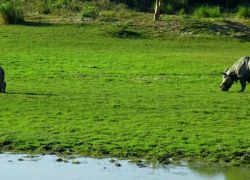
Panbari Reserve Forest, located in the heart of Kaziranga National Park in Assam, India, is an integral part of the park's ecosystem. The forest is known for its rich biodiversity and dense vegetation, offering an opportunity to experience the wilderness of Assam away from the more tourist-heavy areas of the park. A haven for wildlife enthusiasts and nature lovers, the Panbari Reserve Forest is home to various species of flora and fauna, including elephants, tigers, and a wide variety of birds. The forest is also a key area for wildlife conservation and plays a significant role in maintaining the ecological balance of Kaziranga. How to Reach Panbari Reserve Forest, Kaziranga Reaching Panbari Reserve Forest is relatively easy if you’re already visiting Kaziranga National Park. Here’s how to get there: By Air: The nearest airport to Kaziranga is Jorhat Airport, located around 70 km away. Alternatively, Guwahati International Airport is about 193 km from the park, and you can hire a taxi or take a bus to Kaziranga from there. By Train: The nearest railway station is Furkating Junction, approximately 50 km from Kaziranga. From Furkating, you can hire a taxi or take a local bus to reach the Panbari Reserve Forest. By Road: Kaziranga is well-connected by road, and the Panbari Reserve Forest is a short drive from the central area of Kaziranga National Park. You can hire a local vehicle or take a guided tour to reach the forest. Weather and Best Time to Visit Panbari Reserve Forest The weather in the Panbari Reserve Forest varies throughout the year, with distinct seasons offering different experiences: Summer (March to May): The temperatures during the summer range from 25°C to 35°C. Although it can get hot, the early mornings and evenings are more comfortable for exploring the forest. Monsoon (June to September): The monsoon season brings heavy rainfall to the area, making the forest lush and green. However, it can also cause flooding and muddy paths, making it harder to explore the area. It is advisable to check the weather before visiting during this season. Winter (November to February): Winter is the best time to visit Panbari Reserve Forest. The weather is cool and pleasant, with temperatures ranging from 10°C to 25°C. This is also the peak season for wildlife sightings, as animals are more active and visible during this time. Why Panbari Reserve Forest is Famous Panbari Reserve Forest is famous for being one of the least disturbed and most ecologically diverse regions within Kaziranga National Park. The forest is home to various species of wildlife, including the one-horned rhinoceros, tigers, elephants, and leopards. It is a crucial habitat for several endangered species, making it an essential part of the park’s conservation efforts. The forest's dense vegetation and remote location provide an authentic wilderness experience, offering wildlife enthusiasts the chance to see animals in their natural habitat. Entry and Visit Details Visiting the Panbari Reserve Forest requires a bit of planning. Here’s what you need to know: Entry Fees: The Panbari Reserve Forest is part of Kaziranga National Park, so you will need to pay the standard entry fees to access the park. Special permits are required for visiting certain areas of the forest, so it’s best to arrange your visit through an official guide or tour operator. Visiting Hours: The forest is open to visitors from 6:00 AM to 5:00 PM, with the best time to explore being early in the morning or late afternoon when animals are most active. Guided Tours: It is highly recommended to visit Panbari Reserve Forest with a guide, as the forest is dense and can be difficult to navigate. Local guides are knowledgeable about the wildlife and the best spots for sightings. Wildlife Safaris: You can explore the Panbari Reserve Forest through jeep or elephant safaris. Elephant safaris are particularly popular for exploring the dense forest and spotting wildlife up close. Things to Do at Panbari Reserve Forest There are several activities you can enjoy during your visit to the Panbari Reserve Forest: Wildlife Safaris: Take a jeep or elephant safari through the forest. The forest is home to a wide range of wildlife, including rhinos, tigers, elephants, wild buffaloes, and leopards. Bird Watching: Panbari Reserve Forest is a haven for birdwatchers, with a wide variety of resident and migratory birds. Spotting rare species like the Bengal florican is a highlight for many visitors. Photography: The dense forest and abundant wildlife provide excellent opportunities for nature and wildlife photography. Capture the majestic animals in their natural habitat and the vibrant beauty of the forest. Nature Walks: Explore the serene beauty of the forest on a guided nature walk. Learn about the local flora, fauna, and the important role the forest plays in the region’s ecosystem. Facts and Tips About Panbari Reserve Forest Panbari Reserve Forest is part of the larger Kaziranga National Park, which is a UNESCO World Heritage Site known for its population of one-horned rhinoceroses. The forest is home to a rich variety of wildlife, including elephants, tigers, leopards, deer, and various bird species. Visiting Panbari requires special permits, so make sure to plan ahead and book your safari through an authorized operator. While exploring the forest, wear comfortable walking shoes and carry water, especially during the hotter months, as you may have to trek for some distance. Always follow the instructions of your guide, especially if you’re on an elephant or jeep safari, to ensure your safety and minimize disturbance to the animals. Church of Our Lady, Bruges The Church of Our Lady in Bruges, Belgium, is a famous Gothic church known for its magnificent architecture and the Madonna and Child sculpture by Michelangelo. While it is not related to Kaziranga or Panbari Reserve Forest, the church is an important cultural and historical landmark in Europe. Its intricate design, stunning art, and peaceful atmosphere make it a must-visit for history and architecture enthusiasts. Conclusion Panbari Reserve Forest is a must-visit destination for wildlife lovers, nature enthusiasts, and anyone seeking to experience the untamed beauty of Assam. Its dense vegetation, diverse wildlife, and serene atmosphere make it an unforgettable part of Kaziranga National Park. Whether you’re taking a safari, birdwatching, or simply enjoying a nature walk, the Panbari Reserve Forest provides a unique and authentic wilderness experience that highlights the importance of conservation and the need to protect our natural heritage.
Explore More
Guwahati Planetarium is a famous tourist destination in Guwahati. It is an astronomical institute and planetarium that serves as a huge crowd puller in the city. It is the best place in the city for the space enthusiasts that love exploring the celestial bodies. Tourists and students visit this place on a huge scale to enhance their knowledge about the solar system and the entire universe.It Is Known For:- Guwahati Planetarium is an amazing astronomical research center- It is installed with the instruments like telescopes and projectors manufactured by GoTo, a Japan-based company. These instruments provide an ease for projecting movies and observing the celestial bodies- The huge dome of the planetarium serves as the screen for projecting the movies- The seminars and exhibitions are also organized by the planetarium authorities for the astronomy fraternity and locals- Special arrangements are made for the visitors that visit to witness a celestial event like an eclipse or a meteor shower closely- It has a library where you can find a vast collection of books based on astronomyBest Time To VisitGuwahati Planetarium never leaves a chance to attract and impress visitors. People, especially students, are seen here every day as movies are projected on a daily basis. Apart from this, the best time for visiting Guwahati Planetarium is during an eclipse. The management makes apt arrangements to witness such wonderful events.Watch Out!Guwahati Planetarium has certain rules that should be followed. No one is permitted to touch any model of the solar system and other planets. The cell phones should be on the silent/vibration mode, especially during seminars.Nearest Railway Station - Guwahati Railway StationNearest Airport - Guwahati International Airport
Explore More
Nehru Park in Guwahati is a must-visit tourist site in the city of Guwahati (Assam). This park bears the name of the first PM of India, Lt. Pt. Jawaharlal Nehru. Calling it nature’s painting wouldn’t be wrong because it is blessed with the lush green surroundings in plenty. The huge lawn of the manicured grass bordered by the tall trees is an amazing sight. It Is Known For:- 1) Nehru Park is installed with 45 concrete statues carved beautifully 2) The concrete statues depict the Assamese dance forms like Bihu, Deodhani, Ojapali, Bor Tal, Jhumur etc. 3) The park has an open-air theatre and rock garden. The waste material was collected and utilized for establishing the rock garden 4) A musical fountain is installed in the park. Every evening, melodies are played to which the fountain changes its flow Best Time To Visit:- Guwahati Nehru Park is a famous site and people visit this place frequently. Any day is apt for visiting this wonderful destination in Guwahati. It has a well-paved jogging track that increases the comfort of walking & jogging. You need to pay a short sum of fee for entering Guwahati Nehru Park. There is a different minimal charge for the kids and adults. Watch Out! Guwahati Nehru Park is a favorite recreational site for the students. Since it lies near renowned educational institutions, you can see many students spending a good quality time. If you want then souvenirs can be purchased at a pocket-friendly price. Nearest Railway Station - Guwahati Railway Station Nearest Airport - Guwahati International Airport
Explore More
Urpad Beel is one of the largest and most beautiful freshwater wetlands in Lower Assam, located in the Goalpara district. Surrounded by greenery, open skies, and rural landscapes, Urpad Beel is a vital ecological zone and an important natural attraction of Assam. Known for its rich biodiversity, calm environment, and scenic beauty, the beel (wetland) plays a significant role in the lives of local communities while also attracting nature lovers, birdwatchers, and travelers looking for peaceful destinations away from crowded tourist places. Why Urpad Beel is Famous in Goalpara, Assam Urpad Beel is famous for its vast spread, rich aquatic life, and seasonal presence of migratory birds. It is considered one of the most important wetlands in Assam after Deepor Beel. During winter, the beel becomes a paradise for birdwatchers as various migratory birds arrive from distant regions. The wetland is also well known for fishing activities, scenic sunsets, and its role in maintaining the ecological balance of the region. Its natural beauty and biodiversity make Urpad Beel a major tourist attraction in Goalpara. History of Urpad Beel The history of Urpad Beel is closely connected with the natural evolution of the Brahmaputra river system. Over centuries, shifting river channels, floods, and sediment deposition led to the formation of large wetlands in Lower Assam, including Urpad Beel. The beel has existed for generations and has been an essential source of livelihood for nearby villages. Traditionally, Urpad Beel has supported fishing, agriculture, and water-based activities. Local folklore and community traditions highlight its importance as a life-sustaining water body. In recent times, environmentalists and government authorities have recognized Urpad Beel as an ecologically sensitive area due to its role in flood control, groundwater recharge, and wildlife conservation. Natural Landscape and Environmental Features Urpad Beel is not known for man-made architecture; its beauty lies entirely in its natural landscape. The wetland covers a vast area that expands during the monsoon season and shrinks slightly in winter. The beel is surrounded by grasslands, small water channels, and agricultural fields, creating a picturesque rural setting. The wetland supports a wide variety of aquatic plants, fish species, amphibians, and birds. The calm water surface reflects the sky and surrounding greenery, offering stunning views especially during sunrise and sunset. The natural environment makes Urpad Beel an ideal place for eco-tourism and nature photography. How to Reach Urpad Beel, Goalpara, Assam Urpad Beel is easily accessible from Goalpara town and nearby areas. By Road: Goalpara town is well connected by road to Guwahati and other districts of Assam. Urpad Beel is located about 20–25 km from Goalpara town. Taxis, private vehicles, and local transport can be used to reach the wetland. By Rail: Goalpara Town Railway Station is the nearest railway station. From the station, visitors can hire taxis or local vehicles to reach Urpad Beel. By Air: Lokpriya Gopinath Bordoloi International Airport in Guwahati is the nearest airport, approximately 130–140 km away. From Guwahati, visitors can travel by road or train to Goalpara. Weather and Best Time to Visit Urpad Beel The experience of visiting Urpad Beel varies with the seasons. Summer (March to June): Summers are warm and humid, with temperatures ranging between 25°C and 35°C. The water level remains moderate, and mornings are pleasant. Monsoon (July to September): Monsoon season fills the beel to its maximum capacity, making it lush and vibrant. However, heavy rainfall may make travel difficult. Winter (October to February): Winter is the best time to visit Urpad Beel. The weather is cool and comfortable, and migratory birds can be seen in large numbers. Timings of Urpad Beel Urpad Beel is an open natural wetland and does not have fixed visiting hours. Visitors can explore the area during daylight hours. Early morning and late afternoon visits are ideal for birdwatching and photography. Entry and Visit Details of Urpad Beel There is no entry fee to visit Urpad Beel. As it is not a developed tourist complex, visitors are expected to maintain cleanliness and respect the natural ecosystem. Guided tours are usually not available, but local fishermen and villagers can share valuable insights about the beel. Things to Do at Urpad Beel Birdwatching: Observe migratory and local bird species, especially during winter. Nature Photography: Capture scenic views, birds, and reflections on the water. Fishing Observation: Learn about traditional fishing techniques used by local communities. Nature Walks: Walk around the beel and enjoy the calm environment. Sunrise and Sunset Views: Enjoy breathtaking views of the sky over the wetland. Interesting Facts about Urpad Beel Urpad Beel is one of the largest wetlands in Lower Assam. It supports a wide variety of fish species and aquatic plants. The beel attracts migratory birds during winter. It plays an important role in flood control and water management. Local communities depend on the beel for livelihood. Travel Tips for Visiting Urpad Beel Visit during winter for birdwatching. Carry binoculars and a camera. Wear comfortable footwear suitable for rural terrain. Avoid littering and disturbing wildlife. Respect local customs and fishing activities. Conclusion Urpad Beel in Goalpara, Assam, is a hidden natural gem that showcases the beauty and ecological richness of Assam’s wetlands. With its vast waters, birdlife, and peaceful surroundings, the beel offers a refreshing escape into nature. Whether you are a bird lover, photographer, or traveler seeking calm and scenic landscapes, Urpad Beel provides a meaningful and memorable experience while highlighting the importance of wetland conservation in Assam.
Explore More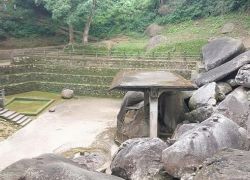
Dadan Hill is a scenic and culturally significant hill located in Goalpara district, Assam. Nestled amidst lush greenery and overlooking the Brahmaputra River, the hill is a perfect blend of natural beauty, historical importance, and spiritual significance. Dadan Hill is slowly emerging as a popular destination for tourists seeking a combination of scenic views, tranquility, and cultural exploration. The site offers a panoramic view of the surrounding landscape, making it an ideal spot for nature lovers, photographers, and pilgrims alike. Why Dadan Hill is Famous in Goalpara, Assam Dadan Hill is famous for its historical and religious significance. The hill is home to a centuries-old Shiva temple that attracts devotees from across Assam, especially during Maha Shivaratri. Its elevated location provides spectacular views of the Brahmaputra river and surrounding villages. The serene environment, combined with the presence of a historic temple, makes Dadan Hill a unique destination where nature and spirituality coexist. In addition, the hill offers opportunities for trekking and casual hiking, attracting adventure enthusiasts and travelers looking for offbeat experiences in Goalpara. History of Dadan Hill The history of Dadan Hill is intertwined with the religious and cultural evolution of Goalpara and surrounding regions. The hill has been a place of worship for several centuries, primarily dedicated to Lord Shiva. Local legends suggest that the hill was a meditation and worship site for saints and spiritual practitioners. Over time, a Shiva temple was constructed at the summit, which became the focal point of religious activities in the area. During ancient times, the hill also served as a lookout point, providing strategic advantages due to its elevated location. The presence of old stone structures and locally preserved relics indicates that Dadan Hill has played an important role in both spiritual and local community life for generations. Architecture and Features of Dadan Hill The main architectural attraction on Dadan Hill is the Shiva temple. The temple showcases traditional Assamese temple architecture with simple yet elegant design. Constructed using stone and local materials, the temple features a sloping roof, small prayer halls, and a sanctum housing the Shiva lingam. The simplicity of the temple blends naturally with the hill’s environment, creating a harmonious and peaceful ambiance. Besides the temple, the hill is dotted with natural rock formations, steps carved into the slope for easier access, and small shrines maintained by locals. The combination of natural terrain and traditional architecture offers a unique experience to visitors. How to Reach Dadan Hill, Goalpara, Assam Dadan Hill is accessible from Goalpara town and nearby areas via road and rail. By Road: Goalpara is well connected to Guwahati and other major towns of Assam. From Goalpara town, visitors can hire taxis or private vehicles to reach Dadan Hill. The hill is located approximately 15 km from the town, and the drive offers scenic views of rural Assam. By Rail: Goalpara Town Railway Station is the nearest railway station. From there, local transport options such as taxis or auto-rickshaws can be used to reach Dadan Hill. By Air: The nearest airport is Lokpriya Gopinath Bordoloi International Airport in Guwahati. From Guwahati, travelers can take a road or rail journey to Goalpara, followed by a short drive to Dadan Hill. Weather and Best Time to Visit Dadan Hill The weather at Dadan Hill is generally mild, with seasonal variations: Summer (March to June): Summers are warm, with temperatures ranging from 25°C to 35°C. Early mornings and evenings are the best times for visiting to avoid the heat. Monsoon (July to September): The monsoon season brings heavy rainfall, enhancing the greenery around the hill. However, paths can become slippery, so caution is advised. Winter (October to February): Winter is the ideal time to visit Dadan Hill. The weather is cool and comfortable, perfect for sightseeing, trekking, and photography. Timings of Dadan Hill Dadan Hill is accessible to visitors throughout the day, typically from 6:00 AM to 6:00 PM. Since the site is an open natural area, it is recommended to visit during daylight hours for safety and to enjoy panoramic views. Entry and Visit Details of Dadan Hill There is no formal entry fee to visit Dadan Hill. Visitors are encouraged to maintain cleanliness and respect the local religious practices. The Shiva temple may have designated visiting hours for devotees, and photography inside the sanctum may be restricted. Guided tours are generally not available, but local guides can provide historical and cultural insights if requested. Things to Do at Dadan Hill Temple Visit: Pay a visit to the ancient Shiva temple and participate in local religious rituals. Trekking and Nature Walks: Explore the hill trails and enjoy short treks with scenic views of the surrounding area. Photography: Capture the natural beauty, sunrise and sunset views, and the architecture of the temple. Picnicking: The hill’s calm environment is ideal for family picnics or group outings. Birdwatching: The hill area hosts various local bird species, making it an attractive spot for nature enthusiasts. Interesting Facts about Dadan Hill The hill has been a place of worship for centuries and holds religious significance for local communities. Dadan Hill offers panoramic views of the Brahmaputra River and surrounding villages. The Shiva temple on the hill is considered a spiritual center for devotees in the region. The site blends natural beauty with cultural heritage, making it ideal for offbeat tourism. The hill also provides opportunities for short treks and nature-based activities. Travel Tips for Visiting Dadan Hill Wear comfortable footwear suitable for hill climbing. Carry water, snacks, and sun protection, especially during summer. Respect local customs and religious practices at the temple. Visit during winter or post-monsoon for pleasant weather and clear views. Maintain cleanliness and avoid littering to preserve the natural environment. Conclusion Dadan Hill in Goalpara, Assam, is a unique destination that combines spirituality, history, and natural beauty. With its ancient Shiva temple, scenic landscapes, and peaceful surroundings, it offers visitors a meaningful and refreshing experience. Whether you are a pilgrim, nature lover, or adventure enthusiast, Dadan Hill provides an enriching opportunity to explore Assam’s heritage and enjoy the serene countryside.
Explore More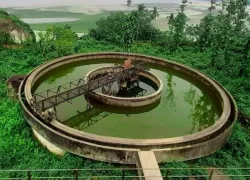
Hulukanda Hill is one of the most prominent and historically important hills located in Goalpara district of Assam. Rising gracefully above the surrounding plains, this hill is known for its natural beauty, ancient ruins, and strong connection to the region’s cultural past. Surrounded by greenery and offering wide views of the Brahmaputra valley, Hulukanda Hill attracts history lovers, nature enthusiasts, and travelers looking to explore lesser-known destinations in Assam. The hill stands as a silent witness to the rich historical and religious traditions of Goalpara. Why Hulukanda Hill is Famous in Goalpara, Assam Hulukanda Hill is famous for its archaeological and historical significance. The hill is believed to have been an important center during ancient and medieval times, with ruins and remnants of old structures scattered around the area. These remains indicate that Hulukanda Hill may have once served as a fortification or religious center. The hill is also popular for its peaceful atmosphere, scenic surroundings, and panoramic views, making it a favored spot for local visitors and explorers interested in Assam’s hidden heritage. History of Hulukanda Hill The history of Hulukanda Hill dates back several centuries and is closely associated with the ancient kingdoms that once ruled the Goalpara region. Historical records and local legends suggest that the hill was an important settlement or defensive site due to its strategic elevation. The presence of stone ruins, foundations, and scattered artifacts point toward human activity during early periods. Some historians believe that Hulukanda Hill may have been connected to the rule of the Koch dynasty or other regional powers that dominated western Assam. Over time, the site lost its political importance, and nature gradually reclaimed much of the area. However, the historical essence of the hill still remains visible through its ruins and folklore passed down by local communities. Architecture and Structural Remains of Hulukanda Hill Unlike modern tourist spots, Hulukanda Hill does not feature well-preserved monuments. Instead, its architectural significance lies in the scattered ruins found on and around the hill. These include stone blocks, remnants of walls, and foundations that hint at ancient structures such as temples, watchtowers, or small forts. The construction style appears to be simple and functional, using locally available stone and materials. The ruins blend naturally with the landscape, adding a mysterious charm to the hill. Although time and weather have worn down most of the structures, the remaining elements offer valuable insight into early architectural practices in the Goalpara region. How to Reach Hulukanda Hill, Goalpara, Assam Hulukanda Hill is easily accessible from Goalpara town through a combination of road and local transport. By Road: Goalpara is well connected to Guwahati and other major towns in Assam by road. From Goalpara town, Hulukanda Hill is located at a short distance and can be reached by taxi, auto-rickshaw, or private vehicle. The approach road passes through scenic rural areas. By Rail: The nearest railway station is Goalpara Town Railway Station. From the station, visitors can hire local transport to reach the hill. By Air: The nearest airport is Lokpriya Gopinath Bordoloi International Airport in Guwahati. From Guwahati, travelers can reach Goalpara by road or train and then continue to Hulukanda Hill. Weather and Best Time to Visit Hulukanda Hill The climate around Hulukanda Hill is typical of Assam, with moderate to high humidity. Summer (March to June): Summers can be warm, with temperatures ranging between 25°C and 35°C. Visiting during early morning or late afternoon is advisable. Monsoon (July to September): Monsoon brings heavy rainfall, making the surroundings lush and green. However, paths may become slippery, so visitors should be cautious. Winter (October to February): Winter is the best time to visit Hulukanda Hill. The weather is cool and pleasant, ideal for walking, sightseeing, and photography. Timings of Hulukanda Hill Hulukanda Hill is an open site and can be visited from morning to evening, generally between 6:00 AM and 6:00 PM. It is recommended to visit during daylight hours to explore the ruins safely and enjoy the surrounding views. Entry and Visit Details of Hulukanda Hill There is no entry fee to visit Hulukanda Hill. The site is freely accessible to visitors throughout the year. Since it is not a formally maintained tourist complex, visitors are advised to be careful while exploring the ruins and natural trails. No official guides are available, but local residents can often share stories and information about the hill’s history. Things to Do at Hulukanda Hill Explore Historical Ruins: Walk around the hill to observe ancient stone remains and foundations. Nature Walks: Enjoy peaceful walks amidst greenery and fresh air. Photography: Capture scenic landscapes, ruins, and views of the surrounding plains. Picnic Spot: The calm environment makes it suitable for small picnics with family or friends. Local Exploration: Interact with nearby villagers to learn about local legends and traditions associated with the hill. Interesting Facts about Hulukanda Hill Hulukanda Hill is considered one of the historically significant sites in Goalpara district. The hill contains scattered ruins that suggest ancient human settlement or fortification. It offers panoramic views of the surrounding countryside and nearby river plains. The site remains largely untouched by modern development. Local folklore adds to the mystery and cultural importance of the hill. Travel Tips for Visiting Hulukanda Hill Wear comfortable shoes suitable for uneven terrain. Carry water and basic essentials, as facilities are limited. Avoid visiting during heavy rains due to slippery paths. Respect the historical site and avoid damaging ruins. Keep the area clean and take back all waste. Conclusion Hulukanda Hill in Goalpara, Assam, is a fascinating destination for those interested in history, archaeology, and nature. With its ancient ruins, scenic views, and peaceful surroundings, the hill offers a quiet escape from crowded tourist spots. Visiting Hulukanda Hill provides a deeper understanding of Goalpara’s rich past while allowing travelers to enjoy the untouched beauty of Assam’s landscape.
Explore More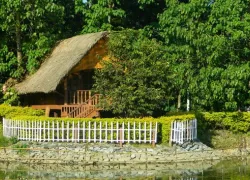
Kumri Beel is a beautiful freshwater wetland located in the Goalpara district of Assam. Surrounded by lush greenery and rural landscapes, this beel (natural lake or wetland) is an important ecological and cultural site of the region. Known for its calm atmosphere, rich biodiversity, and connection with local life, Kumri Beel attracts nature lovers, bird watchers, and travelers who want to explore the lesser-known natural attractions of Assam. The beel plays a vital role in supporting local livelihoods, maintaining ecological balance, and preserving traditional wetland culture. Why Kumri Beel is Famous in Goalpara, Assam Kumri Beel is famous for its natural beauty and ecological importance. It serves as a habitat for a wide variety of fish species, aquatic plants, and migratory as well as resident birds. During winter, the beel becomes a seasonal shelter for migratory birds, making it a peaceful destination for bird watching and photography. The beel is also well known among locals for fishing activities and traditional methods of wetland resource use. Its serene environment and scenic surroundings make Kumri Beel an ideal spot for nature-based tourism. History of Kumri Beel The history of Kumri Beel is closely linked to the traditional lifestyle of the communities living around it. For centuries, wetlands like Kumri Beel have supported agriculture, fishing, and transportation in the Goalpara region. Local records and oral traditions suggest that the beel has existed naturally for a very long time and has been maintained through seasonal water flow from nearby rivers and rainfall. Historically, Kumri Beel played an important role in providing food security to nearby villages. Fishing, collection of aquatic plants, and irrigation from the beel were essential for daily life. Though not associated with royal architecture or large monuments, the beel represents a living heritage of Assam’s wetland culture. Even today, it continues to support local traditions and community-based livelihoods. Architecture and Physical Features of Kumri Beel Kumri Beel does not have built architectural structures like temples or monuments. Its “architecture” lies in its natural formation and wetland ecosystem. The beel is surrounded by gently sloping banks, aquatic vegetation, and open water areas. Traditional bamboo fishing structures, small wooden boats, and earthen embankments can be seen around the beel, reflecting the simple and sustainable lifestyle of local communities. Seasonal changes shape the appearance of Kumri Beel. During monsoon, it expands with fresh water and becomes vibrant with plant life. In winter, water levels recede slightly, creating ideal conditions for birds and fishing activities. This natural design makes the beel both functional and visually pleasing. How to Reach Kumri Beel, Goalpara, Assam Kumri Beel is easily accessible from Goalpara town and nearby areas. By Road: Goalpara is well connected by road to Guwahati and other parts of Assam. From Goalpara town, Kumri Beel can be reached by hiring a taxi, auto-rickshaw, or private vehicle. Local roads leading to the beel pass through villages and farmland. By Rail: The nearest railway station is Goalpara Town Railway Station. From the station, local transport is available to reach the beel. By Air: Lokpriya Gopinath Bordoloi International Airport in Guwahati is the nearest airport. From Guwahati, travelers can reach Goalpara by road or train and then continue to Kumri Beel. Weather and Best Time to Visit Kumri Beel The climate around Kumri Beel is influenced by Assam’s humid subtropical weather. Summer (March to June): Summers are warm and humid, with temperatures ranging from 25°C to 35°C. Early morning and evening visits are more comfortable. Monsoon (July to September): Monsoon brings heavy rainfall, filling the beel with fresh water and enhancing its beauty. However, accessibility may be slightly difficult due to muddy paths. Winter (October to February): Winter is the best time to visit Kumri Beel. The weather is pleasant, and migratory birds can be spotted in large numbers. Timings of Kumri Beel Kumri Beel is an open natural site and can be visited throughout the day, generally from 6:00 AM to 6:00 PM. Morning hours are ideal for bird watching, while evenings offer peaceful views and cooler temperatures. Entry and Visit Details of Kumri Beel There is no entry fee to visit Kumri Beel. The wetland is open to all visitors and local residents. Since it is not a formally developed tourist complex, facilities like restrooms and food stalls may be limited. Visitors are encouraged to respect local customs and avoid disturbing fishing activities or wildlife. Things to Do at Kumri Beel Bird Watching: Observe migratory and local birds, especially during winter. Nature Photography: Capture scenic views of water, vegetation, and rural life. Fishing Observation: Watch traditional fishing techniques used by local communities. Leisure Walks: Enjoy peaceful walks along the banks of the beel. Village Interaction: Learn about local culture, wetland-based livelihoods, and traditions. Interesting Facts about Kumri Beel Kumri Beel is an important freshwater wetland in Goalpara district. It supports a wide variety of fish species and aquatic plants. The beel attracts migratory birds during winter months. Local communities depend on the beel for fishing and irrigation. The wetland plays a key role in maintaining local ecological balance. Travel Tips for Visiting Kumri Beel Visit during early morning for bird watching and peaceful views. Wear comfortable footwear, especially during monsoon. Carry drinking water and basic essentials. Avoid littering and help keep the wetland clean. Respect wildlife and do not disturb birds or aquatic life. Conclusion Kumri Beel in Goalpara, Assam, is a perfect destination for travelers seeking tranquility, natural beauty, and a glimpse into Assam’s wetland culture. With its rich biodiversity, scenic charm, and close connection to local life, the beel offers a refreshing escape from busy urban environments. A visit to Kumri Beel not only provides relaxation but also helps visitors appreciate the importance of preserving natural wetlands and traditional ecosystems.
Explore More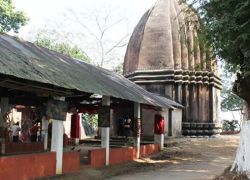
Hatimura Hill is a lesser-known yet beautiful natural attraction located in Nagaon district of Assam. Surrounded by greenery, small forest patches, and a calm rural atmosphere, Hatimura Hill is an ideal destination for travelers looking for peace, scenic views, and a break from crowded tourist spots. Though not as famous as Kaziranga or Batadrava Than, Hatimura Hill holds local importance and is gradually gaining attention among nature lovers, photographers, and weekend travelers. The hill offers a gentle elevation rather than a steep climb, making it suitable for visitors of all age groups. From the top, one can enjoy panoramic views of nearby villages, agricultural fields, and the natural landscape that reflects the true essence of rural Assam. Why Hatimura Hill Is Famous in Nagaon, Assam Hatimura Hill is famous mainly for its natural beauty and peaceful surroundings. Unlike crowded tourist destinations, this hill remains calm and untouched, making it a perfect spot for relaxation, short hikes, and nature walks. Local people often visit Hatimura Hill for picnics, morning walks, and spiritual solitude. The hill is also known for its scenic sunrise and sunset views. During early mornings and late afternoons, the landscape appears especially beautiful, with soft sunlight spreading over green fields and distant tree lines. For photographers and nature enthusiasts, Hatimura Hill provides excellent opportunities to capture Assam’s rural charm. History of Hatimura Hill, Nagaon Hatimura Hill does not have a well-documented ancient history like major religious or archaeological sites of Assam. However, it has been part of the local landscape for centuries and holds significance in local folklore and village traditions. The name “Hatimura” is believed to be derived from local dialects, possibly linked to ancient village settlements or natural features of the area. Over the years, Hatimura Hill has served as a natural lookout point for nearby villages. It has also been used as a resting and observation area by locals, especially farmers and travelers moving between villages. Today, the hill remains a symbol of natural heritage rather than historical architecture. Architecture and Natural Features of Hatimura Hill Hatimura Hill does not have man-made architectural structures such as temples or monuments. Its main attraction lies in its natural formation. The hill is covered with grass, shrubs, and scattered trees that support local birdlife and small animals. The terrain is gentle, with natural walking paths created by locals over time. The absence of concrete structures adds to its raw and untouched beauty. From the top, visitors can see farmlands, water bodies during monsoon, and small village clusters, offering a beautiful contrast between human settlement and nature. How to Reach Hatimura Hill, Nagaon, Assam Hatimura Hill is easily accessible from Nagaon town and nearby areas. By Road: Hatimura Hill is located a short distance from Nagaon town. Visitors can reach the area by private vehicle, taxi, or local transport. The last stretch may require a short walk depending on the access road. By Rail: The nearest railway station is Nagaon Railway Station. From there, visitors can hire a taxi or auto-rickshaw to reach Hatimura Hill. By Air: The nearest airport is Lokpriya Gopinath Bordoloi International Airport, Guwahati, about 130–140 km away. From Guwahati, travelers can reach Nagaon by road or train and continue to Hatimura Hill. Weather and Best Time to Visit Hatimura Hill Hatimura Hill experiences a pleasant climate typical of central Assam. Summer (March to June): Summers are warm and humid, with temperatures ranging between 25°C and 35°C. Early morning and evening visits are recommended. Monsoon (July to September): The hill becomes lush green during monsoon, making it visually appealing. However, paths may be slippery due to rain. Winter (October to February): Winter is the best time to visit Hatimura Hill, with cool temperatures and clear views ideal for sightseeing and outdoor activities. Timings of Hatimura Hill Hatimura Hill is open throughout the day as it is a natural site. However, it is advisable to visit between 6:00 AM and 6:00 PM. Early mornings and late afternoons are the most pleasant times for exploration. Entry and Visit Details of Hatimura Hill There is no entry fee to visit Hatimura Hill. As it is an open natural area, visitors are free to explore while respecting the environment. There are no ticket counters or formal entry gates. Visitors should avoid visiting after sunset as there are no lighting facilities or security arrangements on the hill. Things to Do at Hatimura Hill Nature Walks: Enjoy peaceful walks along the natural trails. Photography: Capture scenic views, sunrise, sunset, and rural landscapes. Picnics: A good spot for short picnics with friends and family. Bird Watching: Spot local birds in the surrounding trees and fields. Relaxation: Spend quiet time away from city noise. Interesting Facts about Hatimura Hill Hatimura Hill is one of the lesser-explored natural spots in Nagaon. The hill offers wide views of surrounding villages and farmlands. It remains mostly untouched by commercial tourism. The area reflects authentic rural Assamese lifestyle. Locals often visit the hill for morning walks and relaxation. Tips for Visiting Hatimura Hill, Nagaon Wear comfortable walking shoes. Carry drinking water and snacks, as no shops are nearby. Avoid visiting during heavy rain. Do not litter and help keep the area clean. Visit during daylight hours for safety. Conclusion Hatimura Hill in Nagaon, Assam, is a hidden gem for travelers who appreciate natural beauty and peaceful surroundings. Though simple and undeveloped, its charm lies in its untouched landscape and calm atmosphere. A visit to Hatimura Hill offers a refreshing experience and a chance to connect with nature while exploring one of Nagaon’s quiet yet beautiful destinations.
Explore More
Ouguri Hill is a picturesque hill located in the Morigaon district of Assam, offering stunning views of the surrounding landscapes, including lush forests, tea gardens, and the Brahmaputra River. The hill is known for its natural beauty, serene environment, and historical significance. It is a popular destination for nature lovers, trekkers, and those seeking peace and tranquility. The hill offers a perfect escape from the hustle and bustle of city life and is ideal for those interested in outdoor activities such as hiking, photography, and bird watching. How to Reach Ouguri Hill, Morigaon, Assam Ouguri Hill is easily accessible from various parts of Assam. Here are the different ways to reach the hill: By Air: The nearest airport to Ouguri Hill is Lokpriya Gopinath Bordoloi International Airport, located in Guwahati, which is about 85 kilometers away. From the airport, you can hire a taxi or take a bus to reach Morigaon, and then further travel to Ouguri Hill. By Train: The nearest railway station is Morigaon Railway Station, which is around 20 kilometers away from Ouguri Hill. Trains from major cities in Assam frequently connect to Morigaon, from where you can hire a taxi to reach the hill. By Road: Ouguri Hill is well-connected by road to Guwahati and other cities in Assam. You can drive or hire a taxi from Guwahati to Morigaon, and then proceed towards Ouguri Hill, which is a short drive away. The journey from Guwahati to Morigaon takes about 2-3 hours. Weather and Best Time to Visit Ouguri Hill The climate of Ouguri Hill is moderate and comfortable throughout the year. However, the best time to visit the hill is from October to March, during the cooler months of the winter season. The weather is pleasant, with temperatures ranging from 15°C to 25°C, making it ideal for outdoor activities like trekking, nature walks, and sightseeing. The monsoon season, from June to September, brings heavy rainfall, which makes the trekking paths slippery, and the roads may become difficult to travel on. Therefore, it is advisable to avoid visiting during the monsoon season. Timing and Entry Details Ouguri Hill is an open site with no specific entry timing restrictions. The hill can be visited during the day, with the best time for sightseeing being between 6:00 AM and 6:00 PM. Since the hill is surrounded by nature and forests, it is important to be cautious after sunset. There is no formal entry fee to visit Ouguri Hill, making it an affordable destination for all visitors. However, it is recommended to hire a local guide if you're unfamiliar with the terrain, especially if you wish to explore the surrounding areas and trekking routes. Why is Ouguri Hill Famous? Ouguri Hill is famous for several reasons that make it a unique and attractive destination: Natural Beauty: The hill offers breathtaking views of the surrounding landscapes, including the lush greenery, tea gardens, and the Brahmaputra River. The panoramic vistas from the hilltop make it a photographer’s paradise. Historical Significance: Ouguri Hill is believed to be historically significant, with ties to the ancient Ahom dynasty. The hill has witnessed the passage of time and continues to hold cultural importance in the region. Serene Atmosphere: The hill offers a peaceful escape from the noise and rush of city life, making it an ideal spot for relaxation and meditation. The calm and quiet environment attracts nature lovers and people seeking solitude. Trekking and Adventure: Ouguri Hill is popular among adventure enthusiasts and trekkers. The trekking routes through the forests and hills provide an exciting challenge and an opportunity to experience the beauty of the region up close. History and Architecture of Ouguri Hill Ouguri Hill is steeped in history, with several legends and stories associated with its name. It is believed to have been a site of significance during the rule of the Ahom dynasty. The hill is not only famous for its natural beauty but also for its role in Assamese history. While the architecture on the hill itself is minimal, the surrounding area is dotted with traditional Assamese structures that reflect the region's rich cultural heritage. The local architecture includes simple bamboo houses and thatched-roof huts, built in harmony with nature. Visitors can also find some historical markers and shrines on the hill, which are remnants of past cultural practices. The architectural style of these structures blends traditional Assamese designs with the environment, creating a serene atmosphere that complements the natural surroundings. Things to Do at Ouguri Hill Ouguri Hill offers several activities for visitors, especially for those who enjoy nature and outdoor adventures: Trekking: The hill is a great destination for trekkers. There are several trekking routes that take you through dense forests and offer panoramic views of the surrounding valleys and rivers. The hike is ideal for nature lovers and those looking for an adventure. Photography: The picturesque landscapes and scenic views from the hill make it a perfect location for photography. You can capture the beauty of the rolling hills, tea gardens, and the Brahmaputra River from various vantage points. Bird Watching: The area around Ouguri Hill is home to a variety of bird species. Birdwatching enthusiasts can spot various migratory and resident birds in the lush forests and grasslands surrounding the hill. Picnicking: The hill offers a peaceful environment for picnics and outdoor relaxation. Visitors can bring along their food and enjoy a quiet meal amidst nature. Exploring Local Culture: Ouguri Hill is located in a region with a rich cultural heritage. Visitors can explore nearby villages, learn about the local customs and traditions, and interact with the indigenous people to gain insight into Assamese culture. Facts and Tips About Ouguri Hill Here are some interesting facts and tips for your visit to Ouguri Hill: The hill offers stunning views of the Brahmaputra River, which adds to its charm. Ouguri Hill is relatively unexplored by tourists, which means it offers a peaceful and less crowded experience compared to other popular tourist spots in Assam. Wear comfortable shoes for trekking, as the terrain can be uneven and slippery, especially during the monsoon season. If you plan to go trekking, it's a good idea to carry a water bottle, snacks, and a first-aid kit, as the area around the hill is remote. Visiting Ouguri Hill is free of charge, but if you plan to hire a guide or take part in trekking expeditions, there may be additional costs. Be sure to check the weather before planning your visit, especially during the monsoon season, as heavy rain can make the hill slippery and difficult to navigate. Conclusion Ouguri Hill in Morigaon, Assam, is an undiscovered gem that offers breathtaking natural beauty, a rich cultural heritage, and various outdoor activities for visitors. Whether you're a nature lover, an adventure seeker, or someone looking for a peaceful getaway, Ouguri Hill provides the perfect setting to unwind and explore the beauty of Assam's landscapes. From trekking to bird watching and photography, there’s something for everyone to enjoy. Its historical significance, serene atmosphere, and scenic views make it a must-visit destination for those looking to experience the natural charm of Assam.
Explore More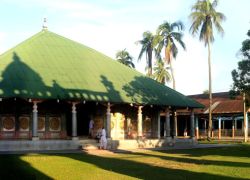
Rudrasagar Lake is one of the most beautiful and peaceful natural attractions located in the Morigaon district of Assam. Surrounded by greenery, open skies, and rural landscapes, the lake is a perfect example of Assam’s rich natural beauty. Known for its calm waters and scenic environment, Rudrasagar Lake attracts nature lovers, photographers, bird watchers, and travelers seeking a quiet escape from busy city life. The lake plays an important role in the local ecosystem and is also closely connected with the cultural and historical life of the region. The serene atmosphere of Rudrasagar Lake makes it an ideal destination for relaxation, sightseeing, and enjoying nature at a slow pace. Early mornings and evenings are especially charming, when the reflection of the sky and surrounding greenery creates a mesmerizing view. The lake is not only a tourist spot but also a source of livelihood for nearby villages, supporting fishing and agriculture. How to Reach Rudrasagar Lake, Morigaon, Assam Rudrasagar Lake is easily accessible as Morigaon is well connected to major towns and cities of Assam by road, rail, and air. By Air: The nearest airport is Lokpriya Gopinath Bordoloi International Airport, Guwahati, which is about 85–90 kilometers away. From the airport, visitors can hire a taxi or take a bus to Morigaon town. From Morigaon, local transport is available to reach Rudrasagar Lake. By Train: Morigaon Railway Station is the nearest railway station, located within easy distance from the lake. It is connected to Guwahati and other important railway stations in Assam. From the station, auto-rickshaws and taxis can be hired. By Road: Morigaon is well connected by National and State Highways. Regular buses, private taxis, and shared vehicles operate from Guwahati, Nagaon, and nearby districts. The lake can be reached comfortably by road from Morigaon town. Weather and Best Time to Visit Rudrasagar Lake Morigaon experiences a humid subtropical climate. Summers, from March to June, are warm and humid, with temperatures ranging between 25°C and 35°C. Monsoon season, from June to September, brings heavy rainfall, which fills the lake and enhances its beauty but may make travel slightly inconvenient. The best time to visit Rudrasagar Lake is from October to March. During this period, the weather is pleasant and cool, making it ideal for sightseeing, photography, and outdoor activities. Winter temperatures range between 12°C and 25°C, offering a comfortable experience for visitors. Timing and Entry Details Rudrasagar Lake is an open natural attraction and can be visited at any time of the day. However, the best time to visit is between 6:00 AM and 6:00 PM, especially during early mornings and evenings when the surroundings look most beautiful. There is no entry fee to visit Rudrasagar Lake. Visitors are free to explore the area, relax by the lake, and enjoy its natural charm. However, boating or other activities, if available locally, may have separate charges. Why is Rudrasagar Lake Famous? Rudrasagar Lake is famous for its scenic beauty, peaceful environment, and ecological importance. The lake is known as a natural freshwater body that supports local biodiversity, including fish species and migratory birds during certain seasons. The lake is also popular among locals as a recreational spot and a place for cultural gatherings. Its calm atmosphere and picturesque views make it a favorite location for photography and nature walks. Rudrasagar Lake is admired for offering a simple yet refreshing experience close to nature. History of Rudrasagar Lake The history of Rudrasagar Lake is closely linked with the traditional water management systems of Assam. Like many ancient lakes in the region, Rudrasagar was developed to support irrigation, fishing, and daily water needs of nearby settlements. Over time, the lake became an integral part of local life and culture. Though not associated with royal history like some famous lakes of Assam, Rudrasagar Lake holds cultural value for the people living around it. It continues to serve as a natural resource and a symbol of harmony between humans and nature. Architecture and Natural Formation Rudrasagar Lake is a naturally formed freshwater lake, enhanced and maintained over generations by local communities. There is no architectural construction in the traditional sense, but the lake’s embankments and surrounding areas reflect simple rural planning and traditional methods of water conservation. The open landscape, natural banks, and surrounding greenery give the lake a raw and authentic appearance. The absence of heavy construction helps preserve its natural beauty and ecological balance. Things to Do at Rudrasagar Lake Visitors to Rudrasagar Lake can enjoy several relaxing and nature-based activities: Nature Walks: Walking around the lake offers a refreshing experience and a chance to enjoy fresh air and scenic views. Photography: The lake is an excellent spot for photography, especially during sunrise and sunset. Bird Watching: During certain seasons, migratory and local birds can be seen around the lake, making it ideal for bird watchers. Relaxation: Sitting by the lakeside and enjoying the peaceful environment is one of the best ways to experience Rudrasagar Lake. Local Interaction: Visitors can observe local fishing activities and rural life, offering insight into the culture of Morigaon. Facts About Rudrasagar Lake • Rudrasagar Lake is an important freshwater resource for nearby villages. • The lake supports local fishing activities and agriculture. • It plays a role in maintaining the local ecological balance. • The lake is best known for its calm and pollution-free environment. Tips for Visitors • Visit early in the morning or late afternoon for the best views. • Carry drinking water and basic essentials, especially during summer. • Avoid littering and help keep the lake clean. • Wear comfortable footwear if you plan to walk around the lake. • Respect local communities and their livelihoods. Conclusion Rudrasagar Lake in Morigaon, Assam, is a hidden natural gem that offers peace, beauty, and a close connection with nature. Its calm waters, scenic surroundings, and cultural importance make it a perfect destination for travelers looking for a relaxed and meaningful experience. Whether you are a nature lover, photographer, or someone seeking quiet moments in a natural setting, Rudrasagar Lake promises a refreshing and memorable visit.
Explore MoreAssam Wildlife - Culture Tour 5N - 6D
6 Days/ 5 Night
Guwahati - Kaziranga - Majuli - Golaghat
Meghalaya - Assam Tour Package 5 Nights - 6 Days
6 Days/ 5 Night
Guwahati - Shillong - Cherrapunji - Kaziranga - Dawki - Golaghat
Arunachal Pradesh Discovery 7N - 8D Tour
8 Days/ 7 Night
Bomdila - Guwahati - Bhalukpong - Tawang - Dirang
Northeast Paradise 8 Nights - 9 Days Tour
9 Days/ 8 Night
Guwahati - Shillong - Cherrapunji - Kaziranga - Dawki - Golaghat

Maibong is a picturesque town in the Indian state of Assam. It lies in a hilly region of the state and has beautiful green hillocks everywhere. The mighty Himalayas overlook this town which is a home to the mesmerizing waterfalls, landscapes, and historical relics. In the previous times, Maibong was the capital of the Kachri dynasty. Apart from the Kachri dynasty, Maibong was also ruled by the Dimacha dynasty during the medieval era. It Is Known For:- 1) Maibong town served as a capital for 2 dynasties in different eras. It was ruled by Kachris and Dimachas 2) This town is blessed with the beauty of nature in abundance. There are so many green hills around it that are overlooked by the misty Himalayas 3) The famous shrine of Ramchandi stands in Maibong. Many pilgrims visit the temple on a huge scale 4) Maibong is known for its natural beauty and serves as a perfect recreational site 5) You can experience the thrill of trekking, hill climbing, and camping at Maibong Best Time To Visit:- Maibong invites the tourists and visitors on a huge scale. People often visit this place, especially on weekends. The trekkers and campers also flock to Maibong for experiencing the thrill. The best time for enjoying at Maibong is between September-December. Watch Out! Maibong is a beautiful place and extremely tidy. No one dumps any garbage or leaves behind the leftovers. Thus, you should abide by the rules and do not litter the terrains of Maibong. Reaching There:- Tourists can visit Maibong via roadways, railways, and airways. There are many state-run buses, broad gauge trains, and flights that are available from all over Assam. You can travel within Maibong via local transit and bullock cart. Nearest Railway Station - Lamding Railway Station Nearest Airport - Guwahati airport
Explore More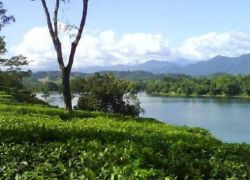
Bearing the name of the 'Father of The Nation', Mahatma Gandhi, Gandhibagh Park is a popular garden in Silchar, Assam. It is an appropriate destination for spending the leisure time in beautiful surroundings. People of all age groups visit Gandhibagh Park every day for playing, walking, and exercising. Why Is It Famous?1) Gandhibagh Park is famous because of its cleanliness and hygiene.2) There's a statue of Mahatma Gandhi in the park where some of his famous quotes are engraved.3) Shaheed Minar or the minaret of the martyr is located in the vicinity of the park. It was erected as a tribute to the activists who laid their lives fighting for the protection of the Bengali Language against the then Government of Assam.4) There are numerous flowers in the garden that never fail to catch the sight of visitors.5) A separate section for kids also exists in the park. Swings & rides have been installed by the zonal authorities. Best Time To Visit:-Every day is the right day for visiting Gandhibagh Park. No entry fee is charged from visitors visiting this place. Thus, one can pay a casual visit to Gandhibagh Park at any time during the day. Nearest Railway Station - Silchar Railway StationNearest Airport - Silchar Airport
Explore More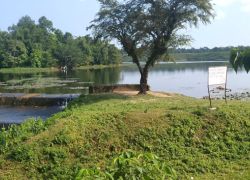
Situated away from the bustling cities, Dolu Lake is one of the most beautiful tourist sites in Silchar. The beauty of the lake and the serene surroundings never cease a chance of catching the site of visitors. That's a huge reason why people prefer coming to the lake to seek some mental peace. Why Is It Famous?1) Dolu Lake is known for its beautiful surroundings.2) The calm ambiance of the lake makes it even special, especially for the lovers of nature.3) Dolu Lake is a delight for nature photographers. One can spot them regularly during the sunrise, sunset, and night when the sky is clear for star-gazing. Best Time To Visit:-Excluding the monsoons, all seasons are perfect for spending a day's itinerary at Dolu Lake. No fee is charged from anyone visiting the site. People should watch out for the bins and throw the trash in them. Nearest Railway Station - Silchar Railway StationNearest Airport - Silchar Airport
Explore More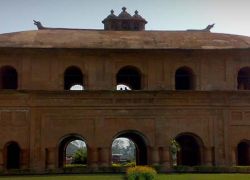
Charaideo needs no special introduction. It is a remarkable and must-see travel destination in Assam. It has a great historical significance that makes it an interesting destination. It served as the first ever capital of the Ahom dynasty. The first Ahom King, Chao Lung, laid the foundation of this city in the early 12th century. Many tourists from different parts of Assam visit this place. Why Is It Famous? Charaideo is famous because of its historical significance. It was the first capital of the Ahoms. As the empire expanded, the kings shifted their capitals but Charaideo remained an iconic center. It is a beautiful place with a serene ambiance and lush green vegetation. The tombs and cenotaphs of all the Ahom royal families are located here. It also includes the temples of the Ahom Gods. There are many graves in Charaideo but only 30 are protected by the ASI. The unprotected ones are damaged and are undergoing restoration. Best Time To Visit: Charaideo attracts the visitors on a huge scale. Every day, many tourists and locals visit this place alike. Not only as a travel destination but people visit this place as a recreational spot. The serene ambiance of Charaideo is enough to provide some mental calmness. Watch Out! Littering is a punishable offense at Charaideo. This place is listed among the heritage sites in Assam and no one is allowed to create a mess in any manner. So, use the waste-bins for dumping the trash. Reaching There: Sivasagar is the nearest city to Charaideo. People can reach here via state-run buses, broad gauge trains, and flights due to its wider connectivity in Assam. One can travel within Sivasagar via local transit. Nearest Railway Station - Sivasagar Town Railway Station Nearest Airport - Jorhat Airport
Explore More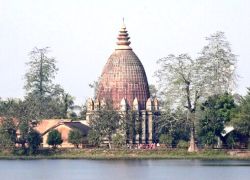
Gaurisagar Tank is a renowned tourist attraction in Assam. It is located 12 km from Sivasagar town and was constructed 200 years ago. The tank is huge and 3 temples of the Hindu Goddess Durga stand near it. The main temple enshrines Goddess Durga, whereas, the other temples enshrine her other forms. Queen Phuleshwari Devi was the reigning queen during that time. She was a devoted follower of Sakta Hinduism and tried to make it the state religion.It Is Known For:- Gaurisagar Tank is a spiritual destination in Sivasagar- The temples enshrining Goddess Durga and her forms stand near this tank- This water tank was constructed on the orders of Queen Phuleshwari Devi, the avid follower of Shaktism- The other side of Gauri Sagar Tank has temples of Lord Shiva & Lord Vishnu. Many devotees pay a visit there on a daily basisBest Time To Visit:Gaurisagar Tank never discriminates between the pilgrims and tourists. Everybody visits this religious cum tourist site on a daily basis. The best time for visiting Gaurisagar Tank is on the occasion of Bihu and Navaratri.Watch Out!No animal sacrifice is allowed in any of the three temples near Gaurisagar Tank. The gruesome practice has been stopped permanently after Moamaria rebellion. Make sure no one tries to trick you into such acts.During Bihu and Navaratri, the area around this tank is decorated beautifully. Different stalls for food and other handmade products like baskets and toys etc. are set up. Do not forget visiting the local marketplace and purchasing souvenirs. Reaching There:Sivasagar is the closest township to Gaurisagar Tank. Since this city has a wide connectivity to the major highways, railways, and airways, people can reach there easily. The state-run buses, broad gauge trains, and flights are the apt modes for reaching Sivasagar.Nearest Railway Station - Sivasagar Town Railway StationNearest Airport - Jorhat Airport
Explore More
The Upper Dehing River is one of the most scenic and ecologically rich river stretches in Upper Assam, flowing near the historic oil town of Digboi in Tinsukia district. Surrounded by dense forests, rolling hills, tea gardens, and rural settlements, the Upper Dehing River offers a peaceful natural escape and showcases the raw beauty of Assam’s riverine landscape. This river is a major tributary of the Brahmaputra and plays an important role in shaping the environment, culture, and livelihood of the region. The calm yet powerful flow of the river, combined with its lush green banks, makes the Upper Dehing River a favorite spot for nature lovers, photographers, and travelers looking to experience untouched natural surroundings. It also supports rich biodiversity and remains an important water source for nearby communities. How to Reach Upper Dehing River, Digboi, Assam The Upper Dehing River near Digboi is easily accessible through well-developed road, rail, and air networks. By Air: The nearest airport is Dibrugarh Airport (Mohanbari), located about 85 kilometers from Digboi. From the airport, visitors can hire taxis or use public transport to reach Digboi town. From Digboi, local vehicles can take visitors to various accessible points along the Upper Dehing River. By Train: Tinsukia Junction is the nearest major railway station and is well connected to Guwahati, Dibrugarh, Kolkata, and other major cities. From Tinsukia, Digboi is around 30 kilometers away and can be reached by taxi, bus, or shared vehicles. By Road: Digboi is well connected by road with Tinsukia, Dibrugarh, Margherita, and Doomdooma. Regular bus services and shared taxis operate on these routes. The riverbanks near Digboi can be accessed via local roads and village paths. Weather and Best Time to Visit The Upper Dehing River region experiences a humid subtropical climate. Summers, from March to June, are warm and humid, with temperatures ranging from 25°C to 35°C. The monsoon season lasts from June to September and brings heavy rainfall, causing the river to swell and flow rapidly. The best time to visit the Upper Dehing River is from October to March. During this period, the weather remains cool and pleasant, with temperatures between 12°C and 25°C. Winter months offer clear skies, making it ideal for sightseeing, photography, and nature walks along the riverbanks. Timing of Upper Dehing River The Upper Dehing River is a natural attraction and does not have fixed visiting hours. Visitors can explore the river area during daylight hours, ideally between 6:00 AM and 6:00 PM. Early mornings and late afternoons are especially recommended for enjoying scenic views, birdwatching, and peaceful walks along the river. Entry and Visit Details There is no entry fee to visit the Upper Dehing River. Visitors are free to explore accessible riverbanks and nearby areas. Some stretches of the river may pass through forested or private land, so visitors should respect local guidelines and seek permission if required. There are no formal tourist facilities, so travelers should plan their visit accordingly. Why is the Upper Dehing River Famous? The Upper Dehing River is famous for its natural beauty, rich biodiversity, and importance to the local ecosystem. The river supports various species of fish, birds, and aquatic plants, making it a key ecological zone in Upper Assam. It is also well known for its role in agriculture and daily life of nearby villages. The riverbanks are often used for fishing, irrigation, and traditional activities. The untouched surroundings and peaceful environment make the Upper Dehing River a hidden gem for eco-tourism. History of the Upper Dehing River The history of the Upper Dehing River is closely linked to the geological and cultural development of Upper Assam. Over centuries, the river has shaped the fertile plains of the region through sediment deposits and seasonal flooding. During the British colonial period, the Dehing River region gained importance due to the discovery of oil in Digboi. The river served as a natural boundary and resource during the development of tea plantations and oil infrastructure. Local communities have depended on the river for generations. Natural Features and Landscape Unlike man-made structures, the Upper Dehing River’s beauty lies in its natural features. The river is characterized by wide stretches of flowing water, sandy banks, rocky sections, and surrounding forests. Seasonal changes dramatically alter the river’s appearance. During monsoon, it becomes powerful and expansive, while in winter, calm waters and exposed banks create picturesque views ideal for exploration and photography. Things to Do at Upper Dehing River Visitors can enjoy several activities along the Upper Dehing River: Nature Walks: Walk along the riverbanks and enjoy fresh air and scenic views. Photography: Capture landscapes, flowing water, wildlife, and sunsets. Bird Watching: Spot local and migratory birds near the river. Picnicking: Enjoy quiet picnics at safe and accessible riverbank areas. Local Interaction: Learn about fishing and rural life by interacting with villagers. Facts About Upper Dehing River • The Dehing River is a major tributary of the Brahmaputra. • The river supports agriculture and fishing in Upper Assam. • It flows near the historic oil town of Digboi. • The river region is rich in biodiversity and greenery. Tips for Visitors • Visit during winter months for safe and comfortable exploration. • Avoid riverbanks during monsoon due to strong currents. • Carry drinking water and basic supplies, as facilities are limited. • Respect local communities and natural surroundings. • Do not litter or disturb wildlife. Conclusion The Upper Dehing River near Digboi, Assam, is a perfect destination for travelers seeking natural beauty, peace, and a connection with nature. With its scenic riverbanks, rich ecosystem, and cultural importance, the river offers a refreshing break from busy urban life. Whether you are a nature lover, photographer, or explorer, a visit to the Upper Dehing River provides a calm and memorable experience in the heart of Upper Assam.
Explore More
Dispur Park, located in the heart of Dispur, Assam, is a serene and beautifully landscaped park that provides a perfect escape from the hustle and bustle of city life. Surrounded by lush greenery, tranquil ponds, and winding pathways, Dispur Park offers visitors a chance to relax, enjoy nature, and engage in recreational activities. It is an ideal destination for families, nature enthusiasts, and anyone looking for a peaceful environment within the busy city of Guwahati. How to Reach Dispur Park Dispur Park is conveniently located in the capital city of Assam, Guwahati, and is easily accessible from various parts of the city. Here's how you can reach the park: By Air: The nearest airport to Dispur Park is the Lokpriya Gopinath Bordoloi International Airport, approximately 20 kilometers away. From the airport, you can hire a taxi or take a private car to reach the park in about 30 minutes. By Train: Guwahati Railway Station is the nearest railway station to the park, located around 8 kilometers away. You can take a taxi, auto-rickshaw, or bus to reach Dispur Park from the railway station. By Road: Guwahati is well-connected by road to other parts of Assam and the Northeast. You can reach Dispur Park by private car, taxi, or local buses. The park is situated in the heart of Dispur, and public transport options are widely available. Weather and Best Time to Visit Guwahati, where Dispur Park is located, experiences a tropical climate with hot summers, heavy monsoons, and pleasant winters. The best time to visit Dispur Park is during the winter months from October to March, when the weather is cool and comfortable. During this time, temperatures are moderate, and the park offers a pleasant environment for outdoor activities such as walking, jogging, and picnicking. Summer months (March to June) can be hot and humid, making outdoor activities less enjoyable. The monsoon season (June to September) brings heavy rainfall, which can make it difficult to explore the park due to slippery pathways and waterlogging. It is best to avoid visiting during the peak monsoon season unless you enjoy the lush green surroundings and don’t mind the rain. Timing of Dispur Park Dispur Park is open to the public every day. The park has the following general timings: Morning Timings: 6:00 AM - 9:00 AM Evening Timings: 4:00 PM - 7:00 PM The park remains closed for maintenance during late evenings and nights, but it is most popular during the early morning and evening hours, when visitors can enjoy the cool breeze and beautiful surroundings. During the peak tourist seasons, the park may have extended timings for special events or festivals. Why Dispur Park is Famous Dispur Park is famous for being a peaceful green space in the middle of Guwahati, offering a quiet and relaxing environment for visitors. Here are a few reasons why it stands out: Natural Beauty: The park is known for its lush greenery, blooming flowers, and well-maintained landscapes. The serene atmosphere created by ponds, trees, and walking trails makes it an ideal spot for nature lovers and those seeking tranquility. Family-Friendly Atmosphere: Dispur Park is a popular destination for families, offering picnic spots, playgrounds, and open spaces for children to play. It is an excellent place for families to relax and spend quality time together. Peaceful Retreat: In the midst of the bustling city of Guwahati, Dispur Park serves as a peaceful retreat where individuals can escape from the daily hustle. Many people visit the park for morning walks, meditation, or simply to enjoy the calm environment. Entry and Visit Details Entry to Dispur Park is generally free for all visitors, making it an affordable option for families, tourists, and locals alike. Here are some details to keep in mind when planning your visit: Entry Fee: The park is free to enter, though some special areas or activities within the park, such as boat rides or events, may require a small fee. Parking: There are designated parking areas near the park entrance where visitors can park their vehicles. Parking is generally free but may be crowded during peak hours. Guided Tours: While Dispur Park does not have formal guided tours, the peaceful surroundings allow visitors to explore the park at their own pace. You may choose to take a leisurely walk, enjoy the lake views, or simply relax on the benches scattered throughout the park. History and Architecture Dispur Park was established to provide the people of Guwahati with a green space for relaxation and recreation. The park is designed with traditional Assamese landscaping techniques, featuring wide lawns, flower gardens, and water features. The architecture of the park blends well with the natural surroundings, with walkways and seating areas that allow visitors to enjoy the beauty of the park at their own leisure. The park is regularly maintained to ensure a clean and safe environment for visitors. The surrounding area of Dispur also adds to the park’s charm, with a combination of modern and traditional Assamese architecture visible in nearby buildings. The park’s design and layout reflect Assam's cultural heritage while offering a modern space for relaxation and leisure. Things to Do in and Around Dispur Park Dispur Park offers several activities for visitors of all ages. Here are some things to do when you visit the park: Morning Walks: The park is a popular spot for morning walks, jogging, and exercises. The cool breeze and the calm atmosphere make it an ideal place for a healthy start to the day. Picnicking: Dispur Park has several picnic spots, making it perfect for families and groups to enjoy a day out. You can bring snacks, relax, and enjoy the peaceful surroundings. Photography: The lush greenery, vibrant flowers, and scenic ponds make Dispur Park a great place for photography. It’s an ideal spot to capture nature's beauty and take family or group photos. Children’s Play Area: The park has a dedicated play area for children, with swings, slides, and other play equipment. It’s a perfect place for kids to have fun and enjoy their time outdoors. Bird Watching: The park’s green surroundings attract a variety of bird species. Birdwatchers can enjoy spotting local and migratory birds that visit the park, especially during the early morning and late evening hours. Facts and Tips About Dispur Park Best Time to Visit: The best time to visit Dispur Park is during the early morning or late afternoon, when the weather is cool, and the park is less crowded. Carry Essentials: Don’t forget to bring sunscreen, water, and a camera to capture the beautiful surroundings. Comfortable walking shoes are recommended if you plan on exploring the park on foot. Respect the Environment: Dispur Park is a clean and peaceful space. Please make sure to dispose of trash responsibly and avoid littering in the park. Stay Safe: While the park is generally safe, it’s always a good idea to stay cautious, especially during evening hours when the park may be less crowded. Dispur Park offers a unique opportunity to enjoy nature, relax, and engage in recreational activities in the heart of Guwahati. Whether you’re looking for a peaceful retreat, a place to exercise, or a spot to spend quality time with family and friends, Dispur Park is a perfect destination.
Explore More
Assam State Zoo cum Botanical Garden
Assam State Zoo cum Botanical Garden, located in Dispur, is a delightful destination for nature lovers and wildlife enthusiasts. This unique hotspot offers a harmonious blend of lush botanical gardens and diverse wildlife habitats, making it a must-visit attraction in the region. History of Assam State Zoo cum Botanical Garden The history of Assam State Zoo cum Botanical Garden dates back to its establishment as a former royal hunting ground. Over the years, it has transformed into a conservation area dedicated to preserving the rich biodiversity of the region. The park's efforts in wildlife conservation have garnered international recognition, contributing to its status as a UNESCO-recognized site. Architecture and Natural Beauty of Assam State Zoo cum Botanical Garden Spread across acres of land, the park features captivating wetlands, dense forests, sprawling grasslands, and vibrant bird habitats. Visitors can explore the picturesque landscapes while marveling at the historical Keoladeo Temple nestled within the park's serene surroundings. Why is Assam State Zoo cum Botanical Garden Famous? Assam State Zoo cum Botanical Garden is renowned for its diverse bird species, making it a paradise for birdwatchers and photographers. Nature enthusiasts are drawn to the park's tranquil ambiance and the opportunity to witness a wide array of wildlife in their natural habitat. How to Reach Assam State Zoo cum Botanical Garden Traveling to Assam State Zoo cum Botanical Garden is convenient, with options available by air, rail, and road. The park is easily accessible from nearby airports and railway stations, ensuring a hassle-free journey for visitors. Weather and Best Time to Visit Assam State Zoo cum Botanical Garden The park experiences varying weather conditions during summer, monsoon, and winter seasons. The best time to visit is during the cooler months when the flora and fauna are at their vibrant best, offering a delightful experience for tourists. Timings of Assam State Zoo cum Botanical Garden Assam State Zoo cum Botanical Garden welcomes visitors during specific timings, with seasonal variations that may affect operational hours. It is advisable to plan your visit accordingly and make the most of your time exploring the park's natural wonders. Entry Fee and Visit Details Visitors can gain entry to Assam State Zoo cum Botanical Garden by following the prescribed procedures. Guide services, safari options, bicycle rentals, and other visitor facilities are available to enhance your experience and ensure a memorable visit to the park. Things to Do at Assam State Zoo cum Botanical Garden Embark on a journey of discovery at Assam State Zoo cum Botanical Garden by engaging in popular activities such as birdwatching, photography, cycling, walking trails, and nature observation. The park offers a range of educational experiences that cater to visitors of all ages. Interesting Facts About Assam State Zoo cum Botanical Garden Assam State Zoo cum Botanical Garden is home to a diverse range of migratory birds, showcasing the region's rich biodiversity and conservation efforts. The park's achievements in preserving the ecosystem underscore its ecological importance and commitment to sustainable practices. Travel Tips for Visiting Assam State Zoo cum Botanical Garden When planning your trip to Assam State Zoo cum Botanical Garden, remember to dress comfortably, carry essential photography and birdwatching equipment, and adhere to responsible tourism practices. Familiarize yourself with the visiting seasons to make the most of your experience at this captivating destination. Conclusion In conclusion, Assam State Zoo cum Botanical Garden in Dispur stands out as a premier tourist attraction that offers a unique blend of natural beauty and wildlife conservation. Visitors are treated to an enriching experience that showcases the region's biodiversity and provides insights into the importance of preserving our natural heritage.
Explore More
Welcome to the Garbhanga Reserve Forest nestled in the city of Dispur, a hidden gem waiting to be explored by nature enthusiasts and wildlife lovers. This lush sanctuary offers a serene escape into the heart of nature, boasting a rich biodiversity and captivating landscapes. History of Garbhanga Reserve Forest The history of the Garbhanga Reserve Forest dates back to its origins as a former royal hunting ground, now transformed into a conservation area to protect the diverse flora and fauna thriving within its bounds. Efforts towards preserving this natural haven have garnered recognition, showcasing its importance in the realm of conservation. Architecture and Natural Beauty of Garbhanga Reserve Forest The Garbhanga Reserve Forest is a tapestry of wetlands, dense forests, and sprawling grasslands that provide a haven for a myriad of bird species. The picturesque landscapes are adorned with the historical Keoladeo Temple, adding a touch of cultural heritage to the natural beauty of the park. Why is Garbhanga Reserve Forest Famous? Renowned for its avian diversity, the Garbhanga Reserve Forest is a paradise for birdwatchers and photographers seeking to capture the vibrant plumage of resident and migratory birds. Nature enthusiasts are drawn to its tranquil ambiance and the opportunity to witness wildlife in their natural habitat. How to Reach Garbhanga Reserve Forest Traveling to the Garbhanga Reserve Forest is convenient, with options to reach the city of Dispur by air, rail, or road. Nearby airports and railway stations ensure easy accessibility, allowing visitors to embark on a journey into this verdant sanctuary. Weather and Best Time to Visit Garbhanga Reserve Forest The Garbhanga Reserve Forest experiences distinct weather patterns throughout the year, offering unique experiences in summer, monsoon, and winter. The best time to visit is during the moderate months when the weather is pleasant, allowing for an immersive exploration of the park. Timings of Garbhanga Reserve Forest Visitors can explore the Garbhanga Reserve Forest during specified timings, taking into account seasonal variations that may affect accessibility. Planning ahead ensures a well-rounded visit to the park, making the most of the natural wonders it has to offer. Entry Fee and Visit Details Entry into the Garbhanga Reserve Forest is accompanied by informative guides, safari options, and bicycle rentals for those seeking to delve deeper into the wilderness. Visitor facilities are designed to enhance the overall experience, catering to the needs of explorers of all ages. Things to Do at Garbhanga Reserve Forest Engage in a variety of activities at the Garbhanga Reserve Forest, from birdwatching and photography to cycling along scenic trails. Immerse yourself in nature observation and educational experiences that highlight the diverse ecosystem thriving within the park. Interesting Facts About Garbhanga Reserve Forest Discover fascinating facts about the migratory birds that call the Garbhanga Reserve Forest home, showcasing the importance of conservation efforts in preserving their habitats. The park stands as a testament to ecological balance and the beauty of biodiversity. Travel Tips for Visiting Garbhanga Reserve Forest When planning a visit to the Garbhanga Reserve Forest, consider practical tips on clothing choices, photography essentials, and birdwatching equipment to make the most of your experience. Embrace responsible tourism practices and immerse yourself in the wonders of this natural sanctuary. Conclusion In conclusion, the Garbhanga Reserve Forest in Dispur is a haven of tranquility and natural splendor, inviting visitors to explore its diverse landscapes and vibrant wildlife. With a rich history, abundant biodiversity, and immersive experiences, this destination promises a memorable journey into the heart of nature.
Explore More
The Pagladiya River is a calm and scenic river flowing through parts of Sonitpur district in Assam. Though not as vast as the Brahmaputra, the Pagladiya River holds great importance for the local ecosystem, agriculture, and daily life of nearby villages. Known for its peaceful surroundings, green riverbanks, and rural charm, the Pagladiya River is an ideal destination for travelers who enjoy nature, quiet landscapes, and offbeat locations. It reflects the simple and natural beauty of Assam’s countryside. Why Pagladiya River is Famous in Sonitpur, Assam The Pagladiya River is famous in Sonitpur for its natural beauty, serene atmosphere, and role in supporting local communities. The river provides water for farming, fishing, and daily household needs of nearby villages. Its calm flow, especially during winter and post-monsoon months, makes it a peaceful spot for relaxation and nature observation. The riverbanks are often lined with greenery, open fields, and village life, giving visitors a chance to experience authentic rural Assam. History and Importance of Pagladiya River The Pagladiya River has been an important natural resource for the people of Assam for generations. Historically, rivers like Pagladiya played a crucial role in shaping settlement patterns, agriculture, and local trade. Villages were established along its banks due to easy access to water and fertile soil. Over time, the river became closely linked with farming activities, especially paddy cultivation. Seasonal flooding, though sometimes challenging, has helped enrich the soil with nutrients. The Pagladiya River continues to be an essential part of rural life in Sonitpur, supporting livelihoods and maintaining ecological balance. Architecture and River Landscape The Pagladiya River is a natural attraction rather than an architectural one. There are no major monuments or built structures along its banks. Instead, its charm lies in its natural landscape, including sandy stretches, grassy banks, small embankments, and nearby farmlands. Occasionally, simple village ghats and small bridges can be seen, used by locals for daily activities. Traditional houses, fishing boats, and open fields around the river create a picturesque rural setting. The natural “architecture” of the Pagladiya River is shaped by flowing water, seasonal changes, and human interaction with nature. How to Reach Pagladiya River, Sonitpur, Assam The Pagladiya River can be accessed from different parts of Sonitpur district, depending on the specific riverbank location you wish to visit. By Road: Sonitpur district is well connected by road to major towns like Tezpur and nearby areas. From Tezpur or other local towns, visitors can hire taxis, auto-rickshaws, or use private vehicles to reach villages near the Pagladiya River. By Rail: The nearest railway station is Tezpur Railway Station. From there, local transport options are available to reach river-access points. By Air: Tezpur Airport is the nearest airport with limited flights. Guwahati International Airport is the main airport, located about 180 km away. From Guwahati, travelers can reach Sonitpur by road and then proceed to the river area. Weather and Best Time to Visit Pagladiya River The experience of visiting Pagladiya River varies across seasons. Summer (March to June): Summers are warm, with temperatures ranging between 25°C and 35°C. Early mornings and evenings are comfortable for river visits. Monsoon (July to September): During monsoon, the river swells with rainwater and flows strongly. While the surroundings become lush and green, some areas may face flooding. Winter (October to February): Winter is the best time to visit Pagladiya River. The weather is pleasant, with temperatures between 10°C and 25°C, and the river remains calm and scenic. Timings to Visit Pagladiya River The Pagladiya River is a natural site and does not have fixed visiting hours. Visitors can explore the riverbanks at any time of the day. However, daylight hours between 7:00 AM and 6:00 PM are recommended for safety and better visibility. Sunrise and sunset are especially beautiful times to visit. Entry and Visit Details of Pagladiya River, Sonitpur There is no entry fee to visit the Pagladiya River. The riverbanks are freely accessible to the public. Since it is not a commercial tourist site, facilities are minimal. Visitors should plan accordingly and respect local property and customs. Things to Do at Pagladiya River Nature Walks: Walk along the riverbanks and enjoy the peaceful surroundings and fresh air. Photography: Capture beautiful views of the river, village life, farmlands, and sunsets. Bird Watching: The river area attracts various local and migratory birds, especially in winter. Picnic: The calm environment makes it suitable for simple picnics with family or friends. Experience Rural Life: Observe fishing activities, farming practices, and daily routines of local villagers. Interesting Facts about Pagladiya River The Pagladiya River supports agriculture in nearby villages. Seasonal flooding helps maintain soil fertility. The river plays an important role in local fishing activities. It contributes to the natural drainage system of the region. The riverbanks change shape and appearance with seasons. Travel Tips for Visiting Pagladiya River, Sonitpur Visit during winter for the best experience. Avoid riverbanks during heavy monsoon rains. Wear comfortable footwear suitable for uneven ground. Carry drinking water and basic essentials. Do not litter and help keep the river clean. Respect local communities and their privacy. Conclusion The Pagladiya River in Sonitpur, Assam, offers a refreshing escape into nature and rural life. With its calm waters, green surroundings, and simple charm, it is an ideal destination for travelers seeking peace and authenticity. While it may not be a mainstream tourist attraction, the Pagladiya River provides a genuine experience of Assam’s natural beauty and cultural lifestyle, making it a meaningful addition to any Sonitpur travel itinerary.
Explore More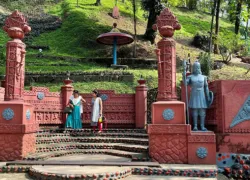
Agnigarh Hill is one of the famous travel attractions in Assam. This small hill catches the attention of tourists on a huge scale. It has a great historical significance. In the previous times, Aniruddha fell in love Usha. This was not accepted by Usha's father, Banasura. Thus, he jailed his own daughter on this hillock. It is said that Banasura created a boundary of fire in order to ensure that Usha doesn't leave this hill. It Is Known For:- 1 Agnigarh Hill is a wonderful travel destination in Tezpur.2 It is a beautiful hillock where tourists visit on a huge scale.3 This hill is associated with the history of Aniruddha and Usha's love story. The scenes are illustrated through sculptures where he is abducting Usha, the fight between Aniruddha and Banasura, imprisonment of Usha etc.4 Agnigarh hill provides a panoramic view of the whole region of Tezpur5 Climbing atop the hill allows witnessing the enchanting white Brahmaputra. Best Time To Visit:-Agnigarh Hill is a famous travel destination in Tezpur. People visit this hill on a huge scale. Any season is appropriate for visiting this place. However, it is recommended to avoid visiting Agnigarh Hill during summers. Watch Out! All visitors need to pay a small entry fee before entering Agnigarh Hill. This hill has been developed over the years and a park has been constructed. A smooth path that leads to the park is paved by the management so that people can reach the hill without hassle. The bins have been installed in the park to ensure cleanliness. All visitors should throw the waste in the bins. Nearest Railway Station- Dekargaon Railway StationNearest Airport- Salonibari Airport
Explore More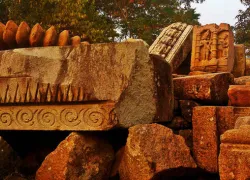
Bamuni Hills is a famous tourist attraction in Tezpur (Assam). It is a beautiful hilly region that never fails to attract tourists. The presence of the lush green vegetation and its serene ambiance adds more charm to Bamuni Hills. It serves as a wonderful spot for enjoying picnic and exploring the less explored side of Tezpur. It Is Known For:- 1) Bamuni Hills is popular for housing the ancient ruins2) The ruins present on these hills belong to the time when Kaliyuga started3) According to the history, a fortress stood on these hills where the demon Banasura captured Aniruddha, the son of Krishna4) Aniruddha was captured because he fell in love with Banasura’s daughter, Usha. The fortress is an age-old structure but the ruins were discovered between 10th-12th centuries5) The ruins were dug by the Archaeological Survey of India. It was found that the ruins had carvings that indicated towards Gupta Empire6) A Hindu temple of Lord Vishnu was also discovered in a ruined state. As per its structure and carvings, it was found to be a marvel of Nagara period Best Time To Visit:- Bamuni Hills is an amazing destination and promises fun to all visitors. There is a specific period to visit this place. Autumn, Spring, and Winters is the appropriate time for visiting Bamuni Hills. The weather is pleasant during this time and makes it convenient for all to explore it. Watch Out!Trekking and rock climbing is a famous adventure activity here. The tourists do not miss to experience the thrill of these activities. By contacting the tour organizers, you can relish this fun safely. Also, do not forget to visit the nearby marketplaces. There are various shops that sell the different souvenirs. Nearest Railway Station- Dekargaon Railway StationNearest Airport- Salonibari Airport
Explore MoreThe Rhino Land 3 Nights - 4 Days Tour
4 Days/ 3 Night
Guwahati - Kaziranga - Golaghat
9 Nights 10 Days Arunachal Pradesh & Meghalaya
10 Days/ 9 Night
Dirang - Tawang - Shillong - Guwahati - Cherrapunji - Kameng - Bomdila
7 Days Meghalaya With Kaziranga - Family Tour
7 Days/ 6 Night
Guwahati - Shillong - Cherrapunji - Kaziranga - Dawki - Golaghat
7 Nights 8 Days Ssam Meghalaya Kaziranga
8 Days/ 7 Night
Dawki - Guwahati - Shillong
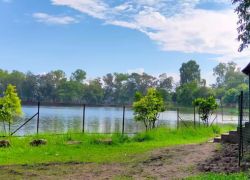
Settled away from the polluted cities, Dhekijauli is a quaint town in Tezpur, Assam. It is a town that is famous for producing litchis. There are numerous litchi farms in this small town where many litchi farms exist. Apart from this, Shaheed Nagri is another nickname given to Dhekijauli because it is also the soil where many martyrs laid their lives during the freedom struggle. Why Is It Famous?1) Dhekijauli is famous for its litchi farms.2) There are many tea gardens located in the town as well. The tea leaves, on a huge scale, are supplied to many parts of India from Dhekijauli.3) Dhekijauli is renowned for its craftsmanship as well. Best Time To Visit:-The best time for visiting Dhekijauli is throughout the year. During extreme winters, the elevated areas may witness snowfall. Summer is the time when the weather remains moderately hot throughout the day but cools down at night. Nearest Railway Station - Tezpur Railway StationNearest Airport - Tezpur Airport
Explore More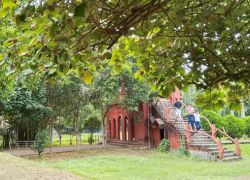
DU Park or Dibrugarh University Park is a renowned park in Assam. It stands on the premises of the university and is frequently visited by locals, students, and visitors alike. DU Park is an amazing destination for spending a good quality time with family and friends. Why Is It Famous?1) DU Park is known for its green surroundings and recreational activities.2) There are numerous games and rides for each age group. By paying a minimal fee, people can enjoy the recreational activity.3) It has a well-paved path where people can walk conveniently.4) DU Park also infotains its visitors. There are different still & working models established in the park. Best Time To Visit:-Everyone can visit Dibrugarh University Park on a daily basis. The entry for the university students and faculty is free. Others require paying a minimal amount for entering the park. Furthermore, the park is also equipped with the bins to assure its cleanliness. Littering the park leads to the imposition of a fine. Nearest Railway Station - Dibrugarh Railway StationNearest Airport - Dibrugarh Airport
Explore More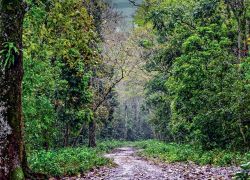
Welcome to the serene oasis of Jokai Botanical Garden nestled in the vibrant city of Dibrugarh. This enchanting botanical garden is a paradise for nature lovers, bird enthusiasts, and wildlife photographers seeking a peaceful retreat in the heart of Assam. History of Jokai Botanical Garden Steeped in history, Jokai Botanical Garden traces its origin back to the former royal hunting grounds that have been transformed into a haven for conservation and biodiversity. The park's efforts in preserving indigenous flora and fauna have garnered international recognition, making it a potential UNESCO World Heritage Site in the future. Architecture and Natural Beauty of Jokai Botanical Garden The lush wetlands, dense forests, sprawling grasslands, and diverse bird habitats within Jokai Botanical Garden create a picturesque landscape that captivates visitors. The historical Keoladeo Temple adds a touch of spirituality to the natural beauty of the park, making it a holistic experience for all who visit. Why is Jokai Botanical Garden Famous? Jokai Botanical Garden is renowned for its rich avian population, attracting birdwatchers, photographers, and nature enthusiasts from far and wide. The park's diverse ecosystems provide a sanctuary for a wide variety of bird species, making it a hotspot for wildlife lovers. How to Reach Jokai Botanical Garden Traveling to Jokai Botanical Garden is convenient, with options available by air, rail, and road. The nearest airport is located in Dibrugarh, while the city is well-connected by rail with regular train services. Road transport via buses and taxis offers a scenic journey to this natural wonder. Weather and Best Time to Visit Jokai Botanical Garden Jokai Botanical Garden experiences pleasant weather conditions throughout the year, with distinct seasons of summer, monsoon, and winter. The best time to visit is during the cooler months of October to March when the flora and fauna are at their vibrant best. Timings of Jokai Botanical Garden Jokai Botanical Garden welcomes visitors during specific timings, allowing ample time to explore the park's treasures. Seasonal variations may affect opening hours, so it is advisable to check in advance for any schedule changes before planning your visit. Entry Fee and Visit Details Entry to Jokai Botanical Garden is subject to nominal fees, with additional services such as guide assistance, safari options, and bicycle rentals available for a more immersive experience. Visitor facilities including rest areas and refreshment spots ensure a comfortable stay within the park. Things to Do at Jokai Botanical Garden Engage in a myriad of activities at Jokai Botanical Garden, from birdwatching and photography sessions to cycling through scenic trails, walking amidst nature's wonders, and indulging in educational experiences that unravel the park's ecological significance. Interesting Facts About Jokai Botanical Garden Jokai Botanical Garden is a hub for migratory birds, showcasing the region's rich biodiversity and the park's commitment to conservation efforts. The park's ecological importance lies in its role as a sanctuary for endangered species and a center for environmental awareness. Travel Tips for Visiting Jokai Botanical Garden When visiting Jokai Botanical Garden, remember to dress comfortably, carry essential photography and birdwatching equipment, choose the appropriate seasons for your interests, and practice responsible tourism by respecting the park's natural balance and wildlife habitats. Conclusion In conclusion, Jokai Botanical Garden in Dibrugarh stands as a testament to the harmonious coexistence of nature and heritage, offering visitors a soul-soothing escape into the lap of Assam's natural beauty. Explore the wonders of this botanical paradise and immerse yourself in the tranquility of Jokai Botanical Garden.
Explore More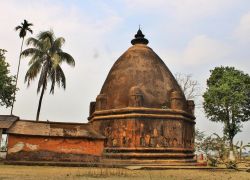
Located in the vibrant city of Dibrugarh, Raidongia Dol stands as a captivating tourist attraction that offers a unique blend of historical significance, natural beauty, and diverse biodiversity. This hotspot attracts visitors from far and wide, making it a must-visit destination for nature enthusiasts, birdwatchers, photographers, and wildlife lovers. History of Raidongia Dol The history of Raidongia Dol dates back to ancient times, with its origins rooted in the rich cultural heritage of the region. Initially serving as royal hunting grounds, the area underwent significant conservation efforts to preserve its natural ecosystem. Its outstanding value led to UNESCO recognition, highlighting its importance in the realm of wildlife conservation. Architecture and Natural Beauty of Raidongia Dol Raidongia Dol boasts a diverse landscape encompassing wetlands, forests, and grasslands that provide a sanctuary for a myriad of bird species. The historical Keoladeo Temple nestled within the park adds to its charm, offering visitors a glimpse into the region's architectural and spiritual heritage. Why is Raidongia Dol Famous? Raidongia Dol has gained fame for being a haven for birdwatchers, photographers, and nature enthusiasts seeking to immerse themselves in the beauty of the natural world. Its varied habitats and abundant birdlife make it a paradise for wildlife lovers looking to experience the wonders of avian diversity. How to Reach Raidongia Dol Traveling to Raidongia Dol is convenient, with options available by air, rail, and road. The nearest airports and railway stations provide easy access to this natural gem, ensuring a smooth journey for visitors eager to explore its wonders. Weather and Best Time to Visit Raidongia Dol Raidongia Dol experiences varying weather conditions throughout the year, with distinct seasons offering unique perspectives of the park. The best time to visit depends on personal preferences, with each season providing a different aspect of the park's beauty. Timings of Raidongia Dol Visitor timings at Raidongia Dol cater to different preferences, allowing guests to experience the park at various times of the day. Seasonal variations may influence these timings, so it is advisable to plan accordingly when embarking on a journey to this natural paradise. Entry Fee and Visit Details Entry procedures at Raidongia Dol are designed to ensure a seamless experience for visitors, with guide services and safari options available for those seeking a deeper exploration of the park. Bicycle rentals and visitor facilities enhance the overall visit, making it a memorable outing for all. Things to Do at Raidongia Dol Raidongia Dol offers a plethora of activities for visitors to engage in, including birdwatching, photography, cycling, and nature observation. Walking trails provide a leisurely way to explore the park, while educational experiences offer insights into the region's biodiversity and conservation efforts. Interesting Facts About Raidongia Dol Raidongia Dol is home to a diverse range of migratory birds, showcasing the park's ecological importance in preserving avian species. Conservation achievements within the park further highlight its dedication to safeguarding biodiversity, making it a significant landmark in the realm of wildlife protection. Travel Tips for Visiting Raidongia Dol When visiting Raidongia Dol, it is advisable to dress appropriately for the weather and bring along essential birdwatching equipment to enhance your experience. Understanding the best visiting seasons and practicing responsible tourism ensures a sustainable and enjoyable trip to this natural sanctuary. Conclusion In conclusion, Raidongia Dol in Dibrugarh stands as a testament to the harmonious coexistence of history, natural beauty, and biodiversity. By offering visitors a glimpse into its rich heritage and diverse ecosystem, this hotspot promises an unforgettable experience for all who venture to explore its wonders.
Explore More
Majuli, the world’s largest river island, is a breathtaking destination located in the northeastern state of Assam, India. Nestled in the mighty Brahmaputra River, this unique island is not just a geographical marvel but also a cultural and spiritual hub. Known for its vibrant Neo-Vaishnavite traditions, lush green landscapes, and rich tribal heritage, Majuli attracts travelers seeking an offbeat and enriching experience. Whether you are an adventure enthusiast, a nature lover, or a spiritual seeker, Majuli offers a rare blend of tranquility and cultural richness. Location and Geography Majuli is situated in the Brahmaputra River and falls within the Jorhat district of Assam. In 2016, it was recognized as the first island district of India, highlighting its importance and uniqueness. The island is surrounded by: Brahmaputra River to the south and east Subansiri River to the west An anabranch of the Brahmaputra River to the north Over time, Majuli’s size has been affected by erosion, but it still remains one of the most significant river islands globally. Covering an area of about 352 square kilometers, the island is a lush green paradise with extensive wetlands, making it a haven for birdwatchers and nature lovers. How to Reach Majuli Reaching Majuli involves a combination of road and ferry travel: 1. By Air: The nearest airport is Jorhat Airport (Rowriah), located around 20 km from Nimati Ghat, the main ferry terminal for Majuli. 2. By Train: Jorhat Railway Station is the closest railhead, well-connected to major cities in Assam and other parts of India. 3. By Road: Visitors can reach Nimati Ghat from Jorhat town by road, covering approximately 14 km. 4. By Ferry: Ferries from Nimati Ghat operate regularly, providing a scenic and refreshing journey to Majuli. The ferry ride takes about an hour and is the only way to access the island. Best Time to Visit Majuli can be visited throughout the year, but the ideal time to explore the island is: Winter (October to March): The weather remains cool and pleasant, perfect for sightseeing and cultural exploration. Monsoon (June to September): The Brahmaputra River swells during monsoons, making ferry rides challenging, though the landscape becomes lush and picturesque. Spring and Summer (April to June): Temperatures rise slightly, but the island remains accessible and vibrant. Cultural Significance Majuli is regarded as the cultural capital of Assam’s Neo-Vaishnavite movement, which was initiated by the revered saint Srimanta Sankardeva in the 15th century. This movement emphasized devotion, dance, drama, and music as a means of spreading spiritual teachings. The island houses numerous Sattras, which are monastic institutions dedicated to preserving these traditions. Major Attractions in Majuli 1. Kamalabari Sattra: One of the most famous Sattras, known for its spiritual teachings, classical dance, and music performances. 2. Auniati Sattra: This Sattra is famous for its extensive collection of Assamese artifacts, manuscripts, and traditional dance performances. 3. Dakhinpat Sattra: A major center for Neo-Vaishnavism, this Sattra hosts vibrant Raas Mahotsav celebrations. 4. Garmur Sattra: A religious and cultural institution that offers an insight into the daily life of Vaishnavite monks. 5. Mishing Tribal Villages: Visitors can interact with the Mishing tribal community, known for their unique stilt houses, handloom weaving, and traditional food. 6. Birdwatching at Majuli Wetlands: The island is home to several migratory birds, making it a paradise for birdwatchers. 7. Tengapania: A picturesque riverside location with an ancient Ahom-era temple. Things to Do in Majuli Explore the Sattras: Gain insights into the religious and cultural life of the island. Attend Raas Mahotsav: Held in November, this festival showcases mesmerizing dance-drama performances based on Lord Krishna’s life. Go Cycling: Rent a bicycle to explore the serene landscape and interact with locals. Try Traditional Assamese Cuisine: Relish local dishes like Masor Tenga (fish curry), Khar, Pitha, and rice beer brewed by the Mishing community. Shop for Handloom Products: Purchase intricately woven textiles and handicrafts made by the island’s skilled artisans. Photography and Nature Walks: Capture the stunning views of the river, lush fields, and vibrant village life. Accommodation in Majuli While Majuli does not have luxury hotels, it offers cozy and eco-friendly accommodations such as: Eco-resorts and Homestays: Run by locals, offering an authentic experience. Sattra Guesthouses: Some Sattras provide basic accommodations for visitors. Budget Lodges and Cottages: Available in Garamur and Kamalabari areas. Challenges and Conservation Efforts Majuli faces significant challenges due to river erosion, which threatens its existence. Climate change and rising water levels in the Brahmaputra pose additional risks. The Assam government, along with environmental organizations, has been working on conservation efforts to prevent further loss of land and protect the island’s ecosystem. Why Visit Majuli? Majuli is a must-visit destination for travelers looking to experience Assam’s rich cultural heritage, spiritual serenity, and breathtaking landscapes. Whether you’re exploring its Sattras, enjoying a peaceful ferry ride, or interacting with the friendly Mishing community, Majuli promises an unforgettable journey into the heart of Assam. Conclusion Majuli, with its unique blend of culture, history, and natural beauty, stands as a testament to India’s diverse heritage. As the largest river island in the world, it offers a rare opportunity to experience an eco-friendly way of life, deeply rooted in spiritual and artistic traditions. Whether you seek adventure, peace, or cultural immersion, Majuli welcomes you with open arms and an enriching experience like no other.
Explore More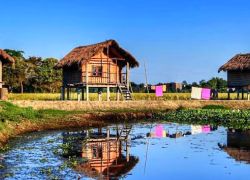
About Lekhapani Lekhapani is a small but historically significant town located in the Tinsukia district of Assam, India. The town is famous for its beautiful tea plantations spread over vast acres of land. Lekhapani is one of the places in the Northeast from where the tea leaves are supplied to different parts of India. Due to its natural charm, people often prefer Lekhapani as a weekend getaway in the Northeast. Let’s dive into what makes this place worth exploring. History of Lekhapani Lekhapani holds historical importance, especially due to its connection with the World War II-era Stilwell Road, also known as the Ledo Road. This road was constructed during the war to connect Ledo in Assam with Kunming in China, passing through Myanmar (then Burma). It played a crucial role in providing supply lines to the Allied forces and is a testament to human ingenuity and resilience in challenging times. The town was also significant during British India for its proximity to coal mines, contributing to the industrial growth of the region. Lekhapani was a key junction for trade and transport in Assam and the neighboring regions. Significance and Why It Is Famous Historical Significance Lekhapani is famous for being the starting point of the Stilwell Road, making it a historically rich destination. The road symbolizes Indo-China-Myanmar relations and is a major draw for history enthusiasts. Natural Beauty: Surrounded by the lush greenery of Assam, Lekhapani offers pristine views of the Eastern Himalayas and dense forests. The town’s peaceful ambiance makes it a great retreat for nature lovers. Cultural Diversity: The region is home to several indigenous tribes, including the Singpho and Tai Phake communities. Their traditions, festivals, and lifestyle add a rich cultural dimension to the town. Tea Gardens: Assam is synonymous with tea, and Lekhapani is no exception. The sprawling tea gardens in and around the area are a treat for visitors, offering an opportunity to witness tea production firsthand. Biodiversity: The area is rich in flora and fauna, making it a hotspot for eco-tourism. The Dibru-Saikhowa National Park and nearby reserves are home to many unique species. Best Time to Visit Lekhapani The best time to visit Lekhapani is between October and March, during the winter and early spring months. During this period: The weather is pleasant, with temperatures ranging from 10°C to 25°C. The lush green landscapes and tea gardens are at their best. It is an ideal time for sightseeing, trekking, and exploring nearby attractions. Avoid the monsoon season (June to September) as heavy rainfall can disrupt travel plans and make outdoor activities challenging. Nearby Attractions Lekhapani is surrounded by several places of interest that are worth exploring: Stilwell Road (Ledo Road):A must-visit for history buffs, the Stilwell Road is a symbol of World War II’s engineering marvels. Walking along this road, you can relive a slice of history. Dibru-Saikhowa National Park: Located around 90 km from Lekhapani, this biodiversity hotspot is a paradise for birdwatchers and nature enthusiasts. The park is home to rare species like the white-winged wood duck and feral horses. Margherita: Just 30 km from Lekhapani, Margherita is known for its coal mines and tea gardens. The Coal Museum here showcases the region’s mining history. Namdapha National Park: Located in Arunachal Pradesh, around 120 km from Lekhapani, Namdapha is one of India’s largest national parks. It is a haven for wildlife lovers, offering opportunities to spot tigers, leopards, and elephants. Ledo: A nearby town known for its scenic beauty and connection to the Stilwell Road. It is often referred to as the easternmost railway station in India. Tai Phake Buddhist Monastery: Located in Namphake village, this monastery is an excellent place to learn about the Tai Phake culture and Buddhist traditions. Digboi: About 40 km from Lekhapani, Digboi is famous for its oil refinery, which is the oldest operational oil refinery in Asia. Modes of Transport Getting to and around Lekhapani is relatively easy due to its connectivity with major towns in Assam and Arunachal Pradesh. By Air: The nearest airport is Dibrugarh Airport, located about 110 km from Lekhapani. It is well-connected to major cities like Delhi, Kolkata, and Guwahati. By Train: The nearest railway station is at Ledo, which is around 10 km from Lekhapani. Ledo is the last railway station on the Indian railway network in this region. By Road: Lekhapani is well-connected by road. Regular buses and shared taxis operate from Tinsukia (approximately 70 km away) and Dibrugarh. Private vehicles can also be hired for a more comfortable journey. Local Transport: Auto-rickshaws, taxis, and buses are the primary modes of transport within the town and to nearby attractions. For a more immersive experience, bicycles can also be rented. Lekhapani is a hidden gem in Assam that offers a blend of history, culture, and natural beauty. Its historical significance as the starting point of the Stilwell Road, coupled with its serene landscapes and nearby attractions, makes it an ideal destination for history enthusiasts, nature lovers, and adventure seekers alike. Whether you’re exploring the lush tea gardens, delving into World War II history, or venturing into the neighboring national parks, Lekhapani promises an enriching travel experience. Plan your visit during the winter months for the best weather and unforgettable memories.
Explore More