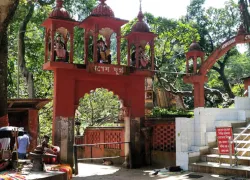
The Basistha Temple, also known as Basistha Ashram, is a sacred Hindu temple located in Guwahati, Assam. Situated in the serene foothills of the Shillong Plateau, the temple is dedicated to Sage Vasishtha, one of the seven great sages in Hindu mythology. The temple is surrounded by lush greenery and a picturesque stream, making it a peaceful and spiritual retreat for devotees and tourists alike. Architecture of Basistha Temple The Basistha Temple is built in a traditional Assamese style of architecture with intricate carvings and designs. The main shrine is adorned with beautiful sculptures depicting various mythological scenes and deities. The temple complex also includes a holy tank, where devotees can take a dip to cleanse their sins and seek blessings. The peaceful ambiance and natural surroundings make the Basistha Temple a perfect place for meditation and spiritual contemplation. History The Basistha Temple has a rich history dating back to ancient times. According to legend, Sage Vasishtha, along with his wife Arundhati, meditated at this spot for years. It is said that Lord Shiva himself appeared before the sage and blessed the area, making it a sacred pilgrimage site for devotees. Over the centuries, the temple has been renovated and expanded, but it still maintains its ancient charm and spiritual significance. Best Time To Visit The best time to visit the Basistha Temple is during the winter months from November to February when the weather is pleasant and cool. The temple is also a popular destination during the festivals of Durga Puja and Diwali when it is beautifully decorated and illuminated with lights. Visitors can enjoy the peaceful surroundings and participate in the various rituals and prayers conducted at the temple during these auspicious occasions. How To Reach The Basistha Temple is located around 12 kilometers from the city center of Guwahati and is easily accessible by road. Visitors can hire a taxi or take a local bus to reach the temple complex. The nearest airport is Lokpriya Gopinath Bordoloi International Airport, which is around 30 kilometers away from the temple. There are also regular train services to Guwahati Railway Station, from where visitors can take a short taxi ride to reach the Basistha Temple. Significance Of The Basistha Temple The Basistha Temple holds great religious and cultural significance for the people of Assam and devotees from all over the country. It is believed that visiting the temple and taking a dip in the holy tank can wash away one's sins and bring peace and prosperity. The temple is also a popular pilgrimage site for those seeking spiritual enlightenment and blessings from Sage Vasishtha. The serene surroundings and tranquil atmosphere of the Basistha Temple make it a must-visit destination for anyone looking to experience the divine beauty of Assam.
Explore More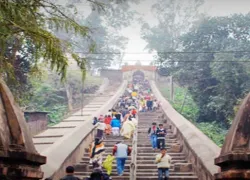
Standing near the huge Brahmaputra River, Hajo is a prominent tourist cum religious site in Guwahati. This temple is an important religious place for the followers of Hinduism, Buddhism, and Islam. It has a beautiful hill called Monikut Hill. Tourists and devotees from distant places pay a visit to Hajo Temple and Monikut Hill on a huge scale. It Is Known For: - Monikut Hill has a temple enshrining Lord Vishnu. It is known as Hayagriva Madhav Temple. Pilgrims worship Lord Vishnu in the form of a man horse - According to Buddhists, this temple is the place where Buddha attained nirvana - The exteriors of this place are dotted with the sculptures of elephants. The beauty of the sculptures define the Assamese art - The Muslims also visit this place on a frequent basis. It is known as Poa-Mecca and visiting this place is equivalent to make Haj to the sacred Mecca-Medina - Ghiyasuddin Auliya, an Iraqi prince-turned-preacher brought a holy stone from Mecca and placed it on this hill. On the same spot, a mosque was erected in the late 12th century Best Time To Visit Hajo Temple is a famous crowd puller in Guwahati. Being a tourist cum pilgrimage destination, people visit this place throughout the year. In every season, you can spot various devotees of all three religions paying their respects. Watch Out! The hill of Monikut is a well-known tourist attraction for trekkers! If you love trekking then it is the right spot where you can bring out the trekker to enjoy the activity. Nearest Railway Station - Guwahati Railway Station Nearest Airport - Guwahati International Airport
Explore More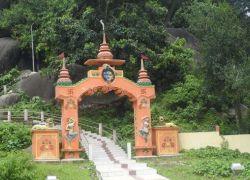
Tukreswari Temple is one of the most important and sacred religious sites in Goalpara district of Assam. Located on a scenic hilltop near the Brahmaputra River, this ancient temple is dedicated to Goddess Tukreswari, a powerful form of Goddess Shakti. The temple is not only a major pilgrimage destination but also a place of great historical, mythological, and cultural significance. Surrounded by natural beauty and peaceful surroundings, Tukreswari Temple attracts devotees, spiritual seekers, and tourists throughout the year. Why Tukreswari Temple is Famous in Goalpara, Assam Tukreswari Temple is famous for being one of the revered Shakti Peethas of Assam. According to Hindu mythology, it is believed that a part of Goddess Sati’s body fell at this site, making it a powerful center of Shakti worship. The temple holds deep religious importance for devotees of Goddess Kali and Shakti. The temple is also well known for its hilltop location, which offers panoramic views of the Brahmaputra River and the surrounding plains of Goalpara. During major festivals like Durga Puja, Kali Puja, and Navratri, the temple witnesses a large gathering of devotees from Assam and neighboring states. History of Tukreswari Temple The history of Tukreswari Temple is deeply rooted in ancient Hindu mythology. According to legends, when Goddess Sati sacrificed herself during Daksha’s yagna, Lord Shiva carried her body across the universe in grief. To calm him, Lord Vishnu used his Sudarshan Chakra to cut Sati’s body into pieces, which fell at different places across the Indian subcontinent. These places became known as Shakti Peethas. It is believed that a part of Goddess Sati’s body, referred to as “tukra” (fragment), fell at this location, which gave the temple its name, Tukreswari. Over centuries, the site evolved into a major center of Shakti worship. The temple has been mentioned in local folklore and religious texts and has remained an important pilgrimage site for generations. Architecture of Tukreswari Temple The architecture of Tukreswari Temple is simple yet spiritually powerful. Unlike grand stone temples, the structure reflects traditional Assamese temple design with a modest sanctum. The main shrine houses the sacred symbol of the Goddess, which is worshipped with great devotion. The temple complex includes open spaces for rituals, prayer halls, and areas for devotees to rest. The natural rock formations around the temple add to its mystical charm. Being located on a hilltop, the temple’s setting blends harmoniously with nature, making the spiritual experience even more profound. How to Reach Tukreswari Temple, Goalpara, Assam Tukreswari Temple is well connected and can be reached easily from different parts of Assam. By Road: Goalpara town is well connected by road to Guwahati and other major cities. From Goalpara town, the temple is located at a short distance and can be reached by taxi, auto-rickshaw, or private vehicle. The road leading to the temple is motorable up to a certain point, followed by a short climb. By Rail: The nearest railway station is Goalpara Town Railway Station. From the station, local transport is available to reach the temple. By Air: The nearest airport is Lokpriya Gopinath Bordoloi International Airport in Guwahati. From Guwahati, visitors can travel to Goalpara by road or train and then proceed to the temple. Weather and Best Time to Visit Tukreswari Temple The weather in Goalpara remains mostly humid and moderate throughout the year. Summer (March to June): Summers can be warm, with temperatures ranging between 25°C and 35°C. Morning visits are recommended. Monsoon (July to September): Monsoon brings heavy rainfall, enhancing greenery around the temple. However, paths may become slippery. Winter (October to February): Winter is the best time to visit. The weather is pleasant, making it ideal for sightseeing and temple visits. Timings of Tukreswari Temple Tukreswari Temple is generally open from early morning to evening, usually between 6:00 AM and 7:00 PM. During festivals and special पूजा days, the temple may remain open for longer hours. Entry and Visit Details of Tukreswari Temple There is no entry fee to visit Tukreswari Temple. Devotees and tourists are free to enter the temple premises. Donations are voluntary. Basic facilities like drinking water and resting areas are available near the temple, especially during festival times. Things to Do at Tukreswari Temple Worship and Prayer: Offer prayers to Goddess Tukreswari and participate in daily rituals. Attend Festivals: Experience grand celebrations during Durga Puja and Kali Puja. Photography: Capture scenic views of the Brahmaputra River and surrounding landscapes. Meditation: Enjoy the peaceful atmosphere ideal for meditation and spiritual reflection. Explore Nearby Areas: Visit nearby hills and natural viewpoints. Interesting Facts about Tukreswari Temple Tukreswari Temple is considered one of the important Shakti Peethas of Assam. The temple’s name comes from the belief that a fragment of Goddess Sati fell here. The hilltop location offers stunning views of the Brahmaputra River. The temple attracts thousands of devotees during major Hindu festivals. It is both a religious and cultural landmark of Goalpara district. Tips for Visiting Tukreswari Temple Visit early in the morning to avoid crowds. Wear comfortable footwear suitable for climbing. Dress modestly as it is a sacred religious site. Be cautious during monsoon due to slippery paths. Respect local customs and maintain cleanliness. Conclusion Tukreswari Temple in Goalpara, Assam, is a sacred destination that beautifully blends spirituality, history, and natural beauty. Its deep mythological roots, peaceful hilltop setting, and cultural importance make it a must-visit place for pilgrims and travelers alike. A visit to Tukreswari Temple offers not just religious fulfillment but also a serene escape into the spiritual heart of Assam.
Explore More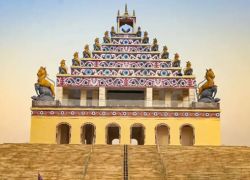
Batadrava Than, also known as Sri Sri Batadrava Than, is one of the most sacred and historically important religious sites in Assam. Located in the Nagaon district, this holy place is closely associated with Srimanta Sankardeva, the great saint, reformer, scholar, and founder of the Neo-Vaishnavite movement in Assam. Batadrava Than is not just a place of worship but also a major center of Assamese culture, spirituality, and social reform. Devotees, scholars, and tourists from across India visit this site to experience its deep spiritual atmosphere and rich heritage. Why Batadrava Than is Famous in Nagaon, Assam Batadrava Than is famous as the birthplace of Srimanta Sankardeva and the origin of the Ekasarana Naam Dharma, a monotheistic form of Vaishnavism. It is considered one of the most important Vaishnavite pilgrimage sites in Assam. The Than played a crucial role in spreading devotional practices, art forms, literature, and moral values among the people of Assam. The site is also known for its peaceful environment, large prayer halls, and traditional religious practices such as Naam-Kirtan (devotional singing). Festivals like Janmastami, Doul Utsav, and Tithi of Srimanta Sankardeva are celebrated here with great devotion, attracting thousands of pilgrims. History of Batadrava Than The history of Batadrava Than dates back to the 15th century. Srimanta Sankardeva was born in Batadrava village in 1449. During his early years, he established the Than as a center for religious discussion, learning, and devotion. It was here that Sankardeva began spreading the teachings of Ekasarana Naam Dharma, which emphasized devotion to a single God, Lord Krishna, equality among people, and rejection of caste discrimination. Over time, Batadrava Than became a strong spiritual and cultural hub. However, due to political conflicts during the Ahom period, the original Than faced destruction. Later, it was reconstructed and restored by Sankardeva’s followers and the local Vaishnavite community. Today, Batadrava Than stands as a symbol of religious harmony, reform, and Assamese identity. Architecture of Batadrava Than The architecture of Batadrava Than reflects traditional Assamese Vaishnavite design. The main structure includes a large prayer hall known as the Kirtan Ghar, where devotees gather to sing hymns and recite religious texts. The Kirtan Ghar is simple in appearance, emphasizing humility and devotion rather than grandeur. The Than complex also includes the Manikut, where sacred religious items are kept, open courtyards, and surrounding structures for pilgrims and monks. The use of wood, sloping roofs, and spacious halls showcases indigenous Assamese architectural style. The calm and orderly layout of the Than enhances its spiritual ambiance. How to Reach Batadrava Than, Nagaon, Assam Batadrava Than is well connected and easily accessible from major towns and cities of Assam. By Road: Batadrava Than is located about 15 kilometers from Nagaon town. Regular buses, shared taxis, and private vehicles are available from Nagaon to Batadrava. The roads are well maintained and pass through scenic rural landscapes. By Rail: The nearest railway station is Nagaon Railway Station. From the station, visitors can hire taxis or use local transport to reach the Than. By Air: The nearest airport is Lokpriya Gopinath Bordoloi International Airport in Guwahati. From Guwahati, visitors can reach Nagaon by road or train and then proceed to Batadrava Than. Weather and Best Time to Visit Batadrava Than The climate of Nagaon is generally warm and humid. Summer (March to June): Summers are warm, with temperatures ranging from 25°C to 35°C. Morning visits are more comfortable. Monsoon (July to September): The monsoon season brings heavy rainfall, making the surroundings lush and green, but travel may be slightly inconvenient. Winter (October to February): Winter is the best time to visit Batadrava Than. The weather is pleasant and suitable for sightseeing and religious activities. Timings of Batadrava Than Batadrava Than is generally open from early morning to evening, usually between 5:00 AM and 8:00 PM. Timings may vary during festivals and special religious occasions. Entry and Visit Details of Batadrava Than There is no entry fee to visit Batadrava Than. The site is open to people of all religions and backgrounds. Devotees are encouraged to maintain silence and follow temple rules. Simple accommodation facilities may be available nearby for pilgrims during major festivals. Things to Do at Batadrava Than Attend Naam-Kirtan: Participate in devotional singing and prayers. Learn History: Explore the life and teachings of Srimanta Sankardeva. Festival Experience: Witness grand celebrations during Janmastami and Doul Utsav. Meditation: Spend quiet time in prayer and reflection. Cultural Exploration: Observe Assamese Vaishnavite traditions and practices. Interesting Facts about Batadrava Than Batadrava Than is the birthplace of Srimanta Sankardeva. It is the origin of the Ekasarana Naam Dharma movement. The Than played a major role in shaping Assamese culture and literature. The site promotes equality, devotion, and moral living. It is one of the most respected Vaishnavite centers in Assam. Tips for Visiting Batadrava Than Dress modestly as it is a sacred religious site. Visit early morning for a peaceful experience. Respect local customs and religious practices. Avoid loud behavior inside the prayer hall. Plan visits during festivals to experience vibrant traditions. Conclusion Batadrava Than in Nagaon, Assam, is a place of immense spiritual, historical, and cultural importance. As the birthplace of Srimanta Sankardeva and the foundation of the Neo-Vaishnavite movement, it stands as a beacon of devotion, equality, and Assamese identity. A visit to Batadrava Than offers not only a spiritual journey but also a deeper understanding of Assam’s rich cultural heritage and timeless values.
Explore More
Mahamrityunjay Temple is one of the most important and revered religious sites in Nagaon district of Assam. Dedicated to Lord Shiva, this temple holds deep spiritual significance for devotees who believe in the power of the Mahamrityunjay Mantra, often known as the mantra for victory over death and fear. Surrounded by a peaceful environment and sacred atmosphere, Mahamrityunjay Temple attracts pilgrims, spiritual seekers, and tourists from across Assam and nearby states. The temple is not only a place of worship but also a center of faith, meditation, and cultural heritage. Why Mahamrityunjay Temple Is Famous in Nagaon, Assam Mahamrityunjay Temple is famous for its strong association with Lord Shiva and the powerful Mahamrityunjay Mantra. Devotees believe that chanting this mantra at the temple brings protection from illness, fear, and negative energies, and promotes long life and well-being. The temple is especially popular among people seeking spiritual healing, mental peace, and divine blessings. The temple is also known for its calm and sacred surroundings, making it an ideal place for meditation and prayer. During special occasions like Maha Shivaratri, the temple becomes a major center of devotion, drawing thousands of worshippers. History of Mahamrityunjay Temple, Nagaon The history of Mahamrityunjay Temple is deeply rooted in the religious traditions of Assam. While the exact date of its establishment is not clearly documented, the temple is believed to have been built by devoted followers of Lord Shiva to honor the spiritual power of the Mahamrityunjay Mantra. Over the years, the temple has grown in importance and has undergone renovations and expansions to accommodate the increasing number of devotees. Local legends suggest that the site was chosen due to its spiritual energy and peaceful natural setting. The temple has long served as a place where saints, priests, and devotees gather to perform rituals, prayers, and sacred ceremonies dedicated to Lord Shiva. Architecture of Mahamrityunjay Temple The architecture of Mahamrityunjay Temple reflects a blend of traditional Assamese temple design and simple Hindu architectural elements. The temple structure is modest yet spiritually powerful, focusing more on devotion than grandeur. The sanctum houses a Shiva Lingam, which is worshipped daily by priests and devotees. The temple complex includes prayer halls, open courtyards, and spaces for devotees to sit and meditate. Decorative elements often include sacred symbols related to Lord Shiva, such as tridents, serpents, and sacred inscriptions. The peaceful layout of the temple enhances the spiritual experience of visitors. How to Reach Mahamrityunjay Temple, Nagaon, Assam Mahamrityunjay Temple is easily accessible from different parts of Assam. By Road: Nagaon town is well connected by road to Guwahati, Tezpur, and other major towns. From Nagaon, visitors can hire taxis, auto-rickshaws, or private vehicles to reach the temple. By Rail: The nearest railway station is Nagaon Railway Station. From the station, local transport options such as taxis and auto-rickshaws are available to reach the temple. By Air: The nearest airport is Lokpriya Gopinath Bordoloi International Airport in Guwahati. From Guwahati, travelers can reach Nagaon by road or train and then proceed to the temple. Weather and Best Time to Visit Mahamrityunjay Temple The weather in Nagaon is generally humid and influenced by Assam’s climate. Summer (March to June): Summers are warm, with temperatures ranging from 25°C to 35°C. Morning visits are recommended. Monsoon (July to September): Heavy rainfall occurs during monsoon. The surroundings become lush and green, but travel may be slightly inconvenient. Winter (October to February): Winter is the best time to visit, with pleasant weather ideal for temple visits and spiritual activities. Timings of Mahamrityunjay Temple Mahamrityunjay Temple is generally open to devotees from early morning to evening. Typical timings are from 5:00 AM to 8:00 PM, though timings may vary during festivals and special rituals. Entry and Visit Details of Mahamrityunjay Temple There is no entry fee to visit Mahamrityunjay Temple. Devotees are free to enter and offer prayers. Donations are voluntary and are used for temple maintenance and religious activities. Special pujas and rituals can be arranged through temple priests, especially for chanting the Mahamrityunjay Mantra, Rudrabhishek, and other Shiva-related ceremonies. Things to Do at Mahamrityunjay Temple Offer Prayers: Worship Lord Shiva and seek blessings for health and peace. Chant Mahamrityunjay Mantra: Participate in mantra chanting sessions. Meditation: Spend quiet time meditating in the temple premises. Attend Festivals: Experience the spiritual atmosphere during Maha Shivaratri and other Hindu festivals. Explore Local Culture: Interact with locals and learn about regional religious traditions. Interesting Facts about Mahamrityunjay Temple The temple is dedicated to Lord Shiva in his Mahamrityunjay form. The Mahamrityunjay Mantra is considered one of the most powerful Vedic mantras. The temple attracts devotees seeking healing and protection. Maha Shivaratri is the most important festival celebrated here. The peaceful surroundings enhance spiritual practices. Tips for Visiting Mahamrityunjay Temple, Nagaon Visit early morning or evening for a peaceful experience. Wear modest and comfortable clothing. Maintain silence and respect temple traditions. Plan visits during festivals for a vibrant spiritual experience. Check local timings during special occasions. Conclusion Mahamrityunjay Temple in Nagaon, Assam, is a sacred destination that offers spiritual comfort, peace, and divine blessings. With its deep connection to Lord Shiva, serene atmosphere, and cultural importance, the temple stands as a symbol of faith and devotion. Whether you are a devotee seeking spiritual healing or a traveler interested in Assam’s religious heritage, a visit to Mahamrityunjay Temple provides a meaningful and uplifting experience.
Explore More
Sri Sri Tithamukh Lakhimpur Temple
Sri Sri Tithamukh Lakhimpur Temple is a revered religious site located in the Morigaon district of Assam. Known for its spiritual importance and peaceful surroundings, this temple attracts devotees, pilgrims, and travelers seeking divine blessings and inner peace. The temple is dedicated to Lord Shiva and holds a special place in the hearts of local people due to its sacred location near river confluences and its association with ancient religious traditions. Surrounded by natural beauty, greenery, and calm village life, the temple offers a spiritually uplifting experience away from the noise of city life. The temple is not only a place of worship but also a symbol of faith, culture, and tradition passed down through generations. During religious festivals and auspicious occasions, the temple becomes vibrant with devotional activities, prayers, and cultural gatherings. Sri Sri Tithamukh Lakhimpur Temple reflects the deep-rooted spiritual heritage of Assam and plays an important role in the religious landscape of Morigaon. How to Reach Sri Sri Tithamukh Lakhimpur Temple, Morigaon, Assam Sri Sri Tithamukh Lakhimpur Temple is well connected to major towns and cities of Assam through road, rail, and air routes. By Air: The nearest airport is Lokpriya Gopinath Bordoloi International Airport, Guwahati, located approximately 90 kilometers away. From the airport, visitors can hire taxis or use bus services to reach Morigaon town. From Morigaon, local transport such as auto-rickshaws or private vehicles can take you to the temple. By Train: Morigaon Railway Station is the closest railway station, around 10–15 kilometers from the temple area. The station is connected with Guwahati and other important parts of Assam. From the station, taxis and shared vehicles are easily available. By Road: Morigaon is well connected by National and State Highways. Regular buses and private taxis operate from Guwahati, Nagaon, and nearby towns. The temple can be reached comfortably by road from Morigaon town. Weather and Best Time to Visit Morigaon experiences a humid subtropical climate. Summers, from March to June, are warm and humid with temperatures ranging between 25°C and 35°C. The monsoon season, from June to September, brings heavy rainfall, which enhances greenery but may make travel slightly difficult. The best time to visit Sri Sri Tithamukh Lakhimpur Temple is from October to March. During these months, the weather is pleasant and suitable for temple visits, sightseeing, and participation in religious events. Winters are mild, with temperatures ranging from 12°C to 25°C. Temple Timings Sri Sri Tithamukh Lakhimpur Temple is generally open to devotees throughout the day. The usual visiting hours are from 6:00 AM to 7:00 PM. Morning and evening aartis are the most spiritually enriching times to visit the temple. During special festivals and religious occasions, the temple may remain open for extended hours to accommodate the large number of devotees. Entry and Visit Details There is no entry fee to visit Sri Sri Tithamukh Lakhimpur Temple. The temple welcomes devotees of all faiths and backgrounds. Visitors are expected to follow temple rules, maintain silence, and respect religious customs. Footwear must be removed before entering the temple premises, and modest clothing is recommended as a mark of respect to the sacred environment. Why is Sri Sri Tithamukh Lakhimpur Temple Famous? Sri Sri Tithamukh Lakhimpur Temple is famous for its religious significance, serene location, and spiritual atmosphere. The temple is associated with ancient Hindu beliefs and is considered an auspicious place for worship, meditation, and religious rituals. The temple’s location near river confluences adds to its sanctity, as such places are traditionally regarded as spiritually powerful in Hindu culture. Devotees believe that prayers offered here bring peace, prosperity, and fulfillment of wishes. The temple is also known for hosting religious festivals that attract devotees from nearby districts. History of Sri Sri Tithamukh Lakhimpur Temple The history of Sri Sri Tithamukh Lakhimpur Temple is deeply rooted in local legends and religious traditions. According to popular belief, the temple site has been a place of worship for centuries. Saints and sages are believed to have meditated here due to the peaceful environment and spiritual energy of the location. Over time, the temple structure was developed and maintained by local devotees and religious communities. Though not linked to royal patronage like some grand temples, its importance grew through the faith and devotion of the people. The temple continues to stand as a testimony to the enduring spiritual traditions of Assam. Architecture of Sri Sri Tithamukh Lakhimpur Temple The architecture of Sri Sri Tithamukh Lakhimpur Temple is simple yet spiritually appealing. Built in traditional Assamese temple style, the structure focuses more on religious functionality than ornamental grandeur. The temple features a sanctum where the main deity is enshrined, along with space for devotees to gather and offer prayers. Natural materials and traditional construction techniques have been used, giving the temple an earthy and authentic look. The surroundings are kept clean and serene, enhancing the overall spiritual experience for visitors. Things to Do at Sri Sri Tithamukh Lakhimpur Temple Visitors can engage in several meaningful activities at the temple: Prayer and Worship: Devotees can offer prayers, light lamps, and participate in daily rituals and aartis. Meditation: The calm and peaceful environment makes the temple ideal for meditation and spiritual reflection. Festival Participation: During major Hindu festivals, visitors can witness special rituals, devotional songs, and community gatherings. Nature Enjoyment: The temple’s natural surroundings offer a refreshing break and a chance to enjoy the beauty of rural Assam. Facts About Sri Sri Tithamukh Lakhimpur Temple • The temple is considered a spiritually powerful site due to its location near water bodies. • It plays an important role in local religious and cultural life. • The temple attracts devotees especially during Shiva-related festivals. • It is maintained largely through community support and devotion. Tips for Visitors • Visit during early morning or evening hours for a peaceful experience. • Dress modestly and respect temple customs. • Carry drinking water and basic essentials, especially during summer. • Avoid littering and help maintain the cleanliness of the temple premises. • Combine your visit with nearby attractions in Morigaon for a complete spiritual and cultural trip. Conclusion Sri Sri Tithamukh Lakhimpur Temple in Morigaon, Assam, is a serene spiritual destination that reflects the deep religious faith and cultural traditions of the region. Its peaceful environment, historical significance, and spiritual charm make it an ideal place for worship, meditation, and cultural exploration. Whether you are a devotee, a spiritual seeker, or a traveler interested in Assam’s religious heritage, a visit to this sacred temple offers a fulfilling and calming experience.
Explore More
Baba Doul Goswami's Tomb is a revered spiritual and historical site located in the Barpeta district of Assam. This sacred place is associated with Baba Doul Goswami, a respected religious figure remembered for his devotion, teachings, and spiritual influence in the region. The tomb is visited by devotees from different communities who come to seek blessings, offer prayers, and experience a sense of peace and spirituality. Surrounded by a calm rural environment, the site reflects the harmonious blend of faith, tradition, and local culture that defines Barpeta. The tomb is not only a religious destination but also an important cultural landmark. It plays a significant role in preserving local spiritual traditions and serves as a gathering place during religious occasions and special days of remembrance. The simplicity and serenity of Baba Doul Goswami's Tomb make it an ideal place for reflection and quiet devotion. How to Reach Baba Doul Goswami's Tomb, Barpeta, Assam Baba Doul Goswami's Tomb is well connected to major towns and cities of Assam, making it accessible for visitors and pilgrims. By Air: The nearest airport is Lokpriya Gopinath Bordoloi International Airport in Guwahati, approximately 100 kilometers away. From the airport, taxis and buses are available to reach Barpeta town. After reaching Barpeta, local transport such as auto-rickshaws or private vehicles can be used to reach the tomb. By Train: Barpeta Road Railway Station is the nearest major railway station. It is well connected with Guwahati and other parts of Assam. From the station, visitors can hire taxis or use bus services to reach Barpeta town and then proceed to the tomb. By Road: Barpeta is connected by National and State Highways to Guwahati, Nalbari, Bongaigaon, and other nearby towns. Regular buses, shared taxis, and private vehicles make road travel convenient. Weather and Best Time to Visit Barpeta experiences a humid subtropical climate. Summers, from March to June, are warm and humid with temperatures ranging between 25°C and 36°C. The monsoon season, from June to September, brings heavy rainfall, which may cause temporary travel inconvenience. The best time to visit Baba Doul Goswami's Tomb is from October to March. During these months, the weather remains pleasant and suitable for travel and religious visits. Winter temperatures range from 12°C to 25°C, offering a comfortable environment for devotees. Timing of Baba Doul Goswami's Tomb The tomb is generally open to visitors and devotees throughout the day. The recommended visiting hours are from 6:00 AM to 7:00 PM. Early mornings and evenings are ideal for a peaceful and spiritual experience. On special religious occasions, prayer days, and anniversaries related to Baba Doul Goswami, the site may remain open for extended hours. Entry and Visit Details There is no entry fee to visit Baba Doul Goswami's Tomb. The site is open to people of all faiths and backgrounds. Visitors are expected to maintain decorum, dress modestly, and respect the spiritual significance of the place. Photography may be allowed in the outer areas, but visitors should seek permission before taking photographs near the tomb. Why is Baba Doul Goswami's Tomb Famous? Baba Doul Goswami's Tomb is famous for its religious and spiritual importance. Baba Doul Goswami is remembered as a saintly figure whose teachings emphasized devotion, humility, and moral living. His tomb has become a place where devotees gather to offer prayers and seek blessings for peace, health, and prosperity. The tomb is also known for promoting communal harmony, as people from different religious and cultural backgrounds visit the site with faith and respect. The peaceful atmosphere and spiritual energy of the place are often highlighted by visitors. History of Baba Doul Goswami's Tomb The history of Baba Doul Goswami's Tomb is deeply rooted in local religious traditions and oral histories. Baba Doul Goswami was a respected spiritual leader whose influence extended across Barpeta and surrounding areas. After his passing, his followers and devotees built the tomb as a mark of respect and remembrance. Over the years, the tomb has been maintained and developed by the local community. Religious gatherings, prayers, and annual remembrance events continue to be held here, keeping the legacy of Baba Doul Goswami alive. Architecture of Baba Doul Goswami's Tomb The architecture of Baba Doul Goswami's Tomb is simple and modest, reflecting the humble life and teachings of the saint. The structure is designed to provide a peaceful space for prayer and meditation rather than showcasing elaborate ornamentation. The tomb structure includes a central chamber where the resting place is located, along with open spaces for devotees to gather. The use of simple materials and clean design enhances the calm and spiritual atmosphere of the site. Things to Do at Baba Doul Goswami's Tomb Visitors can engage in several spiritual and cultural activities at the tomb: Prayer and Worship: Devotees can offer prayers, light incense, and seek blessings at the tomb. Meditation: The quiet surroundings make it an ideal place for meditation and reflection. Participate in Religious Events: Visitors can attend special prayer sessions and remembrance ceremonies held on important days. Cultural Observation: Observing local customs and devotional practices provides insight into the spiritual traditions of Barpeta. Facts About Baba Doul Goswami's Tomb • Baba Doul Goswami is remembered for his spiritual teachings and simple lifestyle. • The tomb attracts devotees from nearby districts and villages. • The site promotes unity and respect among different communities. • Annual remembrance events are held to honor Baba Doul Goswami’s legacy. Tips for Visitors • Visit during early morning or evening for a peaceful experience. • Dress modestly and maintain silence inside the premises. • Avoid littering and help keep the area clean. • Respect local customs and religious sentiments. • Combine your visit with nearby attractions in Barpeta for a fulfilling trip. Conclusion Baba Doul Goswami's Tomb in Barpeta, Assam, stands as a symbol of devotion, peace, and spiritual heritage. The site offers visitors a chance to connect with local religious traditions and experience a calm and reflective environment. Whether you are a devotee, a spiritual seeker, or a traveler interested in Assam’s cultural landscape, a visit to this sacred tomb provides a meaningful and enriching experience.
Explore More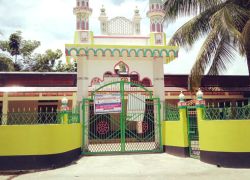
Pirgacha Mosque is one of the important religious and historical landmarks located in the Barpeta district of Assam. This mosque holds deep spiritual value for the local Muslim community and is also recognized as a symbol of communal harmony in the region. Surrounded by a peaceful rural setting, Pirgacha Mosque attracts devotees, history enthusiasts, and travelers who wish to explore the lesser-known cultural heritage of Assam. The mosque reflects the long-standing Islamic traditions in Barpeta, a district known for its rich religious diversity. People from nearby villages frequently visit Pirgacha Mosque for daily prayers, Friday congregations, and special religious occasions. Its calm atmosphere and historical significance make it a meaningful place for both worship and reflection. How to Reach Pirgacha Mosque, Barpeta, Assam Pirgacha Mosque is easily accessible from different parts of Assam through road, rail, and air connectivity. By Air: The nearest airport is Lokpriya Gopinath Bordoloi International Airport in Guwahati, located approximately 100 kilometers away. From the airport, visitors can hire taxis or take buses to reach Barpeta town. From Barpeta, local transport such as auto-rickshaws or private vehicles can be used to reach Pirgacha Mosque. By Train: Barpeta Road Railway Station is the closest major railway station. It is well connected to Guwahati, New Bongaigaon, and other major cities of Assam. From the station, visitors can take taxis, shared autos, or buses to reach Barpeta and then proceed to the mosque. By Road: Barpeta is well connected by National and State Highways. Regular bus services and private vehicles operate from Guwahati, Nalbari, Goalpara, and Bongaigaon. Road travel is one of the most convenient ways to reach Pirgacha Mosque. Weather and Best Time to Visit Barpeta experiences a humid subtropical climate throughout the year. Summers last from March to June and are warm and humid, with temperatures ranging between 25°C and 36°C. The monsoon season begins in June and continues until September, bringing heavy rainfall that enhances the greenery but may cause travel disruptions. The best time to visit Pirgacha Mosque is from October to March. During these months, the weather remains pleasant and comfortable for travel and sightseeing. Winter temperatures range from 12°C to 25°C, making it ideal for religious visits and exploration. Timing of Pirgacha Mosque Pirgacha Mosque is generally open throughout the day for worshippers. Visitors can usually visit the mosque from 5:00 AM to 9:00 PM. Entry during prayer times is allowed, but non-worshippers are advised to visit outside peak prayer hours to avoid disturbance. Friday prayers and special occasions such as Eid attract large gatherings, and the mosque may remain open for extended hours on these days. Entry and Visit Details There is no entry fee to visit Pirgacha Mosque. The mosque is open to visitors of all faiths, provided they respect religious practices and customs. Visitors are expected to dress modestly. Shoes must be removed before entering the prayer area. Photography may be restricted inside the mosque, so it is advisable to seek permission before taking photographs. Why is Pirgacha Mosque Famous? Pirgacha Mosque is famous for its religious importance and historical presence in Barpeta. It serves as a key center for Islamic worship and learning in the area. The mosque is also known for its role in promoting peace and harmony among different communities living in the region. Its simple yet dignified structure, along with its serene surroundings, makes it a place of spiritual comfort. The mosque becomes especially lively during major Islamic festivals, drawing devotees from nearby villages and towns. History of Pirgacha Mosque The history of Pirgacha Mosque is closely connected to the spread of Islam in the Barpeta region. According to local traditions, the mosque was established by early Muslim settlers and religious leaders who played a significant role in shaping the spiritual life of the area. Over the years, the mosque has undergone maintenance and minor renovations by the local community while retaining its original character. It has remained a central place of worship for generations, preserving religious values and cultural heritage. Architecture of Pirgacha Mosque The architectural style of Pirgacha Mosque is simple and functional, reflecting traditional Islamic design commonly found in rural Assam. The structure emphasizes simplicity, focusing more on spiritual purpose than decorative elements. The mosque features a spacious prayer hall, arched entrances, and a clean, open courtyard that accommodates worshippers during large gatherings. Natural ventilation and minimal ornamentation contribute to the peaceful ambiance of the mosque. Things to Do at Pirgacha Mosque Visitors to Pirgacha Mosque can engage in several meaningful activities: Offer Prayers: Devotees can participate in daily prayers and Friday congregations. Spiritual Reflection: The calm environment makes it ideal for quiet contemplation and spiritual reflection. Attend Religious Events: Visitors can witness special prayers and celebrations during Islamic festivals. Explore Local Culture: Interacting with locals helps visitors understand the cultural and religious life of Barpeta. Facts About Pirgacha Mosque • Pirgacha Mosque is one of the important religious centers in Barpeta district. • The mosque welcomes visitors from different communities and backgrounds. • It plays an important role during Islamic festivals like Eid-ul-Fitr and Eid-ul-Adha. • The mosque is maintained mainly through community support and contributions. Tips for Visitors • Dress modestly and respectfully while visiting the mosque. • Remove footwear before entering the prayer area. • Avoid visiting during peak prayer times if you are not a worshipper. • Seek permission before taking photographs. • Maintain silence and respect the religious atmosphere. Conclusion Pirgacha Mosque in Barpeta, Assam, stands as a symbol of faith, tradition, and community harmony. With its historical background, spiritual importance, and peaceful surroundings, the mosque offers visitors a chance to experience the rich religious heritage of the region. Whether you are a devotee, a cultural explorer, or a traveler interested in Assam’s diverse traditions, a visit to Pirgacha Mosque provides a calm and enriching experience.
Explore More
Bhubeneshwar temple (Bhubanhill)
The Bhubeneshwar Temple, also known as Bhubanhill Temple, is a popular Hindu temple located in Silchar, Assam. Situated atop a picturesque hill, this temple holds great religious and historical significance for the locals as well as visitors who come to seek blessings and marvel at its architectural beauty. Architecture of Bhubeneshwar Temple (Bhubanhill) Temple The Bhubeneshwar Temple showcases a stunning blend of traditional Assamese and modern architectural styles. The temple complex consists of several intricately carved stone structures, vibrant paintings, and ornate sculptures depicting various Hindu deities. The main temple is adorned with colorful motifs and intricate designs that reflect the rich cultural heritage of the region. History The history of the Bhubeneshwar Temple dates back several centuries, with its origins shrouded in myth and legend. According to local folklore, the temple was built by a devout king who was inspired by a divine vision. Over the years, the temple has undergone several renovations and expansions, each adding to its grandeur and significance. Best Time To Visit The best time to visit the Bhubeneshwar Temple is during the winter months of November to February when the weather is pleasant and ideal for exploring the temple complex. Visitors can also witness various festivals and religious ceremonies that take place during this time, adding to the spiritual ambiance of the temple. How To Reach The Bhubeneshwar Temple is easily accessible by road, located just a short drive from the city center of Silchar. Visitors can hire a taxi or take a local bus to reach the temple complex. For those coming from out of town, Silchar has a well-connected railway station and airport, making it convenient to travel to the temple. Significance Of The Bhubeneshwar Temple (Bhubanhill) Temple The Bhubeneshwar Temple holds immense significance for devotees who come to offer prayers and seek blessings from the presiding deity. The temple is also a popular pilgrimage site for tourists and spiritual seekers looking to experience the tranquility and spirituality that surrounds the hilltop sanctuary. The temple's serene surroundings and breathtaking views of the surrounding landscape make it a must-visit destination for those seeking peace and solace. In conclusion, the Bhubeneshwar Temple in Silchar is not just a place of worship but also a symbol of the region's rich cultural heritage and architectural splendor. With its unique blend of tradition and modernity, the temple continues to attract visitors from near and far, offering a spiritual retreat and a glimpse into the history and legends of Assam.
Explore More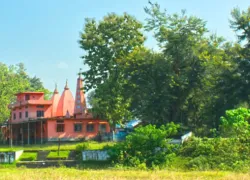
The Kancha Kanti Kali Mandir in Silchar is a revered temple dedicated to Goddess Kali, known for its historical significance and architectural beauty. The temple attracts devotees and tourists from all over the country who come to seek blessings and witness the stunning design of the temple. History, Architecture, and Design The Kancha Kanti Kali Mandir has a rich history that dates back to ancient times. It is believed to have been built by the Kachari kings who ruled the region. The architectural style of the temple is a blend of traditional Assamese and Bengali styles, with intricate carvings and beautiful sculptures adorning the walls. Best Time to Visit The best time to visit the Kancha Kanti Kali Mandir is during the festival of Navratri, which is celebrated with great pomp and show. The temple is beautifully decorated during this time, and the atmosphere is filled with devotional fervor. Cultural Significance The Kancha Kanti Kali Mandir holds immense cultural significance for the people of Silchar and the surrounding areas. The temple is considered a sacred place where devotees come to offer prayers and seek blessings from Goddess Kali. Pilgrimage Practices Devotees visiting the Kancha Kanti Kali Mandir follow various pilgrimage practices such as offering flowers, coconuts, and sweets to the deity. Many also perform rituals and prayers to seek protection and prosperity from the Goddess. Dress Code and Etiquette Visitors to the temple are expected to dress modestly and maintain decorum while inside the premises. It is customary to remove footwear before entering the temple and to refrain from taking photographs in the sanctum sanctorum. Activities and Experiences Apart from offering prayers, visitors to the Kancha Kanti Kali Mandir can participate in various activities such as attending the daily aarti, meditating in the serene surroundings, and indulging in the spiritual ambiance of the temple. Art and Religious Symbols The temple is adorned with intricate artwork depicting various religious symbols and mythological figures. The images of Goddess Kali are prominently displayed, symbolizing power, strength, and protection. Local Insights Local residents of Silchar consider the Kancha Kanti Kali Mandir as a sacred place that holds immense spiritual significance. They often visit the temple to seek blessings and offer prayers for their well-being and prosperity. Overall, the Kancha Kanti Kali Mandir in Silchar is a spiritual haven that holds a special place in the hearts of devotees and tourists alike. Whether you are seeking blessings, solace, or simply want to admire the beauty of the temple, a visit to this sacred place is sure to leave you with a sense of peace and tranquility.
Explore More
Welcome to the enchanting city of Sivsagar, home to the magnificent Sivadol Temple, a renowned tourist attraction that captivates visitors with its rich history, architectural splendor, and natural beauty. Nestled in the heart of Sivsagar, the Sivadol Temple stands as a testament to the city's cultural heritage and spiritual significance. History of Sivadol Temple The history of Sivadol Temple dates back to ancient times, reflecting the architectural grandeur of the Ahom dynasty. Originally built as a sacred place of worship, the temple signifies the religious devotion of the Ahom rulers and their patronage of art and culture. Formerly part of the royal hunting grounds, the temple grounds have been meticulously preserved, earning recognition from UNESCO for their historical and cultural importance. Architecture and Natural Beauty of Sivadol Temple Surrounded by lush wetlands, verdant forests, and picturesque landscapes, Sivadol Temple offers a serene retreat for nature lovers and history enthusiasts alike. The temple's stunning architecture, adorned with intricate carvings and ornate designs, showcases the blend of indigenous craftsmanship and spiritual symbolism. The nearby Keoladeo Temple adds to the allure of the surroundings, creating a harmonious blend of historical and natural beauty. Why is Sivadol Temple Famous? Sivadol Temple has gained fame as a must-visit destination for birdwatchers, photographers, and wildlife enthusiasts. Its tranquil ambiance, diverse bird habitats, and scenic vistas attract visitors seeking a glimpse of the region's rich biodiversity and cultural heritage. The temple serves as a sanctuary for migratory birds and a haven for nature lovers seeking peace and tranquility amidst the bustling city. How to Reach Sivadol Temple Traveling to Sivadol Temple is convenient, with options for air, rail, and road transport. The city is well-connected by nearby airports and railway stations, offering easy access to visitors from across the country. Whether arriving by air or train, the journey to Sivadol Temple promises scenic views and a seamless travel experience. Weather and Best Time to Visit Sivadol Temple Throughout the year, Sivsagar experiences varied weather conditions, with summers being warm, monsoons bringing lush greenery, and winters offering a cool and pleasant climate. The best time to visit Sivadol Temple is during the winter months, from November to February, when the weather is ideal for exploring the temple grounds and enjoying the natural beauty of the surroundings. Timings of Sivadol Temple Sivadol Temple welcomes visitors throughout the year, with varying timings based on seasonal considerations. Whether planning a morning visit or an evening stroll, the temple offers a serene atmosphere and spiritual ambiance that enchants visitors of all ages. Checking the seasonal timings beforehand ensures a memorable and hassle-free experience at Sivadol Temple. Entry Fee and Visit Details Entry to Sivadol Temple is open to all visitors, with nominal fees for guide services, safari options, and bicycle rentals. Visitors can explore the temple premises at their own pace or opt for guided tours to learn more about the historical and cultural significance of the site. The visitor facilities at Sivadol Temple ensure a comfortable and enriching experience for all guests. Things to Do at Sivadol Temple At Sivadol Temple, visitors can engage in a host of activities, including birdwatching, photography, cycling, and nature walks. The temple grounds offer ample opportunities for nature observation and educational experiences, allowing visitors to immerse themselves in the beauty of the surroundings and witness the diverse flora and fauna that call the temple home. Interesting Facts About Sivadol Temple Sivadol Temple is not just a place of worship but also a sanctuary for migratory birds, contributing to the region's biodiversity and ecological balance. The conservation efforts undertaken at the temple grounds have garnered praise for their commitment to preserving the natural habitat and historical heritage of the site. Visitors can witness firsthand the importance of sustainable practices and environmental stewardship at Sivadol Temple. Travel Tips for Visiting Sivadol Temple When visiting Sivadol Temple, it is advisable to dress modestly and carry adequate sun protection gear, especially during the summer months. For photography enthusiasts, capturing the temple's architectural details and natural surroundings is a rewarding experience. Birdwatching equipment and binoculars are recommended for those keen on spotting the diverse avian species that frequent the temple grounds. Responsible tourism practices, such as avoiding littering and respecting the sanctity of the site, ensure a harmonious and memorable visit to Sivadol Temple. Conclusion In conclusion, Sivadol Temple in Sivsagar stands as a symbol of spiritual devotion, architectural brilliance, and natural splendor. Its historical significance, biodiversity-rich surroundings, and tourism appeal make it a must-visit destination for travelers seeking a blend of culture, heritage, and natural beauty. A visit to Sivadol Temple promises a transformative experience, where the past meets the present in a harmonious celebration of tradition and tranquility.
Explore More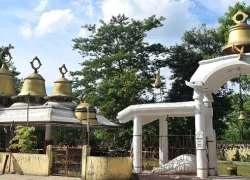
Tilinga Mandir is one of the most unique and spiritually powerful temples in Assam, located near Digboi in the Tinsukia district. Dedicated to Lord Shiva, this temple is popularly known as the “Bell Temple of Assam” because thousands of bells of different sizes hang all around the temple premises. The sound of these bells, combined with the natural surroundings, creates a deeply spiritual and peaceful atmosphere that attracts devotees and tourists from across India. Nestled amidst lush greenery and surrounded by forested hills, Tilinga Mandir is not just a religious site but also a place of faith, belief, and mystery. Devotees visit the temple to fulfill vows, seek blessings, and experience the strong spiritual energy associated with the shrine. How to Reach Tilinga Mandir, Digboi, Assam Tilinga Mandir is well connected with major towns of Upper Assam and can be easily reached by road, rail, and air. By Air: The nearest airport is Dibrugarh Airport (Mohanbari), located about 85 kilometers away. From the airport, visitors can hire taxis or use bus services to reach Digboi. Tilinga Mandir is around 10–12 kilometers from Digboi town. By Train: Tinsukia Junction is the nearest major railway station. It is well connected to Guwahati, Dibrugarh, Kolkata, and other major cities. From Tinsukia, visitors can travel by taxi, bus, or shared vehicles to Digboi and then proceed to the temple. By Road: Digboi is well connected by road with Tinsukia, Dibrugarh, Doomdooma, and Margherita. Regular buses and shared taxis are available. From Digboi town, local transport can easily take visitors to Tilinga Mandir. Weather and Best Time to Visit Digboi experiences a humid subtropical climate. Summers, from March to June, are warm and humid, with temperatures ranging between 25°C and 35°C. The monsoon season, from June to September, brings heavy rainfall, making the surroundings lush and green but sometimes causing travel inconvenience. The best time to visit Tilinga Mandir is from October to March. During winter, the weather remains pleasant, with temperatures between 12°C and 25°C, making it comfortable for temple visits and sightseeing. Mondays and special Hindu festivals attract large crowds, especially during winter months. Timing of Tilinga Mandir Tilinga Mandir is generally open to devotees from 6:00 AM to 5:00 PM. Morning hours are ideal for peaceful darshan, while afternoons and festival days tend to be crowded. On Mondays, Maha Shivaratri, and during the holy month of Shravan, the temple may remain open for extended hours to accommodate the large number of devotees. Entry and Visit Details There is no entry fee to visit Tilinga Mandir. Devotees are free to offer prayers and perform rituals. Visitors can bring bells as offerings and hang them within the temple premises after their wishes are fulfilled. Shoes must be removed before entering the inner prayer area. Small stalls outside the temple sell bells, flowers, incense sticks, and other puja items. Why is Tilinga Mandir Famous? Tilinga Mandir is famous for the belief that wishes made here are fulfilled by Lord Shiva. Once a devotee’s wish is granted, they return to the temple to offer a bell as a mark of gratitude. Over time, this tradition has resulted in thousands of bells hanging all around the temple, giving it a unique and powerful identity. The temple is also known for its strong spiritual atmosphere and the belief that negative energies and evil spirits are removed through sincere prayer here. This has made Tilinga Mandir one of the most visited Shiva temples in Upper Assam. History of Tilinga Mandir The history of Tilinga Mandir is deeply connected to local legends and faith. According to popular belief, the temple was established after a local person experienced divine intervention by Lord Shiva. Over time, word spread about miracles associated with the shrine, and more devotees began visiting the site. Initially a small shrine, Tilinga Mandir gradually developed into a major religious center with community support. Though the temple structure has been renovated over the years, its core spiritual traditions and beliefs remain unchanged. Architecture of Tilinga Mandir The architecture of Tilinga Mandir is simple yet striking. The main shrine houses the Shiva Lingam, around which devotees gather to offer prayers. What makes the temple visually unique is the presence of countless bells hanging from trees, metal frames, and temple structures. The temple complex is open and spacious, surrounded by greenery and forested land. The sound of bells ringing softly in the breeze adds to the spiritual and meditative experience of the place. Things to Do at Tilinga Mandir Visitors can engage in several meaningful activities at Tilinga Mandir: Offer Prayers: Devotees can perform puja and seek blessings from Lord Shiva. Fulfill Vows: Hang bells as offerings after wishes are fulfilled. Meditation: Spend quiet time in the peaceful temple surroundings. Photography: Capture the unique sight of thousands of bells hanging together. Explore Nearby Areas: Visit nearby attractions like Digboi Oil Museum and Digboi War Cemetery. Facts About Tilinga Mandir • Tilinga Mandir is also called the Bell Temple of Assam. • Thousands of bells are offered by devotees as a symbol of fulfilled wishes. • The temple is dedicated to Lord Shiva. • It attracts devotees from Assam and neighboring states. Tips for Visitors • Visit early in the morning to avoid crowds. • Maintain silence and respect the religious atmosphere. • Wear comfortable and modest clothing. • Avoid touching bells unnecessarily. • Be cautious during monsoon due to slippery paths. Conclusion Tilinga Mandir in Digboi, Assam, is a place where faith, tradition, and spirituality come together in a unique and powerful way. With its thousands of bells, strong belief system, and peaceful natural surroundings, the temple offers a deeply moving experience for devotees and visitors alike. Whether you are seeking spiritual blessings or simply wish to explore one of Assam’s most fascinating religious sites, Tilinga Mandir is truly a must-visit destination.
Explore MoreAssam And Meghalaya Tour
6 Days/ 5 Night
Guwahati - Shillong - Cherrapunji - Dawki
Assam Explorer Tour Package 5 Days - 4 Nights
5 Days/ 4 Night
Guwahati - Shillong - Kaziranga - Golaghat
Assam Wildlife - Culture Tour 5N - 6D
6 Days/ 5 Night
Guwahati - Kaziranga - Majuli - Golaghat
Assam - Meghalaya Highlights - 5 Nights - 6 Days Tour
6 Days/ 5 Night
Guwahati - Shillong - Kaziranga - Golaghat
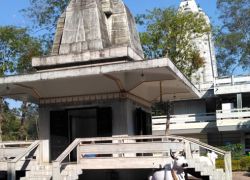
Koli Aai Temple is an important local religious shrine located near the historic town of Digboi in Tinsukia district, Assam. Dedicated to Goddess Koli Aai, the temple is deeply revered by the local community and holds a special place in the spiritual life of the people living in and around Digboi. The shrine is associated with traditional beliefs, folk worship, and age-old rituals that reflect the indigenous religious practices of Assam. Set amidst a peaceful natural environment with greenery and open spaces, Koli Aai Temple attracts devotees who seek blessings for health, protection, and prosperity. Though not as large or famous as some major temples in Assam, its cultural and spiritual importance makes it a meaningful destination for visitors interested in local traditions and faith. How to Reach Koli Aai Temple, Digboi, Assam Koli Aai Temple is easily accessible from Digboi town and nearby areas through road, rail, and air connections. By Air: The nearest airport is Dibrugarh Airport (Mohanbari), located approximately 85 kilometers away. From the airport, taxis and buses are available to reach Digboi. The temple can be reached from Digboi town using local transport. By Train: Tinsukia Junction is the nearest major railway station. It is well connected to Guwahati, Dibrugarh, Kolkata, and other cities. From Tinsukia, Digboi is about 30 kilometers away and can be reached by taxi, bus, or shared vehicles. By Road: Digboi is well connected by road with Tinsukia, Doomdooma, Margherita, and Dibrugarh. Regular buses and shared taxis operate on these routes. Local roads lead directly to the temple area. Weather and Best Time to Visit Digboi experiences a humid subtropical climate. Summers, from March to June, are warm and humid, with temperatures ranging from 25°C to 35°C. The monsoon season, from June to September, brings heavy rainfall and lush greenery, though travel can be slightly challenging due to wet conditions. The best time to visit Koli Aai Temple is from October to March. During winter, the weather is pleasant, with temperatures ranging between 12°C and 25°C, making it comfortable for temple visits and outdoor activities. Special festivals and local celebrations also take place during this period. Timing of Koli Aai Temple Koli Aai Temple is generally open to devotees from 6:00 AM to 6:00 PM. Morning and evening hours are considered most auspicious for offering prayers. During special pujas, festivals, or community events, the temple may remain open for extended hours to accommodate devotees. Entry and Visit Details There is no entry fee to visit Koli Aai Temple. Devotees and visitors are welcome to offer prayers freely. Shoes must be removed before entering the inner prayer area. Offerings such as flowers, incense sticks, and traditional items can be brought or purchased from nearby local vendors during festival days. Why is Koli Aai Temple Famous? Koli Aai Temple is famous for its strong connection to local folk beliefs and traditional goddess worship. The deity, Goddess Koli Aai, is believed to protect the community from diseases, natural calamities, and negative influences. The temple is particularly important during local festivals and rituals, when villagers gather to perform special prayers and ceremonies. The faith and devotion of the local people have kept the temple’s traditions alive for generations. History of Koli Aai Temple The history of Koli Aai Temple is rooted in local legends and oral traditions passed down through generations. It is believed that the worship of Goddess Koli Aai began as a form of folk religion practiced by early settlers and indigenous communities in the Digboi region. Over time, a simple shrine was established at the present site, and with community support, it developed into a temple. Though the structure has been renovated and improved over the years, the core rituals and beliefs remain unchanged. Architecture of Koli Aai Temple The architecture of Koli Aai Temple is simple and traditional, reflecting rural Assamese temple design. The structure focuses on functionality and spiritual purpose rather than elaborate decoration. The main sanctum houses the deity of Goddess Koli Aai. The temple complex is modest in size, with open spaces around it for gatherings during festivals and community rituals. Natural surroundings add to the peaceful atmosphere of the temple. Things to Do at Koli Aai Temple Visitors can engage in several meaningful activities at Koli Aai Temple: Offer Prayers: Seek blessings from Goddess Koli Aai for health and protection. Participate in Rituals: Observe or take part in traditional local pujas. Experience Local Culture: Learn about folk traditions and beliefs from local devotees. Photography: Capture the simple beauty of the temple and its surroundings respectfully. Visit Nearby Attractions: Combine the visit with nearby places like Digboi Oil Museum or Tilinga Mandir. Facts About Koli Aai Temple • The temple is dedicated to Goddess Koli Aai, a folk deity. • It reflects indigenous religious traditions of Assam. • The temple is especially active during local festivals. • It is maintained mainly by community support. Tips for Visitors • Visit during morning or evening hours for a peaceful experience. • Respect local customs and religious practices. • Dress modestly while visiting the temple. • Avoid loud behavior within the temple premises. • Seek permission before photographing rituals or people. Conclusion Koli Aai Temple in Digboi, Assam, is a meaningful spiritual destination that offers insight into the region’s folk traditions and community-based worship. With its simple architecture, strong local faith, and peaceful surroundings, the temple provides visitors with a chance to connect with the cultural roots of Assam. Whether you are a devotee, a cultural explorer, or a traveler seeking quiet spiritual experiences, Koli Aai Temple is a place worth visiting.
Explore More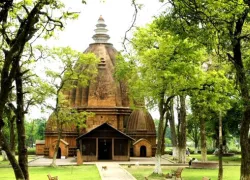
The Negheriting Shiv Mandir Temple, located in Golaghat, Assam, is a prominent Hindu temple dedicated to Lord Shiva. It is a sacred pilgrimage site for devotees who come to seek the blessings of the powerful deity. Architecture of Negheriting Shiv Mandir Temple The architectural style of Negheriting Shiv Mandir Temple is distinct and reflects the rich cultural heritage of Assam. The temple features intricate carvings and sculptures, with a large Shiva Linga as the main deity. The tall spire of the temple, known as the shikhara, is a striking feature that adds to the grandeur of the structure. History The history of Negheriting Shiv Mandir Temple dates back several centuries, with its origins shrouded in legends and folklore. According to local beliefs, the temple was established by a saint who had a divine vision of Lord Shiva at the site where the temple stands today. Over the years, the temple has gained popularity and attracts a large number of devotees from across the region. Best Time To Visit The best time to visit Negheriting Shiv Mandir Temple is during the festival of Maha Shivaratri, which is celebrated with great fervor and devotion. During this time, the temple is adorned with colorful decorations and lights, creating a vibrant and festive atmosphere. Apart from Maha Shivaratri, visiting the temple during other auspicious occasions and festivals is also recommended to experience the spiritual energy and divine blessings. How To Reach Negheriting Shiv Mandir Temple is easily accessible by road, with regular bus services available from Golaghat town. The nearest railway station is located in Furkating, which is well connected to major cities in Assam. Visitors can also opt for private taxis or hire a car to reach the temple. The temple is surrounded by lush greenery and offers a peaceful and serene environment for devotees to meditate and seek solace. Significance Of The Negheriting Shiv Mandir Temple The Negheriting Shiv Mandir Temple holds great significance for the local community as well as devotees who visit from far and wide. It is believed that worshiping Lord Shiva at this temple can bring blessings of prosperity, good health, and spiritual fulfillment. The serene surroundings of the temple make it an ideal place for meditation and reflection, allowing devotees to connect with the divine and seek inner peace. In conclusion, Negheriting Shiv Mandir Temple in Golaghat is a sacred place of worship that exudes spiritual energy and divine grace. Its rich history, intricate architecture, and cultural significance make it a must-visit destination for those seeking spiritual enlightenment and blessings from Lord Shiva.
Explore More
The Hulukanda Pahar Temple is a revered religious site located in Golaghat, Assam, India. Perched atop a hill, the temple offers panoramic views of the surrounding lush green landscapes, making it a tranquil and spiritual destination for devotees and tourists alike. The temple is dedicated to Lord Shiva, one of the principal deities in Hinduism, and is visited by a large number of pilgrims throughout the year. Architecture of Hulukanda Pahar Temple The Hulukanda Pahar Temple features a unique architectural style that reflects a harmonious blend of traditional Assamese and Hindu design elements. The temple is characterized by intricate carvings, ornate sculptures, and vibrant paintings that adorn its walls and ceilings. The main sanctum sanctorum houses a sacred lingam, a symbol of Lord Shiva, which is worshipped by devotees with great reverence. The temple complex also includes smaller shrines dedicated to other Hindu gods and goddesses, along with a spacious courtyard where religious ceremonies and rituals are conducted. History The history of the Hulukanda Pahar Temple dates back several centuries, with legends and folklore intricately woven into its origins. According to popular belief, the temple was built by a group of devout worshippers who were inspired by divine visions of Lord Shiva. Over the years, the temple has undergone several renovations and expansions, each adding to its architectural splendor and spiritual significance. Today, the Hulukanda Pahar Temple stands as a testament to the enduring faith and devotion of its followers. Best Time To Visit The best time to visit the Hulukanda Pahar Temple is during the winter months, from November to February, when the weather is cool and pleasant. This time of the year offers ideal conditions for exploring the temple complex and enjoying the breathtaking views of the surrounding countryside. Additionally, the annual festivals and religious celebrations held at the temple during this period attract a large number of pilgrims and visitors, adding to the festive atmosphere. How To Reach The Hulukanda Pahar Temple is conveniently located in Golaghat, Assam, and is easily accessible by road. Visitors can reach the temple by hiring a taxi or taking a bus from Golaghat town, which is well-connected to major cities in Assam. The nearest railway station is located in Furkating, approximately 45 kilometers away from the temple, while the nearest airport is in Jorhat, around 70 kilometers away. From these transportation hubs, visitors can easily travel to the temple by hiring a taxi or taking a bus. Significance Of The Hulukanda Pahar Temple The Hulukanda Pahar Temple holds immense significance for the local community and devotees who flock to the temple seeking blessings and spiritual solace. The temple is believed to be a sacred abode of Lord Shiva, who is worshipped as the Supreme Being and the destroyer of all evil. Devotees offer prayers, perform rituals, and seek divine intervention for various purposes, including health, prosperity, and happiness. The serene and tranquil surroundings of the temple provide a conducive environment for meditation and introspection, allowing visitors to connect with their inner selves and experience a sense of peace and tranquility. Overall, the Hulukanda Pahar Temple serves as a spiritual oasis for those seeking refuge from the chaos and stresses of daily life.
Explore More
The Bhalukdhubi Kali Temple is a renowned Hindu temple located in the town of Golaghat in Assam, India. Dedicated to Goddess Kali, the temple holds significant religious importance for locals and pilgrims who visit to seek the blessings of the deity. The temple is known for its unique architecture, rich history, and spiritual significance. Architecture of Bhalukdhubi Kali Temple The Bhalukdhubi Kali Temple showcases a blend of traditional Assamese and Bengali architectural styles. The temple's main structure is adorned with intricate carvings, sculptures, and colorful paintings that depict various Hindu mythological stories. The entrance of the temple is marked by a towering gate with ornate designs, while the inner sanctum features a beautifully crafted idol of Goddess Kali. History The history of the Bhalukdhubi Kali Temple dates back several centuries. It is believed that the temple was established by a local ruler or noble family as a place of worship for Goddess Kali. Over the years, the temple has undergone several renovations and expansions, resulting in the magnificent structure that stands today. The temple has survived various natural calamities and invasions, further adding to its historical significance. Best Time To Visit The best time to visit the Bhalukdhubi Kali Temple is during the festival of Kali Puja, which is celebrated with great fervor and enthusiasm by devotees. The festival usually falls in the month of October or November, depending on the Hindu lunar calendar. During this time, the temple is adorned with lights, flowers, and decorations, creating a vibrant and festive atmosphere. How To Reach The Bhalukdhubi Kali Temple is easily accessible by road from Golaghat town. Visitors can reach the temple by hiring a taxi or taking a local bus from the town center. The nearest railway station is located in Golaghat, which is well-connected to major cities in Assam. For those traveling by air, the nearest airport is in Jorhat, approximately 50 kilometers away from Golaghat. Significance Of The Bhalukdhubi Kali Temple The Bhalukdhubi Kali Temple holds immense significance for devotees who worship Goddess Kali as a symbol of strength, power, and protection. The temple is a spiritual hub where worshippers come to offer prayers, perform rituals, and seek blessings for themselves and their loved ones. The serene ambiance of the temple complex, surrounded by lush greenery and tranquil surroundings, further enhances the spiritual experience for visitors. Overall, the Bhalukdhubi Kali Temple is not only a place of worship but also a cultural landmark that reflects the rich heritage and traditions of the region. With its stunning architecture, deep-rooted history, and spiritual significance, the temple continues to draw devotees and tourists alike, seeking solace and divine guidance in the presence of Goddess Kali.
Explore More
Kali Mandir in Sonitpur district of Assam is a respected Hindu temple dedicated to Goddess Kali, one of the most powerful forms of Shakti. Located near the historic town of Tezpur, the temple is not only a spiritual center but also a peaceful place offering scenic views of the surrounding landscape. Devotees and tourists visit Kali Mandir to seek blessings, experience calmness, and enjoy the natural beauty around the temple. Its religious importance, hilltop location, and serene environment make it one of the notable attractions in Sonitpur. Why Kali Mandir is Famous in Sonitpur, Assam Kali Mandir is famous for its strong religious significance and its association with Goddess Kali, who symbolizes power, protection, and the destruction of evil. The temple is especially popular among devotees who believe that prayers offered here bring strength and fulfillment of wishes. Its elevated location provides panoramic views of Tezpur town and nearby areas, making it both a spiritual and scenic destination. During festivals, especially Kali Puja, the temple becomes a major center of devotion and celebration. History of Kali Mandir, Sonitpur The history of Kali Mandir is deeply rooted in local faith and tradition. While exact historical records about its origin are limited, it is believed that the temple has been a place of worship for several decades. According to local beliefs, the site was chosen due to its spiritual energy and peaceful surroundings. Over time, the temple gained popularity among residents of Tezpur and nearby villages. In the past, the temple structure was modest, but with growing devotion and support from the local community, it has been renovated and expanded. Today, Kali Mandir stands as a symbol of faith and unity, reflecting the deep-rooted spiritual culture of Sonitpur district. Architecture of Kali Mandir The architecture of Kali Mandir is simple yet spiritually appealing. The temple follows traditional Hindu temple design, with a sanctum housing the idol of Goddess Kali. The idol is depicted in her powerful form, representing strength and protection. The temple complex is clean and well-maintained, with open spaces that allow devotees to sit, meditate, and offer prayers. Unlike grand temples with elaborate carvings, Kali Mandir’s charm lies in its simplicity and peaceful atmosphere. The surrounding greenery and elevated location add to the overall spiritual experience. How to Reach Kali Mandir, Sonitpur, Assam Kali Mandir is easily accessible from Tezpur town and other parts of Sonitpur district. By Road: Tezpur is well connected by road to Guwahati and other major towns of Assam. From Tezpur town, the temple can be reached by auto-rickshaw, taxi, or private vehicle. The last stretch may involve a short uphill walk. By Rail: The nearest railway station is Tezpur Railway Station. From the station, visitors can hire local transport to reach Kali Mandir. By Air: Tezpur Airport is the closest airport with limited connectivity. Guwahati International Airport, about 180 km away, is the main airport. From Guwahati, travelers can reach Tezpur by road and then proceed to the temple. Weather and Best Time to Visit Kali Mandir Kali Mandir can be visited throughout the year, but the experience depends on the season. Summer (March to June): Summers are warm, with temperatures ranging from 25°C to 35°C. Morning and evening visits are more comfortable. Monsoon (July to September): The surroundings become lush and green, but heavy rainfall may make the paths slippery. Winter (October to February): Winter is the best time to visit, with pleasant weather and temperatures between 10°C and 25°C. Festivals during this time attract many devotees. Timings of Kali Mandir, Sonitpur Kali Mandir is generally open daily from early morning to evening. Typical visiting hours are from 6:00 AM to 8:00 PM. Timings may vary during festivals and special पूजा days, so visitors are advised to check locally. Entry and Visit Details of Kali Mandir There is no entry fee to visit Kali Mandir. Devotees can offer prayers freely. Donations are voluntary and help in the maintenance of the temple. Special पूजा and rituals may have nominal charges depending on the service. Things to Do at Kali Mandir Offer Prayers: Seek blessings of Goddess Kali by offering flowers, incense, and prayers. Meditation: Spend quiet time meditating in the peaceful temple environment. Enjoy Scenic Views: The elevated location offers beautiful views of Tezpur town and nearby natural landscapes. Festival Experience: Visit during Kali Puja to witness vibrant rituals, decorations, and devotional activities. Photography: Capture the scenic surroundings, keeping temple guidelines in mind. Interesting Facts about Kali Mandir, Sonitpur The temple is believed to be a powerful Shakti peeth by local devotees. Kali Puja is the most important festival celebrated here. The temple attracts both devotees and tourists due to its scenic location. Local residents consider the temple a symbol of protection for the town. Travel Tips for Visiting Kali Mandir Dress modestly as it is a religious place. Visit early in the morning or evening to avoid crowds. Be cautious during monsoon due to slippery paths. Avoid littering and maintain temple cleanliness. Follow temple rules and respect local customs. Carry basic offerings if you wish to perform पूजा. Conclusion Kali Mandir in Sonitpur, Assam, is a place where spirituality meets natural beauty. With its deep religious significance, calm atmosphere, and scenic views, the temple offers a fulfilling experience for both devotees and tourists. Whether you seek divine blessings or a peaceful retreat, Kali Mandir is a meaningful destination that reflects the spiritual heart of Sonitpur district.
Explore More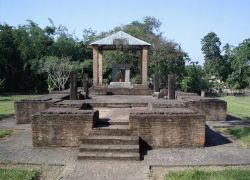
Welcome to Da Parbatia Temple, a renowned tourist attraction located in Sonitpur. This ancient temple holds significant historical and cultural importance, attracting visitors from all around the world. The natural beauty surrounding the temple adds to its charm, making it a must-visit destination for nature lovers and history enthusiasts alike. History of Da Parbatia Temple The history of Da Parbatia Temple dates back to ancient times, showcasing exquisite architectural marvels and intricate carvings. Originally a royal hunting ground, it has been transformed into a conservation area to protect its rich biodiversity. The temple's historical significance and conservation efforts have gained recognition from UNESCO, highlighting its importance on a global scale. Architecture and Natural Beauty of Da Parbatia Temple The temple is surrounded by lush wetlands, dense forests, and sprawling grasslands that provide a habitat for a diverse range of bird species. Visitors can explore the scenic landscapes and observe the birdlife in their natural habitats. The Keoladeo Temple within the park adds to the historical and spiritual ambiance of the place. Why is Da Parbatia Temple Famous? Da Parbatia Temple is famous for being a paradise for birdwatchers, photographers, and nature enthusiasts. Its serene environment and abundant wildlife attract visitors who seek to immerse themselves in the beauty of nature. The temple's historical and cultural significance also adds to its popularity among tourists. How to Reach Da Parbatia Temple Traveling to Da Parbatia Temple is convenient, with options available by air, rail, and road. The nearest airports and railway stations provide easy access to the city of Sonitpur, from where visitors can reach the temple via well-connected roads. Weather and Best Time to Visit Da Parbatia Temple The weather at Da Parbatia Temple varies across seasons, with summer, monsoon, and winter each offering a unique experience. The best time to visit is during the cooler months when the weather is pleasant, allowing visitors to explore the temple and its surroundings comfortably. Timings of Da Parbatia Temple Da Parbatia Temple welcomes visitors during specific timings, ensuring an organized and enjoyable experience for all. Seasonal variations may affect the visiting hours, so it is advisable to plan your trip accordingly to make the most of your visit. Entry Fee and Visit Details Visitors can enter Da Parbatia Temple by following the designated procedures and avail guide services for a more informative tour. Safari options, bicycle rentals, and visitor facilities are available to enhance the overall experience and provide convenience to guests. Things to Do at Da Parbatia Temple There are plenty of activities to enjoy at Da Parbatia Temple, including birdwatching, photography, cycling, walking trails, and nature observation. Visitors can engage in educational experiences to learn more about the temple's history and the biodiversity it supports. Interesting Facts About Da Parbatia Temple Da Parbatia Temple is home to a diverse range of migratory birds, showcasing the rich biodiversity of the region. Conservation efforts have led to significant achievements in preserving the ecological balance of the area, making it a hub for nature conservationists and researchers. Travel Tips for Visiting Da Parbatia Temple When visiting Da Parbatia Temple, it is advisable to dress appropriately for the weather and carry essential items such as sunscreen and insect repellent. Birdwatching equipment and photography gear can enhance your experience, ensuring you capture the beauty of the temple and its surroundings responsibly. Conclusion In conclusion, Da Parbatia Temple in Sonitpur offers a unique blend of history, natural beauty, and wildlife, making it a top destination for travelers seeking a meaningful cultural and ecological experience. Visitors can explore the temple's architectural marvels, witness diverse bird species, and immerse themselves in the serene environment, creating lasting memories of their trip.
Explore More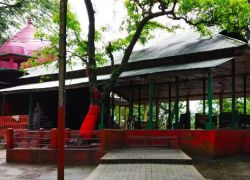
The Bhairabi Temple, located in Tezpur, is a famous Hindu temple dedicated to Goddess Bhairabi. It is one of the oldest temples in Assam and holds great religious significance for the locals. The temple attracts devotees and tourists alike, who come to seek the blessings of the Goddess and marvel at the beautiful architecture of the temple. Architecture of Bhairabi Temple The Bhairabi Temple is known for its unique architecture, which is a blend of Assamese and Hindu styles. The temple is built using red bricks and white marble, giving it a distinct appearance. The main sanctum sanctorum of the temple houses the idol of Goddess Bhairabi, adorned with traditional Assamese ornaments and clothes. The temple complex also includes smaller shrines dedicated to other Hindu deities, as well as a beautiful garden and a pond. History The Bhairabi Temple has a rich history that dates back to ancient times. It is believed that the temple was built by the Koch dynasty rulers in the 8th century AD. Over the centuries, the temple has undergone several renovations and expansions, but it has retained its original charm and spiritual aura. The temple is also associated with many legends and mythological stories, which add to its mystique and allure. Best Time To Visit The best time to visit the Bhairabi Temple is during the autumn and winter months, from October to February. The weather during this time is pleasant and cool, making it ideal for sightseeing and exploring the temple complex. The temple also hosts various festivals and religious events during this time, which attract a large number of devotees and visitors. It is advisable to check the temple calendar before planning your visit to coincide with any special events. How To Reach The Bhairabi Temple is located in Tezpur, which is well-connected by road, rail, and air. The nearest airport is in Guwahati, which is about 170 kilometers away from Tezpur. From Guwahati, you can hire a taxi or take a bus to reach Tezpur. The nearest railway station is also in Guwahati, from where you can take a train to Tezpur. Once in Tezpur, you can hire a local taxi or auto-rickshaw to reach the Bhairabi Temple. Significance Of The Bhairabi Temple The Bhairabi Temple holds great significance for the followers of Hinduism, particularly the devotees of Goddess Bhairabi. It is believed that worshipping at the temple can bring prosperity, peace, and protection from evil forces. Many devotees also visit the temple to seek blessings for their personal and professional endeavors. The temple is also a popular pilgrimage site for tourists who are interested in exploring the rich cultural and religious heritage of Assam. Visiting the Bhairabi Temple in Tezpur is not just a religious experience but also an opportunity to appreciate the beautiful architecture, rich history, and spiritual significance of the ancient temple. It is a must-visit destination for anyone traveling to Assam to immerse themselves in the vibrant culture and traditions of the region.
Explore More
The Mahabhairab Temple is a famous Hindu temple located in Tezpur, Assam. It is dedicated to Lord Shiva and is one of the most important pilgrimage sites for the devotees of the deity in the region. The temple is situated on a hillock known as the "Mahabhairab Hill" overlooking the Brahmaputra River, offering a breathtaking view of the surrounding landscape. The temple is visited by thousands of devotees and tourists every year, seeking blessings and enjoying the serene atmosphere. Architecture of Mahabhairab Temple The Mahabhairab Temple showcases traditional Assamese architectural style with intricate carvings and designs. The temple complex consists of a main sanctum sanctorum where the idol of Lord Shiva is installed, surrounded by smaller shrines dedicated to other Hindu deities. The temple premises also house a large courtyard where religious ceremonies and cultural events are held. The temple's architecture reflects the rich cultural heritage of Assam and is a visual treat for visitors. History The history of the Mahabhairab Temple dates back to ancient times, with references to the deity Mahabhairab found in various Hindu scriptures and legends. According to local folklore, the temple was established by King Baanasur, a powerful demon king who was a devotee of Lord Shiva. The temple has since been renovated and expanded by various rulers and devotees over the centuries, making it a significant religious site in Assam. Best Time To Visit The best time to visit the Mahabhairab Temple is during the winter months from October to February when the weather is pleasant and conducive for sightseeing. The temple also hosts several festivals and events during this time, attracting a large number of devotees and tourists. It is advisable to avoid visiting the temple during the monsoon season as heavy rains can make the hillock slippery and difficult to access. How To Reach The Mahabhairab Temple is easily accessible by road, located about 3 kilometers from the heart of Tezpur town. Visitors can reach the temple by hiring a taxi or auto-rickshaw from the town center. The nearest railway station is Rangapara North, which is about 20 kilometers away, while the nearest airport is Tezpur Airport, approximately 13 kilometers from the temple. Regular bus services also connect Tezpur with major cities in Assam and neighboring states. Significance Of The Mahabhairab Temple The Mahabhairab Temple holds great religious significance for the devotees of Lord Shiva, who come here to seek blessings for health, wealth, and prosperity. The temple is also believed to be a powerful center of positive energy, offering spiritual solace to those who visit. Many devotees perform rituals and offer prayers at the temple to fulfill their wishes and overcome obstacles in their lives. The serene ambiance and scenic beauty of the Mahabhairab Temple make it a must-visit destination for anyone seeking a spiritual experience in Assam. By exploring the architectural beauty, historical significance, and spiritual essence of the Mahabhairab Temple, visitors can gain a deeper understanding and appreciation of this sacred place in Tezpur, Assam.
Explore More
The Dibrugarh Christian Cemetery, located in the city of Dibrugarh, is a historical burial ground that dates back to the British colonial era. It is a serene and peaceful place where many Christians from the region have been laid to rest over the years. The cemetery is well-maintained and serves as a reminder of the city's rich cultural and religious heritage. Visiting Hours The Dibrugarh Christian Cemetery is open to visitors every day from sunrise to sunset. Visitors are encouraged to respect the solemnity of the place and to maintain a peaceful atmosphere during their visit. History The cemetery was established during the British colonial period in the 19th century and has since been an important landmark in the city. It has witnessed the passage of time and holds many stories of the people who were buried there. Church Services and Events Church services are held at the cemetery on special occasions such as Christmas and Easter. The timings for these services may vary, so visitors are advised to check with the local church for more information. Special events and festivals may also be celebrated at the cemetery, offering visitors a unique cultural experience. Weekend Availability The Dibrugarh Christian Cemetery is open on weekends for visitors to pay their respects and explore the grounds. It is a popular spot for locals and tourists alike, offering a peaceful retreat from the hustle and bustle of the city. Weddings While the Dibrugarh Christian Cemetery is not typically open for weddings, special requests may be considered on a case-by-case basis. Couples interested in hosting their wedding at the cemetery should contact the local authorities for more information. Architectural Facts The Dibrugarh Christian Cemetery features a blend of British colonial and local architectural styles. The gravestones and monuments are intricately designed, reflecting the diverse cultural influences of the region. The cemetery is a beautiful example of historical architecture and serves as a valuable heritage site for the city. Accessibility and Directions The Dibrugarh Christian Cemetery is easily accessible by car or public transport. Visitors can reach the cemetery by following the signs along the main road. Parking is available near the entrance for those arriving by car, and the cemetery is wheelchair accessible for all visitors. Visitor's Information There is no entry fee to visit the Dibrugarh Christian Cemetery, and guides are available to provide information about the historical significance of the site. Visitors are encouraged to dress modestly and respectfully when visiting the cemetery. Nearby attractions include the Dibrugarh Tea Garden and the Brahmaputra River, offering visitors a glimpse of the natural beauty of the region.
Explore More
The Dinjoy Satra Temple is a renowned religious site located in the city of Dibrugarh in Assam, India. This beautiful temple holds significant historical and cultural importance, attracting visitors from all over to witness its architectural splendor and spiritual aura. Architecture of Dinjoy Satra Temple The Dinjoy Satra Temple features a traditional Assamese architecture, characterized by intricate wooden carvings, vibrant paintings, and a unique blend of Hindu and Assamese design elements. The temple is adorned with colorful motifs and ornate patterns, creating a mesmerizing visual spectacle for visitors. History The Dinjoy Satra Temple was established in the 15th century by Srimanta Sankardeva, a revered saint and social reformer in Assam. The temple served as a center for religious teachings, cultural activities, and spiritual enlightenment. Over the years, the temple has been renovated and expanded, but it has retained its original charm and essence. Best Time To Visit The best time to visit the Dinjoy Satra Temple is during the winter months, from November to February, when the weather is pleasant and conducive for sightseeing. The temple also hosts various cultural events and festivals during this time, providing visitors with a unique opportunity to experience Assamese traditions and rituals. How To Reach The Dinjoy Satra Temple is easily accessible from Dibrugarh town, which is well-connected by road, rail, and air. Visitors can hire a taxi or take a bus from Dibrugarh to reach the temple, which is located just a short distance away. The nearest airport is Dibrugarh Airport, while the nearest railway station is Dibrugarh Railway Station. Significance Of The Dinjoy Satra Temple The Dinjoy Satra Temple holds immense significance for the people of Assam, as it is a symbol of cultural heritage, spiritual devotion, and religious harmony. The temple serves as a place of worship, meditation, and cultural exchange, bringing together people from different backgrounds and beliefs. Visitors to the temple can witness traditional Assamese performances, rituals, and ceremonies, immersing themselves in the rich tapestry of Assamese culture and tradition. Overall, the Dinjoy Satra Temple is a must-visit destination for anyone seeking to explore the spiritual and cultural heritage of Assam, offering a unique blend of history, architecture, and tradition.
Explore More
Welcome to Radha Krishna Mandir, a serene tourist attraction located in the city of Dibrugarh. This beautiful destination is known for its rich history, natural beauty, and diverse wildlife, making it a must-visit for nature enthusiasts and bird lovers. History of Radha Krishna Mandir Radha Krishna Mandir has a fascinating historical background, originally serving as a royal hunting ground. Over the years, it has transformed into a conservation area, attracting attention for its biodiversity and ecological significance. The park's efforts in preserving its natural heritage have garnered recognition, showcasing its commitment to wildlife conservation. Architecture and Natural Beauty of Radha Krishna Mandir The mandir is surrounded by lush wetlands, dense forests, and sprawling grasslands that provide a habitat for a variety of bird species. The landscape is adorned with picturesque views, and the historic Keoladeo Temple within the park adds a cultural touch to the natural beauty of the surroundings. Why is Radha Krishna Mandir Famous? Radha Krishna Mandir is renowned for its diverse bird population, making it a paradise for birdwatchers and photographers. Nature enthusiasts are drawn to the park for its tranquil atmosphere and the opportunity to observe wildlife in their natural habitat. How to Reach Radha Krishna Mandir Travelling to Radha Krishna Mandir is convenient, with options available by air, rail, and road. The city is well-connected, and visitors can reach the destination easily via nearby airports and railway stations. Weather and Best Time to Visit Radha Krishna Mandir The weather at Radha Krishna Mandir varies across seasons, with distinct conditions during summer, monsoon, and winter. The best time to visit is during the moderate months when the climate is pleasant, allowing for an enjoyable outdoor experience. Timings of Radha Krishna Mandir Radha Krishna Mandir welcomes visitors at specific timings, with considerations for seasonal variations. It is advisable to plan your visit accordingly to make the most of your time at this natural haven. Entry Fee and Visit Details Entry procedures at Radha Krishna Mandir are straightforward, with guide services available for those seeking a more informative experience. Safari options, bicycle rentals, and essential visitor facilities are provided to enhance your visit to the park. Things to Do at Radha Krishna Mandir Popular activities at Radha Krishna Mandir include birdwatching, photography, cycling along designated trails, leisurely walks to appreciate the surroundings, and engaging in educational experiences to learn about the local flora and fauna. Interesting Facts About Radha Krishna Mandir Radha Krishna Mandir is home to a plethora of migratory birds, showcasing the park's importance in biodiversity conservation. The achievements in ecological preservation and the park's role in maintaining the delicate balance of the ecosystem are noteworthy. Travel Tips for Visiting Radha Krishna Mandir When visiting Radha Krishna Mandir, remember to dress appropriately for outdoor activities, carry suitable photography equipment to capture the beauty of the wildlife, and be mindful of the best seasons to observe migratory birds. Practicing responsible tourism ensures the sustainability of this natural gem for future generations. Conclusion In conclusion, Radha Krishna Mandir in Dibrugarh stands as a testament to India's rich natural heritage. Its historical significance, diverse wildlife, and tranquil environment offer visitors a unique experience in the lap of nature. A visit to this enchanting destination promises a memorable journey filled with exploration and appreciation for the wonders of Radha Krishna Mandir.
Explore More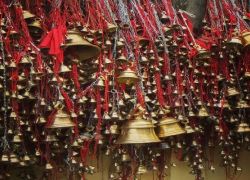
Tinsukia, a city in the northeastern state of Assam, is home to the enchanting Bell Temple in Dinjoy. This tourist attraction captivates visitors with its serene natural environment and diverse biodiversity, making it a must-visit destination for nature lovers and wildlife enthusiasts. History of Bell Temple, Dinjoy The Bell Temple in Dinjoy has a rich historical background, once serving as royal hunting grounds for the local rulers. Over the years, concerted conservation efforts have transformed it into a sanctuary for wildlife, earning recognition from UNESCO for its preservation of endangered species and ecosystems. Architecture and Natural Beauty of Bell Temple, Dinjoy The Bell Temple is surrounded by lush wetlands, dense forests, sprawling grasslands, and diverse bird habitats. The picturesque landscapes are complemented by the historical Keoladeo Temple nestled within the park, adding a touch of cultural charm to the natural beauty. Why is Bell Temple, Dinjoy Famous? Bell Temple, Dinjoy is renowned for attracting birdwatchers, photographers, nature enthusiasts, and wildlife lovers from around the globe. Its exceptional biodiversity, including rare bird species and varied ecosystems, make it a paradise for those seeking to immerse themselves in nature's wonders. How to Reach Bell Temple, Dinjoy Traveling to Bell Temple, Dinjoy is convenient with multiple options available. Visitors can access the attraction by air via nearby airports, by rail through well-connected railway stations, or by road using various transportation services that provide easy access to this natural gem. Weather and Best Time to Visit Bell Temple, Dinjoy Throughout the seasons, Bell Temple, Dinjoy offers different experiences to its visitors. Summer brings vibrant greenery, while the monsoon enhances the beauty of the wetlands. Winter is ideal for birdwatching. The best time to visit is during the winter months when the weather is pleasant and the birdlife is at its peak. Timings of Bell Temple, Dinjoy Visitors can explore Bell Temple, Dinjoy during specified timings, ensuring a well-organized and enjoyable experience. The park may have seasonal variations in timings, so it is advisable to check in advance for any updates before planning your visit. Entry Fee and Visit Details Entry to Bell Temple, Dinjoy may require a nominal fee, with additional services such as guide assistance, safari options, bicycle rentals, and visitor facilities available to enhance your exploration of the park. These amenities ensure a comfortable and informative visit for all guests. Things to Do at Bell Temple, Dinjoy Engage in a variety of activities at Bell Temple, Dinjoy, including birdwatching to spot rare species, photography to capture the park's beauty, cycling along scenic trails, walking amidst nature, and participating in educational programs to learn more about the local ecosystem. Interesting Facts About Bell Temple, Dinjoy Bell Temple, Dinjoy is home to a plethora of migratory birds that travel great distances to seek refuge in its diverse habitats. The conservation efforts at the park have led to significant achievements in preserving endangered species and highlighting the ecological importance of such sanctuaries. Travel Tips for Visiting Bell Temple, Dinjoy When visiting Bell Temple, Dinjoy, it is advisable to dress comfortably, carry essential photography and birdwatching equipment, visit during the recommended seasons for optimal experiences, and practice responsible tourism by respecting the park's rules and preserving its natural beauty. Conclusion In conclusion, Bell Temple in Dinjoy, Tinsukia, stands as a testament to the harmonious coexistence of nature and culture. Its historical significance, natural splendor, and diverse wildlife make it a unique destination that offers a memorable and enriching experience for every visitor.
Explore MoreMeghalaya Tour Package 8 Days - 7 Nights
8 Days/ 7 Night
Guwahati - Shillong - Cherrapunji - Kaziranga - Dawki - Golaghat
Arunachal Pradesh Tour 5 Night - 6 Days
6 Days/ 5 Night
Bomdila - Guwahati - Bhalukpong - Tawang - Dirang
Assam Wildlife Tour - 4 Nights - 5 Days
5 Days/ 4 Night
Guwahati - Kaziranga - Golaghat
Arunachal Pradesh Package
8 Days/ 7 Night
Guwahati - Bomdila - Tinsukia - Bodhgaya
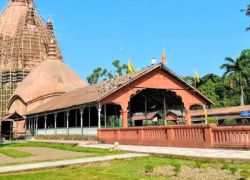
Devi Dol, located in the town of Sibsagar in Assam, is an ancient and revered temple dedicated to Goddess Durga, making it one of the most significant religious sites in the region. The temple stands as a symbol of the rich cultural heritage and religious practices of Assam. Built in the 18th century during the reign of Rudra Singha, it is one of the three prominent temples of the Ahom period, the other two being the Shivadol and Vishnudol temples. Devi Dol is not only a place of worship but also an architectural marvel that draws numerous visitors and devotees from across the region. How to Reach Devi Dol Devi Dol is located in the heart of Sibsagar town, making it easily accessible from various parts of Assam. Here's how you can reach this historic temple: By Air: The nearest airport to Devi Dol is Jorhat Airport, which is about 30 kilometers away from the temple. From Jorhat, you can take a taxi or bus to Sibsagar. Alternatively, Guwahati's Lokpriya Gopinath Bordoloi International Airport is about 360 kilometers away, with more frequent flights from major Indian cities. By Train: Sibsagar is well connected by rail, and the nearest railway station to Devi Dol is the Sibsagar Town Railway Station, located around 2 km from the temple. You can hire a taxi or auto-rickshaw to reach the temple from the station. By Road: Sibsagar is connected by road to various cities in Assam. You can travel by bus or private car from cities like Jorhat (30 km away) and Guwahati (360 km away). Sibsagar is well-connected by NH 37. Weather and Best Time to Visit Sibsagar experiences a humid subtropical climate with hot summers, heavy monsoons, and mild winters. The best time to visit Devi Dol is from October to March, when the weather is pleasant and ideal for sightseeing. During this period, temperatures range between 10°C to 25°C, making it comfortable for outdoor activities and temple visits. Summer (March to June) can be quite hot, with temperatures reaching up to 35°C, making outdoor activities less enjoyable. The monsoon season (June to September) brings heavy rainfall, which may cause difficulty in traveling and exploring the site, so it's advisable to avoid visiting during this time. Timing of Devi Dol Devi Dol is open to visitors throughout the year. However, it is recommended to visit during the following hours for a pleasant experience: Morning Timings: 7:00 AM - 9:00 AM Evening Timings: 4:00 PM - 6:00 PM Visiting during the early morning or late evening allows you to avoid the midday heat and enjoy a peaceful atmosphere. Early morning visits are especially ideal for photography, as the soft light makes the surroundings look serene and beautiful. Why Devi Dol is Famous Devi Dol holds immense religious and historical significance, making it one of the most important temples in Assam. Here are some reasons why it is famous: Religious Importance: Devi Dol is dedicated to Goddess Durga, one of the most revered deities in Hinduism. The temple holds annual Durga Puja celebrations, attracting devotees from all over Assam and beyond. The rituals and festivities associated with Durga Puja at Devi Dol are vibrant and spiritually significant. Historical Significance: Devi Dol was constructed during the reign of Rudra Singha, the Ahom king, in the early 18th century. It is part of the trio of temples in Sibsagar—Devi Dol, Shivadol, and Vishnudol—that were built to honor the Hindu deities. The temple is also an important symbol of the Ahom dynasty’s patronage of Hinduism. Architectural Beauty: The temple’s architecture reflects the traditional Ahom style, characterized by intricate woodwork, stone carvings, and a distinctive dome-shaped roof. The temple is a prime example of the blending of religious and artistic traditions during the Ahom period. Entry and Visit Details Devi Dol is open to visitors throughout the year, and it is an accessible site for both locals and tourists. Here's what you need to know about visiting the temple: Entry Fee: There is no entry fee to visit Devi Dol, making it an affordable option for visitors. However, there may be charges for photography or special rituals. Parking: There is parking available near the temple, allowing visitors to park their vehicles securely while they explore the temple and its surroundings. Guided Tours: Local guides are available to offer in-depth explanations of the temple's history, architecture, and religious significance. Hiring a guide can enhance your understanding of the temple’s cultural importance and enrich your visit. History and Architecture Devi Dol was constructed during the reign of Rudra Singha, one of the most notable kings of the Ahom dynasty. It is said that the temple was built to honor Goddess Durga and celebrate the triumph of good over evil. The structure of Devi Dol features a unique blend of Assamese and Hindu architectural styles, with a tall, dome-shaped roof that is a distinctive feature of the temple. The temple is made primarily of brick and stone, and the intricate carvings on the walls and pillars reflect the craftsmanship of the period. The temple’s design includes a large central hall and several smaller shrines dedicated to various deities, including Lord Shiva and Lord Vishnu. The entrance to the temple is adorned with beautiful sculptures and carvings, showcasing the artistic heritage of Assam. The inner sanctum of the temple houses the idol of Goddess Durga, which is worshipped during the Durga Puja festivities every year. The temple also features a large courtyard that is used for gatherings and rituals during religious events. Things to Do in and Around Devi Dol Visiting Devi Dol offers not only a spiritual experience but also an opportunity to explore Assam’s rich cultural heritage. Here are some activities you can enjoy during your visit: Explore the Temple Architecture: Take time to appreciate the intricate carvings, sculptures, and the architectural design of the temple. The serene atmosphere of the temple adds to its spiritual charm. Photography: The architectural beauty of Devi Dol, along with the surrounding landscape, makes it an ideal spot for photography. Capture the detailed carvings and the majestic structure of the temple. Participate in Durga Puja: If you're visiting during the Durga Puja festival, don't miss the chance to participate in the vibrant celebrations. The temple comes alive with rituals, prayers, and cultural performances, making it a truly immersive experience. Visit Nearby Temples: Devi Dol is located near other famous temples, including Shivadol and Vishnudol, which are also worth a visit. These temples offer further insights into the religious practices and architectural style of the Ahom period. Facts and Tips About Devi Dol Best Time to Visit: The best time to visit Devi Dol is between October and March, during the cooler months when the weather is pleasant. Wear Comfortable Footwear: As you'll be exploring the temple and its surroundings, it’s recommended to wear comfortable shoes for walking. Carry Water and Snacks: While there are some local shops near Devi Dol, it’s a good idea to carry water and snacks, especially if you're planning to explore the nearby temples. Respect the Sacred Space: As Devi Dol is a religious site, it’s important to be respectful of the customs and traditions. Avoid loud conversations and dress modestly when visiting. Devi Dol in Sibsagar is not just a temple but a monument of historical, religious, and architectural importance. It offers a peaceful retreat for devotees and tourists alike, providing a glimpse into the rich cultural heritage of Assam and the Ahom dynasty. Whether you’re visiting for the spiritual experience or the architectural beauty, Devi Dol is a must-see destination in Sibsagar.
Explore More