"Seek solace at this revered spiritual site."
Mahamrityunjay Temple is one of the most important and revered religious sites in Nagaon district of Assam. Dedicated to Lord Shiva, this temple holds deep spiritual significance for devotees who believe in the power of the Mahamrityunjay Mantra, often known as the mantra for victory over death and fear. Surrounded by a peaceful environment and sacred atmosphere, Mahamrityunjay Temple attracts pilgrims, spiritual seekers, and tourists from across Assam and nearby states. The temple is not only a place of worship but also a center of faith, meditation, and cultural heritage.
Why Mahamrityunjay Temple Is Famous in Nagaon, Assam
Mahamrityunjay Temple is famous for its strong association with Lord Shiva and the powerful Mahamrityunjay Mantra. Devotees believe that chanting this mantra at the temple brings protection from illness, fear, and negative energies, and promotes long life and well-being. The temple is especially popular among people seeking spiritual healing, mental peace, and divine blessings.
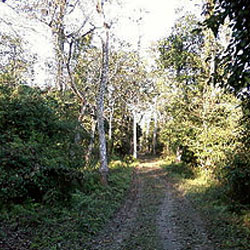
The temple is also known for its calm and sacred surroundings, making it an ideal place for meditation and prayer. During special occasions like Maha Shivaratri, the temple becomes a major center of devotion, drawing thousands of worshippers.
History of Mahamrityunjay Temple, Nagaon
The history of Mahamrityunjay Temple is deeply rooted in the religious traditions of Assam. While the exact date of its establishment is not clearly documented, the temple is believed to have been built by devoted followers of Lord Shiva to honor the spiritual power of the Mahamrityunjay Mantra. Over the years, the temple has grown in importance and has undergone renovations and expansions to accommodate the increasing number of devotees.
Local legends suggest that the site was chosen due to its spiritual energy and peaceful natural setting. The temple has long served as a place where saints, priests, and devotees gather to perform rituals, prayers, and sacred ceremonies dedicated to Lord Shiva.
Architecture of Mahamrityunjay Temple
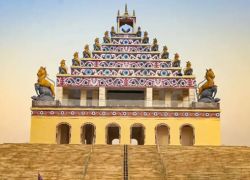
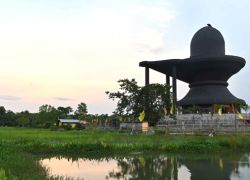
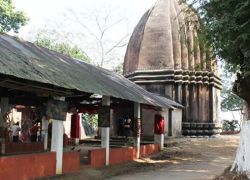
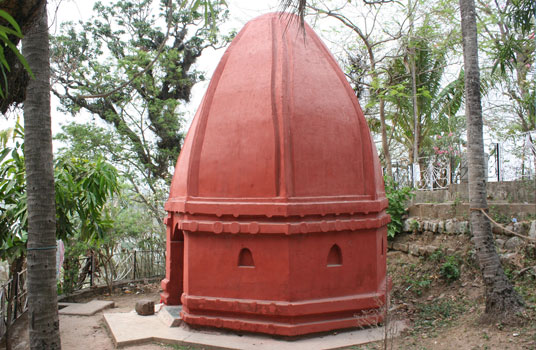
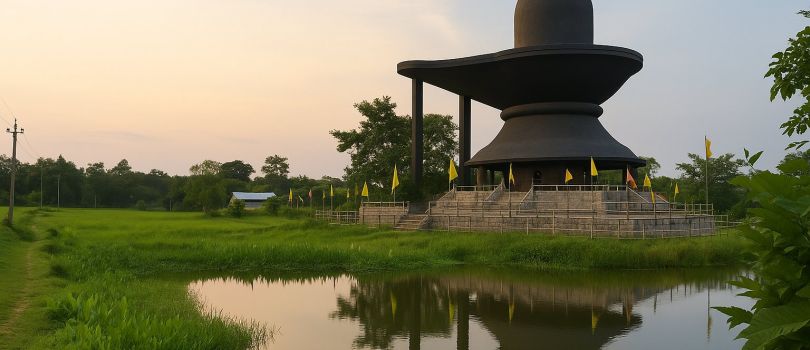
The architecture of Mahamrityunjay Temple reflects a blend of traditional Assamese temple design and simple Hindu architectural elements. The temple structure is modest yet spiritually powerful, focusing more on devotion than grandeur. The sanctum houses a Shiva Lingam, which is worshipped daily by priests and devotees.
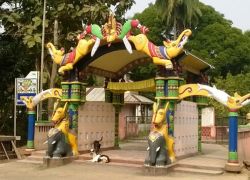
The temple complex includes prayer halls, open courtyards, and spaces for devotees to sit and meditate. Decorative elements often include sacred symbols related to Lord Shiva, such as tridents, serpents, and sacred inscriptions. The peaceful layout of the temple enhances the spiritual experience of visitors.
How to Reach Mahamrityunjay Temple, Nagaon, Assam
Mahamrityunjay Temple is easily accessible from different parts of Assam.
By Road: Nagaon town is well connected by road to Guwahati, Tezpur, and other major towns. From Nagaon, visitors can hire taxis, auto-rickshaws, or private vehicles to reach the temple.
By Rail: The nearest railway station is Nagaon Railway Station. From the station, local transport options such as taxis and auto-rickshaws are available to reach the temple.
By Air: The nearest airport is Lokpriya Gopinath Bordoloi International Airport in Guwahati. From Guwahati, travelers can reach Nagaon by road or train and then proceed to the temple.
Weather and Best Time to Visit Mahamrityunjay Temple
The weather in Nagaon is generally humid and influenced by Assam’s climate.
Summer (March to June): Summers are warm, with temperatures ranging from 25°C to 35°C. Morning visits are recommended.
Monsoon (July to September): Heavy rainfall occurs during monsoon. The surroundings become lush and green, but travel may be slightly inconvenient.
Winter (October to February): Winter is the best time to visit, with pleasant weather ideal for temple visits and spiritual activities.
Timings of Mahamrityunjay Temple
Mahamrityunjay Temple is generally open to devotees from early morning to evening. Typical timings are from 5:00 AM to 8:00 PM, though timings may vary during festivals and special rituals.
Entry and Visit Details of Mahamrityunjay Temple
There is no entry fee to visit Mahamrityunjay Temple. Devotees are free to enter and offer prayers. Donations are voluntary and are used for temple maintenance and religious activities.
Special pujas and rituals can be arranged through temple priests, especially for chanting the Mahamrityunjay Mantra, Rudrabhishek, and other Shiva-related ceremonies.
Things to Do at Mahamrityunjay Temple
Offer Prayers: Worship Lord Shiva and seek blessings for health and peace.
Chant Mahamrityunjay Mantra: Participate in mantra chanting sessions.
Meditation: Spend quiet time meditating in the temple premises.
Attend Festivals: Experience the spiritual atmosphere during Maha Shivaratri and other Hindu festivals.
Explore Local Culture: Interact with locals and learn about regional religious traditions.
Interesting Facts about Mahamrityunjay Temple
The temple is dedicated to Lord Shiva in his Mahamrityunjay form.
The Mahamrityunjay Mantra is considered one of the most powerful Vedic mantras.
The temple attracts devotees seeking healing and protection.
Maha Shivaratri is the most important festival celebrated here.
The peaceful surroundings enhance spiritual practices.
Tips for Visiting Mahamrityunjay Temple, Nagaon
Visit early morning or evening for a peaceful experience.
Wear modest and comfortable clothing.
Maintain silence and respect temple traditions.
Plan visits during festivals for a vibrant spiritual experience.
Check local timings during special occasions.
Conclusion
Mahamrityunjay Temple in Nagaon, Assam, is a sacred destination that offers spiritual comfort, peace, and divine blessings. With its deep connection to Lord Shiva, serene atmosphere, and cultural importance, the temple stands as a symbol of faith and devotion. Whether you are a devotee seeking spiritual healing or a traveler interested in Assam’s religious heritage, a visit to Mahamrityunjay Temple provides a meaningful and uplifting experience.















Nagaon
Nagaon
Nagaon
Nagaon
Nagaon
Nagaon
Nagaon