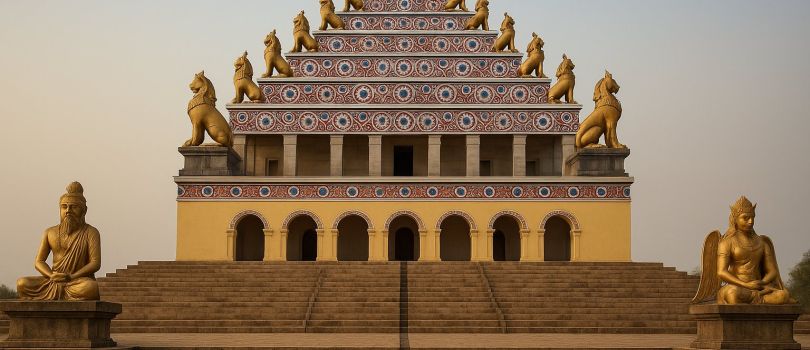
"Visit the sacred birthplace of Assamese culture."
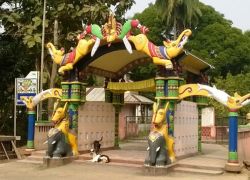
Batadrava Than, also known as Sri Sri Batadrava Than, is one of the most sacred and historically important religious sites in Assam. Located in the Nagaon district, this holy place is closely associated with Srimanta Sankardeva, the great saint, reformer, scholar, and founder of the Neo-Vaishnavite movement in Assam. Batadrava Than is not just a place of worship but also a major center of Assamese culture, spirituality, and social reform. Devotees, scholars, and tourists from across India visit this site to experience its deep spiritual atmosphere and rich heritage.
Why Batadrava Than is Famous in Nagaon, Assam
Batadrava Than is famous as the birthplace of Srimanta Sankardeva and the origin of the Ekasarana Naam Dharma, a monotheistic form of Vaishnavism. It is considered one of the most important Vaishnavite pilgrimage sites in Assam. The Than played a crucial role in spreading devotional practices, art forms, literature, and moral values among the people of Assam.
The site is also known for its peaceful environment, large prayer halls, and traditional religious practices such as Naam-Kirtan (devotional singing). Festivals like Janmastami, Doul Utsav, and Tithi of Srimanta Sankardeva are celebrated here with great devotion, attracting thousands of pilgrims.
History of Batadrava Than
The history of Batadrava Than dates back to the 15th century. Srimanta Sankardeva was born in Batadrava village in 1449. During his early years, he established the Than as a center for religious discussion, learning, and devotion. It was here that Sankardeva began spreading the teachings of Ekasarana Naam Dharma, which emphasized devotion to a single God, Lord Krishna, equality among people, and rejection of caste discrimination.
Over time, Batadrava Than became a strong spiritual and cultural hub. However, due to political conflicts during the Ahom period, the original Than faced destruction. Later, it was reconstructed and restored by Sankardeva’s followers and the local Vaishnavite community. Today, Batadrava Than stands as a symbol of religious harmony, reform, and Assamese identity.
Architecture of Batadrava Than
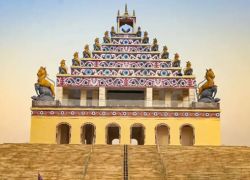
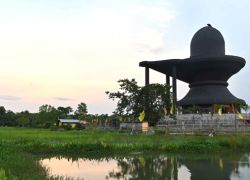
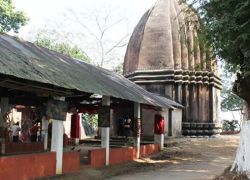
The architecture of Batadrava Than reflects traditional Assamese Vaishnavite design. The main structure includes a large prayer hall known as the Kirtan Ghar, where devotees gather to sing hymns and recite religious texts. The Kirtan Ghar is simple in appearance, emphasizing humility and devotion rather than grandeur.
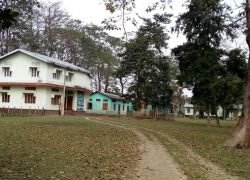
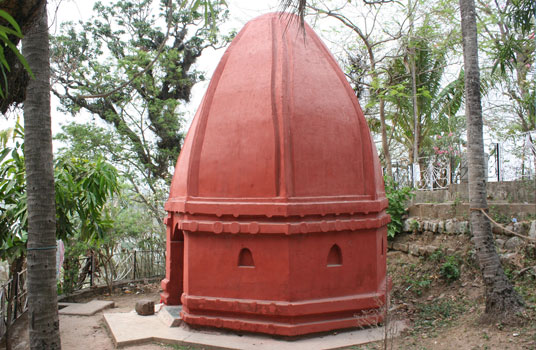
The Than complex also includes the Manikut, where sacred religious items are kept, open courtyards, and surrounding structures for pilgrims and monks. The use of wood, sloping roofs, and spacious halls showcases indigenous Assamese architectural style. The calm and orderly layout of the Than enhances its spiritual ambiance.
How to Reach Batadrava Than, Nagaon, Assam
Batadrava Than is well connected and easily accessible from major towns and cities of Assam.
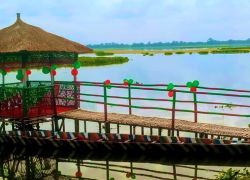
By Road: Batadrava Than is located about 15 kilometers from Nagaon town. Regular buses, shared taxis, and private vehicles are available from Nagaon to Batadrava. The roads are well maintained and pass through scenic rural landscapes.
By Rail: The nearest railway station is Nagaon Railway Station. From the station, visitors can hire taxis or use local transport to reach the Than.
By Air: The nearest airport is Lokpriya Gopinath Bordoloi International Airport in Guwahati. From Guwahati, visitors can reach Nagaon by road or train and then proceed to Batadrava Than.
Weather and Best Time to Visit Batadrava Than
The climate of Nagaon is generally warm and humid.
Summer (March to June): Summers are warm, with temperatures ranging from 25°C to 35°C. Morning visits are more comfortable.
Monsoon (July to September): The monsoon season brings heavy rainfall, making the surroundings lush and green, but travel may be slightly inconvenient.
Winter (October to February): Winter is the best time to visit Batadrava Than. The weather is pleasant and suitable for sightseeing and religious activities.
Timings of Batadrava Than
Batadrava Than is generally open from early morning to evening, usually between 5:00 AM and 8:00 PM. Timings may vary during festivals and special religious occasions.
Entry and Visit Details of Batadrava Than
There is no entry fee to visit Batadrava Than. The site is open to people of all religions and backgrounds. Devotees are encouraged to maintain silence and follow temple rules. Simple accommodation facilities may be available nearby for pilgrims during major festivals.
Things to Do at Batadrava Than
Attend Naam-Kirtan: Participate in devotional singing and prayers.
Learn History: Explore the life and teachings of Srimanta Sankardeva.
Festival Experience: Witness grand celebrations during Janmastami and Doul Utsav.
Meditation: Spend quiet time in prayer and reflection.
Cultural Exploration: Observe Assamese Vaishnavite traditions and practices.
Interesting Facts about Batadrava Than
Batadrava Than is the birthplace of Srimanta Sankardeva.
It is the origin of the Ekasarana Naam Dharma movement.
The Than played a major role in shaping Assamese culture and literature.
The site promotes equality, devotion, and moral living.
It is one of the most respected Vaishnavite centers in Assam.
Tips for Visiting Batadrava Than
Dress modestly as it is a sacred religious site.
Visit early morning for a peaceful experience.
Respect local customs and religious practices.
Avoid loud behavior inside the prayer hall.
Plan visits during festivals to experience vibrant traditions.
Conclusion
Batadrava Than in Nagaon, Assam, is a place of immense spiritual, historical, and cultural importance. As the birthplace of Srimanta Sankardeva and the foundation of the Neo-Vaishnavite movement, it stands as a beacon of devotion, equality, and Assamese identity. A visit to Batadrava Than offers not only a spiritual journey but also a deeper understanding of Assam’s rich cultural heritage and timeless values.
















Nagaon
Nagaon
Nagaon
Nagaon
Nagaon
Nagaon
Nagaon
Nagaon
Nagaon
Nagaon