"Visit a revered site of spiritual significance."
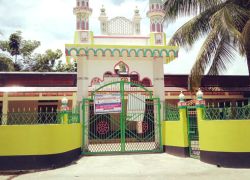
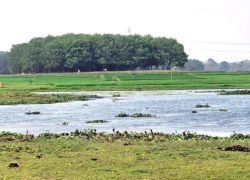
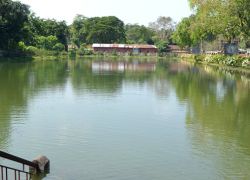
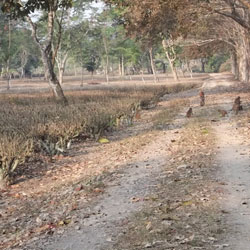
Baba Doul Goswami's Tomb is a revered spiritual and historical site located in the Barpeta district of Assam. This sacred place is associated with Baba Doul Goswami, a respected religious figure remembered for his devotion, teachings, and spiritual influence in the region. The tomb is visited by devotees from different communities who come to seek blessings, offer prayers, and experience a sense of peace and spirituality. Surrounded by a calm rural environment, the site reflects the harmonious blend of faith, tradition, and local culture that defines Barpeta.
The tomb is not only a religious destination but also an important cultural landmark. It plays a significant role in preserving local spiritual traditions and serves as a gathering place during religious occasions and special days of remembrance. The simplicity and serenity of Baba Doul Goswami's Tomb make it an ideal place for reflection and quiet devotion.
How to Reach Baba Doul Goswami's Tomb, Barpeta, Assam
Baba Doul Goswami's Tomb is well connected to major towns and cities of Assam, making it accessible for visitors and pilgrims.
By Air: The nearest airport is Lokpriya Gopinath Bordoloi International Airport in Guwahati, approximately 100 kilometers away. From the airport, taxis and buses are available to reach Barpeta town. After reaching Barpeta, local transport such as auto-rickshaws or private vehicles can be used to reach the tomb.
By Train: Barpeta Road Railway Station is the nearest major railway station. It is well connected with Guwahati and other parts of Assam. From the station, visitors can hire taxis or use bus services to reach Barpeta town and then proceed to the tomb.
By Road: Barpeta is connected by National and State Highways to Guwahati, Nalbari, Bongaigaon, and other nearby towns. Regular buses, shared taxis, and private vehicles make road travel convenient.
Weather and Best Time to Visit
Barpeta experiences a humid subtropical climate. Summers, from March to June, are warm and humid with temperatures ranging between 25°C and 36°C. The monsoon season, from June to September, brings heavy rainfall, which may cause temporary travel inconvenience.
The best time to visit Baba Doul Goswami's Tomb is from October to March. During these months, the weather remains pleasant and suitable for travel and religious visits. Winter temperatures range from 12°C to 25°C, offering a comfortable environment for devotees.
Timing of Baba Doul Goswami's Tomb
The tomb is generally open to visitors and devotees throughout the day. The recommended visiting hours are from 6:00 AM to 7:00 PM. Early mornings and evenings are ideal for a peaceful and spiritual experience.
On special religious occasions, prayer days, and anniversaries related to Baba Doul Goswami, the site may remain open for extended hours.
Entry and Visit Details
There is no entry fee to visit Baba Doul Goswami's Tomb. The site is open to people of all faiths and backgrounds. Visitors are expected to maintain decorum, dress modestly, and respect the spiritual significance of the place.
Photography may be allowed in the outer areas, but visitors should seek permission before taking photographs near the tomb.
Why is Baba Doul Goswami's Tomb Famous?
Baba Doul Goswami's Tomb is famous for its religious and spiritual importance. Baba Doul Goswami is remembered as a saintly figure whose teachings emphasized devotion, humility, and moral living. His tomb has become a place where devotees gather to offer prayers and seek blessings for peace, health, and prosperity.
The tomb is also known for promoting communal harmony, as people from different religious and cultural backgrounds visit the site with faith and respect. The peaceful atmosphere and spiritual energy of the place are often highlighted by visitors.
History of Baba Doul Goswami's Tomb
The history of Baba Doul Goswami's Tomb is deeply rooted in local religious traditions and oral histories. Baba Doul Goswami was a respected spiritual leader whose influence extended across Barpeta and surrounding areas. After his passing, his followers and devotees built the tomb as a mark of respect and remembrance.
Over the years, the tomb has been maintained and developed by the local community. Religious gatherings, prayers, and annual remembrance events continue to be held here, keeping the legacy of Baba Doul Goswami alive.
Architecture of Baba Doul Goswami's Tomb
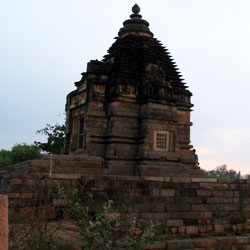
The architecture of Baba Doul Goswami's Tomb is simple and modest, reflecting the humble life and teachings of the saint. The structure is designed to provide a peaceful space for prayer and meditation rather than showcasing elaborate ornamentation.
The tomb structure includes a central chamber where the resting place is located, along with open spaces for devotees to gather. The use of simple materials and clean design enhances the calm and spiritual atmosphere of the site.
Things to Do at Baba Doul Goswami's Tomb
Visitors can engage in several spiritual and cultural activities at the tomb:
Prayer and Worship: Devotees can offer prayers, light incense, and seek blessings at the tomb.
Meditation: The quiet surroundings make it an ideal place for meditation and reflection.
Participate in Religious Events: Visitors can attend special prayer sessions and remembrance ceremonies held on important days.
Cultural Observation: Observing local customs and devotional practices provides insight into the spiritual traditions of Barpeta.
Facts About Baba Doul Goswami's Tomb
• Baba Doul Goswami is remembered for his spiritual teachings and simple lifestyle.
• The tomb attracts devotees from nearby districts and villages.
• The site promotes unity and respect among different communities.
• Annual remembrance events are held to honor Baba Doul Goswami’s legacy.
Tips for Visitors
• Visit during early morning or evening for a peaceful experience.
• Dress modestly and maintain silence inside the premises.
• Avoid littering and help keep the area clean.
• Respect local customs and religious sentiments.
• Combine your visit with nearby attractions in Barpeta for a fulfilling trip.
Conclusion
Baba Doul Goswami's Tomb in Barpeta, Assam, stands as a symbol of devotion, peace, and spiritual heritage. The site offers visitors a chance to connect with local religious traditions and experience a calm and reflective environment. Whether you are a devotee, a spiritual seeker, or a traveler interested in Assam’s cultural landscape, a visit to this sacred tomb provides a meaningful and enriching experience.

















Barpeta
Barpeta
Barpeta

Barpeta
Barpeta
Barpeta
Barpeta
Barpeta
Barpeta