"Explore the rich cultural heritage of Assam."
Nalbari is a culturally rich and naturally beautiful region located in and around the Barpeta district of Assam. Known for its traditional Assamese lifestyle, scenic rural landscapes, religious harmony, and proximity to wetlands and fertile agricultural land, Nalbari represents the true essence of rural Assam. Though Nalbari is also a separate district, areas referred to as Nalbari within or near Barpeta district are often visited for their calm environment, temples, local markets, and connection to Assamese heritage.
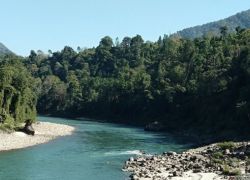
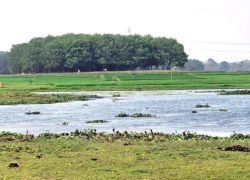
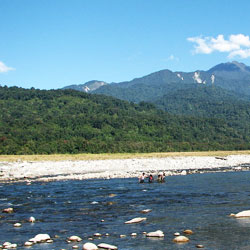
The region is marked by green paddy fields, small rivers, wetlands, and traditional villages. Life here moves at a relaxed pace, making Nalbari an ideal destination for travelers seeking cultural exploration, peaceful surroundings, and an authentic local experience away from crowded tourist centers.
How to Reach Nalbari, Barpeta, Assam
Nalbari is well connected to major towns and cities of Assam through road, rail, and air routes, making travel convenient for visitors.
By Air: The nearest airport is Lokpriya Gopinath Bordoloi International Airport in Guwahati, located about 80 to 100 kilometers away, depending on the route taken. From the airport, taxis and buses are easily available to reach Barpeta and nearby Nalbari areas.
By Train: Nalbari Railway Station and Barpeta Road Railway Station are the closest railheads. These stations are well connected with Guwahati, New Bongaigaon, Rangiya, and other major towns. From the railway station, visitors can use local transport to reach Nalbari areas in Barpeta.
By Road: Nalbari is well connected by National and State Highways. Regular government and private buses operate from Guwahati, Barpeta, Nalbari town, Goalpara, and Bongaigaon. Road travel is the most common and convenient way to reach Nalbari.
Weather and Best Time to Visit Nalbari
Nalbari experiences a humid subtropical climate, typical of the Brahmaputra valley. Summers last from March to June and are warm and humid, with temperatures ranging between 25°C and 36°C. The monsoon season extends from June to September and brings heavy rainfall, which enhances greenery but may cause waterlogging in low-lying areas.
The best time to visit Nalbari is from October to March. During this period, the weather remains pleasant and suitable for sightseeing, village walks, and cultural exploration. Winter temperatures range between 10°C and 25°C, making it comfortable for travelers.
Timing of Nalbari
As Nalbari is a town and rural region rather than a single tourist site, it does not have fixed visiting hours. Visitors can explore the area throughout the day.
However, local markets, temples, and community spaces are best visited between 8:00 AM and 6:00 PM. Early mornings and evenings offer a peaceful atmosphere and scenic views of rural life.
Entry and Visit Details
There is no entry fee to visit Nalbari or explore its villages and surroundings. Visitors are free to walk through public areas, markets, and roads.
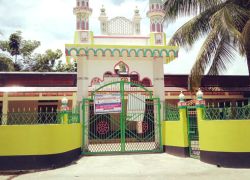
Entry to temples and religious places is usually free, though donations are welcome. Visitors are advised to follow local customs, dress modestly, and seek permission before photographing people or private property.
Why is Nalbari Famous?
Nalbari is famous for its strong connection to Assamese culture, traditions, and education. The region is known for its contribution to classical Assamese literature, music, and religious practices. It has produced several scholars, artists, and cultural leaders.
Nalbari is also well known for its fertile agricultural land, traditional farming practices, and local markets. The area is surrounded by wetlands and rivers, making it important for fishing and agriculture. Festivals such as Bihu are celebrated with great enthusiasm, reflecting the vibrant cultural life of the region.
History of Nalbari
The history of Nalbari dates back to ancient and medieval Assam. The region was part of the ancient Kamrup kingdom and later came under different dynasties that ruled Assam. Over centuries, Nalbari developed as an important center of learning, culture, and agriculture.
During the medieval period, the influence of Vaishnavism spread widely in Nalbari, leading to the establishment of several religious institutions and cultural centers. The region played an important role during the British colonial period as well, especially in education and social reform movements.
Architecture and Cultural Landscape
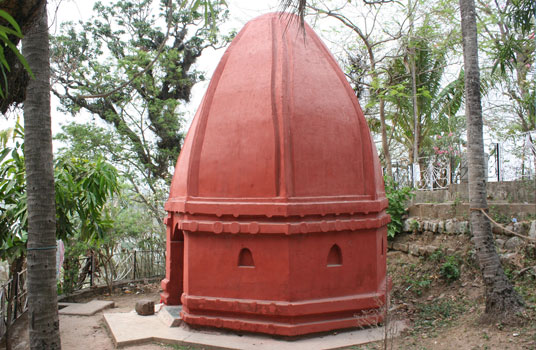
Nalbari does not have grand monuments or forts, but its architectural charm lies in traditional Assamese houses, temples, and community structures. Most homes are built with locally available materials such as bamboo, wood, and tin roofs.
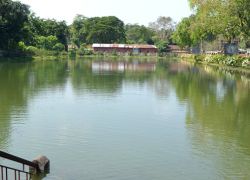
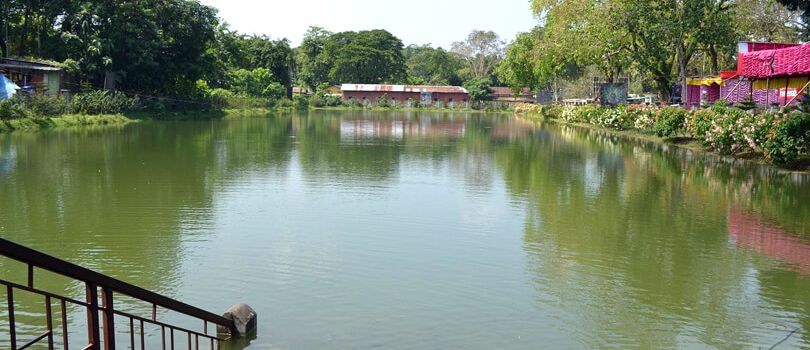
Temples in the region follow simple Assamese architectural styles, focusing more on spiritual function than elaborate decoration. The rural landscape, with its open courtyards, ponds, and green fields, forms an important part of Nalbari’s visual identity.
Things to Do in Nalbari, Barpeta, Assam
Visitors to Nalbari can enjoy a variety of cultural and nature-based activities:
Explore Local Villages: Walk through villages to experience traditional Assamese rural life.
Visit Temples: Explore local temples and observe daily rituals and prayers.
Attend Festivals: Experience Bihu and other local festivals if visiting during festive seasons.
Local Markets: Visit weekly markets to see local produce, handicrafts, and traditional food.
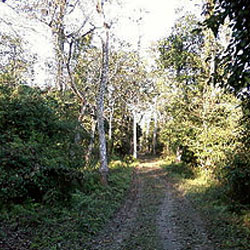
Nature Walks: Enjoy peaceful walks near wetlands, fields, and village paths.
Facts About Nalbari
• Nalbari is known for its contribution to Assamese culture and education.
• The region is surrounded by fertile agricultural land and wetlands.
• Traditional festivals are celebrated with great enthusiasm.
• Agriculture and small-scale trade are the main livelihoods of the people.
Tips for Visitors
• Visit during winter months for the most comfortable weather.
• Respect local customs and traditions while exploring villages.
• Dress modestly, especially when visiting religious places.
• Carry cash, as digital payment options may be limited in rural areas.
• Seek local guidance to explore nearby attractions and hidden spots.
Conclusion
Nalbari in Barpeta, Assam, offers a peaceful and culturally rich travel experience rooted in tradition, simplicity, and natural beauty. While it may not be a typical tourist hotspot, Nalbari provides a genuine glimpse into Assamese rural life, making it a rewarding destination for travelers who value culture, heritage, and calm surroundings. A visit to Nalbari is an opportunity to slow down, connect with nature, and understand the heart of Assam.













Barpeta
Barpeta
Barpeta
Barpeta
Barpeta
Barpeta
Barpeta
Barpeta
Barpeta
Barpeta