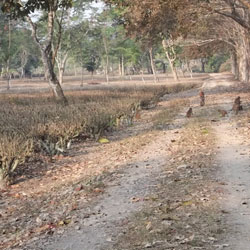
"Discover rich biodiversity in tranquil wetland ecosystems."
Nalbari Wetland is a beautiful and ecologically important natural wetland located in the Barpeta district of Assam. Known for its rich biodiversity, calm surroundings, and scenic landscape, this wetland is a hidden gem for nature lovers, bird watchers, and travelers who wish to explore the lesser-known natural attractions of Assam. Surrounded by rural settlements and lush greenery, Nalbari Wetland plays a crucial role in supporting local wildlife and maintaining the ecological balance of the region.
The wetland remains a lifeline for nearby villages, providing water resources, supporting fishing activities, and acting as a natural flood buffer during the monsoon season. Over the years, Nalbari Wetland has also gained attention as a peaceful spot for eco-tourism and nature-based exploration.
How to Reach Nalbari Wetland, Barpeta, Assam
Nalbari Wetland is accessible through various modes of transport, making it convenient for visitors traveling from different parts of Assam.
By Air: The nearest airport is Lokpriya Gopinath Bordoloi International Airport in Guwahati, located approximately 95 to 100 kilometers away. From the airport, visitors can hire a taxi or use public transport to reach Barpeta. From Barpeta town, local vehicles can be used to reach the wetland area.
By Train: Barpeta Road Railway Station is the nearest major railway station. It is well connected to Guwahati, New Bongaigaon, and other important cities of Assam. After reaching Barpeta Road, visitors can hire taxis, shared autos, or buses to reach Nalbari Wetland.
By Road: Barpeta is well connected by road with Guwahati, Nalbari, Goalpara, and Bongaigaon. Regular buses and private vehicles operate on these routes. Road travel is the most convenient way to reach Nalbari Wetland.
Weather and Best Time to Visit
Barpeta district experiences a humid subtropical climate. Summers, from March to June, are warm and humid, with temperatures ranging from 25°C to 36°C. The monsoon season lasts from June to September and brings heavy rainfall, which fills the wetland and enhances its beauty but may make access difficult.
The best time to visit Nalbari Wetland is from October to March. During this period, the weather is pleasant, and the wetland attracts migratory birds, making it an ideal time for birdwatching and nature photography. Winter temperatures range between 12°C and 25°C, offering a comfortable experience for visitors.
Timing of Nalbari Wetland
Nalbari Wetland is an open natural area and does not have fixed visiting hours. However, it is best visited during daylight hours, generally between 6:00 AM and 6:00 PM.
Early mornings and late afternoons are especially recommended for birdwatching and enjoying the peaceful atmosphere of the wetland.
Entry and Visit Details
There is no entry fee to visit Nalbari Wetland. Visitors are free to explore the area, but they are advised to maintain cleanliness and avoid disturbing the natural habitat.
Guided tours may not be officially available, but local residents can provide information about the wetland and its wildlife. Visitors should avoid littering and respect local customs and environmental rules.
Why is Nalbari Wetland Famous?
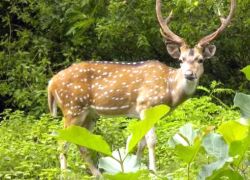
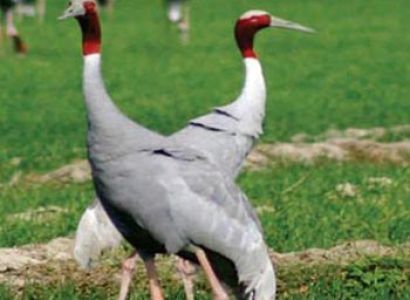
Nalbari Wetland is famous for its rich biodiversity and scenic beauty. It serves as an important habitat for various species of birds, fish, amphibians, and aquatic plants. During the winter season, the wetland becomes a temporary home for migratory birds, attracting bird watchers and photographers.
The wetland is also well known for its role in supporting local livelihoods. Fishing activities, traditional farming, and the collection of aquatic plants are closely linked to the wetland ecosystem, making it an essential part of the region’s rural life.
History of Nalbari Wetland
The history of Nalbari Wetland is closely connected to the natural formation of floodplains in the Brahmaputra valley. Over centuries, seasonal flooding and sediment deposits led to the creation of wetlands and water bodies that now support diverse ecosystems.
Local communities have depended on Nalbari Wetland for generations. Traditionally, it has been used for fishing, irrigation, and as a natural water reservoir. Though not formally established as a protected wetland, it remains an important ecological and cultural resource for Barpeta district.
Architecture and Natural Features
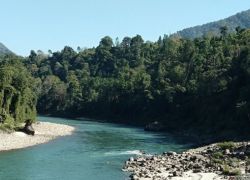
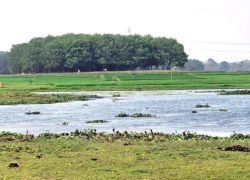
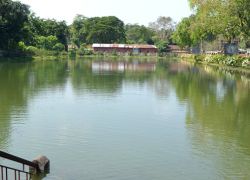
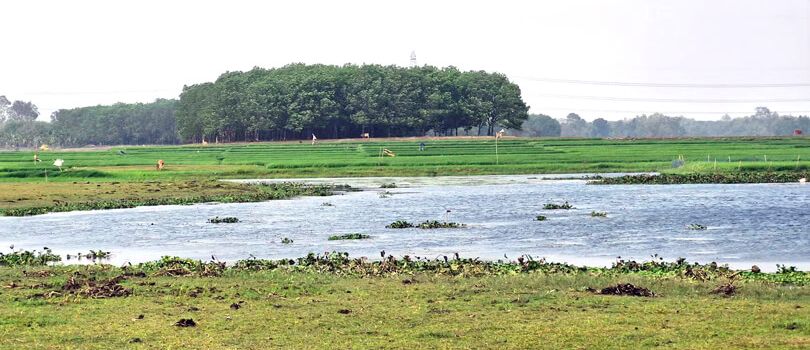
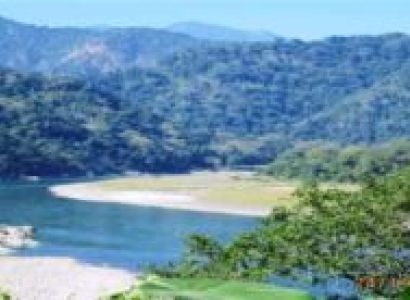
As a natural wetland, Nalbari Wetland does not have man-made architecture. Its beauty lies in its natural features, including open water bodies, marshy land, floating vegetation, and surrounding green fields.
Seasonal changes transform the wetland’s appearance. During monsoon, it expands and becomes full of life, while in winter, exposed banks and shallow waters attract birds and grazing animals.
Things to Do at Nalbari Wetland
Visitors can enjoy several activities at Nalbari Wetland:
Bird Watching: Observe local and migratory birds, especially during winter months.
Nature Photography: Capture scenic landscapes, water reflections, and wildlife.
Peaceful Walks: Enjoy calm walks along the wetland edges and nearby rural paths.
Local Interaction: Interact with villagers to learn about traditional fishing and wetland life.
Eco Exploration: Study aquatic plants and understand wetland ecosystems.
Facts About Nalbari Wetland
• Nalbari Wetland supports a wide variety of birds and aquatic life.
• It plays an important role in flood control during monsoon seasons.
• The wetland supports local fishing-based livelihoods.
• Migratory birds visit the wetland during winter months.
Tips for Visitors
• Visit early in the morning or late afternoon for the best experience.
• Carry binoculars if you are interested in birdwatching.
• Avoid littering and disturbing wildlife.
• Wear comfortable footwear suitable for uneven terrain.
• Respect local communities and their livelihood activities.
Conclusion
Nalbari Wetland in Barpeta, Assam, is a peaceful natural destination that showcases the beauty of Assam’s wetland ecosystems. With its rich biodiversity, scenic views, and strong connection to local life, the wetland offers a refreshing escape from busy urban areas. Whether you are a nature enthusiast, photographer, or traveler seeking quiet surroundings, Nalbari Wetland provides a rewarding and memorable experience.




Barpeta
Barpeta
Barpeta
Barpeta
Barpeta
Barpeta
Barpeta
Barpeta
Barpeta
Barpeta