"Home to the majestic Asiatic lion species"
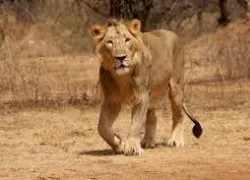
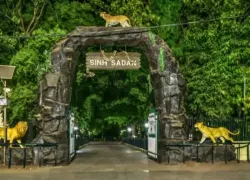
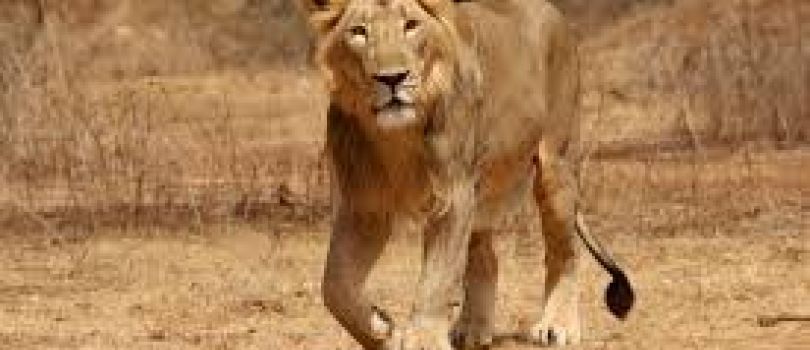
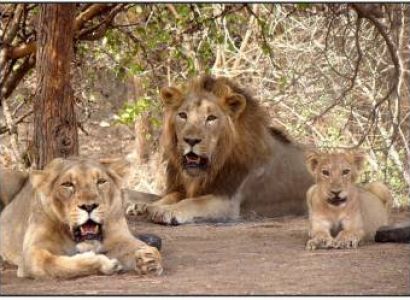
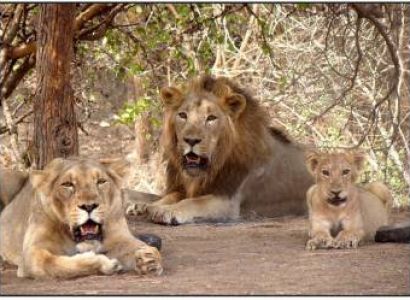
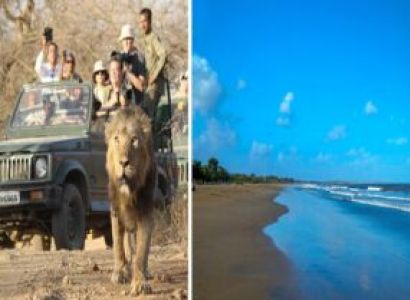
Gir National Park, located in the Gir Somnath district of Gujarat, is one of India's most famous wildlife sanctuaries and the only place in the world where the majestic Asiatic Lion can be found in the wild. Spanning over 1,400 square kilometers, this park is home to a rich diversity of flora and fauna, making it an essential destination for nature lovers and wildlife enthusiasts. The park is also known for its conservation efforts, protecting the lion population and other endangered species.
Gir National Park was originally established as a hunting reserve by the Maharaja of Junagadh in 1900 to protect the Asiatic Lion from extinction. During this time, the lion population had drastically declined, and only about 20 lions were left in the wild. In 1965, Gir was officially declared a national park and a sanctuary for wildlife, with efforts focused on the conservation of the Asiatic Lion and other species.
Over the years, the park has become a major success story in wildlife conservation. The Asiatic lion population has grown from a mere 20 individuals to over 600 lions today, making Gir the last home of this magnificent species in the wild. The park's success has also helped raise awareness about the importance of wildlife protection and conservation in India.
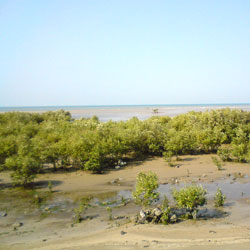
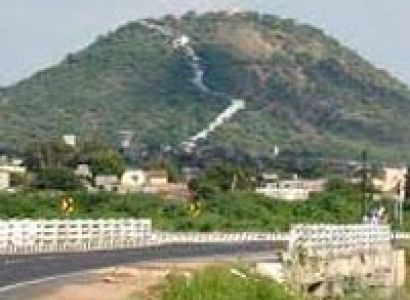
The landscape of Gir National Park is diverse, featuring dry deciduous forests, grasslands, and rocky hills. The park is situated on the rugged terrain of the Saurashtra region, with the Girnar Hills on its eastern side and the Arabian Sea in the west. This varied geography offers unique habitats for the animals and makes the park a visually stunning destination.
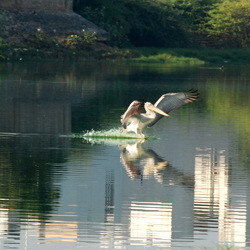
Gir's natural beauty is complemented by its pristine environment, with rivers, lakes, and dense forests providing an excellent backdrop for wildlife sightings. The park is known for its rich biodiversity, which includes over 300 species of birds, 40 species of mammals, and several reptiles. The presence of the Asiatic Lion is the prime attraction, but the park also houses species like the leopard, hyena, Indian wolf, and several species of antelope.
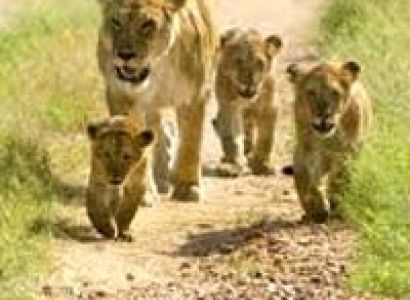
Gir National Park is famous primarily for being the last sanctuary of the Asiatic Lion. The park has played a crucial role in the conservation of this endangered species, and it is the only place in the world where the Asiatic lions roam freely in their natural habitat. This makes it an important destination for wildlife enthusiasts, photographers, and conservationists.
The park is also famous for its impressive biodiversity, with a wide variety of flora and fauna. Its diverse ecosystems, ranging from grasslands to dense forests, make it home to numerous species of wildlife. The park is not only a place to see lions but also offers opportunities to witness other rare and endangered species in their natural environment.
Gir National Park is well-connected by road, rail, and air, making it accessible to tourists from all over the world.
The climate at Gir National Park is typical of the Saurashtra region, with hot summers, moderate monsoons, and pleasant winters. The summer months (March to June) are quite hot, with temperatures reaching up to 40°C. However, the park remains open during this time, and early morning and evening safaris are the best time to explore wildlife.
The monsoon season (July to September) brings moderate rainfall, which rejuvenates the park's vegetation but also makes it less accessible due to slippery roads and closed safaris. The best time to visit Gir is during the winter months (October to February), when the weather is cool and pleasant, with temperatures ranging from 10°C to 25°C.
The park is generally open for visitors from 6:00 AM to 9:00 AM in the morning and 3:00 PM to 6:00 PM in the afternoon. Safaris are organized during these hours, and it is best to book them in advance to ensure availability.
The park remains closed during the monsoon season (June to September) to allow the wildlife to breed peacefully and to protect the roads from damage due to heavy rains. Visitors are advised to check the official website for any seasonal changes or special events.
Entry to Gir National Park is regulated, and visitors need to obtain permits to enter the park. The entrance fee depends on the type of safari (jeep safari or van safari) and the duration of the visit. It is essential to pre-book safaris and entry tickets as they can get sold out, especially during peak tourist season.
The park offers well-maintained visitor facilities, including clean restrooms, seating areas, and parking spaces. There are also several resorts and lodges located near the park, providing accommodation options for tourists. Visitors are advised to carry bottled water, sunscreen, and comfortable clothing for safaris.
There are several exciting activities that visitors can enjoy at Gir National Park:
Gir National Park offers an unforgettable experience for wildlife lovers and photographers. Its successful conservation efforts and diverse ecosystems make it a must-visit destination in Gir Somnath, Gujarat.

























Gir Somnath
Gir Somnath
Gir Somnath
Gir Somnath
Gir Somnath
Gir Somnath
Gir Somnath
Gir Somnath
Gir Somnath

Gir Somnath