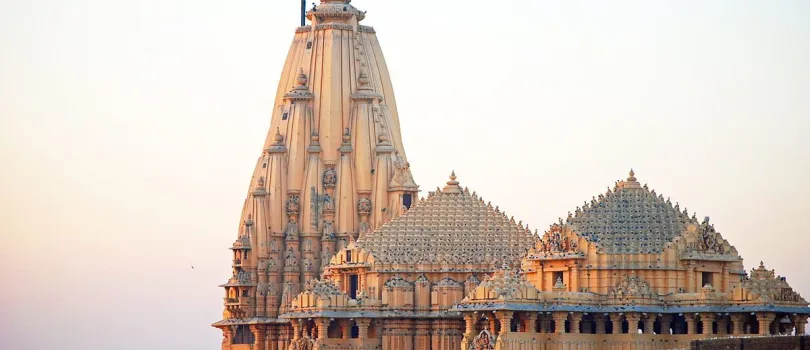
"An iconic symbol of faith and resilience."
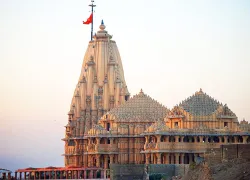
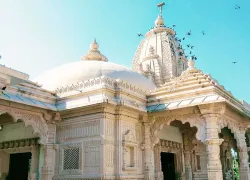
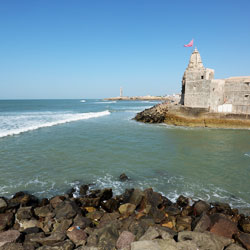
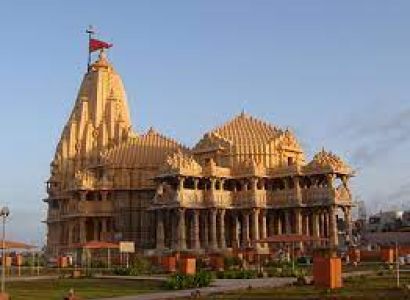
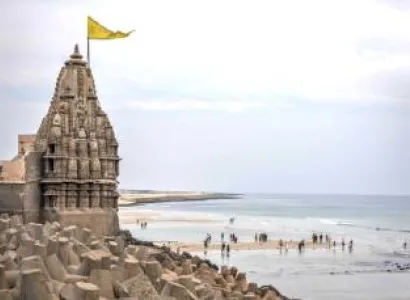
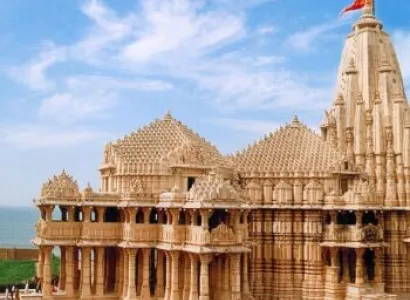
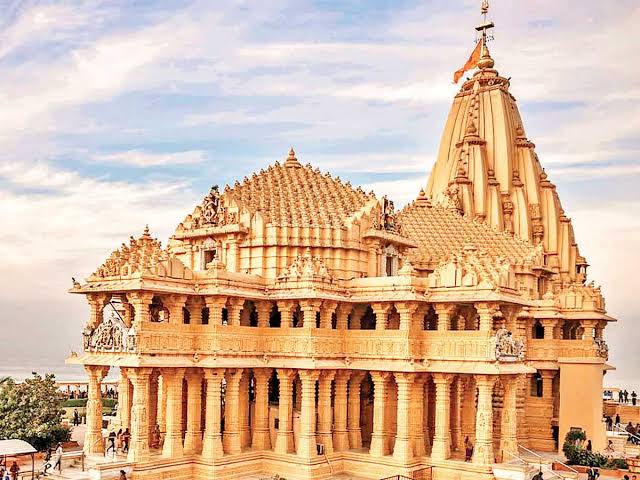
Somnath Temple, located in the coastal town of Somnath in Gujarat, is one of the most sacred pilgrimage sites in India. It is dedicated to Lord Shiva and is counted among the twelve Jyotirlingas, which are considered the holiest abodes of Shiva. Situated on the shores of the Arabian Sea, the temple offers a spiritual as well as scenic experience for visitors. The sound of waves and the divine atmosphere make Somnath Temple a must-visit destination for both devotees and tourists.
The history of Somnath Temple is rich and fascinating. It is believed to have been originally built by the Moon God (Somraj), which is why the place is called Somnath. Over centuries, the temple was destroyed and rebuilt multiple times due to invasions. One of the most famous attacks was by Mahmud of Ghazni in the 11th century.
Despite repeated destruction, the temple was rebuilt every time, symbolizing faith and resilience. The present structure was reconstructed in 1951 under the leadership of Sardar Vallabhbhai Patel. Today, it stands as a symbol of India’s cultural heritage and devotion.
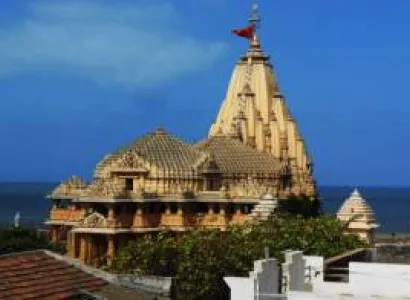
The temple is built in the Chalukya style of architecture, also known as Kailash Mahameru Prasad style. It features intricate carvings, a grand shikhara (spire), and beautifully designed pillars. The temple is constructed using sandstone and reflects traditional Indian temple architecture.
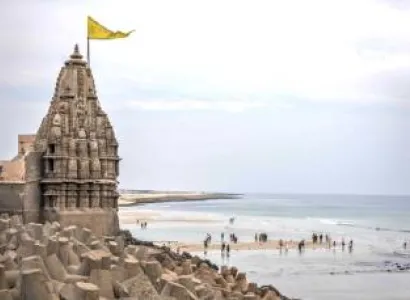
The most striking feature is the temple’s location facing the Arabian Sea, with no land in a straight line between the temple and Antarctica. This is marked by a pillar called the “Baan Stambh.” The temple complex is clean, well-maintained, and offers a peaceful environment for visitors.
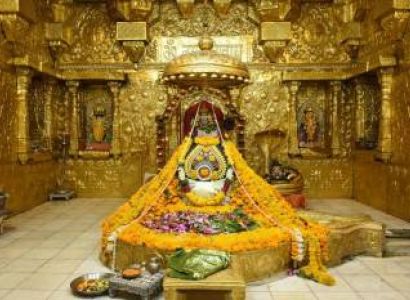
Somnath Temple is famous for being one of the twelve Jyotirlingas of Lord Shiva. It holds immense religious significance for Hindus and attracts millions of devotees every year. The temple is also known for its historical importance and architectural beauty.
Another major attraction is the evening light and sound show, which narrates the temple’s history in an engaging way. Its scenic coastal location adds to its charm, making it both a spiritual and tourist hotspot.
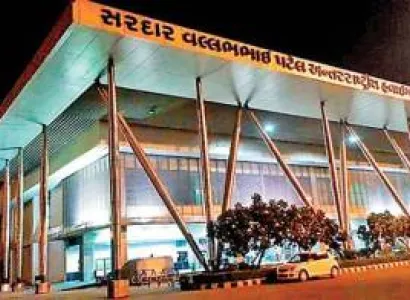
Somnath is well connected by road, rail, and air. The nearest airport is in Diu, about 85 km away. You can also reach Rajkot or Ahmedabad airports and travel by road.
The nearest railway station is Veraval, which is just 7 km from Somnath Temple. Regular trains connect Veraval to major cities in Gujarat and other parts of India.
By road, Somnath is easily accessible via buses and taxis from cities like Ahmedabad, Rajkot, Junagadh, and Dwarka.
Somnath experiences a coastal climate. Summers (March to June) are hot, with temperatures reaching up to 35-40°C. Monsoon season (July to September) brings moderate rainfall, making the surroundings green and pleasant.
Winter (October to February) is the best time to visit, with comfortable temperatures ranging between 10°C and 25°C. This season is ideal for temple visits and sightseeing.
The temple is open every day for devotees. Darshan timings are generally from 6:00 AM to 10:00 PM. Aarti is performed three times a day – morning, noon, and evening.
The light and sound show takes place in the evening, usually after sunset, and is a must-watch experience for visitors.
Entry to Somnath Temple is free for all visitors. However, there are strict security measures in place. Mobile phones, cameras, and electronic items are not allowed inside the temple premises and must be deposited at designated counters.
There are separate queues for general and special darshan. Clean facilities, drinking water, and cloakrooms are available for visitors.
Visitors can attend the daily aarti and experience the spiritual atmosphere. Watching the light and sound show in the evening is highly recommended.
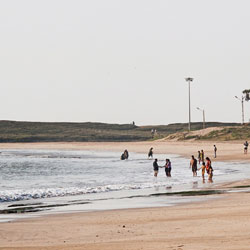
You can also visit nearby attractions like Triveni Sangam, Bhalka Tirth, and Somnath Beach. Spending time by the sea near the temple offers a peaceful and refreshing experience.
Somnath is believed to be the first among the twelve Jyotirlingas. The temple has been destroyed and rebuilt multiple times in history, making it a symbol of resilience.
The Baan Stambh at the temple indicates that there is no land between Somnath and Antarctica in a straight line. The temple’s reconstruction after independence represents the revival of Indian culture and heritage.
Visit early in the morning or late evening to avoid crowds. Dress modestly as it is a religious place. Keep extra time for security checks and depositing belongings.
Try to attend the evening aarti and light show for a complete experience. If visiting in summer, carry water and wear light clothes due to the heat.
Plan your trip during winter months for the best weather and comfortable sightseeing.




















Gir Somnath
Gir Somnath
Gir Somnath
Gir Somnath
Gir Somnath
Gir Somnath
Gir Somnath
Gir Somnath
Gir Somnath

Gir Somnath