"Uncover ancient ruins and historical treasures."
Champaner-Pavagadh Archaeological Park, located near Vadodara in Gujarat, is a UNESCO World Heritage Site known for its rich history, stunning architecture, and cultural significance. Spread across a large area at the foothills of Pavagadh Hill, this archaeological park is a perfect blend of natural beauty and historical monuments. It includes ancient forts, palaces, mosques, temples, stepwells, and residential areas, making it one of the most unique heritage sites in India.
The park attracts history lovers, architecture enthusiasts, pilgrims, and nature seekers. It offers a glimpse into India’s glorious past and showcases a mix of Hindu and Islamic architectural styles.
The history of Champaner dates back to the 8th century when it was founded by Vanraj Chavda, a ruler of the Chavda dynasty. The city later came under the rule of the Chauhan Rajputs.
In the 15th century, Sultan Mahmud Begada of Gujarat captured Champaner and made it his capital. He developed the city with grand buildings, mosques, and fortifications. However, the capital was later shifted to Ahmedabad, and Champaner gradually declined, leaving behind its magnificent structures.
Pavagadh Hill, located within the park, is also an important religious site, home to the famous Kalika Mata Temple, which attracts thousands of pilgrims every year.
The architecture of Champaner-Pavagadh Archaeological Park is a remarkable combination of Hindu and Islamic styles. The monuments reflect advanced engineering, artistic excellence, and cultural integration.
Some of the key architectural highlights include:
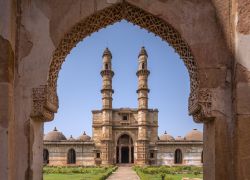
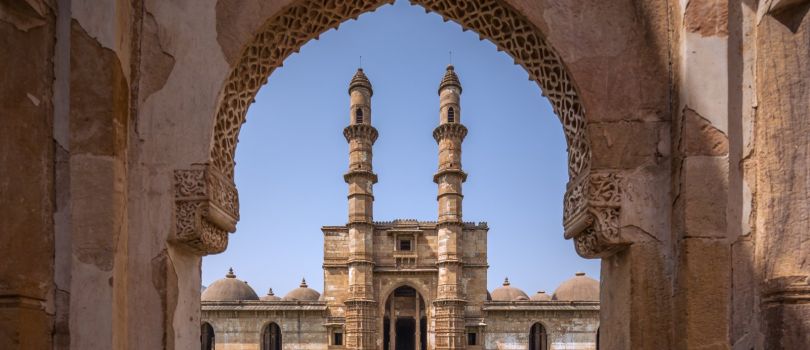
Jami Masjid: One of the finest mosques in Gujarat, known for its intricate carvings, large courtyard, and beautiful minarets.
Kevada Masjid: Famous for its elegant design and scenic surroundings.
Saher ki Masjid: Known for its simplicity and strong structure.
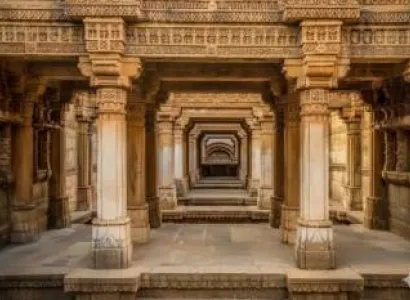
Stepwells: The park has several stepwells that showcase ancient water management systems.
Fortifications: The massive walls and gates around the city reflect its historical importance as a fortified capital.
The structures are built using sandstone and feature detailed carvings, arches, domes, and pillars.
This archaeological park is famous for being a UNESCO World Heritage Site and for preserving a complete pre-Mughal Islamic city. It is one of the rare sites in India where historical structures remain largely untouched.
The park is also known for its diverse attractions, including religious sites, historical monuments, and natural landscapes. The presence of Pavagadh Hill and Kalika Mata Temple adds spiritual significance to the site.
It is a perfect destination for those interested in history, architecture, and cultural exploration.
The park is well-connected and easy to reach from Vadodara and other cities.
By Air: The nearest airport is Vadodara Airport, located about 45 km away. Taxis are available from the airport.
By Train: Vadodara Railway Station is a major rail hub with excellent connectivity. From there, you can hire a taxi or take a bus to reach the park.
By Road: The park is about 50 km from Vadodara and can be reached by car, taxi, or bus. The roads are well-maintained, making the journey comfortable.
The weather in this region varies throughout the year.
Summer (March to June): Summers are hot, with temperatures reaching up to 40°C. It is advisable to visit early in the morning.
Monsoon (July to September): The area becomes lush and green during monsoon, offering beautiful views. However, trekking paths may be slippery.
Winter (October to February): Winter is the best time to visit, with pleasant weather ideal for sightseeing and trekking.
The archaeological park is generally open from 8:00 AM to 6:00 PM. Specific monuments within the park may have slightly different timings.
It is recommended to start your visit early to cover more attractions comfortably.
There is a nominal entry fee for visiting the archaeological park, managed by the Archaeological Survey of India (ASI).
Indian Visitors: Affordable entry fee.
Foreign Tourists: Higher entry fee applies.
Parking facilities are available, and local guides can be hired for a better understanding of the site.
1. Explore Historical Monuments: Visit mosques, temples, and fort structures.
2. Trek Pavagadh Hill: Enjoy trekking and visit Kalika Mata Temple.
3. Photography: Capture stunning views of architecture and landscapes.
4. Learn History: Understand the significance of this UNESCO site.
5. Nature Walk: Enjoy the greenery and peaceful surroundings.
It is a UNESCO World Heritage Site.
The site includes both Hindu and Islamic monuments.
Champaner was once the capital of Gujarat.
The structures are well-preserved despite being centuries old.
Pavagadh Hill is an important pilgrimage site.
1. Wear Comfortable Shoes: The area involves a lot of walking and trekking.
2. Carry Water: Stay hydrated during your visit.
3. Visit Early: Start your trip early to avoid heat and crowds.
4. Hire a Guide: A guide can help you understand the history better.
5. Be Careful During Monsoon: Paths can be slippery.
6. Respect Heritage: Do not damage or touch ancient structures.
Champaner-Pavagadh Archaeological Park near Vadodara is a treasure of history, culture, and natural beauty. Its unique combination of architectural styles, historical importance, and scenic landscapes make it a must-visit destination in Gujarat. Whether you are a history enthusiast, a pilgrim, or a traveler, this UNESCO World Heritage Site offers a memorable and enriching experience.




















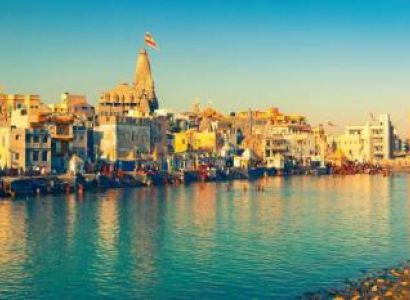











Vadodara (Baroda)

Vadodara (Baroda)

Vadodara (Baroda)

Vadodara (Baroda)
Vadodara (Baroda)
Vadodara (Baroda)
Vadodara (Baroda)
Vadodara (Baroda)
Vadodara (Baroda)
Vadodara (Baroda)