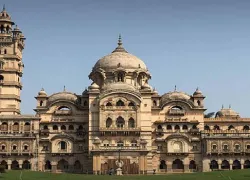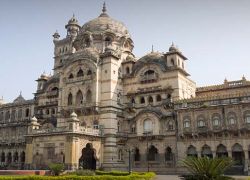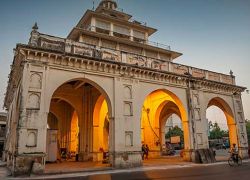
"Marvel at stunning architecture and rich heritage."
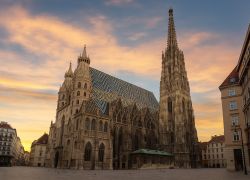
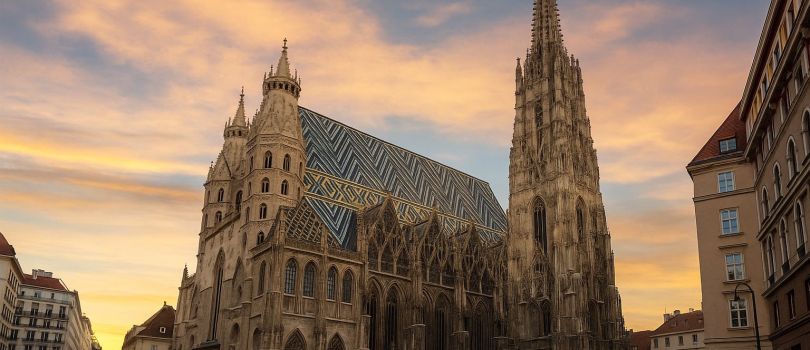
St. Stephen's Cathedral (Stephansdom) is one of the most iconic landmarks in Vienna, Austria. Located in the heart of the city, this stunning Gothic cathedral has been a symbol of the city for centuries. The cathedral is dedicated to Saint Stephen, the first Christian martyr, and serves as both a religious site and a cultural treasure. With its impressive architecture, rich history, and central location, St. Stephen's Cathedral is a must-visit destination for anyone traveling to Vienna.
How to Reach St. Stephen's Cathedral
St. Stephen's Cathedral is conveniently located in the city center, making it easily accessible from various points in Vienna. If you're using public transportation, the U1 (red) metro line takes you directly to "Stephansplatz" station, which is located right next to the cathedral. Additionally, several trams, such as lines 1 and 2, stop near the cathedral. If you're coming by bus, numerous routes also pass by Stephansplatz. For those traveling by car, there are parking garages in the vicinity, though public transport is generally more convenient due to the cathedral's central location.
Weather and Timing
Vienna experiences four distinct seasons, and the weather can affect your visit to St. Stephen's Cathedral. Summers (June to August) are warm, with temperatures ranging between 20°C to 30°C (68°F to 86°F), making it a pleasant time for outdoor sightseeing. Winters (December to February) can be cold, with temperatures dropping below freezing, so be prepared for chilly weather if you're visiting during this time. Spring and autumn offer mild temperatures, ideal for walking around the city.
St. Stephen's Cathedral is open to visitors throughout the year. The cathedral itself can be visited daily, with visiting hours typically from 6:00 AM to 10:00 PM. However, the hours for climbing the tower, visiting the catacombs, or taking a guided tour may vary, so it's always best to check the official website for the most up-to-date information before your visit.
Why is St. Stephen's Cathedral Famous?
St. Stephen's Cathedral is famous for its architectural beauty, historical significance, and cultural importance. As one of Vienna's most recognized landmarks, it has played a central role in the city's history for over 800 years. The cathedral was built in the 12th century and has been a witness to numerous historical events, including royal weddings, coronations, and important religious ceremonies. Its striking Gothic design, with a stunning roof made of colorful tiles, and its towering spire, which rises 136 meters (446 feet) into the sky, make it a standout feature of Vienna's skyline. The cathedral is also famous for its incredible acoustics, making it a popular venue for classical music concerts.
Entry and Visit Details
Entry to St. Stephen's Cathedral is free of charge, allowing visitors to admire the interior, including the beautiful stained glass windows and intricate altars. However, if you wish to visit the catacombs, climb the tower, or take a guided tour, you will need to purchase a ticket. The prices for these activities vary, but there are combination tickets available that grant access to multiple attractions within the cathedral complex. Guided tours are also available for those who want to learn more about the history and architecture of the cathedral from an expert.
History of St. Stephen's Cathedral
St. Stephen's Cathedral has a rich and fascinating history. Construction of the cathedral began in the 12th century under the reign of Duke Leopold V of Austria. The cathedral was originally built in Romanesque style, but over the centuries, it underwent several modifications, with the addition of Gothic elements, most notably in the 14th and 15th centuries. The cathedral was completed in its current form in the 16th century, after several expansions and restorations.
Throughout its history, St. Stephen's Cathedral has played an important role in Austria's religious and cultural life. It has hosted numerous royal weddings, imperial funerals, and coronation ceremonies. The cathedral was also the site of several important historical events, including the defense of Vienna during the Ottoman siege in 1683. The cathedral suffered considerable damage during World War II, but it was painstakingly restored after the war and remains one of Vienna's most cherished landmarks.
Architecture of St. Stephen's Cathedral
St. Stephen's Cathedral is a masterpiece of Gothic architecture, characterized by its soaring spires, intricate stone carvings, and colorful tiled roof. The cathedral's most striking feature is its 136-meter (446-foot) high south tower, which dominates the skyline of Vienna. The tower can be climbed by visitors for a stunning panoramic view of the city.
The cathedral's interior is equally impressive, with its high vaulted ceilings, stunning stained glass windows, and beautiful altars. The cathedral is home to numerous works of art, including sculptures, paintings, and relics. One of the most famous parts of the cathedral is the Pummerin Bell, which is one of the largest bells in Europe. The bell hangs in the cathedral's tower and is rung during important events and celebrations.
Things to Do at St. Stephen's Cathedral
There are several activities and attractions to enjoy at St. Stephen's Cathedral:
Facts about St. Stephen's Cathedral
Tips for Visiting St. Stephen's Cathedral
To make the most of your visit to St. Stephen's Cathedral, here are a few helpful tips:
Conclusion
St. Stephen's Cathedral is one of Vienna's most important cultural and religious landmarks, offering visitors a chance to explore the city's rich history and stunning Gothic architecture. Whether you're admiring the view from the tower, exploring the catacombs, or attending a concert, there's no shortage of things to see and do at this magnificent cathedral. With its central location, impressive architecture, and historical significance, St. Stephen's Cathedral is a must-see destination for anyone visiting Vienna.
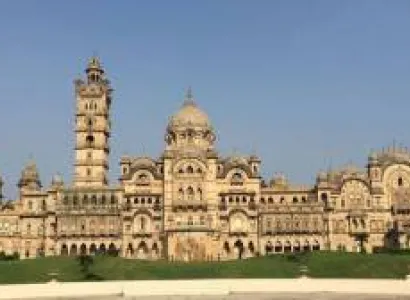












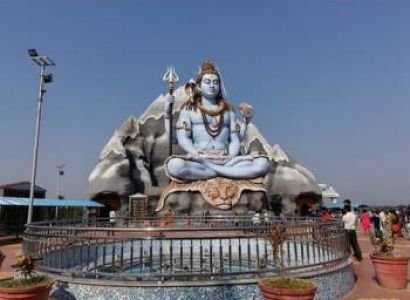

















Vadodara (Baroda)
Vadodara (Baroda)

Vadodara (Baroda)

Vadodara (Baroda)
Vadodara (Baroda)
Vadodara (Baroda)
Vadodara (Baroda)
Vadodara (Baroda)
Vadodara (Baroda)
Vadodara (Baroda)