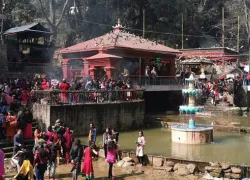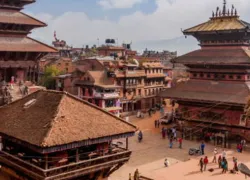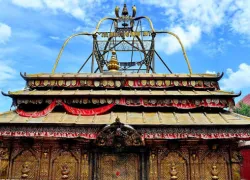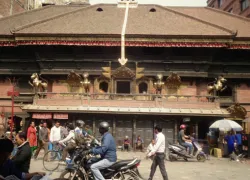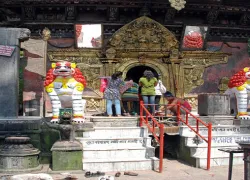
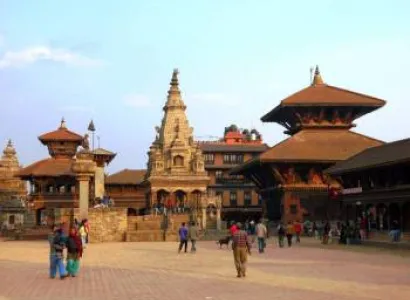
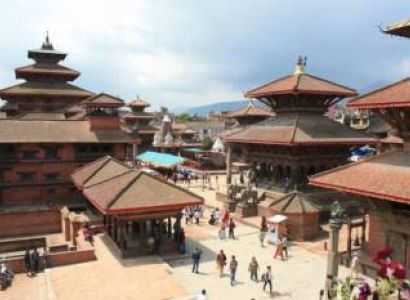
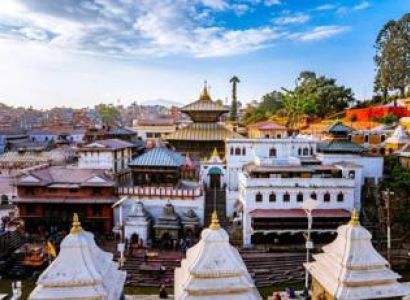
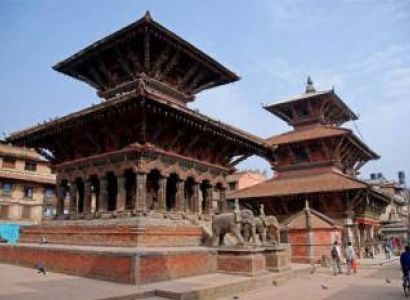
"Heritage site showcasing exquisite architecture."
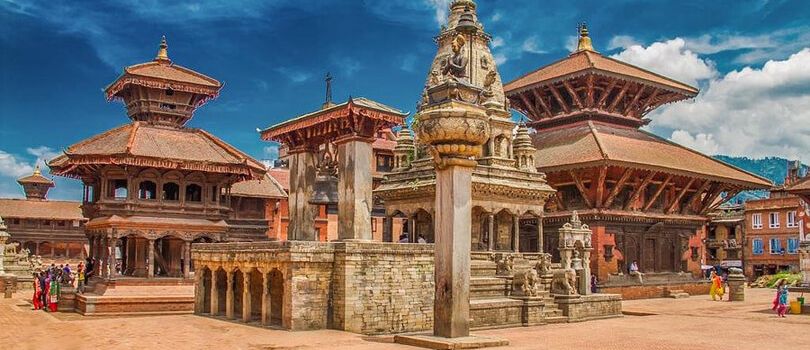
Patan Darbar Square, located in the heart of Lalitpur (Patan) in Kathmandu Valley, is one of the most important and culturally rich sites in Nepal. A UNESCO World Heritage Site, the square is a hub of ancient temples, statues, and palaces, showcasing Nepal’s rich history, art, and architecture. The square’s historical significance dates back to the 3rd century, and it has remained a center of art, culture, and religion throughout the centuries. Visitors come from all over the world to marvel at its intricate carvings, monumental structures, and vibrant atmosphere.
How to Reach Patan Darbar Square, Kathmandu
Patan Darbar Square is located about 5 kilometers southeast of Kathmandu Durbar Square, making it easily accessible from the capital. Visitors can reach Patan Darbar Square by taxi, rickshaw, or public transportation from various parts of Kathmandu. The square is located in the center of the city and is within walking distance from many hotels and restaurants. If you’re coming from Tribhuvan International Airport, you can take a taxi or private car, which will take around 30 minutes depending on traffic. Public buses and microbuses also run frequently to Patan, and the area is well-connected by road.
Weather at Patan Darbar Square
The weather in Patan is typically mild and temperate. The best time to visit Patan Darbar Square is during the cooler months, from October to April, when temperatures are moderate, ranging from 10°C to 25°C. The summer months (May to September) bring the monsoon season, with frequent rains that can cause flooding and landslides in some areas of Kathmandu Valley. Winter months (December to February) can be chilly, with temperatures dropping below 5°C, so visitors are advised to dress warmly. The dry season between October and April is the most comfortable time for sightseeing and exploring the square.
Timing to Visit Patan Darbar Square
Patan Darbar Square is open every day for visitors, with the main visiting hours typically from 9:00 AM to 5:00 PM. The square is a popular tourist spot, so it’s best to visit early in the morning or late in the afternoon to avoid crowds and enjoy the peaceful atmosphere. The best time to visit is during the morning hours when the temples, shrines, and courtyards are bathed in soft sunlight, perfect for photography. Some of the temples and monuments around the square may have specific visiting hours, so it’s advisable to check locally for any updates.
Why is Patan Darbar Square Famous?
Patan Darbar Square is famous for its remarkable collection of ancient temples, statues, and palaces that date back to the Malla period (12th to 18th century). The square is a treasure trove of Nepalese art and architecture, particularly the intricate wood carvings, stone sculptures, and pagoda-style temples. The square is also home to the Patan Museum, one of the most significant museums in Nepal, showcasing a vast collection of traditional art and artifacts. The area’s cultural significance is deeply rooted in Nepal’s history, and it remains a vital place for religious ceremonies and festivals. The square is also well known for its lively atmosphere, where locals gather, especially during festivals like the Patan Jayanti and the Indra Jatra.
Entry and Visit Details
There is a small entrance fee to visit Patan Darbar Square. The fee for foreign visitors is typically around NPR 500 (approximately $5 USD), while for Nepali citizens and SAARC country nationals, the fee is much lower. The fee helps in maintaining the square and preserving its historical structures. Visitors can explore the square at their own pace, walking through its courtyards, temples, and surrounding streets. There are also guided tours available, which can provide in-depth insights into the history and architecture of the square. The Patan Museum, located within the square, charges a separate entry fee and is a must-visit for those interested in Nepali art and culture.
History and Architecture of Patan Darbar Square
Patan Darbar Square’s history spans several centuries and reflects the evolution of Nepalese architecture. Originally established during the Malla Dynasty in the 12th century, the square became a center of governance, religion, and culture. The layout of the square is designed around a central palace complex, which served as the residence of the Malla kings. Over time, the square expanded to include numerous temples, shrines, and monuments, many of which are in the distinctive pagoda style. The architecture features stunning wood carvings, ornate windows, and intricately designed doorways. The highlight of Patan’s architecture is its remarkable Newar-style temples, which blend Hindu and Buddhist elements. Some of the most notable structures include the Hiranya Varna Mahavihar, Mahabouddha Temple, and the three-story Bhimsen Temple.
Things to Do at Patan Darbar Square
There are many things to do when visiting Patan Darbar Square:
Facts and Tips About Patan Darbar Square

























Kathmandu
Kathmandu
Kathmandu
Kathmandu
Kathmandu
Kathmandu
Kathmandu