"Experience vibrant local culture and traditional crafts."
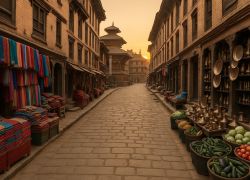
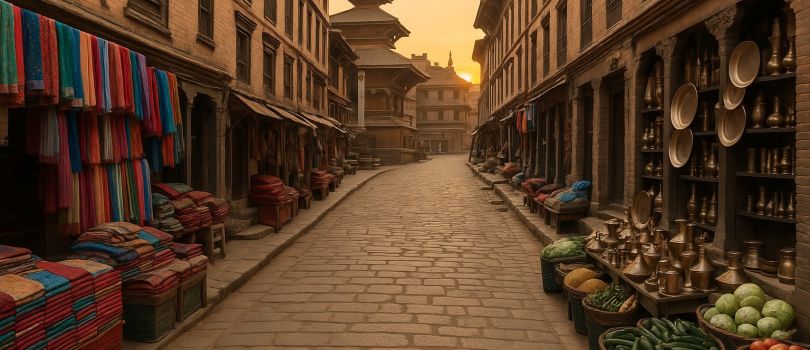
Asan Bazar, located in the heart of Kathmandu, is one of the oldest and most vibrant markets in Nepal. A bustling hub of commerce, culture, and history, this market has been a center for trade for centuries. It is one of the main shopping areas in Kathmandu, offering a mix of traditional goods, spices, textiles, herbs, and daily essentials. Asan Bazar is not just a marketplace; it is a symbol of Kathmandu's rich history, where locals and tourists alike converge to experience the culture, food, and traditions of Nepal. The market's charm lies in its lively atmosphere, narrow alleys, and colorful stalls, making it a must-visit destination for those exploring the capital city.
How to Reach Asan Bazar, Kathmandu
Asan Bazar is centrally located in Kathmandu, making it easily accessible from various parts of the city. If you are staying in Thamel, it is just a short 10-minute walk from the tourist district. The market is situated between the bustling areas of Indra Chowk and the main New Road, which is a major commercial street in Kathmandu. Visitors can reach Asan Bazar by foot, taxi, rickshaw, or private vehicle. For those staying further away, taxis and local buses are readily available, and they can drop you off near the market entrance. The proximity of Asan Bazar to popular landmarks like Durbar Square and Thamel makes it an easy stop for tourists exploring the city.
Weather at Asan Bazar, Kathmandu
The weather in Kathmandu, including Asan Bazar, is relatively mild, with four distinct seasons. The best time to visit the market is during the spring (March to May) and autumn (September to November), when the weather is pleasant and temperatures range between 10°C and 25°C. The summer months (June to August) bring the monsoon season, with heavy rains that can make walking around the narrow streets difficult. Winter (December to February) can be quite chilly, especially in the evenings, with temperatures dipping to around 2°C to 10°C. However, Kathmandu enjoys moderate weather overall, so visiting Asan Bazar is possible year-round, though it’s best to avoid the monsoon season if you wish to avoid rain and humidity.
Timing to Visit Asan Bazar, Kathmandu
Asan Bazar is open every day, with its busiest times being in the morning and late afternoon. The market typically opens around 8:00 AM and continues until around 6:00 PM. However, the best time to visit is in the morning when the market is less crowded and the vendors are setting up their stalls. In the evening, Asan Bazar comes alive with an energetic atmosphere, but it can get crowded. If you prefer to avoid the hustle and bustle, it’s best to visit during the early hours. Additionally, visiting on weekends may be more crowded compared to weekdays, so plan your visit accordingly for a more relaxed experience.
Why is Asan Bazar Famous?
Asan Bazar is famous for being one of the most iconic and oldest markets in Kathmandu. Its history goes back several centuries, and it has long been a hub for trade, especially in spices, grains, herbs, and textiles. The market is known for its colorful and vibrant atmosphere, with narrow lanes filled with a wide variety of products. Asan Bazar is also famous for its traditional street food, offering a wide array of local delicacies that attract both locals and tourists. It is a place where you can experience the daily life of Kathmandu, including the interactions between vendors, customers, and tourists. The market’s central location and its proximity to major landmarks like the Durbar Square make it an important part of the city’s cultural heritage.
Entry and Visit Details
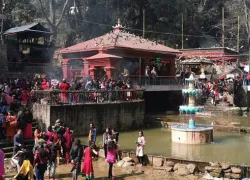
Asan Bazar is open to the public and free to visit. There are no entry fees or special permits required to explore the market. Visitors are free to wander through the bustling streets, browse the shops, and interact with the vendors. While the market is a public space, it’s important to be cautious of your belongings as it can get crowded, and pickpocketing may occur. If you wish to purchase any goods or spices, be prepared to haggle, as bargaining is common in local markets in Nepal. There are also several small temples and shrines around Asan Bazar, such as the small but significant “Shiva Temple” and “Kumari Ghar,” where you can take a brief moment to observe the local religious practices and customs.
History and Architecture of Asan Bazar
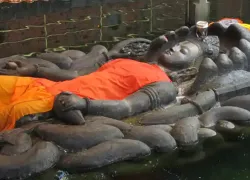
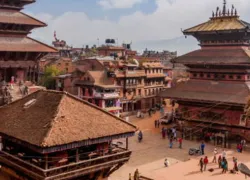
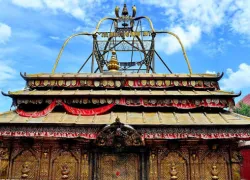
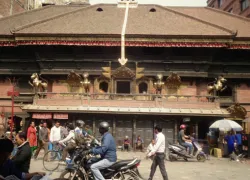
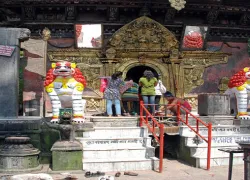
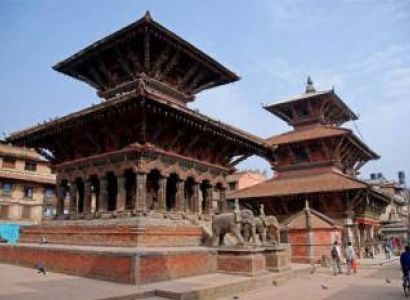
The history of Asan Bazar dates back centuries and reflects the growth and development of Kathmandu as a major trade hub in the region. The market was initially established as a central point for trade and has expanded over time to become one of the busiest and most culturally rich areas in the city. Architecturally, Asan Bazar features narrow alleys lined with traditional wooden houses and old brick buildings. The market’s architecture reflects the Newar culture, the indigenous people of the Kathmandu Valley, with intricate carvings on doors, windows, and facades. The market is also home to several ancient temples and shrines, adding a spiritual and cultural depth to the area. The streets are filled with local handicrafts, textiles, and spices, which contribute to the authentic and traditional Nepali ambiance of the market.
Things to Do at Asan Bazar, Kathmandu
There are several interesting things to do when visiting Asan Bazar:
Facts and Tips About Asan Bazar, Kathmandu













Kathmandu

Kathmandu
Kathmandu
Kathmandu
Kathmandu