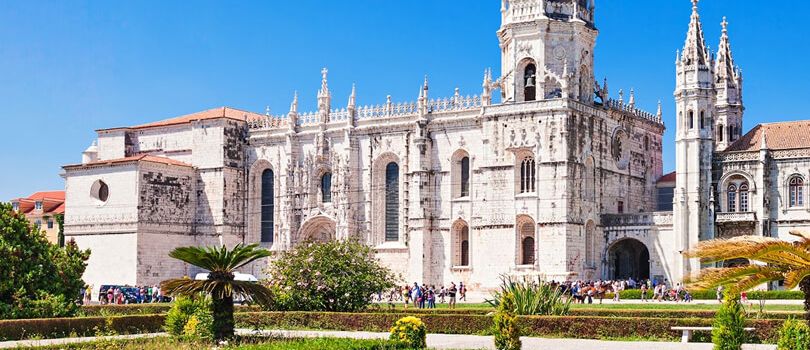
"Explore exquisite Manueline architecture and history."
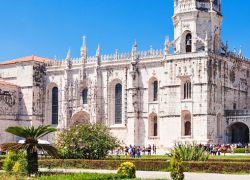
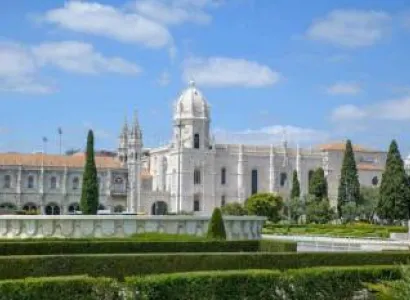
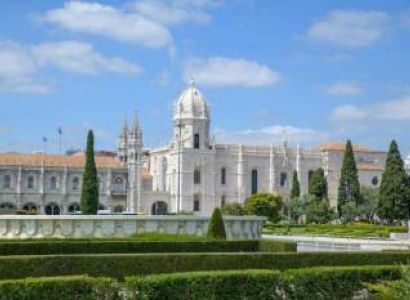
The Jeronimos Monastery (Mosteiro dos Jerónimos) is one of Lisbon’s most significant landmarks and a UNESCO World Heritage Site. Located in the Belem district, the monastery is a masterpiece of Manueline architecture, reflecting Portugal’s Golden Age of exploration. The monastery was built in the late 15th century and is dedicated to Saint Jerome. It is renowned for its intricate designs and historical importance, making it a must-see attraction for visitors in Lisbon.
How to Reach Jeronimos Monastery, Lisbon
The Jeronimos Monastery is located in the Belem district of Lisbon, around 6 km west of the city center. It is easy to reach through various modes of public transportation:
Weather at Jeronimos Monastery, Lisbon
Lisbon has a Mediterranean climate, which makes the Jeronimos Monastery an attractive destination throughout the year. However, the best times to visit are in the spring (March to May) and autumn (September to November) when temperatures are moderate, and the weather is pleasant. Here's a breakdown of the typical weather in Lisbon and the Belem area:
Why Jeronimos Monastery is Famous
The Jeronimos Monastery is one of the most famous landmarks in Lisbon for several reasons:
Entry and Visit Details about Jeronimos Monastery, Lisbon
Visiting the Jeronimos Monastery is a fantastic way to explore Lisbon’s rich history and culture. Here’s what you need to know about visiting:
Opening Hours: The monastery is open daily, except for Mondays and certain public holidays. Its typical hours are from 10:00 AM to 5:30 PM. Be sure to check the official website for any changes to the schedule, especially during holidays.
Entry Fees: As of now, the entrance fee is around €10 for adults. Discounts are available for students, seniors, and children. Entry is free on the first Sunday of every month.
Audio Guides: Visitors can rent an audio guide or take a guided tour to enhance their experience and learn more about the history and architecture of the monastery. The audio guides are available in several languages, including English, Spanish, French, and Portuguese.
Plan to spend at least 1-1.5 hours exploring the monastery and its surroundings to fully appreciate the architectural details and history.
History of Jeronimos Monastery
The Jeronimos Monastery was built between 1501 and 1601, during the reign of King Manuel I. The construction was a symbol of Portugal's prosperity during the Age of Exploration, when the country was at the height of its power and influence. The monastery was initially built for the Order of Saint Jerome, and its purpose was to provide a place for monks to pray for the souls of those who contributed to Portugal’s wealth and success, especially the sailors and explorers.
The monastery was also a center for education and research, particularly in navigation and astronomy. Over the centuries, it underwent several modifications, including the addition of the ornate cloisters, chapels, and the iconic bell tower. In 1833, the monastery was dissolved as part of a broader secularization movement, but its significance remained intact.
Today, the Jeronimos Monastery stands as a testament to Portugal’s glorious maritime past, with its impressive architecture and historical connections to key figures such as Vasco da Gama.
Architecture of Jeronimos Monastery
The architecture of the Jeronimos Monastery is a stunning example of Manueline style, which blends Gothic, Renaissance, and Moorish influences. The monastery features intricate carvings, large vaulted ceilings, and decorative elements that are representative of Portugal’s maritime history.
The Church of Santa Maria is the centerpiece of the monastery. Its most notable feature is the impressive altar and the tomb of Vasco da Gama, which is located inside the church. The church also features a series of beautiful stained-glass windows and intricate stonework.
The monastery’s cloisters are another highlight, with ornate arches and intricate carvings of nautical motifs like ropes, anchors, and shells. These cloisters offer a peaceful and serene atmosphere, with lush greenery in the center, perfect for reflecting on the beauty of the architecture.
Things to Do at Jeronimos Monastery
While visiting the Jeronimos Monastery, there are several things you can do to enhance your experience:
Facts and Tips about Jeronimos Monastery











Lisbon
Lisbon
Lisbon
Lisbon